
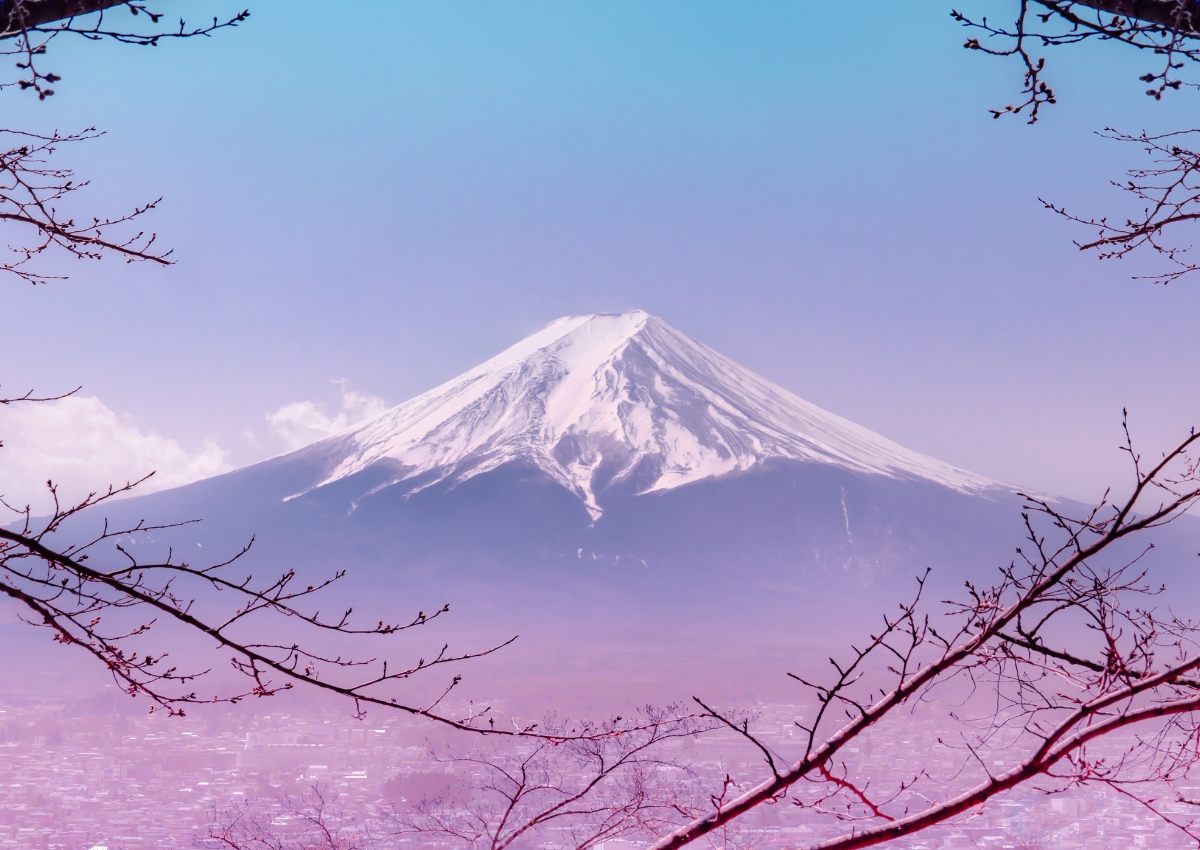
Asia is calling you, and if you’re someone who gets genuinely excited about trading your office chair for a hiking boot, then buckle up. We’re about to embark on a journey through some of the most breathtaking, soul-stirring, and absolutely unforgettable hiking destinations that this magnificent continent has to offer. From towering Himalayan peaks that touch the clouds to mystical limestone karsts hidden in jungle valleys, Asia has something that will make your adventurous heart skip a beat. Whether you’re a seasoned trekker or someone lacing up hiking boots for the first time, this comprehensive guide will show you exactly why millions of adventurers flock to Asian trails each year—and more importantly, it’ll help you plan your own epic adventure.
The beauty of hiking in Asia isn’t just about conquering peaks or crossing finish lines. It’s about those quiet moments when you’re surrounded by ancient forests, watching the sunrise paint the sky in colors you didn’t know existed, or sharing steaming bowls of noodles with fellow hikers at a mountain lodge. It’s about discovering cultures that have thrived in these mountains for millennia, tasting local foods you’ve never encountered before, and pushing yourself beyond what you thought was possible. In this guide, I’m going to walk you through the 10 most spectacular hiking spots across Asia, sharing insider tips, realistic budget breakdowns, safety considerations, and everything else you need to know to make your adventure absolutely spectacular.
The hiking trails in Asia vary wildly in difficulty, duration, and cost, which is precisely what makes the continent such an incredible destination. You can spend two weeks trekking through Nepal’s Himalayas for less than what you’d spend on a fancy weekend in a Western resort, or you can do a quick afternoon hike from a major city and be back for dinner. You can acclimatize your body to extreme altitudes or stick to moderate trails that showcase stunning scenery without the physical intensity. Whatever your style, Asia has got you covered, and I’m here to help you find your perfect fit.
1. Mount Fuji, Japan: Conquer Japan’s Sacred Icon
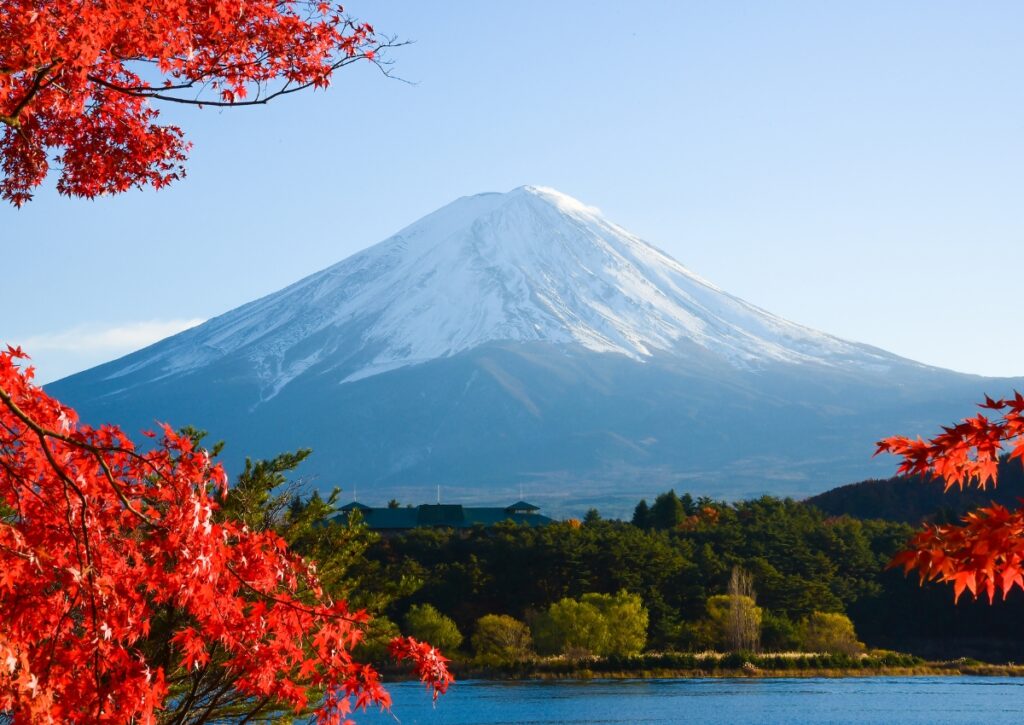
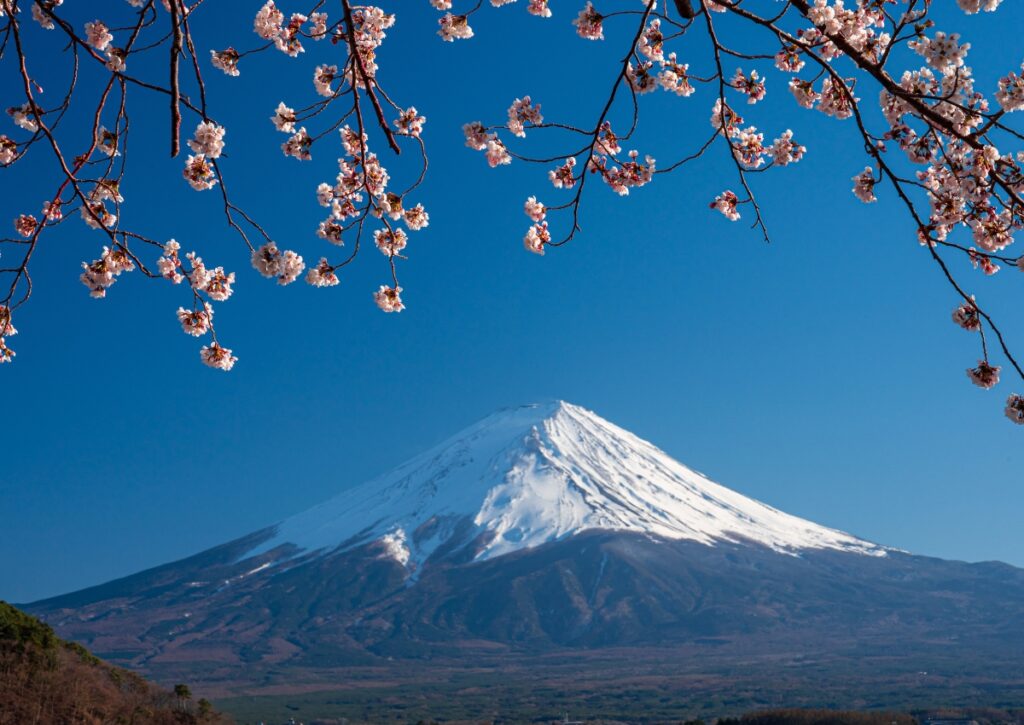
Mount Fuji stands at 3,776 meters and is Japan’s highest and most iconic mountain. This perfectly symmetrical volcano has been the subject of countless paintings, poems, and now, your bucket list. The experience of climbing Mount Fuji isn’t just about reaching the summit—it’s about understanding why this mountain has captivated Japanese culture for over a thousand years.
The Experience at Mount Fuji
The classic experience involves either climbing to the summit in one day (an absolute beast of an endeavor that requires starting at 10 PM) or breaking it into a more comfortable two-day climb with an overnight stay in one of the mountain huts. Most visitors opt for the two-day experience because, honestly, who wants to torture themselves? The magic of climbing Mount Fuji happens when you start in the evening and arrive at the summit just before sunrise. Watching the world wake up beneath you is genuinely life-changing.
The Yoshida Trail is the most popular route, accounting for about 60% of all climbers. It’s considered the easiest of the four main routes and has the best infrastructure, with around 15 mountain huts offering overnight accommodation. The trail takes you through different ecological zones—from forested foothills to alpine meadows and finally to the bare volcanic rock plateau of the summit.
Difficulty Level: Moderate (altitude and physical endurance are the main challenges, not technical climbing skills)
Duration: 2 days (or 1 very long day if you’re feeling ambitious)
Total Distance: 13.6 km round trip
Elevation Gain: 1,452 meters
Best Time to Visit: July 1 to September 15 (the official climbing season)
Budget Breakdown for Mount Fuji
| Expense | Cost (JPY) | Cost (USD) |
|---|---|---|
| Train from Tokyo to Kawaguchiko | ~3,000 | ~18 |
| Bus to 5th Station | ~1,500 | ~9 |
| Admission Fee (2025) | 4,000 | 24 |
| Mountain Hut (one night) | 5,000-9,000 | 30-55 |
| Food & Drinks on the Mountain | 3,000-5,000 | 18-30 |
| Miscellaneous | 5,000-10,000 | 30-60 |
| TOTAL | ~53,600 | ~320 |
Pro Tips: Book your mountain hut accommodation weeks in advance, especially during peak season. Bring plenty of small change for toilet use (100-300 yen) and water (800 yen for a bottle). Toilets and food on the mountain are expensive, so plan accordingly. Start with warm layers because even in summer, temperatures drop to freezing at the summit.
Sustainable Tourism at Mount Fuji
Consider staying in eco-conscious mountain huts that implement waste reduction and use renewable energy. Support local guides who emphasize Leave No Trace principles. Pack a reusable water bottle and purification tablets to minimize plastic waste on the mountain.
Book your Mount Fuji accommodations with Booking.com to secure the best rates and read reviews from other hikers.
2. Annapurna Circuit, Nepal: The Classic Himalayan Trek
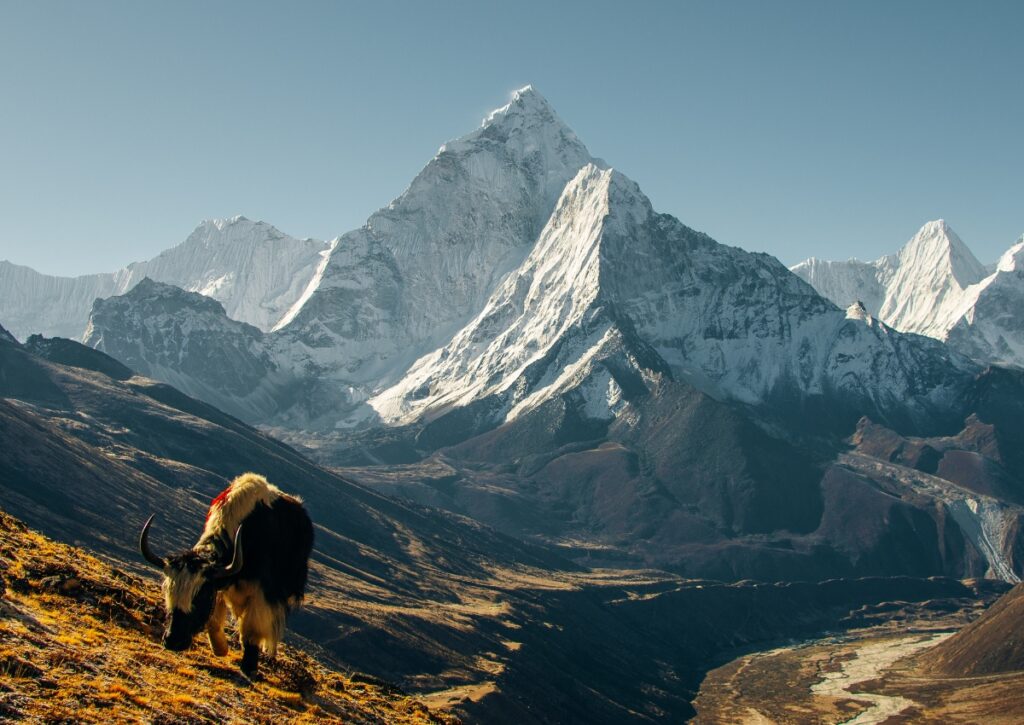
The Annapurna Circuit is a legendary 230-kilometer trek that’s practically a pilgrimage for adventurous travelers. This isn’t just another hiking trail; it’s a complete immersion into Himalayan culture, stunning mountain vistas, and personal transformation. The trail takes you through diverse ecosystems—from subtropical forests to high-altitude passes—and connects you with local communities that have called these mountains home for generations.
What Makes Annapurna Circuit Special
The beauty of the Annapurna Circuit lies in its incredible versatility. You’re not stuck on a single path with the same view; instead, you’re constantly treated to changing landscapes. One day you’re walking through rhododendron forests with local families tending to their terraced fields, and the next you’re at a mountain pass surrounded by peaks over 6,000 meters high.
The highest point is the Thorung La Pass at 5,416 meters, which is genuinely challenging but absolutely achievable with proper acclimatization. The trail is well-established with teahouses at regular intervals, meaning you don’t need to carry a heavy tent or extensive camping gear. You stay in local guesthouses, eat local food, and directly support local economies. This is sustainable tourism at its finest.
Difficulty Level: Challenging
Duration: 16-21 days (you can modify this based on available time)
Total Distance: 230 km
Elevation Gain: Reaches 5,416 meters at Thorung La Pass
Best Time to Visit: October to November (clear skies, cool temps) and March to May (longer days, blooming rhododendrons)
Budget Breakdown for Annapurna Circuit
| Expense | Cost (USD) |
|---|---|
| Flights (international to Nepal) | 400-800 |
| Local flights (to Kathmandu) | Included |
| ACAP Permit | 20-30 |
| Trek permit | 200 |
| Daily guesthouse & meals | 15-25 |
| Porter services (optional) | 8-12 per day |
| Guides | 15-25 per day |
| Transportation to trailhead | 30-50 |
| Equipment rental | 50-100 |
| 14-day Trek Total | ~$700-1,200 |
Daily Budget: Budget approximately $50-75 per day for trekking if you’re doing it independently with guesthouses and local food.
Trekking Essentials and Safety
Altitude acclimatization is crucial. Follow the principle of “climb high, sleep low“—ascend to higher elevations during the day but sleep at lower altitudes to allow your body to adjust. Drink enormous quantities of water (aim for 3-4 liters daily), as dehydration accelerates altitude sickness symptoms. Pack medication like acetazolamide (Diamox) after consulting with your doctor, especially if you have a history of altitude issues.
Connecting with Local Communities
Stay in family-run teahouses and eat meals with the owners. Hire local porters and guides—this directly puts money into the community and provides fair employment. Support local artisans by purchasing handicrafts directly from workshops.
Book your Nepal accommodations and guides through GetYourGuide to support verified local operators and read authentic traveler experiences.
3. Kumano Kodo, Japan: Walk in the Footsteps of Ancient Pilgrims
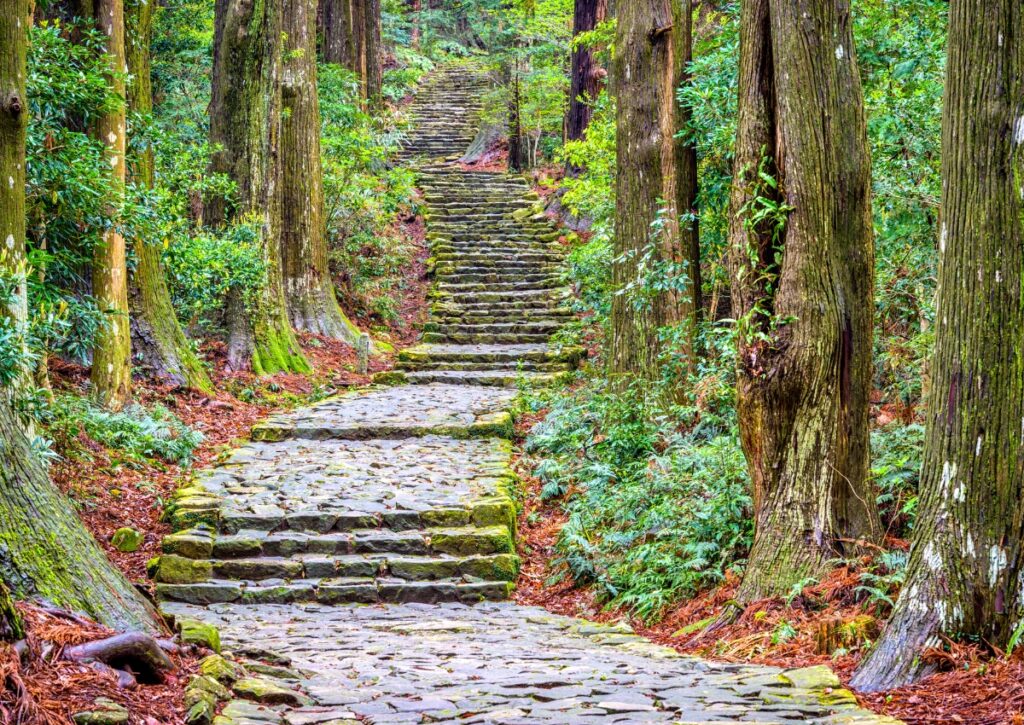
The Kumano Kodo is a network of ancient pilgrimage trails on the Kii Peninsula in southern Japan that has been in continuous use for over 1,000 years. This UNESCO World Heritage site stands as one of only two pilgrim routes globally with this prestigious designation (the other being Spain’s Camino de Santiago). Walking these trails isn’t just a physical hike; it’s a spiritual journey through history, tradition, and stunning Japanese mountain scenery.
The Sacred Pilgrimage Experience
What’s fascinating about Kumano Kodo is that you’re literally walking paths that emperors, monks, samurai, and ordinary pilgrims have trodden for more than ten centuries. The trails connect three sacred Shinto shrines: Kumano Hongu Taisha, Kumano Hayatama Taisha, and Kumano Nachi Taisha, collectively known as Kumano Sanzan.
The Nakahechi route is the most popular pilgrimage path, combining spiritual significance with accessible logistics. You stay in traditional inns and temples called minshuku, many of which operate hot springs (onsen). After a day of hiking through ancient forests, soaking in steaming hot water under the stars is genuinely transcendent.
Difficulty Level: Moderate
Duration: 3-10 days (you can choose sections to hike)
Most Popular Route: Nakahechi (2-3 days covering approximately 35 km)
Best Time to Visit: April-May (spring) and September-October (autumn)
Budget Breakdown for Kumano Kodo
| Expense | Cost (USD) |
|---|---|
| Flights to Japan | 600-1,200 |
| Train to Kumano region | 100-150 |
| Traditional inn (minshuku) per night | 50-80 |
| Meals (included in some accommodations) | 20-40 |
| Luggage transfer service | 10 per day |
| Entry fees to shrines | 5-10 |
| Local transportation | 20-40 |
| 5-day trek total | ~$800-1,200 |
Luggage Transfer Services
Don’t carry everything on your back! Use the luggage transfer service called nimotsu-okuri. Your backpack is transported to your next accommodation while you hike with just a daypack. This costs about $10-15 per day and makes the experience significantly more enjoyable.
Spiritual Connection and Local Culture
Participate in morning prayers at temples where you’re staying. Purchase small ema (prayer boards) at shrines and write your intentions. Engage with the shrine keepers and inn owners—they often share fascinating stories about the trails and local traditions. Many hikers report that the spiritual aspect of Kumano Kodo transforms the experience beyond just physical hiking.
Book traditional Japanese inns and accommodations with Booking.com to secure authentic minshuku experiences and understand local hospitality.
4. Tiger Leaping Gorge, China: Adventure in China’s Most Dramatic Canyon
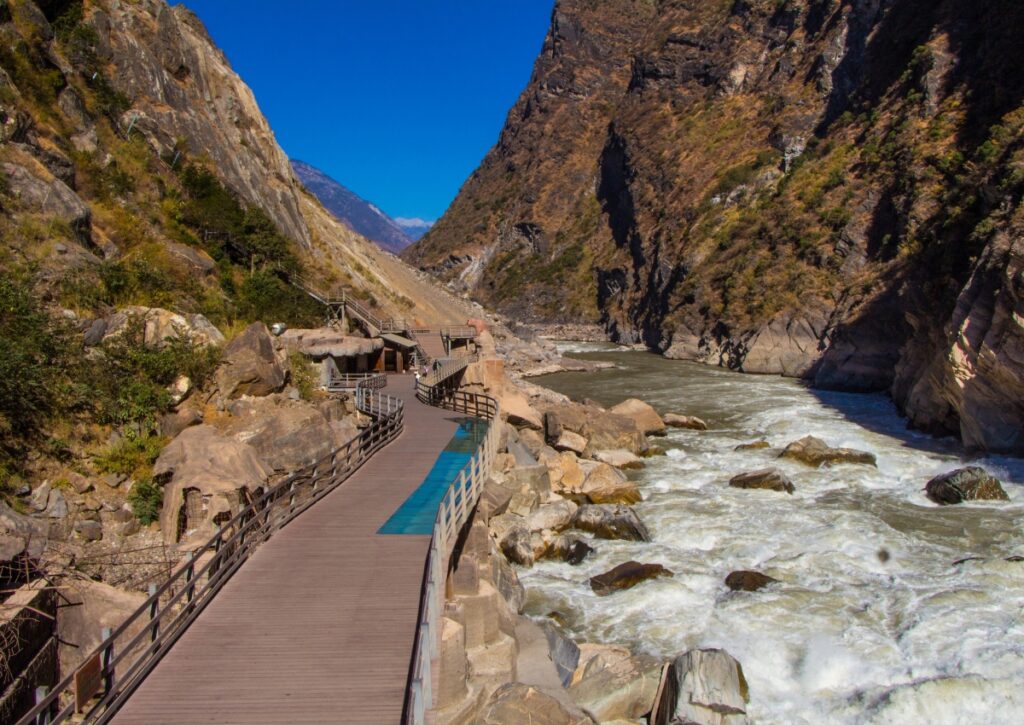
The Tiger Leaping Gorge, located near Lijiang in Yunnan Province, is one of Asia’s most dramatic and mesmerizing hikes. The gorge itself is a 15-kilometer chasm carved by the Jinsha River (an upper tributary of the Yangtze), with towering mountains rising nearly 3,800 meters from river to peak. According to local legend, a tiger once escaped hunters by leaping across the river at its narrowest point—hence the name.
The Upper Trail Experience
The iconic upper trail winds along the cliff face, offering simultaneously breathtaking and terrifying views. You’re often walking along paths only a meter wide, with the cliff towering above on one side and a dizzying drop to the gorge below on the other. This isn’t a hike for acrophobes, but the sense of accomplishment after completing it is absolutely extraordinary.
The most challenging section is the famous “28 Bends”—a steep switchback that gains significant elevation in a relatively short distance. You’ll emerge gasping for air but rewarded with phenomenal views. The good news? Local entrepreneurs have horses and donkeys available for rent if the climb becomes overwhelming.
Difficulty Level: Moderate to Challenging
Duration: 2-3 days
Total Distance: 25-30 km
Elevation Gain: Approximately 2,800 meters total
Best Time to Visit: April-May and September-October (avoid rainy season and extreme heat)
Budget Breakdown for Tiger Leaping Gorge
| Expense | Cost (CNY) | Cost (USD) |
|---|---|---|
| Flights to Lijiang | 1,000-2,000 | 140-280 |
| Bus from Lijiang to trailhead | 30-50 | 4-7 |
| Guesthouse per night | 50-150 | 7-21 |
| Meals | 30-80 | 4-11 |
| Trail fees | 50 | 7 |
| Horse rental (optional) | 100-200 | 14-28 |
| 2-day trek total | ~$400-450 |
Daily Budget in the Tiger Leaping Gorge Area
Budget: $30-50 per day for independent travelers staying in hostels and eating local food. Guesthouses include meals, bringing costs down significantly.
Safety Considerations
The trail is particularly risky during heavy rain due to muddy conditions and potential landslides. Check weather forecasts and local conditions before heading out. While guides aren’t technically necessary for experienced hikers, many travelers meet in hostels and form groups for safety and companionship.
Supporting Local Economies
Stay in locally-owned guesthouses rather than booking international chains. Purchase water and snacks from local vendors along the trail. These small interactions directly support mountain communities.
Arrange transportation and local guides through GetYourGuide to support verified local guides and operators in the Lijiang area.
5. Mount Kinabalu, Sabah, Malaysia: Southeast Asia’s Tallest Peak
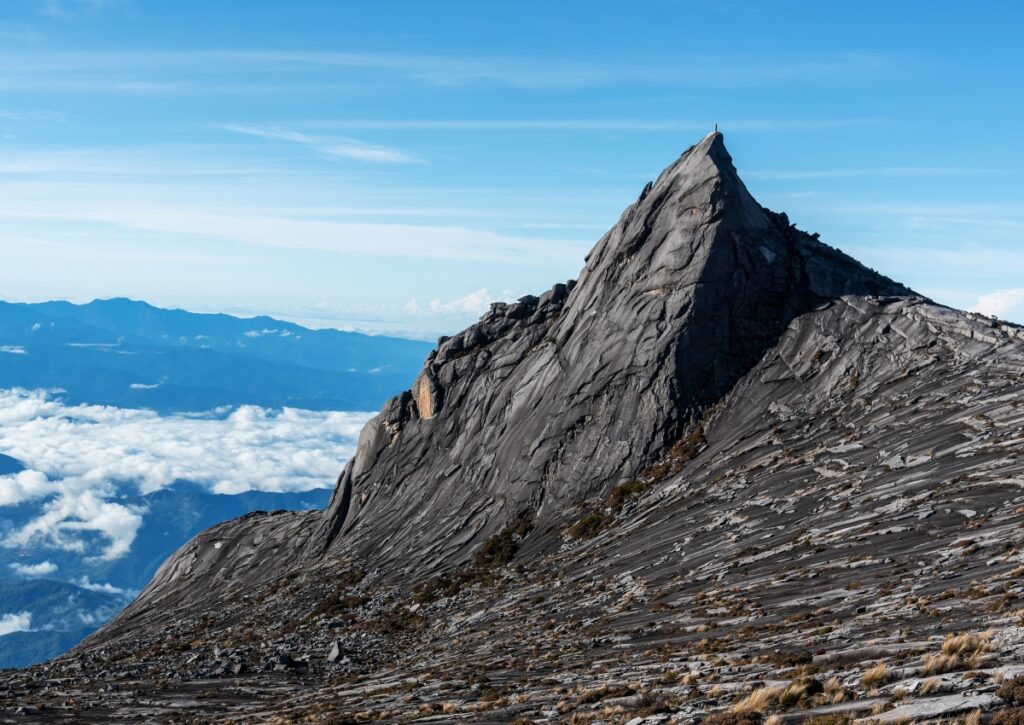
Standing at 4,095 meters, Mount Kinabalu is Southeast Asia’s highest peak and is located in the Sabah region of Borneo, Malaysia. This UNESCO World Heritage Site is famous for its incredible biodiversity—home to pitcher plants, rhododendrons, and unique mountain wildlife found nowhere else on Earth. But beyond the flora and fauna, summiting Mount Kinabalu is a profound personal achievement that combines physical challenge, natural beauty, and genuine accomplishment.
The Two-Day Summit Experience
All climbs are now 2-day, 1-night experiences (Sabah Parks changed regulations to prevent dangerous “bullet climbs”). You climb approximately 6 hours on day one to reach your overnight accommodation at either Laban Rata or Pendant Hut, both located at 3,280 meters. After a few hours of rest and an early dinner, you wake at 2-3 AM for the final summit push.
The approximately 2.7-kilometer ascent to Low’s Peak (the actual summit) takes 3-4 hours of scrambling over granite, guided by ropes through the steepest sections. Most climbers arrive at the summit around 5-6 AM to witness an absolutely spectacular sunrise. The descent takes another 3-4 hours on the same route.
Difficulty Level: Challenging (not technical climbing, but physically demanding due to 600+ flights of stairs and rapid elevation gain)
Duration: 2 days, 1 night (mandatory)
Total Distance: 8.5 km one way from start to summit
Elevation Gain: 2,200 meters in one day
Required: Mandatory guide and permit from Sabah Parks
Best Time to Visit: March-August (dry season); December-January (rainy season) brings higher risks of wet trails and poor visibility
Budget Breakdown for Mount Kinabalu
| Expense | Cost (MYR) | Cost (USD) |
|---|---|---|
| Flights to Sabah | 1,200-2,400 | 250-500 |
| Meals at the hut | 80-150 | 17-32 |
| Park entrance/guide (mandatory) | 300-600 | 65-130 |
| Mountain hut accommodation | 150-200 | 32-43 |
| Meals at hut | 100-150 | 21-32 |
| Porter services (optional, 10kg+) | 140+ | 30+ |
| Luggage storage | 12 | 2.50 |
| Equipment rental (if needed) | 50-100 | 11-21 |
| Transportation to park | 30-60 | 6-13 |
| Total for 1 climb | ~$530-770 |
Getting to Mount Kinabalu
Fly into Kota Kinabalu International Airport. From there, it’s about a 2-hour drive to Kinabalu Park. Book through licensed tour operators who include transportation, guides, accommodation, and permits. This is actually easier and often cheaper than arranging separately.
Altitude Acclimatization Strategy
Climb the Kinabalu Park Nature Trail on day one to help your body begin acclimatizing. Stay well hydrated—seriously, this cannot be overstated. Drink 2-3 liters of water on the approach day. Pack altitude sickness medication (Diamox) after consulting your doctor, especially if you’re coming from sea level.
Sustainable Mountaineering
Use the porter system responsibly and pay fairly. Support the local Sabah community by hiring local guides and eating at local restaurants. Consider climbing during shoulder season (March, April, September) to reduce impact during peak times.
Book your Mount Kinabalu climb through Booking.com or GetYourGuide to access verified operators.
6. Phong Nha-Ke Bang, Vietnam: Jungle Hiking and Cave Exploration
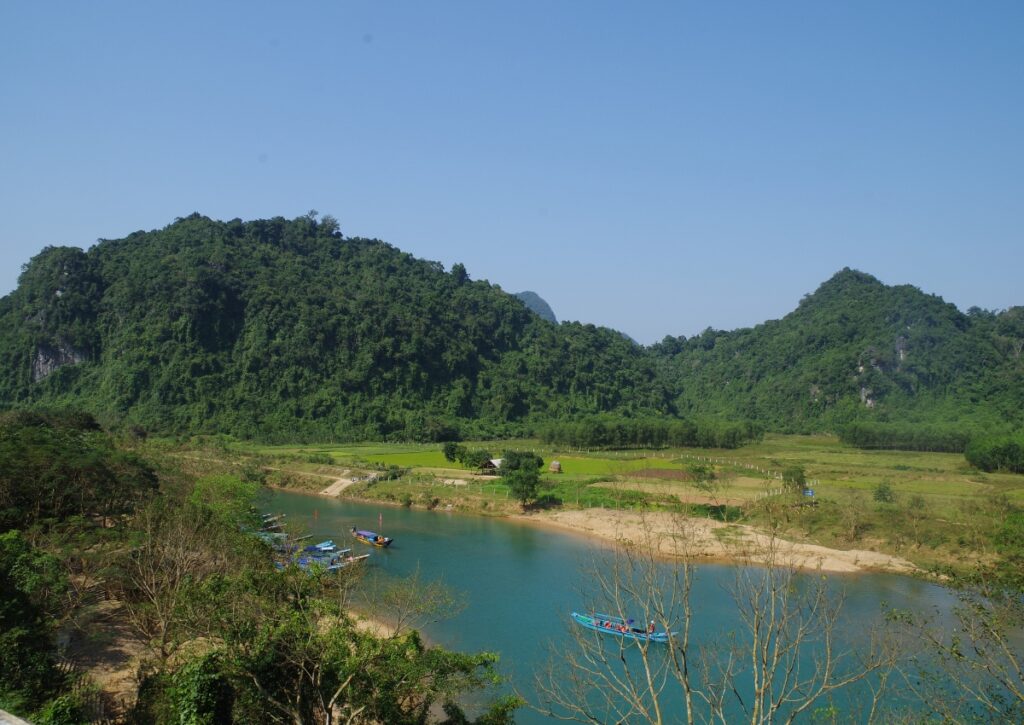
Phong Nha-Ke Bang National Park in north-central Vietnam is a UNESCO World Heritage Site featuring stunning limestone karst formations, emerald-green rivers, and vast cave systems. This isn’t traditional mountain hiking; instead, you’re exploring towering jungle landscapes and discovering some of the world’s largest and most spectacular caves. Son Doong Cave is literally called the “Jungle inside a Cave”—and that description barely does it justice.
The Adventure Options
You can hike the relatively easy trails around the park (2-4 hours), featuring cool jungle walks and riverside sections. Or, if you’re more adventurous, tackle a Son Doong Cave expedition (a multi-day adventure exploring the world’s largest cave) or the Phong Nha Cave experience.
The Shakadang Trail is an easy 4-kilometer walk following crystal-clear streams with jaw-dropping emerald pools (swimming is prohibited, though the temptation is real). The Zhuilu Old Trail offers more challenging hiking along cliff edges with spectacular views. Both are incredible in different ways.
Difficulty Level: Easy to Moderate (depending on which trails)
Duration: Day hikes to 4+ day cave expeditions
Best Time to Visit: October-April (dry season; June-September is rainy/hot)
Budget Breakdown for Phong Nha
| Expense | Cost (USD) |
|---|---|
| Flights to Vietnam | 400-800 |
| Bus to Phong Nha | 15-30 |
| Homestay accommodation per night | 15-30 |
| Day hike with guide | 25-40 |
| Son Doong Cave expedition (4 days) | 2,800-3,200 |
| Meals | 15-25 per day |
| Budget trek (3 days) | ~$150-200 |
| Son Doong expedition (4 days) | ~$3,000 |
Homestay Experience
Skip hotels and stay in homestays operated by local families in the surrounding Bong Lai Valley. These cost $15-30 per night, including meals, and offer an authentic immersion into Vietnamese rural culture. Many homestay owners organize local hikes and cave exploration.
Son Doong Cave: The Ultimate Adventure
This is genuinely one of the most extraordinary adventures you can have. The cave is so massive that it has an underground river, jungle, and ecosystem. The expedition includes camping inside the cave, rappelling, swimming, and exploring passages that require technical climbing skills. Cost is approximately $2,800-3,200 for 4 days, including guide, meals, and equipment.
Sustainable Tourism in Phong Nha
Hire local guides who understand ecosystem preservation. Use homestays rather than large hotels. Take all trash out of the caves and natural areas—practice strict Leave No Trace principles.
7. Lantau Trail, Hong Kong: Urban Hiking with Spectacular Views
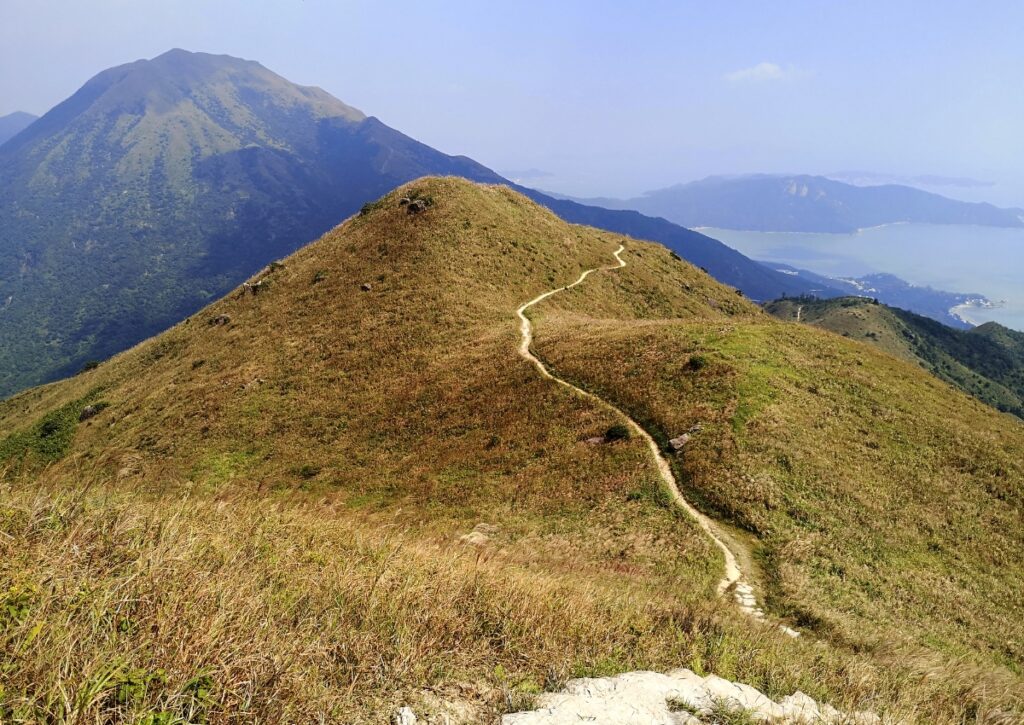
The Lantau Trail is a 70-kilometer route on Lantau Island near Hong Kong, offering one of Asia’s best hiking experiences within easy reach of a major city. You can literally take the subway to Hong Kong, then within hours be hiking through peaceful mountains with expansive views of the South China Sea. The trail includes the famous West Dog’s Teeth Ridge, often cited as Hong Kong’s most challenging hike.
Lantau Peak Challenge
Lantau Peak, at 934 meters, is Hong Kong’s second-highest mountain. The West Dog’s Teeth Ridge route to the summit is considered the most challenging hike in Hong Kong, featuring scrambling over rocks, dense vegetation, and steep sections—but nothing requiring technical rock climbing skills.
The trail offers several route options. The classic is an 8-10 kilometer round trip taking 3-5 hours, with approximately 880 meters of elevation gain. The experience includes rocky scrambles, narrow ridges, and phenomenal panoramic views from the summit.
Difficulty Level: Moderate to Challenging
Duration: 4-5 hours for summit push; full day for various routes
Total Distance: 5-10 km, depending on route
Elevation Gain: 880+ meters
Best Time to Visit: October-April (cooler, clearer skies)
Budget Breakdown for Lantau Hiking
| Expense | Cost (HKD) | Cost (USD) |
|---|---|---|
| Subway/ferry from central Hong Kong | 30-60 | 4-8 |
| Bus to trailhead | 10-20 | 1.50-2.50 |
| Accommodation (central Hong Kong) | 200-600 | 25-75 |
| Meals | 50-150 | 6-19 |
| Guide services (optional) | 200-400 | 25-50 |
| Day trip (from HK base) | ~$15-35 |
Multi-Day Lantau Experience
The complete Lantau Trail can be done over multiple days with camping or staying in mountain shelters. This allows you to experience sunrise and sunset from different peaks and get genuinely lost in the mountains despite being just minutes from a major metropolis.
Getting There
From Hong Kong’s central areas, take the ferry to Lantau Island, then buses to various trailheads. The access is incredibly convenient—you’re never far from civilization but feeling completely immersed in nature.
Practical Considerations
Bring plenty of water (2-3 liters) as there’s minimal water access on exposed ridges. Start early to maximize daylight, especially in winter when days are shorter. Sunset hiking requires headlamps and experience with night navigation.
Book Hong Kong accommodations with Booking.com to base yourself for exploring
8. Doi Inthanon, Thailand: Thailand’s Highest Peak Adventure
Doi Inthanon, located in northern Thailand near Chiang Mai, stands at 2,565 meters and is Thailand’s highest peak. Unlike many other “tallest peaks,” Doi Inthanon is genuinely accessible—you can drive most of the way up, making it perfect for hikers of all levels wanting to check off a “highest peak” achievement.
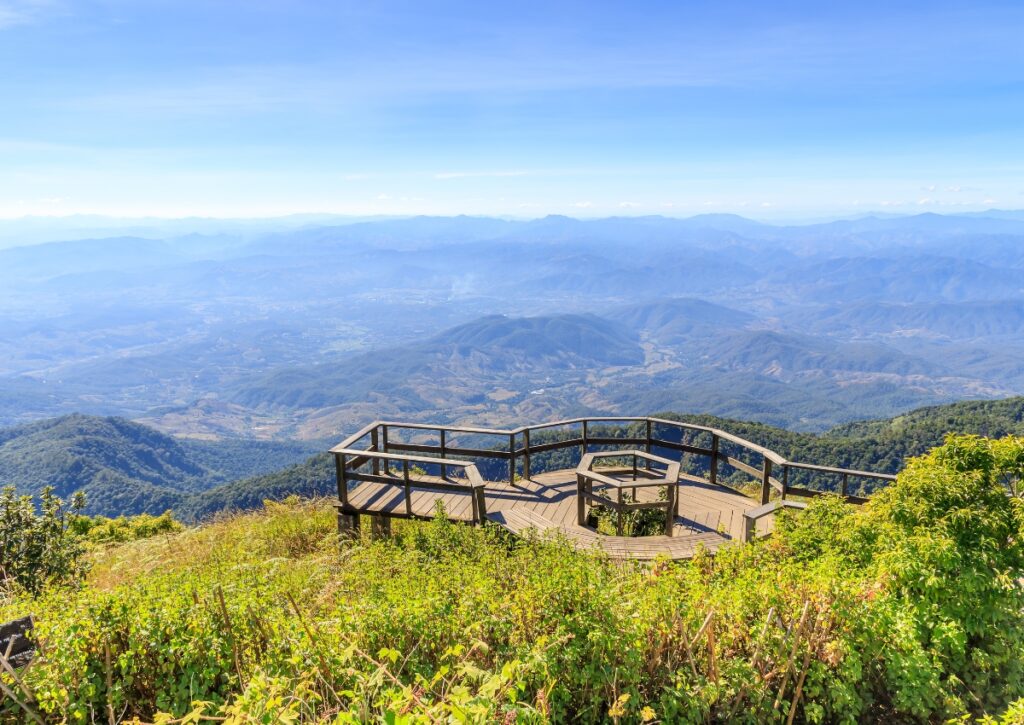
The Unique Doi Inthanon Experience
The park features two main hiking options. The Ang Ka Luang Nature Trail is a magical 30-minute boardwalk through dense, mossy, cloud forest. It’s extraordinarily beautiful and suitable for families or those wanting something mellow. The Kew Mae Pan Nature Trail is a more challenging 2.5-kilometer hike taking 2-4 hours, winding through forest and offering stunning views of rolling hills and distant valleys.
What makes Doi Inthanon special isn’t technical difficulty—it’s the experience of ascending to Thailand’s highest point while traveling through radically different ecosystems. The park is famous for its rare bird species and cooler mountain climate (a refreshing escape from Thailand’s typically oppressive heat).
Difficulty Level: Easy to Moderate
Duration: 30 minutes to 4 hours (depending on trail)
Best Time to Visit: November-February (cool, clear days); November-February is the peak for birdwatching
Budget Breakdown for Doi Inthanon
| Expense | Cost (THB) | Cost (USD) |
|---|---|---|
| Flights to Chiang Mai | 3,000-8,000 | 85-230 |
| Guesthouse per night | 400-1,000 | 11-28 |
| National park entrance | 300 | 8.50 |
| Meals | 100-400 | 3-11 |
| Guide services (optional) | 400-800 | 11-23 |
| Transportation to park | 100-200 | 3-6 |
| Day trip with meals | ~$60-80 |
Sustainable Tourism at Doi Inthanon
Stay in eco-lodges emphasizing renewable energy and waste reduction. Hire local guides who understand and protect the ecosystem. Participate in bird conservation efforts if available. Support local communities by eating at family-run restaurants rather than chain establishments.
9. Seoraksan National Park, South Korea: Alpine Adventure in Korea
Seoraksan National Park in northeastern South Korea features spectacular alpine scenery, dramatic granite peaks, and pristine mountain wilderness. The park offers 35 different hiking trails ranging from easy riverside walks to challenging multi-day mountain treks. Ulsanbawi Rock, featuring six granite peaks connected by steel staircases, is one of Korea’s most dramatic and popular hikes.
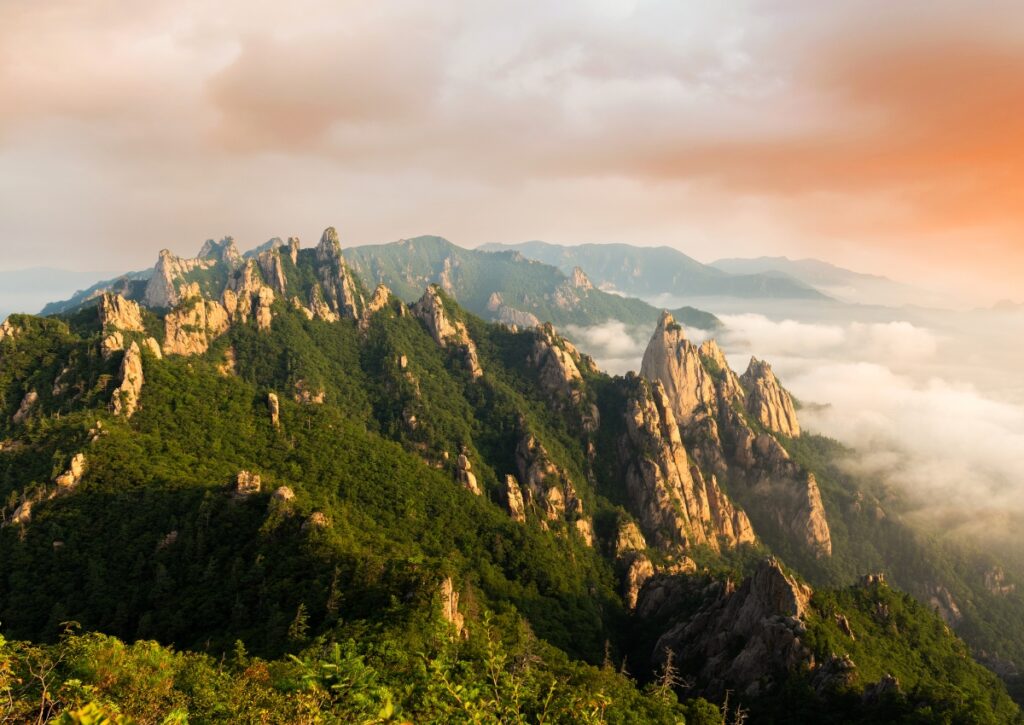
The Seoraksan Experience
The Ulsanbawi Rock Trail is 7.1 kilometers with 566 meters of elevation gain, taking 3-5 hours. This hike features dramatic rocky peaks, suspended staircases over drop-offs that make your knees quake, and panoramic views from the summit. The intermediate option is Biryong Falls, a 4.7-kilometer hike taking 1.5-2 hours through bamboo forest and rocky canyons.
For serious trekkers, Daecheongbong Peak is South Korea’s challenging alpine trek—15 kilometers and 1,575 meters of elevation gain, taking 6+ hours (often completed over 2 days with overnight shelter).
Difficulty Level: Easy to Challenging (depending on trail)
Duration: 1.5 hours to 2 days
Best Time to Visit: May-June (fresh green season) and September-October (autumn colors); trails close March-mid-May due to fire risk
Budget Breakdown for Seoraksan
| Expense | Cost (KRW) | Cost (USD) |
|---|---|---|
| Flights to Seoul | 600-1,500 | 450-1,100 |
| Train/bus to Sokcho | 30,000-50,000 | 23-38 |
| Guesthouse per night | 30,000-80,000 | 23-60 |
| National park entrance | 3,500 | 2.60 |
| Meals | 10,000-30,000 | 8-23 |
| Guide services (optional) | 50,000-100,000 | 38-75 |
| Day hiking (budget) | ~$50-80 |
Seasonal Considerations
Spring (May-June) offers blooming wildflowers and fresh greenery. Fall (September-October) features stunning autumn colors—absolutely magical. Summer brings crowds and potential heat exhaustion. Winter offers fewer crowds but challenging conditions.
Altitude Acclimatization
While Seoraksan’s altitude isn’t extreme (the highest point is around 1,700 meters), the rapid elevation gain can challenge some hikers. Take it slow, stay hydrated, and don’t overexert on the first day.
Book accommodations in Sokcho with Booking.com to access the park
10. Taroko Gorge, Taiwan: Dramatic Clifftop Hiking
Taroko Gorge on Taiwan’s east coast features dramatic marble gorge formations, winding rivers, and some of Asia’s most spectacular cliff-edge hiking. The Zhuilu Old Trail is Taiwan’s most famous hike—featuring narrow paths literally carved into 500-meter cliff faces with panoramic views directly down into the gorge.
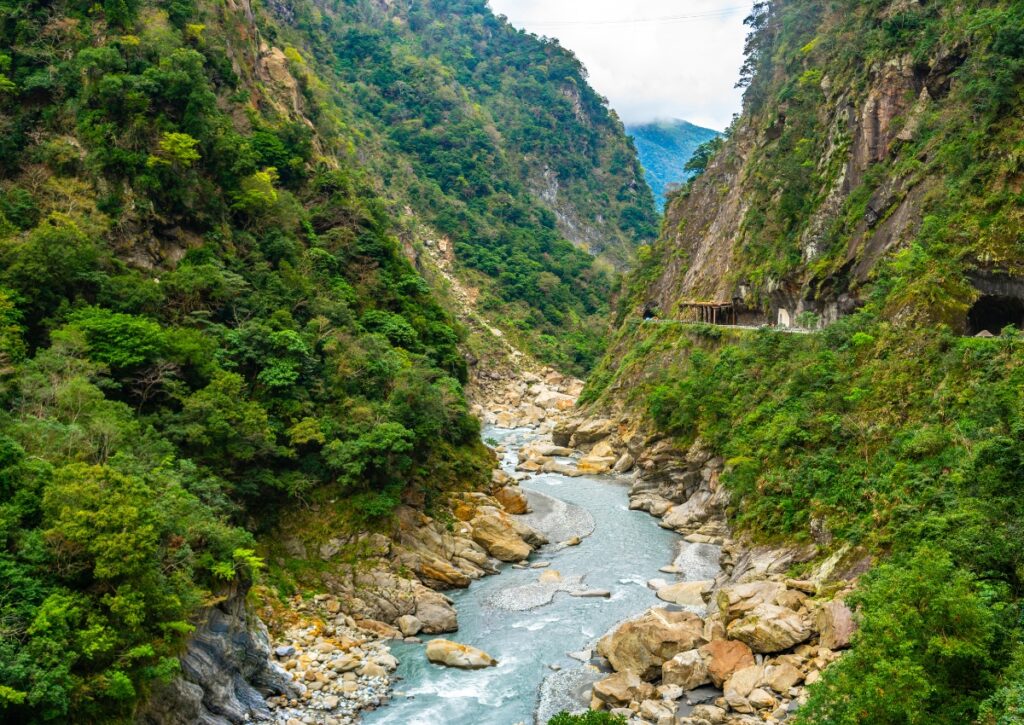
The Zhuilu Experience
This 6-kilometer hike takes 2-6 hours depending on the trail sections currently open (maintenance closures are common). The trail includes the initial jungle section (approximately 2.5 km) before reaching the exposed cliff-edge section, where you’re walking along meter-wide paths carved directly into the rock face.
This isn’t for people afraid of heights—the exposure is genuine and intense. But if you have the nerve, the views are absolutely stunning. The final 500 meters feature the most dramatic sections with sheer drops and expansive vistas.
Easier alternative: Shakadang Trail is a 4-kilometer riverside walk through crystal-clear waters and scenic canyons—much gentler but equally beautiful.
Difficulty Level: Moderate to Challenging (depending on trail)
Duration: 2-6 hours (Zhuilu); 2 hours return (Shakadang)
Best Time to Visit: October-April (dry season; typhoon season runs June-September)
Budget Breakdown for Taroko
| Expense | Cost (TWD) | Cost (USD) |
|---|---|---|
| Flights to Taiwan | 800-1,500 | 25-47 |
| Guesthouse per night | 500-1,200 | 16-38 |
| National park entrance | 80 | 2.50 |
| Guide for Zhuilu (required) | 1,200-2,000 | 38-63 |
| Meals | 200-500 | 6-16 |
| Transportation to park | 100-200 | 3-6 |
| Day hike from base | ~$100-150 |
Important Note on Taroko
The famous Zhuilu Trail was severely damaged by recent earthquakes and may take 5-7 years to repair. Check the current status before planning. The Shakadang Trail is operational and still offers dramatic canyon scenery.
Essential Planning Information for Your Asian Hiking Adventure
Best Times to Visit by Region
Southeast Asia (Vietnam, Thailand, Cambodia, Laos): November-February (cool, dry season). Avoid June-October (monsoon/rainy season).
East Asia (Japan, South Korea, Taiwan): October-November (autumn) and April-May (spring) offer ideal conditions. July-September brings heat and typhoons in some areas.
South Asia (Nepal, Bhutan, India): October-November (clear skies, cool temps) and March-May (spring blooms). June-September brings heavy monsoon rains.
Altitude Acclimatization: Critical Strategies
Climb High, Sleep Low: Ascend to higher elevations during the day but return to lower altitudes for sleep. This allows your body to adapt.
Hydrate Relentlessly: Drink 3-4 liters of water daily. Dehydration exacerbates altitude sickness. Carry electrolyte replacement powder for optimal hydration.
Take Your Time: Walk slowly and steadily. Rushing accelerates altitude sickness risk.
Monitor Symptoms: Headaches, nausea, and fatigue indicate altitude issues. Descend immediately if symptoms worsen.
Medications: Consult your doctor about acetazolamide (Diamox), which accelerates acclimatization and reduces AMS symptoms.
Daily Budget Guidelines for Asian Hiking
Ultra-Budget: $15-25 daily (local guesthouses, street food, shared transport)
Budget-Conscious: $25-50 daily (modest guesthouses, restaurant meals, guided services)
Mid-Range: $50-100 daily (nice accommodations, tour operators, equipment rental)
Comfortable: $100+ daily (upscale lodging, private guides, premium services)
Packing Essentials
- Hiking boots: Broken in and comfortable
- Quick-dry clothing: Multiple layers for temperature changes
- Headlamp/flashlight: Essential for early morning summit pushes
- Water bottles/hydration system: 2-3 liter capacity minimum
- Sunscreen: High SPF; sun reflects intensely off snow and high altitude
- Altitude sickness medication: After consulting your doctor
- First aid kit: Blister management is crucial on multi-day treks
- Microfiber towel: Lightweight and quick-drying
- Reusable bag: Minimize plastic waste
- Portable charger: Essential for navigation and emergency communication
Sustainable and Responsible Hiking Practices
Leave No Trace: Pack out everything you pack in. Use designated toilets and water sources.
Support Local Communities: Hire local guides, stay in locally-owned accommodations, eat at family restaurants, and purchase from local artisans.
Respect Wildlife: Observe animals from a distance; never feed wildlife. Stay on established trails to minimize habitat disruption.
Cultural Sensitivity: Learn basic phrases in local languages. Ask permission before photographing people. Dress respectfully, especially near religious sites.
Minimize Plastic: Bring reusable bottles, shopping bags, and food containers. Use reef-safe sunscreen.
Choose Low-Impact Operators: Look for certified eco-tour companies with sustainability credentials like EarthCheck or Global Sustainable Tourism Council (GSTC) accreditation.
Essential Safety Considerations
Altitude Sickness: Real concern above 2,500 meters. Recognize symptoms and descend if necessary.
Weather Changes: Mountain weather is unpredictable. Bring rain gear and warm layers, even on sunny days.
Guide Requirements: Many peaks legally require guides. This is for safety—hire certified guides from licensed operators.
Travel Insurance: Get comprehensive insurance covering high-altitude trekking and emergency evacuation. Company like VisitorsCoverage offers specialized adventure travel insurance.
Emergency Communication: Carry a satellite communicator or emergency beacon, especially on remote trails.
Booking Your Asian Adventure: Affiliate Resources
Planning your Asian hiking expedition requires coordinating flights, accommodations, tours, and travel insurance. Here are recommended partners making this easier:
Booking.com: Find and book accommodations from budget guesthouses to luxury lodges. Read reviews from fellow hikers and benefit from free cancellation options.
GetYourGuide: Browse and book verified hiking tours, guides, and excursions with transparent reviews and instant confirmation.
Welcome Pickups: Arrange reliable airport transfers and local transportation in major Asian cities. Skip the stress of figuring out taxis or public transport when arriving in a new country.
VisitorsCoverage: Get specialized travel insurance covering high-altitude trekking, adventure activities, and emergency evacuation—essential for serious mountain adventures.
GetRentacar: Rent vehicles for independent exploration or base yourself in one location and day-hike multiple peaks.
CheapOair: Compare and book international flights to Asian hiking hubs. Get price alerts for your departure cities.
Revolut and Wise: Send money internationally and use it for everyday expenses with favorable exchange rates. Eliminate currency conversion headaches.
Yesim: Purchase local SIM cards or data plans before arrival. Stay connected for navigation, emergency communication, and maintaining contact with family.
Conclusion: Your Asian Adventure Starts Now
The 10 hiking destinations I’ve shared represent some of Asia’s most transformative outdoor experiences. From the spiritual pilgrimage on Kumano Kodo to the adrenaline-pumping scramble up Ulsanbawi Rock, from the legendary Annapurna Circuit to the relatively accessible but spectacular Lantau Trail, each destination offers distinct experiences shaped by unique geographies, cultures, and challenges.
Here’s what I want you to understand: these hikes aren’t just about conquering mountains. They’re about discovering your own resilience. They’re about connecting with ancient cultures and modern adventurers from around the world. They’re about moments of pure presence surrounded by natural beauty that photographs can never quite capture. They’re about sitting on a mountain pass, eating instant noodles that taste like the best meal of your life. They’re about friendships forged through shared struggle and triumph.
Start Your Adventure Today
Action Steps to Begin:
- Identify Your Priority: Determine which destinations align with your fitness level, available time, and budget. Beginners should consider Doi Inthanon or Lantau Trail. Serious mountaineers should tackle Mount Kinabalu or the Annapurna Circuit.
- Research Best Timing: Check seasonal considerations for your chosen destinations. Book accommodations 2-3 months in advance for peak season, immediately via Booking.com.
- Check Permits and Requirements: Some hikes require permits with limited availability (like Mount Fuji and Inca Trail—wait, that’s not in Asia, but you know what I mean). Plan accordingly.
- Arrange Transportation: Book flights through CheapOair, arrange ground transportation through GetYourGuide, and pre-book guides from verified operators.
- Get Travel Insurance: Don’t skip this! VisitorsCoverage provides adventurer-friendly insurance, including emergency evacuation coverage.
- Prepare Physically: Start training 8-12 weeks before departure. Hiking-specific fitness, including stair climbing and hill training, is invaluable.
- Set Money Management: Use Revolut or Wise for international transactions with minimal fees and favorable exchange rates.
Follow A Tiny Traveler for More Adventures
This blog is just the beginning of your journey. I’m constantly exploring new destinations, discovering hidden hiking gems, and sharing insider tips that don’t make it into mainstream travel guides.
Subscribe to the A Tiny Traveler newsletter to receive:
- Weekly hiking destination breakdowns with insider tips
- Budget travel hacks saving you thousands on adventures
- First-hand accounts from trail communities worldwide
- Exclusive discount codes for accommodations and adventure operators
- New trail discoveries before they become mainstream
Follow me on social media for daily adventure inspiration:
- Follow me on Instagram (a.tinytraveler): For daily doses of wanderlust, stunning travel photography, behind-the-scenes glimpses of my trips, and quick tips that will inspire your next getaway. See the world through my eyes!
- Like my Facebook Page (A Tiny Traveler): Join our vibrant community of fellow travel lovers! This is a great place to ask questions, share your own travel experiences, and connect with me and other readers.
- Follow me on Pinterest (A Tiny Traveler): My Pinterest is your ultimate travel vision board! It’s where I share stunning photography, quick visual guides, and, most importantly, links to all my in-depth blog posts.
Share Your Story: After completing any of these hikes, reach out and share your experience! Tag A Tiny Traveler on social media. Your adventure might inspire someone else to lace up their boots and change their life.
The mountains of Asia are calling. The question isn’t whether you can complete these hikes—it’s whether you’re ready to answer the call and discover what you’re truly capable of. I’ve provided the roadmap. Now go walk it.
Your Asian adventure awaits.
Frank
Founder, A Tiny Traveler


