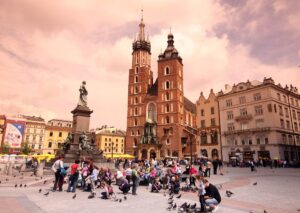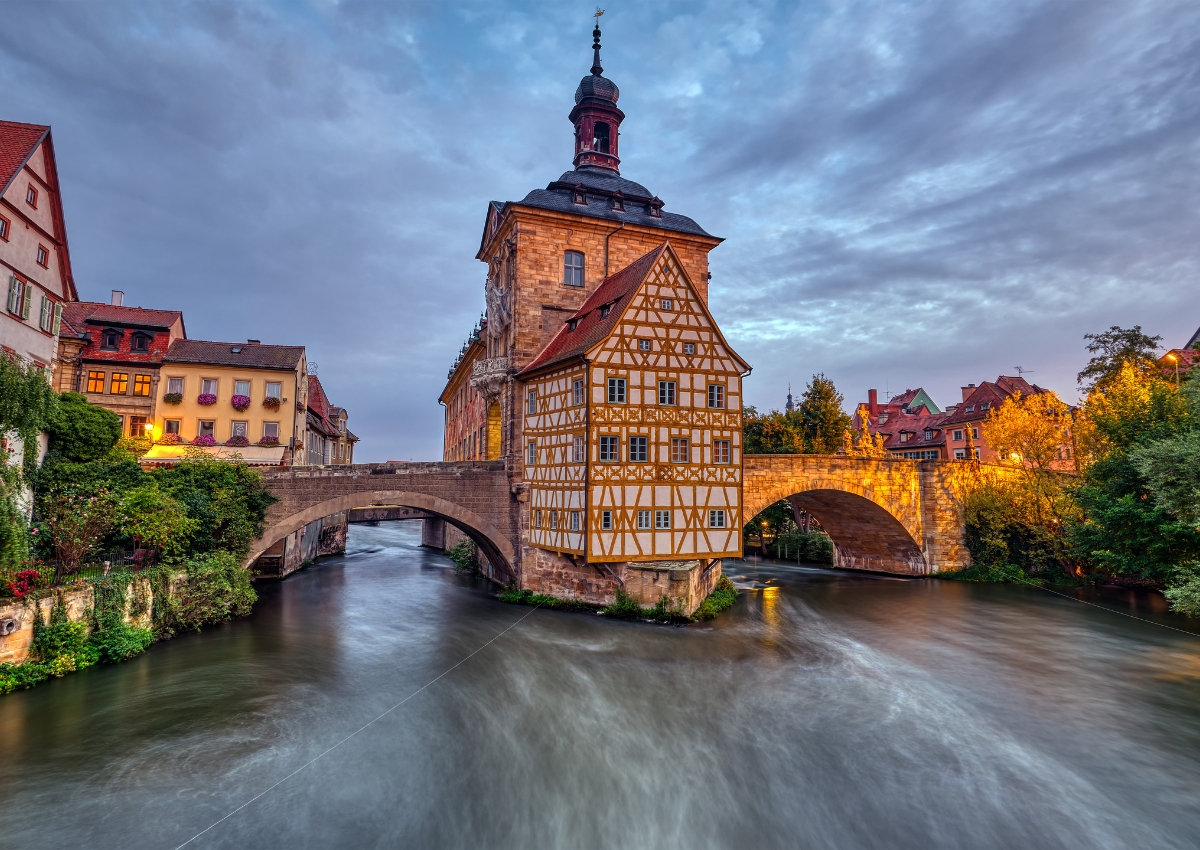
Germany is calling, and trust me, when you hear that call, you’d better answer it. This country isn’t just another European destination to check off your list—it’s a living, breathing time machine where fairy-tale castles tower over Alpine valleys, beer gardens buzz with authentic gemütlich (cozy) vibes, medieval villages transport you straight into a Brothers Grimm story, and Christmas markets glow with centuries-old traditions. Whether you’re crushing beer in Munich, cycling through the Black Forest, or standing in awe before the iconic Neuschwanstein Castle, Germany demands to be experienced, not just visited. But here’s the thing: most travelers don’t even scratch the surface of what this incredible country has to offer.
I’ve spent years exploring Germany like the locals do, and I’ve discovered that the real magic happens when you skip the generic tourist traps and embrace the insider secrets that make this country absolutely unforgettable. From strategic transportation hacks that save you hundreds of euros to hidden villages that most tour buses never touch, from sustainable travel practices that help preserve Germany’s beauty to budget-friendly secrets that let you eat like royalty without emptying your wallet—I’m about to drop all of it on you. After years of navigating German train stations, negotiating beer hall tables, and stumbling upon charming biergartens tucked away in unexpected corners, I’ve compiled the ultimate guide to ensuring your German adventure is nothing short of epic.
Before we dive into these game-changing tips, let’s talk money, because budget matters when you’re planning an international adventure. A typical daily budget for Germany ranges from €65-€90 per day for budget travelers, with accommodation in a comfortable hostel running €20-€25 per night, casual dining meals around €10-€20 per person, and public transportation day passes between €5-€10 depending on the city. If you’re comfortable spending a bit more, expect to budget around €150-€200 per day for mid-range comfort, including nicer hotels (€80-€100 per night), restaurant meals (€20-€30 per person), and activities. The beauty of Germany is that exceptional experiences don’t require exceptional spending—you can literally have the time of your life without breaking the bank.
Now buckle up, because I’m about to revolutionize the way you travel through Germany.
1. Master the Rail System Like a Local: Your €63 Golden Ticket to German Freedom
Here’s where 90% of travelers get it completely wrong. They show up at the train station, panic at the complexity of the system, and overpay for random tickets. Not you. You’re going to be a train hero.
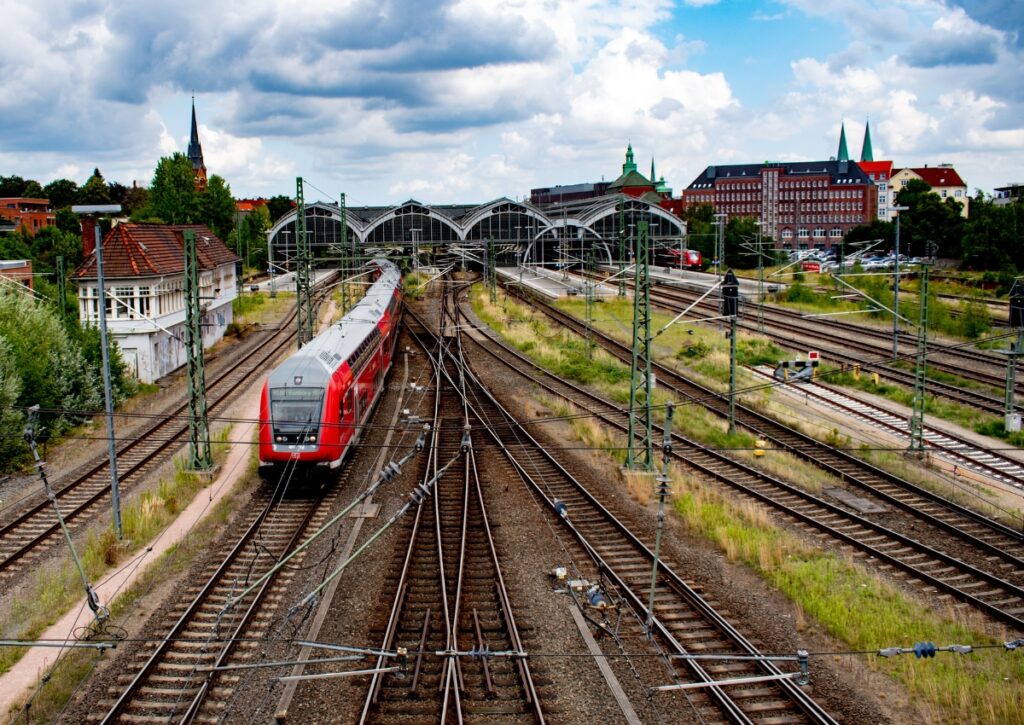
The Deutschland-Ticket (Deutschlandticket) is your new best friend. For just €63 per month, you get unlimited travel on all regional trains throughout Germany (not the fancy ICE express trains, but honestly, you won’t miss them). That’s regional trains (RE, RB, IRE), S-Bahn, U-Bahn, trams, and buses across the entire country. Do you understand how mind-blowing that is? You can spontaneously hop on a train to explore a charming Bavarian village, swing by a wine region, or discover a hidden gem town that wasn’t even on your radar. For day trippers or those on shorter visits, grab the Bayern Ticket (€25 for one person, €8 per additional person up to 5 people) for unlimited regional travel throughout Bavaria all day long. It works after 9 AM on weekdays and from midnight on weekends.
Pro tip that’ll save you serious cash: If you’re doing longer intercity journeys, the BahnCard 25 (€62.90 for one year) gives you 25% off all Deutsche Bahn tickets. Even a single long-distance trip from Berlin to Munich (€69.90 at full price) pays for itself once you get those discounts. Book your rail passes through GetYourGuide for seamless online purchasing and instant digital delivery to your phone.
The real insider secret? Book tickets directly through the DB Navigator app or the website and look for Sparpreis (early bird fares), which can be 25-70% cheaper than full fare. Set alerts 60 days out and snag deals like it’s your day job.
2. Embrace Cycling Culture: Germany’s Two-Wheeled Love Affair
Germany has over 70,000 kilometers of long-distance cycling routes and is quite literally built for cyclists. In Berlin, there are over 620 km of dedicated bike paths. In Munich, 18% of all city traffic is bicycles. This isn’t a coincidence—it’s a lifestyle that’ll transform how you experience Germany.
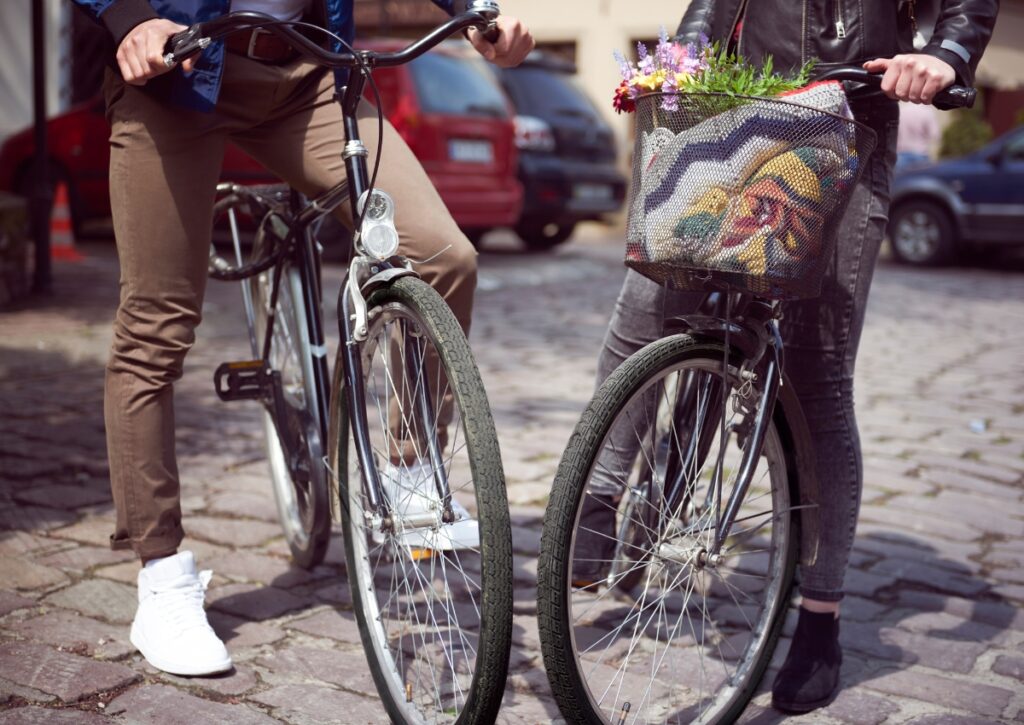
Rent a bike (usually €12-€20 per day) through local rental shops and let me tell you what you’ll discover: hidden beer gardens that no tour group ever finds, charming neighborhoods that Google Maps doesn’t highlight, local cafes where real Germans hang out, and perspectives of cities you literally cannot get any other way. Cycling through Munich’s expansive English Garden, stopping at a traditional beer garden for a break, then continuing your ride along the Isar River—that’s not just tourism, that’s living.
For longer cycling adventures, explore the famous Via Claudia Augusta route (an ancient Roman trade path running from northern Italy through southern Germany), or cruise the flat, scenic Rhine Valley bike paths where you’ll pedal through vineyards and past castle ruins. The infrastructure is so good that even nervous cyclists find their confidence here.
Most cities offer bike-sharing systems (like in Munich, Berlin, and Hamburg) where a day pass costs just €5-€10 and gives you unlimited access. This sustainable mode of transportation not only saves money but also connects you authentically to the places you’re exploring.
3. Unlock Free Attractions Like a Treasure Hunter
Here’s a secret that budget travelers desperately need to hear: Germany’s biggest attractions often have zero price tag.
In Berlin, start with the free Brandenburg Gate and Pariser Platz (visit 24/7, any time), then hit the Reichstag Dome (completely free with advance online booking), walk the powerful East Side Gallery (the world’s longest open-air gallery on the preserved Berlin Wall), experience the emotional Holocaust Memorial, and explore the Topography of Terror documentation center. You can literally spend an entire day in Berlin seeing world-class attractions for €0. Seriously.
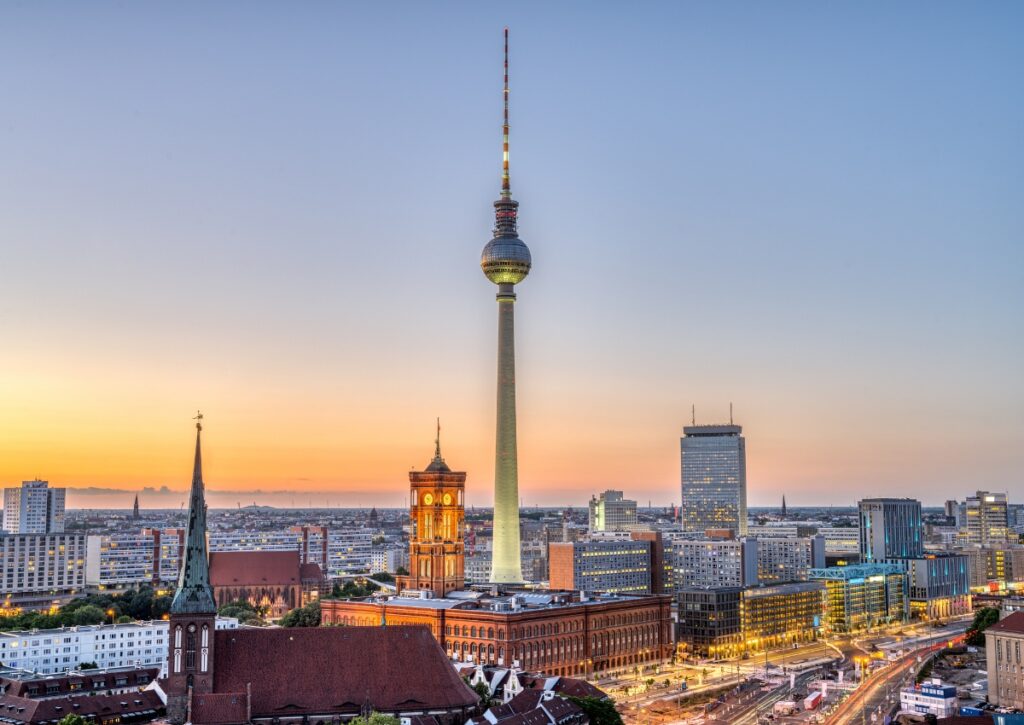
Most major cities offer free walking tours (tip-based, usually €10-€15 expected) led by knowledgeable locals or expats who give you history, insider stories, and “you-won’t-find-this-in-guidebooks” info that transforms your understanding of the city. These are leagues better than stuffy audio tours.
Insider museums hack: Check each museum’s website before visiting—most German museums offer specific days or evenings with free admission or dramatically reduced rates. You could see world-class museums for €0-€3 if you time it right. The Frankfurt Card is another clever option: €12 for 24-hour unlimited public transit plus museum discounts, or €19 for two days. Suddenly, you’re visiting multiple museums way cheaper than paying individually.
Free parks are your sanctuary. Tempelhofer Feld in Berlin (a former airport turned into Germany’s largest park), Tiergarten, Treptower Park—these are massive, beautiful, and completely free for picnicking, cycling, sunset watching, or just soaking in German culture.
4. Time Your Trip Like a Strategic Mastermind: Beating Crowds and Weather
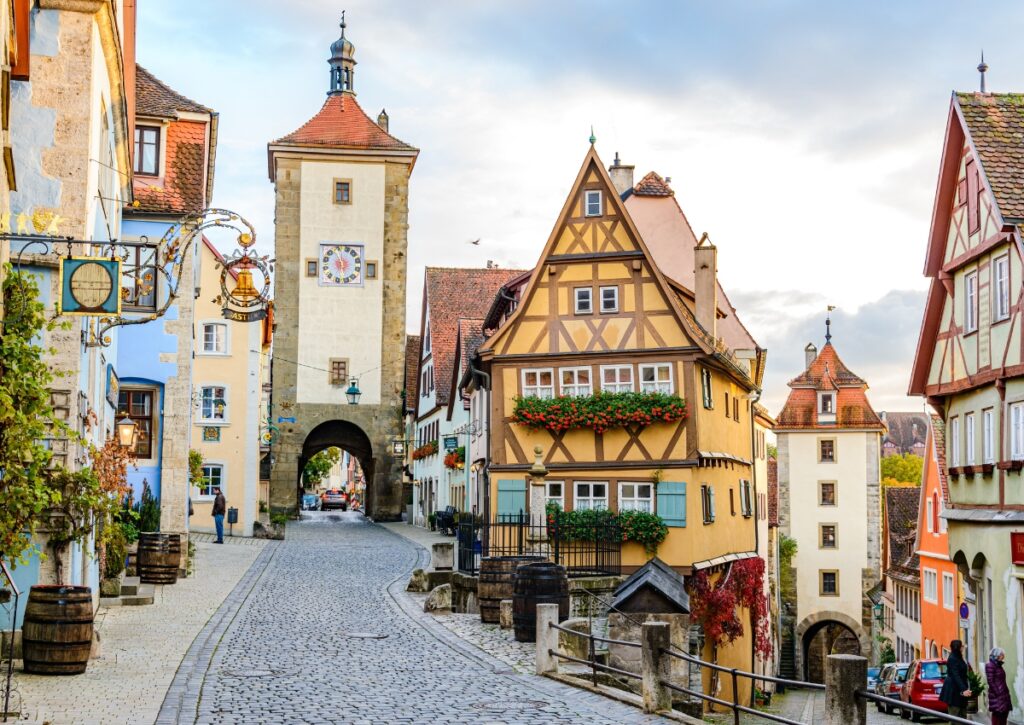
The shoulder seasons—March to May and October to November—are absolutely magical for Germany and wildly underrated by tourists. You’ll experience pleasant (though unpredictable) weather, half the crowds of peak summer, and lower prices on accommodation and attractions. Imagine exploring Rothenburg ob der Tauber‘s medieval streets without fighting shoulder-to-shoulder with selfie-stick-wielding crowds. You can actually breathe and experience the destination.
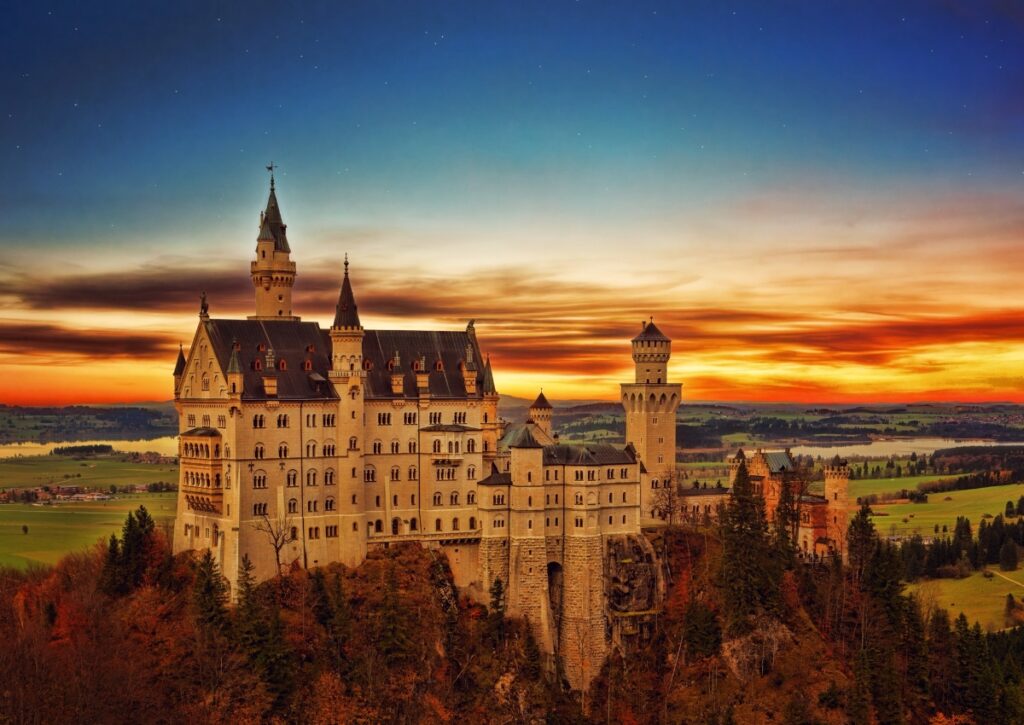
Peak season (June-September) brings perfect weather, yes, but also:
- Neuschwanstein Castle tickets sold out 8-10 weeks in advance (seriously, book immediately if considering peak season)
- Hotel rates doubled or tripled
- Major attractions are packed to capacity
- The magical, authentic German experience is buried under layers of tourism
**Secret weapon: Travel *Tuesday through Thursday* instead of weekends.** You’ll see 60% fewer tourists, find better hotel rates, and enjoy a fundamentally different (better) experience.
Winter (November-March) gets harsh, but it’s also when Germany performs its most spectacular magic show. The Christmas markets—oh, the Christmas markets! From late November through December 24th, German cities transform into enchanted wonderlands. Dresden’s Striezelmarkt (one of the world’s oldest, dating back to 1434), Nuremberg’s iconic market with 180+ stalls, Frankfurt’s historic markets, Stuttgart’s massive markets with ice skating—these aren’t just shopping venues, they’re emotional experiences. Picture yourself sipping steaming Glühwein (spiced mulled wine, €3-€5 per cup), munching on fresh Lebkuchen (gingerbread, €2-€4), and browsing handcrafted ornaments while twinkling lights reflect off snow-dusted medieval buildings. These markets are UNESCO-recognized traditions dating back to the Middle Ages. This is Germany at its most magical.
5. Navigate Accommodation Like a Seasoned Pro: Stay Smarter, Not Just Cheaper
Hostels are your secret weapon for budget travel and meeting other adventurers. Prices range from €16 – €25 per night (cheapest in smaller cities, highest in Berlin and Munich), and the social atmosphere means you’ll never feel lonely. Many include free breakfast and Wi-Fi. In Stuttgart, you’re looking at €14 per night; in Munich, around €21; in Berlin, expect to pay around €24 for the absolute cheapest option.
But here’s the insider play: Stay in locally-owned guesthouses and family-run B&Bs instead of international chains. €30-€60 per night gets you authentic German hospitality, often includes breakfast, and—this is crucial—your host becomes a goldmine of local recommendations. They’ll tell you about their favorite restaurants, secret hiking trails, and which beer gardens the locals actually frequent. Book through local tourism websites or boutique booking platforms rather than mass-market sites to support local economies and get genuinely unique experiences.
For the mid-budget traveler: €80-€100 per night in larger cities gets you solid 3-star hotels in good locations. Use Booking.com for competitive pricing, extensive reviews, and the best rate guarantee. Their cancellation policies often let you book with flexibility.
Pro strategy: Book accommodation in slightly less famous towns and take 30-minute trains into major cities. You’ll save €20-€40 per night, sleep like you’re actually in Germany (not a touristy hotel), and discover charming towns that make for better stories than “I stayed in Berlin.”
6. Eat Like a Local Without Emptying Your Wallet: Food Hacks for the Insatiable Traveler
This is where Germany absolutely shines for budget travelers: incredible food at ridiculous prices if you know where to look.

Street food is your budget hero. A Currywurst (sliced sausage with spicy curry sauce, a Berlin specialty)—€3-€6—is an absolute revelation; Bratwurst (grilled sausage) €3-€5; Döner Kebab (Turkish-German specialty) €4-€6. These aren’t meal supplements; they’re legitimate, satisfying meals. Hit up street food markets in the morning—the Turkish Market (Maybachufer) in Berlin is legendary for chaos, color, music, and cheap eats.
Casual restaurants and Gasthofs (traditional inns) are where locals eat and where your money stretches beautifully. A typical meal—think Schnitzel (breaded pork cutlet) with potatoes or salad—runs €12-€15. Beverages are cheap: beer €3-€5 per glass, coffee €2-€4, wine €3-€5. These aren’t fancy places; they’re authentic, where real Germans gather, and where you’ll experience genuine culinary tradition.
Supermarket strategy: Pop into Lidl, Aldi, or REWE (German supermarket chains) and grab: artisan bread (€1-€3), cheese (€2-€5 per package), cold cuts (€2-€4), fruit, yogurt, and snacks. Create picnics that cost €5-€8 total but feel gourmet. Eating a picnic lunch by a river while overlooking a castle is infinitely more memorable than a tourist restaurant anyway.
Don’t miss regional specialties:
- Bavarian cuisine: Schweinshaxe (roasted pork knuckle), Weißwurst (white sausage), dumplings
- Black Forest specialties: Schwarzwälder Kirschtorte (Black Forest cake)
- Berlin classics: Eisbein (pork knuckle), Currywurst
- Hessian dishes: Grüne Sauce (green sauce with boiled eggs)
Beer gardens deserve their own paragraph. A liter of local beer costs €4-€7 at beer gardens (compared to €6-€10 in bars). Buy a pretzel (€2), sit under oak trees with hundreds of other humans, and experience what gemütlich actually means. Munich’s beer gardens (Hofbräuhaus, Augustiner-Bräu, and Andechser am Dom) are simultaneously touristy and 100% authentic. This is real Bavarian culture, not some manufactured theme park experience.
Pro move for food lovers: Use GetYourGuide to book culinary tours or cooking classes with locals (€40-€80). These are incredible value for money, incredibly fun, and you’ll eat and learn more than you ever would alone.
7. Conquer Transportation in Big Cities: Day Passes Are Your Currency
Every major German city has day passes that completely transform your transportation economics completely transform.
- Berlin: €8.80-€10 for unlimited public transit all day (making individual €3 tickets look ridiculous)
- Munich: €5.20 for a single journey, €10.80 for all-day unlimited
- Frankfurt: €12 for a 24-hour unlimited transit plus museum discounts, or €19 for two days
Buy the day pass on arrival. Instantly, you eliminate transportation anxiety. You can hop on U-Bahn, S-Bahn, trams, and buses spontaneously without calculating whether each €3 trip is “worth it.” You become a transportation explorer instead of a cost accountant.
Inside strategy: The City-Ticket is a stunning hidden gem. Any long-distance train ticket (over 100 km) purchased with certain discount cards automatically includes free local public transportation in 120 German cities. You board a train from Munich to Nuremberg, and your ticket covers local transit in both cities for reaching the stations and getting around each city. This is so powerful that it deserves bold text again: Your train ticket becomes your city transportation for free.
8. Experience Authentic Beer Culture Without Tourist Trap Nonsense
Oktoberfest, held late September through early October in Munich, is the most famous beer festival on Earth. But here’s what most tourists don’t realize: entry to beer tents is actually free. The money is in what you consume inside. Yes, expect to pay €13-€16 for a liter stein, pretzels are €5-€6, but there’s zero cover charge. Arrive early, sit down, and immerse yourself in an authentic Bavarian celebration. Different tents have wildly different vibes—Ochsenbraterei specializes in roasted ox, Armbrustschützen-Festhalle hosts a crossbow competition, Paulaner Festzelt is the party tent, and Augustiner-Bräu is where locals actually go.
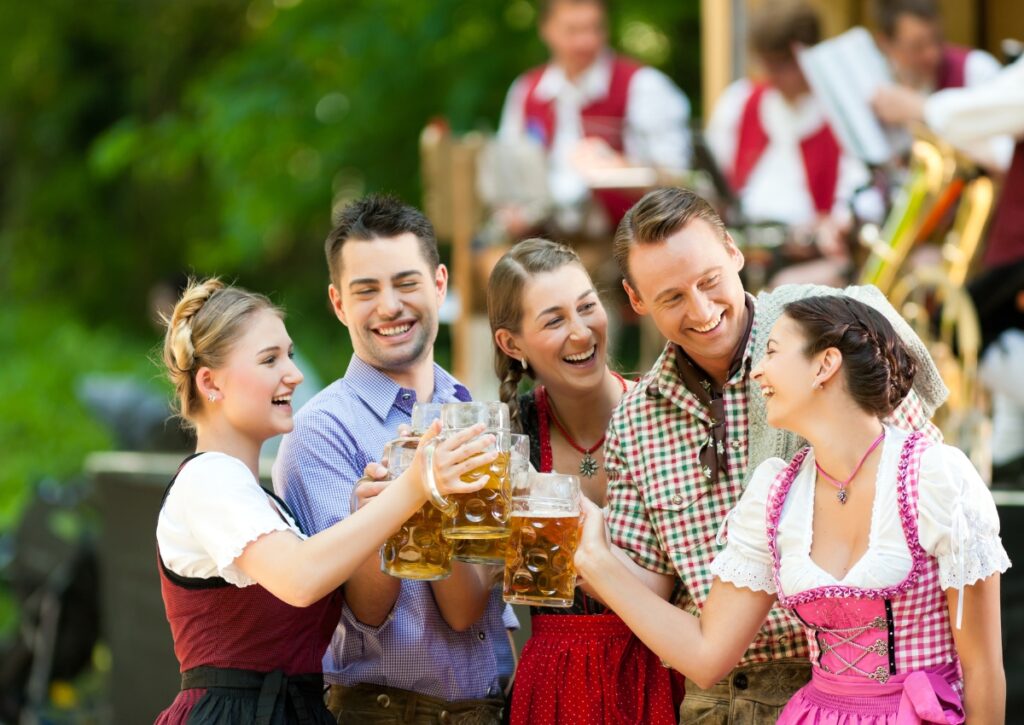
Pro tip: Oktoberfest reaches peak insanity September 20-28. Skip those dates if you hate crowds (which, let’s be honest, most of us do). Go in late September or early October when it’s still festive, but you can actually move.
Beyond Oktoberfest, experience authentic beer culture at Munich’s legendary beer halls. Hofbräuhaus is grotesquely touristy but somehow remains 100% authentic—the smoke-stained ceilings, the beer-soaked energy, the 1950s-restored charm after WWII damage. It’s touristy AND genuinely German, which is a weird paradox that actually works. Spatenhaus caters to opera-goers with more elegant food. Andechser am Dom (serving Andechs beer, a local monastic brewery) feels more local and less theme park.
Real insider secret: Skip Munich entirely and experience beer culture in smaller Bavarian towns where locals outnumber tourists 20 to 1. The experience is infinitely more authentic, prices are 30% lower, and you’ll actually hear German being spoken.
9. Discover Hidden Gems That Make You Feel Like an Explorer
Listen, Neuschwanstein Castle is breathtaking and absolutely worth seeing. But here’s the thing: three million people visit annually. You’ll be one of three million.
Book your tickets exactly 60 days in advance through the official booking system (only 6,000 visitors daily with timed entries). Visit on a weekday (Tuesday-Thursday) instead of weekends. Arrive at the earliest available time slot and expect crowds anyway. But go anyway because standing beneath that white limestone tower with Alpine peaks behind it is one of those bucket-list moments that sticks with you forever.
After Neuschwanstein, head to the towns most tourists skip:
Rothenburg ob der Tauber is absolutely stunning—a perfectly preserved medieval walled town—but it’s swamped with day-trippers until 5 PM. Stay overnight. After the buses leave, stroll the cobbled streets when they’re actually peaceful, do the famous Night Watchman’s Tour, and understand why this town inspired Brothers Grimm stories.
Esslingen am Neckar is practically untouched by tourism. Compact medieval city center, colorful half-timbered buildings, local cafes instead of tourist restaurants, and charming River Neckar. It’s like stepping into a time machine, except the time machine malfunctioned and nobody told the tourists where it was.
Mittenwald (deep in the Alps near Füssen) features fresco-painted houses—seriously, intricate Renaissance paintings on building facades—that make the town look like it’s been illustrated by hand. There’s a rope gorge (Leutasch Spirit Gorge) 30 minutes away, perfect for easy family hikes.
Beilstein in the Mosel Valley is one of Germany’s most beautiful towns: castle ruins, vineyards, half-timbered houses, cobbled streets, and maybe 1/100th of the tourists compared to famous destinations. Stay overnight at a local guesthouse, eat Wurst and drink Riesling at a centuries-old tavern, wake up early, and have the whole town to yourself.
The Romantic Road deserves serious time. It’s a 460 km route through 29 towns in Bavaria. Most tourists see it as a “one-day trip from Munich.” That’s criminal. Spend 2-3 days. Würzburg’s Baroque palaces and gardens, Rothenburg’s medieval perfection, Dinkelsbühl’s equally stunning medieval walls, Augsburg’s Roman history and Renaissance beauty—these aren’t drive-by destinations. They’re places where you sit at a café, watch locals live their lives, and understand that Germany isn’t a checklist; it’s a feeling.
GetYourGuide offers guided tours of these hidden gems, but honestly, renting a car or taking regional trains (using your Bayern Ticket) and exploring independently reveals so much more.
10. Master Money Exchange: Never Lose Money to Bad Rates Again
This is the practical stuff that saves you hundreds over a two-week trip.
Avoid currency exchange booths at airports at all costs. The rates are genuinely terrible—you’re losing 5-10% immediately. Never, ever use them.
Instead, use these tools:
Wise (formerly TransferWise): Open a multi-currency account before arriving in Germany. Load it with your home currency, convert to euros at the actual mid-market exchange rate (zero markup), and get a physical Wise card that you use like a regular debit card. Conversion fees are transparent and tiny (0.5-1% versus 5-10% at airport booths). You can withdraw cash from ATMs with no Wise fee for the first two withdrawals monthly (ATM operators might charge their own fee). This single tool can save you €200-€400 over a month-long trip compared to airport exchanges.
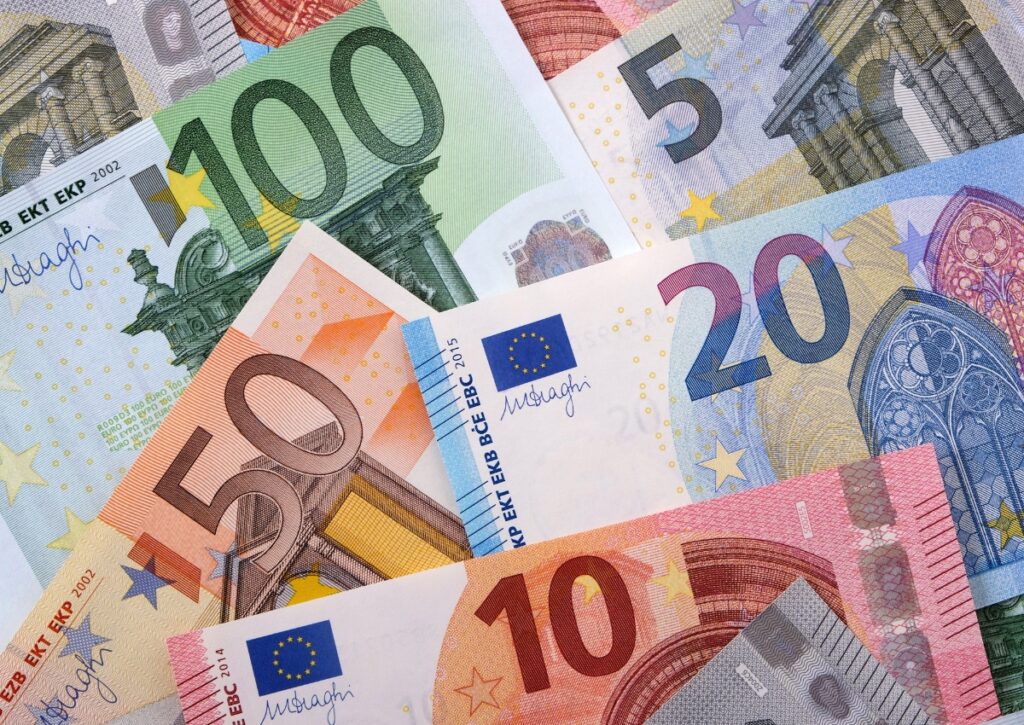
Revolut: Similar concept—multi-currency app with a physical card. Free ATM withdrawals (in most cases), low conversion fees, and solid exchange rates. Available throughout the EEA, including Germany. It’s honestly that simple.
Travel credit cards: Bring a credit card that charges zero foreign transaction fees. Many US credit cards (especially travel-focused ones) have this benefit. Use it for restaurant bills and attractions, and withdraw euros via ATM for daily cash needs.
Use ATMs over currency exchanges. Your home bank’s foreign ATM fees (usually €2-€5 per withdrawal) are dramatically better than currency booth rates.
Bring some cash: While Germany is increasingly cashless (Berlin and Munich especially), some smaller towns, farmers’ markets, and traditional restaurants still run primarily on cash. Bring €100-€200 in cash from home before you leave, then withdraw euros via ATM once you arrive.
Use Booking.com for transparent pricing (everything shown in your home currency before booking), and when paying, use Wise or a zero-foreign-fee credit card to lock in the best possible rate.
Sustainable Travel: Preserve the Magic for Future Adventurers
Germany is exceptionally progressive about sustainability, and traveling responsibly here is genuinely easy.
Use public transportation instead of taxis. Those day passes we discussed aren’t just budget-friendly; they’re zero-emission transportation. You’re reducing your carbon footprint while actually saving money. Win-win.
Stay in eco-certified accommodations. Look for hotels with Green Key or European Ecolabel certifications—they’re implementing renewable energy, water conservation, and waste reduction. Staying in locally-owned guesthouses supports local communities instead of multinational hotel chains extracting profits.
Cycle everywhere possible. Germany’s cycling infrastructure is genuinely world-class, and pedaling instead of driving is obviously more sustainable (and more fun).
Eat local, seasonal produce. Shop at farmers markets (Markt, Marktplatz throughout Germany)—direct from producers, zero packaging waste, supporting local economies. Avoid restaurants with multiple-language menus full of international options; instead, seek family-run places serving regional specialties sourced locally.
Travel off-peak season. Shoulder seasons (spring/autumn) mean less strain on infrastructure and ecosystems. Winter travel to Christmas markets is inherently sustainable—you’re arriving by train, staying briefly, not driving around in rental cars, generating emissions.
Respect nature. Germany has stunning natural areas (Black Forest, Bavarian Alps, Harz Mountains). Stay on marked trails, leave no trace, and keep a safe distance from wildlife. Participate in nature-based eco-tourism: guided hikes, birdwatching, and conservation volunteering.
Welcome Pickups offers group airport transfers—you’re sharing a vehicle with other travelers, reducing per-person carbon footprint compared to individual taxis. VisitorsCoverage provides travel insurance that often includes sustainability riders. Yesim offers local SIM cards with no physical packaging waste (digital-only delivery).
The Complete Budget Breakdown: What You’ll Actually Spend
Ultra-budget (hostel/street food/free attractions):
- Accommodation: €20-€25/night
- Food: €12-€18/day
- Transportation: €6-€10/day (day pass)
- Activities: €0-€5/day (free attractions)
- Total: €38-€58/day
Comfortable budget (guesthouse/mix of casual restaurants/paid attractions):
- Accommodation: €40-€60/night
- Food: €25-€35/day
- Transportation: €8-€12/day
- Activities: €15-€30/day
- Total: €88-€137/day
Mid-range (3-star hotel/nice restaurants/premium attractions):
- Accommodation: €80-€100/night
- Food: €40-€50/day
- Transportation: €10-€15/day
- Activities: €30-€50/day
- Total: €160-€215/day
Real numbers for specific items:
- Beer (liter in beer garden): €4-€7
- Schnitzel with sides: €12-€18
- Coffee: €2-€4
- Bread with cheese/meat (picnic): €5-€8
- Museum (with discount): €3-€12
- Train day ticket (Bayern Ticket): €25-€49
- Neuschwanstein Castle tour: €14-€16
- Airport transfer taxi: €35-€95 (depending on airport)
Your Epic German Adventure Starts Now
Germany isn’t just a destination; it’s an experience that fundamentally changes how you travel. This country offers the perfect blend of authentic culture, world-class attractions, budget-friendly adventures, and sustainable tourism practices. Whether you’re standing beneath castle turrets, cycling through vineyard valleys, sipping beer in centuries-old halls, or getting hopelessly lost in medieval villages, Germany delivers moments that become lifelong memories.
Here’s what I want you to do: Bookmark this post. Share it with your travel buddies. Use these 10 insider tips to craft your personalized German adventure that’s authentically yours—not some cookie-cutter tour-bus experience.
Use Booking.com for accommodation that fits your budget and style (they have cancellation flexibility if plans change). Book your trains through GetYourGuide for guided tours and insider experiences. Set up your Wise or Revolut accounts before you leave to save hundreds on currency exchange. Use Welcome Pickups for reliable airport transfers that are both affordable and sustainable. Grab VisitorsCoverage travel insurance for peace of mind. Consider GetRentacar if you want countryside freedom (though honestly, trains are better). For flights, check CheapOair for competitive fares. Get a local SIM with Yesim for hassle-free connectivity without airport markup costs.
Germany is waiting. The Neuschwanstein Castle will still be there. The beer halls will still be buzzing. The Christmas markets will still be magical. The hidden villages will still be undiscovered. The only question is: are you ready?
I want to hear about YOUR German adventure. Write me an email at contact@atinytraveler.com and tell me which tip you’re most excited to use, which hidden village you discovered, or which beer you fell in love with. Subscribe to my newsletter and get exclusive travel hacks, insider tips, and inspiration delivered directly to your inbox every week.
Follow me on social media for daily adventure inspiration:
- Follow me on Pinterest (A Tiny Traveler): My Pinterest is your ultimate travel vision board! It’s where I share stunning photography, quick visual guides, and, most importantly, links to all my in-depth blog posts.
- Follow me on Instagram (a.tinytraveler): For daily doses of wanderlust, stunning travel photography, behind-the-scenes glimpses of my trips, and quick tips that will inspire your next getaway. See the world through my eyes!
- Like my Facebook Page (A Tiny Traveler): Join our vibrant community of fellow travel lovers! This is a great place to ask questions, share your own travel experiences, and connect with me and other readers.
Germany changed how I travel. Let it change how you explore, too.
Bis bald, adventurers! (See you soon!)
Frank