There’s something about the moment when the train pulls away from the station, and you realize you’re not sitting in an airplane cabin breathing recycled air—you’re actually living instead of just getting to somewhere. That moment hit me somewhere between Copenhagen and Stockholm, watching the Swedish countryside blur past my window while I sipped what genuinely good coffee (not airplane coffee, which shouldn’t technically count as a beverage). I thought, “This is what travel should feel like.”
That’s the thing about train travel in Scandinavia that no amount of Instagram posts can capture. You’re not just moving between cities; you’re actually seeing the terrain change beneath you. You watch Danish farmland transition into Swedish forests. You see the mountains grow bigger and more dramatic as you approach Norway. The journey becomes the destination in a way that flying never quite manages—and honestly, that’s the entire point.
I spent seven days criss-crossing three countries by rail, and I’m going to walk you through exactly how to do it, how much it actually costs (spoiler: way less than you think), and why this particular trip might just redefine what you think travel is supposed to be. Because here’s the thing: a week on Scandinavian rails isn’t a vacation. It’s an awakening disguised as a holiday.
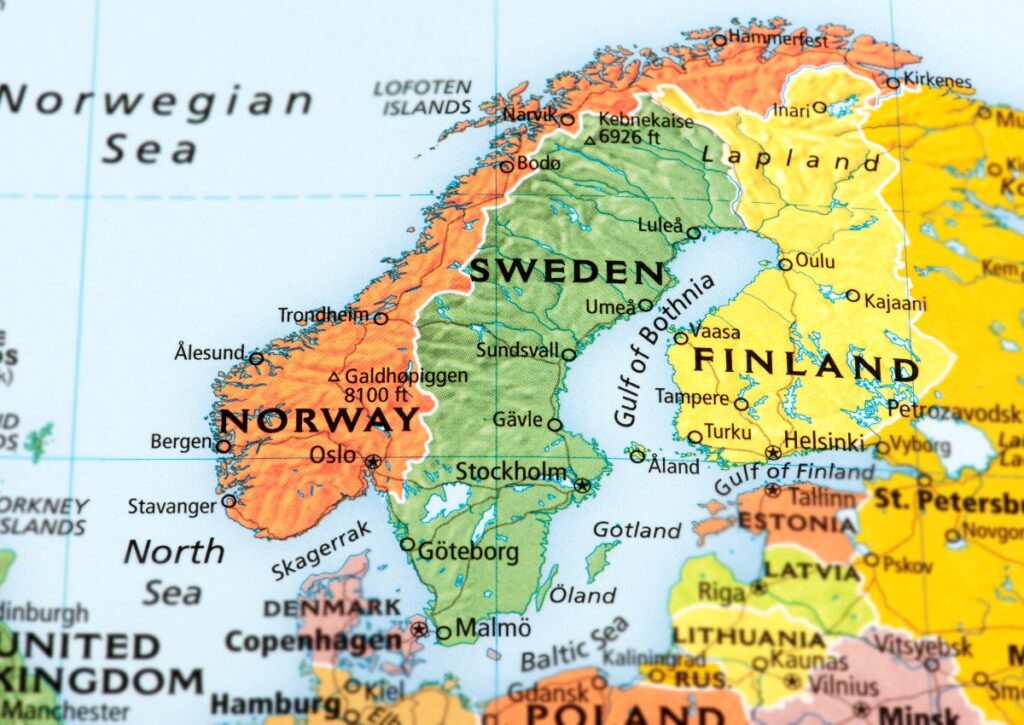
The Route: Copenhagen → Stockholm → Oslo → Flåm → Bergen (And Then Back Home)
Let me be blunt right off the bat: this itinerary isn’t random. It’s engineered to hit the sweet spots. You’re getting the cosmopolitan vibe of three capitals, the most mind-bending scenic train ride in Europe (seriously, the Flåm Railway isn’t hyperbole), and the actual fjords that made Norway famous. But you’re doing it with zero flights, zero car rentals, and zero stress about navigation.
Day 1-2: Copenhagen (Denmark)
Landing in Copenhagen feels like stepping into a color-coordinated dream that someone else designed but somehow got exactly right. And the train station—København Hovedbanegård—is literally in the middle of everything. You don’t need a shuttle, an Uber, or a prayer. You just walk out, and you’re in the city.
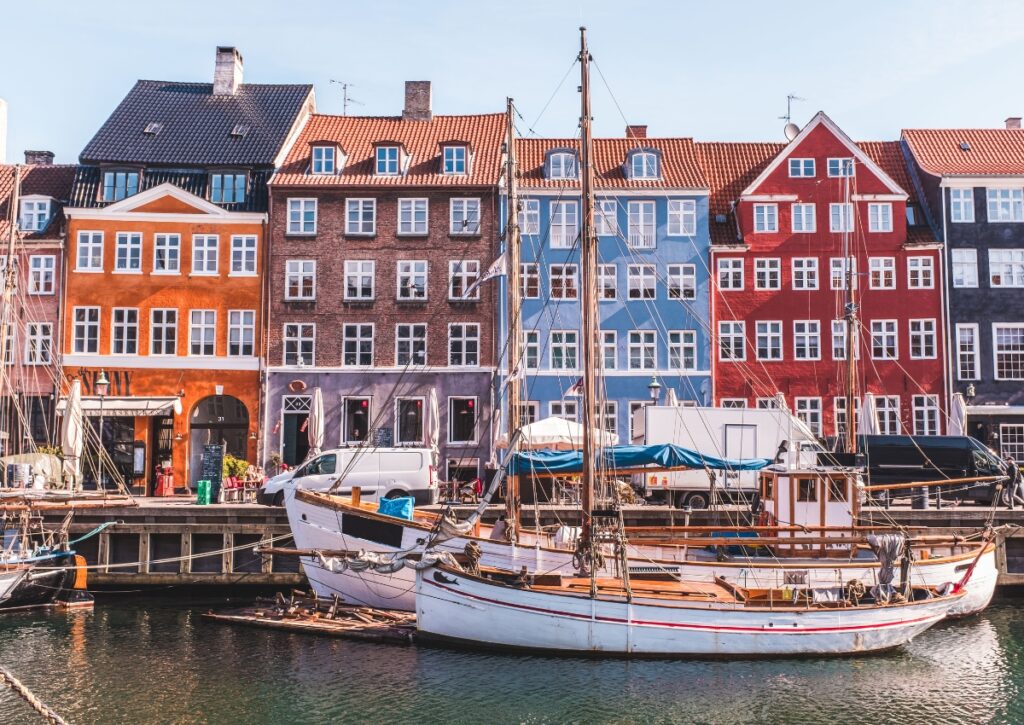
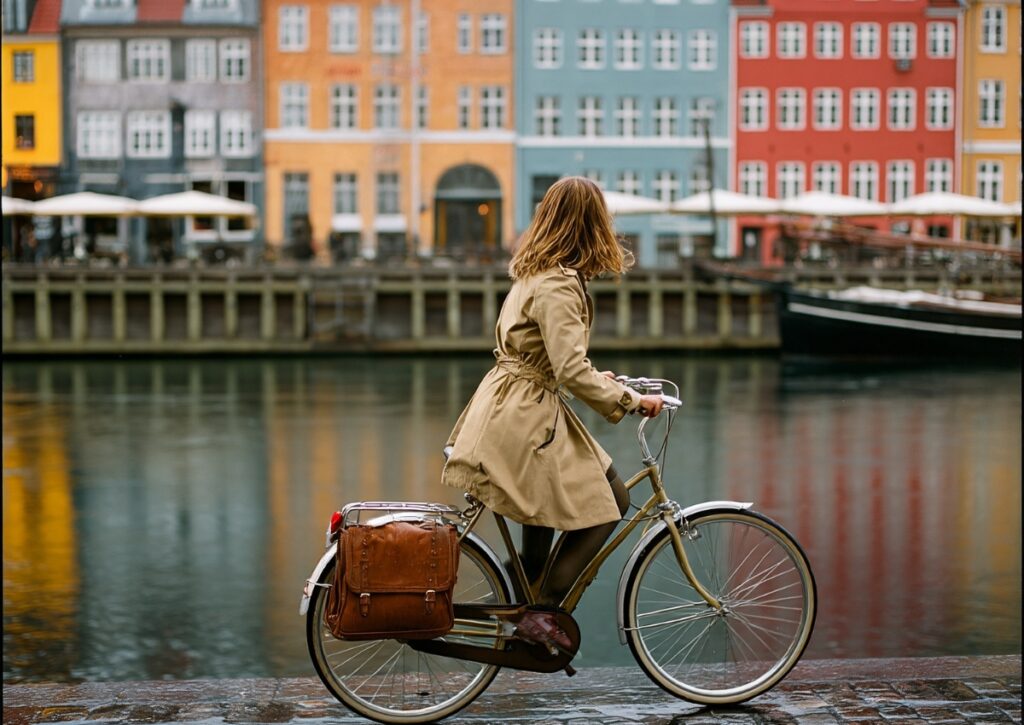
Your first day should be a gentle introduction. That means Nyhavn, obviously. The pastel-colored buildings lining the harbor aren’t just Instagram bait (though they definitely are that). They date back to the 1600s, and the colors are a centuries-old merchant tradition. Grab a beer at one of the canalside cafés—Danish beer is seriously underrated—and spend a few hours doing absolutely nothing except watching the sailboats and people-watching. Hans Christian Andersen wrote fairy tales here, if that helps you understand the vibe.
The following morning, take a canal cruise from Nyhavn. It costs around 100-120 DKK (roughly €13-16), and you’ll see the city from the water, including a genuinely tiny Little Mermaid statue that will probably disappoint you in size but delight you in how unimpressed she looks by all the tourists.
Spend your second afternoon at Tivoli Gardens. Yes, it’s pricey (admission around 115 DKK, or €15-20). Yes, it’s touristy. And yes, it’s 100% worth your time. This place inspired Walt Disney. It’s been operating since 1843. The gardens are immaculate, the carnival atmosphere is genuine, and there’s a reason both kids and cynical adults keep coming back. Grab dinner here if your budget allows—the restaurants range from fancy to casual, but the atmosphere makes everything taste better.
If you’ve got time before the train, wander through Christianshavn, which is Copenhagen’s eclectic neighborhood where you’ll find the Church of Our Savior (the spiral steeple is real and worth the climb if you have the legs for it) and glimpses of the freetown Christiania—a self-managed community that’s been confusing and fascinating tourists since the 1970s.
Copenhagen Daily Budget: €80-120 (accommodation around €50-70, food €20-30, attractions €10-20)
Day 3: The Journey to Stockholm (5.5 Hours)
Your 8:19 AM train departs København Hovedbanegård and pulls into Stockholm Centralstation at 13:34. This journey crosses the famous Øresund Link—the bridge-tunnel that connects Denmark and Sweden—and honestly, you should sit on the right side of the train to watch the transition happen. It’s subtle but significant.
Take the tilting SJ train if you can. It’s slightly faster and genuinely more comfortable. Stock up on Swedish cinnamon buns (kanelbullar) at the station before you leave. This isn’t optional advice. This is me telling you to fix your life choices.
Day 4: Stockholm (Sweden)
Stockholm is where you realize Scandinavia isn’t just pretty—it’s incredibly well-designed. The city is spread across 14 islands, and the architecture reflects centuries of evolution. It never feels crowded in the way that European capitals often do. Everything just… works.
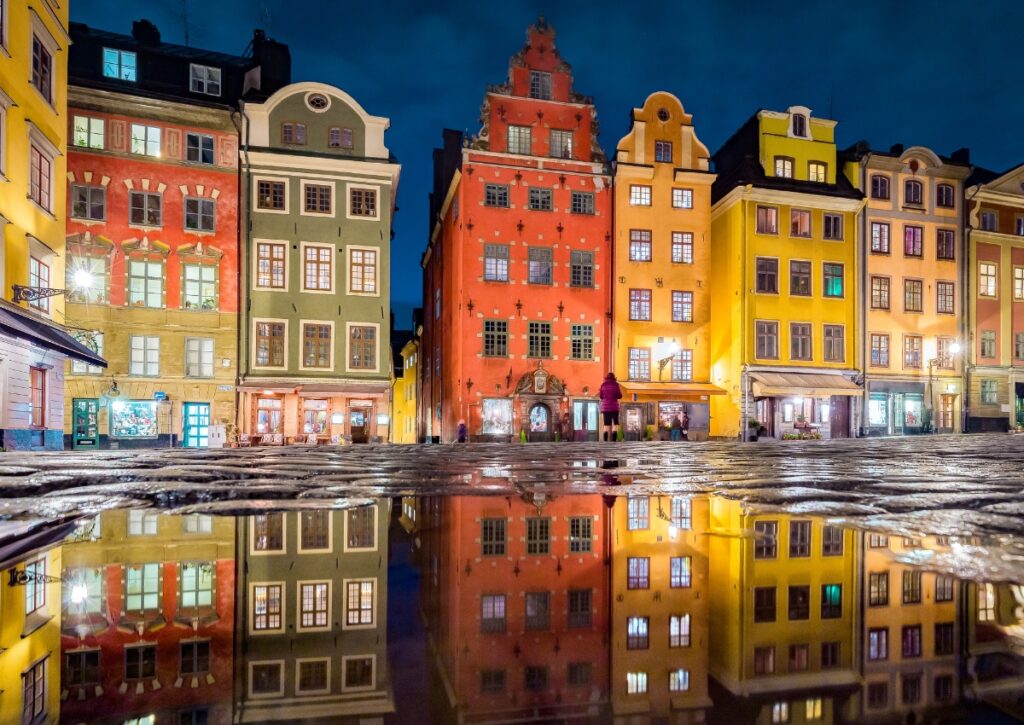
Start with Gamla Stan, the medieval Old Town. The cobblestone streets are impossibly charming, and even though it’s objectively touristy, it doesn’t feel that way because the tourists are so outnumbered by locals who actually live and work here. Grab lunch at any café—they’re all decent—and get a fika (Swedish coffee break with a pastry, which is basically a sacred ritual).
Spend the afternoon at Fotografiska, a contemporary photography museum housed in a gorgeous waterfront building. Admission is around 165 SEK (€16), and the work on display changes constantly. Even if photography isn’t your main interest, the building and the views are worth it.
If the weather cooperates (and hope it does), rent a bike. Stockholm’s bike infrastructure is insane in the best way. Rent from one of the many bike shops around Gamla Stan—it’ll cost you roughly 100-150 SEK (€10-15) for a full day—and pedal through Södermalm, Stockholm’s trendy neighborhood of vegan restaurants, vintage shops, and an actual vibrant community that feels nothing like the rest of the tourist-heavy areas.
For dinner, head to Hermans, a vegetarian buffet restaurant with views overlooking the entire Stockholm archipelago. It’s around 135 SEK (€13) for all-you-can-eat, and yes, they serve excellent wine. Even if you’re not a vegetarian, it’s worth the detour.
Stockholm Daily Budget: €100-150 (accommodation €60-80, food €25-35, attractions €15-20, transportation €10-15)
Day 5: The 6-Hour Journey to Oslo
Take the 15:29 direct intercity train from Stockholm Centralstation. You’ll arrive at Oslo Centralstation at 21:24. This is a long train ride, so settle in. Bring snacks, download a series (the WiFi on Swedish trains is legit good), and enjoy watching the landscape shift from urban Sweden to the forests and mountains that lead to Norway. The train has a dining car if you want a warm meal, but I’d recommend bringing a sandwich from a supermarket—it’s cheaper and often better.
Day 6: Oslo (Norway)
You’ve got roughly 36 hours in Oslo, and honestly, it’s enough if you’re strategic.
Skip the obvious tourist stuff (unless you genuinely want it). Instead, go straight to Vigeland Park—one of the world’s largest sculpture parks, created by Gustav Vigeland and containing over 200 sculptures in bronze and granite. The park is enormous, free, and completely open 24/7. Spend 2-3 hours just wandering. You’ll see the famous Monolith, which is this chaotic pillar of human figures piled on top of each other, and you’ll realize that Norwegian art is not messing around.
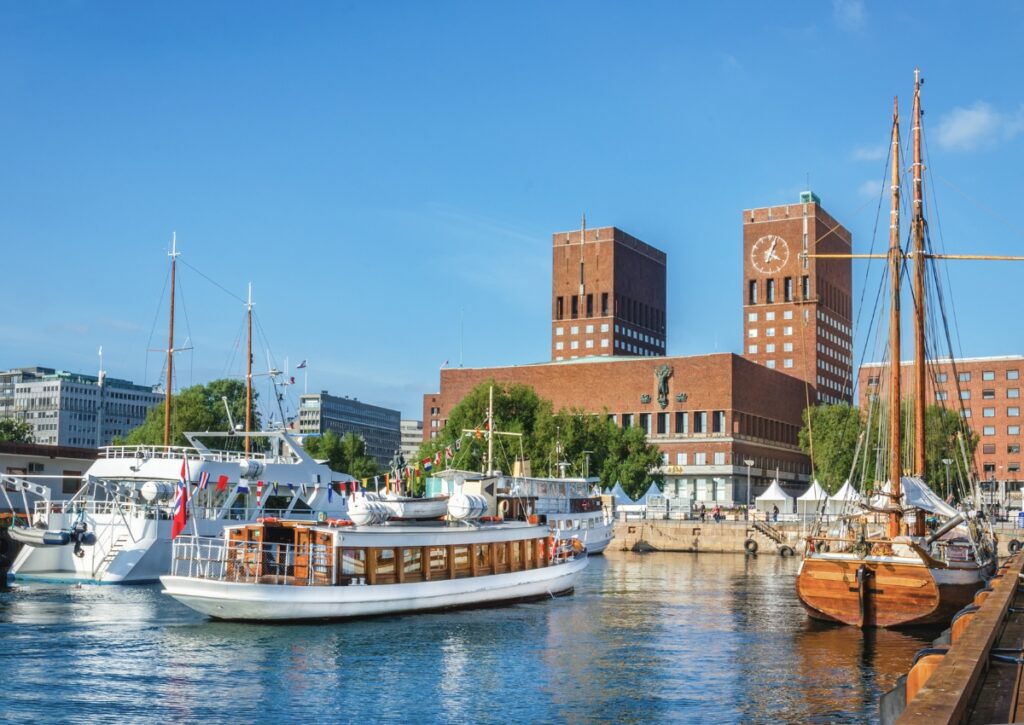
For a meal, grab a dagens lunch (lunch special) at a mid-range restaurant. You’ll get a main course, salad, bread, and coffee for around 100-150 NOK (€10-15). This is how locals eat, and it’s genuinely good.
If you’ve got time, visit the Oslo Opera House. The exterior is this stark, beautiful white marble structure that literally slopes down to the harbor. You can walk on the roof, and the views of the Oslofjord are free. Do it.
Alternatively, take the metro up to Holmenkollen Ski Jump. The views from the top are incredible—you can see the entire city and the fjord beyond. Entry is around 120 NOK (€11), and if you’re into skiing history, the museum here is genuinely interesting.
For dinner, if your budget allows, splurge on fish at one of the harborside restaurants. Norwegian seafood isn’t cheap (figure 200-300 NOK, or €20-30, for a main course), but it’s absolutely worth one meal.
Oslo Daily Budget: €100-150 (accommodation €60-85, food €25-40, attractions €10-20)
Day 7: The Journey to Flåm (6 Hours) and the Most Spectacular Train Ride on Earth
This is where everything changes.
At 08:25, you board the Bergensbanen (Bergen Line) from Oslo Centralstation. You’ll sit on this train until 13:05, watching the landscape transform from rolling Norwegian hills into actual mountains. The train climbs steadily toward the Hardangervidda Plateau—”the roof of Europe”—, and you’re about to understand why everyone who’s ever done this journey won’t shut up about it.
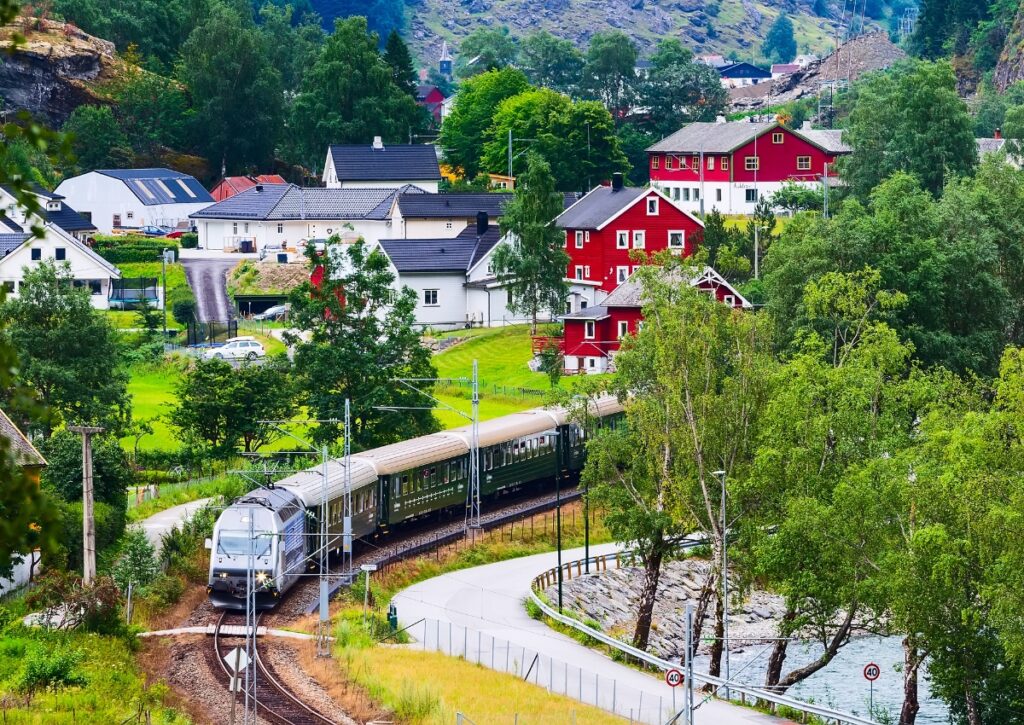
At Myrdal (13:05), you switch to the Flåmsbana Railway. This is the moment. The Flåm Railway is 20 kilometers of pure adrenaline disguised as a scenic train ride. It descends from an elevation of 865 meters in just 50 minutes, passing through 20 tunnels, across dramatic viaducts, and past waterfalls that honestly seem to defy physics.
Here’s the thing about the Flåm Railway that no article fully captures: you’re sitting on one of the steepest standard-gauge railway lines in the world. The gradient reaches 5.5% in places. The train has a cogwheel system that handles the grades, and you’ll feel it grip and release as you descend. It’s terrifying and beautiful in equal measure.
Book a seat on the right side if you’re heading down from Myrdal. The waterfalls are more dramatic on this side. When the train stops for five minutes at the Kjosfossen waterfall, get out. The spray will hit you. Your hair will get wet. Your camera will fog up. Take the photo anyway.
You’ll arrive in Flåm at 14:22, and the tiny village (population: around 350) will shock you with its beauty. Mountains rise directly from the fjord. It feels like nowhere else on earth.
Pro tip: If you’re booking this journey, use GetYourGuide for the Flåm Railway tickets. You can book ahead, skip some lines, and sometimes get small discounts. Plus, their app clearly shows seat locations so you can actually secure that side-of-the-train advantage.
Day 7 Evening and Day 8: Flåm and Bergen
If your schedule allows, spend a night in Flåm. The accommodation options are limited but lovely—places like Flåmsbrygga Hotel offer basic rooms with fjord views for around 1,500-2,500 NOK (€130-210). The restaurants here are pricey but good. You’re paying for location and the fact that they have to import everything.
Alternatively, do what I did: take the evening boat cruise. Several operators run cruises down the Aurlandsfjord and the UNESCO-protected Nærøyfjord to the tiny village of Gudvangen. These are genuinely awe-inspiring. You’re floating beneath towering cliff faces with waterfalls cascading directly down. Fjord Cruise costs vary (200-400 NOK, or €20-40), but it’s genuinely worth every øre.
From Flåm, you can either retrace your steps back to Myrdal and take the train to Bergen, or continue by coach and public transport. The train option is easier: backtrack to Myrdal on the Flåmsbana, then take the Bergensbanen to Bergen, arriving around 18:19. The total journey takes 2 hours from Myrdal.
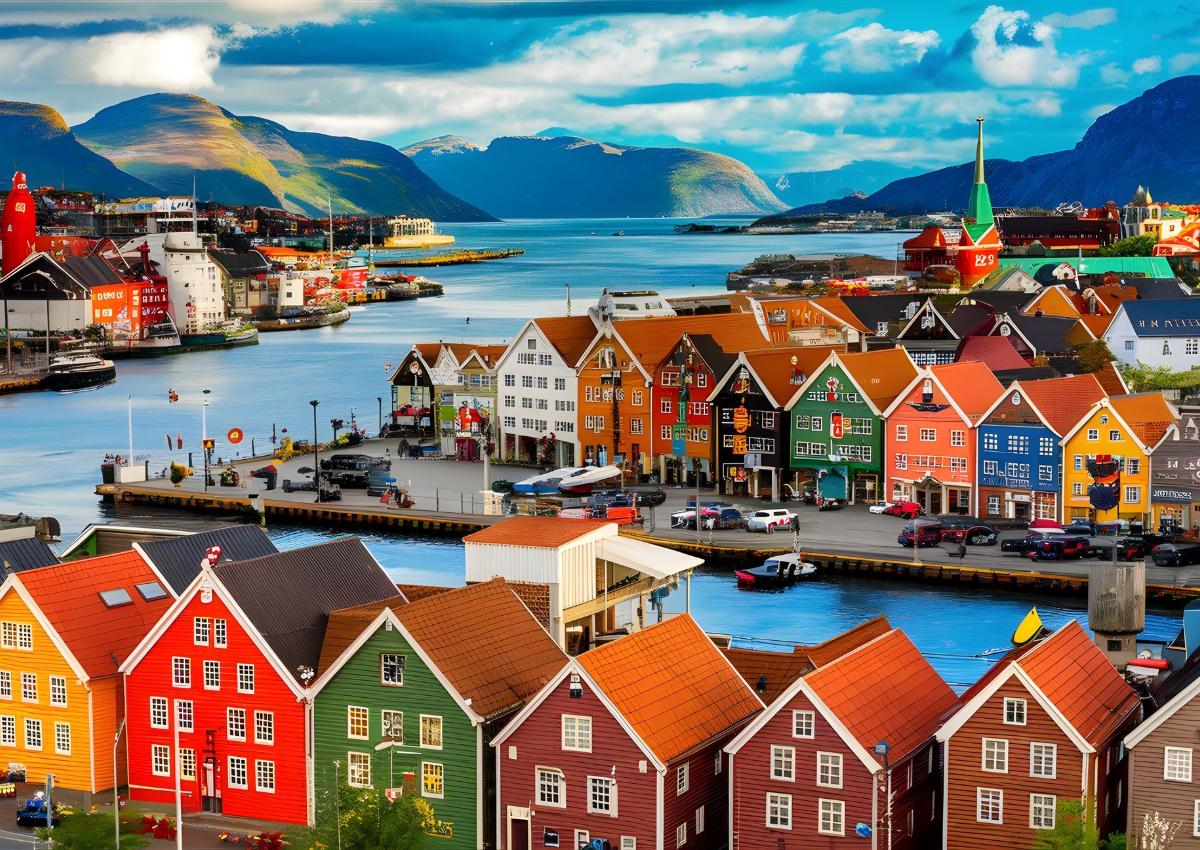
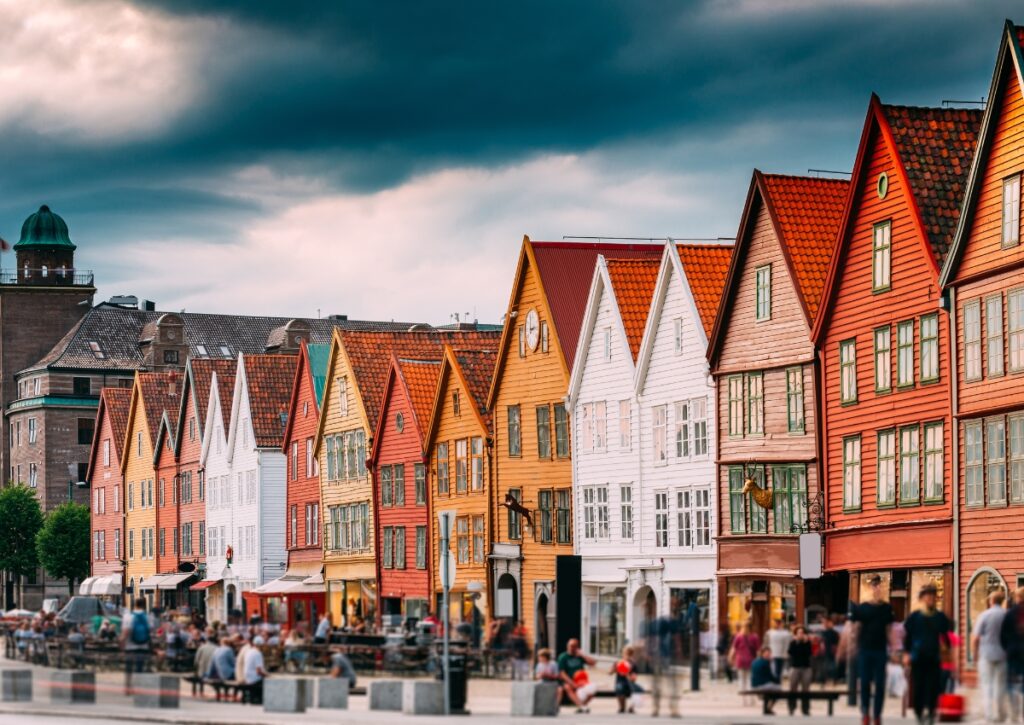
Bergen is where the journey reaches its crescendo. This is Scandinavia’s fjord capital, a city of 280,000 that somehow feels like a village. The first thing you notice is Bryggen—the UNESCO-listed Hanseatic wharf with its iconic yellow and red wooden buildings. Yes, it’s in every postcard. Yes, it’s absolutely worth seeing in person. Go early morning (before 9 AM) to avoid the chaos. The light is better anyway.
Spend the morning wandering the narrow alleyways. Drop into the Bryggen Museum (around 100 NOK, or €8-10) if you want historical context. Have coffee at Kaffebrenneriet in one of the tiny passageways.
Take the Fløibanen funicular railway (88 NOK, or €8) to the top of Mount Fløyen for 320 meters of elevation and genuinely world-class views back down over the city and into the surrounding mountains and fjords. Go at sunset if you can time it.
For dinner, hit the Fish Market near Bryggen. It’s touristy, yes, but the seafood is fresh, and the price-to-quality ratio is solid. Budget around 150-250 NOK (€15-25) for a generous meal.
Bergen Daily Budget: €120-180 (accommodation €70-100, food €30-50, attractions €15-25)
The Money Conversation: What This Actually Costs
Let’s be real about the budget because every travel blog conveniently skips this part.
Train Costs:
Option 1: Individual point-to-point tickets. If you book early (3-4 months out), you can catch the cheap fares:
- Copenhagen to Stockholm: from €48
- Stockholm to Oslo: from €29
- Oslo to Myrdal: from €78
- Flåm Railway return: from €57 (peak season; off-season starts at €27)
- Myrdal to Bergen: from €68
Total: approximately €280-300
Option 2: Eurail Scandinavia Pass (for non-Europeans) or InterRail Pass (for Europeans). A 4-day pass costs around €246 (adults, second class). Add reservation fees (€63 total for the various legs), and you’re looking at €309. This makes sense if you’re arriving without having booked ahead or if you want flexibility.
Accommodation:
This varies wildly by season and personal standards. Summer (June-August) is peak pricing. Shoulder season (May, September) is cheaper and honestly better weather anyway.
- Copenhagen: €50-100 per night
- Stockholm: €60-100 per night
- Oslo: €60-90 per night
- Flåm: €100-150 per night (limited options, pricier)
- Bergen: €70-120 per night
Budget accommodation (hostels, budget hotels) runs €50-70 per night across all cities. Mid-range (decent 3-star hotels) runs €80-130. Luxury starts at €150+.
Food:
Scandinavia has a reputation for being expensive, and it’s partially earned. But here’s how to eat well without destroying your budget:
- Breakfast: €5-10 (often included in accommodation)
- Lunch: €10-20 (take advantage of the dagens lunch specials in Sweden and Norway)
- Dinner: €20-40 (mid-range restaurants), €50+ (nicer places)
- Coffee and pastry: €3-5
Pro tip: Buy groceries at ICA, Willys, or Lidl for snacks and simple meals. A sandwich, fruit, and coffee from a supermarket might cost €8-12, which is roughly half what a café charges.
Daily Budget Breakdown:
- Budget traveler: €120-160 per day (hostel, street food, free attractions)
- Mid-range traveler: €180-250 per day (decent hotel, mixed eating, some paid activities)
- Comfort traveler: €250-400+ per day
For the full seven-day trip:
- Budget: €840-1,120
- Mid-range: €1,260-1,750
- Comfort: €1,750-2,800
This doesn’t include flights to Copenhagen or flights home, but it includes literally everything else—trains, accommodation, food, attractions, and the memories that will haunt you for years.
Practical Stuff That Actually Matters
When to Go
Summer (June-August) is peak season. It’s also crowded and expensive. May and September are genuinely the sweet spot. The weather is still lovely, you’ll avoid the worst of the crowds, and prices drop noticeably.
June is specifically magical because the waterfalls are swollen with snowmelt, making the Flåm Railway even more spectacular.
Winter (December-March) is a different beast entirely. Fewer tourists, lower prices, and the possibility of northern lights if you venture north. But many attractions reduce hours, and travel can be less predictable.
Visa and Insurance
EU/EEA citizens: No visa needed. Your health insurance back home should cover emergencies under the European Health Insurance Card (EHIC), but travel insurance is still sensible.
Non-EU citizens: Check your specific country’s requirements. Generally, you’ll get a 90-day visa-free stay in the Schengen zone. Travel medical insurance is highly recommended—minimum coverage of €30,000 is standard. Companies like VisitorsCoverage offer comprehensive plans starting around $2-5 per day. Don’t skip this.
Money and Payments
Here’s something nobody tells you: Scandinavia is ridiculously credit-card friendly. Like, aggressively so. Many places prefer cards to cash. Literally.
Swedish Krona (SEK): Not euros. Currency exchange around 1 EUR = 11 SEK.
Norwegian Krone (NOK): Also not euros. Exchange around 1 EUR = 11 NOK.
Danish Krone (DKK): Not euros. Exchange around 1 EUR = 7.5 DKK.
Bring a Wise card or Revolut card (both offer fantastic exchange rates and low/no foreign transaction fees). Use ATMs to withdraw cash when you need it—street ATMs usually have better rates than hotel ATMs. Notify your bank before you travel. Seriously. Card fraud prevention systems are aggressive.
Walk around with maybe €80-100 worth of local currency per country as a buffer, and use your card for everything else.
Travel with Purpose: Sustainable Scandinavia
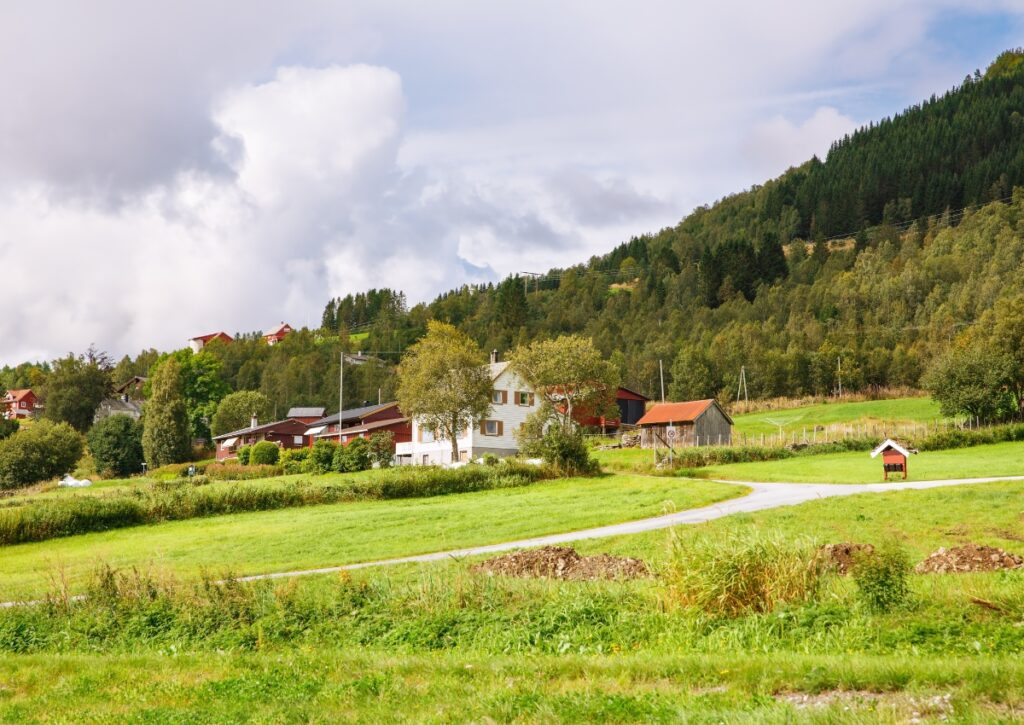
Here’s what makes Scandinavian train travel beautifully sustainable: you’re literally not flying between cities. Train travel in Norway and Sweden runs largely on renewable energy. The Flåm Railway trip creates roughly one-tenth the carbon emissions of a comparable flight.
Beyond just taking the train, consider:
- Staying in eco-certified hotels (most Scandinavian hotels take sustainability seriously)
- Renting bikes instead of taking taxis (Stockholm and Copenhagen bike culture is genuinely impressive)
- Buying a reusable water bottle and filling up at water fountains (which exist literally everywhere)
- Shopping at local markets instead of chain restaurants
- Hiking instead of taking cable cars, where you have the fitness level for it
The beauty of train travel is that you’re naturally traveling slowly, which means you’re naturally traveling more consciously.
Booking Your Tickets: The Strategic Approach
Books trains 3-4 months in advance if possible. The cheapest fares have limited availability, and they sell out fast.
Use these platforms:
- SJ (Swedish Railways): Direct bookings for Swedish trains
- VY (Norwegian Railways): Direct bookings for Norwegian trains
- DSB (Danish Railways): Direct bookings for Danish trains
- Omio or The Trainline: Booking platforms that cover multiple countries
- GetYourGuide: Particularly good for the Flåm Railway
Book your Flåm Railway tickets separately. It’s operated by a tourism company, not the national railway, and it deserves its own reservation to ensure you get your preferred seat.
Practical Packing for Train Travel
Train travel is genuinely more comfortable than flying, and you can pack better:
Essentials:
- Good shoes (you’ll be walking more than you expect)
- Layers (the weather in Scandinavia changes dramatically)
- Waterproof jacket (it rains. Often.)
- Merino wool socks and t-shirt (they don’t smell, even after days of wear)
- Reusable water bottle
- Travel power bank (the trains have outlets, but not enough)
- Travel journal (Scandinavian trains are meditative; you’ll have thoughts)
Optional but lovely:
- Good headphones (for the parts where you just want music and scenery)
- A lightweight scarf (works as a blanket, neck warmer, and beach towel)
- Compression bags (save luggage space)
- Swimsuit (several cities have free or cheap public swimming areas)
The Stuff Nobody Tells You (But You’ll Want to Know)
Train bathrooms are genuinely fine. They’re clean, they’re not scary, and there’s always soap and paper towels. This was legitimately a concern I had before my first long train ride, and I’m telling you to stop worrying.
The Flåm Railway is worth the hype. I went in with massive expectations and still had them exceeded. Sit on the right side heading down. Bring a light jacket, even if it’s summer (it gets cool at elevation). Don’t skimp on this experience.
Danes speak English better than anyone you’ll meet. Seriously. So do Swedes and Norwegians. You do not need to learn languages. You will, however, enjoy restaurants more if you learn to say “tack” (thank you) and “smak” (cheers). People notice and appreciate the effort.
Get a Copenhagen Card or Stockholm Card if you’re staying 2+ days. They’re genuinely worth it. Free entry to the major museums, free public transport—the math works out.
Café culture is sacred. Fika in Sweden, coffee breaks in Denmark and Norway—they’re not optional. Sit down. Order coffee and something baked. Spend 45 minutes doing nothing. This is travel.
The view between Stockholm and Oslo is underrated. Everyone talks about the Flåm Railway, but that 5.5-hour journey from Stockholm to Oslo offers legitimate mountain scenery that deserves more attention.
Bring cash to farmers’ markets. Many vendors are old-school and don’t take cards. You’ll also buy less impulsively, which is somehow good for both your wallet and the environment.
The water is potable everywhere. Refill your water bottle constantly. It’s free, it’s excellent, and it saves money.
The Experience That Changes Everything
Here’s what I realized somewhere between Myrdal and Flåm: this isn’t a trip designed to check boxes. It’s a trip designed to teach you something about how travel can actually work.
When you’re on a train instead of in an airplane, time moves differently. The landscape doesn’t compress into abstract shapes below you. Instead, it unfolds. You see the mountains from multiple angles. You watch villages appear and disappear. You notice that the light changes as you move further north.
When you’re moving by train, you also have time to think, read, write, and exist. You’re not frantically trying to catch the next connection or wondering if you’ve missed a turn. You’re just… there. Watching the world happen outside your window while simultaneously being somewhere in the middle of it.
That’s the thing about this trip that no amount of planning or budget breakdown can capture. Scandinavia by train isn’t a vacation. It’s a reminder that there’s a way to travel that’s slower, saner, and infinitely more rewarding.
Why You Should Book This Right Now
A week on Scandinavian rails won’t fix everything in your life (I know, I know, I’m sorry to be the bearer of bad news). But it will remind you why you wanted to travel in the first place. It will show you that you can have luxury, adventure, and affordability all in one trip. It will make you see mountains, fjords, and medieval city centers in ways that photographs genuinely fail to capture.
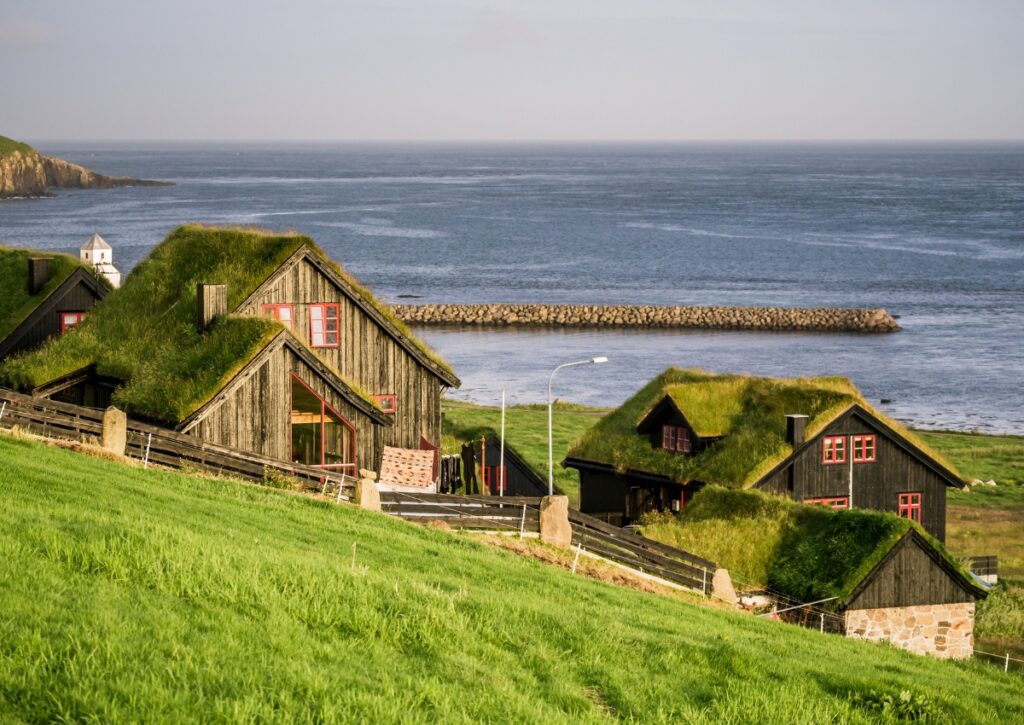
More than that, it’s a trip where every single moment—from waiting for a train to arriving at a Norwegian fjord—actually belongs to you. There’s no rush, no crowds you can’t escape, no moments where you’re wondering if you made the right choice. The train moves at its own pace, the landscape unfolds at its own speed, and you’re invited to simply pay attention.
The biggest question isn’t whether you can afford this trip. It’s whether you can afford not to take it.
So here’s what you do: pick your dates (May or September are my recommendations). Book your Copenhagen flight. Reserve your trains 3-4 months out. Get your Wise card ready. Download the Booking.com app and start eyeing those hotel options. Grab travel insurance from VisitorsCoverage. Use Welcome Pickups for your airport transfer so you’re not stressed before the trip even starts.
This is the trip that reminds you why you fell in love with travel in the first place.
Follow along with me for more real travel stories, honest reviews, and trips that actually change how you see the world. Subscribe to the blog, follow on social media, and join the community of people who believe that the journey matters more than the destination—and that sometimes, the journey literally is the destination.
- Follow me on Pinterest (A Tiny Traveler): My Pinterest is your ultimate travel vision board! It’s where I share stunning photography, quick visual guides, and, most importantly, links to all my in-depth blog posts.
- Follow me on Instagram (a.tinytraveler): For daily doses of wanderlust, stunning travel photography, behind-the-scenes glimpses of my trips, and quick tips that will inspire your next getaway. See the world through my eyes!
- Like my Facebook Page (A Tiny Traveler): Join our vibrant community of fellow travel lovers! This is a great place to ask questions, share your own travel experiences, and connect with other readers and me.
Happy traveling, friends. This trip is waiting for you.
Frank