
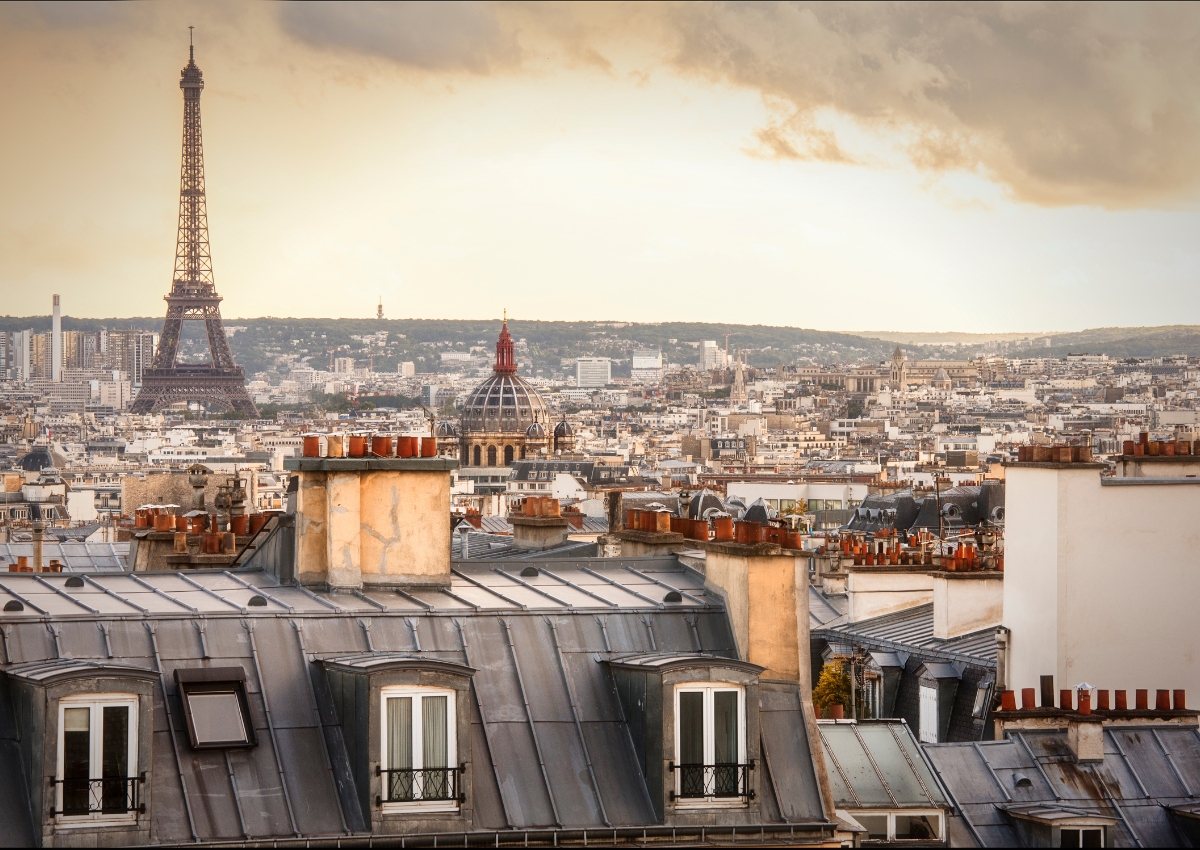
I’ll be honest with you—the first time I went to Paris, I screwed up. Badly. I waited in line for the Eiffel Tower for three hours, ate a €18 crêpe that tasted like cardboard near Notre-Dame, and somehow managed to insult a waiter by trying to order in my terrible high school French. By day three, I was exhausted, broke, and wondering if the “City of Light” was just an elaborate marketing scheme.
Here’s the thing, though: Paris didn’t fail me. I failed Paris. I’d come armed with outdated guidebook advice, Instagram fantasies, and absolutely zero understanding of how this city actually works. And you know what? Nearly every first-timer makes the same mistakes. They follow the crowds, overpay for everything, and leave thinking they’ve “done” Paris when they’ve barely scratched the surface.
So after five visits, countless conversations with locals, and enough croissants to require a new wardrobe size, I’ve figured out what actually matters. This isn’t your typical “avoid tourist traps” listicle. This is the real talk about the mistakes that will drain your wallet, waste your time, and make you miss the actual magic of this place. The kind of advice I wish someone had slapped me with before my first trip.
Let’s talk money first, because that’s probably why you’re sweating right now. A realistic daily budget in Paris ranges from €80-120 for budget travelers (hostels, street food, walking everywhere), €150-250 for mid-range folks (decent hotels, sit-down meals, some taxis), and €300+ if you’re living it up. Metro tickets cost €2.10 each or €16.90 for a book of ten. A basic meal at a neighborhood bistro runs €15-25, while tourist zone restaurants will absolutely rob you at €30-50 per person. Coffee at a café? €2.50-4.50 depending on whether you drink it standing at the bar like a local or sitting down like a tourist (yes, this matters). And speaking of accommodation, expect to pay €80-150 per night for a decent hotel outside the super-touristy areas, or €35-60 for a hostel bed. But here’s the secret: location matters more than you think, and the “best” neighborhood isn’t where you expect.
Mistake #1: Staying in the Wrong Arrondissement (And Paying Triple for the Privilege)
Let me guess—you’re looking at hotels near the Eiffel Tower or Champs-Élysées because that’s what everyone does, right? Wrong. So incredibly wrong.
Here’s what nobody tells you: the fancy arrondissements are where Parisians go to work, not to live. They’re expensive, sterile after 8 PM, and full of people exactly like you—confused tourists wondering where all the “authentic Paris” went. I made this mistake on my second trip, dropping €200 a night for a shoebox room in the 7th arrondissement with a view of… another hotel. Meanwhile, the actual good restaurants, wine bars, and neighborhoods with personality were a 30-minute metro ride away.
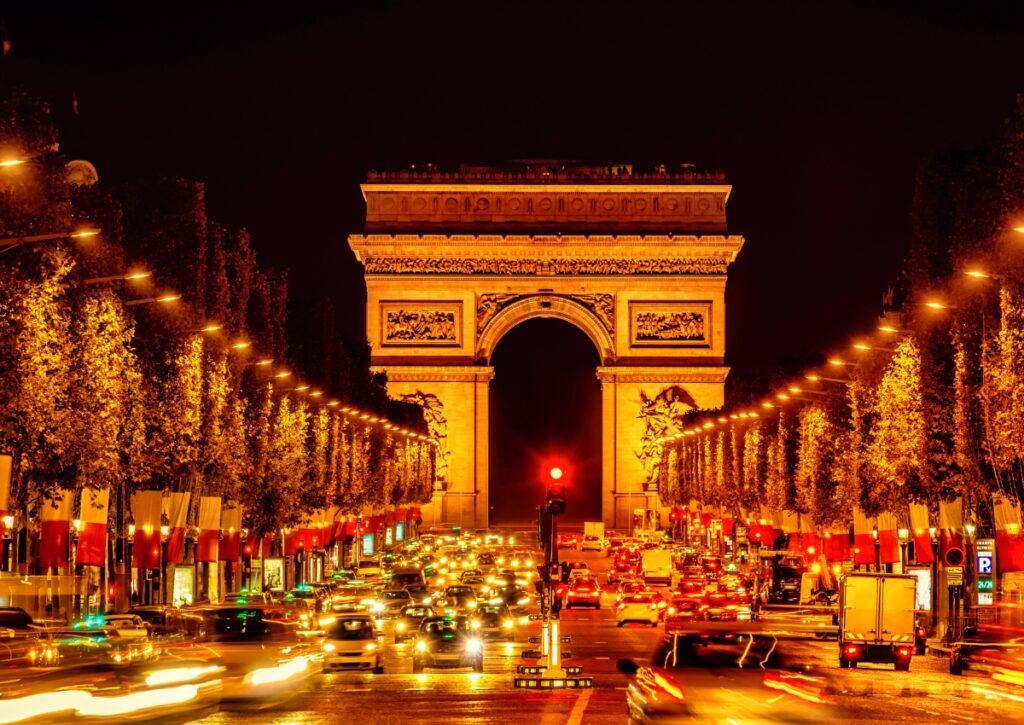
The smart move? Look at the 10th, 11th, 18th (below Sacré-Cœur), 19th, or 20th arrondissements. These neighborhoods are where actual Parisians live, work, and eat. The Canal Saint-Martin area in the 10th is gorgeous—tree-lined canals, vintage shops, and cafés where nobody’s charging you a “tourist tax” on your coffee. Belleville in the 20th has incredible views of the city, amazing Vietnamese and Chinese food, and street art that puts the Louvre to shame (okay, slight exaggeration, but you get it). Montmartre, if you stay away from the Place du Tertre circus, still has quiet corners that feel like a village.
When you’re booking accommodation, I’d strongly recommend using Booking.com for hotels and apartments. Their filters are actually useful (unlike some other platforms where “city center” means “technically in the same country”), and their free cancellation option has saved me more times than I can count. The genius move is to book something with flexibility, because once you’re actually in Paris and talking to locals, you’ll realize you want to be somewhere completely different for your next trip.
Here’s the math that convinced me: a hotel in the 11th arrondissement costs €110 per night with breakfast included, five minutes from the metro. The same quality room near the Eiffel Tower? €280 minimum, no breakfast, and you’ll spend €5 each way on a taxi because the metro stop is weirdly far. Over a week, that’s a difference of €1,190—enough for a romantic dinner at L’Ami Jean or a day trip to Versailles and Giverny combined.
Plus, and this is crucial, staying in a real neighborhood means you’ll accidentally stumble into amazing things. That random bakery on the corner? It just won a prize for best baguette in Paris. That wine bar with no sign? The owner used to be a sommelier at a Michelin-starred restaurant and now just wants to share natural wines at fair prices. You can’t find this stuff near the Louvre—only overpriced tourist cafés with laminated menus in six languages.
The metro in Paris is so good that location barely matters for sightseeing. Every major sight is accessible within 30-40 minutes from anywhere. So why pay a premium to sleep next to them?
Mistake #2: Buying Eiffel Tower Tickets at the Tower (And Wasting Your Entire Morning)
Picture this absolute nightmare: You wake up at 6:30 AM, skip breakfast, rush to the Eiffel Tower to “beat the crowds,” and find 500 other people who had the exact same brilliant idea. You wait. And wait. And wait some more. Three hours later, you’re sunburned, hungry, and seriously questioning your life choices. Your whole morning? Gone. Your energy? Depleted. Your Instagram photo of the view? Exactly the same as everyone else’s.
I watched this happen to a British couple in June. They were so excited, practically running to the ticket office at 7 AM. By 10:30, they were fighting about whose idea this was. Not cute.
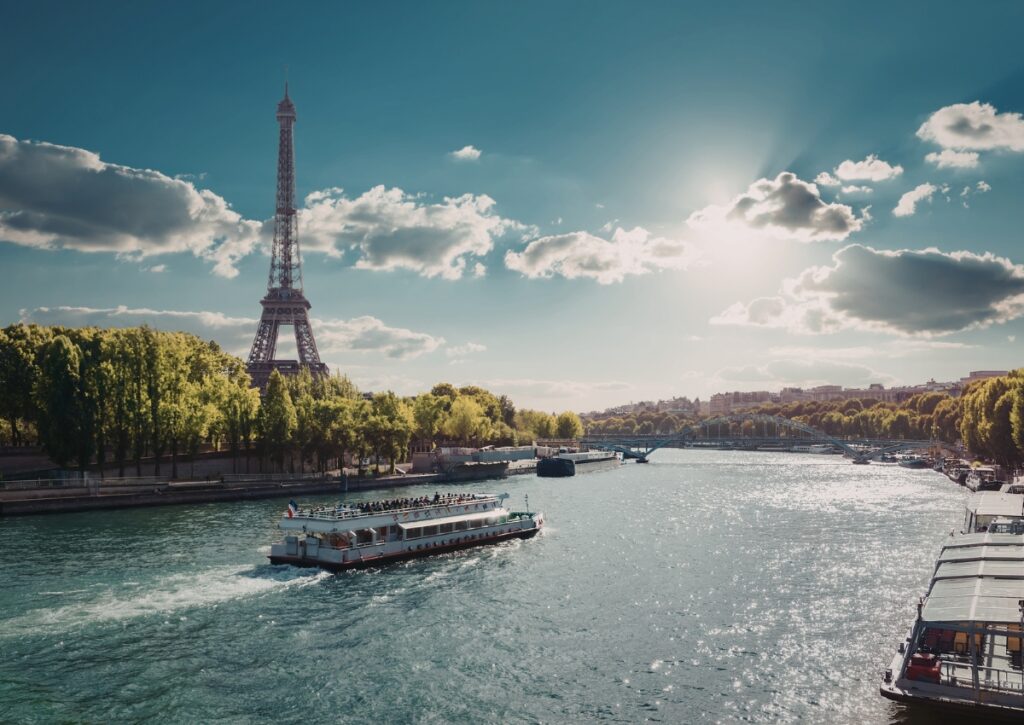
Here’s the fix: book your tickets online weeks in advance. The official website releases tickets exactly 60 days in advance, and they sell out almost immediately for summit access. Set an alarm. Mark your calendar. Treat it like buying concert tickets for your favorite band, because that’s essentially what it is.
But here’s my actual advice—and locals will agree with me—skip the Eiffel Tower entirely. Or at least, don’t go up it. The problem with being inside the Eiffel Tower is that you can’t see the Eiffel Tower. It sounds stupid, but it’s true. The views from Tour Montparnasse, Sacré-Cœur, or even the Arc de Triomphe are better because the Eiffel Tower is actually in them.
If you absolutely must ascend it (I get it, bucket list), book a sunset time slot. The light is better, the temperature is cooler, and you can see Paris transform from day to night. But honestly? The best Eiffel Tower experience is watching it sparkle from Trocadéro with a bottle of wine and some cheese from the market. Free, romantic, and nobody’s elbowing you in the ribs.
For activities and tickets, I always check GetYourGuide first. They often have skip-the-line packages that include extras like Seine river cruises or guided tours that give you context beyond “this is tall and made of iron.” Sometimes paying €15 extra to skip a three-hour line is the best money you’ll spend all trip. Your time is worth something, and that something is definitely more than €5 per hour.
The real secret? Visit the Eiffel Tower at night from below. Grab takeout from a Lebanese place in the 15th arrondissement (try Chez Le Libanais), pick up wine from Nicolas wine shop, and post up on the Champ de Mars with the locals. Every hour on the hour after sunset, the tower sparkles for five minutes. It’s pure magic, costs nothing, and you’ll actually remember it—unlike that blurry photo from the summit where everyone looks like ants.
Mistake #3: Eating Anywhere Near Major Tourist Attractions
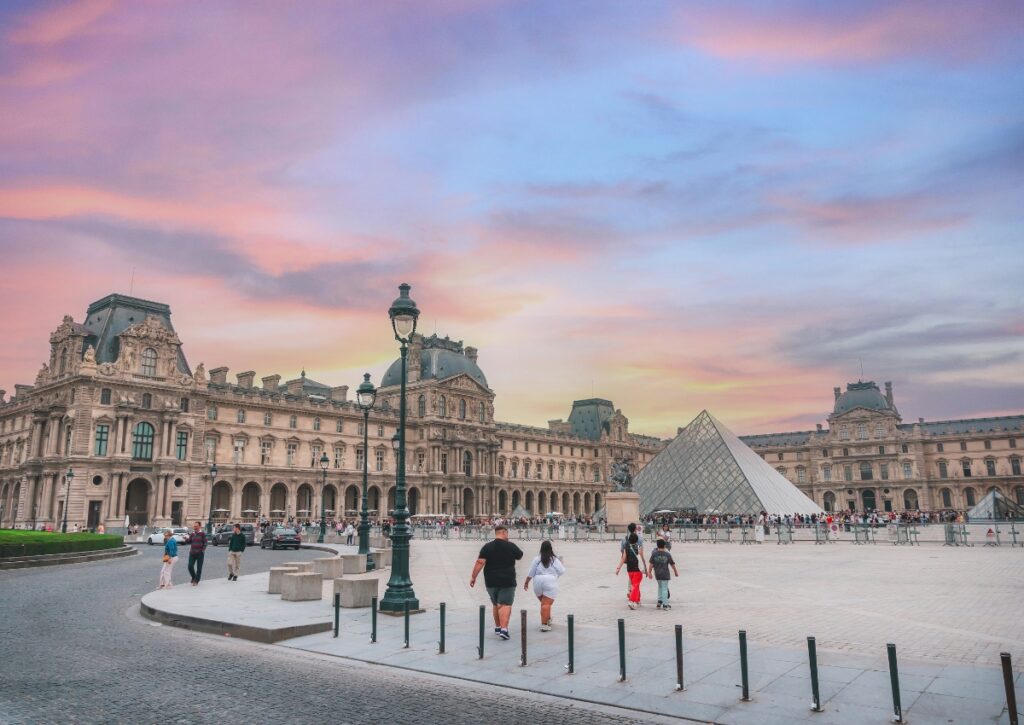
Let me tell you about the saddest meal I’ve ever eaten. It was 2019, I was starving after the Louvre, and I ducked into the first café I saw on Rue de Rivoli. The menu looked fine. The prices were… okay, a bit high, but whatever. I ordered steak frites. What arrived was a gray piece of shoe leather with frozen fries and a side of regret. The bill? €32 for one person. The worst part? I could see the staff laughing at tourists in the kitchen. They knew exactly what they were doing.
This is Paris’s dirty secret: restaurants within 200 meters of any major monument are almost universally terrible. They don’t have to be good because they have a captive audience of hungry, tired tourists who won’t be back. The turnover is so high that quality literally doesn’t matter. They could serve cat food and still make a fortune.
The rule is simple: walk. Walk for 10 minutes in any direction away from the tourist zone. Watch the menu prices drop by 30-40% and the quality shoot up dramatically. Better yet, ask your hotel receptionist or Airbnb host where they eat. Parisians are snobby about food in the best possible way—they won’t send you somewhere mediocre.
Some neighborhoods to target for real food: Rue des Martyrs in the 9th has everything from oysters to Japanese yakitori. Rue Sainte-Marthe in the 10th is this tiny cobblestone street packed with authentic bistros. Belleville has the best Chinese food outside of China—seriously, the 湘菜 (Hunan cuisine) at some spots will change your life. Rue Oberkampf in the 11th is bar and restaurant central for the under-35 crowd.
Here’s my system: I use Google Maps, but I look for places with 4.3-4.7 stars and 200+ reviews. Sounds weird, right? Why not 4.8+? Because perfect ratings usually mean either the restaurant is brand new, or the owner is deleting bad reviews. The 4.3-4.7 range means it’s established, honest, and good enough that locals keep coming back despite occasional off nights.
Also, learn this phrase: “Formule déjeuner” (lunch special). Most bistros offer a two or three-course lunch menu for €14-20 that would cost €35-45 at dinner. Same food, same kitchen, half the price. The French invented the long lunch break for a reason. Use this knowledge wisely.
And please, for the love of all that is holy, avoid any restaurant with pictures on the menu. If they need photos to sell you the food, the food isn’t good enough to sell itself. Exception: small Asian places run by people who don’t speak French well—those pictures are for local customers, and the food is usually excellent.
One more thing about food sustainability: look for the “Fait Maison” label, which means “homemade” and indicates the restaurant cooks from scratch rather than reheating frozen stuff. Supporting these places helps preserve traditional French cooking and reduces food waste. Also, many neighborhoods now have “anti-gaspi” (anti-waste) apps like Too Good To Go, where restaurants sell surplus food at huge discounts—great for your budget and the planet.
Mistake #4: Only Visiting the Greatest Hits (And Missing the Actual City)
The Louvre, Eiffel Tower, Notre-Dame, Arc de Triomphe, Versailles. Yawn. Sorry, not sorry. I’ve done them all multiple times, and while they’re impressive, they’re not Paris. They’re Paris’s resume—the stuff it shows off to impress strangers. But the real city, the one that makes people fall in love and move here with no job prospects and terrible French skills (guilty), is somewhere else entirely.
My favorite day in Paris? Not a single famous monument. I started at Marché d’Aligre, a neighborhood market in the 12th arrondissement where vendors were yelling prices in both French and Arabic. Bought cheese, bread, cherries, and a bottle of Chinon wine for €15 total. Walked to the Coulée Verte René-Dumont, this elevated park built on an old railway line (think New York’s High Line, but Paris did it first in 1993). Barely any tourists. Lots of locals reading, jogging, making out on benches—you know, living their lives.
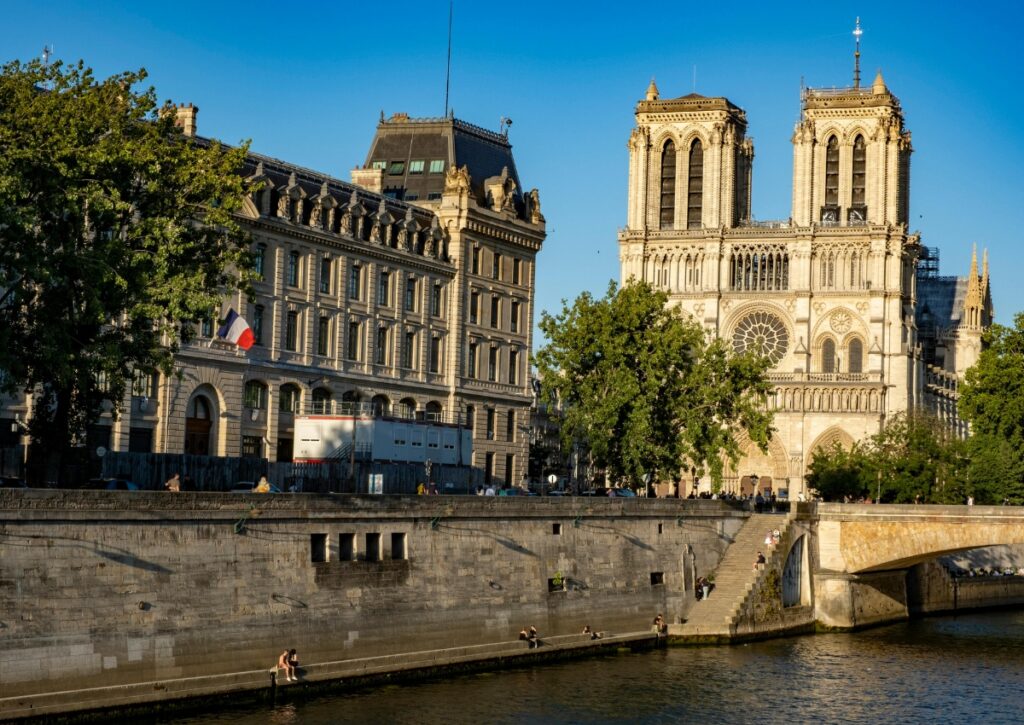
Then I hit the Musée de la Chasse et de la Nature (Hunting and Nature Museum), which sounds boring but is actually this trippy aristocratic mansion filled with taxidermy, art, and rooms designed like fever dreams. Weird, fascinating, empty. After that, I wandered through the Marais side streets (avoiding the main shopping drag), found a wine bar in a former cobbler’s shop, and drank natural wine with the owner, who spoke zero English but lots of enthusiastic hand gestures.
Cost of this perfect day? Maybe €40 including wine and dinner. Level of tourist stress? Zero. Memories that actually feel like mine and not a recreation of someone’s Instagram story? Priceless.
Here’s a list of places that blew my mind but aren’t in your typical guidebook:
Parc des Buttes-Chaumont in the 19th: This park is absurd. There’s a cliff, a waterfall, a temple on top, and a cave. It feels like someone built a romantic painting and then let the public have picnics in it. Go at sunset. Bring wine. Thank me later.
La REcyclerie: A café built in an old train station with an urban farm, chickens wandering around, and actually good vegetarian food. It’s in the 18th near Porte de Clignancourt, and it’s what Parisians mean when they say they want to “escape the city” without leaving.
Musée Jacquemart-André: A private mansion that’s basically what would happen if someone with unlimited money and good taste went shopping for 40 years. The art collection rivals the Louvre, but you can actually see it without crowds. The café is in the old dining room with frescoes on the ceiling. It’s ridiculous. I love it.
Cimetière du Père Lachaise: Yes, it’s famous-ish, but most tourists just sprint to Jim Morrison’s grave and leave. The cemetery is massive, beautiful, and full of cats who’ve achieved peak Parisian disdain. Oscar Wilde, Edith Piaf, Chopin—they’re all here. Bring a map, or you’ll get wonderfully lost.
Canal Saint-Martin on a Sunday: Locals bring speakers, wine, cheese, and just hang out on the banks all day. It’s free, it’s social, and it’s the closest you’ll get to actually feeling Parisian. Join in. Nobody will judge you. They might even share their rosé.
The mindset shift you need: Paris isn’t a checklist. It’s not about “doing” the city. It’s about wandering, getting lost, sitting in parks for hours, eating a €3.50 jambon-beurre (ham and butter sandwich—trust me) while watching people, and allowing yourself to be bored enough that interesting things start happening.
I know, I know—you’ve got limited time, and you want to see the famous stuff. Fine. Do the Louvre on a Wednesday night (open until 9:45 PM, way fewer crowds). See the Eiffel Tower from Trocadéro. Walk through Montmartre early morning before the portrait scammers wake up. But then, please, go do something that isn’t on every single itinerary. Future you will be grateful.
Mistake #5: Not Understanding How French Service Works (And Getting Offended by Waiters)
Okay, real talk: French waiters aren’t rude. You’re just not following the rules. And nobody told you the rules exist. Which is incredibly unfair, but here we are.
American service is attentive, smiley, and transactional—the server checks on you constantly because good service equals good tips. French service is hands-off and respectful—the waiter leaves you alone because hovering is considered rude. You’re not a problem to be solved; you’re a guest to be given space. Different philosophy, not worse service.
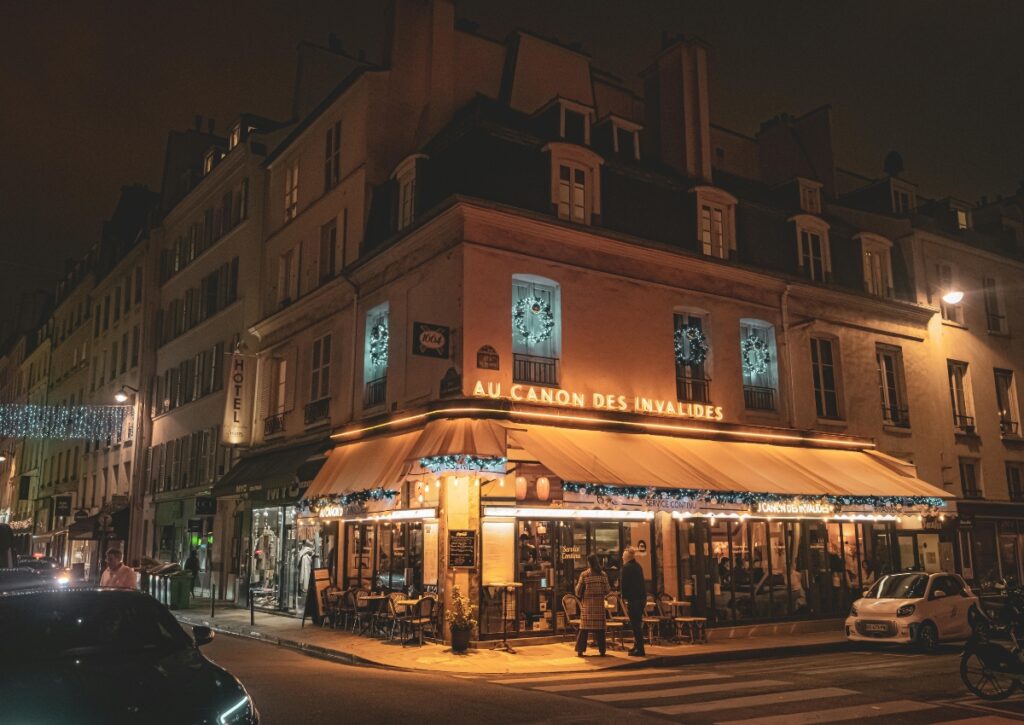
But this cultural gap creates problems. You want water? You have to ask. Want the check? Ask. Want anything literally? You must make eye contact, raise your hand slightly, and ask. They will not interrupt your conversation to see if you want more wine. They assume that if you wanted more wine, you’d use your words.
Here’s the phrase that changed my life: “S’il vous plaît” (please). That’s it. Just flag down a waiter and say this. They’ll come over. Then ask for what you need. “L’addition, s’il vous plaît” (the check, please). “De l’eau, s’il vous plaît” (water, please). Magic words.
Also, the bread is free. The water is free if you ask for “une carafe d’eau” (tap water). But if you ask for “de l’eau” without specifying, they’ll bring bottled water and charge you €6. See? You’ve got to know the system.
Tipping: Unlike in the U.S., service is included in the price. “Service compris” means the server is paid a living wage. You can leave €1-2 for good service at a café, or 5-10% at a nice dinner, but it’s not expected or required. Nobody’s living off tips here. This is actually great once you adjust, because the price on the menu is the price you pay. No mental math about 20% on top.
The mistake Americans make: trying to get a waiter’s attention by snapping fingers or saying “Excuse me!” loudly. This is considered incredibly rude. Like, “you just insulted my mother” levels of rude. The polite method is eye contact plus a small hand raise plus “s’il vous plaît.” Or walk up to the bar and ask there—totally acceptable.
Here’s the thing, though—if you make even the tiniest effort to speak French, Parisians warm up significantly. You don’t have to be fluent. You can butcher the pronunciation. Just start with “Bonjour” when you enter, say “merci” when appropriate, and attempt “parlez-vous anglais?” before launching into English. This tiny gesture shows respect, and respect is the currency Paris actually values.
I’ve seen this play out in real time. Tourist A walks in, doesn’t say hello, speaks English loudly, and gets annoyed when the waiter isn’t immediately available. Service is icy. Tourist B walks in, says “Bonjour, parlez-vous anglais?” with a smile, and apologizes for their terrible French. The same waiter is suddenly warm, helpful, and making jokes. Same restaurant, same day, different approach.
If you’re genuinely trying to speak French and mess up, locals find it endearing. I once tried to order “œufs” (eggs) but accidentally said a word that roughly translates to… let’s say a part of the male anatomy. The waiter laughed so hard he cried, then taught me the correct pronunciation and gave us free coffee. Mistakes aren’t the problem—entitled rudeness is.
Mistake #6: Falling for the Metro Scams (And Other Tourist-Targeting BS)
Let’s discuss the various ways Paris will try to separate you from your money through deception, shall we?
First: the petition scam. Someone, usually a young woman, approaches with a clipboard and asks if you speak English. They want you to sign a petition for “deaf children” or “human rights” or whatever. The second you sign, they demand a “donation” of €20 minimum and get aggressive if you refuse. Their friends might surround you. It’s intimidating on purpose.
The fix: Don’t engage. Don’t make eye contact. Keep walking. If they persist, say “Non” firmly and keep moving. No explanation needed.
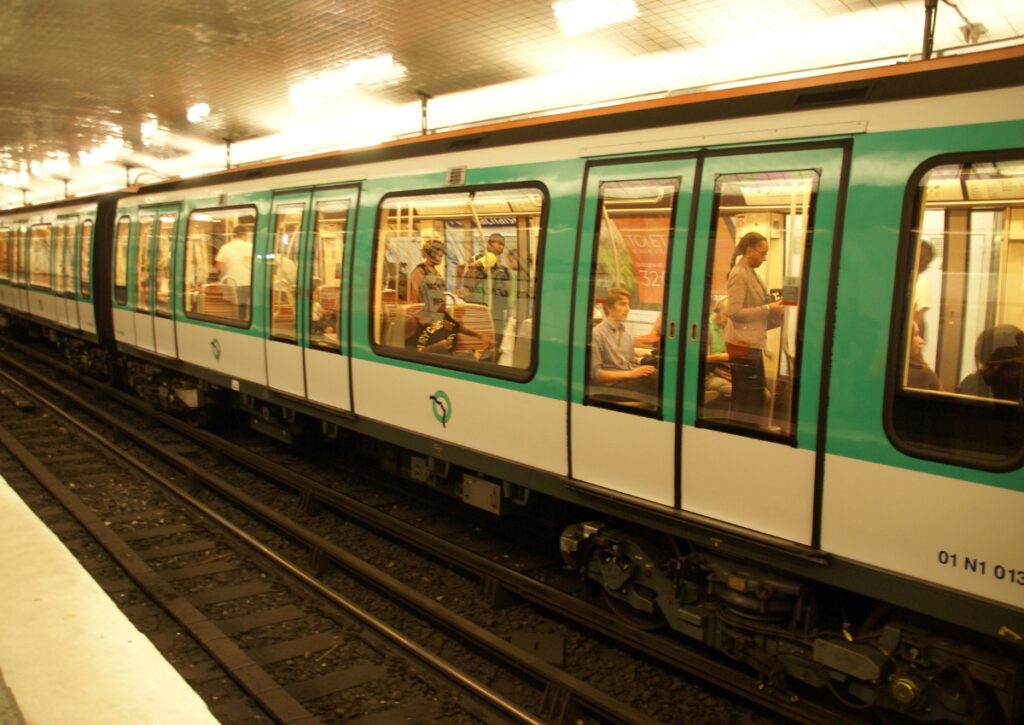
Second: the friendship bracelet trap. This happens at Sacré-Cœur primarily. A friendly guy approaches, starts chatting, and suddenly grabs your wrist and ties a bracelet on it. Then demands €10-20 for the “gift.” If you resist, his friends materialize. It’s aggressive and scary.
The fix: Keep your hands in your pockets or crossed when you’re in touristy areas. If someone reaches for your wrist, pull back immediately and walk away quickly. Don’t worry about being rude—they’re literally trying to extort you.
Third: the gold ring “find”. Someone in front of you “finds” a gold ring on the ground and asks if it’s yours. You say no. They insist it must be valuable and offer to sell it to you for €50 as they’re “in a hurry.” The ring is brass spray-painted gold and worth €0.50. I’ve seen this near the Eiffel Tower at least 20 times.
The fix: “Non” and walk away. Don’t even pause.
Fourth: the ticket counterfeiters at metro stations. Someone offers to “help” you use the ticket machine or tries to sell you unused tickets at a discount. The tickets are either fake, expired, or stolen. You’ll get fined €50+ if caught with them.
The fix: Buy tickets only from official machines or ticket windows. The machines accept cards with chips now. If someone approaches to “help,” politely decline.
Fifth, and this is important: pickpockets. They’re everywhere tourists congregate. The metro lines 1 and 4 are notorious. Châtelet-Les Halles station is basically pickpocket headquarters. They work in teams—one distracts, one steals.
Common tactics: Someone “accidentally” spills something on you and starts cleaning while their partner goes through your pockets. Someone asks for directions while pointing at a map that blocks your view of your bag. Kids surround you, asking questions while tiny hands unzip everything. Someone creates a commotion on the metro, and in the chaos, wallets disappear.
The fix: Front pockets only for phones and wallets. Cross-body bags are worn in front in crowded areas. Be aware of your surroundings. If someone gets weird or too close, move away. Trust your instincts. That feeling that something’s off? Listen to it.
I use a money belt for passports and backup cards, and I keep my daily wallet in my front pocket with my hand on it in crowds. Is it paranoid? Maybe. But I’ve still got my stuff after five trips, so I’m calling it a win.
For actual safety and reliable transportation from the airport, I swear by Welcome Pickups. They’re more expensive than public transit (€35-50 versus €11.50 for the RER train), but after a long flight, having a driver waiting with your name on a sign, helping with luggage, and getting you to your hotel without navigating strikes or figuring out which RER line isn’t closed that day? Worth every euro. Plus, they give you a local SIM card and city tips during the ride. It’s the kind of service that starts your trip right, instead of stressed and confused at Gare du Nord, wondering if that guy yelling about taxis is legitimate.
One more thing: keep your belongings insured. VisitorsCoverage offers travel insurance that actually covers pickpocketing, lost luggage, and medical emergencies. It’s like €30-50 for a week’s coverage, and if anything goes wrong, you’re protected. I’ve filed one claim (lost phone in Rome, similar scam situation) and they processed it quickly without the bureaucratic nightmare I expected. Peace of mind for less than the cost of a nice dinner.
The sad reality is that Paris has a crime problem targeted at tourists. Not violent crime—you’re statistically very safe from physical harm. But property crime is real. The city knows it, the police know it, and the scammers know that tourists won’t report it because they’re leaving in three days anyway. So they keep doing it. Your job is not to be an easy target. Stay aware, don’t flash expensive stuff, and keep your wits about you in crowded places.
Mistake #7: Renting a Car (Unless You Enjoy Suffering)
I can hear you thinking: “But I’ll have so much freedom with a car! I can explore the countryside! Road trip!”
Stop. Put down the GetRentacar app. Step away from the rental counter. You don’t need a car in Paris. In fact, a car in Paris is like bringing a grand piano to a knife fight—expensive, heavy, and completely counterproductive.
The streets are narrow medieval paths that were never designed for cars. Parking costs €4-6 per hour, and spaces are mythical creatures that locals spend 45 minutes hunting. The metro goes everywhere faster. Traffic is apocalyptic. Parisians drive like they’re late for their own funeral and angry about it. The périphérique (ring road) is 24/7 chaos. And if you somehow find parking, it’s probably in a zone that requires a special permit or has street cleaning on random days.
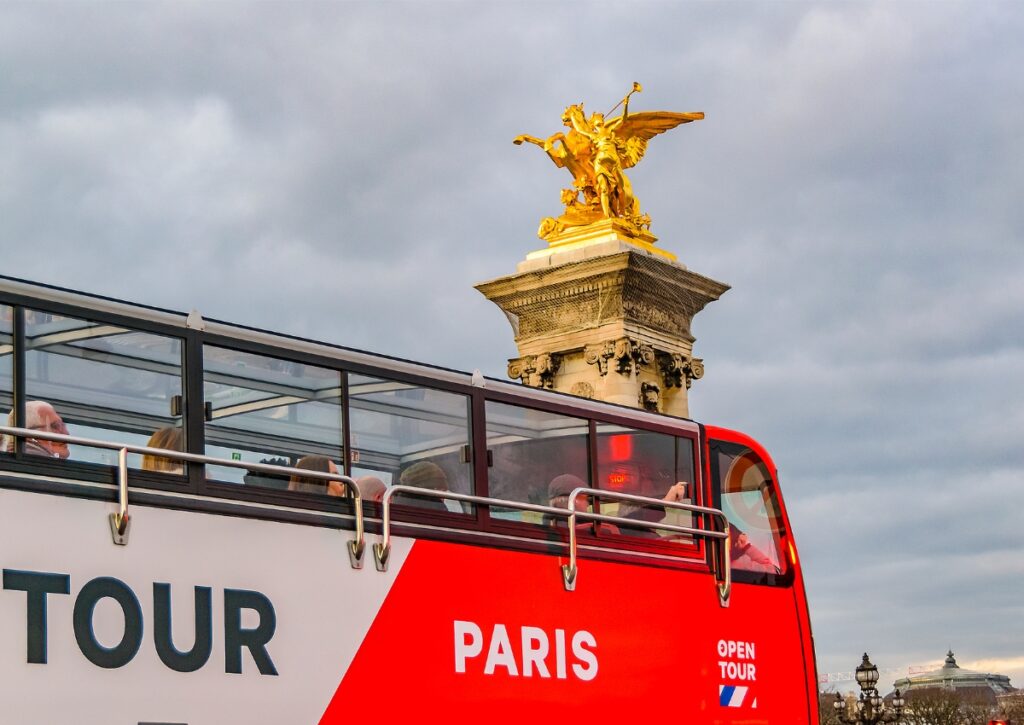
I made this mistake exactly once. Rented a car to drive to Versailles because I thought it would be easier than the train. It took 90 minutes to drive 20 kilometers due to traffic. Parking at Versailles was €15 for the day and a 15-minute walk from the palace. The train would have been €7.30 return, 40 minutes, and dropped me at the palace gates. The math was cruel, and I deserved it for being stupid.
Inside Paris? The metro, RER, buses, and trams make a car completely unnecessary. A Navigo week pass costs €30 and gives you unlimited transport in all zones. That’s it. One price, one week, go anywhere. Or use single tickets at €2.10 each if you’re not moving around constantly.
Now, if you want to visit Loire Valley châteaux, the Champagne region, Normandy beaches, or Giverny, yes, rent a car—but do it from Paris, not in Paris. Pick it up on your way out of the city, return it on your way back in. Companies like GetRentacar can arrange pickup from locations outside central Paris where rates are lower, and you can immediately hit the highway. A day trip by car to places not well-served by public transport? Great idea. Driving that car through the Marais, trying to find your hotel? Terrible idea.
The exception: if you’re staying for a month and want weekend trips, sure. But for a week-long visit? The metro is faster, cheaper, and eliminates the stress of navigation, parking, and potentially destroying a side mirror on a medieval street built for donkeys.
Plus, Paris is closing more streets to cars every year. It’s becoming more walkable and bike-friendly, which is fantastic for residents and visitors, but terrible if you’re committed to a rental car. The city wants you on metros, bikes, and feet. Work with it, not against it.
Mistake #8: Trying to Do Paris in 2-3 Days (And Becoming a Stressed-Out Monster)
You’ve got three days. You want to see the Louvre, Eiffel Tower, Notre-Dame, Versailles, Sacré-Cœur, the Arc de Triomphe, the Latin Quarter, Montmartre, Saint-Germain-des-Prés, eat at a Michelin-starred restaurant, have wine at a café, see a cabaret show, and maybe fit in a day trip to the Champagne region.
This is the itinerary of a crazy person. You will be exhausted, see nothing properly, eat terribly because you’re always rushing, and probably fight with your travel companion about whose idea this sprint vacation was.
Here’s the truth: Paris rewards slowness. It’s not a city you “do.” It’s a city you experience. The best moments happen when you’re not rushing between landmarks, taking photos to prove you were there.
My recommendation: minimum five days. Seven is better. Ten is ideal. Yes, I know you have a job and limited vacation days and can’t just move to Paris (yet). But if you only have three days, pick three or four things you genuinely care about and do those properly. Fill the rest of the time wandering.
A reasonable three-day itinerary looks like: Day 1: one museum (morning), lunch in a real neighborhood (afternoon), walk along the Seine and people-watch (evening). Day 2: one major sight (like Versailles or Montmartre), long lunch, explore a neighborhood you haven’t seen. Day 3: market morning, museum or activity afternoon, nice dinner.
Notice what’s missing? The desperate sprint between 12 different things. The €200 in taxi costs is because you’re constantly late. The crappy €18 sandwiches because you don’t have time for a real meal. The exhaustion-induced arguments about whether to see Sainte-Chapelle or Musée d’Orsay when you’re too tired to enjoy either.
Quality over quantity. Always. I’d rather spend two hours sitting at a café on Place des Vosges watching Parisians live their lives than speed through four museums remembering nothing. Travel isn’t about maximizing attractions per day—it’s about having experiences that actually sink in.
And please, build in slack time. Things will go wrong. You’ll get lost. You’ll discover a bookshop and spend two hours there. You’ll meet a local who invites you to their friend’s art opening. These are the good things. The unplanned things. But you can’t experience them if every minute is scheduled.
The most Parisian thing you can do is waste time beautifully. Sit. Linger. Order a second coffee just to stay longer. Read. Sketch. Do nothing with intention. This is not a personality flaw—it’s the entire point.
If you absolutely must cram everything into three days because that’s all you have, fine. Use GetYourGuide to book skip-the-line tickets and guided tours that move efficiently. But know that you’re seeing Paris the way someone watches a movie at 2x speed—technically you saw it, but did you really?
Mistake #9: Ignoring the Seasons (And Melting/Freezing/Drowning as a Result)
Paris is gorgeous year-round, but Paris in August is a special kind of hell that nobody warns you about properly. The temperature hits 35°C (95°F), there’s no air conditioning anywhere except fancy hotels and shopping malls, the metro becomes a mobile sauna, and—this is the kicker—half the city is closed. I’m talking restaurants, bakeries, and shops. Owners just… leave. They put up signs saying “Closed for August” and go somewhere with a beach.
Meanwhile, the places that are open are slammed with tourists who all had the same “summer in Paris” idea. The Louvre becomes a sweaty crowd-nightmare. The Eiffel Tower line snakes around the block under brutal sun. And good luck finding an affordable hotel room—prices spike because demand is insane while supply (good places) is gone.
I love summer. I love heat. But August in Paris taught me that you can love something and still want it to end. I spent one afternoon lying on the floor of my non-air-conditioned Airbnb contemplating my life choices while my phone warned me about heat advisories.
Winter (December-February) is the opposite problem. It’s cold—not freezing like Chicago or Montreal, but damp-cold that gets into your bones. It’s gray. The sun sets at 5 PM. Everything looks beautiful in that moody way, but after three days of drizzle, you start understanding why French philosophy is so existential. Also, outdoor café culture basically stops, which is half the point of Paris.
Spring (April-May) and fall (September-October) are perfect. Like, legitimately perfect. Mild temperatures (15-22°C / 59-72°F), fewer tourists, everything’s open, the light is gorgeous, parks are blooming or turning gold, and café terraces are packed with happy people. These are the seasons when Paris deserves its reputation.
But here’s the insider move: late May to mid-June, or late September through October. You get great weather, the tourist crowds are manageable (not low, but not August insanity), and there’s this energy to the city—outdoor markets, festivals, concerts in parks, longer evenings, people happy to be outside after winter hibernation.
I once visited in early October. The light was unreal—that low-angle golden hour that makes everything look like a painting. The parks were carpeted in rust-colored leaves. Street markets had apples, pears, mushrooms, squash—all the fall produce. Cafés had heaters set up on terraces so you could sit outside with a blanket over your lap. It felt like Paris was showing off specifically for me.
Weather-appropriate packing matters too. Spring/fall: layers. A light waterproof jacket. Good walking shoes (you’ll walk 10-15 kilometers per day easily). Summer: breathable everything, sunscreen, a hat, and a water bottle you can refill. Winter: a real coat, a scarf, waterproof boots, and acceptance that you’ll spend money on hot chocolate and wine to stay warm.
One more seasonal consideration: strikes. France’s labor unions are active, and strikes happen, particularly in spring and fall. Transport strikes, museum strikes, even garbage collection strikes (Paris with uncollected trash is… pungent). Check the news before you go. If a major strike is planned, consider whether you can be flexible or if it’ll ruin your carefully planned itinerary. Pro tip: strikes usually end by afternoon or are announced in advance, so you can work around them if you’re paying attention.
For cellular service that actually works across Europe without roaming charges, get Yesim before you leave. It’s an eSIM you install on your phone—no physical card needed—, and you can buy data packages for specific countries or all of Europe. Way cheaper than international roaming through your home carrier, and you won’t be that person desperately searching for WiFi to check directions. I typically use about 5-10GB per week (maps, photos, research, messaging), and a package costs around €15-25. Worth it for the freedom to look up restaurant reviews or verify metro routes without panicking about data charges.
Mistake #10: Converting Money Like It’s Still 2005 (And Losing Hundreds to Fees)
Let’s talk about the silent money-drainer: currency exchange fees. You probably haven’t thought about this much because it’s boring and involves math, but it’s costing you way more than you realize.
Traditional banks charge currency conversion fees of 2-3% on every transaction, plus international ATM fees of €3-5 per withdrawal, plus whatever the local bank charges, plus they use garbage exchange rates that favor them. A week in Paris with a traditional bank card? You’re losing €50-100 to fees without noticing because they’re hidden in the exchange rate and fine print.
The modern solution: Revolut or Wise (formerly TransferWise). These are digital banks designed for international spending. They use the real exchange rate (the one on Google, not the one banks make up), charge minimal or zero fees, and work everywhere in Europe. You load them with your home currency through the app, and they convert at real-time rates when you spend.
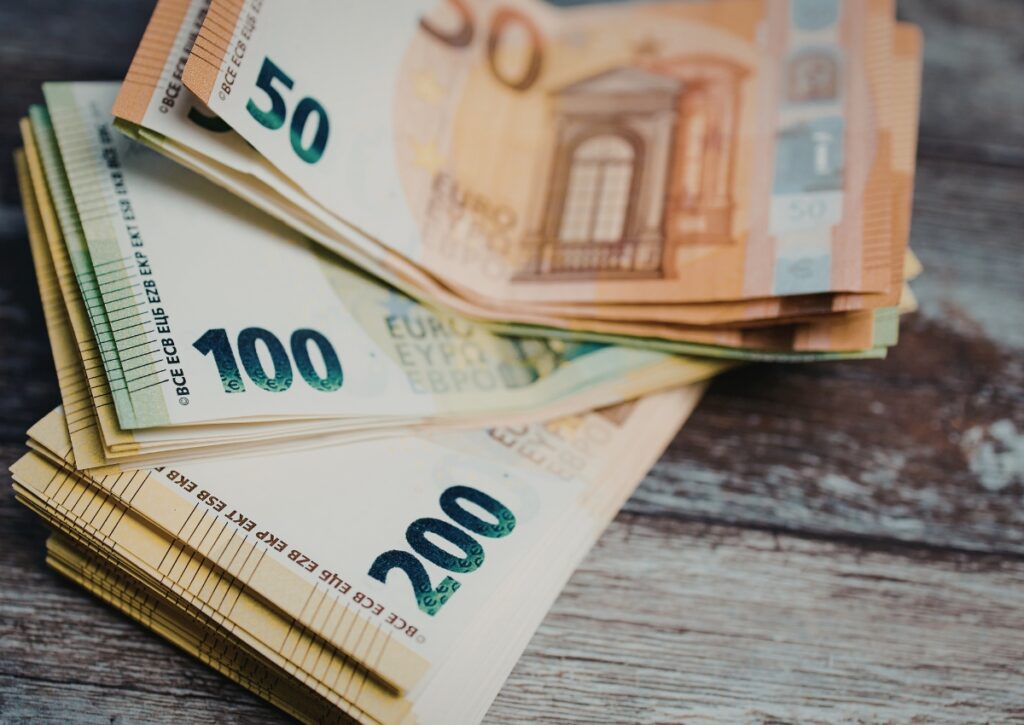
I switched to Revolut three years ago and immediately noticed the difference. In Paris, I paid for everything with my Revolut card—restaurants, metros, museums, wine shops—and saved roughly €80 over ten days compared to what I would have paid with my regular bank card. That’s two nice dinners. Or a day trip. Or 38 coffees. (Not that I drank 38 coffees. Though…)
The Wise card works the same way and has slightly better rates for some currencies. Both have apps that show you exactly what you’re spending in your home currency in real-time, which helps with budgeting when your brain isn’t great at converting euros to dollars or pounds instantly.
Both companies also offer the best rates for sending money internationally, which matters if you’re booking apartments or tours that prefer bank transfers, or if you’re traveling with friends and need to split costs.
Another major advantage: if your card gets stolen or skimmed (see: mistake #6), you can instantly freeze it in the app and order a replacement. Traditional banks make you call a number, wait on hold, deal with fraud departments, wait 7-10 business days for a new card while you’re still on vacation. With digital banks, you freeze the card in two seconds and use Apple Pay or Google Pay from your phone until the replacement arrives at your hotel.
Set this up before you travel. Both Revolut and Wise require verification that takes a few days. Don’t be that person at Charles de Gaulle Airport trying to figure out banking while jet-lagged.
For cash (which you’ll need less than you think but still sometimes need for small markets, tips, or places that don’t take cards), use ATMs at actual banks, not the sketchy independent ones in tourist areas. The independent ones charge €5-8 per withdrawal and use terrible rates. Bank ATMs charge €1-2 or nothing if your card is good. Look for BNP Paribas, Société Générale, and Crédit Agricole—the major banks.
How much cash? I usually keep €50-100 on hand. Paris is very card-friendly now. You can pay for a €2 coffee with a card, and nobody blinks. Some places are even card-only (bakeries are going this way to speed up lines). So don’t withdraw €300 on day one thinking you’ll need it—you probably won’t.
One last financial hack: many museums are free on the first Sunday of the month. The Louvre, Musée d’Orsay, Pompidou Center, Musée Rodin—all free. The catch? Everyone knows this, so they’re packed. But if you’re on a tight budget and can handle crowds, it’s a significant saving. Regular admission to these places is €15-17 each, so hitting three in one day saves you €45-50.
For larger expenses like hotels, flights, or experiences, I book with CheapOair for flights (they often have better deals than going directly to airlines, plus their customer service is actually responsive when flights get cancelled), and Booking.com for accommodation. Both accept Revolut or Wise cards, both have clear pricing with no hidden fees, and both offer good cancellation policies if plans change.
The Hidden Gems Nobody Mentions (Because They’re Actually Still Hidden)
Okay, we’ve covered what not to do. Let’s talk about what you should do, the stuff that doesn’t make the Instagram highlight reels but makes Paris actually memorable.
Musée de la Vie Romantique: This tiny museum in a cottage garden in the 9th arrondissement celebrates Romantic-era art and literature. George Sand lived here. The garden café serves rose-shaped pastries. It’s free. Almost nobody goes. It feels like a secret, which is rare in Paris.
Promenade Plantée/Coulée Verte: Already mentioned this, but it deserves elaboration. This elevated park runs for 4.7 kilometers from Bastille to Bois de Vincennes. Below it, the old railway arches house workshops for artisans—furniture makers, fashion designers, violin repairers. You can watch them work through the windows. Above, you’re walking through gardens 10 meters above the street. It’s bizarre and lovely.
Marché des Enfants Rouges: Paris’s oldest covered market, dating to 1615. In the Marais, full of food stalls from around the world. I had the best Japanese okonomiyaki outside of Japan here, then Moroccan tagine for dessert (unclear why, felt right at the time). €12-15 per meal, standing room only, locals everywhere. This is what markets are supposed to be.
Mosquée de Paris: An actual functioning mosque with a gorgeous courtyard, a hammam (traditional steam bath), and a café serving mint tea and honey pastries. The courtyard is open to visitors (dress modestly, be respectful), and it’s one of the most peaceful spots in the city. The mint tea is €2.50 and comes with pine nuts. I spent two hours here reading, and it felt like being transported somewhere else entirely.
La Pagode: A building in the 7th arrondissement that looks like a pagoda because it is a pagoda—built in 1896 as a gift, later converted to a cinema, now sometimes open for events. The Japanese garden around it is surreal in the middle of Paris. You can’t always access it, but if you’re nearby, check if it’s open. Worth it.
Petite Ceinture: Parts of this abandoned railway line that encircled Paris have been converted to walking paths. They’re overgrown, quiet, and feel post-apocalyptic in a peaceful way. The section in the 15th near Balard metro is open and accessible. It’s like walking through a forgotten part of the city.
Shakespeare and Company: Yes, touristy. Yes, famous. But go at 9 PM in winter when it’s nearly empty. The bookshop is warm, smells like old paper, and they let you read as long as you want. There are secret rooms upstairs, a collection of signed first editions, and cats who’ve achieved enlightenment. I cried there once. Not sure why. Something about books and beauty and the temporary nature of travel. It was weird. I recommend it.
For sustainable tourism—which matters if you want Paris to still be Paris in 20 years—support small businesses over chains, use public transport or walk instead of taxis, bring a reusable water bottle (Paris has amazing fountain water), shop at markets instead of supermarkets, and stay in neighborhoods rather than luxury hotels. The city’s charm comes from its small shops, independent cafés, and local culture. Every euro you spend at a family-owned bistro instead of a corporate chain helps preserve that.
Also, respect the city. Don’t litter (the rats are already a problem). Don’t Airbnb entire apartments in residential buildings if you can avoid it (it’s driving locals out). Don’t scream in the metro at 1 AM. Don’t treat Paris like a theme park—it’s where people actually live.
The Part Where You’ve Run Out of Excuses
So here’s where we are: You now know the mistakes that drain your time, money, and patience. You know about the scams, the neighborhoods, the service culture, the seasonal chaos, and the financial hacks. You know where not to eat, what not to pay for, and why renting a car is a terrible idea.
But knowledge without action is just trivia. You can read every guide, study every blog post, and watch every YouTube video, but until you actually book the trip, it doesn’t matter. Paris isn’t going to come to you. It’s not getting cheaper, less crowded, or easier to navigate. The best time to visit was five years ago. The second-best time is now.
I’m not going to tell you that Paris will change your life or complete you or whatever. It’s a city. A complex, frustrating, expensive, occasionally rude, often magnificent city full of art and history and food and beauty and regular people trying to get to work. But it’s also a city that rewards curiosity, forgives mistakes (eventually), and offers moments of unexpected magic if you’re paying attention.
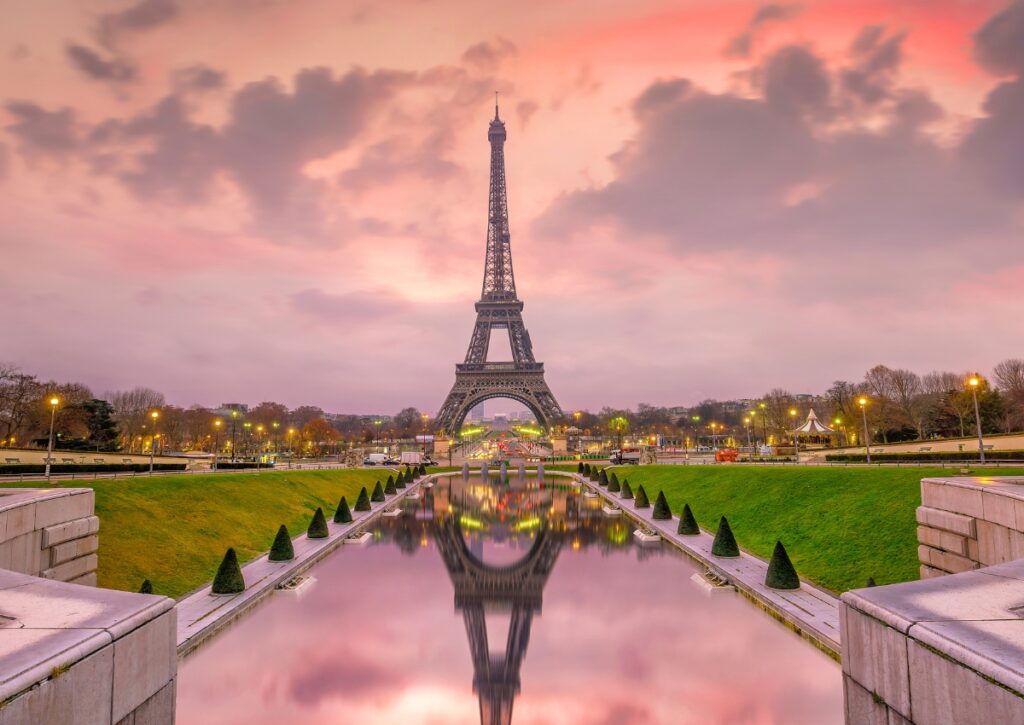
That’s the deal. You show up, you try, you stay open to experiences you didn’t plan, and Paris shows you something worth remembering. Maybe it’s a perfect meal you stumbled into. Maybe it’s a conversation with a stranger at a wine bar. Maybe it’s just the light hitting the Seine at 7 PM on a random Tuesday. You can’t force these moments, but you can create conditions where they’re more likely to happen.
Start by avoiding the mistakes in this post. Stay in a real neighborhood. Skip the tourist trap restaurants. Learn five phrases in French. Give yourself time to breathe. Walk everywhere. Sit in parks. Say yes to weird opportunities. Trust your instincts about people. And for the love of wine and cheese, book your tickets in advance and don’t rent a car.
If you found this guide helpful, I’d love for you to subscribe to the A Tiny Traveler blog. I send out real travel advice (like this), honest destination guides, budget breakdowns, and the kind of tips that save you hundreds in wasted money and time. No generic “Top 10 Must-See Attractions” nonsense—just practical, tested advice from someone who’s screwed up enough times to know what works.
Follow me on social media for daily stories, behind-the-scenes travel content, and way too many photos of food:
- Follow me on Pinterest (A Tiny Traveler): My Pinterest is your ultimate travel vision board! It’s where I share stunning photography, quick visual guides, and, most importantly, links to all my in-depth blog posts.
- Follow me on Instagram (a.tinytraveler): For daily doses of wanderlust, stunning travel photography, behind-the-scenes glimpses of my trips, and quick tips that will inspire your next getaway. See the world through my eyes!
- Like my Facebook Page (A Tiny Traveler): Join our vibrant community of fellow travel lovers! This is a great place to ask questions, share your own travel experiences, and connect with other readers and me.
Write me an email at contact@atinytraveler.com if you have questions about Paris, or if you’ve made any of these mistakes yourself and want to commiserate. I read everything and respond to everyone because that’s how this works—real people helping real people travel better.
And when you finally do book that Paris trip (because you will, even if it takes a year or five), send me a message and tell me how it goes. Did you avoid the mistakes? Did you discover new ones I didn’t cover? Did you have that perfect random Tuesday moment? I want to hear about it.
Now go book something. Flights, hotels, time off work—whatever needs to happen. Paris is waiting, and it’s not going to wait forever. Or it will, because it’s been there since the Romans. But your vacation days won’t wait forever, so there’s that.
Bon voyage. Don’t screw it up.
Frank


