
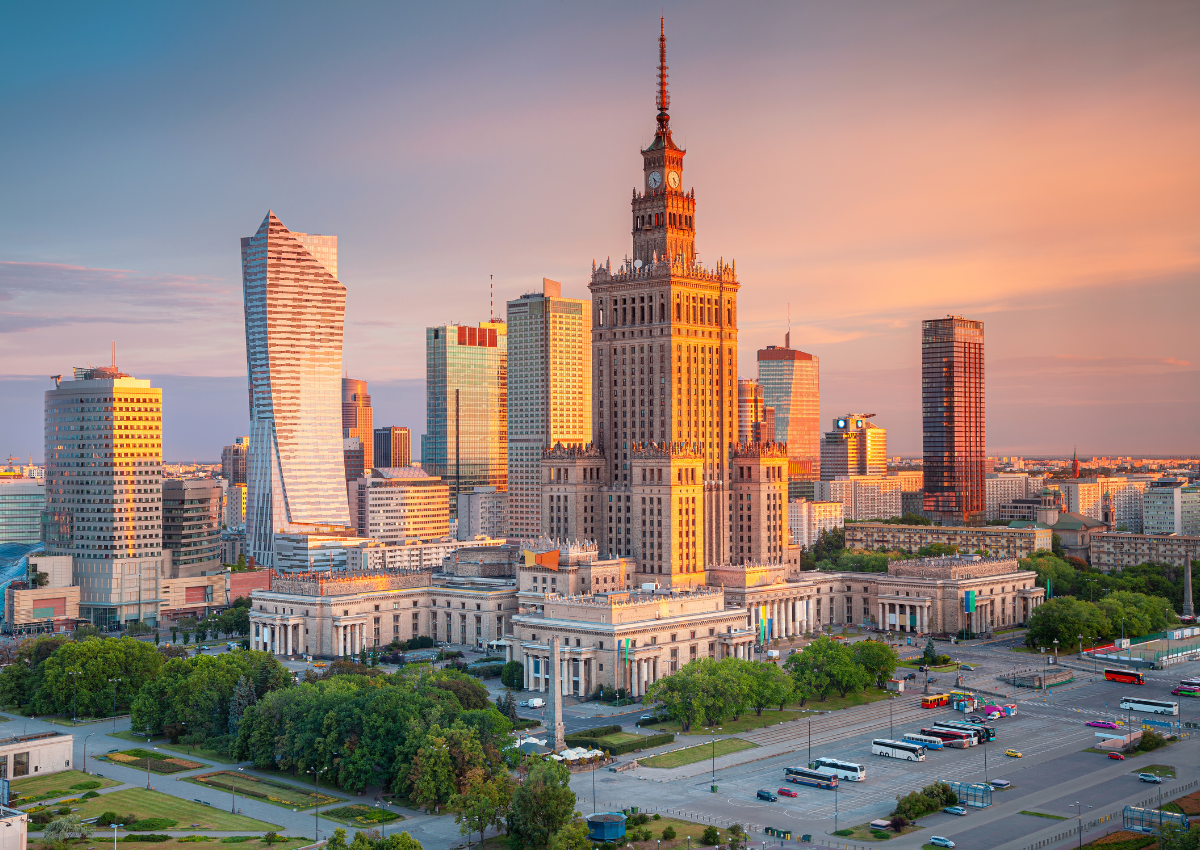
Poland is one of Europe’s most captivating destinations, yet many travelers arrive with unrealistic expectations or outdated assumptions that can diminish their experience. The country offers a mesmerizing blend of medieval charm, turbulent history, world-class cuisine, and vibrant culture that rivals any Western European destination. However, navigating Poland as a first-time visitor requires understanding the unique nuances of Polish culture, customs, and practicalities that differ significantly from what you might encounter in Western Europe.
Over the past decade, Poland has transformed into a modern European nation while fiercely protecting its rich heritage and traditions. This duality creates a fascinating travel experience, but it also means that some common tourist misconceptions can lead to disappointment, wasted money, or awkward social situations. Whether you’re planning your first trip to Warsaw, dreaming of exploring the enchanting streets of Kraków, or venturing to the Baltic coast near Gdańsk, understanding these ten critical mistakes will ensure you maximize your experience and immerse yourself authentically in Polish culture.
The good news? Poland remains remarkably affordable compared to Western Europe, with daily budgets ranging from approximately $80-120 USD for budget travelers to $200-300 USD for mid-range experiences. Accommodation ranges from hostels at $15-25 USD per night to comfortable mid-range hotels at $50-100 USD per night. Meals at local restaurants typically cost $6-12 USD for casual dining and $15-30 USD for mid-range establishments. This affordability, combined with Poland’s genuine warmth once you understand how to interact with locals, creates the perfect conditions for an unforgettable adventure.
In this comprehensive guide, I’ll walk you through the ten most common mistakes travelers make in Poland, providing practical solutions and insider tips that will transform your visit from average to absolutely exceptional.
Mistake #1: Ignoring Local Customs and Showing Disrespect to Polish Culture
Understanding the Polish Way of Life
One of the most fundamental mistakes tourists make is failing to respect Polish customs and cultural sensitivities. Poland has endured centuries of foreign occupation, wars, and partition, creating a deeply protective attitude toward national identity and traditions. This historical context makes cultural respect not merely polite but essential for meaningful interactions with locals.
The first custom to master is the art of greetings. When meeting someone formally, especially in professional settings or when entering a Polish home, a firm handshake with direct eye contact is expected. Unlike some cultures where casual hellos suffice, Poles appreciate formal greetings that acknowledge the other person’s respect and status. Men traditionally greet women by acknowledging their hand, not kissing it as the myth suggests, but showing genuine attention. Using formal address—“Pan” for Mr. and “Pani” for Mrs.—demonstrates respect and is expected until invited to use first names.
The Sacred Shoe Removal Custom
Perhaps the most important household custom is removing your shoes when entering a Polish home. This isn’t merely a preference; it’s a deeply ingrained practice rooted in cleanliness and respect for domestic space. When you arrive at a friend’s apartment or are invited to dinner, the host will almost certainly provide slippers. Failing to remove your shoes isn’t just awkward—it signals disrespect and can genuinely offend your host. Snow, mud, and dirt tracked indoors are considered particularly problematic, and Poles maintain immaculate homes as a point of pride.
Respecting Religious Sites and Traditions
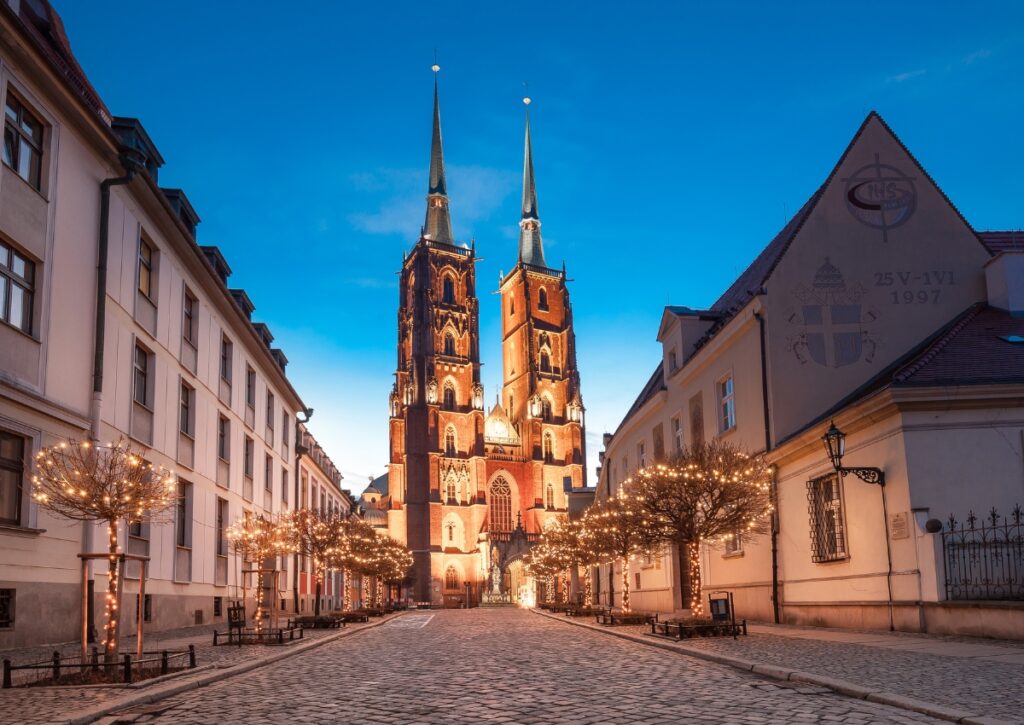
Poland is an overwhelmingly Catholic country with deep religious traditions. When visiting churches, monasteries, or other religious sites—and there are magnificent examples like Wawel Cathedral in Kraków and St. John’s Archcathedral in Warsaw—dress modestly. Women should wear clothing that covers their shoulders and knees. Men should wear long pants and shirts without offensive graphics. Photography is often restricted inside churches, and certain areas may be off-limits during services. Speaking softly and showing reverence isn’t just about being a good tourist; it’s about respecting the faith that has sustained Polish identity through centuries of hardship.
Gift-Giving Traditions
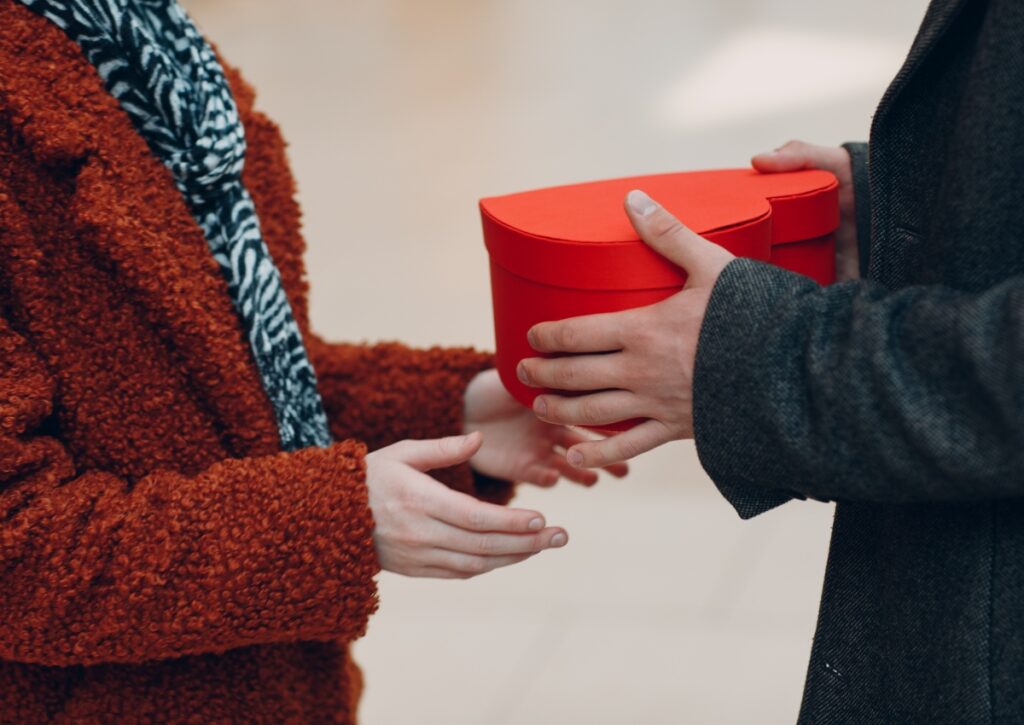
If you’re invited to a Polish home for dinner or a social gathering, bringing a small gift is not optional—it’s essential. Traditional gifts include bottles of wine (red or white, not cheap varieties), high-quality chocolates, flowers (avoid chrysanthemums, which are reserved for funerals), or pastries from a reputable bakery. The gesture itself matters more than the gift’s monetary value, demonstrating that you appreciate the invitation and respect Polish hospitality traditions.
Understanding Polish Directness
Poles communicate with remarkable directness that can initially feel harsh to visitors from cultures valuing indirect communication. Compliments may be rare, criticism is delivered bluntly, and small talk isn’t a cultural staple. This directness isn’t rudeness; it’s efficiency and honesty. When a Polish person tells you something needs improvement, they’re offering practical feedback, not attacking you personally. Learning to appreciate this directness as a sign of respect rather than hostility will significantly improve your interactions with locals.
Mistake #2: Underestimating Poland’s Unpredictable Weather and Packing Inadequately
Seasonal Climate Variations
Poland experiences a continental climate with dramatic seasonal variations that catch many travelers unprepared. Mistaking Poland for Mediterranean-style consistency throughout the year is a critical error that ruins countless trips. Each season presents distinct challenges and requires different packing strategies.
- Winter (December-February): Temperatures frequently drop below 32°F (0°C), with average temperatures around 25-28°F (-4 to -2°C). Snow is common, and the wind chill along the Vistula River in Warsaw or near the Baltic coast can make temperatures feel far colder. Beyond cold, winter brings slippery conditions on cobblestone streets, reduced daylight (sunset around 4 PM in December), and the risk of icy conditions that can cause falls.
- Spring (March-May): Spring is deceptively unpredictable, with temperatures ranging from 41-64°F (5-18°C). Morning frost is common, afternoons may feel warm, and sudden rain showers appear without warning. Late March can still bring snow, while May often feels summery. This volatility demands layering, which we’ll address shortly.
- Summer (June-August): Summers are genuinely pleasant, with temperatures typically 68-86°F (20-30°C). However, summer is also Poland’s rainy season, with approximately 17 days of rain per month. Thunderstorms can appear suddenly, particularly in the afternoon hours. Humidity increases, especially in cities, making peak summer (July-August) feel warmer than the thermometer suggests.
- Fall (September-November): Autumn brings unpredictable conditions with temperatures 41-64°F (5-18°C), increased rainfall, and sudden wind. November particularly brings gray skies and persistent dampness. Wind is substantial—particularly near water bodies and along historic streets in old towns—making wind-resistant layers essential.
The Layering Strategy
The ultimate packing mistake for Poland is bringing a single heavy coat without layering options. Poland’s weather demands the “onion layer” approach. Your base layer should be moisture-wicking material like merino wool or synthetic fabrics, not cotton, which retains moisture and causes you to feel colder. Add a mid-layer like a lightweight sweater or fleece, then a waterproof, wind-resistant outer shell. This strategy allows you to adjust for dramatic temperature swings throughout the day.
For winter travel, pack:
- 3-4 base layers (merino wool or thermal leggings)
- 2-3 mid-layers (sweaters, fleece jackets)
- 1 insulated waterproof coat
- Thermal accessories (hat, gloves, scarf, thick socks)
- Waterproof boots with excellent grip for icy cobblestones
For summer and shoulder seasons, pack:
- Light, breathable tops (cotton or linen)
- 1-2 lightweight layers for evenings and air-conditioned spaces
- Quick-dry fabrics for unpredictable rain
- Waterproof or water-resistant lightweight jacket
- Compact umbrella (non-negotiable)
- Comfortable walking shoes with cushioning for extensive cobblestone exploration
Footwear is Non-Negotiable
Poland’s medieval old towns feature extensive cobblestone streets that are beautiful but unforgiving. Generic flat shoes cause foot pain after several hours. Invest in quality walking shoes with cushioning and ankle support. Waterproof options are essential—expect your feet to encounter puddles, wet cobblestones, and potentially slush or snow depending on the season. Avoid brand-new shoes; break them in before your trip to prevent blisters during extensive city exploration.
For winter, waterproof boots with thermal lining and aggressive tread patterns for ice grip are essential. Slipping on ice is a genuine safety concern, particularly on historic streets that don’t receive the same maintenance as modern areas.
Mistake #3: Limiting Your Exploration to Warsaw and Kraków Only
Breaking the Capital City Trap
While Warsaw and Kraków are undeniably compelling, limiting your Poland experience exclusively to these two cities represents a significant missed opportunity. This mistake stems from guidebook emphasis and flight availability through these major hubs, leading travelers to believe the rest of Poland is less worthy of exploration. This couldn’t be further from the truth.
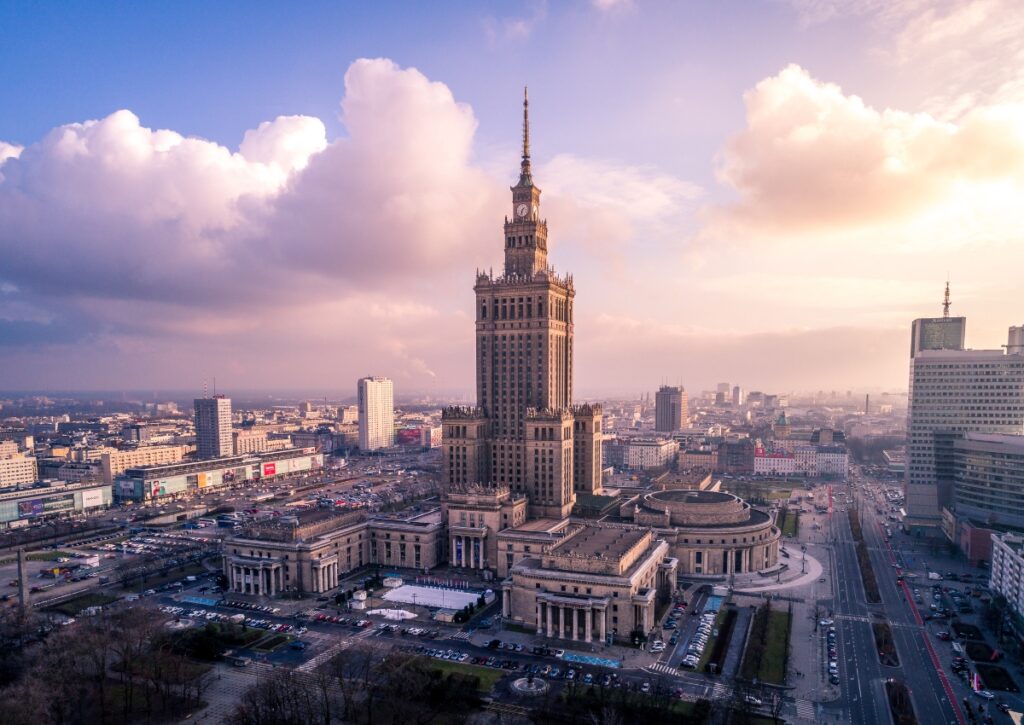
Warsaw, Poland’s capital and largest city, deserves 2-3 days of exploration. The Old Town (painstakingly reconstructed after World War II), the POLIN Museum of Polish Jewish History, the Warsaw Uprising Museum, and the Vistula Riverwalk provide compelling historical context and cultural insights. However, Warsaw’s charm is concentrated in specific districts—much of the city consists of modern developments and neighborhoods that don’t resonate with the medieval romance many travelers anticipate.
Kraków, located in southern Poland near the Carpathian Mountains, offers extraordinary beauty with its Main Market Square, the Wawel Royal Castle, and the adjacent historic Kazimierz Jewish Quarter. The city attracts overwhelming tourist crowds, particularly in summer, and accommodation prices reflect this demand. Three days allow thorough exploration without exhaustion, but staying exclusively in Kraków means missing Poland’s regional diversity.
Underrated Destinations Worth Your Time
Gdańsk, on the Baltic coast, rivals Kraków in beauty with half the tourist crowds. The European Solidarity Centre and Amber Museum offer unique experiences unavailable elsewhere. Day trips to nearby Sopot (a charming beach town) and Malbork Castle (a colossal medieval fortress) provide an incredible variety. The coastal region feels distinctly different from southern Poland—maritime culture, different architecture, and regional cuisine variations create a completely different experience.
Wrocław, in western Poland, is arguably Poland’s most underrated city. With fewer tourists than Warsaw or Kraków, you’ll discover an elegant Renaissance Town Hall, beautiful Market Square, and a thriving modern cultural scene. The city’s four islands and numerous bridges create a “Venice of Poland” atmosphere at a fraction of Venice’s crowds and prices.
Kraków’s Day Trip Destinations: Don’t miss nearby Wieliczka Salt Mine (an underground cathedral carved entirely from salt), Oświęcim (Auschwitz-Birkenau), or the stunning Tatra National Park near Zakopane. These experiences provide essential historical context and natural beauty that enrich your Poland narrative.
Small Historic Towns: Towns like Toruń (birthplace of Copernicus), Zamość (a perfectly preserved Renaissance town), and Kazimierz nad Wisłą (a charming riverside village) offer authentic Polish experiences without the tourism infrastructure overwhelming larger cities. Train travel between these towns is affordable, efficient, and genuinely enjoyable—a perfect way to experience the Polish countryside.
Regional Diversity and Landscape Variation
Poland spans diverse landscapes from Baltic beaches to mountain peaks. Visiting only the two major cities means missing this geographical and cultural diversity. Each region offers distinct architecture, culinary traditions, and historical narratives that enrich your understanding of Poland’s complexity. The journey between regions via modern trains is comfortable and affordable, often costing $30-40 USD for intercity travel—a bargain compared to Western European rail.
When booking accommodations across multiple cities, Booking.com offers reliable reviews and flexible cancellation policies that work perfectly for multi-destination Polish itineraries. For multi-city train passes, booking directly through PKP Intercity provides the best value for independent travelers.
Mistake #4: Skipping Authentic Polish Cuisine or Assuming Local Food is “Too Heavy”
The Polish Culinary Tradition
Many travelers fall into the trap of seeking familiar international cuisine in Poland or assuming Polish food consists exclusively of heavy meat dishes that don’t align with their dietary preferences. This misconception causes them to miss one of Poland’s greatest treasures—a sophisticated culinary tradition that reflects centuries of cultural influences and seasonal adaptation.
Polish cuisine is fundamentally peasant-based but evolved with remarkable sophistication. The food emphasizes whole grains, vegetables, fermented foods, and quality proteins—concepts that align perfectly with modern health-conscious eating. Polish cooking methods often involve slow-roasting, fermentation, and preservation techniques that create complex flavors without excessive fat.
Iconic Dishes Worth Experiencing
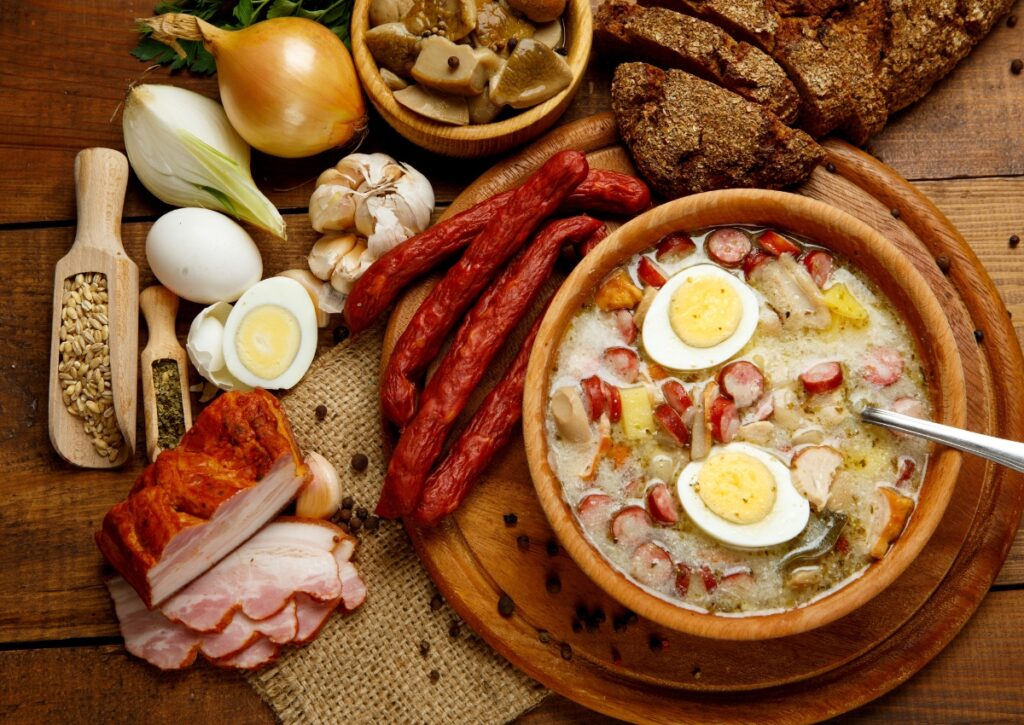
Pierogi (traditional dumplings) are Poland’s most famous export, and experiencing authentic versions prepared fresh is revelatory compared to frozen supermarket varieties. These handheld pockets of joy feature thin dough wrapped around fillings like potato and cheese, mushroom and sauerkraut, ground meat, or sweet cheese with fruit. Find a local bar mleczny (milk bar—a unique Polish cafeteria-style restaurant) where pierogi are prepared fresh daily. Expect to pay 15-25 PLN ($4-6 USD) for a portion of 5-6 pierogi.
Żurek (sour rye soup) appears deceptively heavy but is actually a delicate, complex soup with incomparable umami depth. Made from fermented rye flour and traditionally served with white sausage and potatoes, this soup represents the essence of Polish comfort food. The fermentation process creates probiotics and complex flavors that make this a genuinely healthy, sustainable dish. Restaurant prices typically run 10-15 PLN ($2.50-4 USD).
Bigos (hunter’s stew) is another traditional favorite—a slow-cooked mixture of cabbage, sauerkraut, mushrooms, and various meats that improves with time and reheating. The dish’s complexity comes from layering flavors over hours of cooking, not from excessive fat. A generous portion costs 18-25 PLN ($5-6 USD).
Kluski (dumplings) serve as sides rather than main dishes and range from simple potato gnocchi to complex sernik (cheese-based varieties). These accompaniments showcase the Polish understanding of carbohydrate preparation, and they’re nothing like heavy German or Austrian dumplings.
Zurek variants and white sausage demonstrate Polish expertise with fermentation and protein preservation—techniques still celebrated by modern food scientists for their nutritional benefits.
Market Visits and Local Experiences
Rather than eating exclusively in restaurants, visit Poland’s incredible farmers’ markets for insights into local food culture. Kraków’s Main Market Square hosts daily vendors selling regional produce, local cheeses, honey, and baked goods. Warsaw’s Stadion Mirowski and similar markets throughout Polish cities offer authentic shopping experiences where locals purchase their daily ingredients. Engaging with vendors, purchasing fresh produce, and perhaps asking about preparation methods creates meaningful cultural exchange while supporting local producers.
Cooking classes in cities like Kraków and Warsaw allow you to learn authentic Polish recipes from local instructors. These experiences typically cost 50-100 EUR and include market visits, hands-on instruction, and tasting your creations—creating memories far richer than restaurant dining alone.
Coffee Culture and Café Experiences
Poland has developed an impressive coffee culture in recent years, particularly in major cities. Modern Polish cafés offer exceptional espresso drinks, specialty coffee, and homemade pastries—often surpassing coffee quality in Western European counterparts. A quality coffee costs 10-15 PLN ($2.50-4 USD), while specialty drinks run 15-20 PLN ($4-5 USD). Spending an afternoon in a local café, nursing excellent coffee, and observing Polish daily life is a perfect cultural immersion activity.
Dietary Accommodations
Poland is increasingly accommodating dietary preferences, though awareness is improving. Vegetarian and vegan options are becoming more common in major cities, and locals are increasingly understanding of dietary restrictions. When dining out, learn the Polish phrases “Jestem wegetarianinem/wegetarianką” (I’m vegetarian—masculine/feminine forms) and “Jestem weganinem/weganką” (I’m vegan). Communicating dietary needs clearly—not as restrictive preferences but as absolute requirements—typically results in accommodation. Polish cooks are proud and creative and often welcome the challenge of preparing special meals.
For booking restaurants with verified menus and dietary options, GetYourGuide offers curated food experiences and cooking classes throughout Poland that cater to various dietary needs. Their platform allows you to filter experiences by cuisine type and dietary accommodation.
Mistake #5: Neglecting to Learn Basic Polish Phrases and Assuming English is Universal
The Polish Language Reality
While English proficiency among younger Poles and those in tourism sectors is increasing, assuming all Poles speak English—or speak it fluently—creates communication barriers and missed cultural connections. Making an effort to speak Polish, even imperfectly, demonstrates respect and dramatically improves interactions with locals who appreciate visitors attempting their language.
Essential Phrases for Daily Interaction
Learning these basic Polish phrases creates immense goodwill and practical utility:
Greetings:
- Dzień dobry (Hello/Good day—formal, used until evening)
- Dobry wieczór (Good evening—used after 5 PM)
- Cześć (Hi/Bye—informal)
- Do widzenia (Goodbye—formal)
Politeness Essentials:
- Proszę (Please)
- Dziękuję (Thank you—formal)
- Dzięki (Thanks—informal)
- Przepraszam (Excuse me/I’m sorry)
- Nie ma za co (You’re welcome)
Critical Practical Phrases:
- Ile to kosztuje? (How much does this cost?)
- Czy mogę zapłacić kartą? (Can I pay by card?)
- Gdzie jest toaleta? (Where is the bathroom?)
- Czy mówisz po angielsku? (Do you speak English?)
- Nie rozumiem (I don’t understand)
- Czy możesz mówić wolniej? (Can you speak more slowly?)
Navigation:
- Gdzie jest [destination]? (Where is [destination]?)
- Jak się dostać do [destination]? (How do I get to [destination]?)
- Czy to daleko stąd? (Is it far from here?)
Pronunciation Tips
Polish pronunciation challenges many English speakers, but practice creates improvement. The language uses consonant clusters that seem impossible until you hear native speakers pronounce them naturally. “Ł” sounds like English “w,” “Cz” sounds like “ch,” and “Sz” sounds like “sh.” Download a pronunciation app like Google Translate and practice listening to native speakers—even 15 minutes daily before your trip dramatically improves comprehension.
Practical Communication Strategies
When spoken Polish seems incomprehensible, ask for written clarification: “Możesz to napisać?” (Can you write it down?). Younger Poles particularly appreciate written communication and often respond better to text-based requests than verbal ones. Pointing at menu items, using translation apps, and communicating clearly through whatever means available eliminates embarrassment and creates a genuine human connection even across language barriers.
Language Apps and Resources
Duolingo, Babbel, and Rosetta Stone offer Polish modules, but Google Translate with audio pronunciation is often sufficient for travelers. Learning 20-30 essential phrases before arrival demonstrates respect and creates the foundation for meaningful interactions. Poles are remarkably patient and appreciative of genuine language efforts—even basic attempts make you memorable and often result in locals going out of their way to help you.
Mistake #6: Not Understanding Polish Currency, Payment Methods, and Bringing Incorrect Cash
The Polish Złoty and Currency Reality
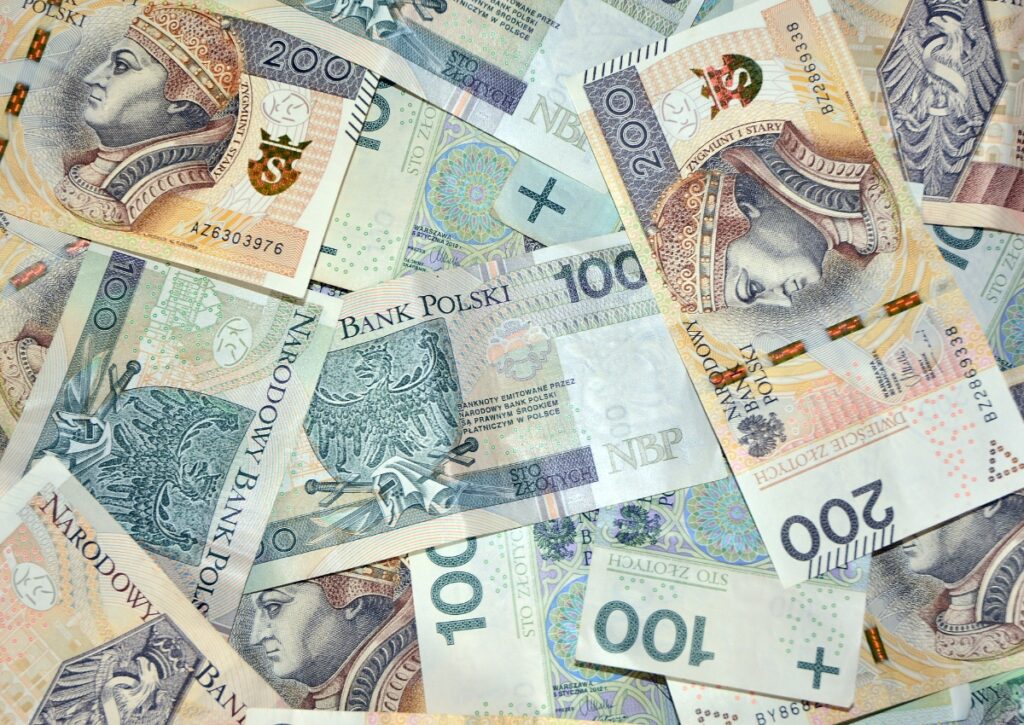
Poland’s currency is the Polish Złoty (PLN), not the Euro. This fundamental fact catches tourists off guard when ATMs don’t accept their cards as expected, or when they struggle to understand pricing. Approximately 4 PLN equals 1 USD, and 4.20-4.50 PLN equals 1 EUR. Before arriving, check current exchange rates and understand basic conversions so you’re not disoriented by prices.
The Large Bill Problem
A unique Polish challenge involves large banknotes. ATMs frequently dispense 500 PLN notes ($125 USD equivalent), which most small shops, restaurants, and vendors won’t accept because handling change for large transactions is problematic for businesses with limited cash reserves. This creates absurd situations where you hold cash but cannot spend it.
Solution: When withdrawing from ATMs, always request smaller denominations if the machine offers options. After withdrawal, immediately stop at a larger store or supermarket and exchange large bills for smaller denominations (50 PLN, 100 PLN). This ensures you always have usable cash for smaller transactions, tipping, and situations where card payment isn’t available.
Card Payments and Digital Acceptance
Contrary to perception, Poland’s card payment system is remarkably developed. Major cities and tourist establishments accept Visa and Mastercard, and contactless payment is ubiquitous. However, rural areas and smaller establishments may operate cash-only systems. Small restaurants, market vendors, and traditional establishments may decline card payments.
The real vulnerability involves card cloning and ATM fraud, which is present in Poland as in all major European destinations. Always use ATMs located inside banks or major retail chains rather than standalone machines on streets—particularly those near nightlife areas. Cover the keypad when entering your PIN, and never use ATMs that appear tampered with or that don’t display security information.
Managing Currency Exchange Safely
Avoid currency exchange offices that advertise aggressive rates—they compensate through hidden fees. Your bank’s ATM withdrawal typically offers the best rates despite posted fees. Before departure, notify your bank of travel dates so they don’t block legitimate European transactions as fraud.
For digital convenience and excellent exchange rates, Wise (formerly TransferWise) offers a multi-currency account that’s ideal for European travel. You can load USD, EUR, and other currencies into a single card, and Wise automatically converts at the real mid-market exchange rate—vastly better than traditional credit card exchanges. Many travelers use Wise for European travel to eliminate currency exchange headaches entirely.
For additional protection, Revolut offers another option—a digital bank account with multi-currency capability and excellent exchange rates. Both services are widely used by European travelers and offer security features superior to traditional credit cards in some situations.
Cash Etiquette and Expectations
Tipping in Poland is culturally distinct from North American expectations. Tipping is not obligatory but appreciated for excellent service. In restaurants, rounding up to the nearest 5-10 PLN or leaving 10% for exceptional service is appropriate. Many restaurants add automatic service charges only for large groups. Never feel obligated to tip at cafés, bars, or casual establishments unless you’re particularly satisfied with service.
The advantage of Poland’s optional-tipping culture is that restaurant prices are lower than in countries where tipping is expected to supplement wages. An excellent mid-range meal costs 40-60 PLN ($10-15 USD) without tip, compared to inflated prices elsewhere.
Mistake #7: Underestimating the Complexity of Public Transportation and Overpaying for Alternatives
Warsaw Public Transportation System
Warsaw’s public transport—comprising trams, buses, and metro—is remarkably efficient and incredibly affordable. A single journey costs 4.60 PLN ($1.15 USD), while a 75-minute ticket (allowing unlimited transfers) costs 7.00 PLN ($1.75 USD). Tourists make the mistake of taking expensive Uber or Bolt rides for 2-3 km journeys that cost 15-25 PLN when a 7 PLN transport ticket would suffice.
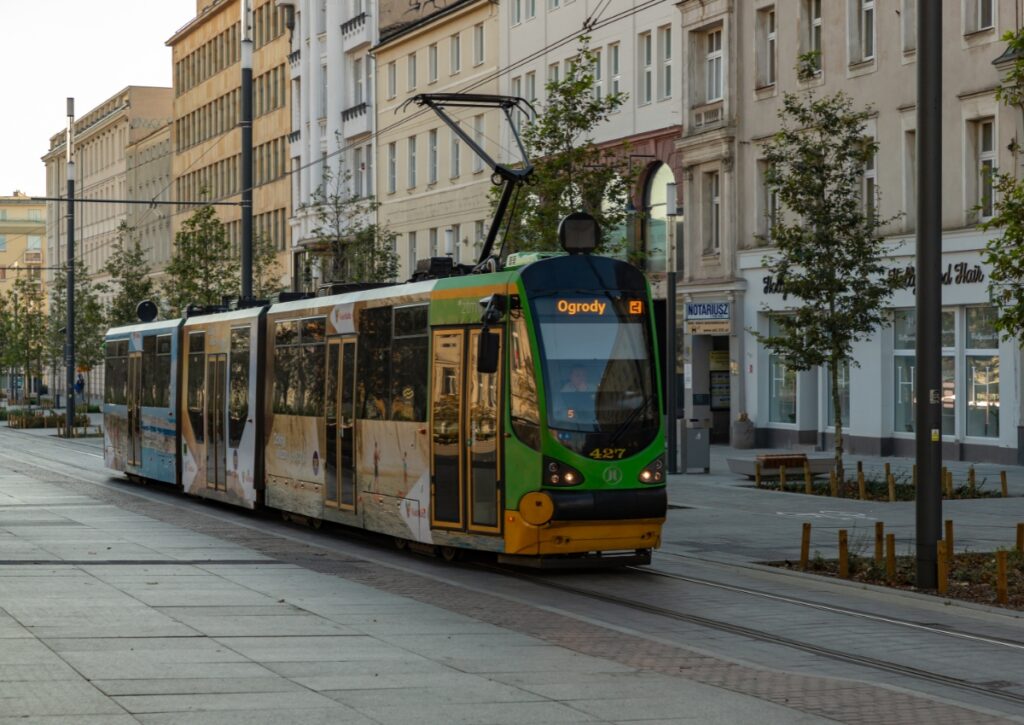
24-hour transport passes cost 15 PLN ($3.75 USD), and 7-day passes cost 54 PLN ($13.50 USD). For visitors planning daily exploration, the 7-day pass offers exceptional value. Purchase tickets at newspaper kiosks, convenience stores, or automated machines at tram/metro stations.
Kraków’s Transport System
Kraków’s system is similarly affordable but slightly more expensive than Warsaw’s. Single journey tickets cost 6 PLN ($1.50 USD), with 60-minute passes at 6 PLN and 90-minute passes at 8 PLN ($2 USD). The 24-hour ticket costs 15 PLN ($3.75 USD), and the 72-hour pass costs 32 PLN ($8 USD)—incredibly reasonable for unlimited transport.
However, Kraków’s city center is remarkably walkable. The Main Market Square, Wawel Castle, Kazimierz Jewish Quarter, and Podgórze district are all within 15-20 minute walking distances of each other. Most daily exploration can be accomplished on foot, making transport passes less critical than in larger Warsaw.
Intercity Train Travel and Regional Transport
Poland’s PKP Intercity trains connect major cities affordably and comfortably. Warsaw to Kraków takes approximately 3 hours and costs 50-80 PLN ($12.50-20 USD) for second class, or 100-150 PLN ($25-37.50 USD) for first class. Booking in advance through the PKP Intercity website or Trainline.eu secures the best prices.
Regional trains serving smaller destinations are equally affordable and offer scenic journeys through the Polish countryside. The Jakdojade app is essential—it provides real-time public transport schedules, journey planning, and ticket purchasing for Polish cities.
The Ride-Share Trap
Bolt and Uber create convenience but poor value for budget-conscious travelers. A ride across Warsaw using Bolt costs 20-30 PLN ($5-7.50 USD)—substantially more than public transit. For evening journeys where safety concerns might justify ride-sharing, apps offer security features and documented routes that mitigate risks. However, systematically taking ride-shares for routine transportation destroys your budget and reduces authentic local interaction.
Welcome Pickups offers pre-arranged airport transfers and ground transportation throughout Poland, providing security and convenience for specific needs. Their prices are transparent and often competitive with ride-shares for airport transfers, particularly if multiple travelers share costs.
Paying for Transport Correctly
A critical mistake involves boarding public transport without valid tickets. Plainclothes ticket inspectors regularly check trams, buses, and metro trains, issuing fines of approximately 130-250 PLN ($32-63 USD) for travel without tickets. Unlike Western European systems, where inspector encounters are rare, Polish authorities actively enforce fare payment. Always validate your ticket immediately upon boarding—find the validation machine and scan your ticket to establish proof of purchase.
Mistake #8: Not Respecting Alcohol Laws and Engaging in Risky Nightlife Situations
Understanding Poland’s Drinking Culture and Regulations
Poland has distinct alcohol regulations and cultural attitudes toward drinking that differ significantly from many Western countries. Understanding these nuances prevents legal trouble, health risks, and safety issues.
Public Drinking is Illegal: Consuming alcohol in public spaces—parks, streets, public transport—results in fines of 130-250 PLN ($32-63 USD). This law is actively enforced, and you won’t receive warnings or arrests; you’ll immediately receive a fine. Polish police enforce this regulation seriously, particularly in tourist areas where enforcement deters disorder.
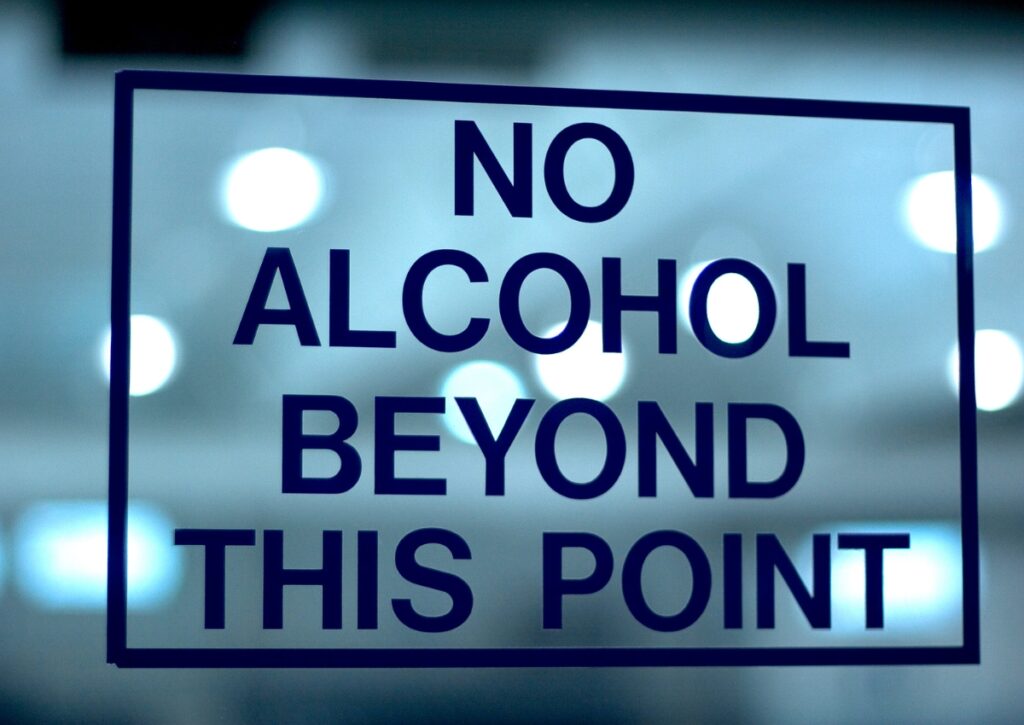
Drink-Driving Enforcement: Poland has introduced zero-tolerance policies for drunk driving with severe consequences. In 2024, Poland implemented new legislation where vehicles are confiscated and often scrapped if drivers operate under the influence. This isn’t just legally dangerous—it’s financially catastrophic. Many Poles avoid even a single drink if driving subsequently.
The Strip Club Scam Epidemic
Perhaps the most significant nightlife safety issue for male tourists is the strip club scam epidemic affecting Polish cities, particularly Kraków and Warsaw. This organized criminal operation costs tourists thousands of dollars annually and occasionally results in serious injury or death.
How the Scam Works:
Attractive promoters approach tourists late at night (after 8 PM), particularly in concentrated nightlife areas like Floriańska Street in Kraków. They offer charismatic conversation, attractive company, and irresistible promotions—typically claiming free drinks or special prices on entry and drinks. After consuming alcohol that clouds judgment, victims accompany promoters to basement establishments with blacked-out windows.
Once inside, the environment changes dramatically. Management provides overpriced drinks (often costing 100-300 PLN / $25-75 USD each). Waitstaff present inflated bills. Security staff become threatening if victims question charges or resist payment. Victims are isolated, their phones are confiscated, and they’re forced to withdraw cash from ATMs or provide credit card information. Some establishments employ physical intimidation or sexual coercion—documented cases include sexual assault, robbery, and in tragic instances, death.
Prevention Strategy:
- Never accept invitations to strip clubs from street promoters—legitimate establishments don’t recruit through aggressive street solicitation
- Avoid basement venues with blacked-out windows
- Stay with trusted friends rather than leaving your group with strangers
- Maintain awareness of alcohol consumption and keep friends accountable
- Use registered taxis or ride-sharing apps rather than street taxis recommended by promoters
- Trust instincts—if a situation feels uncomfortable or manipulative, leave immediately
Legitimate Nightlife Experiences
Poland has legitimate, vibrant nightlife in established bars, clubs, and venues. Major cities have thriving scenes in verified establishments. Use Google Maps reviews to research venues, ask hotel staff for recommendations, or visit establishments recommended through established travel guidebooks. Legitimate clubs require entry fees at the door and serve reasonably priced drinks through transparent purchasing.
Bar and Restaurant Pricing Vigilance
Beyond strip clubs, standard restaurants and bars employ subtle overcharging schemes. Before entering establishments in heavy tourist areas, verify menu prices and specials clearly. Request menus before sitting and confirm prices of items you plan to order. Avoid establishments without displayed prices. When bills arrive, verify totals match menu prices and don’t include mysterious charges.
The key indicator of legitimate establishments is transparent pricing and welcoming attitudes toward customer questions. If staff become defensive when you ask about charges or question totals, leave immediately without paying and contact your hotel management or local authorities.
Mistake #9: Failing to Plan for Poland’s Unique Shopping Hours and Religious Observance
Understanding Poland’s Sunday Shutdown
Poland is Europe’s most Catholic country, and this religious identity profoundly affects daily life, particularly shopping hours. Many stores, particularly family-owned shops and traditional establishments, close on Sundays entirely. This isn’t a suggestion—it’s reality across the country. Major shopping malls and large supermarket chains remain open, but numerous smaller establishments shut down completely, leaving tourists searching for basic supplies on weekends.

Planning Strategy:
- Complete major shopping on Saturday or weekday evenings
- Purchase Sunday supplies (snacks, water, toiletries) on Saturday
- Research whether your accommodation is near 24-hour supermarkets for emergencies
- Plan Sunday activities around limited shopping availability rather than expecting retail flexibility
Pharmacy and Medical Service Availability
Pharmacies (apteka) are open during standard business hours, with some 24-hour locations in major cities. If requiring medications on Sunday evening, research 24-hour pharmacy locations near your accommodation in advance. Polish pharmacies require prescriptions for many medications available over-the-counter elsewhere, so plan accordingly for ongoing pharmaceutical needs.
Religious Holidays and Closures
Beyond Sundays, religious holidays—particularly Easter, Christmas, and Assumption Day (August 15)—involve widespread closures. Planning trips around these dates requires awareness of which attractions operate on modified schedules. Museums and attractions often close or operate reduced hours during major Catholic holidays.
Efficient Shopping Practices
Poland’s shopping culture differs from North American expectations. Retail establishments are smaller and more specialized—separate shops for produce, bakeries, butchers, and dry goods rather than supermarkets containing everything. This system makes shopping more time-consuming but supports local businesses and ensures fresher products.
Shopping Hours Typically:
- Weekdays: 9 AM – 7 PM
- Saturdays: 9 AM – 5 PM
- Sundays: Closed (except malls and major supermarkets)
- Evenings (7 PM – 10 PM): Limited availability
Shops close completely for 1-2 hour lunch breaks around 1 PM, so plan accordingly. Convenience stores (sklep osiedlowy) sometimes remain open later but charge premium prices for a limited selection.
Mistake #10: Disrespecting Polish History, Sensitivity Around WWII and Holocaust References
Understanding Poland’s Historical Trauma
Poland’s history involves unprecedented tragedy, including the Nazi occupation and Holocaust, followed by Soviet domination. This historical experience profoundly shapes Polish national identity, sensitivity to certain topics, and strong reactions to insensitive commentary. Tourists must approach Poland’s history with appropriate respect and awareness.
Critical Language and Terminology
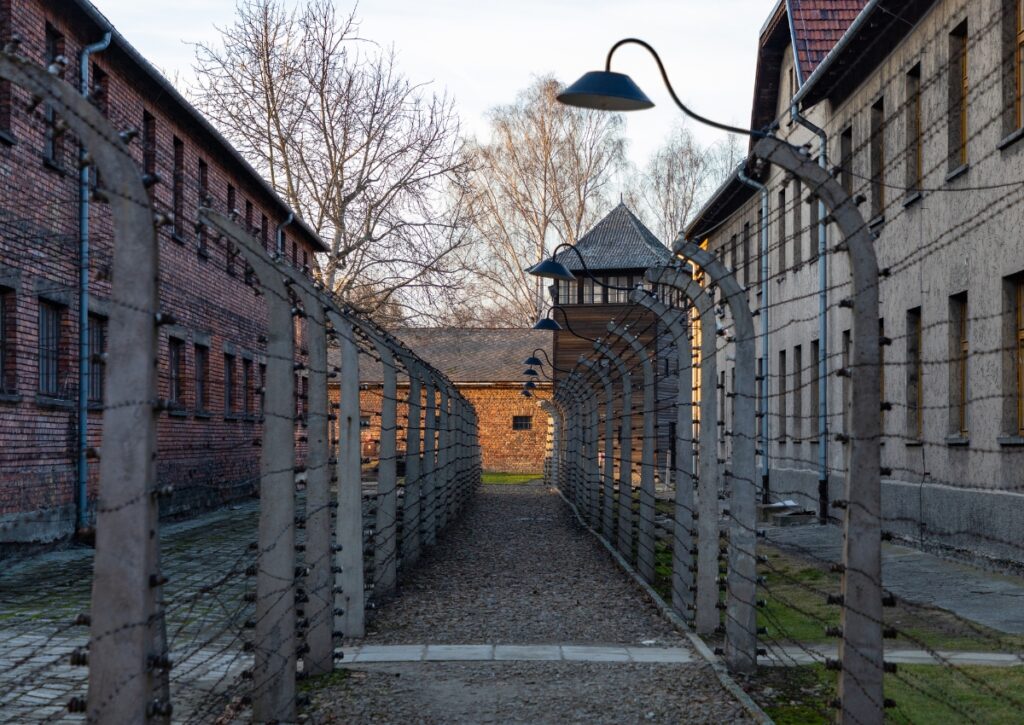
Never refer to concentration camps or death camps as “Polish” under any circumstances. This is deeply offensive and historically inaccurate. These facilities were established by Nazi Germany during the occupation of Polish territory. Accurate terminology is essential: “Nazi concentration camps in occupied Poland” or “German concentration camps in occupied Poland” or simply “Auschwitz-Birkenau“ (the actual name).
The distinction might seem semantic, but it’s profoundly important. Poland was occupied; the camps were Nazi operations. Using accurate terminology respects Polish sovereignty and historical truth.
Visiting Historical Sites Appropriately
Major historical sites like Auschwitz-Birkenau, the Warsaw Uprising Museum, and the POLIN Museum of Polish Jewish History require respectful behavior. Photography policies vary by location—some allow unlimited photography while others restrict it in specific areas. Follow posted regulations precisely.
When visiting Auschwitz-Birkenau, dress respectfully, maintain quiet and reverent behavior, and recognize that you’re in a place of immense human suffering. This site transcends typical tourism; it’s a memorial and educational institution demanding appropriate conduct.
Avoiding Insensitive Commentary
Communism remains a sensitive topic despite Poland’s post-1989 independence. While presenting communist symbols publicly is technically illegal (though rarely prosecuted for visitors), praising communism or dismissing Poland’s experience under Soviet rule as beneficial is offensive. Poles lived under authoritarian oppression, and their perspective on communism reflects genuine suffering and loss of freedoms.
Similarly, Ukraine-Poland relations are contemporary and sometimes sensitive. Avoid casual political commentary regarding Central European territorial disputes. Stick to historical facts and respect Polish perspectives on security and regional dynamics.
Learning from History Respectfully
Poland’s complexity offers profound educational opportunities. The country’s resilience, cultural preservation despite centuries of occupation, and modern transformation provide genuine insights into European history. Approaching these topics with genuine curiosity and respect—asking questions, listening to local perspectives, and educating yourself before visiting—demonstrates appropriate deference to Polish experience.
Sustainable Tourism in Poland: Traveling Responsibly
As travelers, we have a responsibility to preserve Poland’s treasures for future generations while supporting local communities and ecosystems. Incorporating sustainable practices into your Polish adventure aligns with Poland’s growing commitment to responsible tourism.
Eco-Friendly Transportation Choices
Poland’s extensive train network offers the most sustainable intercity travel. Trains powered by electricity in major corridors produce minimal emissions compared to car rentals or flights between cities. PKP trains connecting Warsaw, Kraków, Gdańsk, and Wrocław provide comfortable, scenic alternatives to driving.
Within cities, prioritize public transport over ride-sharing or car rentals. Beyond cost savings, this choice reduces individual carbon footprint and provides an authentic local experience unavailable through private transportation.
Staying in Sustainable Accommodations
Poland features growing eco-lodges and sustainable hotels incorporating renewable energy, water conservation, and waste reduction. The EU Ecolabel certification indicates genuine environmental commitment. Beyond major chains, seek small guesthouses and farm stays, particularly in rural regions near Tatra National Park or the Mazury lake district.
Agritourism experiences—staying on working organic farms, participating in seasonal harvests, learning traditional farming methods—support rural communities while providing immersive cultural experiences. These stays typically cost 50-80 EUR per night and include meals featuring farm-grown ingredients.
Responsible Nature Exploration
Poland’s national parks—including Bialowieza Forest, Tatra National Park, Plitvice Lakes (technically in Croatia, but accessible from Poland), and Bieszczady National Park—require respectful exploration. Stay on designated trails, respect wildlife, and support conservation through park entrance fees.
The EuroVelo cycling routes through Poland provide sustainable exploration of scenic areas while minimizing environmental impact. Cycling permits you to experience landscapes at a human pace, stop for local interactions, and reduce your carbon footprint. Poland’s expanding bike-sharing systems in major cities make cycling accessible even for those without personal bicycles.
Supporting Local Businesses and Artisans
Shop at farmers’ markets rather than supermarkets to support local producers directly. Participate in traditional craft workshops (pottery in Bolesławiec, paper cutting in Zalipie, folk art in Zakopane)—these experiences preserve cultural traditions while supporting artisans economically.
Dining at locally-owned restaurants rather than international chains supports regional economies and ensures your food expenditures benefit Polish communities directly. Learning about ingredient origins and cooking methods from restaurant staff deepens cultural understanding while demonstrating respect for local food traditions.
Community Engagement and Cultural Sensitivity
Hire local guides for historical site visits—their expertise provides context and financial support for community members. Participate in local festivals and events—these authentic experiences support cultural preservation and create meaningful intercultural exchange.
Learn basic Polish phrases not merely for practical communication but as recognition of local language and culture. Photography ethics matter—ask permission before photographing individuals, respect photography restrictions in sacred sites, and avoid photographing people in ways that feel exploitative.
Practical Sustainable Travel Tips
- Bring reusable water bottles (Polish tap water is excellent and safe)
- Use Wise or a similar digital bank to eliminate currency exchange paper waste
- Pack sustainable toiletries (solid shampoo, minimal packaging)
- Support responsible wildlife tourism by avoiding attractions with animal exploitation
- Choose small group tours over massive tour bus operations
- Participate in community-based tourism initiatives that directly benefit locals
Daily Budget Breakdown for Polish Travel
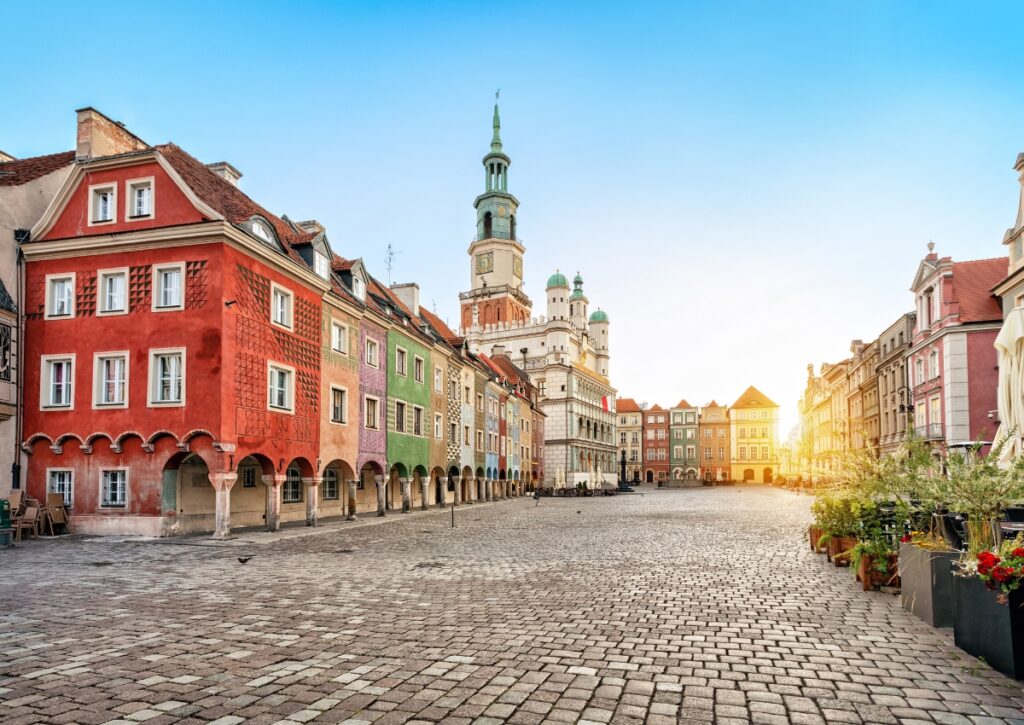
Understanding realistic daily costs helps you plan appropriately and avoid unpleasant financial surprises.
Budget Traveler Daily Cost Estimate: $75-100 USD
Accommodation: $15-25 USD (hostels, budget guesthouses)
Food: $30-40 USD (market purchases, bar mleczny, casual restaurants)
Transportation: $5-10 USD (7-day transit passes divided daily)
Attractions/Activities: $15-25 USD (many museums cost $5-10 USD; major attractions like Auschwitz cost $15-20 USD)
Miscellaneous: $10-15 USD
Mid-Range Traveler Daily Cost Estimate: $180-250 USD
Accommodation: $60-100 USD (3-star hotels, upscale guesthouses)
Food: $50-80 USD (mix of restaurant dining and casual meals)
Transportation: $10-15 USD
Attractions/Activities: $40-50 USD (paid tours, multiple attractions, occasional splurges)
Entertainment/Nightlife: $20-30 USD
Luxury Traveler Daily Cost Estimate: $300+ USD
Accommodation: $150-300+ USD (5-star hotels, luxury experiences)
Food: $100-150+ USD (fine dining, specialty restaurants)
Transportation: $20-30 USD (private guides, car services)
Activities/Tours: $50-100+ USD (private tours, exclusive experiences)
Entertainment: $30-50+ USD
Money-Saving Strategies
- Lunch Specials: Eat main meals at lunch when many restaurants offer 20-30% discounts versus dinner pricing
- Bar Mleczny: Explore traditional cafeteria-style eateries for authentic meals at $4-6 USD
- Free Attractions: Many museums offer free or discounted hours (verify current policies)
- Walking Tours: Free walking tour companies offer excellent orientation (tip-based, not mandatory)
- Market Shopping: Purchase snacks and basics at markets rather than tourist shops
- Transit Passes: 7-day or 3-day passes offer better value than daily tickets
Essential Packing Checklist for Poland
Beyond weather-appropriate clothing already discussed, consider these essentials:
Documents & Money:
- Passport (valid for 6 months beyond travel dates)
- Travel insurance documents
- Hotel confirmations
- Credit/debit cards (notify banks of travel)
- Some cash (PLN and EUR)
Technology:
- Universal power adapter (Poland uses EU Type C/E plugs)
- Phone charger and cable
- Power bank (useful while exploring)
- Headphones
Health & Hygiene:
- Prescription medications (enough for duration, in original packaging)
- Over-the-counter medications (pain relievers, digestive aids, cold medicine)
- Toiletries (Polish pharmacies have most items, but personal brands might be unavailable)
- Sunscreen (SPF 30+, particularly for summer)
- Insect repellent (mosquitoes present June-September)
Clothing (Season-Specific):
- Comfortable walking shoes + one pair dressier shoes
- Underwear and socks for 5-7 days (laundry available)
- Weather-appropriate outerwear
- Modest clothing for church visits (covered shoulders, knees)
- Light scarf or pashmina (versatile for warmth and modesty)
Miscellaneous:
- Travel guide or smartphone with offline maps
- Compact umbrella (non-negotiable)
- Reusable water bottle
- Travel-size laundry detergent (most accommodations permit laundry)
- Small notebook and pen (useful for noting addresses in Polish)
Booking Your Polish Adventure with Trusted Partners
When planning your Polish journey, partnering with established travel services ensures reliability and value:
Accommodation & Hotel Bookings:
Booking.com offers extensive Polish accommodation options with user reviews, flexible cancellation, and competitive pricing. Their best-price guarantee and customer service support make planning multi-city itineraries seamless.
Tours & Experiences:
GetYourGuide provides curated tours, walking experiences, and specialty activities throughout Poland. Their verified reviews help identify quality operators, and instant confirmation offers flexibility for independent itinerary adjustments.
Airport Transportation:
Welcome Pickups offers transparent, pre-arranged airport transfers in Warsaw, Kraków, Gdańsk, and Wrocław. Their drivers know city layouts intimately and provide helpful orientation during transfer journeys, making this small investment worthwhile for first-time visitors.
Travel Insurance:
VisitorsCoverage specializes in comprehensive travel insurance for European visitors, including medical coverage, trip cancellation, and emergency assistance. Their Poland-specific policies cost approximately $2-5 USD daily and provide essential financial protection.
Car Rentals (if needed):
GetRentacar aggregates rental options from major providers, offering transparent pricing and flexible cancellation. While car rentals aren’t necessary for major city exploration, they enable countryside and mountain exploration impossible via public transit.
International Flights:
CheapOair maintains a vast flight inventory with flexible booking options and customer service support. Their price comparison tools help identify optimal routing through European hubs.
Financial Services:
Revolut and Wise both offer multi-currency accounts and excellent exchange rates—essential tools for European travel stress reduction. Both services integrate with travel apps and provide transparent spending tracking.
Mobile Connectivity:
Yesim offers European-wide eSIM options, eliminating the need for physical SIM cards. Activate before departure, and you’ll have data/calls throughout Poland without expensive roaming charges or searching for local SIM providers.
Conclusion: Your Polish Adventure Awaits
Poland represents one of Europe’s most rewarding, underrated destinations. By understanding and avoiding these ten common mistakes, you position yourself for an extraordinary experience that transcends typical tourism.
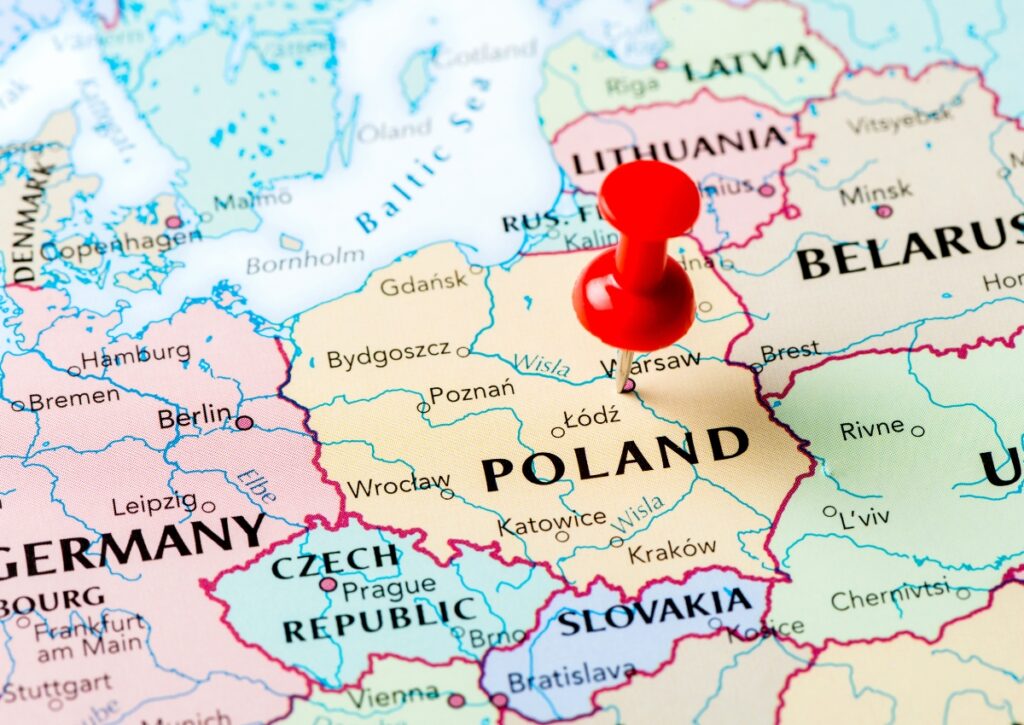
Poland’s complexity—its history of occupation and resilience, sophisticated cultural traditions, warm-hearted people, affordable costs, and stunning natural beauty—creates a destination where travelers become genuinely transformed. The mistakes outlined in this guide aren’t merely travel inconveniences; avoiding them enables authentic cultural immersion, meaningful local connections, and experiences that linger long after your return home.
The Polish people, despite their reputation for directness, display profound hospitality once cultural norms are respected. Your genuine effort to speak Polish phrases, respect customs, engage with local food traditions, and learn historical context creates connections impossible in destinations where tourist expectations override cultural consideration.
Poland’s future holds continued development and international recognition, but its fundamental character—the dedication to preserving traditions while embracing modernity, the fierce national pride rooted in historical survival, the culinary excellence, and the historical significance—will endure. Visit now, while Poland remains relatively undiscovered by mass tourism, and experience a destination where your presence as a thoughtful, respectful traveler genuinely contributes to local economies and cultural preservation.
Your Next Step: Join the A Tiny Traveler Community
This comprehensive guide represents just the beginning of your Polish journey. At A Tiny Traveler, we’re passionate about helping travelers explore the world authentically, affordably, and responsibly. We create detailed destination guides, sustainable travel tips, budget breakdowns, and personal experiences designed to transform your travel dreams into unforgettable realities.
Follow A Tiny Traveler on social media:
- Follow me on Pinterest (A Tiny Traveler): My Pinterest is your ultimate travel vision board! It’s where I share stunning photography, quick visual guides, and, most importantly, links to all my in-depth blog posts.
- Follow me on Instagram (a.tinytraveler): For daily doses of wanderlust, stunning travel photography, behind-the-scenes glimpses of my trips, and quick tips that will inspire your next getaway. See the world through my eyes!
- Like my Facebook Page (A Tiny Traveler): Join our vibrant community of fellow travel lovers! This is a great place to ask questions, share your own travel experiences, and connect with other readers and me.
When you subscribe and follow, you’re joining thousands of travelers committed to exploring our magnificent world responsibly, authentically, and joyfully. You’ll receive personalized recommendations based on your interests, first notification of new destination guides, exclusive subscriber discounts with our partner organizations, and the opportunity to share your own travel stories and tips with our growing community.
Your Polish adventure will be extraordinary—let A Tiny Traveler be your guide. Whether you’re a first-time traveler or seasoned explorer, our community supports your journey with practical knowledge, inspiration, and the confidence that comes from thorough preparation.
Thank you for reading this comprehensive guide. I genuinely hope these insights transform your Polish experience from potentially problematic to absolutely phenomenal. Poland awaits—and you’re now prepared to experience it brilliantly.
Safe travels, and I can’t wait to hear about your Polish adventures
Frank


