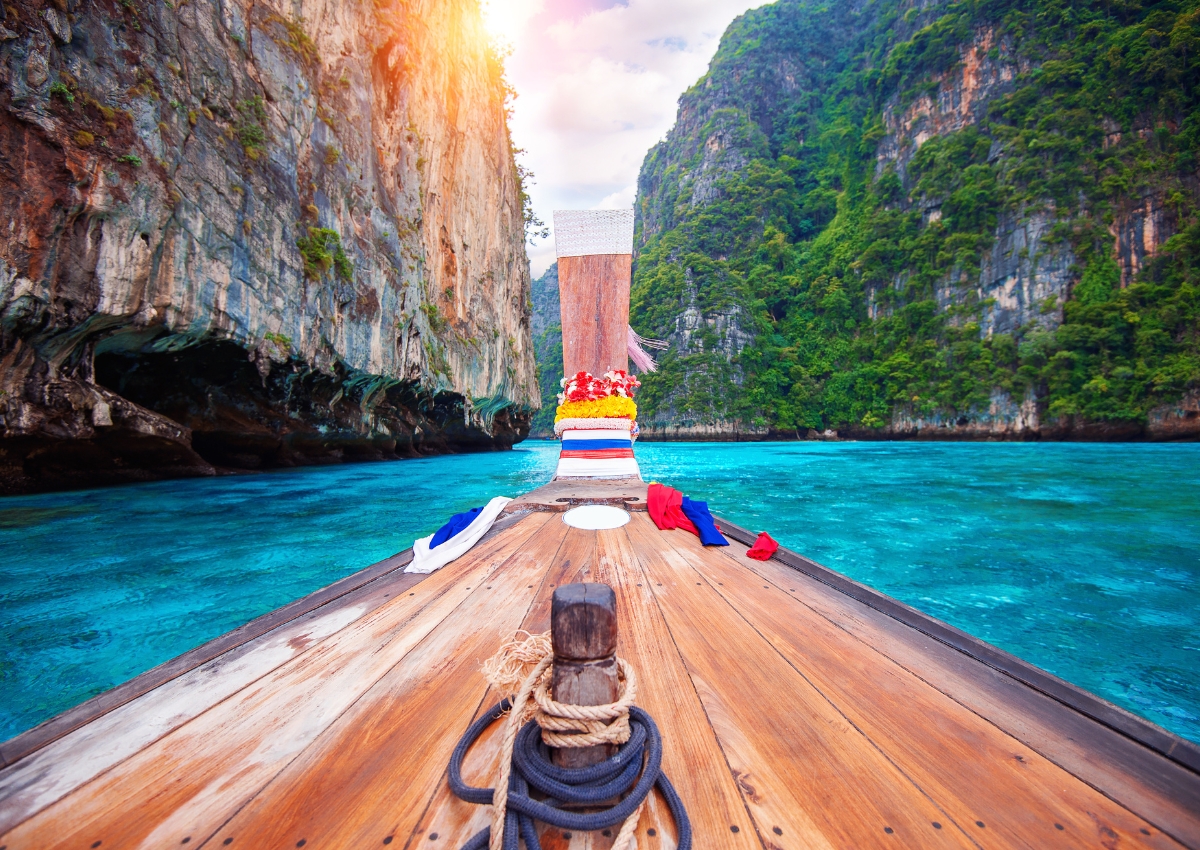
There’s something magnetic about Thailand that pulls travelers back again and again. Maybe it’s the coconut-scented breeze wafting through palm trees on the islands, the electric buzz of Bangkok’s street food markets at midnight, or the serene gold-leaf temples where monks chant at dawn. Whatever it is, Thailand has earned its reputation as one of the world’s most captivating destinations—and honestly? It deserves every bit of that acclaim.
But here’s the thing nobody tells you when you’re scrolling through those impossibly perfect Instagram shots of limestone karsts rising from turquoise waters: Thailand is incredibly easy to love, but also surprisingly easy to mess up. I’ve watched countless travelers stumble through the same preventable mistakes, turning their dream vacation into a series of facepalm moments. Trust me, I get it—I made plenty of these errors myself on my first visit. The overpriced tuk-tuk rides, the sunburns that left me looking like a lobster, and the awkward temple encounters where I unknowingly broke every cultural rule in the book.
After multiple trips to this stunning country and countless conversations with locals, expats, and fellow travelers, I’ve learned that the difference between an okay Thailand trip and an absolutely phenomenal one often comes down to knowing what not to do. So grab your favorite beverage, get comfortable, and let me walk you through the 15 biggest mistakes you absolutely need to avoid when traveling to Thailand. These aren’t just random tips—these are the insider secrets that’ll save you money, embarrassment, and precious vacation time.
1. Skipping Travel Insurance (The Biggest Money Mistake You’ll Regret)
Let’s kick things off with the mistake that could literally bankrupt your trip: traveling to Thailand without proper insurance. I know, I know—insurance feels about as exciting as reading the terms and conditions on a software update. But hear me out, because this one’s genuinely critical.
Thailand’s hospitals range from basic rural clinics to world-class medical facilities that rival anything you’d find in Western countries. The catch? You’ll need to pay upfront if you’re uninsured, and those bills can stack up faster than you can say “Pad Thai.” A simple motorbike accident (and trust me, they’re common) can easily cost you $5,000-$15,000 in medical bills. Emergency surgeries? We’re talking $20,000+. Suddenly, that $50-$100 insurance policy looks like the bargain of the century, doesn’t it?
Here’s what your Thailand travel insurance should absolutely cover:
- Medical emergencies and hospitalization (minimum $100,000 coverage)
- Motorbike and scooter accidents (read the fine print—many policies exclude this!)
- Emergency evacuation and repatriation
- Lost, stolen, or delayed baggage
- Trip cancellations or interruptions
Pro tip: Check out VisitorsCoverage for comprehensive plans specifically designed for Thailand travelers. They offer excellent coverage for adventure activities and motorbike riding, which many standard policies exclude. Their plans start around $40-$80 for a two-week trip, depending on your coverage level and age.
Don’t be the person posting desperate GoFundMe campaigns from a Bangkok hospital bed. Get insured before you board that plane.
2. Ignoring Thailand’s Monsoon Season (And Getting Absolutely Drenched)
Picture this: You’ve saved for months, taken time off work, booked that dreamy beachfront bungalow in Koh Samui—and you arrive to find sideways rain, angry grey seas, and most island tours cancelled. Welcome to monsoon season, my friend.
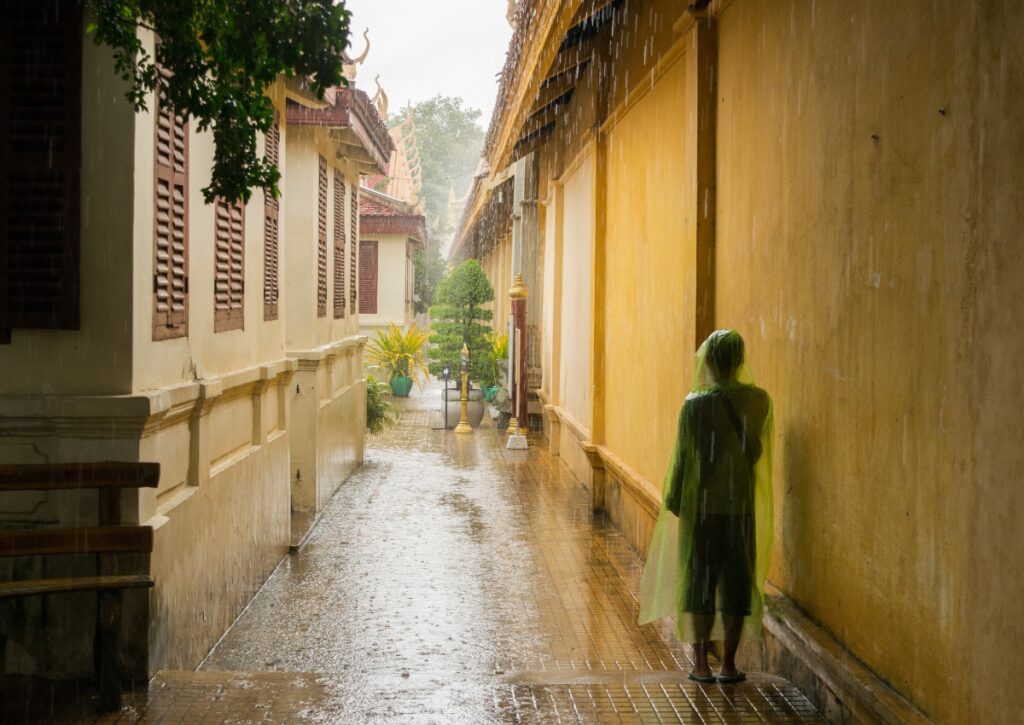
Thailand’s weather is more complicated than a soap opera plotline, and the monsoon season varies dramatically depending on which part of the country you’re visiting. This is where so many travelers mess up. They think “rainy season = June to October everywhere,” pack their ponchos, and call it done. Wrong.
Here’s the reality: Thailand essentially has two monsoon patterns. The Andaman Coast (Phuket, Krabi, Phi Phi) gets hammered from May to October. But the Gulf Coast (Koh Samui, Koh Phangan, Koh Tao) experiences its wettest months from October to December. Meanwhile, islands like Koh Chang have their own schedule entirely.
What monsoon season actually looks like: Contrary to popular belief, it doesn’t rain 24/7. Instead, expect intense downpours lasting anywhere from 30 minutes to a few hours, usually in the late afternoon or evening. The mornings often remain gorgeous and sunny. However, rough seas can cancel boat tours, flooding can make streets impassable, and some resorts close completely.
The smart approach: If beaches are your priority, visit the Andaman Coast from November to April and the Gulf Coast from February to September. Want to explore northern Thailand (Chiang Mai, Chiang Rai)? The cool season from November to February offers perfect hiking weather with temperatures around 20-30°C (68-86°F).
Budget hack: If you’re flexible with your plans and don’t mind occasional rain, traveling during shoulder season (like April-May or September-October) means you’ll enjoy 30-50% cheaper accommodation and far fewer crowds. Just check weather forecasts regularly and keep backup indoor activities planned.
Before booking anything, secure your flights and accommodation through Booking.com, which offers excellent free cancellation options on most properties. This gives you flexibility if weather forecasts look grim.
3. Dressing Disrespectfully at Temples (Cultural Cringe Alert!)
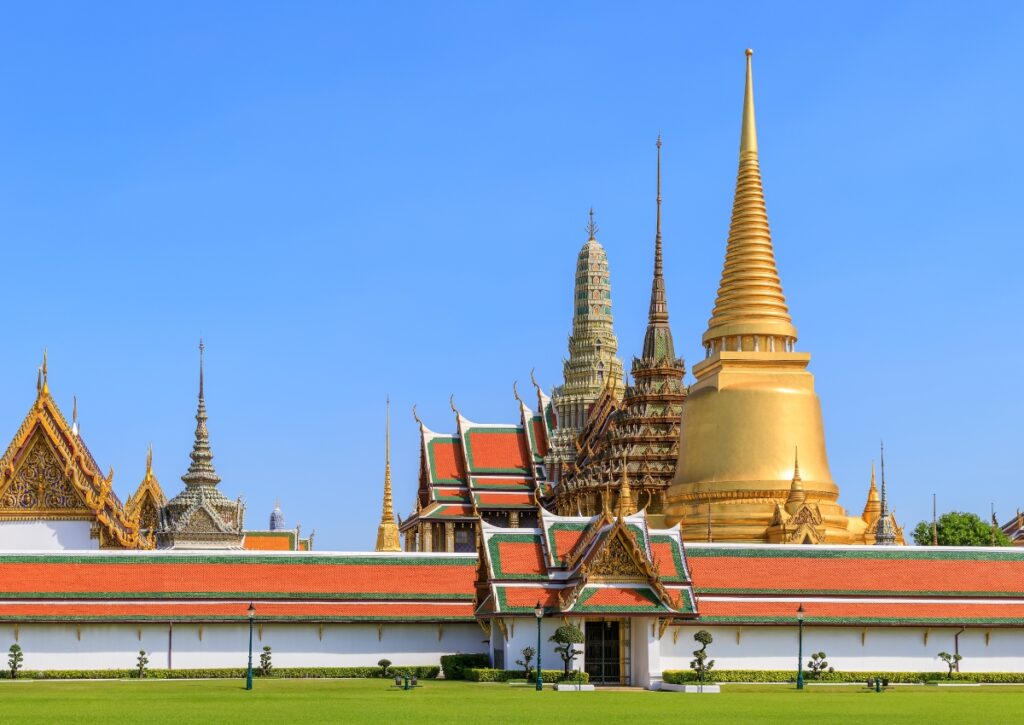
I’ll never forget watching a group of tourists get turned away from Wat Phra Kaew (Temple of the Emerald Buddha) because they showed up in tank tops, ripped shorts, and flip-flops. The disappointment on their faces was palpable—they’d traveled halfway across the world to see one of Thailand’s most sacred sites, only to be denied entry because nobody told them about the dress code.

Buddhism is integral to Thai culture, with over 93% of the population practicing it. Temples aren’t just tourist attractions—they’re active places of worship where locals come to pray, meditate, and seek spiritual guidance. When you dress inappropriately, you’re not just breaking rules; you’re disrespecting deeply held beliefs.
The non-negotiable temple dress code:
- Cover your shoulders (no tank tops, spaghetti straps, or sleeveless shirts)
- Cover your knees (no shorts, miniskirts, or short dresses)
- Remove shoes before entering temple buildings
- Avoid ripped, torn, or see-through clothing
- Take off hats and sunglasses in sacred areas
Temples with especially strict enforcement:
- Wat Phra Kaew & The Grand Palace (Bangkok) – The strictest. They’ll even reject leggings and torn jeans.
- Wat Pho (Bangkok) – Slightly more relaxed but still requires covered shoulders and knees
- Wat Phra That Doi Suthep (Chiang Mai) – Mountain-top temple with firm dress expectations
- Wat Arun (Bangkok) – Offers sarongs at the entrance if needed
My packing recommendation: Bring at least one pair of lightweight linen pants and a loose cotton shirt with sleeves. Ladies, a long flowy skirt or maxi dress works perfectly and keeps you cool. A large scarf or sarong is your secret weapon—you can wrap it around your shoulders or waist as needed.
Beyond clothing: Never touch Buddha statues, point your feet at Buddha images, or turn your back directly on main Buddha statues when leaving. When sitting, tuck your feet behind you or point them to the side. And please, never step on the raised threshold when entering—protective spirits are believed to reside there.
Want to explore Bangkok’s temples without the hassle of planning? Book a GetYourGuide temple tour that includes transportation, skip-the-line access, and a knowledgeable guide who’ll explain all the cultural nuances. Their “Bangkok Temples & Grand Palace Half-Day Tour” is consistently rated 4.8/5 stars.
4. Riding a Motorbike Without the Proper License (Or Skills!)
Few things scream “Thailand tourist” louder than a sunburned foreigner wobbling down the road on a rental scooter, clearly having learned to ride approximately 10 minutes earlier. It’s everywhere: Phuket, Chiang Mai, Pai—islands and cities alike are swarming with inexperienced riders who thought, “How hard can it be?”
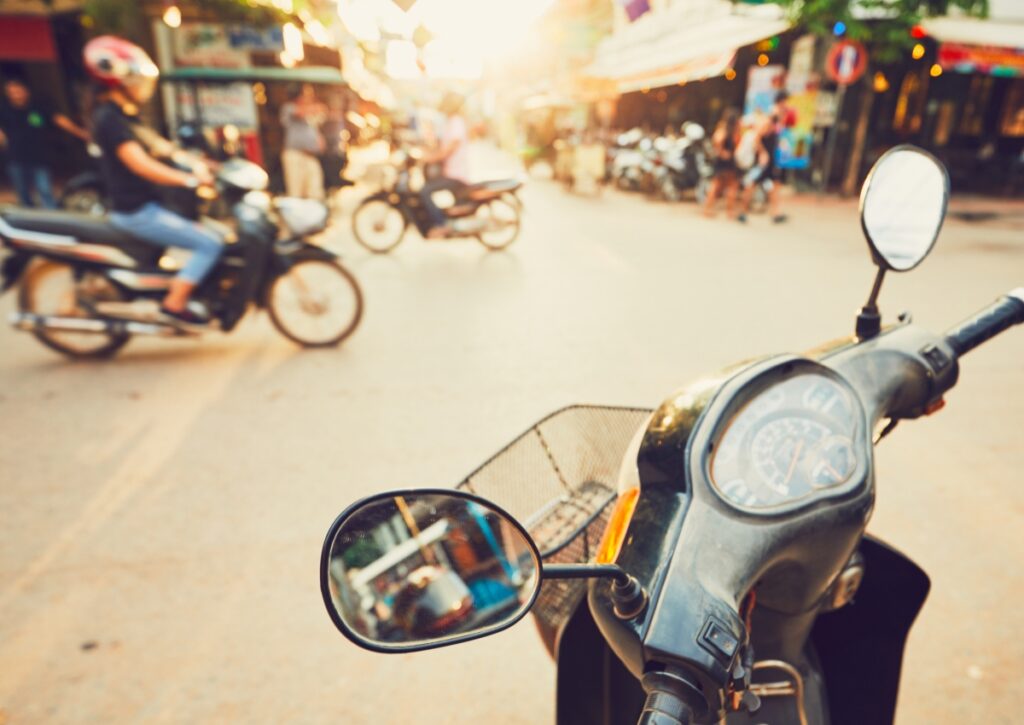
Spoiler alert: It can be very hard. And very dangerous. And very illegal.
Thailand has one of the highest road fatality rates in the world, ranking among the top 10 globally. A significant portion of those deaths involves motorbikes, and tourists feature prominently in the statistics. Every year, hospitals treat thousands of travelers for “Phuket tattoos”—the lovely term for severe road rash covering half your body.
The legal reality: To legally rent and ride a motorbike in Thailand, you need an International Driving Permit (IDP) with motorcycle endorsement (Category A). Your regular car license won’t cut it. Thai police regularly set up checkpoints, especially in tourist areas, and they will fine you 500-1,000 baht ($14-$28) on the spot if you can’t produce the proper documentation.
But here’s the kicker: If you crash without a valid motorcycle license, your travel insurance is void. Completely. Null. You’ll be responsible for all medical bills, property damage, and potential legal consequences. That “cheap” scooter rental just became a potentially six-figure mistake.
The dangers are real: Thai traffic operates on different rules (or sometimes no rules). Drivers appear from nowhere, roads flood during rain, creating slick surfaces, potholes lurk like land mines, and locals drive with a confidence that borders on supernatural.
Safer alternatives:
- Use Grab (Thailand’s Uber) for door-to-door convenience with upfront pricing
- Book GrabBike for quick motorbike taxi rides driven by experienced locals
- Hire drivers through GetYourGuide or Welcome Pickups for day trips and airport transfers
- Rent a car with a driver for around $50-$80/day
- Use songthaews (shared pickup trucks) in cities like Chiang Mai
If you absolutely must ride: Get your motorcycle license before leaving home, obtain your IDP, start on quiet roads, always wear a helmet (it’s the law), wear protective clothing, and triple-check your insurance covers motorcycle riding. And please, please don’t drink and ride.
For stress-free airport transfers with meet-and-greet service, check out Welcome Pickups. They’ll have a driver waiting with your name on a sign, offer fixed prices (no meter games), and provide local tips during your ride. It’s worth the extra few dollars for peace of mind after a long flight.
5. Falling for Tourist Scams (The Tuk-Tuk Temple Trap)
Let’s talk about Bangkok’s most infamous scam, one so well-known it should come with a warning label, yet somehow tourists still fall for it daily.
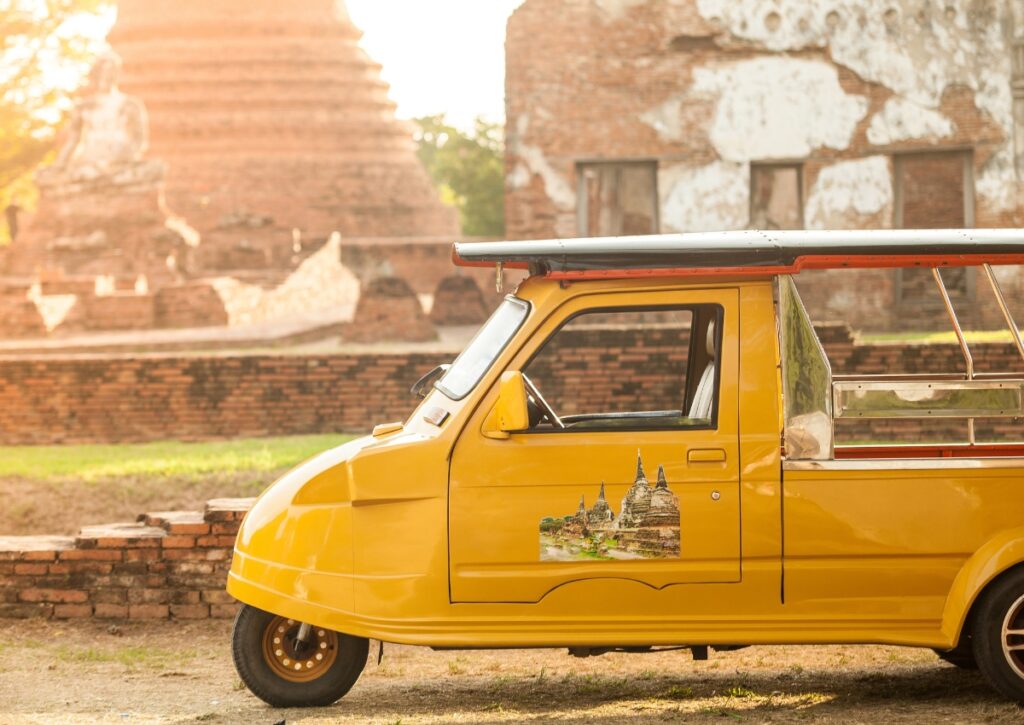
You’re standing outside the Grand Palace or Wat Pho, camera ready, excitement building. A friendly local approaches: “Oh, the temple is closed today for a Buddhist ceremony. But my friend has a tuk-tuk—he can take you to another beautiful temple for a very cheap price!” He seems so genuine, so helpful.
Don’t. Do. It.
This is the classic “Closed Temple” scam, and it’s designed to drain your wallet. Here’s how it works: The tuk-tuk driver takes you on a grand “tour” of Bangkok, stopping at every commission-based business that’ll give him a kickback: overpriced gem stores selling fake jewelry, sketchy tailor shops using synthetic fabrics, tourist trap restaurants charging triple the normal prices. You’ll feel pressured to buy at each stop, wasting hours of your precious vacation time.
Other common Thailand scams to watch for:
The Jet Ski Scam: After you return a rented jet ski, the owner “discovers” damage and demands $500-$1,000 in repairs. Solution: Take detailed photos/videos before riding, don’t rent from unlicensed operators, and walk away if they refuse to show you existing damage.
The Gem Scam: Someone befriends you and mentions a “special one-day tax-free sale” at a government-certified jewelry store. The gems are fake or severely overpriced. Solution: Never buy expensive gems or jewelry based on random recommendations.
Fake Police: Men in uniform demand to see your passport and wallet, claiming drug checks, then ask for cash “fines.” Solution: Ask for their badge number, offer to go to the station, and call the Tourist Police at 1155.
Damaged Rental Scooter: When returning your scooter, the owner claims you scratched it and demands excessive repair fees. Solution: Take timestamped photos of every angle before leaving the shop, including close-ups of any existing damage.
Taxi Meter “Broken”: Drivers refuse to use the meter and quote inflated flat rates. Solution: Simply say “meter, please” and point to it. If they refuse, get out and find another taxi. Or use Grab where pricing is transparent upfront.
The bird seed scam: Around major temples, people forcefully hand you bird seed then demand payment. Solution: Firmly say “no thank you” and keep walking.
How to protect yourself: Trust your instincts. If something feels off, it probably is. Verify information independently (Google Maps shows real temple hours). Book tours through reputable platforms like GetYourGuide where reviews are verified and refunds are possible. Never feel obligated to buy anything you don’t want.
Pro tip: Download Grab before you arrive. The app shows estimated fares, tracks your route, and eliminates the negotiation game entirely. You’ll typically pay slightly more than a metered taxi, but the convenience and safety are worth it.
6. Underestimating the Sun (Hello, Lobster Tan!)
Thailand sits close to the equator, which means the sun here doesn’t mess around. It’s not like that gentle Mediterranean sunshine you’re used to—this is industrial-strength, UV-index-11, “I’ll-burn-you-in-20-minutes” tropical sunlight.
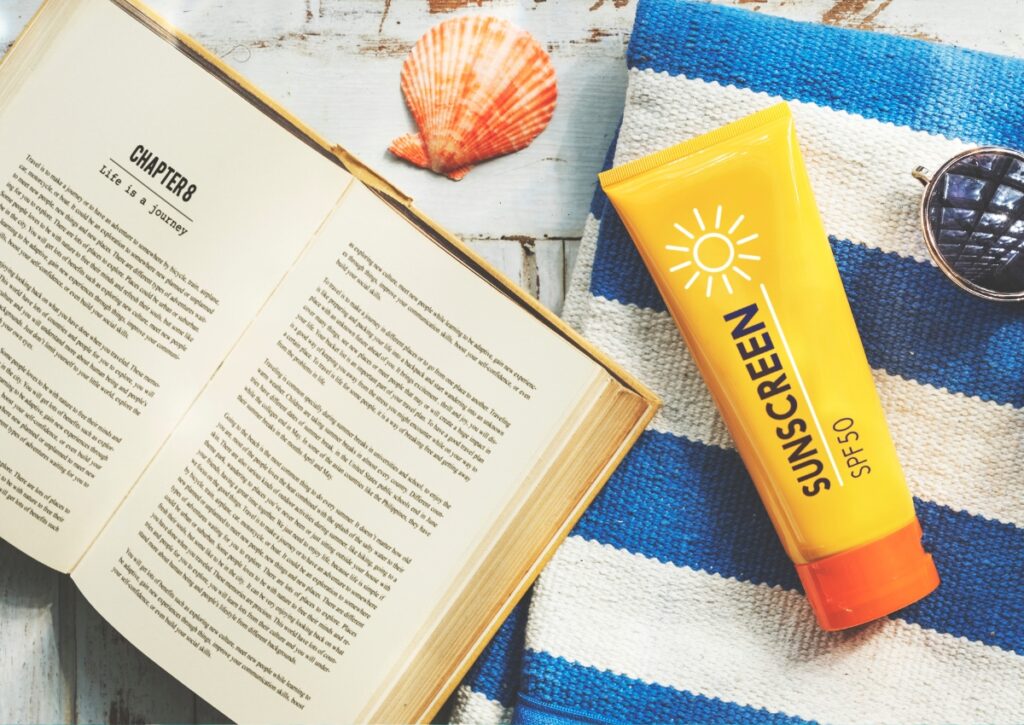
I learned this the hard way during my first trip. “I’ll just stay out for an hour,” I thought. “I don’t usually burn.” Famous last words. Twenty-four hours later, I looked like a cherry tomato wearing a shirt, complete with painful blisters on my shoulders. The next three days were spent in air-conditioned misery instead of on the beach.
The reality check: UV radiation near the equator is 30-50% stronger than in temperate regions. Cloud cover doesn’t help much—you can absolutely get fried on overcast days. And that beautiful reflection off the ocean or pool? It’s amplifying UV exposure.
Sun protection essentials:
- High SPF sunscreen (50+) – Apply generously 30 minutes before sun exposure and reapply every 2 hours
- Reef-safe sunscreen – Protect Thailand’s coral reefs by choosing mineral-based options
- Lightweight long-sleeve clothing – Rash guards for swimming, linen shirts for exploring
- Wide-brimmed hat – Your face, neck, and ears will thank you
- Polarized sunglasses – Protect your eyes from intense glare
- Seek shade between 11 AM – 3 PM – The sun is most brutal during these hours
Local secret: Buy sunscreen before you leave home. International brands cost 2-3 times more in Thailand’s tourist areas. A bottle of SPF 50+ that costs $10 at home might run you $25-$30 in Phuket.
After-sun care: If you do get burned, aloe vera gel is your best friend. Pharmacies and 7-Eleven stores sell it everywhere for around 40-80 baht ($1-$2). Stay hydrated, take cool showers, and avoid further sun exposure until you heal.
Remember: A bad sunburn can ruin your entire trip. Don’t let it happen to you.
7. Drinking the Tap Water (Or Brushing Your Teeth With It)
Quick question: Want to spend your Thailand vacation running to the bathroom every 20 minutes with explosive stomach issues? No? Then don’t drink the tap water.
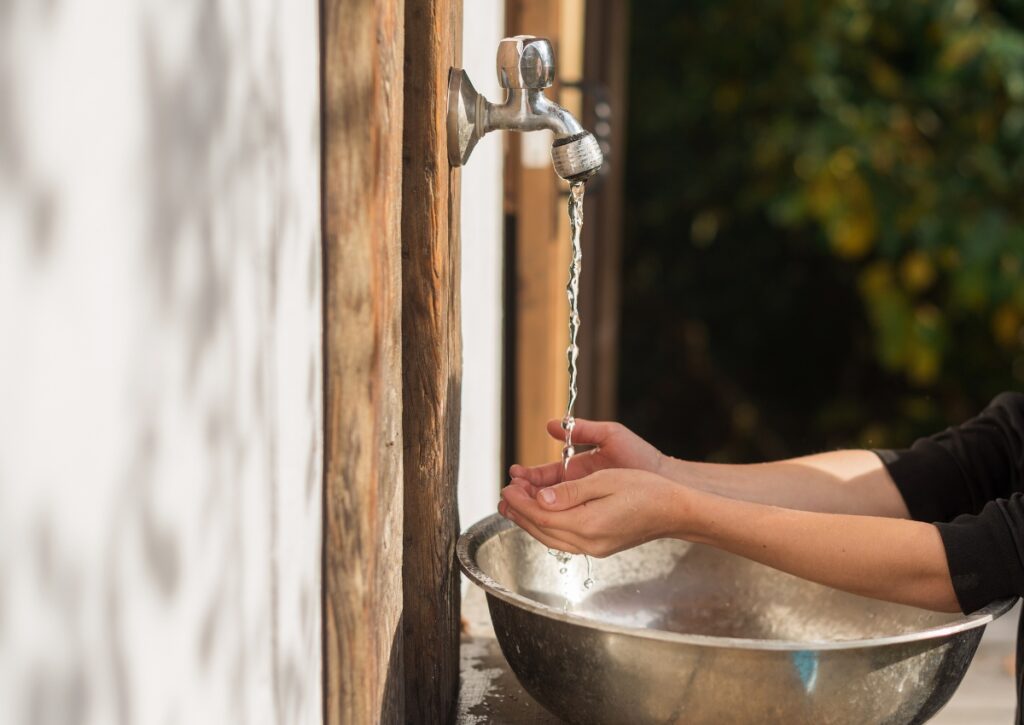
Thailand’s tap water isn’t safe for drinking, period. While it might be treated, the aging pipe infrastructure means bacteria, parasites, and other nasties can contaminate it between the treatment plant and your hotel faucet. Locals don’t drink it. Smart tourists don’t either.
The rules:
- Never drink tap water directly
- Don’t brush your teeth with tap water (use bottled water)
- Avoid ice in drinks unless you’re at reputable establishments (fancy hotels and restaurants use filtered ice)
- Skip drinks with tap water ice at street stalls
- Be cautious with fresh juices from street vendors—they sometimes use tap water
- Shower with your mouth closed (yes, really)
What to drink instead:
Bottled water is ridiculously cheap and available everywhere. A 1.5-liter bottle costs 10-15 baht ($0.30-$0.40) at 7-Eleven. You’ll find convenience stores literally every few blocks in cities and tourist areas.
Better yet: Bring a reusable water bottle with a built-in filter to reduce plastic waste. Thailand already struggles with plastic pollution, especially on islands and beaches. Brands like LifeStraw or GRAYL work great and align with sustainable tourism practices.
Pro sustainability tip: Many hotels and guesthouses now offer water refill stations with purified water. Restaurants are increasingly part of the “Refill Not Landfill” initiative—look for stickers in windows indicating you can refill for free.
When eating out: Stick to bottled drinks or beverages served in sealed containers. Hot drinks like coffee and tea are generally safe since the water has been boiled. At street food stalls, watch for vendors using filtered or bottled water—it’s usually displayed prominently.
What if you accidentally drink tap water? Don’t panic immediately. Some people never have issues, while others get sick quickly. Keep anti-diarrheal medication handy (available at any pharmacy), stay hydrated with electrolyte solutions, and seek medical attention if symptoms persist beyond 24 hours.
Stay with trusted accommodation providers through Booking.com, where you can filter for properties with water purification systems and read reviews mentioning water quality.
8. Avoiding Street Food (Missing Out on Thailand’s Soul!)
Here’s a mistake that breaks my heart every time I see it: Travelers spending their entire Thailand vacation eating at Western restaurants and hotel buffets, completely missing the mind-blowing street food scene that defines Thai cuisine.
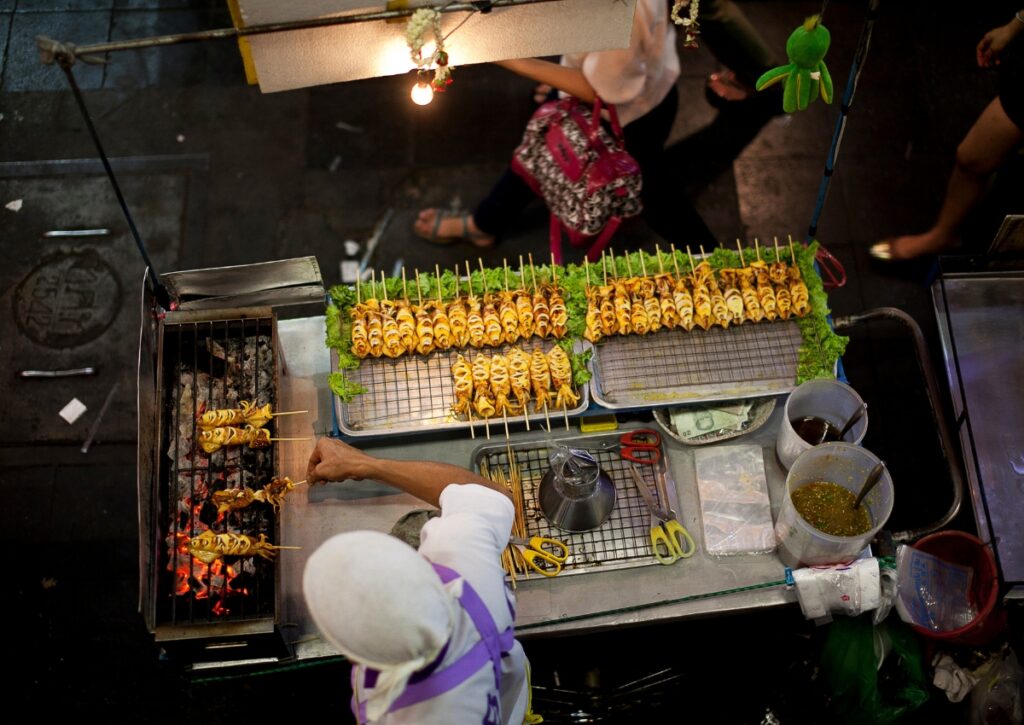
I get it. The thought of eating from a cart on the side of the road might seem sketchy. But Thailand’s street food isn’t just safe—it’s often fresher, tastier, and more authentic than restaurant food. Why? Because locals eat there daily. Turnover is high, ingredients are fresh, and vendors take pride in their specialized dishes.
Street food safety rules:
- Follow the crowds – If locals are lining up, it’s probably delicious and safe
- Watch the cooking process – Food cooked to order in front of you is safer than pre-made items sitting out
- Look for cleanliness – Vendors with clean setups and organized ingredients take pride in their work
- Stick to cooked food – Avoid raw vegetables and salads at street stalls
- Eat where turnover is high – Popular stalls go through ingredients quickly
- Trust your nose – If something smells off, skip it
Must-try street food experiences:
- Pad Thai – Stir-fried rice noodles with egg, tofu, shrimp, and peanuts (40-60 baht / $1-$2)
- Som Tam (Green papaya salad) – Spicy, tangy, addictively delicious (30-50 baht / $0.80-$1.50)
- Mango Sticky Rice – Sweet coconut rice with ripe mango (50-80 baht / $1.50-$2.50)
- Grilled satay skewers – Chicken or pork with peanut sauce (10-20 baht per stick / $0.30-$0.60)
- Thai iced tea – Sweet, creamy, bright orange perfection (20-30 baht / $0.60-$1)
Where to find the best street food:
- Chatuchak Weekend Market (Bangkok) – Over 15,000 stalls, including incredible food sections
- Chiang Mai Sunday Night Market – Stretches for kilometers with amazing northern Thai specialties
- Phuket Town – Old Town area has fantastic local food
- Khao San Road (Bangkok) – Tourist center, but still has good eats
- Any local market – Follow the Thais!
Food budgets: You can eat like royalty on street food for $10-$15 per day. That’s three full meals plus snacks and drinks. Restaurant dining costs $5-$15 per meal at local spots, and $20-$40+ at touristy places.
One warning: Start slow with spice levels. When vendors ask “spicy?” and you confidently say yes, they’re thinking Thai-level spicy, which can strip paint off walls. Start mild and work your way up.
Explore local food culture with a GetYourGuide food tour. Their “Bangkok Street Food Walking Tour” takes you to hidden gems locals love, explains what you’re eating, and ensures you try the best dishes. You’ll eat more in 3 hours than you thought humanly possible.
9. Not Learning Basic Thai Phrases (Missing Connection)
English proficiency in Thailand is… let’s say “selective.” In Bangkok’s tourist bubble, Phuket, and Chiang Mai city centers, you’ll manage fine with English. But venture into neighborhoods, smaller towns, or rural areas, and suddenly you’re playing charades to order lunch.
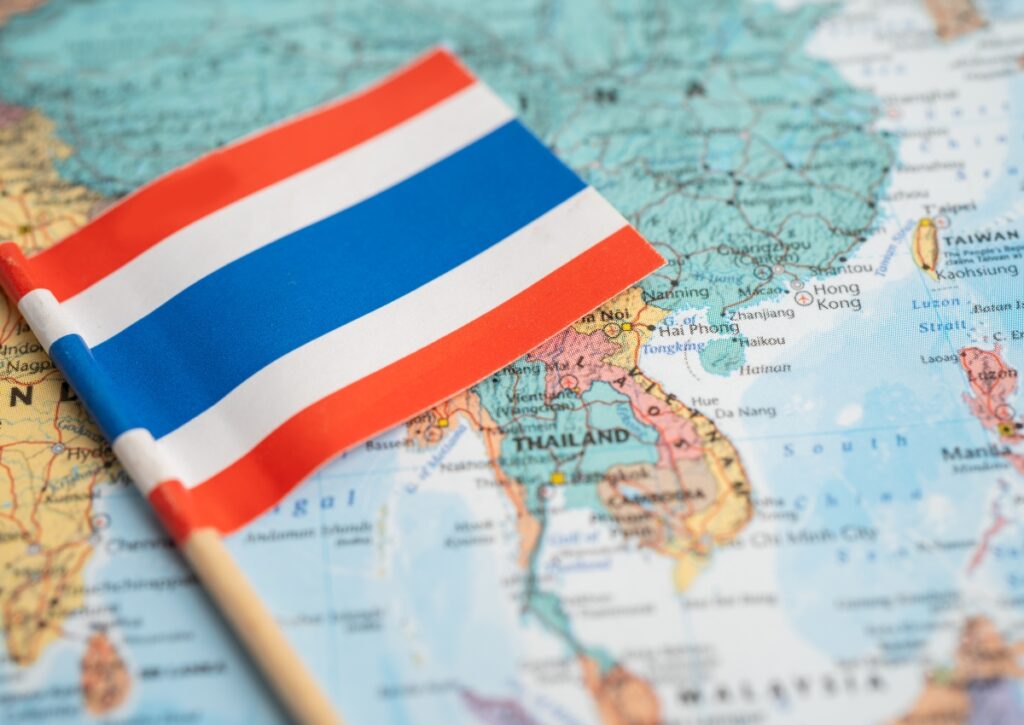
Learning even a handful of Thai phrases transforms your experience. Locals light up when foreigners attempt their language, even if your pronunciation sounds like you’re gargling marbles. It shows respect, breaks the ice, and often leads to better service, friendlier interactions, and insider tips.
Essential Thai phrases:
- Sawasdee krap/ka (sah-wah-dee krahp/kah) – Hello/Goodbye (men say “krap,” women say “ka”)
- Khop khun krap/ka (kohp koon krahp/kah) – Thank you
- Mai pen rai (my pen rye) – No problem / Don’t worry / It’s okay
- Aroy! (ah-roy) – Delicious!
- Tao rai? (tao rye) – How much?
- Phaeng pai (peng pie) – Too expensive
- Mai ow (my ow) – I don’t want
- Mai sai phet (my sigh pet) – Not spicy, please
- Ow bin (ow bin) – Check please
- Hong nam yoo tee nai? (hong nahm you tee nai) – Where is the bathroom?
Cultural language tips:
The polite particles “krap” (for men) and “ka” (for women) are added to the end of sentences for politeness. Using them shows respect and goes a long way.
The wai gesture: Press your palms together at chest level and give a slight bow. This is how Thais greet each other, thank each other, and show respect. Return wais from adults, but you don’t need to wai children or service workers (though they may wai you first).
Download translation apps: Google Translate’s camera feature is magical—point it at Thai script and it translates in real-time. The Grab app has built-in translation for communicating with drivers.
Numbers matter: Learn to recognize Thai numbers or carry the Google Translate app. This helps when shopping at markets where vendors might write prices rather than speak them.
Speaking of communication, having reliable mobile data makes everything easier. Get a Yesim eSIM before you travel. It’s digital (no physical SIM card to swap), activates instantly when you land, and provides high-speed data across Thailand. Plans start around $4.50 for 1GB. You’ll maintain your home number while having Thai data—perfect for using apps like Grab, Google Maps, and WhatsApp.
10. Over-Planning Your Itinerary (The Rush Rush Trap)
Thailand is huge. Like, really huge. And yet I constantly meet travelers trying to “do it all” in two weeks: Bangkok, Chiang Mai, Pai, Ayutthaya, Krabi, Phuket, Koh Phi Phi, Koh Samui, Koh Phangan… Stop. Just stop.
This isn’t Pokémon—you don’t have to catch ’em all in one trip.
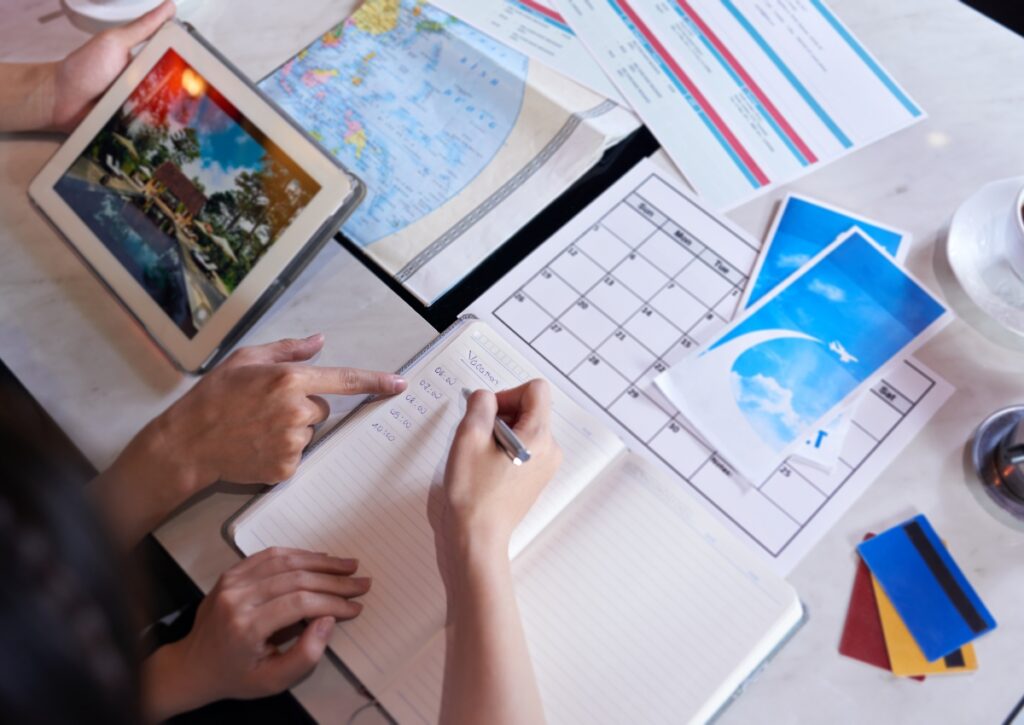
The problem with over-planning: You spend more time in transit than actually experiencing anything. Bus terminals and airports become your Thailand experience. You’re exhausted, stressed, and missing the whole point: Thailand is meant to be savored, not speed-run.
Travel time realities:
- Bangkok to Chiang Mai: 1-hour flight or 10-12 hours bus/train
- Bangkok to Phuket: 1.5-hour flight or 12-14 hours by bus
- Bangkok to Koh Samui: 1-hour flight or 12-15 hours bus + ferry
- Phuket to Koh Phi Phi: 2 hours ferry
- Chiang Mai to Pai: 3-4 hours by bus (on incredibly windy mountain roads)
Better approach: Choose 2-3 regions maximum for a two-week trip. Spend 4-5 days in each location. This gives you time to actually explore, stumble upon hidden gems, take spontaneous day trips, and relax—you know, that thing vacations are for.
Sample 2-week itinerary:
- Days 1-4: Bangkok – Temples, street food, markets, day trip to Ayutthaya
- Days 5-8: Northern Thailand (Chiang Mai) – Old City temples, cooking classes, elephant sanctuary, night markets
- Days 9-14: Southern Islands (Pick ONE island group) – Beach time, snorkeling, sunset cocktails, massage, repeat
Budget planning: Domestic flights within Thailand are surprisingly affordable if booked in advance. AirAsia and Thai Lion Air offer Bangkok-Chiang Mai flights for $30-$60. Compare prices on CheapOair, which aggregates deals from multiple airlines and often has promotional codes for additional discounts.
Transportation between cities: Book buses, trains, and ferries through 12Go Asia – they’re reliable, show all your options with durations and prices, and email tickets directly to you. No need to show up at bus stations hoping for seats.
Pro tip: Build buffer days into your schedule. Monsoon rains might delay ferries. You might fall in love with a place and want to stay longer. You might meet awesome travelers and decide to change plans. Flexibility is your friend.
11. Disrespecting the Thai Royal Family (Seriously, Don’t)
Let me be crystal clear about this: Disrespecting Thailand’s monarchy is illegal and can land you in serious trouble. We’re talking about potential jail time, which is serious.
Lèse-majesté laws in Thailand are among the strictest in the world. Even comments or social media posts that are perceived as critical of the King, Queen, or any member of the royal family can result in prosecution. These aren’t theoretical laws gathering dust—they’re actively enforced, and foreigners aren’t exempt.
What this means for you:
- Never make jokes about the royal family
- Don’t comment negatively about the monarchy, even casually
- Stand respectfully when the royal anthem plays before movies in cinemas
- Never step on Thai currency – Banknotes feature the King’s image, and stepping on money is stepping on his image
- Don’t deface or damage anything with royal imagery
- Be respectful during royal birthdays and national ceremonies
Cultural context: The Thai monarchy holds deep reverence in Thai society. While younger generations may have more varied opinions, openly criticizing the institution remains taboo and illegal. As a visitor, your job isn’t to judge or comment—it’s to respect local laws and customs.
What to do instead: Appreciate Thailand’s rich history. Visit the Grand Palace and learn about Thai royal traditions. Show interest and respect. When locals speak about the monarchy, listen respectfully but don’t feel obligated to offer opinions.
This isn’t about freedom of speech debates—it’s about being a respectful guest in someone else’s country. You wouldn’t go to someone’s house and insult their family. The same principle applies here.
12. Neglecting Sustainable Tourism Practices (Love Thailand? Protect It)
Thailand’s popularity has come at an environmental cost. Maya Bay on Koh Phi Phi Leh (yes, where they filmed “The Beach”) had to close for four years to allow coral reefs to recover from overtourism damage. Plastic pollution chokes beaches and waterways. Wildlife trafficking continues while ethical sanctuaries pop up alongside it.
As travelers, we have responsibility and power. Our choices shape Thailand’s future.
Sustainable tourism practices:
Skip unethical animal attractions: Elephant riding, tiger selfies, and animal circus shows involve abuse, harsh training methods, and terrible living conditions. Instead, visit observation-only sanctuaries like:
- Elephant Nature Park (Chiang Mai) – A Rescue sanctuary where elephants roam freely
- Samui Elephant Sanctuary (Koh Samui) – Ethical retirement home for former working elephants
- Wildlife Friends Foundation Thailand (Phetchaburi) – Rescues and rehabilitates abused wildlife
Book through GetYourGuide to find verified ethical animal experiences with transparent welfare policies and genuine rescue operations.
Reduce plastic waste:
- Bring a reusable water bottle with a filter
- Carry a reusable shopping bag for market purchases
- Use metal or bamboo straws (or skip straws entirely)
- Refuse plastic bags when possible
- Participate in the “Refill Not Landfill” program at cafes
Support local communities:
- Stay at locally-owned guesthouses instead of international chains
- Eat at family-run restaurants rather than corporate franchises
- Shop at local markets for souvenirs made by Thai artisans
- Book community-based tourism experiences where money goes directly to villages
Respect natural environments:
- Never touch or step on coral while snorkeling/diving
- Don’t collect shells, coral, or rocks as souvenirs
- Use reef-safe sunscreen (no oxybenzone or octinoxate)
- Take all trash with you—even in remote areas
- Stay on marked trails during jungle hikes
Sustainable accommodation: Filter for eco-friendly hotels on Booking.com that have sustainability certifications. Look for properties with solar power, water conservation systems, waste reduction programs, and community support initiatives.
Carbon offset your flights: Thailand is far from most places. Consider offsetting your flight’s carbon emissions through programs like Gold Standard or through your airline’s carbon offset program.
Volunteer responsibly: Short-term volunteering at orphanages or with animals often does more harm than good. If you want to give back, donate to established NGOs or participate in beach clean-up programs organized by legitimate environmental groups.
Thailand’s beauty is its greatest asset. Let’s keep it that way for future generations.
13. Forgetting About the Cultural Significance of Feet and Heads
Thai culture has some body language rules that’ll seem completely foreign to Western visitors. Break these rules, and you’ll offend locals without even realizing it.
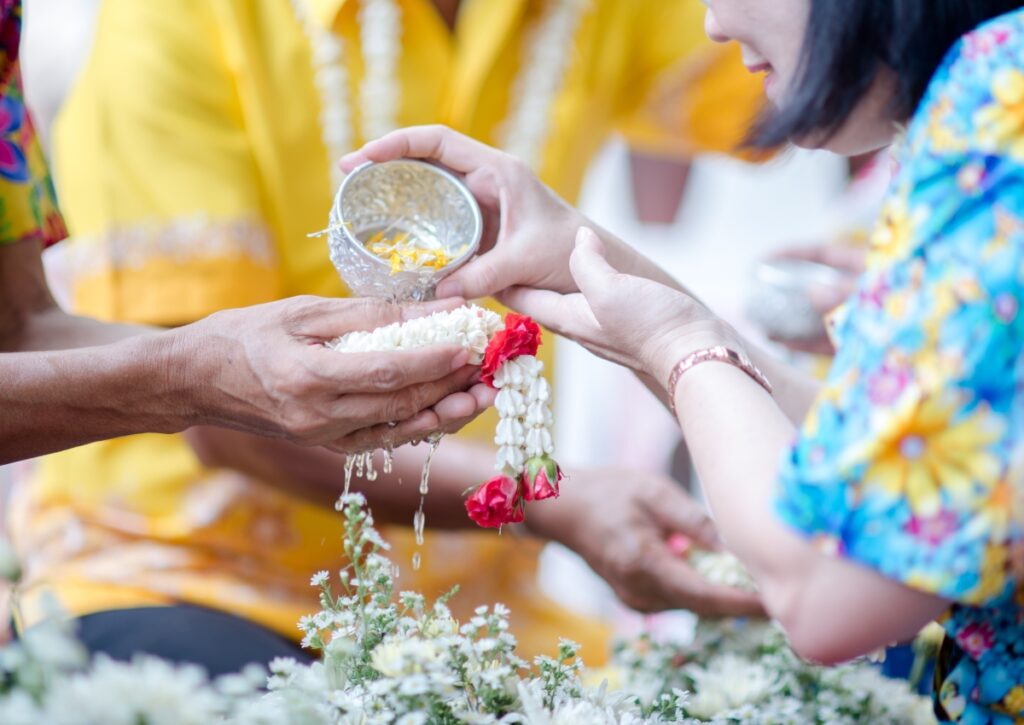
The head is sacred, the feet are dirty. This isn’t metaphorical—it’s a fundamental belief in Thai culture based on Buddhist and Hindu influences.
Rules about heads:
- Never touch someone’s head, even playfully or affectionately
- Don’t pat children on the head (I know, it’s a natural gesture, but resist)
- Keep your head lower than Buddha images and monks when in temples
- Don’t point at anyone with anything above head level
Rules about feet:
- Never point your feet at Buddha images, monks, or other people
- Don’t use your feet to point at objects or close doors
- Remove shoes when entering homes, temples, and some shops
- Don’t step over people if they’re sitting on the floor—walk around them
- Sit properly in temples—tuck your feet behind you or point them to the side
The threshold thing: Remember when I mentioned not stepping on raised thresholds at temples and traditional homes? The spirit guardian resides there. Step over it, not on it.
Other body language tips:
- Public displays of affection are frowned upon (light hand-holding is okay, but save the making out for private)
- Don’t lose your temper publicly—maintaining composure is valued (“keeping face”)
- The wai gesture shows respect—return it when offered by adults
- The left hand is considered unclean—use your right hand for giving, receiving, and eating
Practical situations:
Sitting on the floor at a temple or restaurant? Tuck your legs to the side or behind you. Squeezing past people on public transport? Say “excuse me” (kor tote) and duck your head slightly as you pass. At someone’s home? Remove shoes immediately at the entrance.
These rules might feel strange at first, but they quickly become second nature. Watch what locals do and follow their lead.
14. Not Carrying Enough Cash (The ATM Fee Nightmare)
Here’s a fun surprise: Thailand’s ATM fees are among the highest in the world. We’re talking 220 baht ($6-$7) per withdrawal on top of whatever your home bank charges for international transactions. Make three withdrawals, and you’ve just donated $20+ to ATM fees for the privilege of accessing your own money.
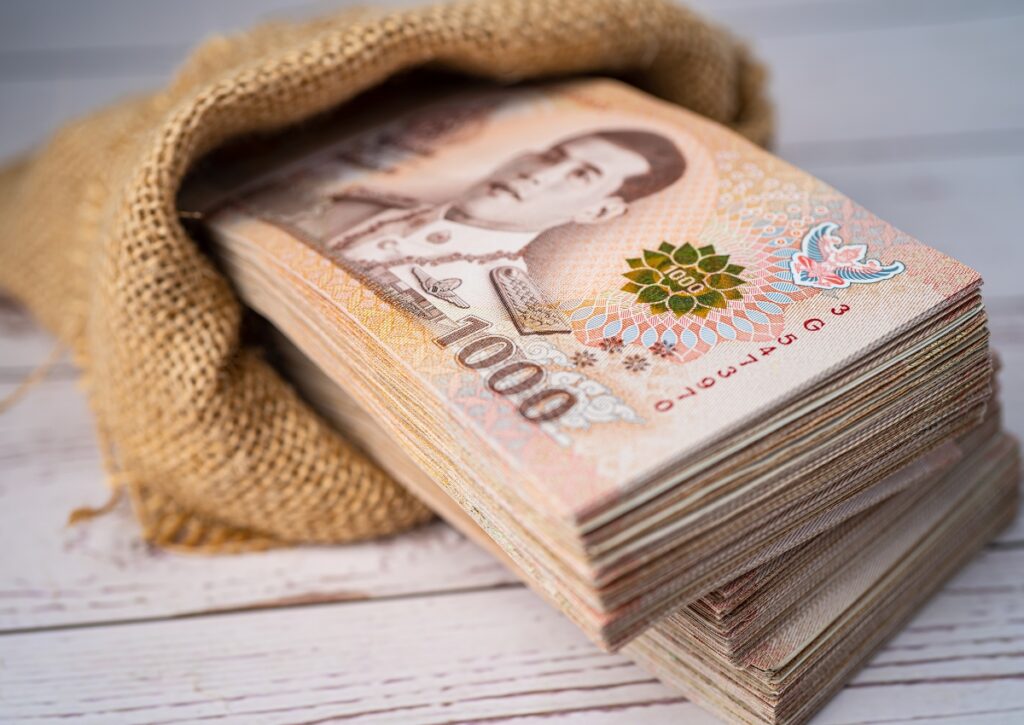
The cash reality in Thailand:
While cities accept cards at malls, hotels, and upscale restaurants, cash is still king for:
- Street food and local restaurants
- Tuk-tuks and songthaews
- Markets and small shops
- Temples and attractions
- Taxis (though Grab allows card payments)
- Guest houses and budget accommodations
- Tips and small purchases
Smart money strategies:
Get a travel-friendly card: Open a Revolut or Wise account before you travel. Both offer:
- No foreign transaction fees
- Real exchange rates (not inflated tourist rates)
- Free ATM withdrawals up to certain limits
- Multi-currency accounts
- Instant spending notifications
- Card freeze features via the app
Revolut is particularly popular among travelers. You can hold Thai baht in your account, convert currency at actual exchange rates, and spend globally without fees. Their premium plans ($9.99/month) offer unlimited fee-free ATM withdrawals worldwide—easily worth it if you’re withdrawing cash frequently.
Wise (formerly TransferWise) offers similar benefits with a focus on money transfers and multi-currency accounts. Their debit card works globally with minimal fees.
ATM withdrawal tips:
- Withdraw large amounts to minimize fee frequency—take out 10,000-20,000 baht at once
- Use bank ATMs inside banks (safer than street ATMs)
- Decline the conversion when ATMs offer to convert to your home currency—this “dynamic currency conversion” has terrible exchange rates
- Cover the keypad when entering your PIN
- Keep receipts to track exchange rates and fees
Currency exchange: Sometimes exchanging physical currency offers better rates than ATMs, especially in Bangkok. SuperRich (orange or green locations) offers excellent exchange rates and charges no commission. They’re at airports and around the city.
Daily cash needs: Budget travelers carrying 1,000-2,000 baht ($28-$56) daily should be fine. Mid-range travelers might want 2,000-4,000 baht ($56-$112).
Safety tip: Split your cash between different locations—don’t keep everything in one wallet or bag. I use a money belt for large amounts and keep daily spending cash in my regular wallet.
Emergency backup: Keep one credit card separate from your wallet for emergencies. Take photos of your cards (both sides) and store them securely in cloud storage or email them to yourself.
15. Not Allocating Enough Time for Islands (The Island Hopping Mistake)
Last but definitely not least: The island-hopping mistake. This ties back to over-planning, but deserves its own section because it’s so common and so avoidable.
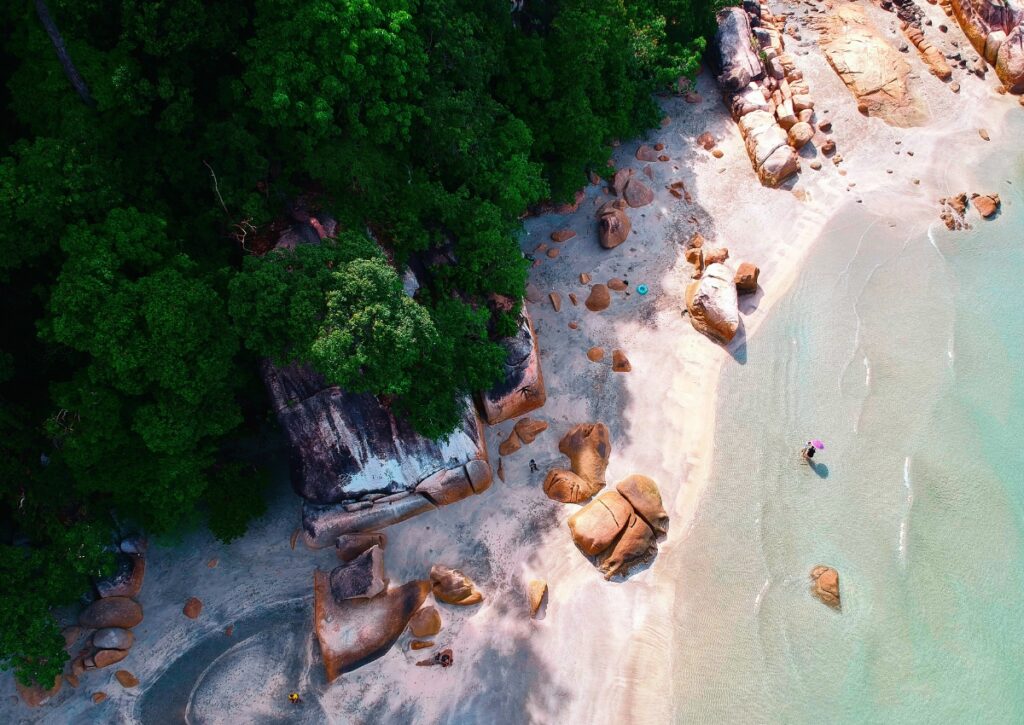
Picture this: You carefully plan to visit Koh Phi Phi, Koh Samui, and Koh Tao—three stunning islands, right? Except here’s what actually happens: You spend half a day getting to the first island. You have one full day there. Then you spend another half day traveling to the next island. Repeat. You’ll see the inside of ferry terminals more than actual beaches.
Island logistics:
Getting between islands isn’t like hopping on a subway. We’re talking:
- Bus or taxi to the pier
- A ferry that runs on specific schedules (and might be cancelled due to weather)
- Potentially multiple ferries if going between coasts
- Transportation from the pier to the accommodation on the new island
- Half to full day consumed per transfer
Example: Phuket to Koh Samui:
- Taxi to ferry pier: 1 hour
- Ferry from Phuket to Koh Samui: 5-6 hours (or more depending on route)
- Transportation to hotel: 30 minutes – 1 hour
- Total: 7-8 hours, essentially your entire day
Better island approach:
Pick ONE island base and do day trips from there. Or choose islands that are genuinely close together (like Koh Tao and Koh Phangan—only 45 minutes apart by ferry).
Gulf Coast island options:
- Koh Samui – Largest, most developed, good infrastructure, family-friendly
- Koh Phangan – Famous for the Full Moon Party, but also has quiet beaches
- Koh Tao – Diving paradise with a relaxed vibe
Andaman Coast island options:
- Phuket – Biggest island, tons of options, touristy but convenient
- Koh Phi Phi – Spectacular scenery, party central, crowded
- Krabi islands – Multiple smaller islands accessible from the Krabi mainland
- Koh Lanta – More laid-back, family-friendly, good for relaxation
My recommendation: Spend a minimum of 3-4 nights per island. This gives you 2-3 full days to actually enjoy the beaches, rent a motorbike (if properly licensed!), explore hidden beaches, take a boat tour, get massages, and soak in that island life without rushing.
Book island accommodations early: Beach bungalows and resorts fill up fast, especially during high season (November-March). Use Booking.com to compare options, read reviews, check exact locations, and secure free cancellation where possible.
Island tours: Instead of island-hopping to stay at multiple islands, book day tours through GetYourGuide. Their “James Bond Island Tour from Phuket” or “4 Islands Tour from Krabi” lets you see highlights without the hassle of moving hotels.
Transportation booking: Reserve ferries and combination bus-ferry tickets through 12Go Asia. They show all options, include travel times, and send e-tickets so you’re not scrambling at piers.
Pack smart for islands: Bring reef-safe sunscreen, mosquito repellent, motion sickness medication (ferries can be rough), a waterproof phone case, and a dry bag for protecting electronics on boat tours.
Island time moves more slowly. Embrace it instead of fighting it.
Your Thailand Budget Breakdown: What Everything Actually Costs
Let’s talk money, because knowing what to expect budget-wise prevents sticker shock and helps you plan appropriately.
Daily budget by travel style:
Budget Backpacker: $30-$50/day
- Accommodation: $5-$15 (hostel dorm)
- Food: $10-$15 (street food, local restaurants)
- Transportation: $5-$8 (local buses, songthaews)
- Activities: $5-$10 (temples, beaches, markets)
- Includes: Minimal drinking, free activities, local transportation
Mid-Range Traveler: $70-$120/day
- Accommodation: $25-$50 (3-star hotel, private room)
- Food: $20-$35 (mix of restaurants and street food)
- Transportation: $10-$20 (Grab, occasional taxis)
- Activities: $15-$30 (tours, attractions, massages)
- Includes: Moderate comfort, some tours, occasional drinks
Comfort/Luxury Traveler: $150-$250+/day
- Accommodation: $80-$200+ (4-5 star hotels, beachfront resorts)
- Food: $40-$80 (restaurants, fine dining)
- Transportation: $30-$60 (private cars, domestic flights)
- Activities: $30-$60+ (premium tours, spa treatments)
- Includes: High comfort, guided experiences, and convenience
Specific costs to expect:
Food:
- Street food meal: $1-$3
- Local restaurant: $3-$8
- Mid-range restaurant: $8-$20
- Beer (large): $2-$3
- Coffee: $2-$4
- Fresh fruit shake: $1-$2
Transportation:
- Taxi (metered): $3-$15 depending on distance
- Grab: Similar to a taxi, plus a small booking fee
- Tuk-tuk: $2-$8 (negotiate beforehand)
- Motorbike taxi: $1-$3
- BTS/MRT (Bangkok): $0.50-$2
- Domestic flight: $30-$150
- Bus (long-distance): $5-$25
Activities:
- Temple entrance: Free-$3
- Thai massage (1 hour): $6-$15
- Cooking class: $20-$50
- Island tour: $15-$60
- Elephant sanctuary: $50-$100
- Diving (2 dives): $60-$100
- National park entrance: $3-$10
Sample 2-week trip costs (mid-range):
- Flights (round-trip): $600-$1,200
- Accommodation (14 nights): $350-$700
- Food (14 days): $280-$490
- Transportation: $140-$280
- Activities: $210-$420
- Total: $1,580-$3,090 per person
Money-saving tips:
- Travel during shoulder season (April-May, September-October) for 30-50% cheaper accommodation
- Book flights 3-6 months in advance through CheapOair
- Eat street food for most meals
- Use Grab instead of negotiating with tuk-tuks
- Book tours through GetYourGuide for guaranteed prices and customer protection
- Stay in less touristy neighborhoods
- Use Revolut or Wise to avoid currency exchange fees
Get rental cars: For exploring at your own pace (assuming you have a proper license and insurance), check GetRentacar, which compares prices from multiple rental companies to find the best deals. Cars start around $20-$30/day for basic models.
Conclusion: Your Thailand Adventure Awaits (Armed With Knowledge!)
Look, Thailand is going to blow your mind regardless. The question is whether it’ll be in a good way (sunset cocktails on a perfect beach) or a preventable way (arguing with a tuk-tuk driver about fake gems).
Armed with knowledge of these 15 critical mistakes to avoid, you’re already miles ahead of most first-time visitors. You won’t be the person getting turned away from temples in a tank top. You won’t be the unfortunate soul negotiating hospital bills without insurance. And you definitely won’t be the traveler missing Thailand’s incredible street food because they were scared to leave their hotel restaurant.
Your Thailand journey checklist:
✅ Get comprehensive travel insurance through VisitorsCoverage
✅ Check monsoon seasons for your specific destinations
✅ Pack appropriate temple clothing (covered shoulders/knees)
✅ Get your International Driving Permit if you plan to ride motorbikes (or just use Grab instead!)
✅ Download Grab, Google Maps, and translation apps
✅ Set up Revolut or Wise for fee-free spending
✅ Get a Yesim eSIM for instant data upon landing
✅ Learn basic Thai phrases
✅ Research ethical animal sanctuaries on GetYourGuide
✅ Book accommodation on Booking.com with free cancellation
✅ Plan airport transfers with Welcome Pickups
✅ Bring reef-safe sunscreen, reusable water bottle, and respect for local culture
Thailand isn’t just a destination—it’s an experience that changes people. The warmth of Thai hospitality, the explosion of flavors in every meal, the quiet spirituality of ancient temples, the absolute perfection of limestone karsts rising from emerald waters—these moments will stay with you forever.
But to truly absorb Thailand’s magic, you need to slow down, show respect, stay safe, and be present. Don’t rush. Don’t stress. Don’t view it through a camera lens you’re holding at arm’s length for the perfect Instagram shot. Actually be there.
Talk to locals. Get lost in neighborhood streets. Say yes to that random invitation. Try the weird-looking fruit at the market. Sit at a street food stall and just observe Thai life flowing around you. These unplanned moments, the ones you can’t schedule or screenshot, are what you’ll remember most.
Now it’s your turn! Have you been to Thailand? Made any spectacular mistakes that make for great stories now? Planning your first trip and freaking out slightly? Write me an email at contact@atinytraveler.com—I read every single one and love hearing your experiences and questions.
And if you found this guide helpful (which hopefully saved you from at least a few facepalm moments), do me a massive favor:
🔔 Subscribe to A Tiny Traveler for more brutally honest, deeply researched travel guides that tell you what you actually need to know
Follow me on social media:
- Follow me on Instagram (a.tinytraveler): For daily doses of wanderlust, stunning travel photography, behind-the-scenes glimpses of my trips, and quick tips that will inspire your next getaway. See the world through my eyes!
- Like my Facebook Page (A Tiny Traveler): Join our vibrant community of fellow travel lovers! This is a great place to ask questions, share your own travel experiences, and connect with me and other readers.
- Follow me on Pinterest (A Tiny Traveler): My Pinterest is your ultimate travel vision board! It’s where I share stunning photography, quick visual guides, and, most importantly, links to all my in-depth blog posts.
Your dream Thailand adventure is waiting. Go forth armed with knowledge, an open heart, respect for the culture, and a willingness to embrace the unexpected. This is going to be incredible.
Sawasdee krap,
Frank
Founder, A Tiny Traveler
Professional Wanderer | Street Food Enthusiast | Temple Dress Code Enforcer
P.S. – Seriously, get that travel insurance. Future you will thank present you, I promise.