

Listen, I get it. You’ve scrolled through endless Instagram feeds of emerald fjords, cascading waterfalls frozen mid-air, and the magical dance of the Northern Lights across midnight skies. Norway calls to you like a siren song—and for good reason. This Nordic wonderland is genuinely one of the most breathtaking destinations on Earth. But here’s the truth nobody talks about: Norway is ruthlessly expensive, wildly unpredictable, and absolutely unforgiving of poor planning. I’ve been guiding travelers through Scandinavia for years, and I’ve heard the same stories over and over again: couples who spent $8,000 on a week-long trip and regret it; families who drove past entire mountain ranges without realizing they were there because they were too stressed about driving times; solo travelers who booked themselves into a Tromsø hotel in July thinking they could spontaneously catch the Northern Lights.
The difference between a magical Norwegian adventure and a wallet-draining, stress-filled disaster? Knowledge. That’s it. It’s not luck. It’s not having unlimited funds. It’s understanding what actually works in Norway and what’s going to sabotage your trip. After consulting with countless travelers, studying weather patterns across seasons, and learning from both magnificent successes and spectacular fails, I’ve identified the ten most critical mistakes that tourists make—and, more importantly, how to avoid them entirely.
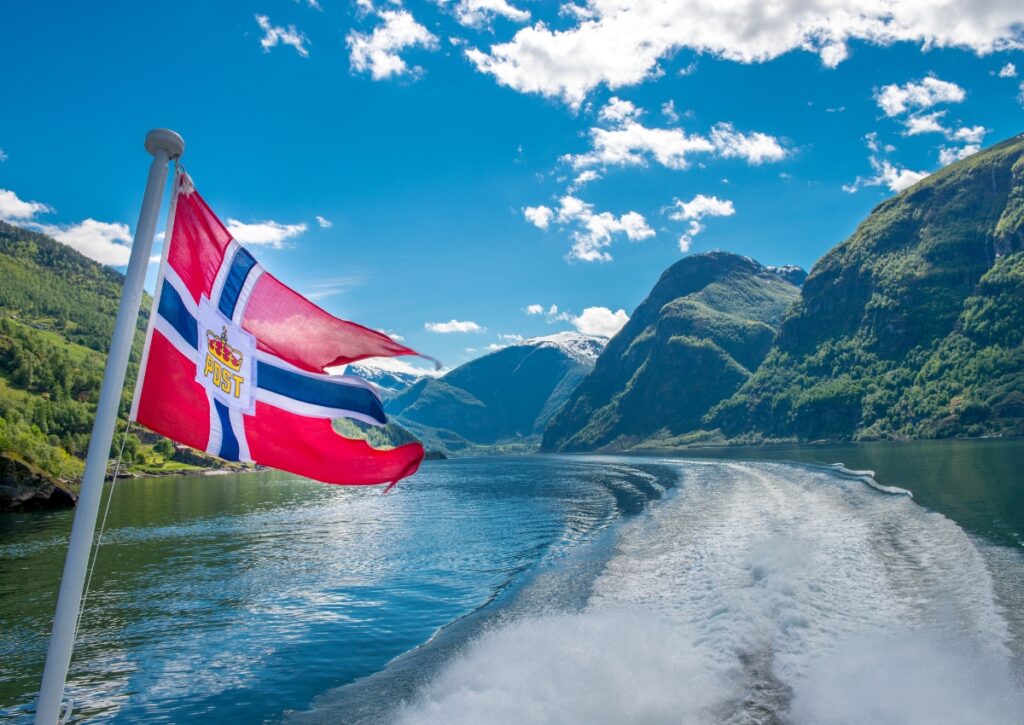
You’re about to read something that will actually save you money, prevent frustrating situations, and set you up for the kind of trip you’ve been dreaming about. This isn’t just generic advice you’ll find on every travel blog. This is based on real traveler experiences, current 2025 pricing, practical sustainability principles, and the actual logistics of navigating one of Europe’s most beautiful but temperamental destinations. Whether you’re planning a summer road trip through the fjords, a winter Northern Lights expedition, or a cultural exploration of Oslo and Bergen, this guide will help you avoid the pitfalls that derail most travelers.
Norway isn’t a destination you wing. But with the right preparation? It’s absolutely magical.
The 10 Biggest Mistakes Travelers Make in Norway (And How to Fix Them)
Mistake #1: Catastrophically Underestimating Distances and Travel Times
This is the #1 mistake I hear about. Seriously. It ruins itineraries, creates impossible schedules, and leaves travelers frantically driving at unsafe speeds to make connections. Here’s what happens: You look at Google Maps and see that Bergen is only 450 kilometers from Oslo. Sounds doable in a day, right? Wrong. That’s about 8 hours of driving on relatively straight, modern roads. But add in ferry crossings, winding mountain passes, scenic detours, weather delays, and a single accident on the E6, and you’re looking at 10-12 hours easily.
Norway isn’t like driving through Germany or France. Roads are windy, often single-lane in rural areas, and speed limits are strictly enforced. The average highway speed is 80 km/h, while small rural roads drop to 50 km/h or less. When you factor in that many routes require ferry crossings—some taking 1-2 hours depending on waiting times and seasonal schedules—distances that look manageable suddenly become nightmares.
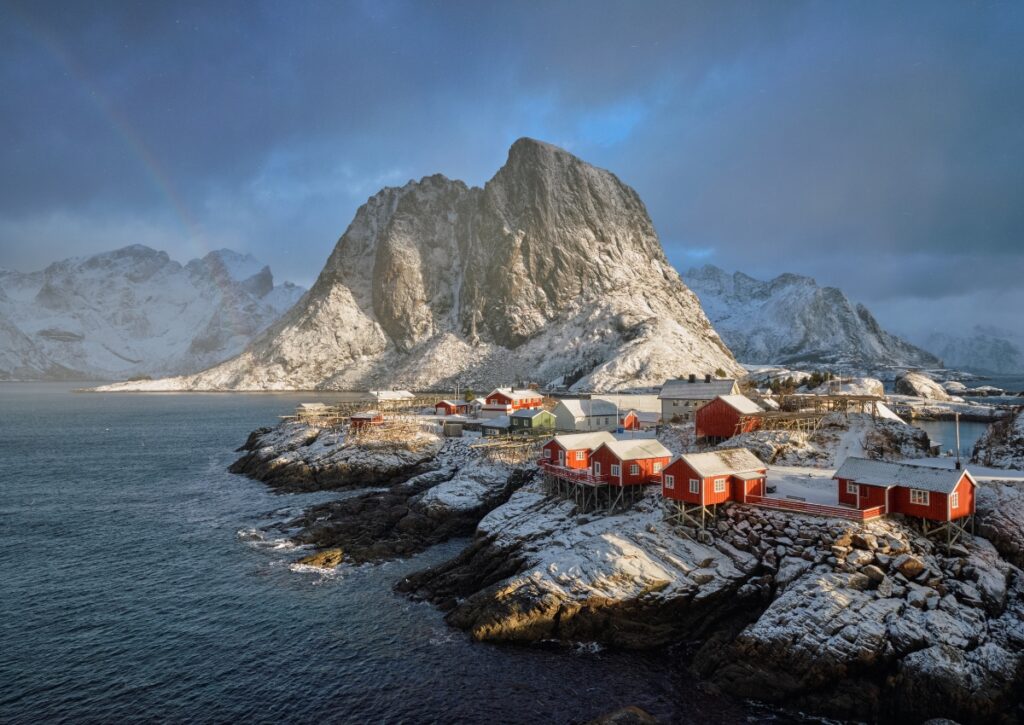
The real kicker? Google Maps and similar apps frequently underestimate driving times in Norway. A route that shows 6 hours might actually take 8 or 9 hours in reality. And if you’re driving from Tromsø to the Lofoten Islands (a 4-5 hour journey on paper), you’re looking at 6-7 hours minimum with breaks and realistic driving speeds.
How to fix it: Always add 25-50% extra time to whatever Google Maps suggests. When planning multi-city itineraries, visit websites like Yr.no (Norway’s official weather and travel info site) or use online ferry schedule checkers to understand transit times. A realistic day of driving in Norway covers maybe 400-500 kilometers if conditions are perfect. Budget accordingly. If you’re renting a car for a week and trying to hit more than 3-4 destinations, you’re setting yourself up for exhaustion and dangerous driving conditions. Better to spend 3-4 days in each location than to race between them.
Daily Budget Tip: Factor in 1,200-1,800 NOK (approximately $110-165 USD) for a day of driving, including fuel, tolls, and potential ferry costs.
Mistake #2: Booking Accommodations and Tours Way Too Late (Or Not at All)
You know that charming little cabin hotel perched on the edge of a fjord with views that make you weep? It’s already booked. All of them are. This is the harsh reality between mid-June and mid-August, when literally everyone who isn’t working decides to visit Norway simultaneously.
During peak season (July especially), accommodations in popular areas fill up months in advance. I’m talking 3-6 months. We’re not just talking about sold-out hotels in Oslo or Bergen—we’re talking about the tiny family-run guesthouses in villages you’ve never heard of. Because there aren’t many options. Norwegian communities are small, and tourist infrastructure is limited compared to other European countries.
The accommodation crisis gets even more severe if you’re interested in unique experiences: glass igloos in Tromsø for Northern Lights viewing, traditional mountain cabins with kitchen facilities, or the famous Flåm Railway scenic train ride. These sell out first. Train tickets for the Flåm Railway purchased in advance can cost 250-400 NOK (roughly $24-38), but last-minute purchases double or triple the price.
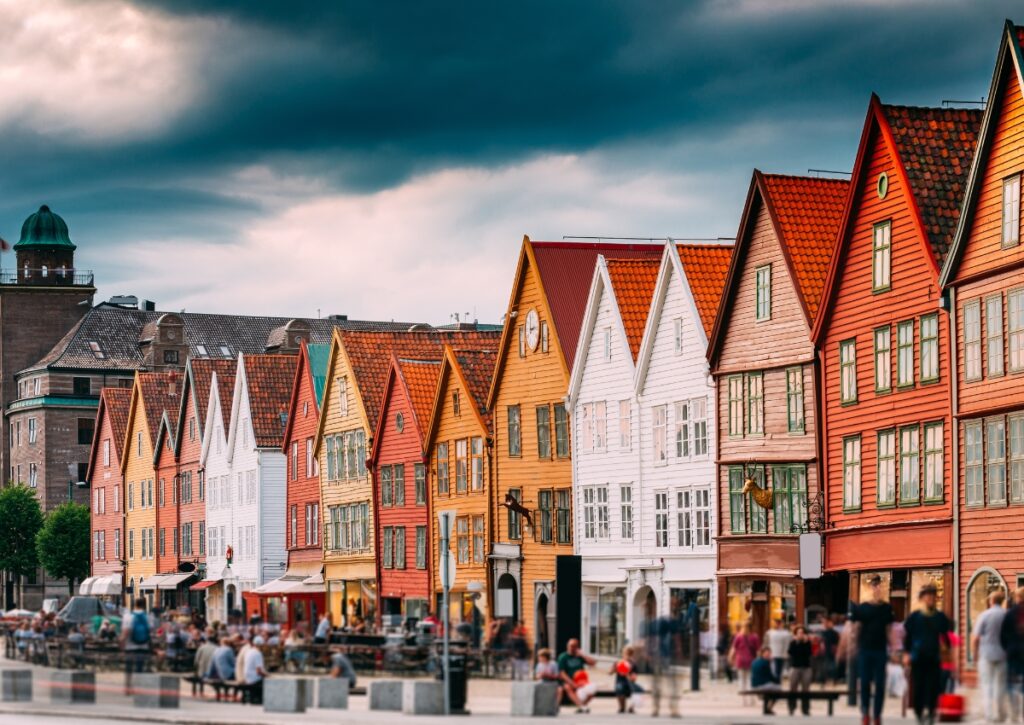
How to fix it: If you’re visiting June-August, book accommodations 3-4 months ahead. Seriously. Use Booking.com (and I’ll tell you more about leveraging this platform below), but also check locally-run sites and Norwegian tourism boards for smaller properties. If you’re traveling in May or September (the shoulder seasons), you can sometimes get away with booking 6-8 weeks ahead, and prices will be significantly lower. For winter travel (December-March), aiming for Northern Lights, book 2-3 months in advance, especially for specialized accommodations in Tromsø, Alta, or Nordkapp.
For tours—whether fjord cruises, Northern Lights expeditions, or adventure activities—similar rules apply. Premium tours with higher success rates (like certain Northern Lights tour operators boasting 85%+ sighting rates) book up 8-12 weeks in advance. Use GetYourGuide to browse available options, but book directly with verified operators when possible to understand cancellation policies and what’s actually included.
Pro Money-Saving Tactic: Book accommodation with kitchens or self-catering options. Cooking some meals yourself can cut your daily food budget in half compared to eating every meal out. A week of self-catering plus 4-5 restaurant dinners costs significantly less than eating out constantly.
Mistake #3: Visiting at the Completely Wrong Time for What You Want to See
So many travelers get this fundamentally wrong. They book a July trip expecting to see the Northern Lights, or they visit in September expecting to hike mountain passes and discover they’re closed by early snow. Timing in Norway isn’t just about preference—it’s about what’s physically possible.
Let’s break this down:
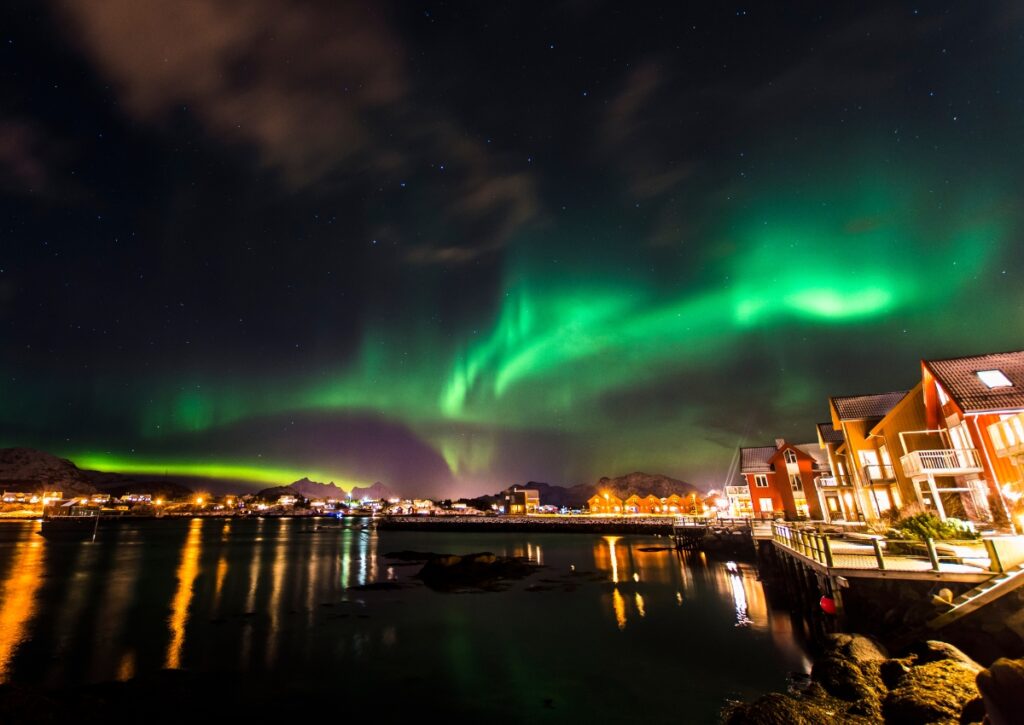
Northern Lights (Aurora Borealis): You need darkness. The best viewing window is September-March, with February-March offering the sweet spot of clearer skies, longer daylight hours for daytime activities, and crisp, snowy landscapes. October and November are excellent too, but the weather can be cloudier. Don’t even bother in summer (June-August); the midnight sun means 24-hour daylight in the far north, and the lights are completely invisible. December-January is dark, yes, but the weather is often grey and rainy in coastal areas, and temperatures are bone-chilling (often -10°C to -20°C).
Fjord Cruises and Mountain Hiking: Summer (June-August) is peak season for these activities. Mountain passes and scenic roads are fully open, the weather is most predictable, and daylight is abundant (the midnight sun is genuinely magical). September is still beautiful with autumn colors beginning to appear, but the weather becomes less reliable. By October, many higher-elevation trails are closed or dangerous. If you’re renting a car for a fjord road trip, June-August is when you have maximum flexibility.
Shoulder Seasons (May and September): Here’s the secret that budget travelers swear by. May has waterfalls running at maximum power due to snow melt, relatively long daylight hours, fewer tourists than in summer, and better prices. September offers autumn colors, thinner crowds after summer peaks, and still-decent weather in most areas (though rain becomes more frequent).
Winter Activities (December-March): Skiing, dog sledding, snowshoeing, and other winter activities peak December-February. February-March is actually ideal because daylight is improving while winter conditions are still strong.
How to fix it: Align your trip dates with what you actually want to do. Researching weather patterns from the previous year helps. Check sites like Yr.no for historical weather data. If your heart is set on Northern Lights, commit to September-March. If it’s fjord cruises and hiking, aim for May-September. And if you absolutely must visit during peak summer (July), accept that you’ll pay premium prices, face crowds, and deal with limited availability—but you’ll have incredible weather and long daylight hours for exploration.
Budget Consideration: July costs 30-50% more than shoulder seasons for accommodations and tours. A hotel room that costs 1,500 NOK in May might cost 2,200+ NOK in July. Budget accordingly.
Mistake #4: Drastically Under-Budgeting for Food, Fuel, and Unexpected Costs
Here’s a number that shocks most travelers: A casual restaurant meal in Oslo or Bergen costs 350-500 NOK ($33-48) per person for something basic. A bottle of water from a convenience store? 30-50 NOK. Coffee at a café? 70-90 NOK. This isn’t a warning—it’s just Norway. But too many travelers arrive expecting Scandinavian prices based on wishful thinking and end up hemorrhaging money within days.
The two biggest budget-killers aren’t always obvious:
Fuel: If you’re renting a car, petrol is eye-watering. Prices fluctuate around 14-17 NOK per liter (roughly $1.35-1.65 per liter, or $5.10-6.25 per gallon). A week of driving covering 2,000 kilometers in a mid-range car could easily cost 2,500-3,500 NOK just in fuel. Many travelers also forget they’re adding 25-50% more distance due to winding roads, detours, and ferry diversions.
Tolls and Ferries: Norway has numerous toll roads, bridges, and tunnels. A single crossing might cost 50-200 NOK. Ferry crossings vary wildly—a short ferry between islands might be 100-150 NOK per vehicle, while longer routes (like scenic fjord crossings) can be 300-600 NOK per vehicle. If you’re doing a west coast road trip with multiple ferries, this easily adds 1,000-2,000+ NOK to your budget.
Secondary Costs: Parking in city centers costs 100-250 NOK per hour or 500-1,500 NOK per day. Entrance fees to attractions range from 150-400 NOK. Northern Lights tours cost 1,200-2,500 NOK per person. Ski lift passes are 600-1,200 NOK per day.

How to fix it: Budget realistically. A moderate daily budget should be:
- Accommodation: 800-1,200 NOK ($76-114) per night for budget-mid-range
- Food: 500-800 NOK ($47-76) if cooking some meals; 800-1,200 NOK ($76-114) if eating out most meals
- Transportation: 300-600 NOK ($28-57) per day, depending on method
- Activities/Attractions: 400-800 NOK ($38-76) per day
Total realistic daily budget per person: 2,000-3,500 NOK ($190-330), depending on your preferences. A week for two people reasonably costs $2,600-4,600.
Money-Saving Hacks:
- Eat lunch as your main meal (some restaurants offer “dagens rett”—“dish of the day” specials that are 100+ NOK cheaper than dinner prices)
- Buy snacks and breakfast items from supermarkets, not convenience stores
- Cook dinner in your accommodation when possible
- Use public transportation in cities instead of taxis/Uber (a single bus ticket in Oslo is 35 NOK; a day pass is 130 NOK)
For a practical payment solution, use Wise (formerly TransferWise) for the best exchange rates when converting your home currency to Norwegian Krone, and use Revolut as a backup card with no foreign transaction fees.
Mistake #5: Packing Inappropriately (Even in Summer!)
Here’s what I see constantly: Travelers arriving in July expecting summer heat and packing only t-shirts, then freezing on a boat cruise through a fjord at 10°C. Or visitors in “winter” packing a single jacket, only to face -15°C temperatures and wind speeds that make them feel like -25°C.
Norwegian weather is not intuitive. Even in summer, temperatures drop dramatically once you’re near water, at elevation, or after sunset. A beautiful 20°C day in Oslo becomes a 5°C reality on the Sognefjord. Mountain hikes that start pleasantly become Arctic experiences within an hour of gaining elevation.
Summer Packing Mistake: Travelers pack light summer clothes and assume that’s enough. Reality check: You need layers. Always. A waterproof jacket is non-negotiable, even in July. Wool or synthetic layers are essential. Hiking boots are mandatory (not optional sneakers). I’ve witnessed countless tourists on hiking trails wearing canvas shoes, soaking wet, and genuinely miserable—or worse, injured from slipping on wet rocks.

Winter Packing Mistake: Even experienced winter travelers underestimate the Norwegian cold. Standing still to observe the Northern Lights for 2-3 hours at -20°C is genuinely dangerous if you’re not dressed properly. Most people who abandon Northern Lights hunts within 15 minutes do so because they’re not dressed warmly enough, not because they’re impatient.
The Complete Packing List You Actually Need:
For hiking or outdoor activities:
- Waterproof hiking boots (broken in before your trip—new boots = blisters)
- Wool socks (multiple pairs)
- Base layers (wool or synthetic, NOT cotton)
- Fleece or wool mid-layer
- Waterproof jacket AND waterproof pants (yes, both)
- Hat or beanie (even in summer for mountain tops)
- Gloves (wool or fleece-lined)
- Thermal underwear (if visiting September-May)
- Waterproof bag for electronics
- Sunscreen and sunglasses (UV reflection off snow and water is intense)
For general travel:
- Comfortable walking shoes (in addition to hiking boots)
- Casual jacket that’s water-resistant
- Regular clothes for city exploration
- Reusable water bottle (tap water is exceptional and free—this saves hundreds of NOK)
- Power bank (hiking and navigation drains battery quickly)
- Portable chargers for electronics
How to fix it: Check the specific microclimate of where you’re going. Tromsø in winter is dramatically different from Lillehammer in winter. Use resources like Yr.no to check historical weather patterns. Plan your clothing in layers, not by season. And for heaven’s sake, invest in a quality waterproof jacket—it’s one of the few things where paying extra genuinely matters.
Mistake #6: Booking Train Tickets at the Station Instead of in Advance
Here’s a shocking comparison: A Bergen to Oslo train ticket purchased 8-12 weeks in advance costs around 350-500 NOK. The same ticket was bought at the station the day before? 1,200-1,800 NOK. That’s 3-4 times the price. And the train itself isn’t any different. You’re literally paying premium prices for last-minute convenience.
Norwegian train company Vy.no releases tickets in batches, with the cheapest fares going months in advance. The Flåm Railway—one of the world’s most scenic train journeys—has the same system: book early and pay reasonable prices; book late and pay double or more.
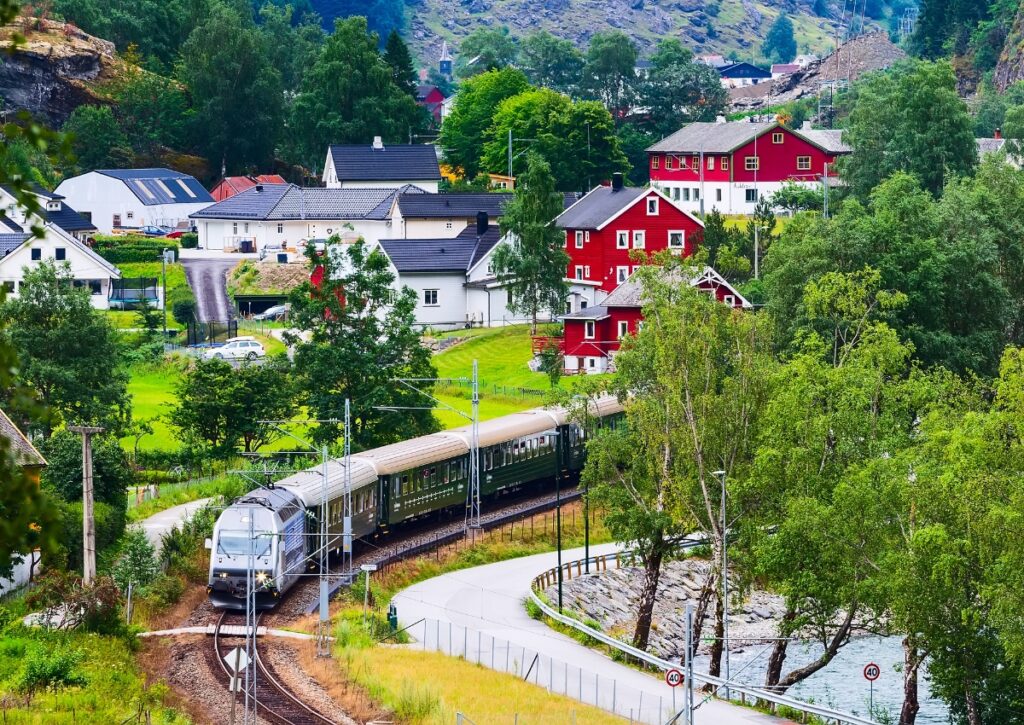
How to fix it: Book train tickets 8-12 weeks in advance when possible, especially for the scenic routes (Bergen–Oslo, Bergen–Tromsø, the Flåm Railway). You can book on Vy.no or through rail pass providers. For regional trains, 4-8 weeks in advance often yields good prices. If you’re not sure about exact dates when booking, buy flexible tickets or use a rail pass like the Norway Rail Pass or Scandinavia Pass if you’re visiting multiple countries.
Pro Tip: Travel mid-week (Tuesday-Thursday) is often cheaper than weekend travel. Early morning trains are sometimes cheaper than mid-day or evening departures.
Mistake #7: Relying on Cash and Not Preparing for Norway’s Cashless Society
Norway isn’t just moving toward a cashless society—it’s already there. I’m not exaggerating. Many shops, restaurants, and even some public restrooms accept only card payments. Public restrooms in Tromsø require card tap payments (usually 10-20 NOK). Some stores have eliminated cash registers entirely.
Cash Situation: While businesses are technically required to accept cash, many don’t. ATMs are scarce in rural areas. If you arrive with USD or EUR and plan to exchange them, you’ll pay steep exchange rates at airport kiosks or hotels.
How to fix it: Bring a major credit card and inform your bank that you’re traveling to Norway before you go. Visa and MasterCard are accepted everywhere; American Express and Diners Club sometimes aren’t.
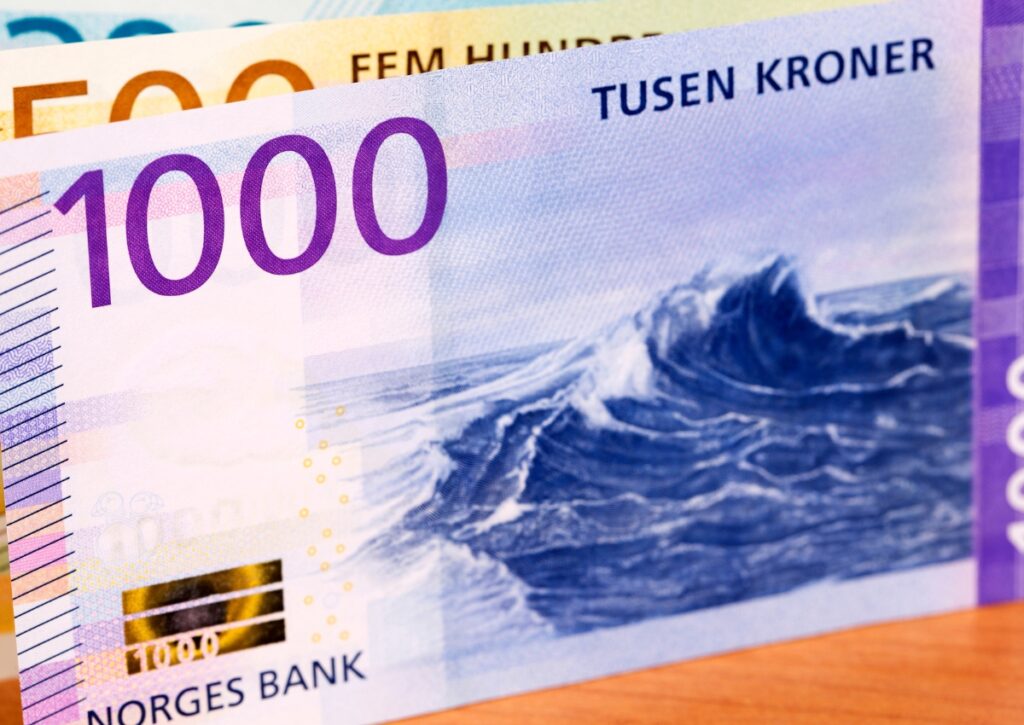
Better yet, use Revolut or Wise, which offer real exchange rates with zero or minimal fees. These are game-changers for international travel. You can instantly exchange money on the app and use the card just like any other payment method. No foreign transaction fees, no surprise conversions.
Additionally, set up contactless/tap payments on your phone (Apple Pay, Google Pay, etc.). Most Norwegian card machines support this, and it’s often faster than inserting a card.
Budget-Specific Tip: Carry maybe 200-500 NOK in cash for emergencies only. Don’t plan to rely on it for daily transactions. This protects you if your card is declined or compromised while traveling—you have a small cash buffer.
Mistake #8: Forgetting Ferry Costs and Not Planning Ferry Routes Efficiently
Okay, this is specific to road tripping, but it’s so important. Ferry costs add up insanely fast if you’re not strategic. A single ferry crossing might be 150-300 NOK for a car plus passengers. A week-long fjord road trip might involve 5-8 ferry crossings, easily adding 1,500-2,500 NOK to your budget.
The real mistake: Not planning routes efficiently. Many travelers end up on ferries they didn’t expect or could have avoided with better planning. Some get hit with toll fees on ferries (using the AutoPASS system) and don’t realize they have to pay separately. Others book the wrong ferry companies and miss connections.
Ferry Hack: Use the AutoPASS system if you’re renting a car for more than a day or two. Getting an AutoPASS Ferje card (which costs 50 NOK to set up) gives you a 50% discount on many ferry crossings if you maintain a prepaid balance. The discount is massive—we’re talking savings of 500+ NOK on a week-long road trip.
How to fix it: Research ferry companies and routes on Fjord1, GoFerry, and Norled (the main operators). Plan your car route to minimize ferry usage if budget is a concern, or plan strategic ferry routes if scenery is the priority (sometimes paying for ferries is worth it for the journey itself). Use AutoPASS if doing multiple ferries. And check that your car rental company includes ferry reservations, or if you need to book separately.
Budget Impact: Factor 500-1,500 NOK for ferries on a week-long road trip through coastal regions.
Mistake #9: Not Having Realistic Expectations for Northern Lights and Arriving Without Proper Preparation
This mistake breaks my heart because I see so much wasted money and disappointed travelers. People book a 3-day trip to Tromsø in January expecting guaranteed Northern Lights, then get cloudy skies for three nights and go home heartbroken. Or they fly to see the lights but stay in the city center, where light pollution makes them invisible, even if they appear.
The harsh truth: Northern Lights are never guaranteed. Ever. They depend on:
- Solar activity (which is unpredictable)
- Clear skies (which are rare in winter)
- Darkness (September-March only)
- Your geographic location (north of 66°N is ideal; Oslo and Bergen are too far south)
- Time spent watching (October-March, they can appear anytime, 6 PM-6 AM)
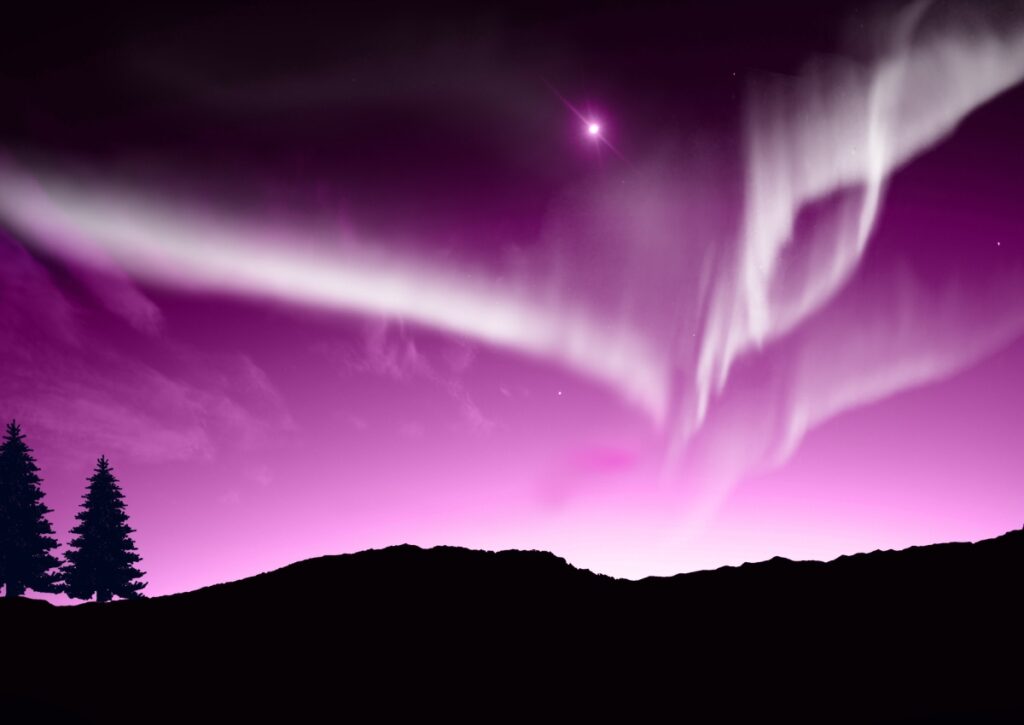
Even in Tromsø, a world-class Northern Lights destination, a week of searching might yield only 2-3 nights of visible activity, and you need to be outside for hours, often in brutal cold.
How to fix it: Adjust your expectations. First, understand that Northern Lights are a bonus, not a guarantee. Second, spend at least 5-7 days in the Arctic (September-March) to maximize chances. Third, book a dedicated Northern Lights tour with an operator boasting high success rates (some claim 85-88% sighting rates for week-long trips). These tours take you away from light pollution and actively hunt for optimal viewing conditions.
Companies often provide appropriate clothing for extended outdoor hours. You won’t see the lights while sitting in a cozy café—you’ll see them standing in the cold, dressed warmly, from a location far from city lights.
Fourth, don’t rely on apps for Northern Lights alerts. Yes, apps like Aurora Forecast exist, but they’re not accurate predictors. Instead, get outside, embrace the cold, and enjoy the Arctic landscape regardless of the lights appearing. When (if) the Aurora does show, it’ll be magical. But your trip shouldn’t hinge on it.
Budget Reality: Northern Lights tours cost 1,200-2,500 NOK per person. Quality operators justify the cost. Booking directly with established operators often costs less than going through tourist agencies.
Pro Tip: Visit in March or September when conditions combine better weather, longer darkness, and more stable solar activity. February-March offers the best balance of weather stability and clear skies.
Mistake #10: Cramming Too Much into Too Little Time (The “See Everything in 7 Days” Trap)
I see this constantly: “We have 7 days and want to visit Oslo, Bergen, the fjords, Lofoten Islands, and catch Northern Lights.”
That’s not a 7-day itinerary. That’s a 2-3 week itinerary if done properly. When you try to compress it, you end up:
- Spending more time driving than exploring
- Exhausted and miserable instead of enjoying the scenery
- Missing hidden gems because you’re rushing between major checkpoints
- Overspending on transportation, trying to make connections
- Arriving at attractions, too tired to appreciate them
The Numbers: Let’s say you have 7 days starting in Oslo. Here’s how quickly your schedule evaporates:
- Day 1: Arrive, settle in, explore Oslo briefly
- Day 2: Full day in Oslo
- Day 3: 7-hour train to Bergen; evening exploration
- Day 4: Bergen and potentially a day trip to a nearby fjord
- Day 5-7: Beginning of fjord exploration or a domestic flight north
See how quickly 7 days fill up with travel rather than actual exploration? And that’s assuming everything runs on time and you don’t encounter delays.
How to fix it: Be realistic about what you can actually accomplish. A general rule: plan 3-4 days per region. A proper 7-day trip might look like:
- Days 1-3: Oslo and vicinity or Bergen and vicinity
- Days 4-7: Fjord region (one or two fjords, not all of them)
Or:
- Day 1: Arrive in Oslo
- Days 2-4: Fly to Tromsø, do Northern Lights tours, and Arctic exploration
- Days 5-6: Return to Oslo, explore the city
- Day 7: Depart
Or:
- Days 1-2: Oslo
- Days 3-5: Train to Bergen, explore fjords via day trips
- Days 6-7: Return and relax
Pro Tip: Don’t feel pressure to “see everything” in Norway. Many travelers return multiple times because the country is so vast and varied. Picking 1-2 regions and exploring them thoroughly creates better memories and photos than racing through 5+ destinations.
Budget Bonus: Cramming destinations = more transportation costs, more accommodation location changes, more rushed meals. Staying put longer = cheaper daily transportation, better food deals, and higher value from activities.
Essential Daily Budget Breakdown for Norway (2025)
Understanding realistic daily costs is critical for planning. Here’s what you actually need to budget for:
Accommodation Costs (Per Night)
- Hostel Dorm: 300-500 NOK ($28-47)
- Budget Hotel/Airbnb Private Room: 600-1,000 NOK ($57-95)
- Mid-Range Hotel/Airbnb Apartment: 1,200-1,800 NOK ($114-171)
- Cabin with Kitchen: 800-1,400 NOK ($76-133)
Food Costs (Daily Per Person)
- Budget (mostly self-catering): 400-600 NOK ($38-57)
- Moderate (mix of restaurants and cooking): 700-1,000 NOK ($67-95)
- Eating Out Frequently: 1,200-1,600 NOK ($114-152)
Transportation Costs (Daily)
- City Public Transport: 35-130 NOK ($3-12) for single tickets or day passes
- Intercity Buses: 300-1,000 NOK ($28-95) depending on distance
- Train Tickets: 400-1,200 NOK ($38-114) depending on advance booking and distance
- Car Rental: 700-1,200 NOK ($67-114) per day; add 1,500-2,500 NOK for fuel for a full day of driving
Activities & Attractions (Per Activity)
- Museum Entry: 150-300 NOK ($14-28)
- Fjord Cruise: 600-1,200 NOK ($57-114)
- Northern Lights Tour: 1,200-2,500 NOK ($114-238)
- Hiking (mostly free): 0-200 NOK ($0-19) for parking or entry fees
- Ski Lift Pass (per day): 600-1,200 NOK ($57-114)
Realistic 7-Day Budgets Per Person:
Budget Traveler (Self-catering, public transport, free activities):
- Accommodation (7 nights @ 500 NOK): 3,500 NOK
- Food (@ 500 NOK daily): 3,500 NOK
- Transport: 1,500 NOK
- Activities: 1,000 NOK
- Total: ~9,500 NOK ($905) per person
Moderate Traveler (Mix of dining, public transport, some tours):
- Accommodation (7 nights @ 1,200 NOK): 8,400 NOK
- Food (@ 850 NOK daily): 5,950 NOK
- Transport: 2,500 NOK
- Activities (2-3 tours): 3,000 NOK
- Total: ~19,850 NOK ($1,890) per person
Comfortable Traveler (Hotel accommodation, dining out frequently, multiple activities):
- Accommodation (7 nights @ 1,600 NOK): 11,200 NOK
- Food (@ 1,300 NOK daily): 9,100 NOK
- Transport: 3,500 NOK
- Activities (3-4 premium tours): 5,000 NOK
- Total: ~28,800 NOK ($2,743) per person
Sustainable Tourism Tips: Experiencing Norway Responsibly
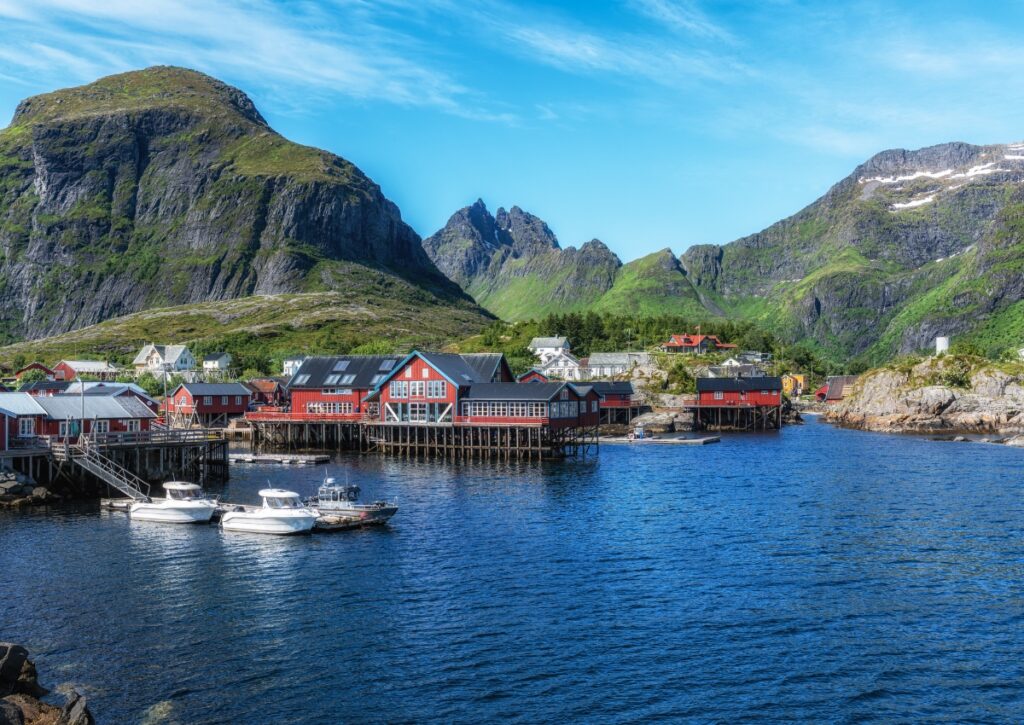
Norway’s natural beauty is its greatest asset, and responsible tourism ensures it’s preserved for future generations. Here’s how to travel sustainably:
Eco-Friendly Transportation
Instead of renting a fuel-guzzling car, use Norway’s excellent public transportation system. Trains are phenomenally scenic and far more sustainable than driving. The Bergen–Oslo train is one of the world’s most beautiful train journeys and is totally carbon-efficient. For road travel, consider renting an electric vehicle—major rental companies now offer these at reasonable rates, eliminating fuel costs and emissions entirely.
Fjord cruise companies like Fjord Tours now operate electric boats on many routes, providing silent, emission-free exploration. Skip single-use vehicles and use public transport when possible.
Accommodation Choices
Stay at eco-certified hotels and guesthouses that prioritize sustainability. Look for properties with renewable energy systems, water conservation practices, and local sourcing of goods. Many Norwegian accommodations actively pursue environmental certifications.
Airbnb apartments and cabins with kitchens enable self-catering, which reduces food packaging waste and restaurant overhead. Use Booking.com to filter for sustainable property options.
Respectful Outdoor Activity
Norway’s wilderness is protected under “Allemansrätten” (universal access rights), which allows you to hike, camp, and enjoy nature—but comes with responsibility. Stay on marked trails to protect delicate ecosystems. Don’t pick rare plants or flowers. Pack out all trash, including small items like used gum wrappers.
Participate in Leave No Trace principles: hike quietly, camp responsibly (wild camping is legal but requires respect for the landscape), and avoid disturbing wildlife. When booking activity tours, choose operators committed to wildlife conservation and sustainable practices.
Food Choices
Support local Norwegian food producers by eating at farm-to-table restaurants and purchasing food from local markets rather than supermarket chains. Traditional Norwegian cuisine emphasizes local, seasonal ingredients and sustainability. This also supports local communities economically.
Carry a reusable water bottle and fill from Norway’s pristine tap water—it’s some of the world’s best, and avoiding bottled water saves thousands of NOK and eliminates plastic waste entirely.
Responsible Tourism Activities
Choose tours and activities vetted for sustainability credentials. Fjord Tours, for example, partners with certified local providers and directs profits back into environmental conservation. Kayaking, hiking, and wildlife watching are intrinsically low-impact activities if done with respect for nature.
When visiting the Lofoten Islands or other sensitive ecosystems, use established tour operators familiar with environmental regulations and best practices.
Booking Resources to Maximize Your Trip
To help streamline your planning and potentially save money, I’ve partnered with several travel platforms I genuinely use and recommend:
Accommodation & Experiences
Booking.com is my go-to for Norwegian accommodations. They have the broadest selection of properties, transparent reviews, and flexible cancellation policies. Many Norwegian cabins, guest houses, and unique properties are listed exclusively on Booking.com. Use it to filter properties with kitchens, sustainable certifications, and guest reviews mentioning specific features you want. Their cancellation flexibility is crucial given Norwegian weather unpredictability.
GetYourGuide is invaluable for booking tours, activities, and attractions with detailed descriptions and genuine traveler reviews. Their Northern Lights tours in Tromsø and Alta often offer better value than booking directly, and they handle cancellations professionally. Activities like fjord cruises, hiking excursions, and museum entries can be pre-booked here, ensuring availability during peak season.
Ground Transportation & Transfers
Welcome Pickups offers airport transfer services in Oslo and Bergen at excellent rates. Instead of renting a car just for airport logistics (which costs 800-1,200 NOK for the round-trip), pre-book transfers at 400-600 NOK total and use public transport for city exploration. This saves money and eliminates the stress of navigating unfamiliar roads immediately after a long flight.
GetRentacar aggregates car rental options from major companies, making it easy to compare prices. Use it to find electric vehicle rentals, which often have special rates, and read driver reviews about specific rental companies’ service quality. Given Norway’s complex toll and ferry systems, understanding what each rental company includes (AutoPASS, toll coverage, fuel policies) is crucial—GetRentacar displays these details clearly.
Insurance & Connectivity
VisitorsCoverage provides travel insurance specifically designed for travelers visiting Norway and other Nordic countries. Norwegian healthcare is excellent, but visitors aren’t automatically covered. Their plans include travel delay coverage (crucial given Norwegian winter weather), emergency evacuation for hiking accidents, and lost luggage protection. Premium plans run 40-70 NOK per day—reasonable for comprehensive coverage.
Yesim (formerly Yes) offers European phone plans without expensive roaming charges. Activate a local Norwegian SIM or eSIM plan for 200-400 NOK per week with decent data allowances. This is cheaper than international roaming and enables constant navigation, translation apps, and connectivity that makes navigating unfamiliar terrain far less stressful.
Money Transfers & Currency Exchange
Wise (formerly TransferWise) is non-negotiable for international travel. Transfer money from your home account to a Norwegian NOK account before traveling, or use their debit card to withdraw Norwegian Krone from ATMs at the absolute best exchange rates. Wise charges 0.65-2% depending on the amount—compare this to 3-5% fee airport exchanges charge. For a $1,000 currency exchange, Wise saves $20-35 compared to airport kiosks.
Revolut is my backup card option. Zero foreign transaction fees, competitive exchange rates, and instant multi-currency transfers make it perfect for travel. Use it for tap payments at Norwegian terminals. The premium tier (Revolut Premium, ~$10/month) includes insurance perks worth having.
CheapOair finds international flights to Oslo, Bergen, and other Norwegian airports. While flight prices are determined by supply/demand, CheapOair’s price comparison tool often finds deals that mainstream booking sites miss, especially on connecting flights and off-season dates.
The Complete Itinerary Framework: Structuring Your Trip Right
Based on everything above, here’s how to structure different duration trips:
7-Day Itinerary (Sample)
Theme: Fjords + City Culture
- Days 1-2: Oslo; explore city, museums, waterfront
- Day 3: Morning in Oslo; afternoon train to Bergen (7 hours)
- Days 4-5: Bergen; explore the city, book a fjord day trip
- Days 6-7: Scenic railway or ferry route; return to Bergen, depart
Cost Estimate: $1,900-2,400 per person (moderate budget)
10-Day Itinerary (Sample)
Theme: Northern Norway + Lights Hunting
- Days 1-2: Oslo; overnight flight or short exploration
- Days 3-8: Tromsø; Northern Lights tours, Arctic activities, daily exploration
- Days 9-10: Return to Oslo, explore the city before departure
Cost Estimate: $2,400-3,200 per person (moderate budget)
14-Day Itinerary (Sample)
Theme: Complete Norwegian Experience
- Days 1-2: Oslo
- Days 3-5: Bergen + fjord exploration
- Days 6-8: Southern coast of the Lofoten Islands
- Days 9-11: Tromsø (if winter) or continue exploring fjords (if summer)
- Days 12-14: Return to Oslo, final exploration, departure
Cost Estimate: $3,200-4,200 per person (moderate budget)
Final Sustainability Practices: Making Your Trip Eco-Conscious
Beyond specific eco-activities, integrate sustainability into every choice:
1. Minimize Plastic: Bring reusable shopping bags, water bottles, and containers. Norway’s recycling infrastructure is excellent—use it. Avoid single-use items.
2. Support Local: Eat at locally-owned restaurants, buy souvenirs from local artisans, stay at family-run accommodations. Tourism spending benefits local economies when directed intentionally.
3. Respect Wilderness: The Norwegian landscape is protected. Follow all trail markers, camp only where permitted, and don’t disturb wildlife. “Take only photos, leave only footprints” is your motto.
4. Use Energy Consciously: In hotels, turn off heating/AC when leaving rooms, take shorter showers (Norwegian water is heated), and use provided amenities rather than requesting excessive towel replacements.
5. Educate Yourself: Learn about Norwegian conservation efforts, read about environmental challenges facing specific regions, and engage respectfully with local environmental perspectives. Understanding context deepens appreciation.
Conclusion: Your Norwegian Adventure Awaits—But Do It Right
Norway is genuinely magical. The Northern Lights dancing across Arctic skies, the drama of Preikestolen towering above the fjord, the serenity of a remote mountain hike—these experiences rewire your soul. But they only happen if you prepare properly.
You now have the information to avoid the mistakes that derail most travelers. You understand realistic costs, optimal timing, packing requirements, and planning frameworks. You know how to book smart, travel sustainably, and structure an itinerary that feels magical rather than exhausting.
Here’s my challenge to you: Don’t wing this trip. Use this guide. Reference it as you plan. Book accommodations in advance. Check weather patterns. Test your hiking boots. Understand ferry schedules. Calculate realistic travel times. Pack layers. Bring a reusable water bottle. Budget honestly. And then—only then—venture north.
Your Norwegian adventure will be everything you’ve imagined and more. Trust the process. Prepare thoroughly. Travel responsibly. And when you’re standing on a mountain overlooking impossible fjord scenery, watching the Northern Lights dance overhead, or sipping coffee in a cozy Bergen café, you’ll realize that the planning wasn’t a burden. It was the foundation that made the magic possible.
The journey starts now. Make it unforgettable.
Follow A Tiny Traveler for More Nordic Adventures
Follow A Tiny Traveler for more detailed guides, real traveler stories, and insider tips from Nordic destinations. Subscribe to my newsletter for exclusive travel hacks, budget breakdowns, and upcoming destination guides. Join my social media community where followers share their travel experiences, ask questions, and inspire each other to explore the world more consciously and authentically.
- Follow me on Pinterest (A Tiny Traveler): My Pinterest is your ultimate travel vision board! It’s where I share stunning photography, quick visual guides, and, most importantly, links to all my in-depth blog posts.
- Follow me on Instagram (a.tinytraveler): For daily doses of wanderlust, stunning travel photography, behind-the-scenes glimpses of my trips, and quick tips that will inspire your next getaway. See the world through my eyes!
- Like my Facebook Page (A Tiny Traveler): Join our vibrant community of fellow travel lovers! This is a great place to ask questions, share your own travel experiences, and connect with other readers and me.
Your next adventure is waiting. Go explore.
Frank


