
I arrived in Tromsø at 3 PM on a Wednesday in December, and the sun had already been gone for three weeks. The complete darkness threw me off in a way I wasn’t prepared for—not the lonely kind of dark you feel in a hotel room with the curtains drawn, but the kind of dark that makes you question whether 3 PM even counts as afternoon. The city lights glowed like a small beacon of civilization clinging to the edge of the Arctic Ocean, 200 miles north of the Arctic Circle. My taxi driver, a chatty local named Erik, grinned when he saw my confused face. “Get used to it,” he said. “You’ve got about six weeks of this.” That’s when I realized: Tromsø wasn’t going to be a typical winter vacation. It was going to be something else entirely—a place where the impossible becomes routine, where you might see something so rare and beautiful that you’ll spend the rest of your life trying to explain it to people who simply won’t believe you.
Most people visit Tromsø for one reason: the Northern Lights. And I’m not going to pretend that isn’t the main event. But here’s what surprised me—the real magic of Tromsø isn’t just about the aurora borealis dancing overhead. It’s the entire experience of being in the Arctic in winter. It’s the way your breath freezes before it leaves your mouth. It’s stumbling into a cozy restaurant after hours in the frozen darkness and finding the warmest, most delicious food you’ve ever tasted. It’s meeting a husky sled dog and realizing that sometimes animals are genuinely happier than humans. It’s the strange, ethereal light of the Arctic blue hour that makes everything feel like you’re living in a dream you’re not quite ready to wake up from.
So I’m going to give you the real deal: what Tromsø is actually like in winter, how much it really costs, what you should pack, where to stay, what to eat, and yeah—how to maximize your chances of seeing the Northern Lights. I’ll also be honest about the parts that are tough. Because they sent me here to write the typical travel blogger post, and instead, I’m going to write you something that actually means something.
The Arctic Circle Reality Check: Weather, Darkness, and What You’re Actually Getting Into
Let me start with the weather because this is where most people get it wrong.
Tromsø is not as cold as you think it’s going to be. I know that sounds crazy—we’re talking about a city 200 miles north of the Arctic Circle—but thanks to the Gulf Stream, Tromsø has what locals call a “milder coastal climate.” Winter temperatures typically hover around -4°C to -5°C (25°F to 23°F), which is cold, sure, but not “I’m-going-to-lose-my-fingers” cold. The coldest month is January, where average temperatures drop to around -3°C to -10°C (27°F to 14°F). Erik told me he’d lived here his whole life and rarely saw temperatures below -12°C (-10°F) in the city proper.
That said, if you go out chasing the Northern Lights on a tour, all bets are off. The Arctic wilderness can drop to -20°C to -25°C (-4°F to -13°F), especially on those clear nights when the aurora is most active. But here’s the crucial part: most tours provide thermal suits and boots, so you’re not fighting the cold alone.
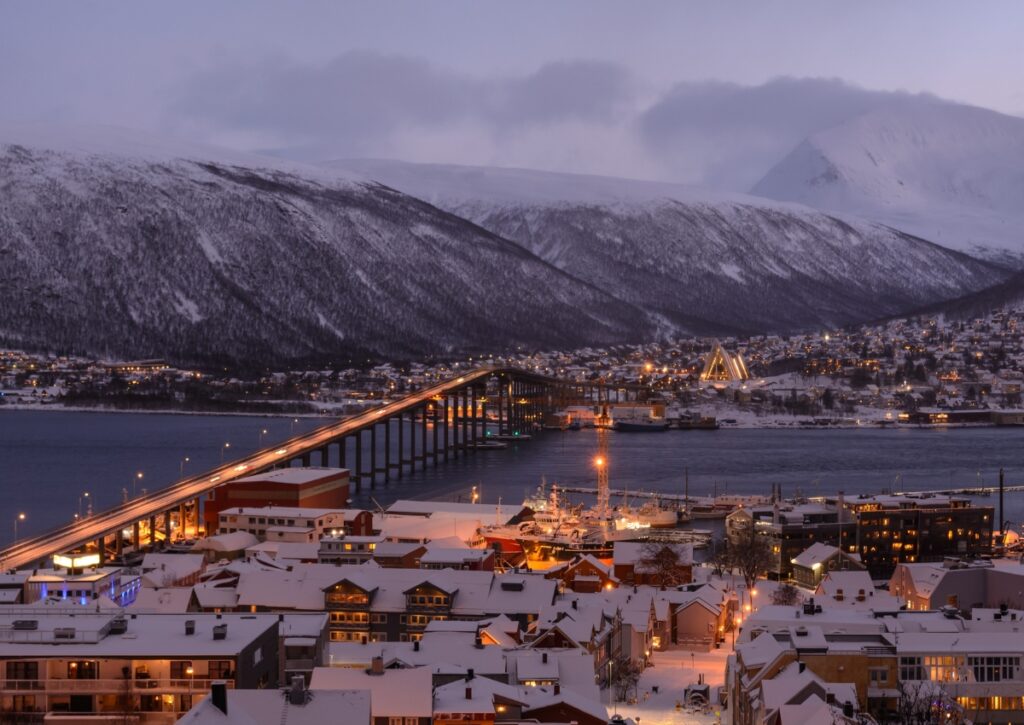
The darkness, though—that’s the real story.
From November 27th to January 15th, Tromsø experiences what locals call Polar Night. This doesn’t mean complete 24-hour darkness. Instead, there’s a period of twilight—what’s called the “Arctic blue hour”—that lasts about two to three hours around midday. It’s this ethereal, otherworldly light that looks like someone dimmed the universe. It’s deeply strange at first. By day four, you start to love it. By day ten, you realize you never want to leave.
The trade-off? From mid-May to mid-July, you get the Midnight Sun—24 hours of daylight. But we’re talking about winter, so let’s focus on what matters: this eternal darkness is actually exactly what you want for aurora hunting. The darker the sky, the better your chances of seeing the Northern Lights. And 2025 is predicted to be the best year for auroras in over a decade because we’re hitting Solar Maximum—a peak in solar activity where the sun is throwing off more energy than usual, which means more aurora activity.
Daily Budget Breakdown for Tromsø (Winter Season):
- Accommodation: $275–$350 USD per night (mid-range hotels during regular season; $400+ around Christmas/New Year)
- Meals: $70–$100 USD per day (lunch ~$20–$30, dinner ~$50–$70)
- Tours/Activities: $150–$250 USD per day (Northern Lights tour ~$160, whale watching ~$160, dog sledding ~$335)
- Transportation in the city: Free (walking) to $15–$25 USD (taxi rides)
- Total daily budget: $515–$725 USD per person (this is for mid-range comfort; you can go cheaper with hostels and groceries)
Pack smart for the cold, not bulky. Here’s the thing about Arctic packing: it’s not about bringing a huge jacket. It’s about layering. Bring:
- Merino wool base layers (they regulate temperature and don’t smell like a gym locker)
- Mid-layer fleece or wool sweater
- Waterproof, windproof outer jacket (Gore-Tex or similar)
- Insulated winter boots with grip soles (this is non-negotiable; the streets are icy)
- Thermal gloves and mittens (mittens are warmer because your fingers share heat)
- A warm hat that covers your ears
- Neck gaiter or buff (protects your face from wind burn)
- Thick wool socks (bring multiple pairs)
Most tour operators provide thermal suits and boots for activities, so don’t stress about buying your own unless you’re planning independent exploration.
Getting There and Getting Around: The Logistics
Flying to Tromsø: You’ll likely fly through Oslo first. Norwegian, Lufthansa, and SAS have regular connections. I used CheapOair to compare flight prices before booking, and honestly, prices vary wildly depending on how far in advance you book. Book early (2–3 months minimum) if you want decent fares. Return flights from major European cities typically run $300–$600 USD.
Book your flights at CheapOair to compare prices across multiple airlines and find the best deals for your Tromsø journey.
From Tromsø Airport to the City Center:
Here are your options, ranked by my preference:
- Taxi (Most Convenient): Takes about 10 minutes, costs $25–$30 USD, available 24/7. Use the app Taxifix for easier booking and transparent pricing. For a group of three or four, this is often cheaper than the express bus.
- Airport Express Bus/Flybussen (Best Balance): Takes 15 minutes, costs about $10–$12 USD per person. It’s timed with flight arrivals, so you don’t have to wait. Stops at major hotels including the Scandic Ishavshotel and Radisson Blu Hotel Tromsø.
- Public Bus Lines 40 or 42 (Budget Option): Takes 20–30 minutes, costs about $4–$5 USD. Cheaper but less comfortable and with more stops. Fine if you’re not carrying much luggage.
Once you’re in the city, walking is genuinely the best way to get around. Tromsø’s city center is compact. Grab a pair of ice crampons (or “Nordic grips”) from any sporting goods store for about $15–$20 USD—they attach to your shoes and turn icy streets into walkable paths. Many hotels have them available, or you can rent them. The city also has solid public buses if you need them, but honestly? You won’t.
For booking your accommodation and arranging airport transfers, I recommend using Booking.com. They have the widest selection of Tromsø hotels, clear pricing, and often include free cancellation. Browse Tromsø hotels on Booking.com to find the perfect place for your Arctic adventure, whether you’re seeking luxury or budget-friendly options.
Where to Sleep: The Hotel Situation
Accommodation in Tromsø is not cheap, but the options are good. Here’s the honest breakdown:
Luxury Tier (~$350–$400+ USD/night):
- Clarion Hotel The Edge: This is the new favorite for good reason. Modern, sleek, with an incredible rooftop bar overlooking the harbor. Directly opposite the Hurtigruten terminal, so everything is within a five-minute walk. Green-certified, which matters if sustainable tourism is important to you. Rooms are pricey but worth it for the location and quality.
- Radisson Blu Hotel Tromsø: Right in the harbor area with excellent views. The 10th-floor rooftop sauna (free for guests) is genuinely magical after a night chasing the Northern Lights in the Arctic cold. Family rooms available. Great central location for tours.
Mid-Range Sweet Spot (~$200–$300 USD/night):
- Scandic Ishavshotel: Looks like a giant ship perched at the end of the harbor. Nearly every room has sea views. The breakfast has been voted the best hotel breakfast in Norway for several years running (not an exaggeration). Great location for tour pickups.
- Clarion Collection Hotel With: Right on the harbor, it includes both breakfast and dinner in the rate, which makes it genuinely good value in an expensive country. Rooms feel cozier than the ultramods, which some people prefer.
- Thon Hotel Tromsø and Thon Hotel Polar: Similar quality, good prices, located on Grønnegata Street near the main shopping area. Solid mid-range choice.
Budget Option (~$85–$150 USD/night):
- Smarthotel Tromsø or Comfort Hotel Xpress Tromsø: Clean, modern, bare-bones but efficient. Good if you’re using the hotel mostly to sleep and explore the city, otherwise.
- Tromsø Coco Apartments: Adults-only, shared bathrooms, dorm beds from about $50–$60 USD per night. It’s basic, but highly rated.
Book well in advance – Tromsø sells out fast during Northern Lights season. A tourism office representative told me that bookings for 2025–2026 are already tight because Airbnb rentals have inflated accommodation prices and created a supply crunch. Hotels are filling months ahead.
Check availability and book your Tromsø hotel on Booking.com today – availability is limited during peak aurora season, so don’t wait!
Northern Lights Tours: The Main Event
Let’s talk about seeing the aurora borealis, because that’s probably why you’re reading this.
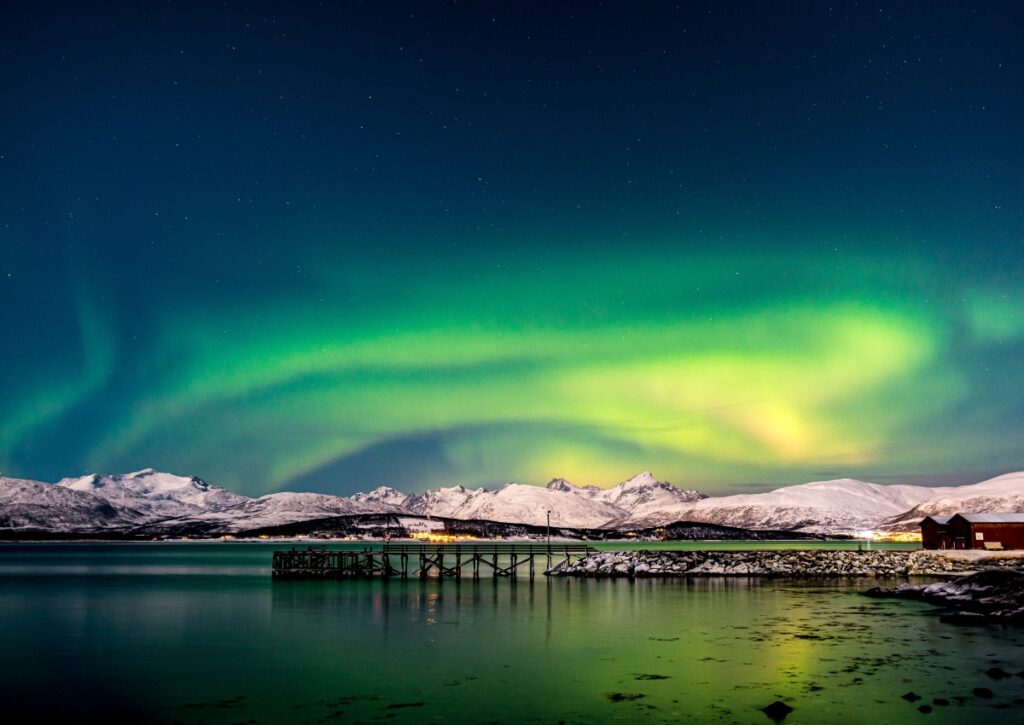
First, the reality: you are not guaranteed to see the Northern Lights, even if you spend your entire trip chasing them. The aurora depends on three factors: solar activity, cloud cover (which you can’t control), and being in the right place at the right time (which you partially control). That said, 2025 is genuinely one of the best years to try because Solar Maximum means more frequent and impressive displays.
Tour options:
- Small-group Northern Lights bus tour with campfire (~$160 USD): This is the most popular option. A guide takes you and 8–12 other people into the Arctic wilderness, usually toward the Lyngen Alps or into Finnish territory. You drive to different spots based on weather and cloud cover, then set up around a fire with hot drinks and snacks. If the lights appear, amazing. If they don’t? You’re still in the Arctic wilderness under infinite stars. Most reputable tour companies offer a money-back guarantee if you don’t see the lights (within reason—you have to actually come on the tour).
- Dog sledding with aurora opportunity (~$335 USD): You drive your own husky sled through the Arctic night. If the lights appear, you get to see them while standing on a sled in the middle of nowhere. This is genuinely one of the most magical experiences I’ve ever had, and it doesn’t require you to see the aurora to be worth it. The huskies are happy, the snow is pristine, and you feel alive in a way that’s hard to explain.
- Reindeer farm evening with Sámi cultural experience (~$165 USD): Meet reindeer herds, learn about Sámi culture, and spend the evening in a traditional Sámi setting. Some include reindeer sledding (though many ethical travelers skip this). This is particularly good if you have mixed feelings about the aurora obsession and want to experience Arctic culture.
- Whale watching expedition (~$160 USD, November–January): This is a November-to-January exclusive. You head out on a spacious catamaran to hunt for orcas, humpback whales, and sea eagles. It’s a full-day trip in Arctic waters. Surreal and powerful.
- Northern Lights luxury hot tub cruise (~$295+ USD): Relax in a heated hot tub aboard a sailing ship while searching for the aurora. This is pricey but incredibly romantic and genuinely comfortable.
Pro tips for aurora hunting:
- Book tours with flexibility. Many allow free cancellation if you just don’t feel it that night. Book several different activities throughout your stay so you maximize your chances by trying different locations.
- Check forecasts obsessively. There are specific aurora forecasts (not just weather forecasts) available at websites like spaceweather.com. You want clear skies AND high aurora activity.
- Best viewing hours are 6 PM to 2 AM. The aurora is most visible during the darkest hours.
- Take your own camera or ask about photo guides. Tour companies often have people who help you set up for photos. It matters.
Book your Northern Lights tours through GetYourGuide—they have the best selection of Tromsø aurora tours, transparent pricing, and excellent reviews from real travelers. Browse Northern Lights tours on GetYourGuide and read what other visitors experienced before committing.
Other Activities Worth Your Time (Beyond the Aurora Obsession)
Here’s what I did between aurora chasing:
Fjellheisen Cable Car & Storsteinen Mountain (~$50 USD return):
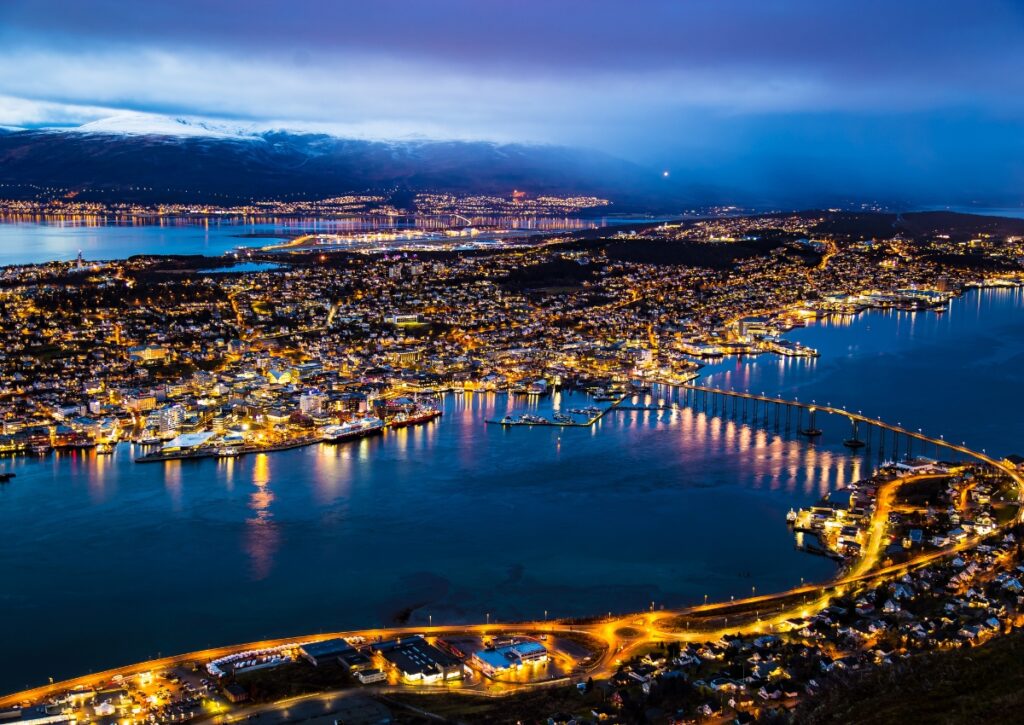
Take the cable car 421 meters (1,380 feet) up to Storsteinen in four minutes. The views are genuinely incredible—you can see the entire city, the fjords, and the mountains surrounding Tromsø. Go during the Arctic blue hour (midday) for ethereal light, or in the evening for sunset colors. On clear nights, this is also one of the best spots in the city to see the Northern Lights because you’re away from light pollution. The mountain café has decent coffee and pastries. Download the Tromsø Tourist Office app for shuttle bus information—it saves you a steep walk from the city center.
Arctic Cathedral (Ishavskatedralen) (~$5 USD entry):
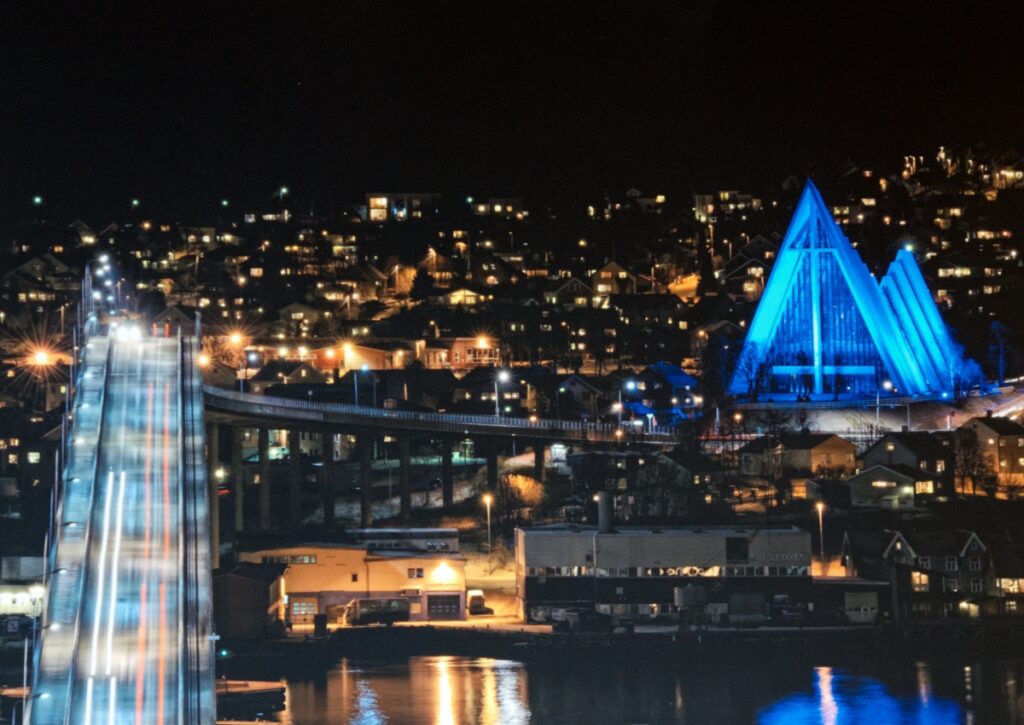
The building looks like a ship’s sails or an ice crystal, depending on your mood. It’s genuinely striking. Walk across the bridge from the city center (about 25 minutes) or take a bus. The interior is simple but lovely. Even if you’re not religious, the architecture is worth seeing.
Polaria Science Center (~$20 USD):
An interactive science center focused on Arctic life, climate, and nature. If you’re traveling with kids or enjoy hands-on learning, it’s decent. The aquarium section has local Arctic fish. Not essential, but informative.
Tromø Library (Tromsø Bibliotek):
This might sound odd, but the library is one of the most beautiful buildings in the city. The architecture is stunning, and honestly? Sitting in a warm library while the Arctic darkness surrounds you is weirdly therapeutic. It’s free to explore.
Ice Fishing on Tromsø Fjord (~$120–$150 USD):
Head out on the frozen fjord, drill a hole, and fish for Arctic char. It’s meditative and genuinely fun, even if you don’t catch anything. Tours include all gear, hot drinks, and snacks.
Snowmobile Safari (~$265 USD):
This is more of a Tromsø day trip thing—you head out into the wilderness on a snowmobile. I skipped this because I’m not the biggest snowmobile person, but travelers who did it loved it.
Where to Eat: Arctic Food That Actually Tastes Amazing
One of the biggest surprises about Tromsø? The food scene is legitimately good. I expected Arctic deprivation. Instead, I found restaurants that made me rethink what food in extreme climates could be.
Seafood (The Obvious Winner):
- Arctandria: Traditional North Norwegian seafood. Try the dried and salted cod, boknafisk, and seasonal shellfish. The restaurant celebrates Arctic fishing heritage while using modern Nordic techniques. Fresh, honest food.
- Fiskekompaniet: Right at the harbor. An ever-changing menu based on what was caught that day. The fish soup is genuinely some of the best I’ve ever eaten. Reserve ahead—it fills up fast.
- Full Steam Harbor: Housed in a former fish factory with a quirky museum vibe. Try their famous Norwegian fish soup, reindeer dishes, or whale if you’re curious. The service gets mixed reviews, but the food is solid.
Modern Nordic:
- Emma’s Drømmekjøkken: Fine dining with tasting menus (5, 8, or 10 courses). Seasonal, regional, refined. Located across from the Arctic Cathedral. This is a splurge, but worth it for a special night.
- Bardus Bistro: My personal favorite. Tiny restaurant with an A-frame structure and floor-to-ceiling bookshelves. The traditional Norwegian menu is small (about 10 dishes), but every single one is excellent. Ask for upstairs seating. Cozy, warm, genuinely lovely.
Italian (yes, really):
- La Famiglia: Authentic Italian dishes with ingredients sourced directly from Italy, complemented by local Norwegian products. The evening transforms it into a lounge with live music and DJs.
- Casa Inferno: Wood-fired stone oven pizza. Steampunk-inspired décor. Actually, there is good pizza in the Arctic Circle, which sounds absurd but works.
Casual/Lunch:
- Raketten Bar & Pølse: The smallest bar in town, smack in the main square. Hot dogs with creative toppings (try the reindeer), a fire pit, and always a line. Perfect for a quick lunch.
- Bårstua: Located in a 1840s building at Skansen. Limited menu, but excellent fish soup and fresh seafood sandwiches. Cozy fireplace, rustic interior. The coziest spot for lunch in the city.
- Art Café & Bistro: Tucked in a basement under Quality Hotel Saga. Curated local art on the walls (all for sale), friendly staff, and a small but excellent menu. Great for a casual lunch.
Budget-Friendly Eating:
Grocery shopping at Norwegian supermarkets is actually reasonable. Fresh produce is pricey due to shipping distances, but bread, cheese, deli meats, and canned goods are fine. Build your own lunches if you want to save money. Most hotels include breakfast, which helps.
Dining Budget Reality: Dinner at a mid-range restaurant runs about $50–$70 USD per person. Lunch is $20–$30 USD. If you cook half your meals in your hotel room or grab takeaway, you can definitely keep costs down.
Sustainable Tourism: Being Ethical in the Arctic
Tromsø is increasingly focused on sustainable tourism, and if this matters to you (and frankly, it should), here’s how to participate:
Eco-Friendly Accommodation:
- Clarion Hotel The Edge is green-certified and committed to minimizing environmental impact through renewable energy and waste reduction.
- Choose hotels that explicitly state sustainability practices. Many in Tromsø have made this commitment.
Sustainable Tours:
- Choose your tours that use electric or hybrid vehicles when available. They exist and reduce your carbon footprint.
- Tromsø Arctic Reindeer offers ethical reindeer experiences that prioritize animal welfare. Skip tours that involve reindeer sledding if it bothers you ethically—there are plenty of alternatives.
- Support whale-watching operators that follow strict guidelines, ensuring whales aren’t disturbed.
Eat Local, Buy Local:
- Choose restaurants serving locally sourced food—it reduces transport emissions and supports local communities.
- Buy handmade souvenirs from local artisans rather than mass-produced items.
Respect Sámi Culture:
Tromsø is home to the indigenous Sámi people. Participate in authentic Sámi cultural experiences rather than treating them as tourist attractions. Learn their history. Support Sámi-owned businesses.
Practical Actions:
- Use public transport or walk instead of renting a car when possible.
- Bring a reusable water bottle (Tromsø has excellent tap water).
- Avoid single-use plastics. Tromsø has solid recycling facilities.
- Participate in local conservation activities if available.
Book sustainable tours through GetYourGuide—they clearly label eco-friendly options, making it easy to choose tours that align with responsible tourism values.
Money Matters: Payments, Currency, and Staying on Budget
Norway uses the Norwegian Krone (NOK). The exchange rate fluctuates, but expect roughly 10–11 NOK per 1 USD.
Payment methods:
- Most places accept card payments. Bring a credit card and notify your bank that you’re traveling.
- Revolut is excellent for this trip—you can exchange currency at real rates with minimal fees and withdraw from ATMs anywhere. Download Revolut before you travel.
- Wise (formerly TransferWise) is another great option for international money transfers and ATM withdrawals.
- Some small places (particularly food stalls) might be cash-only, but this is increasingly rare.
Travel Insurance:
This is important. Tromsø is remote, and accidents happen. VisitorsCoverage offers comprehensive travel insurance specifically designed for adventure destinations. Get travel insurance from VisitorsCoverage to protect yourself for activities like snowmobiling and dog sledding.
Money-Saving Tips:
- Book accommodation and tours as early as possible—prices spike closer to your dates.
- Eat lunch as your main meal (cheaper) and have light dinners or cook in your room.
- Many tours have free cancellation. Book several and cancel the ones you don’t do.
- Use public transport (buses) instead of taxis when you’re not in a rush.
- The Tromsø Classic Pass includes the cable car, museum entries, and a bus ticket for about $50–$70 USD. If you plan to do multiple attractions, it saves money.
Booking Everything: Your Timeline
4–6 months before:
- Book flights (prices rise closer to your date)
- Book accommodation (Tromsø sells out quickly in winter)
- Book major tours (Northern Lights tours, dog sledding)
2–3 months before:
- Book additional activities (whale watching, cable car, museums)
- Purchase travel insurance
- Get winter gear or plan where to rent it
1 month before:
- Finalize all bookings
- Check aurora forecasts (yes, already—some websites allow far-future forecasts)
- Prepare your packing list
1 week before:
Book your entire Tromsø trip through Welcome Pickups for airport transfers—they have excellent drivers who know the city well and can give you local tips. Make your first impression of Tromsø smooth and stress-free.
Getting Around for the Rest of Your Life: Rental Cars and Explorations
If you want to explore beyond Tromsø proper—the Lyngen Alps, Senja Island, Qualøya Island—you’ll want a rental car.
GetRentacar has good availability in Tromsø with transparent pricing. Compare car rental options on GetRentacar and explore the Arctic wilderness at your own pace. Winter driving requires confidence (roads are icy), but the scenic drives are genuinely worth it if you’re comfortable.
Local SIM Cards:
Grab a local SIM card from YESIM or Norwegian providers like Telenor or Telia. Get a travel SIM from YESIM to stay connected without roaming charges. You’ll want reliable data for maps, aurora forecasts, and staying in touch.
The Part Where I Didn’t Want to Leave
On my last morning in Tromsø, I sat in the Scandic Ishavshotel breakfast room overlooking the harbor. The Arctic blue hour was at its peak—not quite sunset, not quite night, just this ethereal in-between light that made everything feel slightly unreal. I’d seen the Northern Lights twice (once clearly, once dimly behind clouds), stayed up too late chasing them, eaten more fish than I have in my entire life, petted sled dogs, laughed with tour guides, and spent hours walking the icy streets of a city where it’s dark at 3 PM.
Was it what I expected? Not exactly. I thought I’d be more focused on the aurora. Instead, I found myself obsessed with the entire feeling of the place—the people, the food, the strange beauty of the Arctic darkness, the way the cold makes you feel more alive.
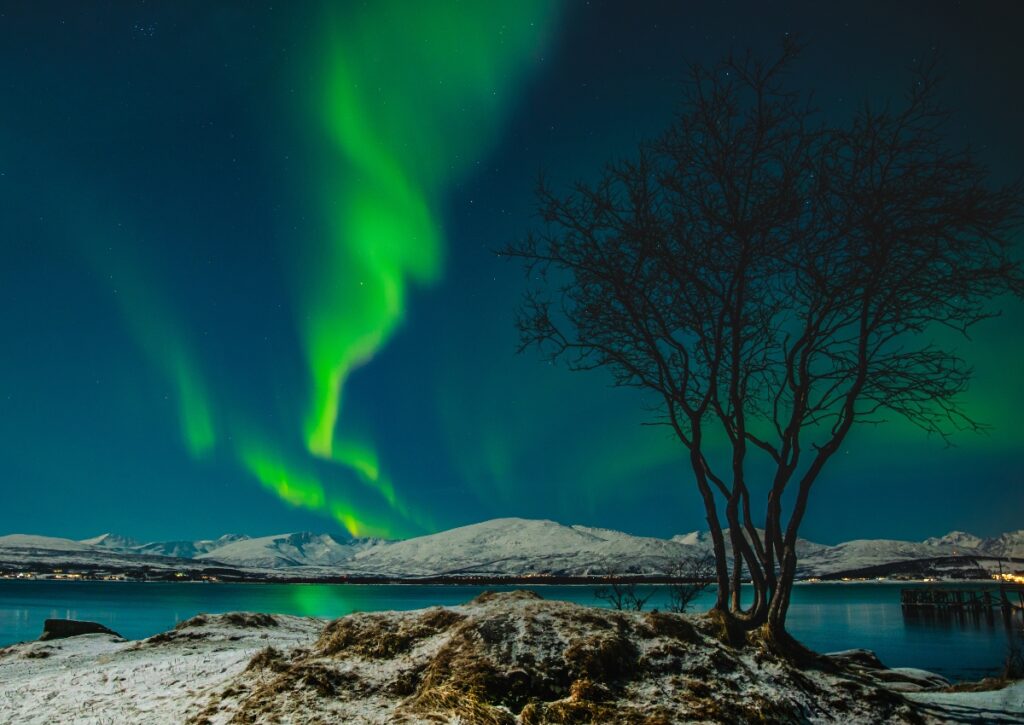
Here’s what I want you to know: Tromsø isn’t a destination you visit to check a box. It’s not “see the Northern Lights and move on.” It’s a place that changes something in you. It makes you realize how small you are, how vast the universe is, and how grateful you should be for warm hotels, kind strangers, and the privilege of chasing magic across an ice-covered landscape.
So here’s my call to action for you: Book your Tromsø trip. Start with Booking.com to reserve your accommodation—browse options that fit your budget and book early because availability is tight. Then browse Northern Lights tours on GetYourGuide and pick a few different activities to maximize your chances. Download Revolut or Wise for easy currency exchange. Get VisitorsCoverage travel insurance. Grab a GetRentacar rental if you want to explore beyond the city. Use Welcome Pickups for your airport transfer so your first experience is smooth. And download YESIM for a local SIM card.
But most importantly, commit. Book the flights. Commit to the Arctic. Tell your friends you’re doing this. Because once you’ve stood under the dancing lights of the aurora borealis at 2 AM in a place where winter doesn’t end, where the darkness is deeper than you knew darkness could be, and where the sky comes alive with colors you didn’t know existed, you’ll understand why I couldn’t stop talking about Tromsø the moment I left.
Subscribe to A Tiny Traveler for more Arctic adventures, Northern Lights travel guides, and authentic stories from the world’s most magical destinations. Follow us on Instagram, TikTok, and YouTube for real-time aurora updates, travel tips, and the moments between the photos that actually matter. Join our community of travelers who believe travel is about connection, authenticity, and saying yes to the extraordinary.
- Follow me on Pinterest (A Tiny Traveler): My Pinterest is your ultimate travel vision board! It’s where I share stunning photography, quick visual guides, and, most importantly, links to all my in-depth blog posts.
- Follow me on Instagram (a.tinytraveler): For daily doses of wanderlust, stunning travel photography, behind-the-scenes glimpses of my trips, and quick tips that will inspire your next getaway. See the world through my eyes!
- Like my Facebook Page (A Tiny Traveler): Join our vibrant community of fellow travel lovers! This is a great place to ask questions, share your own travel experiences, and connect with other readers and me.
Come for the Northern Lights. Stay because you’ve fallen in love with the Arctic.
Frank


