
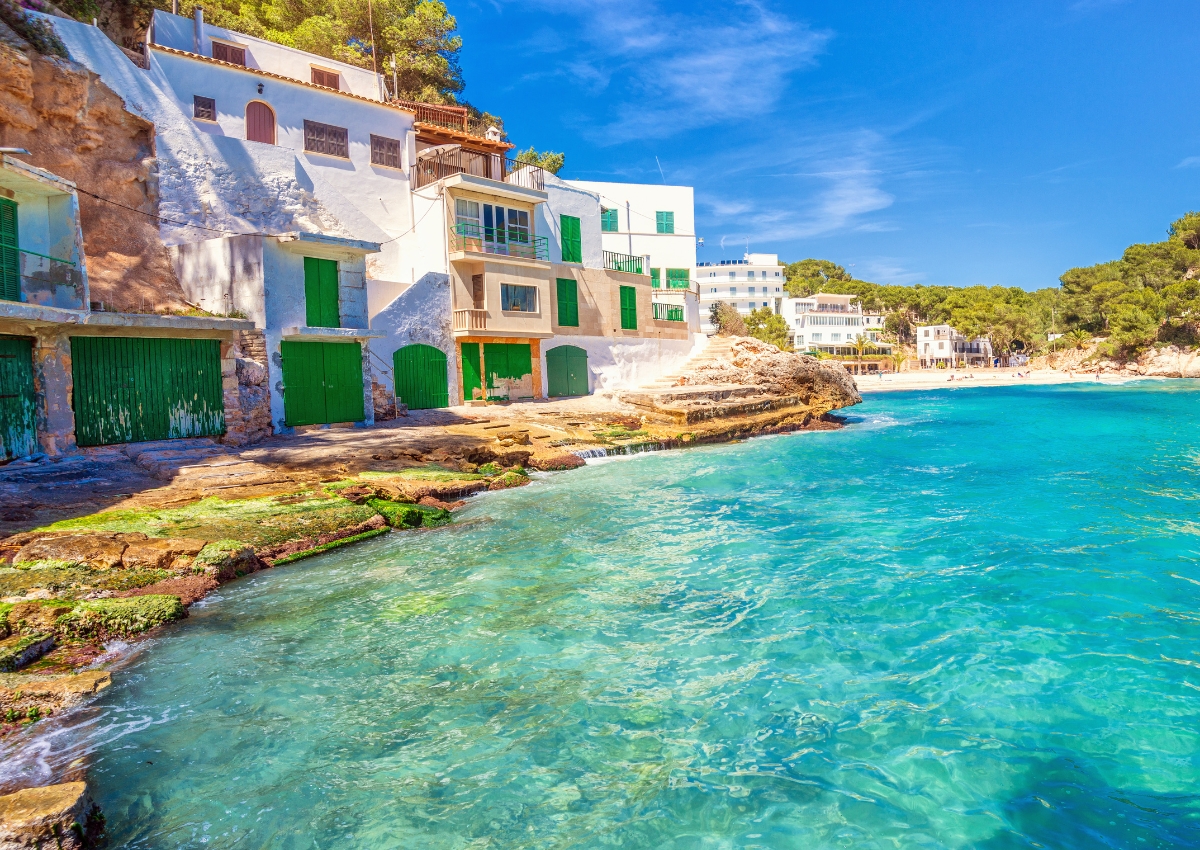
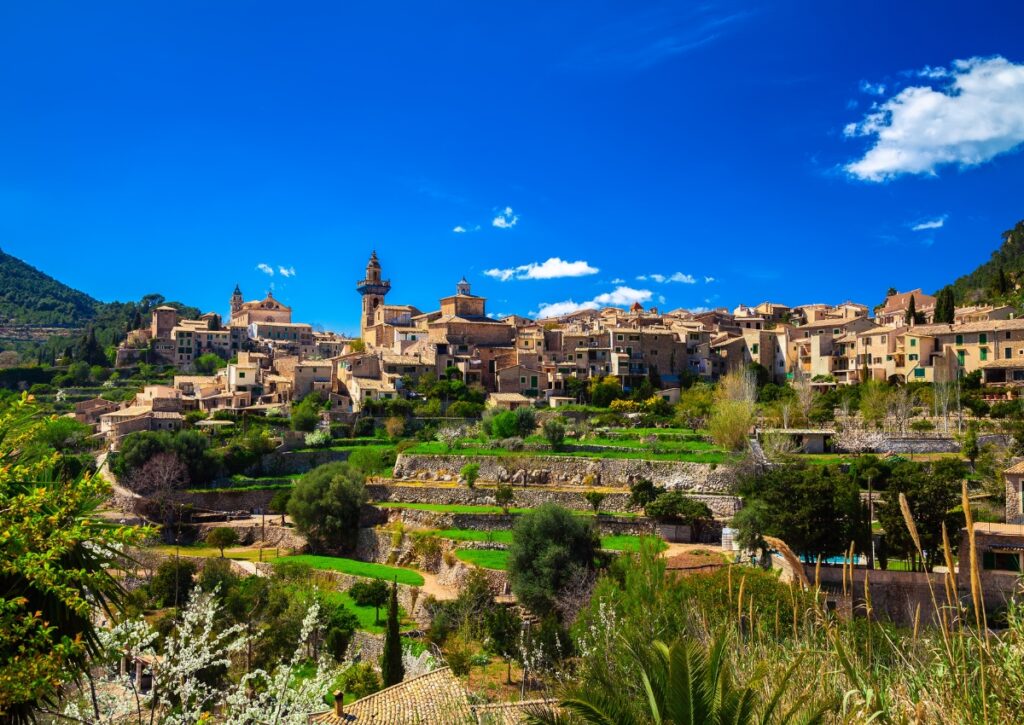
There’s a moment that happens to every traveler the first time they step off the beaten path in Mallorca—usually around the second day, when you’ve somehow found yourself in a sun-dappled plaza in Valldemossa, where the locals actually outnumber the visitors. The cathedral bells are ringing (because they actually ring here, not just for tourists), and you’re sitting on a stone bench eating an ensaïmada from the bakery, watching an old guy argue with his friend about the football match last week. It hits you: this is the island nobody talks about. This is Mallorca that doesn’t make it into the Instagram photos, doesn’t get featured in the glossy travel guides, and definitely doesn’t look like the seafront resorts you see advertised. This is the version that matters.
I spent seven days doing exactly what most tourists don’t—which is to say, I skipped the beach entirely for the first three days. I stayed in the mountains, ate where locals actually eat, traveled by public transport like someone who actually lives there, and spent more money on wine than on accommodation. It was cheaper than I expected, slower than I planned, and infinitely more memorable than any 5-star resort ever could have been. And here’s the thing nobody tells you: sustainable travel in Mallorca isn’t some trendy eco-warrior project. It’s just… better.
Mallorca has spent the last few years getting seriously serious about sustainability. They’ve got a Sustainable Tourism Tax (the locals call it the ecotasa), they’re implementing strict regulations on holiday rentals, and they’re actually pushing back against the mass-tourism model that nearly destroyed places like Barcelona. This isn’t performative greenwashing. This is real change. And while the island is still figuring out its balance between profit and preservation, there’s a genuine opportunity right now—in 2025 and beyond—to experience Mallorca the way it was meant to be experienced: with respect, intention, and honestly, a lot of really good food.
The Real Mallorca Starts Here: Understanding What Sustainable Tourism Actually Means
Before we dive into the itinerary (and trust me, there’s an incredible one coming), let’s be honest about what sustainable travel means in Mallorca. It’s not about staying in a hotel that’s painted green and calls itself “eco.” It’s not about feeling morally superior because you used public transport once. Sustainable tourism in Mallorca means:
Traveling during shoulder seasons (May-June or September-October) instead of peak summer. The island is still warm, the water is still swimmable, and you’re not contributing to the environmental disaster that happens when 12 million tourists try to fit on a 3,640-square-kilometer island in July. Plus, you’ll save roughly 30-40% on accommodation compared to summer rates.
Sleeping outside the major resort zones. The magic happens when you stay in places like Valldemossa, Deià, Sóller, or Santanyí—small towns where your accommodation money actually supports local families, not international hotel chains. A mid-range guesthouse in these towns costs €80-120 per night and often includes breakfast made by someone’s grandmother.
Renting a car only if you really need it (which you might). Otherwise, embrace the TIB bus system—those red and yellow buses that look slightly chaotic but are actually incredibly reliable. A single journey costs €1.60-€8.20 depending on the distance. The Sóller train from Palma is €16 one-way and feels like traveling through the 1970s (in a good way). Forget taxis. Forget Uber. Grab a Revolut or Wise card for currency exchange if you need it, but mostly you’ll just move more slowly, and that’s the entire point.
Eating at markets and local bars instead of tourist restaurants. You know what’s insane? You can eat three courses with wine at a traditional Mallorcan tapas bar in La Lonja (Palma’s old harbor neighborhood) for €35-40. The same meal at a resort restaurant costs three times that. And it tastes infinitely better because the chef is actually Mallorcan.
Your Daily Budget Breakdown: What Actually Costs in the Real Mallorca
I’m going to be brutally honest with you about money. Mallorca isn’t cheap, but it’s not the overpriced Mediterranean hellscape that Ibiza or Santorini have become. In 2025, sustainable travel in Mallorca costs you:
Budget traveler (€70-100/day):
- Accommodation: €25-40 (hostel or very basic guesthouse)
- Food: €25-35 (self-catering, local bakeries, market snacks)
- Transport: €5-10 (bus travel)
- Activities: €10-15 (mostly free hiking, beaches, village exploration)
Mid-range traveler (€150-200/day):
- Accommodation: €80-120 (nice guesthouse or small hotel)
- Food: €50-70 (mix of restaurants, tapas bars, some self-catering)
- Transport: €15-25 (mix of public transport and occasional taxi)
- Activities: €20-40 (cooking classes, guided tours, wine tastings)
What you actually need to budget for:
A coffee at a cafeteria: €1.50-€2.00. A proper tortilla sandwich from a bakery: €4-6. Fresh seafood at a tapas bar: €8-15 per small plate. A traditional Mallorcan three-course dinner: €25-40. Wine by the glass at a local bar: €3. A bottle of decent local wine from a bodega: €8-15.
The Sustainable Tourism Tax (ecotasa) ranges from €2-4 per person per night, depending on your accommodation category and season. There’s a 50% discount from November to April and a 75% discount from the 9th night onward. If you’re staying seven nights in shoulder season at a mid-range hotel, you’re looking at roughly €15-20 total in taxes. Children under 16 are exempt.
Total realistic budget for a quality seven-day week: €1,050-1,400 per person all-inclusive, or roughly €150-200 per day. That includes decent accommodation, eating well, transport, and doing actual activities. Not luxury, but absolutely not backpacker mode either.
Day One: Arrive Like You Mean It (And Skip the Airport Trap)
Most tourists land at Palma de Mallorca Airport (PMI) and make their first mistake: hiring a car immediately. Save your money. Use Welcome Pickups or Bolt for a reliable airport transfer (€15-25), or take bus A1 directly to Palma city center for €3. The bus takes 25-30 minutes, and you get to see actual Mallorcan neighborhoods, not just the highway.
If you’re arriving in peak season, don’t stay in Palma that first night. Go straight to Valldemossa using the bus 203 (€8.40, 45 minutes). The cognitive dissonance of arriving in Mallorca and immediately heading to the mountains instead of the beach will set the tone for an unconventional week.
But let’s say it’s your first time and you want to spend a night in Palma de Mallorca, the capital. Fine. Here’s what actually happens:
Book accommodation in the Old Town, not near the port. Look for Palma Suites (mid-range, €85-120), Brondo Architect Hotel (contemporary design, €110-180), or even cheaper options in neighborhoods like Santa Catalina or La Lonja. Avoid anything on the beachfront. You’ll pay triple the price and lose the soul of the city.
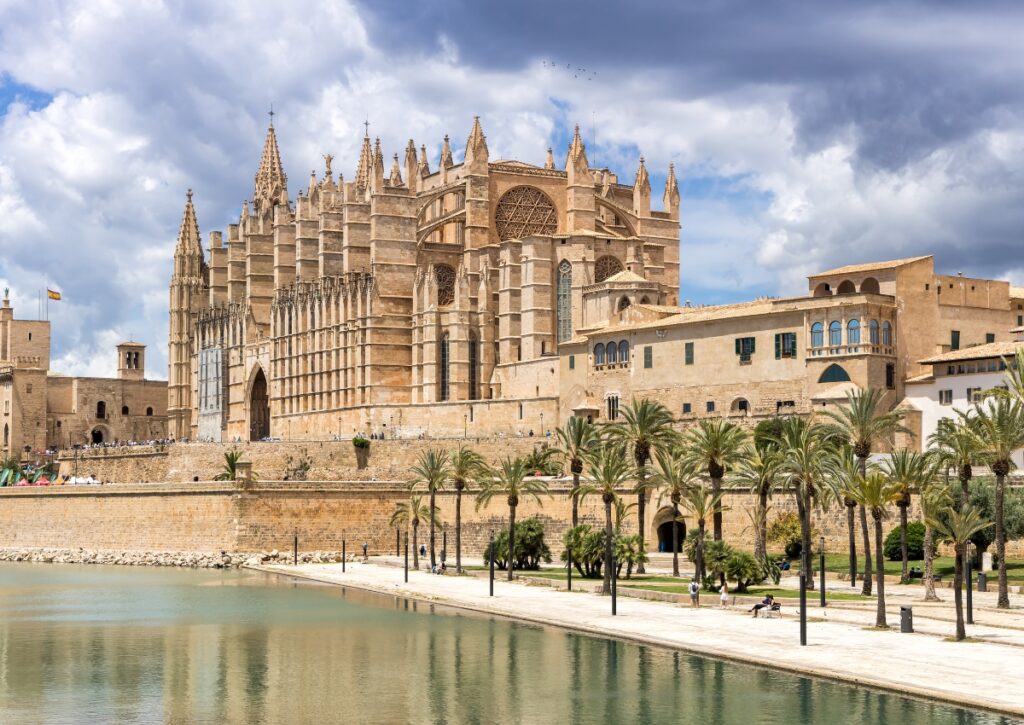
Spend your evening getting genuinely lost. This isn’t a metaphor—spend two hours just walking through narrow streets. You’ll stumble on Plaza Mayor, where locals play guitar for reasons that have nothing to do with tourism. You’ll find the Cathedral (La Seu) lit up at dusk and understand why the Mallorcans built it where they did. You’ll discover a small wine bar where the proprietor has owned the place for 35 years and will pour you a glass of something interesting if you ask nicely.
Critical tip: Don’t eat dinner before 9 p.m. This isn’t a quirk. This is how Mallorcan life works. Restaurants don’t even open until 8 p.m. If you show up at 7 p.m., you’ll be alone with other confused tourists. Show up at 9:30 p.m., and you’ll be sitting next to Mallorcan families.
For dinner, skip the tourist area around the cathedral. Walk inland to La Lonja neighborhood and pick literally any tapas bar that looks crowded. My experience: Bar Dia or La Bòveda will do you right. Order patatas bravas (they’re spicy), croquetas (creamy, the texture changes everything), jamón ibérico, and pan con tomate. Order a glass of local white wine. The entire meal costs €25-30. You’ll sit at a bar counter next to people eating dinner before going out at 11 p.m., and you’ll realize that the resort people have been doing life wrong.
Cost breakdown for Day One:
- Airport transfer: €15
- Accommodation in Palma: €90
- Dinner with wine: €30
- Daily Total: €135
Days Two to Four: The Serra de Tramuntana Mountains (Where the Real Soul Lives)
This is where your week shifts from nice to transcendent. The Serra de Tramuntana is a UNESCO World Heritage Site that runs along Mallorca’s northwest coast—all dramatic cliffs, ancient villages, and olive groves that have existed since before your country existed. Most tourists drive through it in a rental car, take photos at scenic overlooks, and leave. You’re going to actually live in it.
Day Two: Valldemossa
Get yourself to Valldemossa (bus 203 from Palma, €8.40, 45 minutes). Stay at Finca de la Colònia or Ca la Rosa or literally any small guesthouse in the town center (€85-130/night). These places are restored Mallorcan homes where the owner lives upstairs and rents out three rooms. You’ll get breakfast made from whatever was harvested yesterday.
Spend the day doing approximately nothing. Walk through the cobblestone streets. Everything here is beige limestone, green shutters, and plants spilling out of every window. There’s a Carthusian monastery (Real Cartuja) if you want to see the room where Frédéric Chopin supposedly composed while recovering from illness. But honestly? Skip it unless you’re deeply into Chopin. The monastery feels like a tourist trap, and you’ll understand Mallorca better by sitting in a cafe watching old men play cards.
The crucial experience is lunch. Find Can Mari or any small restaurant advertising platos mallorquines (Mallorcan plates). Order sopa mallorquina (a peasant soup that’s less soup and more bread with vegetables and broth), tumbet (layers of fried eggplant, peppers, and potatoes in tomato sauce—it sounds simple, it’s not), or braised rabbit if they have it. Pair it with local wine (€3-5 a glass). You’ll pay €20-28 for the most authentic meal you’ve had in years.
Critical sustainable moment: While eating, you’re probably sitting in a restaurant that’s been in the same building for 70 years, run by the same family for three generations, using ingredients from the local market. This is what sustainable tourism looks like. Your €25 for lunch supports Carme (the owner) and her staff far more directly than any hotel stay ever could.
Day Three: The Valldemossa-to-Deià Hike (For Actual Hikers)
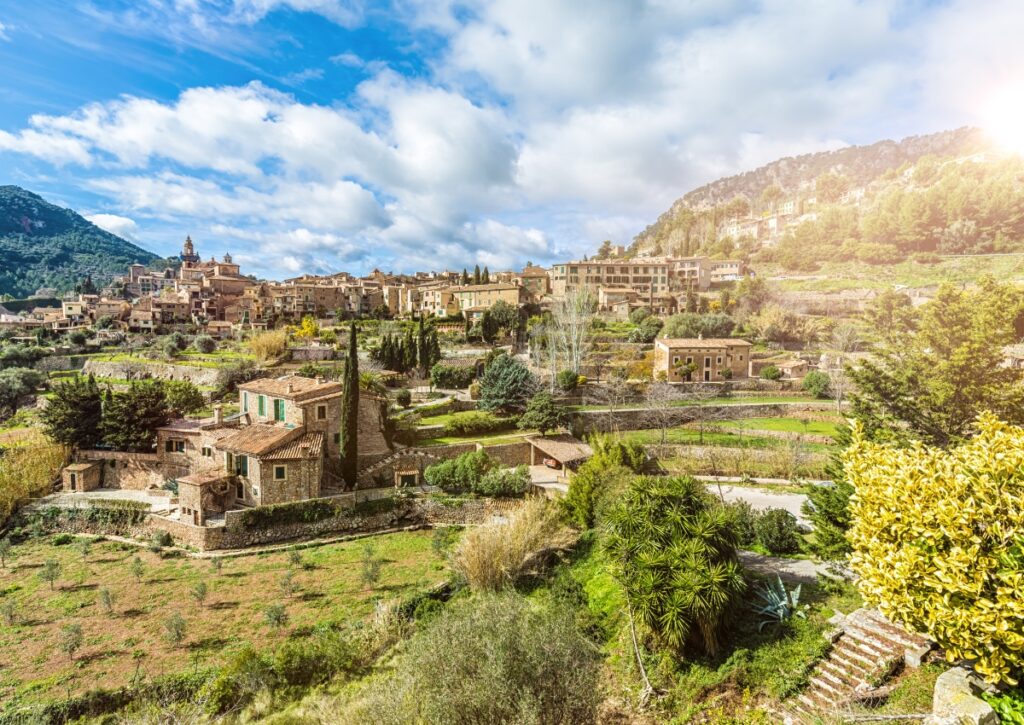
This is a real hike. Not a casual stroll. It’s roughly 4-5 hours of steep climbing, ancient footpaths, ridge-top walking, and a thousand-meter elevation change. You need decent hiking boots, water, snacks, and the ability to look at your phone’s GPS occasionally because the trail signage is… inconsistent.
But here’s what happens: You leave Valldemossa around 8 a.m. You climb through Coll de Sant Jordi pass. The trail opens up to views that make you understand why poets and artists have been obsessed with this island for centuries. You see the Mediterranean below, olive groves stretching horizontally, and occasionally a villa that costs more than a small country. Around 3-4 p.m., you descend into Deià (pronounced “day-AH”), a village so perfect it barely feels real.
Deià is where Robert Graves, the English poet, chose to spend his life. He’s buried in the village cemetery with the best view in the Mediterranean—literally, you can see the coast from his grave. The village has become a destination for artists and wealthy foreigners, which means the vibe is a bit… precious. But the hiking trail from Valldemossa to Deià is genuinely one of Europe’s great walks. Do it.
Stay in Deià (€100-150/night for small hotels or guesthouses). Eat dinner at Bens d’Avall, which sounds fancy (it’s not—it’s a casual restaurant with a terrace) for €30-40. The view is the Mediterranean at sunset. Your €40 dinner will be the cheapest best meal you have all year.
Days Two-Four Cost Breakdown:
- Accommodation (3 nights, mid-range): €90/night = €270
- Transport (buses): €20
- Food (local restaurants, markets): €60/day = €180
- Activities (hiking is free): €0
- Three-Day Total: €470
Days Five to Seven: Markets, Cooking, and Actual Sustainable Tourism
This is where the week stops being about sightseeing and becomes about understanding how Mallorcans actually live. You’re going to eat like you live here. You’re going to shop like you live here. You’re going to understand the island’s relationship with food and community and sustainability at a level that tourists simply don’t reach.
Day Five: The Market Day
Return to Palma (bus to nearby Sóller, then train to Palma, total €20, takes 2.5 hours, but the Sóller train is worth it for the nostalgia). Spend the afternoon at Mercat de l’Olivar or Santa Catalina Market—these aren’t attractions, they’re the actual places Mallorcans buy their food.
Mercat de l’Olivar is a covered market in downtown Palma that’s been operating since 1920. It’s chaos in the best way. You’ll find fresh seafood that arrived this morning, local cheeses, artisanal olive oils, and produce you don’t recognize. Walk around. Talk to vendors. They’re used to tourists now, but they’ll still tell you how to pick a tomato.
Then eat lunch at one of the tapas bars within the market. Order a glass of wine. Get croquetas (the texture is absurdly important), gambas (shrimp), whatever looks good. Locals eat here during their lunch break. You should, too. Cost: €15-20.
Day Six: Cook Mallorca
Book a cooking class. This is non-negotiable. Moltak (a restored historic mill near Sóller) offers cooking classes that focus on traditional Mallorcan dishes. You’ll learn to make tumbet or sopa mallorquina from someone who actually knows how. You’ll taste wines. You’ll learn why certain things are made the way they’re made. Cost: €80-120 per person.
Alternatively, ask your guesthouse owner if they know anyone who does private cooking lessons. Often the owner will teach you. Often, they’ll charge €50 for 3 hours and cook lunch with you. This is what sustainable tourism looks like: money going directly to a person, not a corporation.
Day Seven: Actually Sustainable Activities
Here’s where you stop consuming Mallorca and actually contribute to its sustainability. Options:
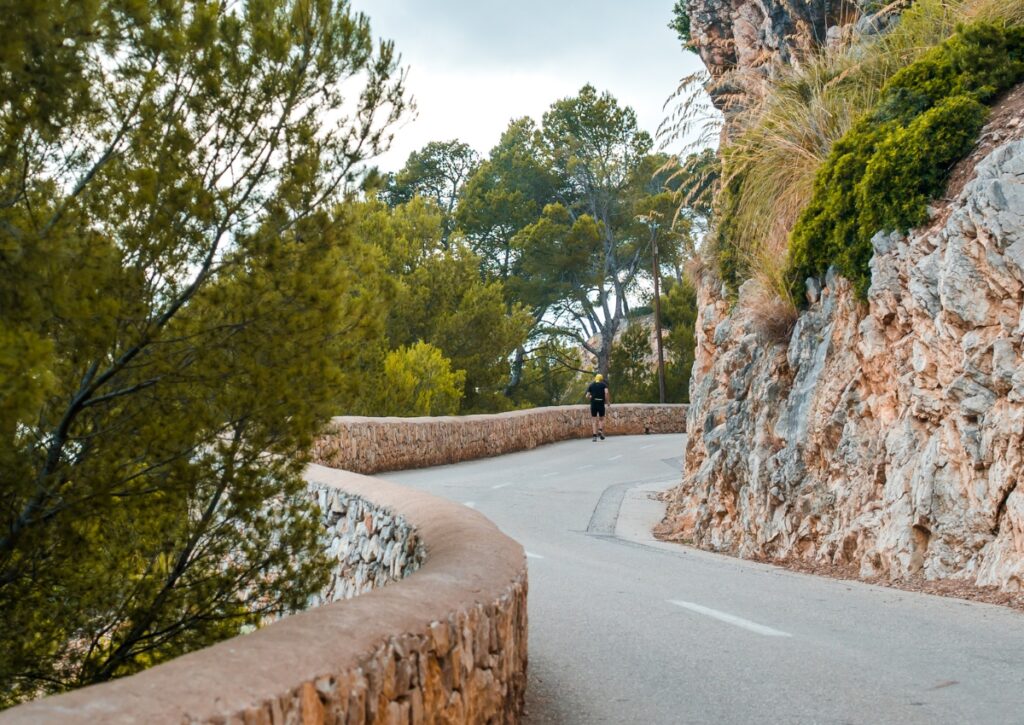
- Beach cleanup hike: Hire a local guide for a Sierra de Tramuntana hike that includes collecting trash and removing invasive plants. Companies like MallorcAlpina run these. Cost: €40-60. You’ll hike, you’ll contribute to environmental restoration, and you’ll meet other travelers with actual values.
- Organic farm tour: Visit a finca (farm) that specializes in organic olive oil or wine production. Most are open for visits and tastings. Bodega Ribas, the oldest winery in Mallorca (since 1711), offers tastings and tours. Cost: €15-25 (usually includes a tasting).
- Cycling tour: Rent an e-bike (€40-60/day) and cycle through valleys. Most areas have flat sections that aren’t as dramatic as the hiking, but are genuinely beautiful. Stop at small villages. Buy fresh bread and cheese. Eat by a reservoir.
Day Seven Cost:
- Cooking class or farm tour: €80-100
- Food and transport: €40
- Daily Total: €120-140
The Accommodation Sweet Spot: Where to Sleep and Actually Support Locals
Sustainable accommodation in Mallorca isn’t about staying in a “green” hotel. It’s about staying in places where your money supports real people:
Agroturismos (Rural Farm Stays):
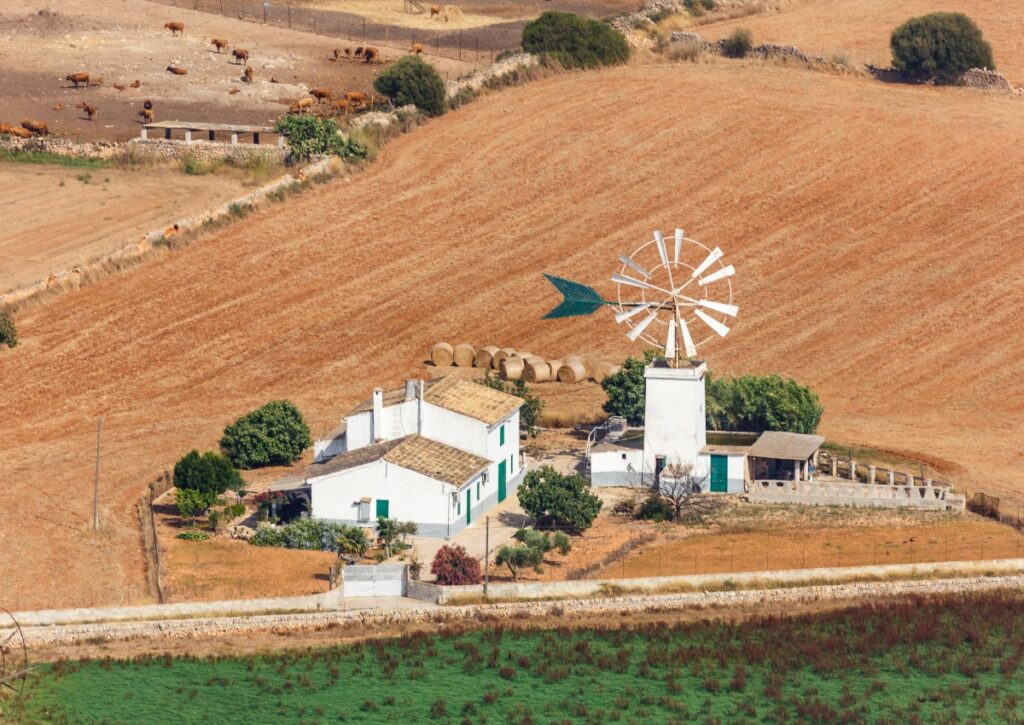
These are traditional Mallorcan farmhouses (fincas) converted into intimate hotels or guest houses. You’re staying on functioning farms—often vineyards, olive groves, or orchards. Breakfast is made with farm produce. The owner is usually someone’s family. Examples: Monnaber Nou (150-hectare organic estate near Tramuntana mountains, €120-180/night, includes spa and excellent meals), Finca Can Feliu (near Porreres, produces certified organic wine and olive oil, €95-150/night).
Charming Small Hotels in Villages:
Stay in the actual towns instead of resort areas. Valldemossa, Deià, Sóller, Artà, Santanyí—all have small family-run hotels where the owner lives locally. Budget €80-150/night for genuinely nice accommodation.
Eco-Conscious Stays:
Places explicitly designed with sustainability in mind. Finca Ca’n Beneït (luxury agritourism with environmental certifications) or Eco Finca Can Coll (rustic and genuinely sustainable) cost more (€150-250/night), but if that’s your budget, they’re worth it.
General rule: If you’re booking through Booking.com, use the filters to sort by “Farm Stays” or “Guest Houses” and read reviews specifically mentioning local owners. Your €100/night to a family-run place supports the community infinitely more than your €100/night to a chain hotel.
Food: This is Where Sustainable Tourism Gets Delicious
Here’s a controversial opinion: Mallorca’s food culture is the most overlooked reason to visit. Forget Ibiza’s clubs. Forget Palma’s shopping. Come for the food.
Traditional Mallorcan Dishes You’ll Actually Eat:
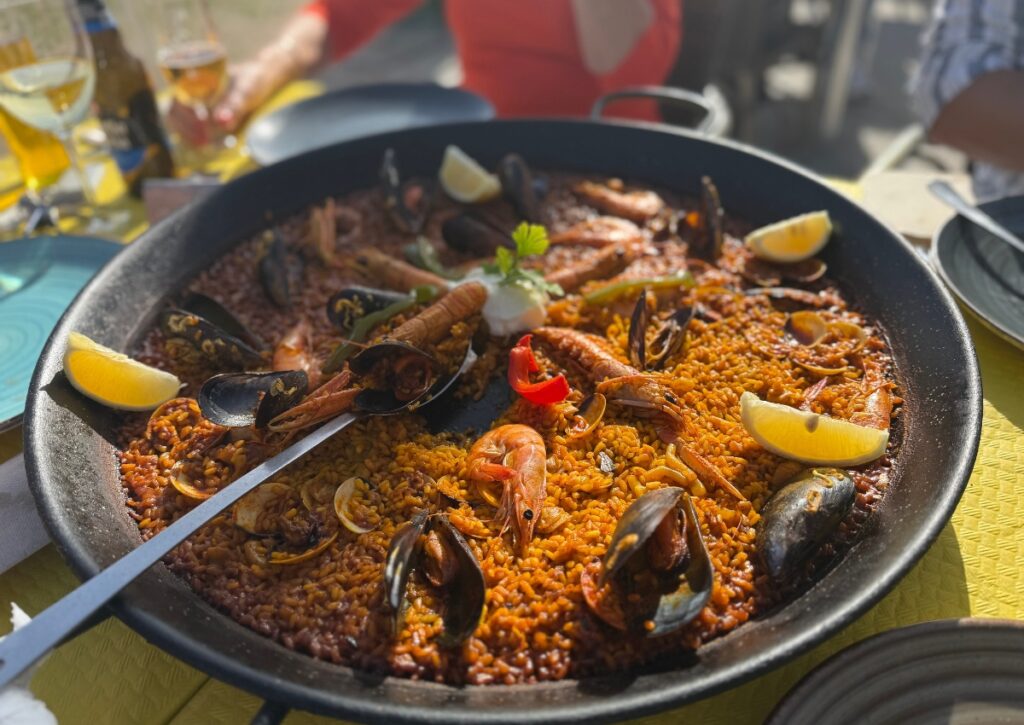
- Sopa Mallorquina: Peasant soup featuring bread, vegetables, and broth. Sounds basic. Tastes like someone’s grandmother figured out life. €10-15.
- Tumbet: Layered fried vegetables (eggplant, peppers, potatoes) in tomato sauce. Every restaurant does it slightly differently. Every version is correct. €12-18.
- Braised Rabbit (Conill amb xocolata): Rabbit cooked in chocolate sauce that dates back to medieval cooking. This is actually phenomenal. €16-24.
- Sobrassada: Cured pork sausage with paprika that you spread on bread. It’s addictive and available at every market. €8-12 per portion.
- Ensaïmada: Pastry spiral with powdered sugar. You get these for breakfast at any bakery for €3-5. They’re made fresh, and they ruin you for pastries everywhere else.
- Pan con Tomate: Bread rubbed with tomato and drizzled with olive oil. I know, it sounds like nothing. It’s perfect when the tomato is actually good.
Where to Eat:
Markets (best value, genuine experience):
- Mercat de l’Olivar (Palma): Dozens of tapas stands inside. €15-25 for lunch.
- Santa Catalina Market (Palma): More upscale market with trendy tapas bars. €20-35 for lunch.
- Mercat 1930 (waterfront in Palma): Chic market hall with international options. €25-40 for lunch.
Local Tapas Bars (where Mallorcans actually eat):
- Bar Dia (La Lonja, Palma): Rustic, crowded, perfect. €12-20 per person.
- Tast Unio (Palma): No-frills, excellent prices (pintxos from €2.75). €15-20 per person.
- Can Joan Frau (inside Santa Catalina Market): Quick, delicious, local. €10-15.
Restaurants in Mountain Villages:
- Can Mari (Valldemossa): Family-run, authentic Mallorcan. €20-28.
- Bens d’Avall (Deià): Casual but excellent, Mediterranean views. €30-45.
- Es Canyaret (Sóller): Traditional, worth the trip. €25-35.
Critical tip: Always check the “Menú del Día” (daily menu). Most restaurants offer a three-course lunch with a drink for €12-18. It’s designed for working Mallorcans, and it’s genuinely the best food-to-money ratio on the island.
Sustainable Transport: How to Actually Get Around
The vast majority of tourists rent cars. This is understandable and also slightly terrible for the island. Alternatives:
Buses (TIB System):
Red and yellow buses connect the entire island. Most routes run from Plaza de España in Palma. Single journeys cost €1.60-€8.20. A 7-day ticket is roughly €35 and gives you unlimited travel. Buses sometimes have bike racks. They’re reliable. They’re actually not stressful once you stop expecting them to run on a fixed schedule.
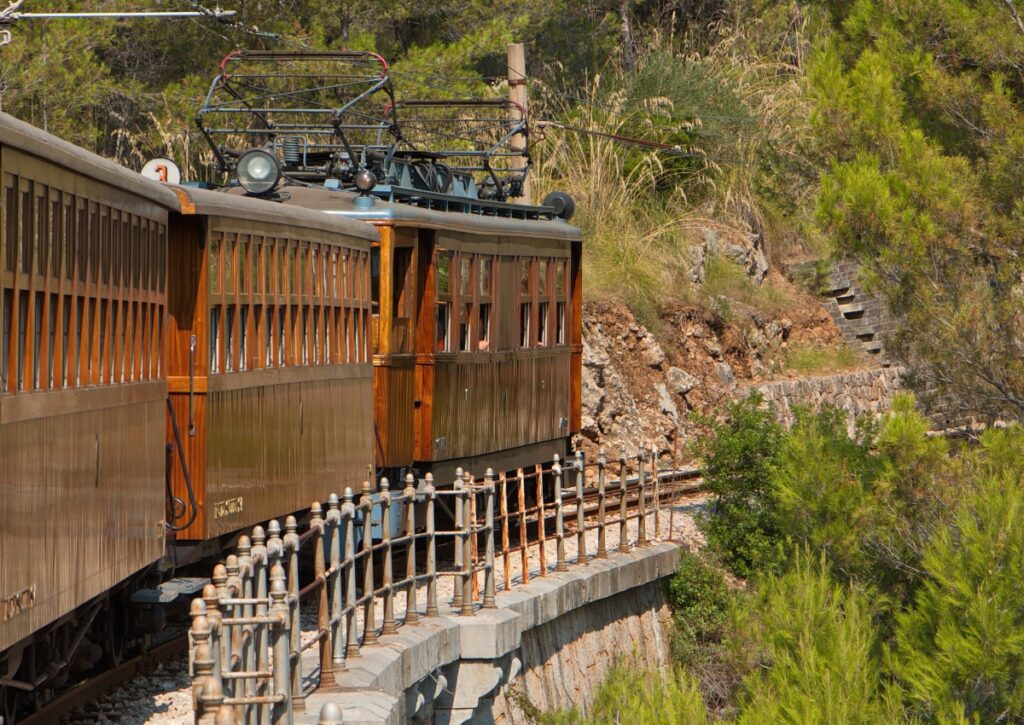
The Sóller Train:
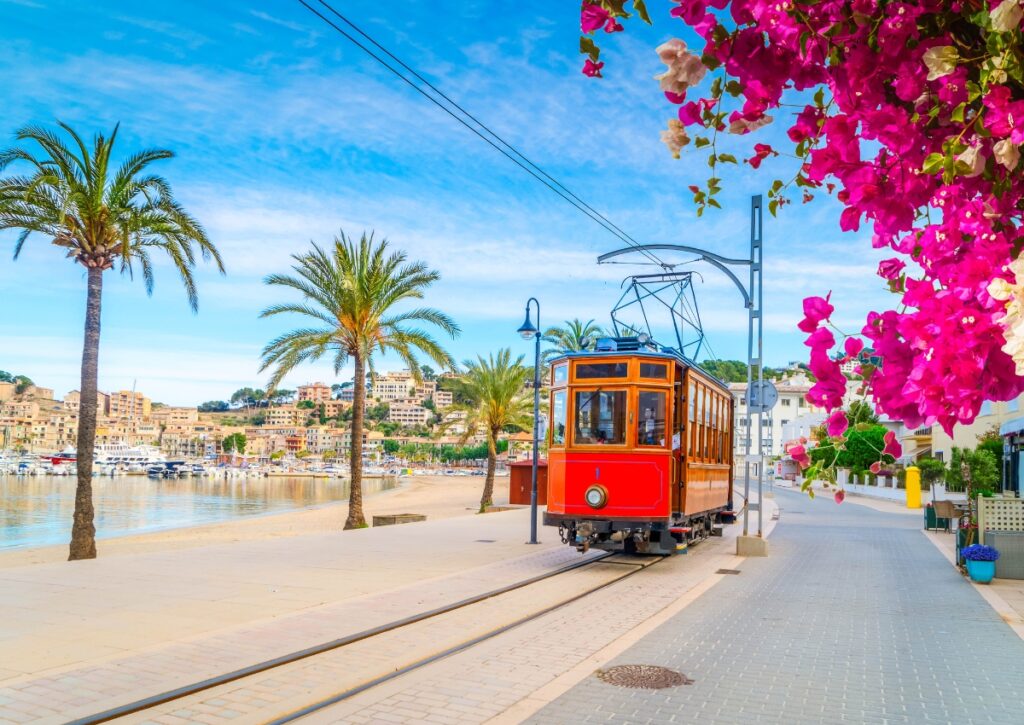
Historic wooden train that runs from Palma to Sóller (1 hour, €16 one-way). Built in 1911. Feels like you’re time-traveling. Genuinely lovely. Then, trams connect Sóller to the port. €1.50.
Cycling:
Rent an e-bike (€40-60/day) or regular bike (€15-30/day). Inland areas are mostly flat. Mountain areas are challenging but doable. Some companies rent bikes with local routes already planned.
Walking:
The Serra de Tramuntana has hundreds of kilometers of trails. The GR 221 long-distance trail runs the length of the mountains (271km total, but sections are doable as day hikes). These trails were restored specifically to encourage sustainable hiking tourism.
Scooters/Motorcycles:
If you’re experienced, scooters are €30-50/day. But honestly, they’re obnoxious, and there’s no advantage over buses unless you’re on a very tight timeline.
Sustainable Practices: How to Not Be the Asshole Tourist
The Sustainable Tourism Tax you’re paying isn’t theoretical. It goes to actual projects: trail restoration, wetland protection, waste management, and heritage site conservation. But that tax doesn’t make you sustainable on its own. Here’s how to actually travel responsibly:
Before You Go:
- Book accommodation 2-3 months in advance to help small businesses plan
- Avoid peak season (July-August) if possible. May-June and September-October are genuinely perfect
- Pack lightly so you can use public transport without struggling
While You’re There:
- Buy from local markets, not supermarkets. The money goes directly to farmers.
- Support small restaurants, not chains. There’s literally no McDonald’s in Mallorca yet. Keep it that way.
- Don’t take tours that advertise “off-the-beaten-path” if they’re clearly commercialized. The real off-the-beaten-path is where no tourists are.
- Respect the actual off-the-beaten-path once you find it. Don’t post its location to Instagram.
- Use refillable water bottles. The tap water is excellent. Bring a Yesim eSIM card if you need data for navigation, or just embrace being slightly unreachable.
- Hike responsibly. Trails are restored by volunteers. Don’t widen them. Don’t pick plants. Don’t leave trash.
- Learn a few words of Catalan. “Hola” (hello), “Gràcies” (thank you), “Adéu” (goodbye). Mallorcans appreciate the effort.
Everything You Actually Need
While you’re planning this adventure, you’ll need a few tools. These are services I’ve genuinely used:
Getting There:
- CheapOair for flights. Legitimately good flight comparison engine, especially for European routes.
Accommodation:
- Booking.com for searching, with filters for farm stays, guest houses, and small hotels. Pay close attention to reviews mentioning “local” or “family-run.”
Transportation & Transfers:
- Welcome Pickups for airport transfers. Reliable, fixed price, local drivers.
- GetRentacar for car rental if you decide you need it (though you probably don’t).
Spending Money:
- Revolut or Wise for currency exchange. Both have excellent exchange rates and minimal fees. Seriously, use these instead of your bank’s exchange rate, which is criminal.
- Yesim for eSIM data if you need connectivity. Cheaper than roaming, easier than finding SIM cards.
Travel Insurance:
- VisitorsCoverage for travel insurance. Not the cheapest, but genuinely comprehensive and they don’t make you jump through hoops when you need to claim.
Activities:
- GetYourGuide for booked tours and experiences, but honestly, book directly with local guides if you can. More money stays local.
The Part Where I Didn’t Want to Leave
There’s a moment on your final day when you realize that you’ve stopped looking at your phone. You’ve stopped checking Instagram. You’ve stopped thinking about work. You’re sitting in a village square in Mallorca, where you don’t speak the language perfectly, where you don’t understand all the cultural nuances, where you genuinely don’t know what you’re eating when someone hands it to you—and it’s perfect.
Sustainable travel isn’t about feeling morally superior. It’s not about the Sustainable Tourism Tax or using public transport or staying in eco-hotels. It’s about understanding that the places we visit are real places where real people live. The mountain villages aren’t museum exhibits. The markets aren’t performances. The food isn’t a checklist.
When you travel to Mallorca with actual intention—when you skip the resorts, embrace the mountains, eat where locals eat, and move slowly through villages—you participate in something that actually helps sustain the island. Your accommodation money goes to families. Your restaurant bills support generations-old businesses. Your hikes maintain trails that would otherwise deteriorate. Your market shopping keeps farmers in business. This isn’t virtue signaling. This is how tourism can work.
I left Mallorca five days later than I planned. I extended my stay in Deià by a week. I went back to markets I’d already been to. I had the same pan con tomate for breakfast three days in a row at the same café. I stayed for the village fiestas. I learned that the old guy at my guesthouse had been making olive oil on the same property for 47 years. I learned that the woman at the tapas bar had served four generations of her family in the same restaurant. I learned that Mallorca wasn’t discovered by tourism. Mallorca was discovered by Mallorcans, and they’re inviting you to see it.
Your Action Plan: Book This Week
Now:
- Search Booking.com for accommodation in Valldemossa, Deià, or Sóller. Mid-range guesthouses, €80-130/night.
- Book your flights via CheapOair, aiming for shoulder season (May-June or September-October).
- Arrange an airport transfer with Welcome Pickups to get to the mountains directly.
Two Weeks Before:
- Book your cooking class with Moltak or a local guide.
- Research hiking routes in the Serra de Tramuntana. Download offline maps (Google Maps works, but Komoot is better for hiking).
- Book any specific tours or experiences through GetYourGuide (though direct booking is better if you find local guides).
One Week Before:
- Get your Revolut or Wise card and load it with euros.
- Order a Yesim eSIM if you need data connectivity.
- Check on VisitorsCoverage travel insurance.
Subscribe and Follow for More:
If this resonates with you—if you want travel stories that don’t pretend to be Instagram perfect, if you want authentic experiences over performative adventures, if you believe travel should actually matter—subscribe to A Tiny Traveler. We send detailed guides, unfiltered stories, and practical tips for travelers who want to do this right.
Follow me on social media for daily insights about sustainable travel, hidden experiences, and honest takes on destinations. I share what works, what doesn’t, and why it matters. Because travel should change you, destinations should feel real. And the places I visit should be better off for our presence, not worse.
- Follow me on Pinterest (A Tiny Traveler): My Pinterest is your ultimate travel vision board! It’s where I share stunning photography, quick visual guides, and, most importantly, links to all my in-depth blog posts.
- Follow me on Instagram (a.tinytraveler): For daily doses of wanderlust, stunning travel photography, behind-the-scenes glimpses of my trips, and quick tips that will inspire your next getaway. See the world through my eyes!
- Like my Facebook Page (A Tiny Traveler): Join our vibrant community of fellow travel lovers! This is a great place to ask questions, share your own travel experiences, and connect with other readers and me.
This is what Mallorca teaches you when you actually pay attention. Come experience it. Stay for seven days. Stay for longer if you can. But stay with intention. Stay with respect. Stay the way Mallorcans themselves have been staying for centuries—slowly, thoughtfully, and absolutely on purpose.
Frank


