
Let me tell you about the worst meal I ever had. Not the most disgusting, but the most disappointing. It was my first trip to Rome. I was young, naive, and standing in the magnificent shadow of the Colosseum. My stomach rumbled, my tourist brain switched off, and I did the one thing I now consider a cardinal sin of travel: I sat down at the first restaurant I saw with a smiling tout, a glossy picture menu in English, and a prime view of the monument. I ordered a margherita pizza. What arrived was a pale, floppy disk of sadness, with ketchup-like sauce and cheese that had the texture of a plastic raincoat. It cost me nearly €20. As I chewed on that culinary tragedy, watching thousands of other tourists do the same, a profound sense of failure washed over me. I was in the heart of one of the world’s greatest food cities, and I was eating… this. It was a tourist trap, and I had walked right into its greasy, overpriced jaws.
That pizza changed me. It lit a fire in my belly that had nothing to do with heartburn. It was the moment I realized that travel isn’t just about seeing things; it’s about tasting, smelling, and feeling them. And to do that, you have to earn it. You have to hunt for it. A few years later, I found myself on a tiny plastic stool in a cramped alleyway in Hanoi. There was no sign in English, no menu to speak of. An old woman, who looked like she’d been perfecting the same dish for 70 years, simply pointed at a bubbling pot of broth. I nodded. She ladled this fragrant, magical liquid over a bed of noodles and beef, added a handful of fresh herbs, and slid the bowl across the metal counter. That first spoonful of pho was a revelation. It was complex, comforting, and so intensely flavorful it felt like a story of the entire city in a single bowl. It cost me less than two dollars, and it remains one of the best meals of my life.
The difference between that Roman pizza and that Vietnamese soup is the heart of what this blog post is all about. Finding authentic, mind-blowing local food isn’t about luck. It’s a skill. It’s an art. It’s a mindset. It’s about learning to see the signals, follow the clues, and have the courage to step off the beaten path and away from the shiny menus. It’s about understanding that the true flavour of a place is rarely found in the restaurant with the best view; it’s found in the crowded market stall, the noisy family-run eatery down a side street, and the food truck with a line of construction workers snaking around the block.
So, consider me your guide, your food sensei. I’m going to give you my entire playbook, built from over a decade of obsessive, delicious, and sometimes questionable culinary exploration. We’re going to cover everything from the deep-dive digital research you need to do before you even pack your bags, to the on-the-ground, street-smart tactics that will lead you to a city’s gastronomic soul. We’ll talk about how to budget for your feasting, the tech that will become your best friend, and how to do it all in a way that’s respectful and sustainable. Forget tourist traps. By the time you’re done with this guide, you’ll be a food-finding ninja, ready to unlock the most delicious secrets of any city on earth.
The Pre-Trip Feast: Your Digital Culinary Quest
The greatest food discoveries rarely happen by accident. They are the result of a delicious, obsessive, and downright fun hunt that begins long before you step on a plane. The internet is your global pantry, and it’s time to start stocking up on knowledge. Here’s how you build your culinary treasure map.
Ditch the Mainstream, Embrace the Niche: Why Your General Guidebook is Failing You
Let’s be honest, the “Top 10 Restaurants in Paris” list on a major travel site is designed for the masses. It’s going to be filled with safe, often overpriced, and rarely authentic options. They are fine, but “fine” is not what we’re after. We want “holy-cow-this-is-amazing.” To find that, you need to go deeper.
- The Problem with Big Aggregators: Sites like TripAdvisor or Yelp can be useful for a quick vibe check, but they are easily gamed and often dominated by tourist opinions. A restaurant might be #1 simply because it’s near a major landmark and has an English menu, not because its coq au vin is life-changing. Use them as a starting point, but never as your gospel.
- Your New Gospel: Niche Food Blogs & Vlogs: This is where the real gold is. Find the bloggers and YouTubers who are as obsessed with food as you are. These are the people who spend weeks, not days, in a city, dedicating their entire trip to finding the best version of a single dish.
The Holy Trinity of Food Research: Blogs, Vlogs, and Forums
This is my three-pronged attack for creating a culinary hit list for any destination.
1. Food Blogs:
Search for terms like “[city] food blog,” “best [local dish] in [city],” or “[city] street food guide.” Look for blogs written by locals or long-term expats. Their knowledge is intimate and invaluable. They’ll tell you not just what to eat, but how to eat it, the etiquette involved, and the history behind the dish. A well-written post from a dedicated food blogger is worth more than a dozen generic travel articles.
2. Food Vlogs (YouTube):
Visuals are powerful. Watching a food vlogger navigate a market in Bangkok or a tapas bar in Seville gives you a real sense of the atmosphere. My go-to channels for this are legends like:
- Mark Wiens (Migrationology): The king of street food. His pure, unadulterated joy when eating is infectious, and his recommendations are almost always spot-on for authentic, high-flavor food.
- The Food Ranger (Trevor James): Similar to Mark, but with a huge focus on street food across Asia. He goes deep.
- Best Ever Food Review Show (Sonny Side): More adventurous and often focuses on unique and sometimes “weird” foods, but his team does incredible research to find truly local spots.
Pro Tip: When watching these videos, pay attention to the background. Look at the name of the stall (if there is one), the street signs, and nearby landmarks. Take screenshots. This is detective work.
3. Forums (Reddit):
This is my secret weapon. Reddit is a raw, unfiltered source of local information. Every major city has a subreddit (e.g., r/askTO for Toronto, r/london for London). But the real gems are the food-specific subreddits like r/Food, r/StreetFood, or even the city’s dedicated food sub (e.g., r/AustinFood).
Here’s the magic formula for a Reddit post:
Go to the city’s subreddit and post something specific and humble.
- Don’t say: “Hi, I’m visiting next week. Where should I eat?” (Too generic, you’ll get ignored or told to use the search bar).
- Do say: “Hi /r/mexicocityfood! I’ll be staying in Condesa for 5 days next month and I’m absolutely obsessed with finding the best al pastor tacos. I’m not afraid of street carts and my Spanish is terrible but I’m enthusiastic! I’ve heard good things about El Vilsito, but where do the locals think is the absolute best? Thank you so much!”
This kind of post shows you’ve done some research, you’re respectful, and you have a specific goal. You will be inundated with passionate, detailed, and often debated recommendations from locals. This is pure gold.
Become an Instagram & TikTok Food Detective
Social media can be a cesspool, but for food research, it’s an incredible visual tool.
- The Hashtag Hunt: Search for hashtags like
#[city]eats(e.g.,#nyceats),#[city]foodie(e.g.,#lisbonfoodie), or the name of a specific dish#[cacioepepeinrome]. You’ll find thousands of photos. - Look for the Imperfect Photos: Ignore the super-polished influencer shots. Look for the slightly blurry, poorly lit photos posted by regular people. These are often signs of a place focused on food, not aesthetics. The caption might be a simple “Best noodles ever!” That’s a clue.
- Follow Local Food Influencers: Search for “[city] food blogger” on Instagram’s search bar. Find a few accounts that have a vibe you like and look through their feeds. They’ve done the legwork for you.
- Use the Location Tag: When you find a picture of a delicious-looking dish, click on the location tag. This will show you all the photos taken at that restaurant. Scroll through them. Do you see locals? Is the food consistently good-looking? It’s a quick and easy way to vet a place.
Mapping Your Gluttony: The Power of Google My Maps
Okay, you’ve gathered a ton of recommendations. Now what? You need to organize them. This is, without a doubt, the most important part of my pre-trip planning.
- Go to Google My Maps (not regular Google Maps).
- Create a new map and name it something like “Lisbon Food Adventure.”
- Every time you find a promising restaurant, market, or coffee shop from your research, search for it on your custom map and save it.
- Crucially, color-code your pins. I use a system: Green for “Must-Try,” yellow for “Looks Good/If I’m Nearby,” blue for “Coffee/Bars,” and purple for “Markets.”
- Use the description box. When you save a pin, add a note about why you saved it. For example, for a pin in Naples, I’d write: “Pizzeria Gino Sorbillo – From Mark Wiens’ video. Famous for classic Neapolitan pizza. Expect a long line. Get the Margherita.“
When you arrive in the city, you just open your Google Maps app, pull up this custom map, and voilà. You have a personalized food guide that shows you what’s good right where you are. No more desperate “food near me” searches. You can see your green “Must-Try” pin is just two blocks away. This is a total game-changer.
The On-the-Ground Hunt: Becoming a Street-Smart Foodie
You’ve landed. Your custom map is loaded. Now the real fun begins. Research is one thing, but you also need to trust your instincts and learn to read the streets. Here are my field-tested rules for a successful food hunt.
The Golden Rule: Follow the Locals
This is the most important piece of advice I can give you. If a restaurant is filled with tourists, it’s a tourist restaurant. If it’s filled with locals—families, office workers, old men arguing over coffee—you’ve likely found something special. But how do you tell?
- Look for a Line (of the Right People): A long line is often a good sign. But look at the people in the line. Are they chattering away in the local language? Are they dressed for work? That’s your line. A line of people in fresh-out-of-the-box hiking sandals all holding guidebooks? Be skeptical.
- The “No-English-Menu” Test: If the menu is only in the local language, maybe it’s handwritten on a chalkboard or a single laminated sheet, you are on the right track. It means they haven’t felt the need to cater to tourists. This is a very, very good sign.
- The “Ugly But Delicious” Decor: The world’s best food is often served in places with terrible lighting, plastic chairs, and zero ambiance. These places are not trying to sell you an “experience.” They are selling food, and they are confident that the food alone is enough to make you come back. Be wary of places that are all style and no substance.
- Specialization is Key: Does the restaurant sell 50 different things, from pizza to curry to burgers? Run away. A great local spot often does one thing, or a handful of things, and does them exceptionally well. A stall that only sells Banh Mi. A Trattoria that only makes 3 kinds of pasta. That specialization is a sign of mastery.
Master the Art of the “Point and Smile”
“But Frank, I don’t speak Thai/Japanese/Italian!” You don’t have to! The fear of a language barrier is the single biggest thing that keeps travelers in the tourist bubble. Don’t let it.
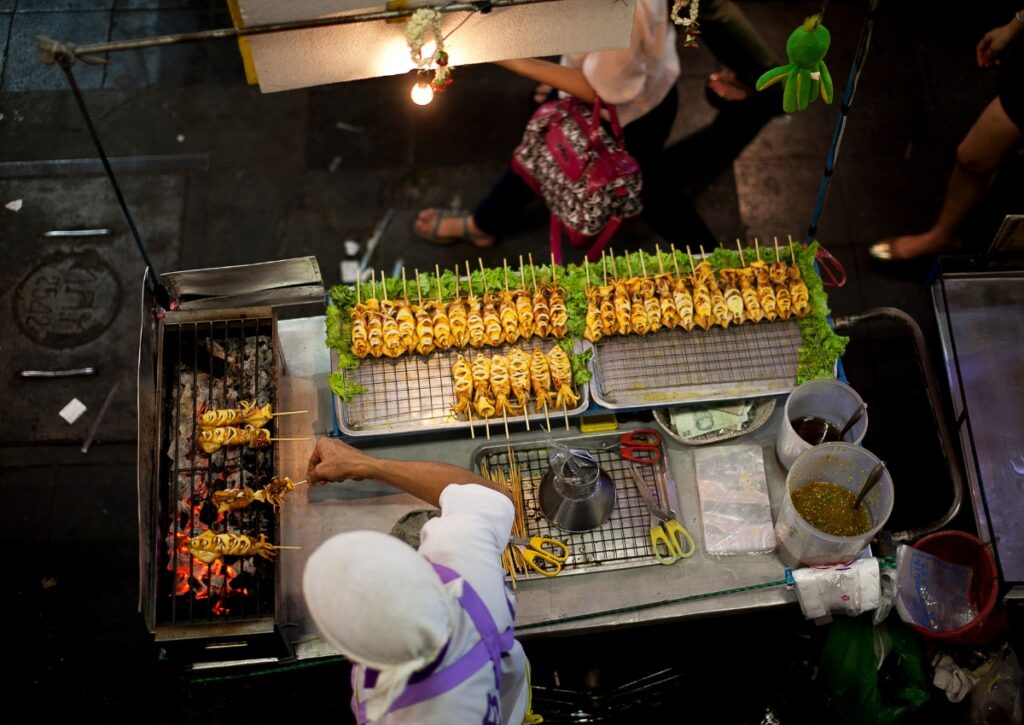
The “Point and Smile” is a universal language. Walk up to a stall or counter, make eye contact, and smile warmly. See what other people are eating. If it looks good, point to their dish, then to yourself, and hold up one finger. “One of those, please.” It works 99% of the time. People are usually happy and often flattered that you want to try their food. A smile and a polite nod go a very long way.
And here’s where your smartphone is your best friend. Download the Google Translate app. The camera function is pure magic. You can hold your phone’s camera up to a menu, and it will translate the text in real-time. It’s not always perfect, but it’s enough to tell the difference between chicken and tripe (a very important distinction, in my experience).
The Market Is Your Temple: Why Local Markets Are Non-Negotiable
To understand the food culture of a place, you must go to its source. The local market is the beating heart of a city’s culinary scene. It’s where chefs and grandmothers shop. It’s a sensory explosion and an educational experience all in one.
- Morning Markets: This is where you’ll see the raw ingredients in all their glory. It’s a great place to try local fruits, cheeses, and cured meats. Look for the vendor with the longest line of old ladies; they know who has the best stuff.
- Night Markets: In many parts of the world, especially Asia and Latin America, night markets are where the city comes to eat. It’s a kaleidoscope of street food stalls. The best strategy? Do a lap first. Walk the entire market, see what’s on offer, and identify the stalls that are busiest with locals. Then, create your own progressive dinner, grabbing one dish from several different vendors.
- Engage with Vendors: Even with a language barrier, you can interact. Point at a strange-looking fruit and raise your eyebrows in a questioning way. They might offer you a sample. Buy a few things. Be a participant, not just an observer.
The Taxi Driver & Hotel Concierge Gambit
These can be valuable resources, but you have to ask the right question.
- Don’t ask: “Where is a good place to eat around here?” You will get the “safe for tourists” answer. They’ll send you to their cousin’s place or a restaurant that gives them a commission.
- Do ask: “Where do YOU love to eat on your day off? Where do you take your family for the best [local dish]? I don’t care if it’s fancy. I just want delicious food.“
This changes the entire dynamic. You are no longer a tourist asking for a recommendation; you are a food lover asking for their personal, passionate opinion. I’ve been given directions to unmarked doors and basement restaurants this way, and they’ve been some of the most memorable meals of my life.
Your Secret Weapon: The Guided Food Tour
I know, I know. I just told you to avoid the touristy stuff. But a good food tour is the exception that proves the rule. Think of it as a cheat code, a culinary masterclass, and a city orientation all rolled into one. It’s especially valuable on the first or second day of your trip.
A great local guide will not only take you to hidden gems you would never find on your own, but they will also teach you the context of the food. You’ll learn the history of a dish, the local etiquette for eating it, and get stories about the vendors. It instantly demystifies the local food scene and gives you the confidence to explore on your own later.
I’ve taken dozens of food tours all over the world, and they are one of my favorite travel activities. I always use GetYourGuide to book them. They have an incredible selection of tours in almost every city, from street food crawls on the back of a scooter in Ho Chi Minh City to pintxos tours in San Sebastián. The best part is you can read hundreds of real reviews from other travelers, so you can pick a tour that’s highly rated and run by a passionate local. It’s a fantastic investment in your stomach and your travel experience.
The Financial Feast: Budgeting for a World of Flavors
Let’s talk money. Eating your way around the world is amazing, but you don’t want to come home to a terrifying credit card bill. Budgeting for food is crucial, and it varies wildly depending on where you are.
A Global Food Budget Guide (Per Person, Per Day)
This is a rough guide based on eating primarily at local, non-touristy spots.
- The Bargain Hunter’s Paradise (Southeast Asia, Parts of Latin America & Eastern Europe): $15 – $30 USD. In places like Thailand, Vietnam, or Mexico, you can eat like royalty on this budget. This covers 3 full meals, mostly from street food stalls and local eateries, plus drinks and snacks.
- The Mid-Range Mecca (Southern Europe, Parts of Central Europe): $40 – $70 USD. Think Portugal, Spain, Greece, or the Czech Republic. This will get you a simple breakfast (coffee and pastry), a hearty lunch at a local bistro or market, and a nice sit-down dinner with a glass of wine at a family-run trattoria or taverna.
- The Splurge Zone (Western & Northern Europe, North America, Australia, Japan): $70 – $150+ USD. In cities like Paris, Copenhagen, New York, or Tokyo, food is a significant expense. This budget would cover a bakery breakfast, a casual lunch (like a sandwich or ramen bowl), and a mid-range dinner. Street food can help lower costs, but a sit-down meal with drinks can easily be $50+ per person.
Your Financial Toolkit for Global Gluttony
How you pay is almost as important as how much you budget. Small, local food stalls are often cash-only. And using your home bank card to withdraw foreign currency or pay at restaurants is a recipe for disaster due to horrible exchange rates and fees.
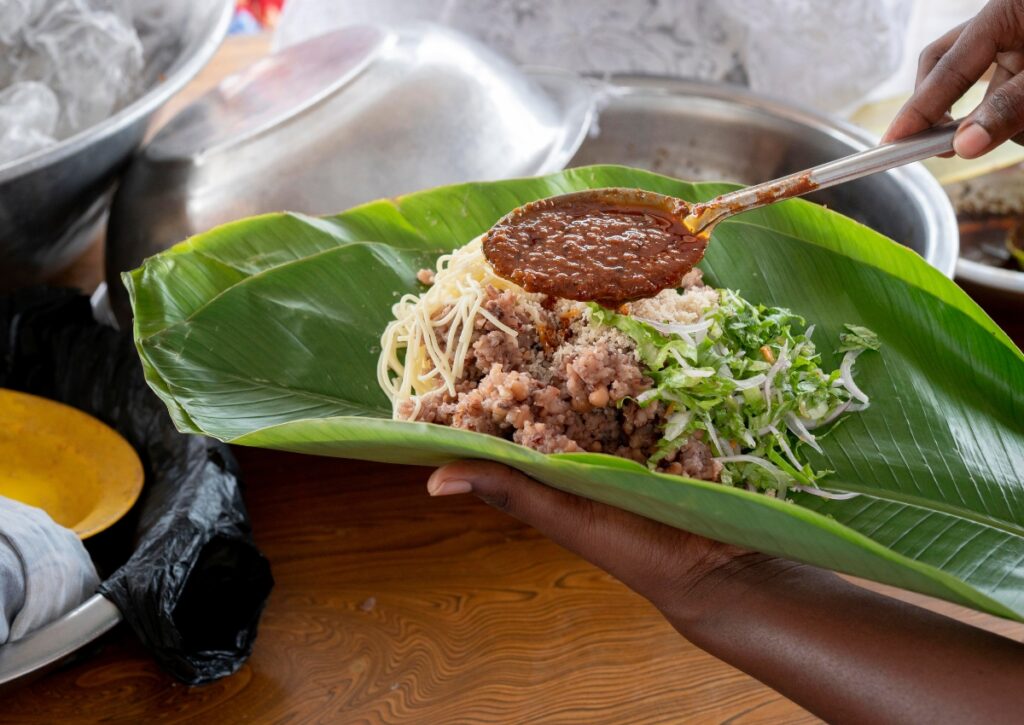
This is why I never travel without my multi-currency cards. I use both Revolut and Wise. They are absolute lifesavers. Here’s how they work:
- You open an account online for free.
- You top it up with money from your regular bank account.
- You can then convert your money into dozens of different currencies within the app at a near-perfect exchange rate.
- When you’re abroad, you use their debit card to withdraw cash from ATMs for little to no fee (up to a certain monthly limit) or pay directly at shops and restaurants.
Honestly, using Revolut or Wise has saved me thousands of dollars over the years. No more getting ripped off by airport currency exchanges or mysterious bank fees. It gives you the freedom to pay like a local everywhere you go.
Essential Tools & Tech for the Modern Food Traveler
A few key apps and services will make your culinary hunt infinitely easier and more enjoyable.
Connectivity is Key: Why You Need Data from Day One
Your phone is your map, your translator, your research tool, and your lifeline. Trying to find a hidden restaurant by hopping from one spotty café Wi-Fi to another is a frustrating nightmare. You need reliable data from the moment you land.
Forget about the insane roaming charges from your home provider. The solution is an eSIM (a digital SIM card). Before my trip, I always get a data plan from Yesim. I can buy a plan for the specific country or region I’m visiting, install it on my phone in two minutes, and activate it the second the plane touches down. It’s often cheaper than buying a local physical SIM card and a million times more convenient. Having instant access to Google Maps and Translate when you step out of the airport is a stress-relieving superpower.
Getting to the Feast: Smart Transportation
Your quest for food will take you all over the city.
- From the Airport: The journey from the airport to your hotel sets the tone for your trip. Haggling with taxi drivers when you’re tired and jet-lagged is the worst. I always pre-book an airport transfer with Welcome Pickups. They have English-speaking drivers who track your flight for delays, the price is fixed and paid in advance, and they often give you a little intro to the city on the way. It’s the smoothest, most stress-free start to any trip.
- Exploring a Region: If you want to explore the food scene beyond the city center—think wineries in Tuscany or rural pubs in the Cotswolds—renting a car is the best way to do it. I use GetRentacar to compare prices from different rental agencies. It’s a great way to find a good deal and gives you the freedom to go on a spontaneous culinary detour whenever you see a promising roadside farm stand.
Eating Sustainably & Responsibly: A Foodie’s Code of Conduct
Our love for food should also translate into love and respect for the places and people who produce it.
- Reduce Food Waste: Order mindfully. It’s better to order a few dishes and add more if you’re still hungry than to leave a table full of uneaten food. In many cultures, wasting food is deeply offensive.
- Bring Reusables: When you go to a market, bring your own tote bag. If you plan on getting takeout or street food, you can even bring your own reusable container or Tupperware.
- Support Truly Local: Eating at small, family-run businesses is the essence of sustainable tourism. Your money goes directly into the local community, supporting families and preserving culinary traditions.
- Be Wary of “Exotic” Animal Foods: Be a conscious consumer. Avoid restaurants that serve endangered species or involve animal cruelty, such as shark fin soup or the controversial kopi luwak (civet coffee), where the animals are often kept in terrible conditions.
- Hydrate Responsibly: Avoid buying endless plastic water bottles. Bring a high-quality reusable water bottle and fill it up at your hotel or at filtered water stations.
Don’t Forget the Boring (But Crucial) Stuff: Protect Your Palate!
One final, critical piece of advice. Sometimes, despite your best efforts, your stomach might not agree with the local cuisine. Getting sick abroad is no fun, and getting sick and having to deal with a massive hospital bill is a travel nightmare.
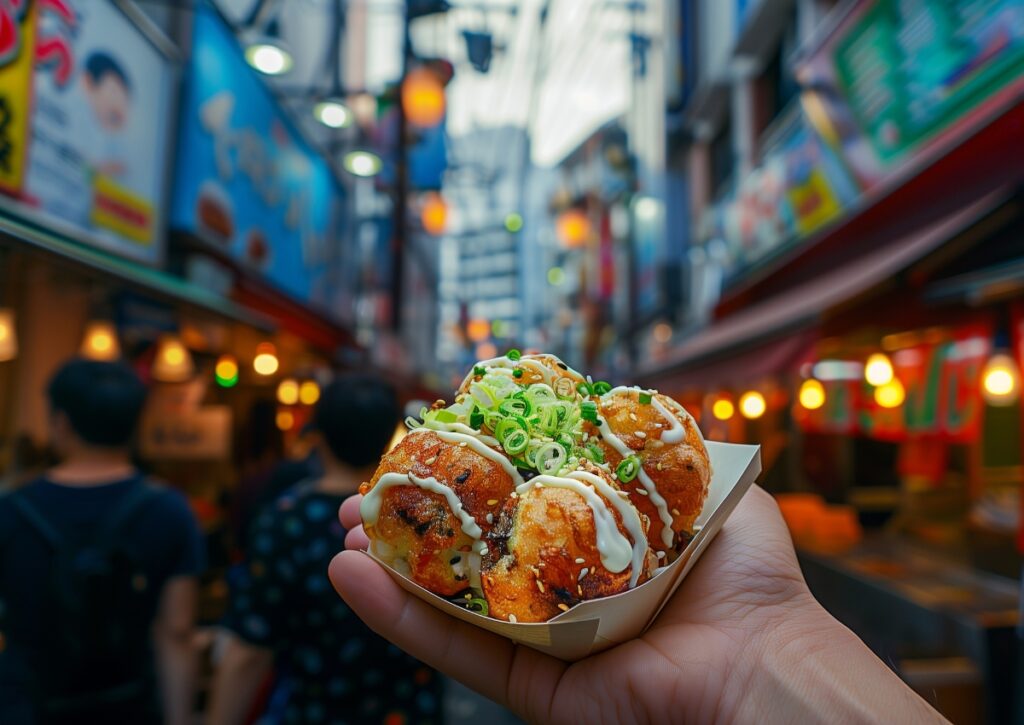
This is why travel insurance is 100% non-negotiable. I’ve had to use it for a nasty bout of food poisoning in Cambodia, and it saved me from a world of financial pain and stress. I use VisitorsCoverage because their platform makes it incredibly easy to compare plans from different providers and find one that covers medical emergencies. It costs a tiny fraction of your total trip cost, and the peace of mind it provides is priceless. Please, do not travel without it.
Conclusion: It’s More Than Just Food—It’s a Connection
We’ve covered a lot of ground here. We’ve gone from digital detective work on Reddit to the art of the “point and smile” in a crowded market. We’ve built a toolkit of apps, services, and strategies that can turn any trip into an unforgettable culinary pilgrimage. But if you take only one thing away from this manifesto, let it be this: Food is not just fuel. It is the most accessible, intimate, and delicious way to connect with a culture.
Every dish has a story. That bowl of pasta in Bologna tells a tale of grandmothers, of fertile fields, and of centuries of perfecting a craft. That taco from a street cart in Oaxaca speaks of ancient corn varieties, of complex mole recipes passed down through generations, and of the vibrant life of the street. When you make the effort to find and appreciate this food, you are doing more than just eating a meal. You are participating in that story. You are honouring that tradition. You are connecting, on a deep and human level, with the people and the place you are visiting.
The hunt for authentic food will lead you down streets you would have otherwise missed. It will force you to interact with people you might have otherwise passed by. It will challenge you, push you out of your comfort zone, and reward you with flavours and memories that will stick with you long after the taste has faded. So be curious. Be brave. Be hungry. Use this guide as your map, but always be ready to follow your nose down an interesting-looking alley. The greatest culinary treasures are rarely found on the main road. Now go, and eat the world.
Has this guide sparked your appetite for adventure? Are you already mentally planning your next food-fueled trip? My mission with A Tiny Traveler is to give you the tools and inspiration to travel more deeply and deliciously. If you found this useful, the journey doesn’t have to end here.
The absolute best way to get more of my in-depth guides, personal travel stories, and exclusive tips is to subscribe to my weekly newsletter, The Tiny Traveler Dispatch. It’s your personal invitation to a world of authentic travel, delivered right to your inbox.
SUBSCRIBE TO THE NEWSLETTER HERE
And let’s connect! I share my daily food discoveries and behind-the-scenes travel moments on my social channels. It’s the perfect place for a daily dose of wanderlust.
- Follow me on Instagram (a.tinytraveler): For daily doses of wanderlust, stunning travel photography, behind-the-scenes glimpses of my trips, and quick tips that will inspire your next getaway. See the world through my eyes!
- Like my Facebook Page (A Tiny Traveler): Join our vibrant community of fellow travel lovers! This is a great place to ask questions, share your own travel experiences, and connect with me and other readers.
- Follow me on Pinterest (A Tiny Traveler): My Pinterest is your ultimate travel vision board! It’s where I share stunning photography, quick visual guides, and, most importantly, links to all my in-depth blog posts.
I genuinely love hearing from you. If you use these tips to discover an amazing meal on your travels, please leave a comment below or tag me in your photos. Let’s build a global community of curious, respectful, and very well-fed travelers!
Stay hungry,
Frank


Pingback: Best SIM Cards and Wi-Fi Options for Travelers – A Tiny Traveler