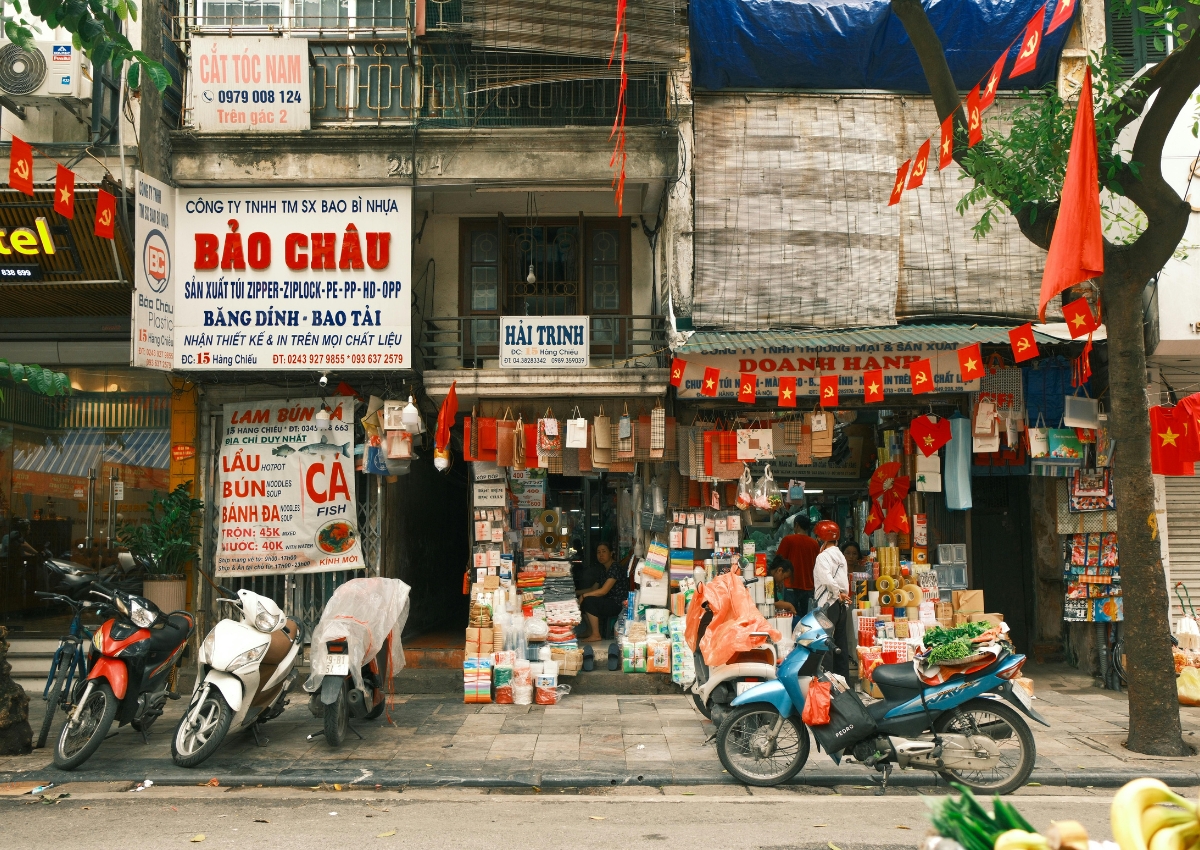
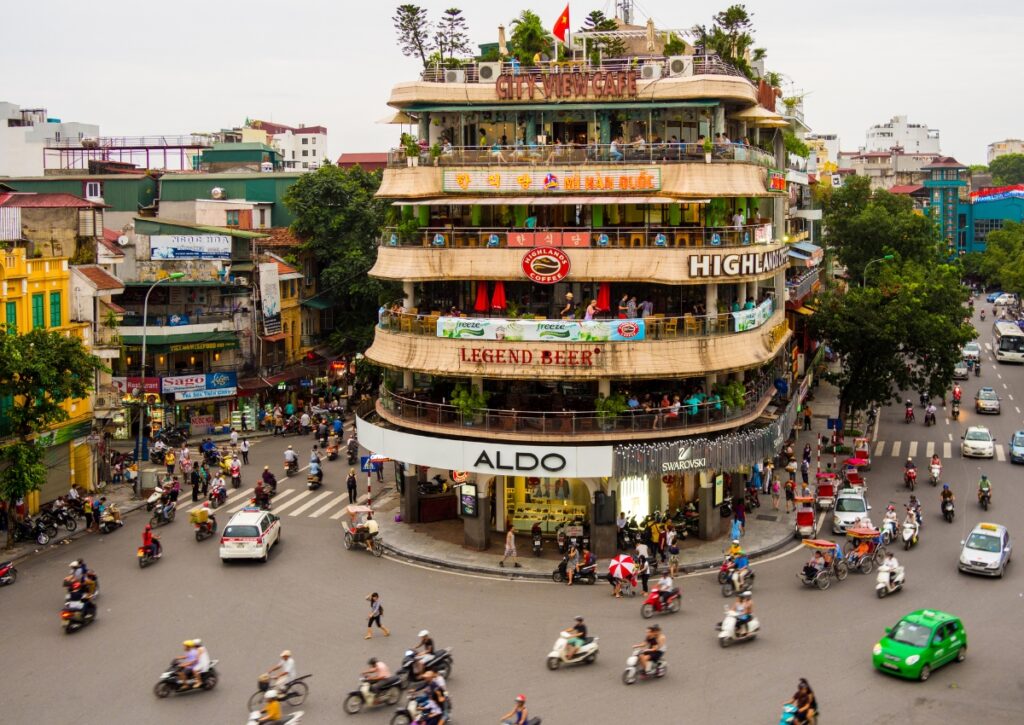
Look, I get it. You’re in Hanoi—the city where the traffic sounds like a thousand angry hornet nests and the Old Quarter smells like a combination of grilled meat, fish sauce, and diesel exhaust. It’s chaotic. It’s loud. It’s absolutely magical. But after a few days of dodging motorbikes and navigating street stalls at 2 AM, you might start eyeing those travel guides with day trips. And honestly? That’s the move. The best part about Hanoi isn’t just the city itself—it’s everything around it. Within a couple of hours, you can swap the urban jungle for karst mountains, pristine caves, and villages where time moves differently.
I’ve been traveling through Vietnam for what feels like forever, and I’ve spent enough time in Hanoi to know the good day trips from the tourist traps. So here’s the thing: this isn’t a listicle about generic destinations. This is about getting out of the city the smart way—whether you want adrenaline-pumping cave hikes, peaceful boat rides through limestone wonderlands, or authentic village experiences where locals aren’t performing tourism for Instagram. And yes, we’re talking budget. Because let’s be real—you didn’t fly halfway around the world to drop your entire savings on day tours.
The beauty of day-tripping from Hanoi is that you can pack a lot into twelve hours. Most of these destinations are between one and three hours away, meaning you spend less time in a van and more time actually doing things. Plus, the costs are ridiculous—we’re talking $30 to $90 for a full day, including transport, guide, lunch, and activities. That’s cheaper than a decent dinner back home. The real question isn’t whether you can afford to go; it’s how many of these you can squeeze in before you have to fly out.
Daily Budget Breakdown for Hanoi Day Trips
Before we dive into the destinations, let’s talk money. Because I know that’s what you’re really wondering.
Daily Budget Estimates for Hanoi Area:
- Budget backpacker mode: $20-30/day in the city itself
- Mid-range comfort: $40-60/day
- Splurge-worthy living: $80+/day
For Day Trips Specifically:
- Group tours (most popular): $33-89/person depending on destination
- Private tours: $45-130+/person
- Transportation + self-guided: $10-25/person
- Entry fees: $5-20, depending on attraction
Essential Costs Breakdown:
| Expense | Cost (USD) | Cost (VND) |
|---|---|---|
| Street food meal | $1-2 | 25,000-50,000 |
| Local beer | $1 | 20,000 |
| Coffee (Vietnamese phin) | $1-1.50 | 20,000-35,000 |
| Hostel dorm bed | $5-8 | 120,000-190,000 |
| Budget hotel room | $10-15 | 240,000-360,000 |
| Day tour (group) | $33-79 | 790,000-1,900,000 |
| Motorbike taxi short trip | $1-3 | 20,000-75,000 |
Money Tip: The exchange rate hovers around 1 USD = 26,300 VND (December 2025). Get a Wise card or Revolut for the best rates on currency exchange—you’ll save a solid 3-5% compared to getting cash exchanged at your hotel. Seriously, it adds up when you’re traveling for weeks. Book your card at Wise.com before you leave, or grab a Revolut card on your phone.
1. Ha Long Bay: When “More Touristy” Still Means Absolutely Worth It
Listen, I know what you’re thinking. Ha Long Bay is overdone. It’s in every guidebook, every Instagram feed, and honestly, it is touristy. But here’s the thing nobody tells you: it’s touristy because it’s genuinely spectacular. Those towering limestone karsts didn’t become a UNESCO World Heritage Site because they’re mediocre.

The thing about a Ha Long Bay day trip is that you get the highlights without the guilt of spending three days on a cruise ship with 200 other tourists. You’ll board a speedboat in the morning, cruise past the famous Duck Island and Thumb Island, explore Sung Sot Cave (which literally translates to “Surprise Cave,” and yes, it’ll surprise you with its massive stalactites), and paddle around by kayak in hidden lagoons. You might even see monkeys in the limestone cliffs if you’re lucky—and if the boatman knows the right spots.
The boat ride itself is the kind of peace that makes you forget about the maddening traffic back in the city. You’re gliding through emerald water with these massive stone formations rising up around you like ancient sentinels. In the afternoon, most tours hit Titop Island, where you can either swim on the beach or hike to the summit for panoramic views that’ll make your phone storage weep.
Full-Day Ha Long Bay Tour Highlights:
- Sung Sot Cave: Massive limestone cave with spectacular formations
- Titop Island: Beach swimming + viewpoint hiking
- Kayaking/Bamboo boat through hidden lagoons
- Hanoi pickup/dropoff included
- Lunch: Usually fresh seafood onboard
Cost: $40-65/person for group tours. Private options run $80-150+.
Duration: 12 hours total (including 3.5 hours driving each way)
Pro Tips for Ha Long Bay:
- Book through GetYourGuide for competitive prices and reviews from real travelers
- Go on a weekday if you can—weekends mean more boats and more crowds
- Bring sunscreen, even if it’s cloudy. The water reflects UV rays like crazy
- Wear water shoes for kayaking—the rocks can be sharp
Sustainable Note: Consider skipping the squid fishing tours. The practice is controversial, and many ethical operators have stopped offering it. Stick with kayaking and cave exploration instead.
2. Ninh Binh: The “Ha Long Bay on Land” That’s Actually Better Than the Name Suggests
If Ha Long Bay feels too crowded for your taste, Ninh Binh is where you redeem your faith in day-trip tourism. This region is genuinely magical, and it’s still got that feeling of discovery—you know, the thing you came to Vietnam for in the first place.
Ninh Binh is actually several attractions rolled into one region, which is why most full-day tours here pack in a lot. You’ll typically start at Bai Dinh Pagoda, the largest Buddhist temple complex in Vietnam. Walking through those grounds, seeing the 500 statue of La Han (Buddhist disciples), and spotting the massive bronze Buddha statue (10 meters tall, 100 tons—yes, I checked), it hits different. There’s something about the scale and the architecture that makes you feel small in the best possible way.
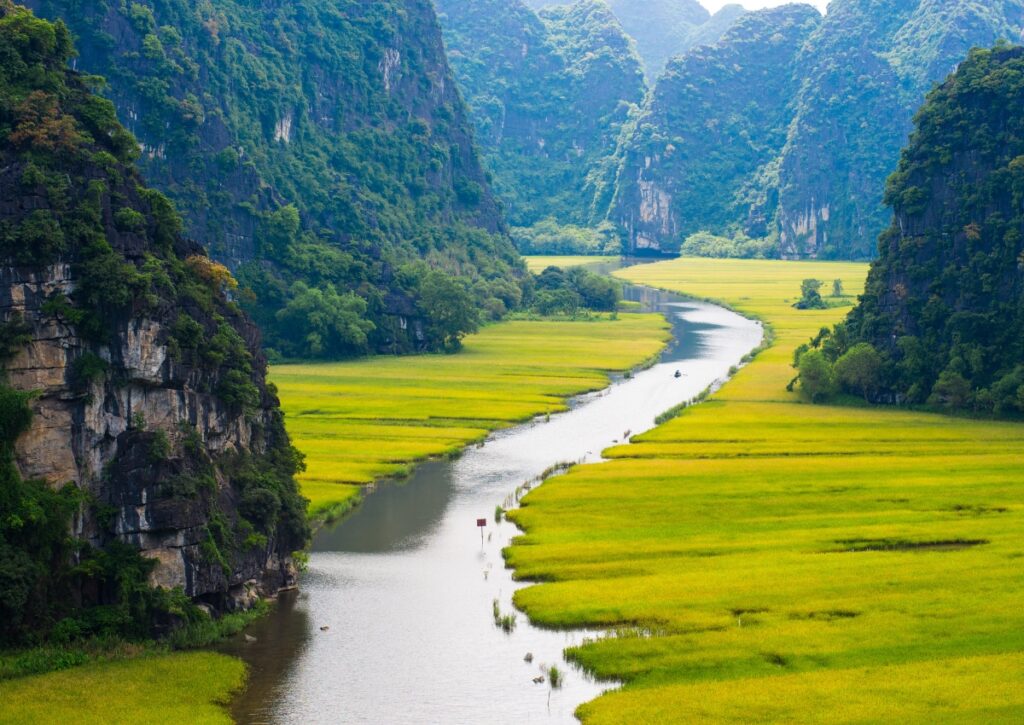
From there, you’ll head to Trang An, which deserves its “Ha Long Bay on land” nickname because it’s genuinely that good. You’ll board a traditional wooden sampan (a small rowboat) with a local rower—often an elderly woman who’s been doing this for 40+ years—and float through limestone caves and along a river surrounded by rice paddies. The boat passes through Sang Cave, Toi Cave, and Ba Giot Cave. Inside these caves, the light hits the water in ways that feel almost unreal. Bring a waterproof phone case because you’ll take about 500 photos.
After lunch (usually goat meat, fried rice, and local fruit—honestly delicious), you’ll hit Mua Cave for a hike. Now, “hike” might be generous—it’s more like a determined climb up about 500 steps carved into the mountainside. But the view from the top? You’re looking out over the entire Tam Coc valley, with limestone peaks stretching to the horizon and rice paddies creating a patchwork quilt below. It’s one of those views that makes the sweat and burning leg muscles worth it.
Ninh Binh Day Trip Essentials:
- Bai Dinh Pagoda: Vietnam’s largest Buddhist complex
- Trang An boat tour: UNESCO site, 2+ hours floating through caves
- Tam Coc: Alternative to Trang An, “Three Caves” boat tour
- Mua Cave hiking: 500 steps to a panoramic viewpoint
- Hoa Lu: Ancient capital temples (often included)
Cost: $33-89/person, depending on which sites are included
Duration: 10-13 hours
Rough Itinerary:
- 7:30-8:00 AM: Hotel pickup in Hanoi Old Quarter
- 10:00 AM: Arrive Bai Dinh Pagoda
- 1:00 PM: Boat tour at Trang An
- 12:30 PM: Lunch
- 2:00 PM: Mua Cave hike
- 7:00-7:30 PM: Drop-off back in Hanoi
Money Moves: Book through GetYourGuide or Viator for skip-the-line options. These tours move fast, and the small entrance fee savings add up. Plus, you get travel insurance through most platforms—not a bad bonus for $1-2 extra.
Sustainable Tourism Tip: Choose tours that include stops at local family restaurants rather than tourist-focused establishments. Your lunch money directly supports the community instead of a corporation. Ask your tour operator about this—good ones will be upfront about it.
3. Cuc Phuong National Park: Wildlife, Ancient Forests, and That “Middle of Nowhere” Vibe
Here’s where you go when you want to feel like you’ve actually escaped the city. Cuc Phuong National Park is Vietnam’s oldest national park, and it’s absolutely pristine in that way that makes you realize how disconnected you normally are from actual nature.
The main draw here is the Endangered Primate Rescue Center (EPRC), where you’ll encounter species that are literally on the edge of extinction. We’re talking Delacour’s Langurs (fewer than 50 left in the wild), Asian Black Bears, Clouded Leopards, and Owston’s Civets. Walking through the sanctuary, seeing these animals that most people will never lay eyes on, there’s this weird mix of sadness and hope. Sadness because their habitats are disappearing, hope because people are actually doing something about it.
After the EPRC, you’ll trek through the dense rainforest to the Cave of Early Man—an actual archaeological site where evidence of human habitation dating back 7,000-12,500 years has been found. Walking through a cave knowing that ancient humans stood in the exact same spot? That perspective shift is real.
The forest itself is the real star. You’re surrounded by 1,000-year-old trees, rare plants, and the ambient sounds of an actual jungle. If you’re into wildlife spotting (and I mean real wildlife, not zoo animals), this is the move. The park is home to 2,000 tree species and animals you’ve literally never heard of.
Cuc Phuong Essentials:
- Endangered Primate Rescue Center: Up-close with near-extinct species
- Cave of Early Man: 7,000+ year-old archaeological site
- Jungle trekking: Easy trails through primary rainforest
- Turtle Conservation Center: Bonus wildlife viewing
Cost: $50-85/person for group tours
Duration: 10-11 hours total
What to Expect:
- Pick up around 7:30 AM from Hanoi
- 2.5-3 hour drive to the park
- 2-3 hours exploring EPRC and the cave
- Lunch at a local restaurant
- Light trekking and nature exploration
- Drop-off back in Hanoi by 6-7 PM
Pro Tips:
- Wear good hiking shoes (not flip-flops, despite what Instagram suggests)
- Bring insect repellent—mosquitoes are real here
- The weather is cooler than the city, so bring a light layer
- Early morning visits are best for wildlife spotting
Sustainable Tourism Connection: The EPRC is a legitimate conservation organization. Your tour fee directly supports their rescue and rehabilitation efforts. It feels good to know your money is going toward actual conservation, not just into a tour operator’s pocket.
4. Van Long Nature Reserve: The Peaceful Alternative to Crowded Boats
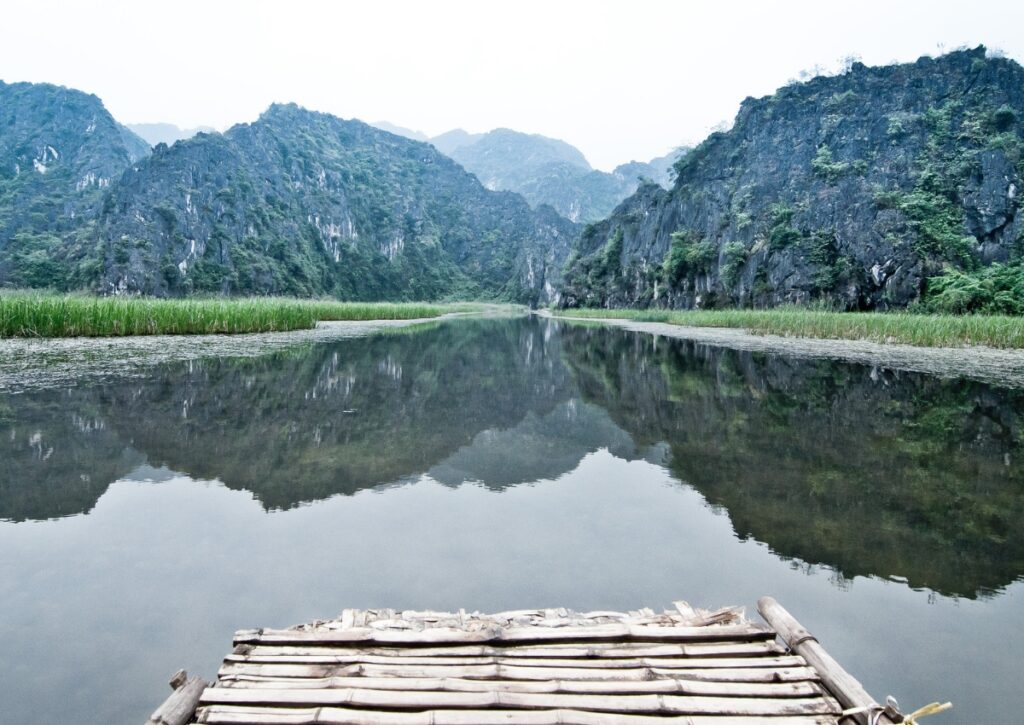
If you looked at the Ha Long Bay day trip and thought, “Yeah, but I want it quieter,” then Van Long Nature Reserve is calling your name. This wetland reserve is on the Preservation List, which means it’s protected and less developed than other tourist hotspots. You’ll actually see wildlife here—langurs, gibbons, endangered birds—because the place isn’t absolutely packed with tourists.

The experience is pretty much the same as Trang An: you board a small wooden rowboat and get rowed through stunning limestone scenery, but it feels more intimate. There are fewer boats, fewer people, and somehow the birds seem less annoyed at your presence. You’re floating through waterways surrounded by rice paddies and towering limestone mountains. Some sections feel completely untouched, like you’ve accidentally stumbled into a world that tourism hasn’t quite figured out yet.
The reserve protects 457 plant species and 39 animal species. In early morning hours, you might catch glimpses of gibbons—hearing their calls echoing across the water is the kind of moment that reminds you why you left the city in the first place.
Van Long Essentials:
- Boat tour: 1.5-2 hours through pristine wetland
- Quieter alternative to Trang An/Ha Long
- Wildlife spotting: Langurs, gibbons, rare birds
- Rice paddle views: Authentic rural Vietnam scenery
Cost: $37-76/person (often cheaper than Trang An)
Duration: 8 hours total
What’s Included:
- Transport from Hanoi
- Boat tour
- Lunch at a local restaurant
- English-speaking guide
- Mineral water
Combination Potential: Many operators combine Van Long with Hoa Lu (ancient temples) or an optional bike tour through the countryside for $3 extra. The biking is surprisingly good—gentle, scenic, and gives you the real village experience.
5. Perfume Pagoda: Religious Significance + Stunning Scenery
Perfume Pagoda (Chua Huong in Vietnamese) is less about the spectacle and more about the experience. This Buddhist pilgrimage site sits on a mountain about 40km southwest of Hanoi, and people have been coming here for centuries. The pagoda itself is tucked inside a cave on the mountainside, which is pretty cool from an architecture standpoint.
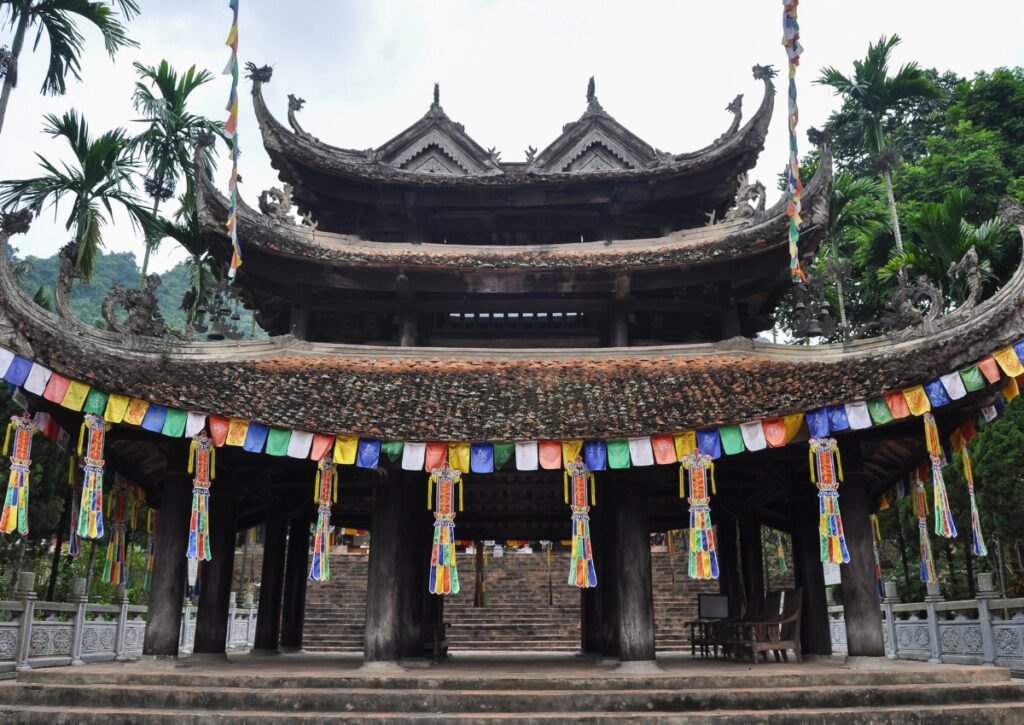
The approach is what makes it interesting. You’ll take a motorboat up the Yen Stream, passing through limestone landscapes that remind you of Halong Bay but on a smaller, more intimate scale. The boat ride alone is worth the trip—there’s something meditative about sitting in a small wooden boat, watching the water reflect the cliffs above you.
Once you reach the base of the mountain, you either take a cable car up (which feels like cheating but is totally legitimate if hiking isn’t your thing) or trek up the mountain steps. If you hike, it’s about 45 minutes of stairs through a covered passage that locals have built over centuries. Inside the cave, the main pagoda is ornately decorated with hanging lanterns and Buddha statues.
Here’s the honest part: Perfume Pagoda is touristy. Like, really touristy. During holidays, it’s packed. But if you go on a weekday in the off-season (May-September), you’ll find a different vibe entirely. And the religious significance is real—this isn’t a manufactured attraction; it’s a living pilgrimage site.
Perfume Pagoda Highlights:
- Yen Stream boat ride: Limestone scenery
- Cable car or mountain trek: Up to the pagoda
- Cave pagoda: Historic Buddhist site
- Heavenly Kitchen Pagoda: Additional temple site (often included)
Cost: $39-45/person for group tours ($59-76 for small groups)
Duration: 8 hours
Optional Add-on: Cable car ($7-10 each way) if hiking doesn’t appeal
Real Talk: The food at the pagoda restaurant is decent and incredibly cheap. Grab noodles or rice if you’re hungry—the money goes back to the temple.
6. Duong Lam Ancient Village: When You Want Actual History (And Villages Where People Actually Live)
Here’s something different: Duong Lam Ancient Village is the first ancient village in Vietnam recognized as a national historic relic. And unlike some heritage sites that feel stuck in time like museum exhibits, Duong Lam is actually alive. People still live here. Kids play. Farmers work the rice fields. It’s preservation plus living culture, which is rare.
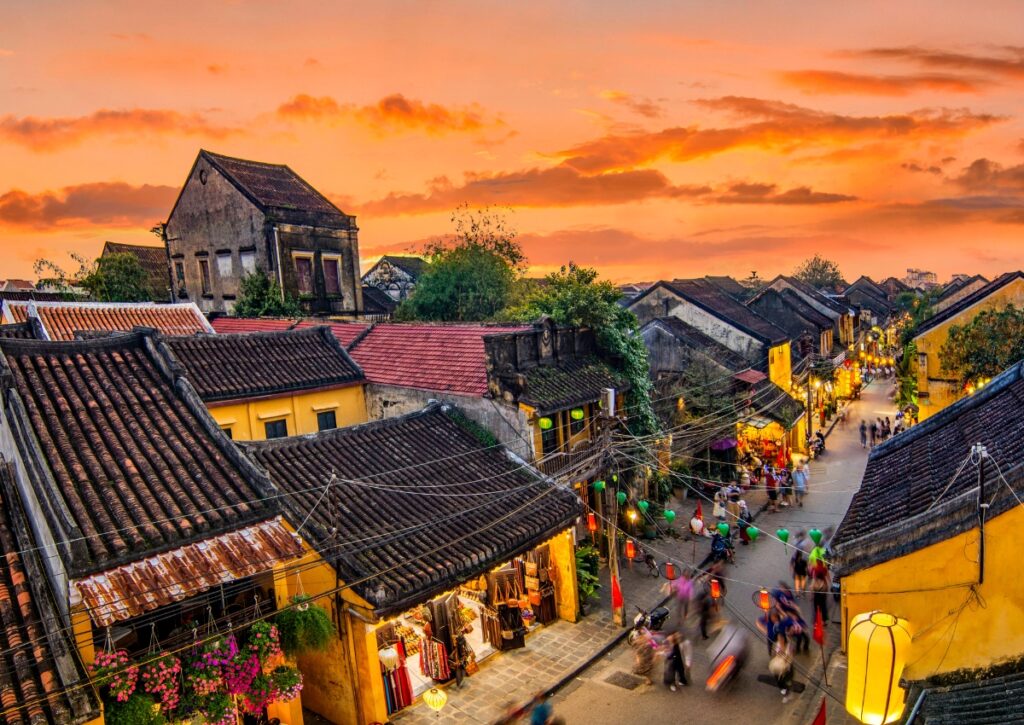
The village is about 1,200 years old, with houses dating back 400 years. The architecture uses laterite (a local building material) and has this warm, earthy aesthetic that makes you understand why people chose to stay here for over a millennium. You’ll walk through narrow lanes, pass through communal houses (spiritual centers of each hamlet), and visit temples dedicated to local kings and gods.
The real magic is in the slow pace. Most tours include a bike ride through surrounding rice fields and maybe a Vietnamese cooking class or lunch with a local family. There’s no adrenaline rush, no massive viewpoints—just the quiet satisfaction of witnessing how people actually live outside the tourist bubble.
Duong Lam Essentials:
- 1,200-year history: Ancient temples and houses
- 400-year-old architecture: Laterite construction
- Biking through rice fields: Genuine village experience
- Local family meals: Authentic cooking
- Communal houses: Spiritual/cultural centers
Cost: $30-60/person, depending on what’s included
Duration: 8-9 hours
What You’ll See:
- Mong Phu Communal House: Dedicated to Tan Vien mountain god
- Doai Giap & Cam Lam Houses: Honoring Phung Hung (an ancient king born here)
- Ancient wells (common to every hamlet)
- Rice paddies (seasonal)
- Temple yards
Combo Option: Many operators combine this with Bat Trang pottery village for a $100+ full day tour. You get ancient history + hands-on craft experience.
Sustainable Note: This tour genuinely supports a living community. Your money goes to local families, not corporations. The bicycle rides and village meals are real interactions, not performances.
7. Bat Trang Ceramic Village: Get Your Hands Dirty (Literally)
Bat Trang is like stepping into a craft world that’s been operating for 400+ years. This pottery village sits on the Red River, about 14km from Hanoi, and it’s where Vietnam’s ceramic and porcelain tradition lives.
You’ll start by touring the workshops—watching artisans hand-throw pots, paint intricate designs, and glaze pieces that tourists will take home as souvenirs. The craftsmanship is genuinely impressive. These aren’t mass-produced items; they’re made by hand by people who’ve been doing this their entire lives.
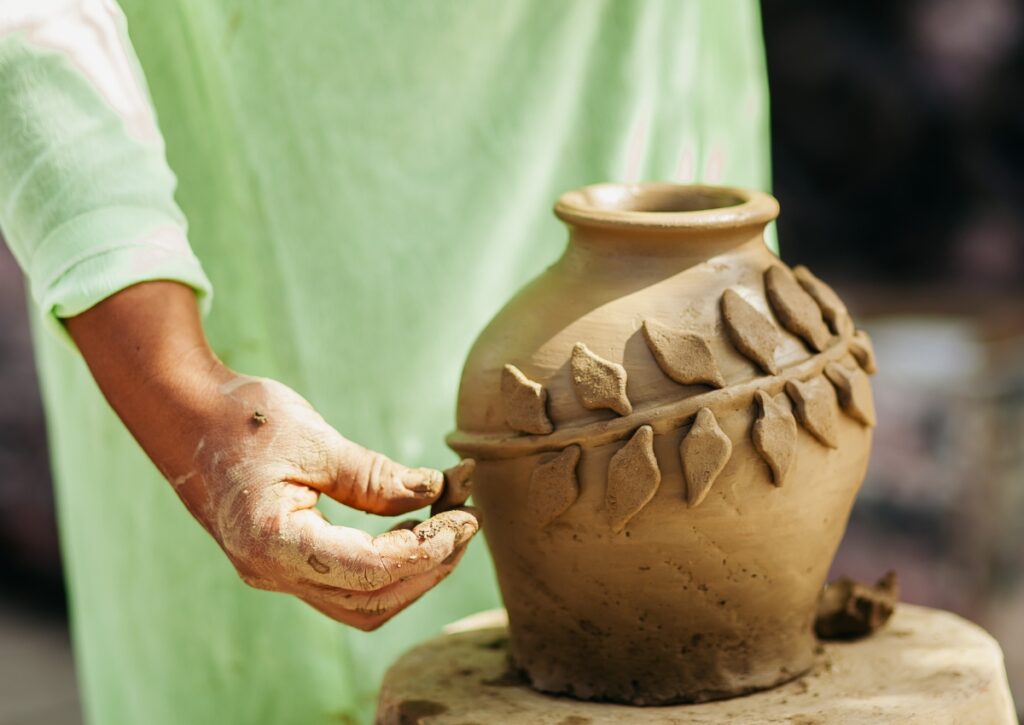
Most tours include a pottery class where you get to try your hand at the pottery wheel. Spoiler alert: it’s harder than it looks. Your first piece will probably be lopsided and weird, but there’s something incredibly satisfying about creating something with your own hands. The studio will dry and fire your creation, and you can pick it up or have it shipped to your hotel.
After the pottery, you’ll wander through the village market, where you can buy everything from tiny teacups to massive decorative urns. Prices are absurdly cheap compared to what you’d pay in a tourist shop. A hand-painted bowl? $5. A set of teacups? $10-15.
Bat Trang Essentials:
- Pottery workshops: Watch artisans at work
- Hands-on pottery class: Create your own piece
- Ceramic market: Shop local work at real prices
- Traditional kilns: See historic firing methods
- Bat Trang Pottery Museum: 6-floor gallery (optional)
Cost: $38-100/person, depending on what’s included
Duration: 4-9 hours (you can do this asa half-day or a full-day)
Half-Day Option ($35-45):
- Workshop tour
- Pottery class
- Market browsing
Full-Day Option ($50-100):
- Workshop tour
- Pottery class
- Lunch
- Museum visit
- More market time
Booking Tip: Get there early if possible. The best artisans get busy, and you want to see them working at peak energy, not when they’re tired at the end of the day.
Pro Money Move: Book through Booking.com or GetYourGuide, which often includes multi-activity discounts. You can sometimes combine Bat Trang with Duong Lam village for a better rate than booking separately.
8. Ba Vi National Park: Hiking, History, and Actual Elevation Gain
If you’re the type of traveler who gets twitchy sitting on a boat all day, Ba Vi National Park is your outlet. This park is about 60km from Hanoi and features real hiking, real elevation, and genuinely interesting history.
The park is known for its Tan Vien Peak (1,296m high), which you reach by trekking up approximately 1,300 stone steps. I know that sounds intense, but the difficulty is manageable—it’s steep but not technical. On the way up, you’re trekking through an ancient forest with trees covered in moss, surrounded by fog that makes everything feel like you’re walking through a cloud.

At the top, you’ll find the Uncle Ho Temple (dedicated to Ho Chi Minh) and amazing views of Hanoi spreading out below. On clear days, you can supposedly see all the way to the city. The view from the peak is genuinely phenomenal—you’re standing at almost 1,300 meters, and the landscape stretches out like a topographical map.
The park also has remnants of French colonial buildings from when this was a summer retreat for colonists, plus historical sites related to a significant 1951 battle during the resistance against French occupation. History lives here.
The park is also excellent for birdwatching and spotting rare butterflies. If you go early morning (and I mean early—like 6 AM early), you have a better chance of seeing wildlife.
Ba Vi National Park Essentials:
- Tan Vien Peak hike: 1,300 steps to 1,296m summit
- Ancient forest: 1,000-year-old trees
- Historical sites: French colonial ruins, battle sites
- Temple of Thuong: Spiritual site at the second peak
- Viewpoints: Panoramic Hanoi views
Cost: $45-75/person for guided tours
Duration: 10-12 hours total
Hiking Time Breakdown:
- Pine forest area: Easy walk
- Steps to Tan Vien Peak: 2.5-3 hours up
- Steps to Thuong Temple: 1 hour from the peak
- Total hiking: 4-5 hours (manageable)
What to Bring:
- Good hiking shoes (non-negotiable)
- Minimum 2L water
- Sunscreen
- Light rain jacket (weather changes fast on the mountain)
- Insect repellent
Sustainable Consideration: The park brochure literally says, “Leave nothing but your footprints, take nothing but your photos.” It’s good outdoor ethics—respect the trail, respect the wildlife, pack out what you pack in.
9. Tam Coc: The Boat Tour That Doesn’t Feel Like a Tourist Trap
Tam Coc, which means “three caves,” is basically the budget alternative to Trang An. Instead of being rowed through caves by a local (which is lovely but adds to the cost), you actually get in a small wooden boat, and the rower navigates you through the Ngo Dong River past three notable caves.

Here’s the thing about Tam Coc: it’s beautiful in a way that feels genuine. The caves are real caves, not expanded tourist attractions. The rice paddies surrounding the river look like they’ve been there forever (because they have been). You’ll pass through Cave 1 (relatively small), then Cave 2 (longer), then Cave 3, each one cool in its own way. Sometimes you’ll see birds; sometimes you’ll pass farmers heading out to their fields.
The boat ride is usually 1.5-2 hours, which is the right length—long enough to feel like an experience, short enough that your back doesn’t hate you.
Most Tam Coc tours also include a visit to Hoa Lu, the ancient capital of Vietnam from the 10th century. You’ll explore the temples of King Dinh and King Le, both beautifully ornate and genuinely historical.
Tam Coc Essentials:
- Three-cave boat tour: 1.5-2 hours through limestone scenery
- Ngo Dong River: Peaceful water journey
- Hoa Lu: Ancient capital temples (usually included)
- Mountain biking option: Countryside rides available
- Fewer crowds: Than Trang An (usually)
Cost: $33-70/person
Duration: 9-12 hours total
What’s Usually Included:
- Transport
- Boat tour
- Lunch
- Guide
- Hoa Lu entrance
Pro Tip: Tam Coc specifically is known for having rowers who’ve been doing this forever. Some tours emphasize that the money goes directly to the rowers—if that appeals to you (it should), ask specifically about this when booking.
10. Hoa Lu Ancient Capital: History Buffs, This One’s For You
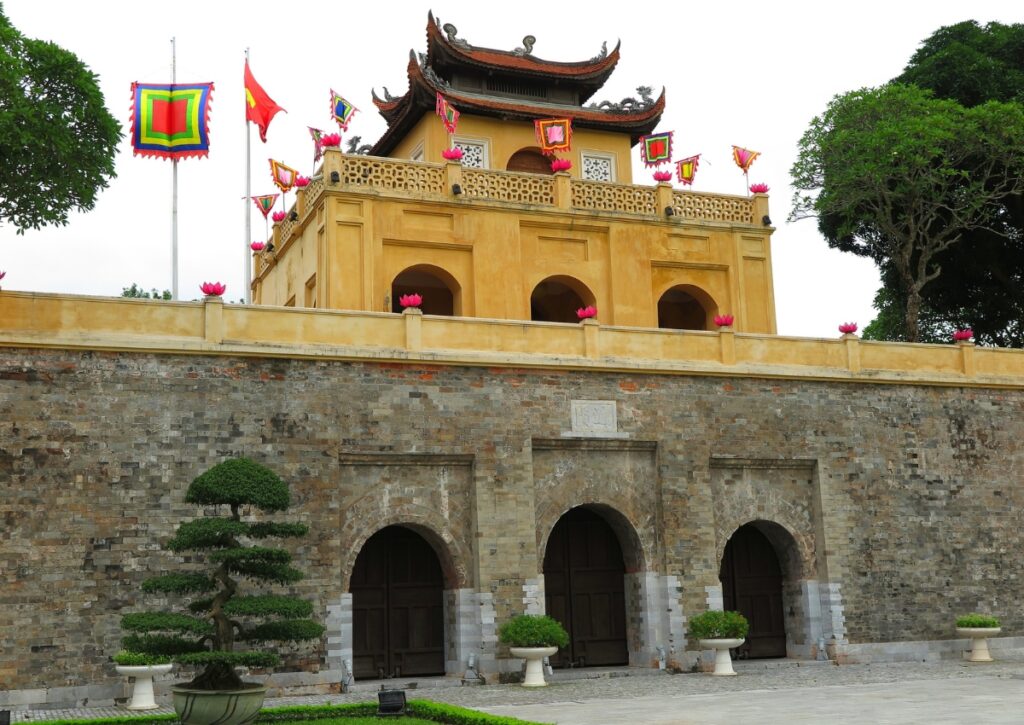
If you’re into history, you’re going to geek out over Hoa Lu. This was the capital of Vietnam during the Dinh and Le dynasties, back in the 10th century. Now it’s essentially a historical site with temples dedicated to the founders.
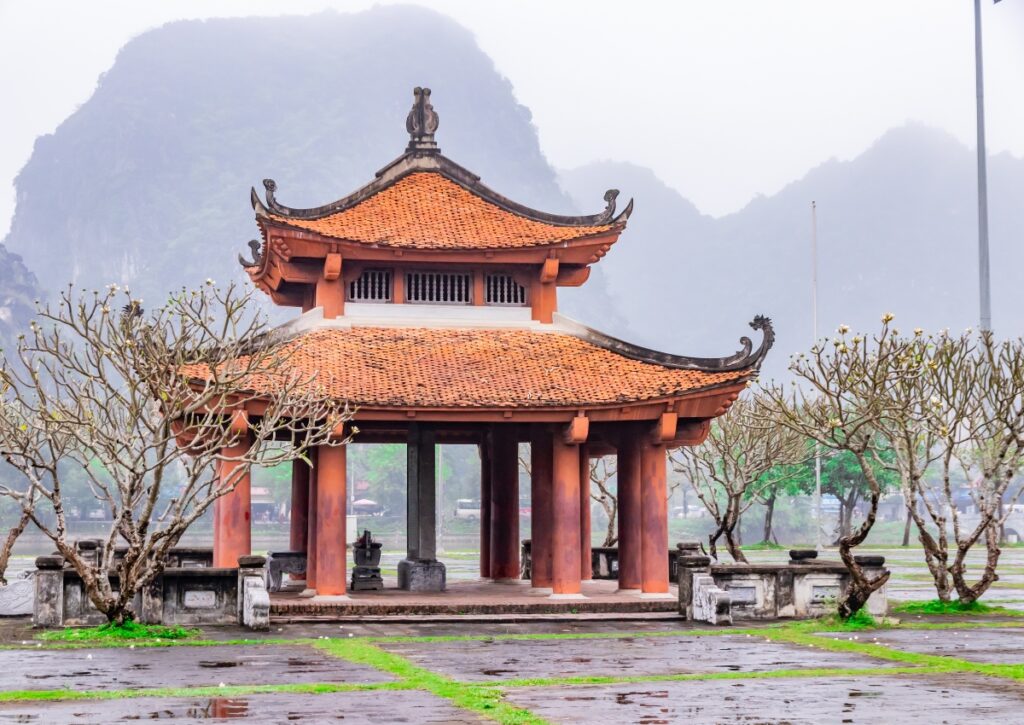
You’ll walk through the Temple of King Dinh Tien Hoang and the Temple of King Le Dai Hanh, both decorated with intricate wooden architecture and religious iconography. The temples are genuinely beautiful, and the history is fascinating. These were the dudes who established the first Vietnamese dynasty and defended against Chinese invasion. That’s serious historical weight.
The surrounding area is also gorgeous—limestone mountains, rice paddies, the works. Many tours combine Hoa Lu with a Tam Coc boat tour or Van Long or Trang An, so you’re not just standing around looking at temples all day.
Hoa Lu Essentials:
- Temple of King Dinh: Ornate historical temple
- Temple of King Le: Elaborate religious site
- 10th-century capital: Real Vietnamese history
- Limestone scenery: Beautiful surroundings
- Usually combined with other attractions
Cost: Usually $5-15 entrance fee (often included in combo tours)
Duration: 1-2 hours at the site itself
Why It’s Worth It: If you’re interested in Southeast Asian history, this is legit. The temples are beautiful, the historical significance is real, and you’ll understand more about Vietnam’s founding.
Money-Saving Strategies for Day Trips from Hanoi
Let’s be real: these day trips are cheap. But they can be cheaper. Here’s how to optimize:

1. Group Tours vs. Private Tours
- Group tours: $33-50/person (best value, social atmosphere)
- Private tours: $80-150+ (better flexibility, personalized)
- For most people, group tours are the move. You split costs, meet other travelers, and honestly, they’re well-organized.
2. Booking Platforms
- GetYourGuide: 5-10% cheaper than booking direct
- Viator: Comparable prices, sometimes slightly cheaper
- Booking.com: Good for combo packages
- VisitorsCoverage: Travel insurance through bookings = peace of mind
Compare prices on all three before booking. And yes, read the reviews—they matter.
3. Currency & Payment
- Get a Wise or Revolut card before you leave. The exchange rates are significantly better (3-5% better) than what you’ll get exchanging cash or using regular debit cards.
- For daily spending, withdraw VND at ATMs when you need it—most ATMs in Hanoi charge reasonable fees ($2-3).
- Book internal flights (if considering places like Sapa instead of day-tripping) through CheapOair for deals.
4. Meal Strategies
- Tours usually include lunch, which is good. Eat it.
- Breakfast at your hostel before you leave (most include it).
- Bring snacks and water for the day.
- Avoid buying anything at tourist stops—prices are double. Wait until markets in the town/villages.
5. Hotel Smart Booking
- Booking.com usually has better rates than walking in and asking for rooms.
- Book 2-3 nights minimum to negotiate better rates.
- Stay in the Old Quarter or Ba Dinh district for the best location (close to day trip pickups).
Sustainable Tourism: Actually Travel Responsibly
Here’s the thing about visiting places like Ninh Binh, Van Long, and Ba Vi: these places are beautiful precisely because they haven’t been completely destroyed by tourism. So let’s not be the ones who destroy them.

Actual Sustainable Practices (Not Just Instagram Nonsense):
1. Support Local Operators
- Book with local guides when possible
- Choose tours where money goes directly to communities, not corporations
- Ask: “Do you work with local families?” Good operators will tell you yes.
2. Respect Wildlife
- Don’t touch animals or push them for photos
- Stay on marked trails at Ba Vi and Cuc Phuong
- Don’t feed monkeys or birds (seriously, it’s bad for them)
- Van Long and the primate centers are legitimate conservation efforts—support them
3. Reduce Plastic
- Bring a reusable water bottle (ask your hotel to fill it)
- Skip single-use plastics on the boat tours
- Don’t accept plastic bags for shopping in villages
4. Be culturally respectful
- Ask before taking photos of people
- Dress appropriately (not swimwear outside the beach)
- Eat and shop locally instead of eating at foreign chains
- Hire Sapa Sisters or similar woman-led tour operators when in the region
5. Choose Responsible Tour Companies
- 365 Travel: Sustainable tours with community support
- Hanoi Eco Tour: Locally-owned, eco-focused
- Grasshopper Adventures: Cycling tours with environmental focus
What to Pack for Day Trips
Non-Negotiables:
- Sunscreen: Tropical sun is no joke
- Water bottle: Reusable (2L minimum)
- Comfortable shoes: Not flip-flops, despite what Instagram suggests
- Light rain jacket: Afternoon rains are quick but intense
- Phone charger: Most tours have USB or outlets on buses
- Small backpack: 20-30L, comfortable to carry
- Hat or cap: For caves (sometimes needed)
- Insect repellent: Mosquitoes, especially near water
- Change of shirt: You’ll sweat
Nice-to-Haves:
- Waterproof phone case
- Trekking poles (if doing Ba Vi)
- Quick-dry towel (for water activities)
- Snacks you actually like (not everything in Vietnam tastes good to every palate)
Day Trip Itineraries: Mix & Match
If You Have 2 Days in Hanoi:
- Day 1: Ha Long Bay day tour
- Day 2: Explore Hanoi Old Quarter
If You Have 4 Days:
- Day 1: Ha Long Bay
- Day 2: Ninh Binh (full day)
- Day 3: Cuc Phuong National Park or Ba Vi hiking
- Day 4: Explore Hanoi, street food tour
If You Have 5+ Days:
- Day 1: Ninh Binh (Bai Dinh, Trang An, Mua Cave)
- Day 2: Ha Long Bay
- Day 3: Cuc Phuong or Ba Vi
- Day 4: Duong Lam village + Bat Trang ceramics
- Day 5: Explore Hanoi, relax
Booking Your Day Trips: Platforms & Strategies
Best Booking Platforms (compared):
| Platform | Prices | Selection | Reviews | Cancellation |
|---|---|---|---|---|
| GetYourGuide | Great | Excellent | Very detailed | 48 hours free |
| Viator | Great | Very good | Good | Free cancellation |
| Booking.com | Good | Good | Decent | Varies |
| Local operators | Often better | Limited | Direct contact | Negotiable |
Real Recommendation:
- Check GetYourGuide for deals and reviews
- Check Viator for comparison
- If it’s a small local operator you like, email them directly—they often offer discounts if you book without middleman platforms
Travel Insurance Tip:
- Book through platforms with VisitorsCoverage integration
- Get travel insurance for trips where accidents are possible (Ba Vi hiking, water activities)
- A 2-week policy costs $25-40 and covers way more than you’d expect
Real Talk: Peak Season vs. Off-Season
Peak Season (September-October & December-January):
- Pros: Cooler weather, fewer bugs, clearer skies, lots of other tourists
- Cons: More crowded, prices up 20-30%, boats packed
- Vibe: Feels touristy at popular sites
Off-Season (May-August):
- Pros: Fewer tourists, lower prices, real local vibe
- Cons: Hot/humid, occasional heavy rains, worse for photography
- Vibe: More authentic, less crowded
My Recommendation:
If you can visit April-May or September-October, do it. You get the best of both worlds—decent weather, fewer crowds, reasonable prices.
Getting Around: Transportation Between Hanoi & Day Trip Destinations
Distances from Hanoi:
| Destination | Distance | Drive Time | Cost |
|---|---|---|---|
| Ha Long Bay | 170km | 3.5 hours | Included in tour |
| Ninh Binh | 100km | 2-2.5 hours | Included in tour |
| Van Long | 110km | 2.5 hours | Included in tour |
| Perfume Pagoda | 40km | 1-1.5 hours | Included in tour |
| Ba Vi | 60km | 2 hours | Included in tour |
| Duong Lam | 60km | 2 hours | Included in tour |
| Bat Trang | 14km | 30-45 min | $2-5 independent |
| Cuc Phuong | 120km | 3 hours | Included in tour |
Independent Travel Tip:
- You can rent a motorbike ($5-8/day) and self-guide some of these
- Not recommended unless you’re experienced with Vietnamese traffic
- Public buses are cheap ($2-5) but slow and don’t go everywhere
- Grab (like Uber) is available and reasonably priced
- Most tours = best value for first-time visitors
Visa, Permits & Practical Info
Visa Requirements:
- Citizens of the US, UK, Canada, Australia, NZ, EU countries: No visa needed for stays under 90 days
- Get full info at vietnamimmigration.gov.vn
Money Stuff:
- Currency: Vietnamese Dong (VND)
- Exchange rate: ~26,300 VND = 1 USD (December 2025)
- ATMs: Abundant in Hanoi, available in towns near day trip destinations
- Credit cards: Accepted at restaurants and shops; some places are cash-only
- Tipping: Not mandatory but appreciated ($1-2 for guides, per your preference)
Communication:
- SIM cards: Get one at the airport or any phone store ($2-5, includes data)
- eSIM: Yesim offers Vietnam eSIM with data ($5-15 depending on duration)
- WiFi is everywhere (hotels, cafes, even some boats)
Money Move: Get a Revolut card before traveling—it’s free, offers real exchange rates, and works everywhere. Download the app, order the card before you leave.
The Part Where I Actually Tell You What Matters
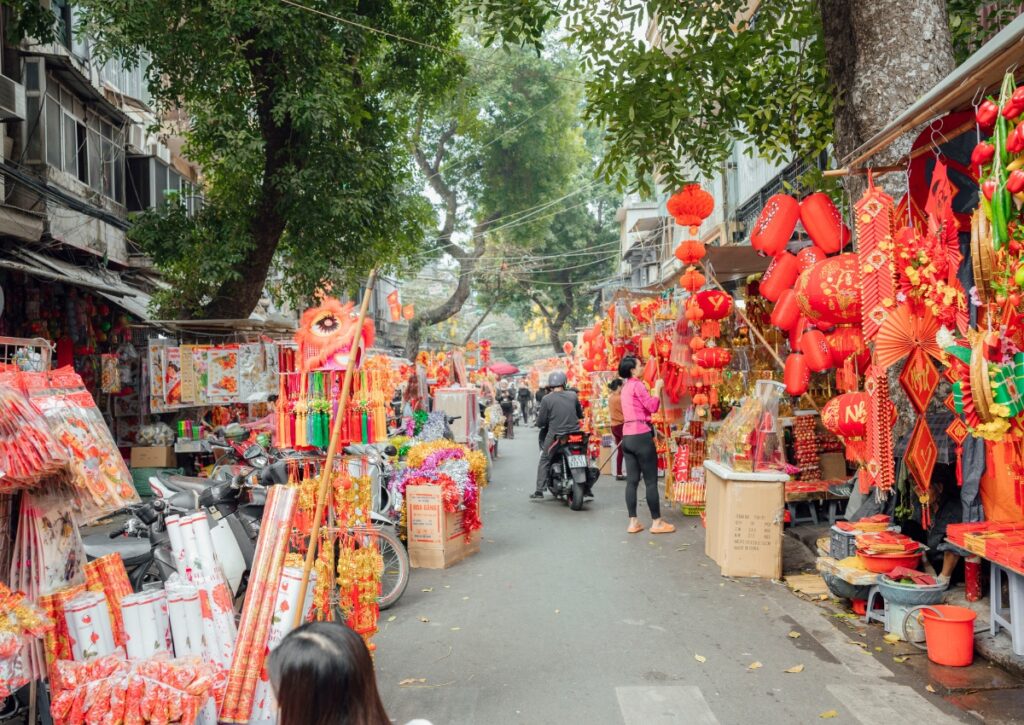
Look, I’ve traveled through Southeast Asia enough times to know that the best days aren’t the ones you spend in museums or checking off Instagram locations. They’re the days when you’re in a small boat on a river you’ve never heard of, surrounded by limestone mountains, with a local rower telling you about life on the water, and suddenly the noise of Hanoi traffic feels like a lifetime away.
These day trips aren’t just ways to fill time during your Hanoi stay. There are ways to see another side of Vietnam entirely—the rural Vietnam, the historical Vietnam, the natural wonders that remind you why you came here in the first place.
The Real Recommendation:
Do at least two. Minimum. Ha Long Bay or Ninh Binh for the landscapes, and something like Duong Lam or Cuc Phuong for the cultural/wildlife stuff. Mix them. Get out of the city. Breathe air that doesn’t smell like exhaust. Talk to people whose lives aren’t built around tourism.
And when you’re exhausted and sunburned and your legs hurt from hiking, and you’re sitting in a boat watching the sun set over karst mountains, you’ll know exactly why that two-week flight was worth every penny.
Practical Next Steps:
- Check your calendar: How many days are you in Hanoi?
- Pick 2-3 destinations: Don’t do more than one per day; you’ll burn out
- Book on GetYourGuide or Viator: Read reviews, compare prices, pick the one with the best experience feedback
- Download Grab and Maps.me: For navigating the city and getting to pickup points
- Pack tomorrow night: Sunscreen, water bottle, good shoes—you’ll forget otherwise
- Get a Wise or Revolut card: Seriously, the exchange rate savings alone pay for the card
You came to Vietnam for a reason. These day trips? They’re the reason. Don’t skip them.
Subscribe for More Real Travel Stories (Not the Instagram Nonsense)
Here’s the thing: The real travel stories—the ones that matter—happen when you get off the beaten path and actually experience places instead of collecting photos for social media.
That’s what A Tiny Traveler is all about. Every week, I’m sharing:
- Honest reviews of destinations (the good, the bad, and the traffic-filled chaos)
- Budget breakdowns so you know exactly what things cost
- Sustainable travel practices that actually make a difference
- Local guides and tips from people who actually live in these places
- Unfiltered stories about travel fails, cultural learning moments, and meals that changed my life
Join our community and get travel tips delivered to your inbox—no corporate fluff, no sponsorship nonsense, just real stories from someone who’s been there, eaten the street food, and lived to tell about it.
Subscribe to the A Tiny Traveler Blog ← Get on our email list for weekly travel inspo
Follow me on social media for daily stories, behind-the-scenes travel content, and way too many photos of food:
- Follow me on Pinterest (A Tiny Traveler): My Pinterest is your ultimate travel vision board! It’s where I share stunning photography, quick visual guides, and, most importantly, links to all my in-depth blog posts.
- Follow me on Instagram (a.tinytraveler): For daily doses of wanderlust, stunning travel photography, behind-the-scenes glimpses of my trips, and quick tips that will inspire your next getaway. See the world through my eyes!
- Like my Facebook Page (A Tiny Traveler): Join our vibrant community of fellow travel lovers! This is a great place to ask questions, share your own travel experiences, and connect with other readers and me.
Want something specific?
Email me at contact@atinytraveler.com. We read every message and use it to plan future content. Your feedback directly shapes what we write about.
This is your community. Welcome to it.
Safe travels, friends. Go get dirty, eat the street food, and come back with stories that matter. 🌏
Frank