
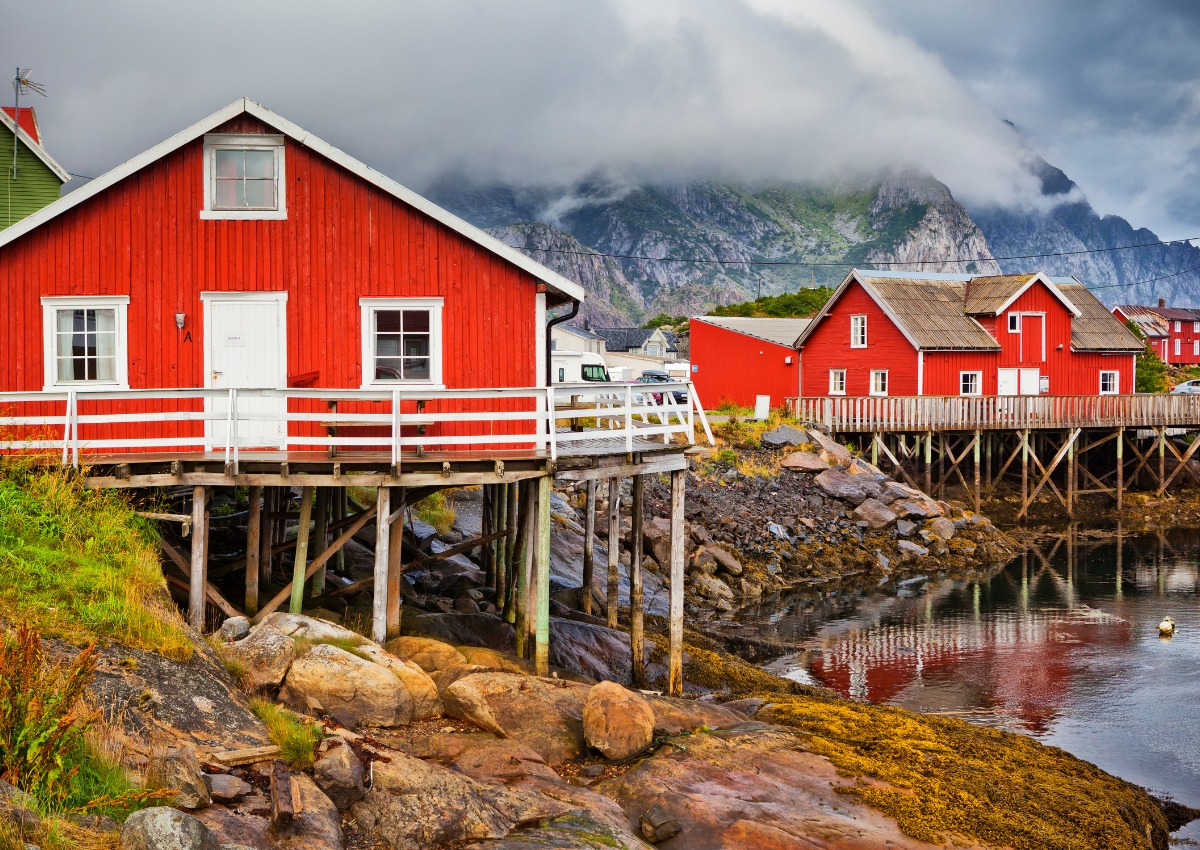
The first thing you need to know about driving through the Lofoten Islands is that your jaw will get tired. Not from talking—from constantly dropping at the sight of what’s around every single curve. I’m talking about mountains that shoot straight out of the ocean like someone dropped a Himalayan range into a fjord and said, “Yeah, that’ll do.” The second thing you need to know is that you’ll spend an embarrassing amount of time pulling over to take photos that will never, ever capture what you’re actually seeing. The third thing? Your budget might take a hit in Norway, but this place will haunt you in the best possible way.
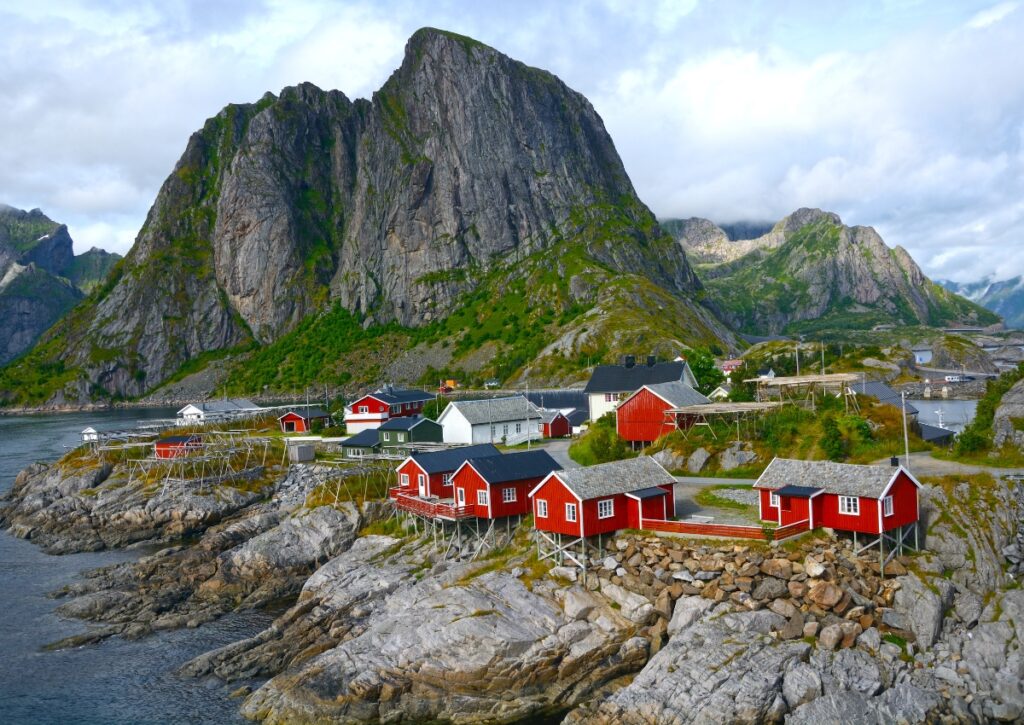
I spent two weeks driving through Lofoten in early June, and I’m not going to lie to you—I was completely unprepared for what this archipelago would throw at me. I’d seen the Instagram photos, sure. The little red rorbuer (fisherman’s cabins) clinging to the shoreline, the dramatic peaks, the northern lights dancing over frozen beaches. But photos don’t tell you about the wind that nearly ripped my car door off at Unstad Beach, or the local fisherman in Henningsvær who insisted on teaching me the proper way to gut a cod at 11 PM under the midnight sun, or how I accidentally ended up hiking in the wrong direction and stumbled onto a beach so perfect I just sat there for two hours wondering what I’d done right in life to deserve this view.
Lofoten isn’t your typical road trip destination. There’s no Interstate to cruise down, no predictable chain hotels every fifty miles, no English-speaking GPS that actually understands Norwegian place names (good luck pronouncing Å correctly—it’s literally just the letter A). What you get instead is roughly 1,200 square kilometers of geological drama connected by a single main road (the E10), dozens of tiny fishing villages that smell like dried cod, beaches with sand so white it looks like the Caribbean until you touch the water and realize it’s Arctic-cold, and a daily budget that’ll make you question every life choice that led you to a country where a beer costs $12.
Let me break this down for you: expect to spend around $150-200 per day if you’re being reasonable about it. That includes accommodation (budget around $80-120 for a decent rorbu or cabin, less if you camp), food ($40-60 if you cook most meals yourself), gas (around $30-40 per day—Norwegian fuel prices are no joke), and the occasional museum or activity. If you’re eating out regularly or staying in nicer places, bump that up to $250-300 per day. A basic lunch at a café runs about $20-25, a dinner entrée starts around $30-40, and a cappuccino will set you back about $6. But here’s the thing—you’re paying for one of the most spectacular road trips on the planet, so let’s get into how to actually do this right.
Getting to Lofoten: Because It’s Not Exactly Next Door
Look, Lofoten is remote. Like, properly remote. You’re talking about a chain of islands reaching into the Norwegian Sea, well above the Arctic Circle, where polar night is an actual thing in winter and the midnight sun refuses to set in summer. Getting here requires some planning, but it’s absolutely worth the effort.
Most people fly into Bodø or directly to Leidangen Airport (also called Leknes Airport) on the islands. I flew from Oslo to Bodø, which took about 90 minutes and cost me around $150 round-trip (book early with Norwegian Air or SAS for the best deals). From Bodø, you’ve got two options: take the ferry to Moskenes (about 3-4 hours, runs several times daily, costs around $60 for a car plus driver), or fly directly to Leidangen (35 minutes, but limited flights).
I took the ferry, and honestly? It’s part of the experience. You’re cruising through the Vestfjorden with mountains rising on both sides, seabirds following the boat, and if you’re lucky, you might spot whales. The ferry gets booked up in summer, so reserve your spot at least a few weeks ahead through Booking.com or directly with Torghatten Nord.
If you’re already in northern Norway, you can also drive the entire way from the mainland via Fiskebøl and cross over via the bridges and tunnels that connect the main islands—this is actually how I left, and the Raftsundet strait crossing is legitimately dramatic.
The Road Trip Essentials: What You Actually Need to Know
Getting a rental car is non-negotiable for Lofoten. Public transportation exists, but it’s limited and won’t get you to most of the jaw-dropping spots you came for. I booked mine through GetRentacar about a month in advance (highly recommend—they compare prices across all the major agencies, and I saved about 30% compared to booking directly). Expect to pay around $50-80 per day for a basic compact car. In summer, that’s fine. In winter, spring, or fall? Get the damn AWD or 4WD option. Roads can get icy, and some of the mountain passes are sketchy even in good weather.
Gas stations are scattered throughout the islands, but don’t be an idiot like I almost was—fill up whenever you see one, especially if you’re heading to the outer reaches. Most stations are automated and take credit cards (get a Revolut or Wise card before you come to avoid foreign transaction fees—seriously, this saved me hundreds). Gas costs around $8-9 per gallon (yes, you read that right), so factor this into your daily budget.
Accommodation in Lofoten is an experience in itself. The traditional rorbuer are basically fishermen’s cabins that have been converted into tourist lodging, and they range from bare-bones basic to surprisingly luxurious. I stayed in a mix—some nights in budget cabins where I had to share a bathroom down the hall, other nights in places with full kitchens, waterfront decks, and views that made me forget I was sharing a room with someone’s vintage fishing equipment. Book everything in advance through Booking.com, especially if you’re visiting June-August when half of Europe descends on these islands. Expect to pay $80-150 per night for a basic cabin that sleeps 2-4 people, more for anything fancy.
Camping is also huge here if you’re on a tighter budget. Norway has this beautiful concept called allemannsretten (the right to roam), which means you can camp pretty much anywhere as long as you’re 150 meters from buildings and you leave no trace. I met travelers who spent their entire trip camping in a campervan, paying maybe $30-40 per night at official campgrounds when they wanted facilities, and wild camping for free the rest of the time. Just be prepared for wind, rain, and temperatures that drop even in summer.
Planning Your Route: The E10 and Beyond
The main artery through Lofoten is the E10, which runs from Å (yes, that’s the full name of the village) in the southwest all the way to Fiskebøl in the northeast, covering about 170 kilometers. Sounds short, right? Wrong. This is not a road you just drive. This is a road where you stop every 10 kilometers because there’s another mountain, another beach, another fishing village that looks like it was specifically designed to make you question why you live anywhere else.
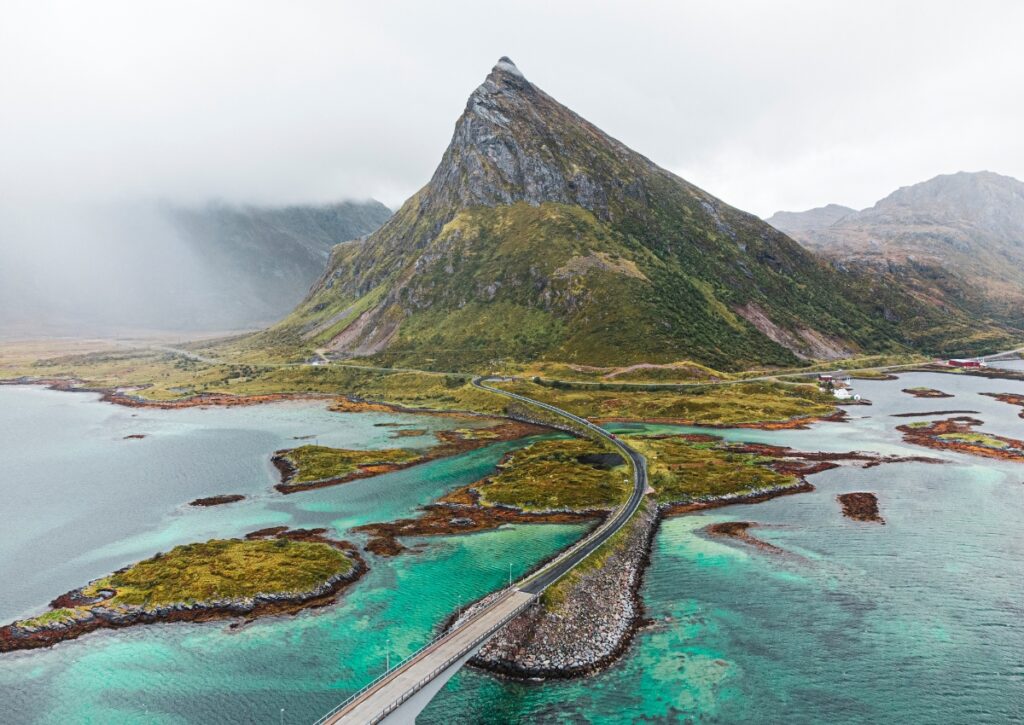
My route looked something like this, spread over 12 days (though you could rush it in 5-7 if you hate yourself):
Day 1-2: Moskenes and Reine
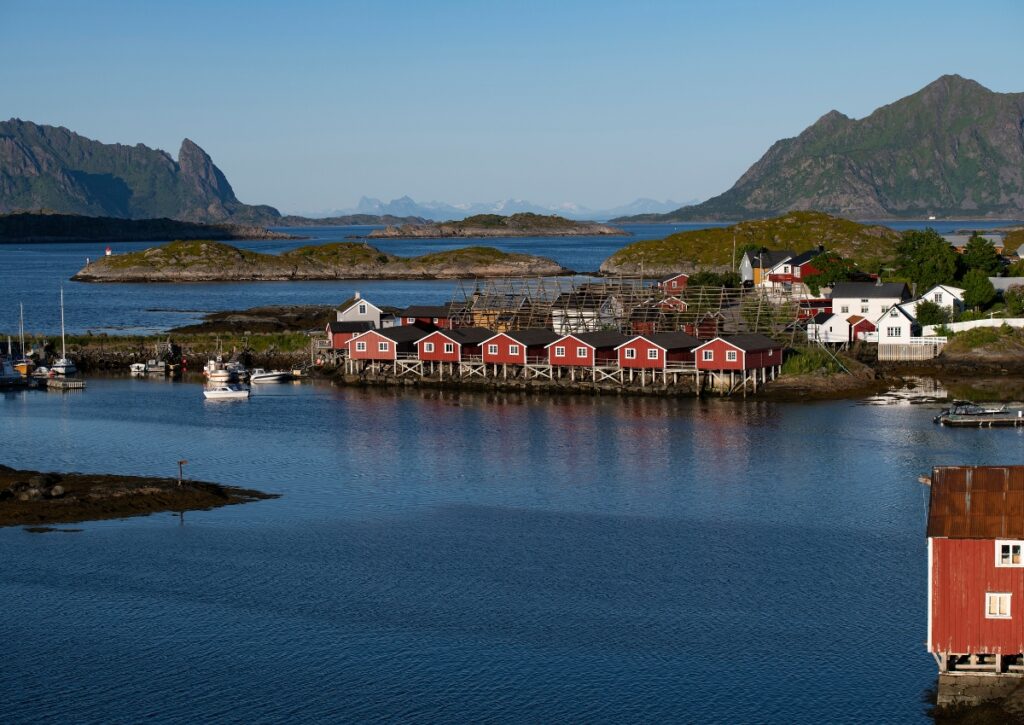
Stepped off the ferry at Moskenes and immediately drove to Reine, which is basically the poster child for Lofoten. Tiny village wedged between mountains and the sea, those iconic red cabins, hiking access to Reinebringen. Spent two nights here.
Day 3-4: Hamnøy, Sakrisøy, and Ramberg
Short drives between these villages, each more photogenic than the last. Ramberg Beach is where that white sand thing happens—absolutely surreal.
Day 5-6: Nusfjord and Flakstad
Nusfjord is a preserved fishing village (UNESCO site) with authentic old buildings and a museum. Costs about $10 to enter the village proper, but it’s worth it. Flakstadøya island has some incredible hiking.
Day 7-8: Leknes and Uttakleiv Beach
Leknes is the “big city” of Lofoten (population: 3,500), where you can actually find a proper grocery store. Uttakleiv Beach is mandatory for sunset shots if the weather cooperates.
Day 9-10: Henningsvær
My favorite town on the islands. More on this below.
Day 11: Svolvær
The actual largest town, with decent restaurants, is a jumping-off point for boat tours and fishing.
Day 12: Kabelvåg and departure
Museum stop, final views, emotional goodbye to mountains.
The Towns and Villages Worth Your Time (and Which Ones to Skip)
Reine: Yes, It Really Looks Like That
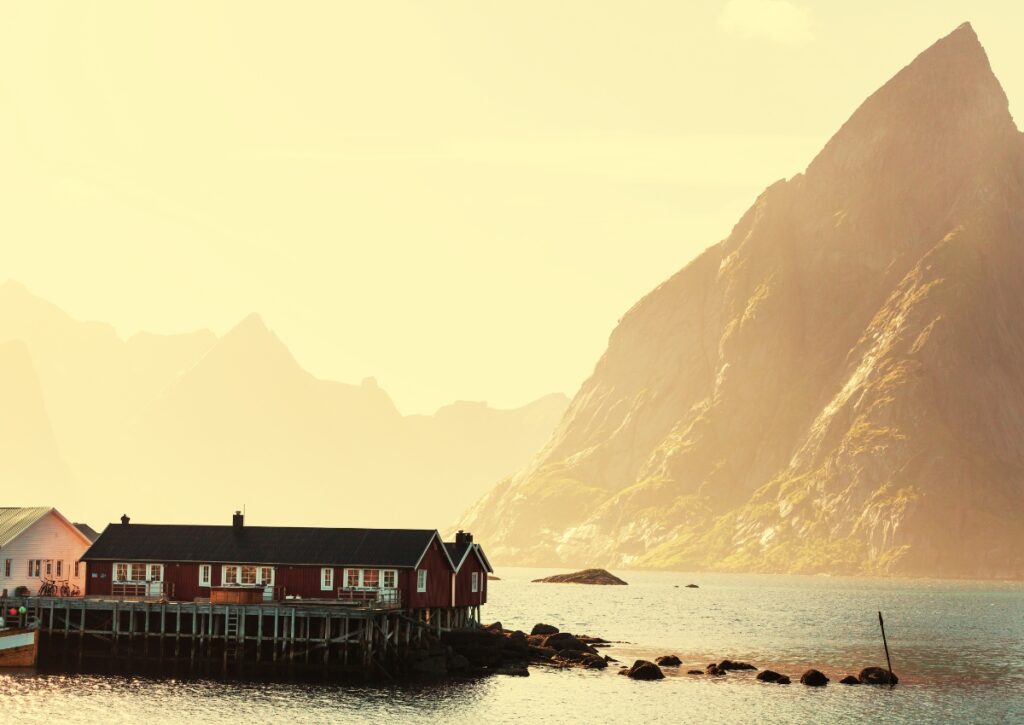
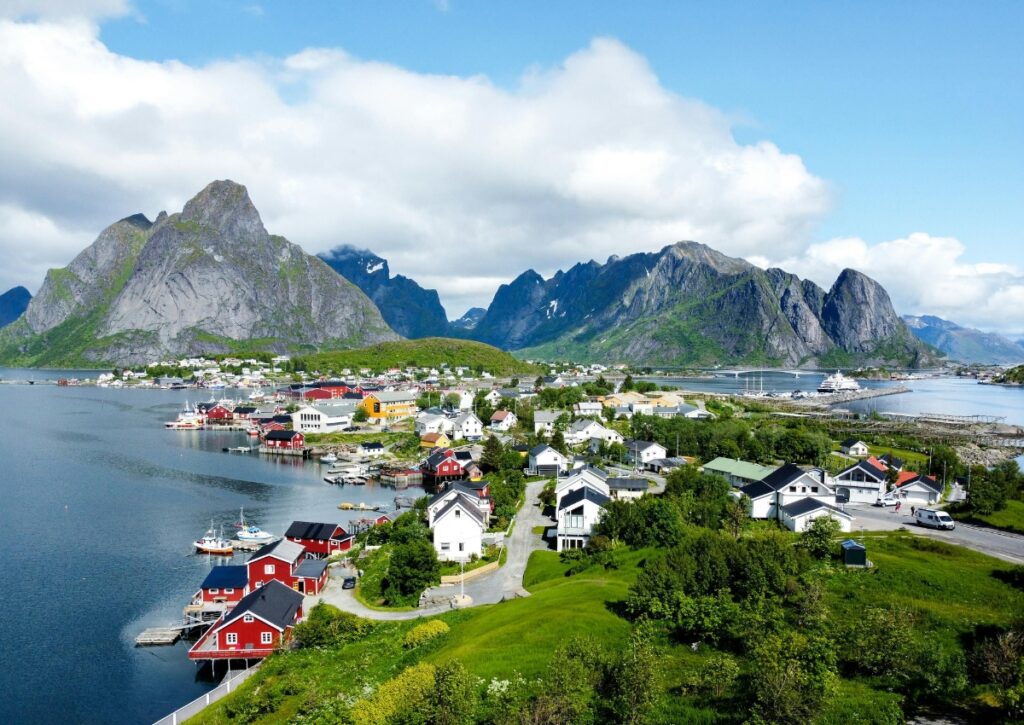
Reine is absurdly picturesque. Like, offensively so. You pull into this village and immediately understand why it’s plastered all over every “Norway” search result. The Reinefjorden surrounds you, mountains shoot up at impossible angles, and those red rorbuer line the waterfront like they were placed by a set designer.
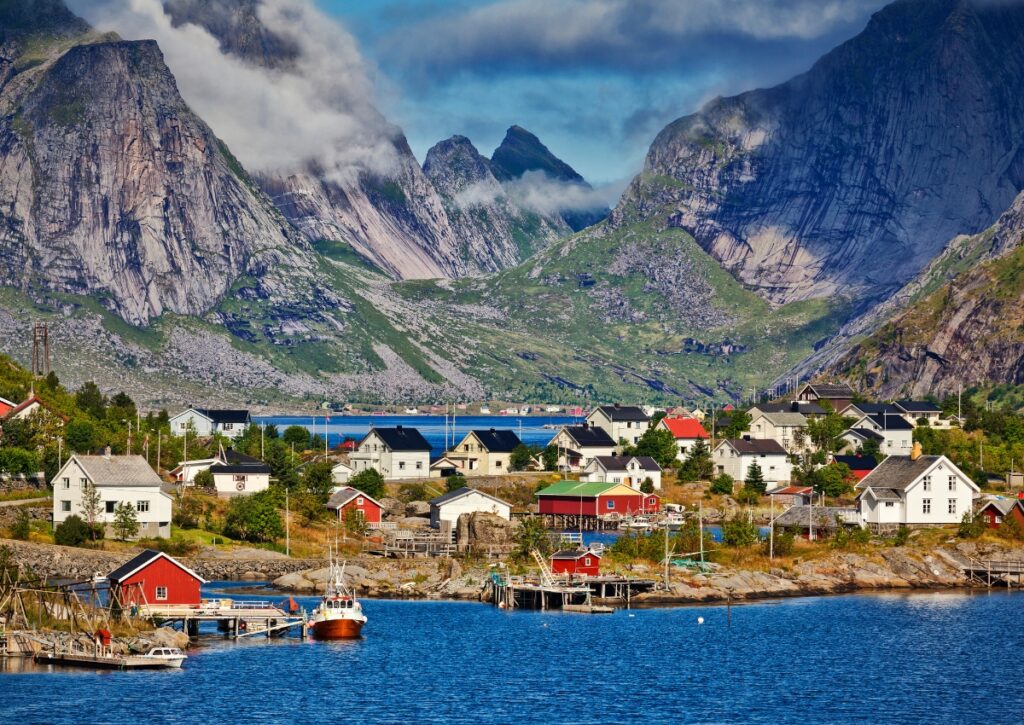
But here’s what the photos don’t show: Reine is tiny and gets absolutely mobbed in summer. The main road through town gets clogged with tour buses and rental cars all piloted by people trying to get that exact same Instagram shot. I stayed at Reine Rorbuer ($140/night for a basic cabin), which was comfortable and well-located, but book months in advance.
The big draw here is hiking Reinebringen, which is basically 1,800 steps carved into the mountainside (they rebuilt the trail a few years ago after erosion issues). Takes about 90 minutes up, and the view from the top is… okay, I’m trying not to use banned words here… the view is the kind that makes you understand why people drive thousands of miles to get here. You’re looking down on the entire village, the fjord, the surrounding peaks, the E10 snaking through the landscape. Go early morning or late evening to avoid crowds and get better light.
Hamnøy: The Postcard Within the Postcard
Five minutes from Reine, Hamnøy is connected to the main island by a short bridge and is somehow even more condensed perfection. There’s one main photo spot (you’ll know it when you see the cluster of tripods), but walk around a bit. The village has maybe 30 residents, and they’re probably tired of tourists gawking at their laundry hanging outside, but everyone I met was friendly.
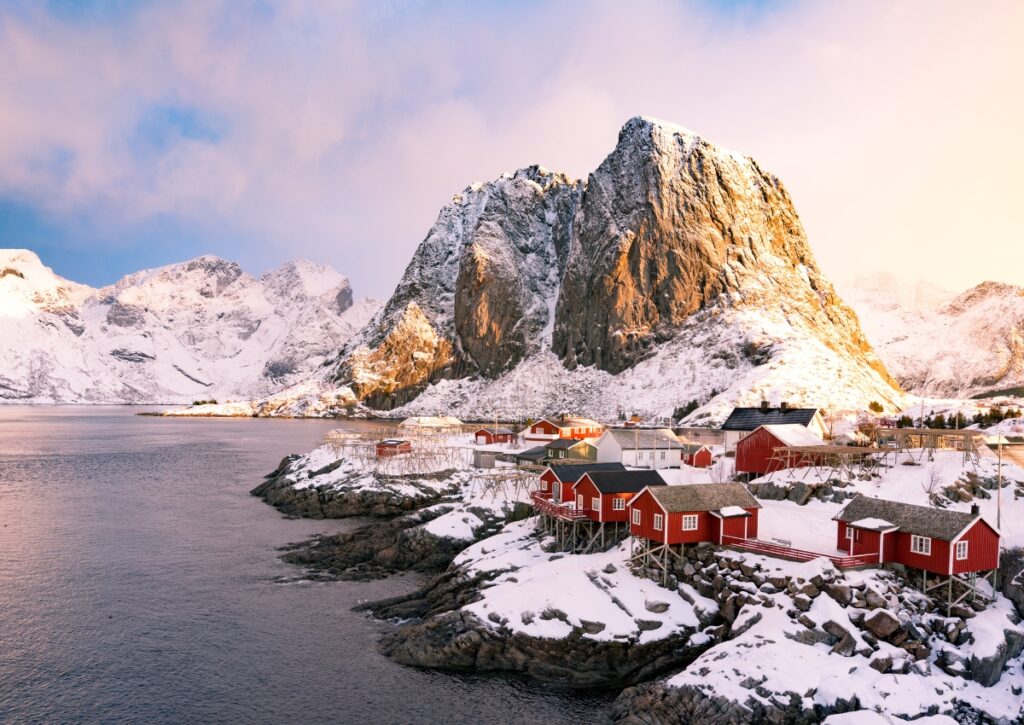
I had coffee at a tiny café here run by a woman named Ingrid who’d lived in the village for 40 years. She told me about winters when the sea freezes and cod season when boats fill every inch of the harbor. That conversation, sitting on a bench watching fishing boats come in, was worth more than any scenic viewpoint.
Sakrisøy: Where the Red Cabins Multiply
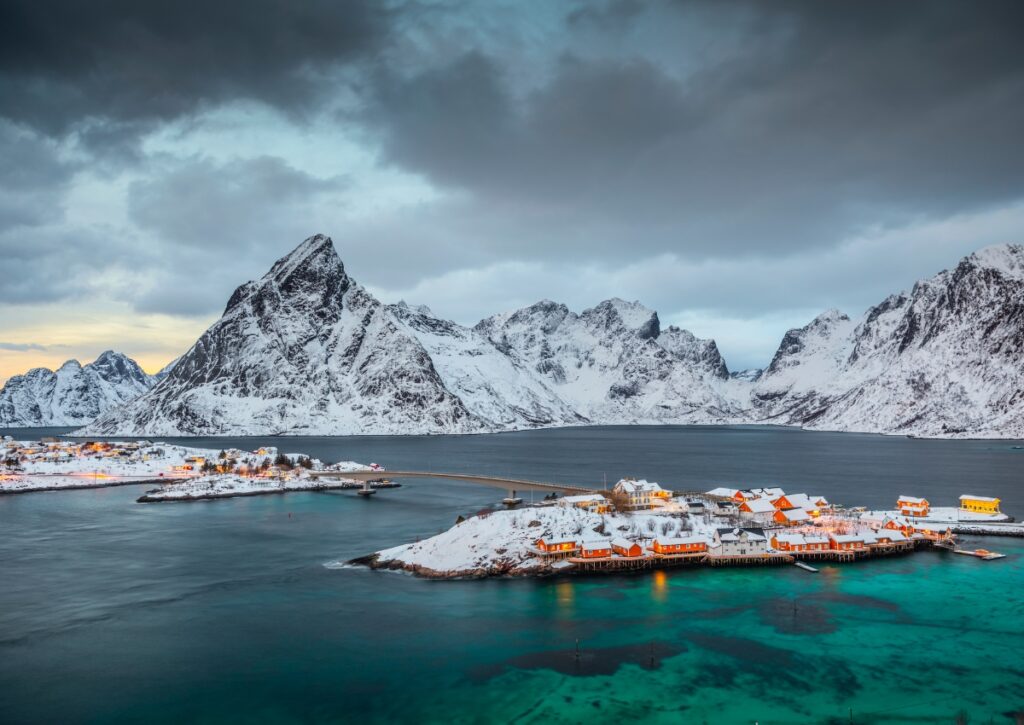
Connected to Hamnøy, Sakrisøy has even more of those iconic red buildings, many now converted to tourist accommodations. The Anker Brygge restaurant here does excellent fish soup ($18) and has a deck right on the water. I ate there twice because I’m weak and the cod was perfect.
Ramberg Beach: Arctic Caribbean (Just Don’t Touch the Water)
This is where things get weird. Ramberg has a beach with sand so white and water so turquoise that your brain temporarily forgets you’re above the Arctic Circle. The mountains provide this dramatic backdrop, and on a sunny day, it looks absolutely tropical.
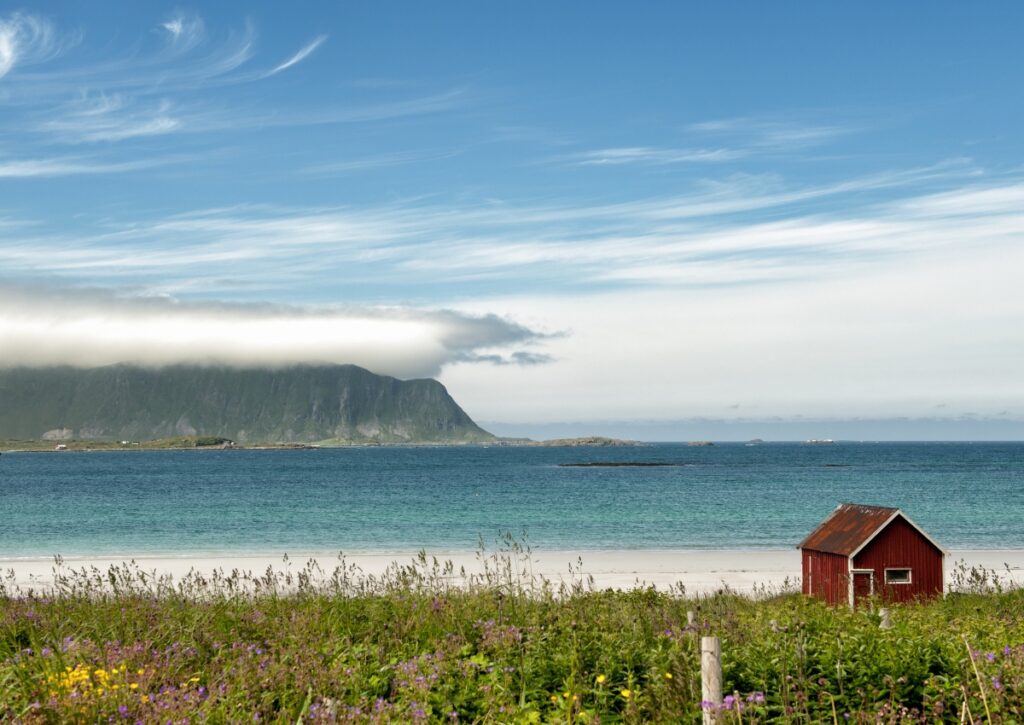
Then you touch the water and remember that this is the Norwegian Sea and it’s maybe 10°C (50°F) even in summer. I watched a group of German tourists run in for a photo op and immediately regret every decision. There’s a nice little café called Ramberg Gjestegård where you can get coffee and pastries while contemplating the absurdity of Arctic beaches.
Nusfjord: Living Museum (But Real People Actually Live Here)
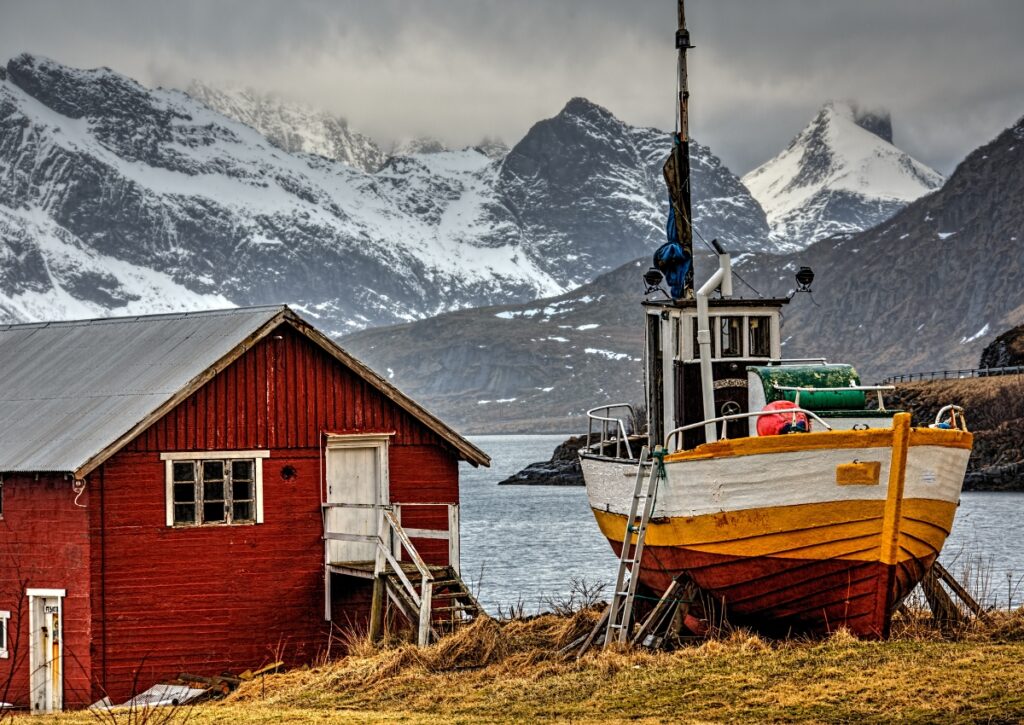
Nusfjord is a preserved fishing village that’s been designated a UNESCO World Heritage site. The entire village looks like it’s frozen in the early 1900s—wooden buildings painted in traditional reds and yellows, boathouses on stilts, cod drying racks everywhere, narrow lanes between structures built when people were apparently much shorter.
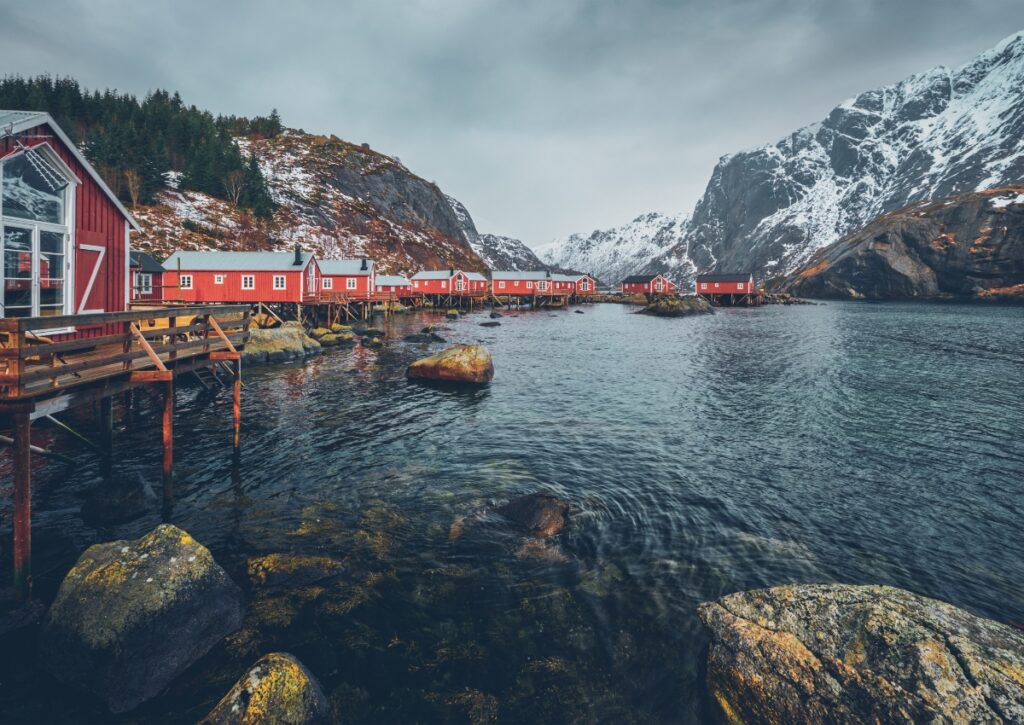
There’s an entrance fee (around $10) to access most of the village, which some people grumble about, but the money goes toward preservation. I spent three hours here wandering through the old buildings, visiting the small museum, and talking to locals who still fish using traditional methods. The Nusfjord Rorbuer accommodations here are pricier ($180-250/night) but considered some of the best on the islands.
One thing that stuck with me: the smell. Dried cod, sea air, old wood, diesel from fishing boats. It’s pungent but not unpleasant—just intensely authentic. This is what Lofoten actually smelled like for centuries before tourism became a thing.
Henningsvær: My Unexpected Favorite
I almost skipped Henningsvær because it’s off the main E10 (about a 25-minute detour), and I was getting tired and overstimulated from the mountains. The best decision I made was ignoring that instinct and driving out.
Henningsvær is built on several small islands connected by bridges, and it’s got this working-fishing-village vibe that some of the more touristy spots have lost. Yes, there are galleries and cafés and a climbing wall built into an old cod oil tank (the Henningsvær Climbing Wall, which is oddly fantastic), but there are also actual fishermen doing actual fishing work and not just posing for photos.
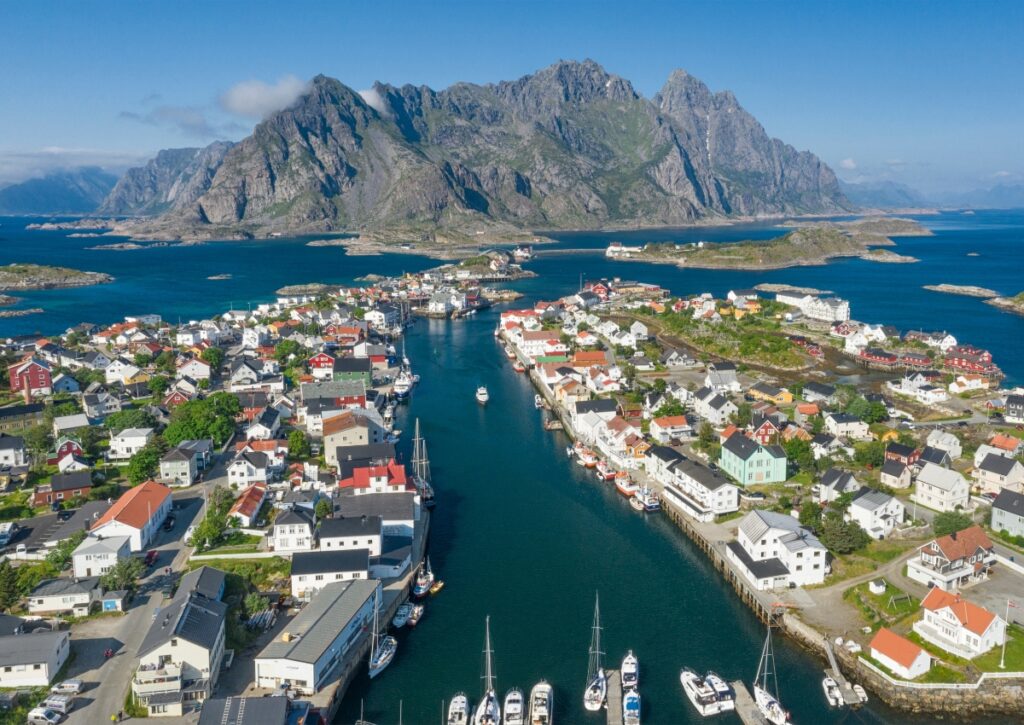
I stayed at Henningsvær Bryggehotell ($130/night), which had a shared kitchen where I met a Norwegian couple who’d been coming to Lofoten for 30 years. They took me to their favorite spot—a tiny, unnamed beach on the north side of the island chain—and we drank beer while the midnight sun did its thing at 1 AM. That same night, I met the fisherman I mentioned earlier, who insisted on teaching me cod preparation at the harbor. His name was Bjørn, he’d been fishing these waters for 45 years, and he thought it was hilarious that Americans came all this way to look at fish instead of eating them.
The town also has Lysstøperiet Art Centre, a contemporary gallery in an old cod liver oil factory, and Klatrekafeen (the climbing café), which serves excellent coffee and lunch ($15-20 range). Book a table at Fiskekrogen Restaurant if you want high-end seafood ($40-60 per entrée, but the Arctic char was exceptional).
Svolvær: Actual Civilization (Relatively Speaking)
Svolvær is the administrative center of Lofoten, with a population of around 4,700, and after days of tiny fishing villages, it felt like a metropolis. There’s a proper grocery store (Coop Prix), multiple restaurants, banks, and even a craft brewery (Lofotpils Brewery—try the pale ale).
The main attraction is the Svolværgeita (Svolvær Goat), a distinctive rock formation with two horns that people actually climb and jump between (I am not that brave/stupid). You can also book fishing tours and whale watching expeditions from the harbor—I did a four-hour midnight sun fishing trip through GetYourGuide ($120) and caught absolutely nothing but had a great time anyway.
Du Verden Bar & Spiseri is a solid restaurant with local ingredients and reasonable prices by Norwegian standards ($25-35 for mains). I had reindeer stew that was rich and gamey in the best way.
Places You Can Probably Skip
Leknes: It’s functional. You’ll likely stop here for groceries at Coop Extra or to refuel, but there’s not much to see. Use it as a base if everything else is booked, but don’t go out of your way.
Stamsund: Small village with ferry connections, but unless you’re specifically catching a ferry or visiting the Lofoten Krigsminnemuseum (WWII museum, $8 entry), there’s not much reason to stop.
The Hikes: Because You Didn’t Come Here to Just Drive
Lofoten’s hiking is next-level. These aren’t gentle forest trails—these are steep scrambles up rocky mountainsides where you’re rewarded with views that justify all the heavy breathing and questionable life choices.
Reinebringen: The Stairmaster from Hell (Worth It)
I mentioned this earlier, but it deserves its own section. Reinebringen is the most famous hike in Lofoten, and after they built proper stairs (around 1,800 of them), it’s become much more accessible. Still brutal on the legs, but doable for anyone with moderate fitness.
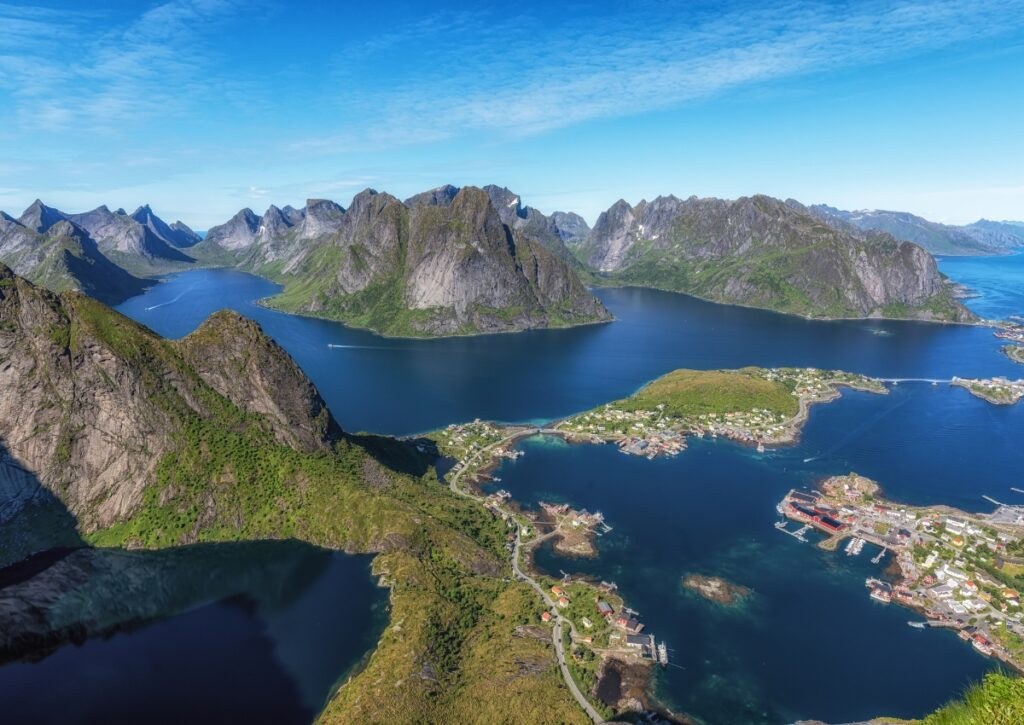
The trailhead is right off the E10 between Reine and Moskenes. Park in the designated lot (it fills up fast—get there before 9 AM or after 7 PM). The climb takes 60-90 minutes, depending on fitness level and how often you stop to question your choices. The view from the top is the classic Lofoten panorama: Reine spreads below you, Reinefjorden in every direction, mountains as far as you can see.
I went at 10 PM under the midnight sun. The light was soft and golden, there were maybe 15 other people at the summit, and I sat up there for two hours just watching the sun circle the horizon. Bring layers—it gets windy up top even in summer.
Ryten and Kvalvika Beach: The Double Feature
This is actually my favorite hike on the islands. The Ryten mountain trail takes you up to a summit with incredible views, but the real prize is Kvalvika Beach, a remote horseshoe-shaped bay that you can only reach on foot.
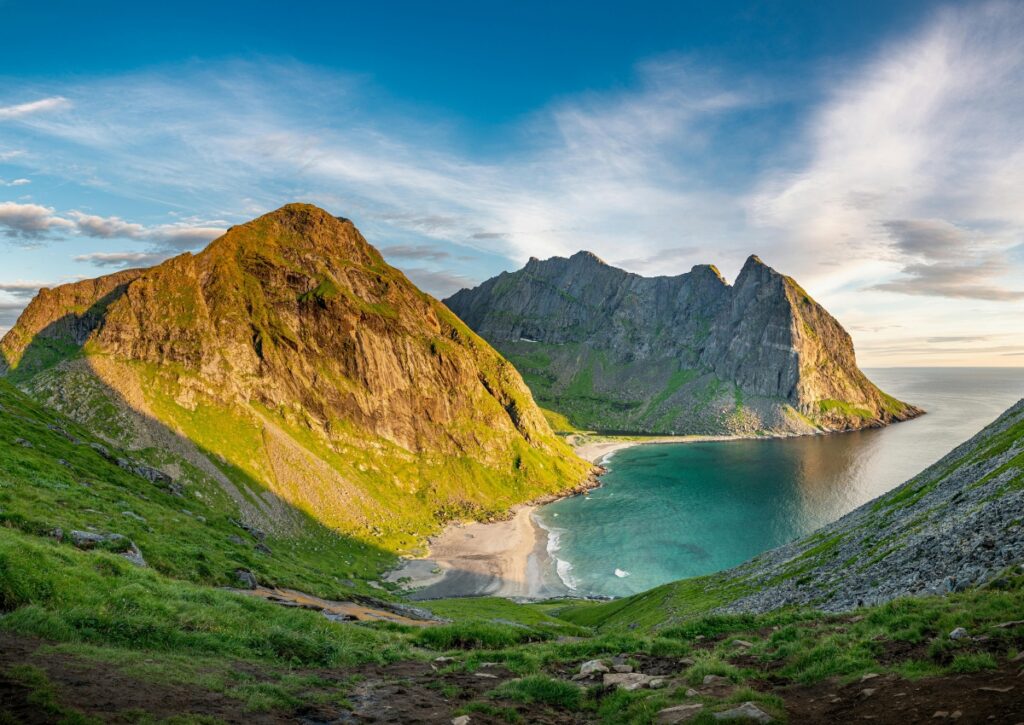
Trailhead is off Fredvang village (parking lot right by the road). The hike is about 3 kilometers each way with moderate elevation gain. You can do it as an out-and-back or make it a loop by scrambling down the steep descent to Kvalvika Beach, walking the beach, then hiking out via the beach trail.
I did the loop. The descent to the beach is borderline ridiculous—basically controlled falling down a sandy/rocky slope, holding onto ropes. But then you’re on this perfect crescent of white sand with nobody around (I saw maybe 10 people all day) and waves crashing in from the open ocean. I ate lunch on the beach, napped in the sand dunes, and hiked out via the longer but easier beach trail (adds about 2 kilometers but way more manageable than the scramble route).
Total time: 4-5 hours, including beach time. Bring lunch, plenty of water, and waterproof layers because the weather changes fast.
Munkebu Hut and Munken Peak: For the Ambitious
This is a serious hike. Munkebu is a DNT (Norwegian Trekking Association) hut perched high above Sørvågen. You can hike up, stay the night ($50 for members, $70 non-members—book through DNT.no), and summit Munken peak the next day for insane 360-degree views.
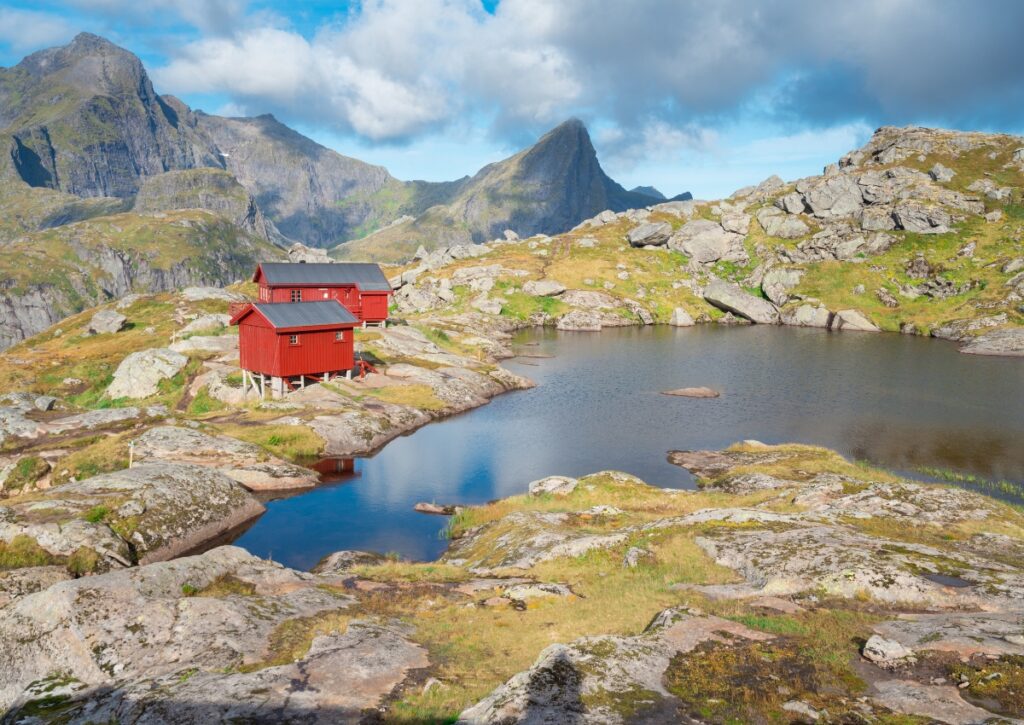
The hike to the hut is about 4 kilometers with 800 meters of elevation gain. It’s steep and technical in places—you’ll need good boots and scrambling skills. I didn’t make it all the way (the weather turned and I wimped out), but the people I met who did said it’s the best view in Lofoten.
If you’re doing this, bring overnight gear, food (the hut has a kitchen but no provisions), and be prepared for high-alpine conditions even in summer.
Mannen: Quick Hit with Big Returns
Mannen is a short, sharp hike near Haukland Beach that takes about 45 minutes up and gives you sweeping views of Haukland and Uttakleiv beaches. Total distance is about 2.5 kilometers round trip, but it’s steep. The summit has this dramatic drop-off where you can sit right on the edge (if you’re not afraid of heights) and watch the waves roll in.
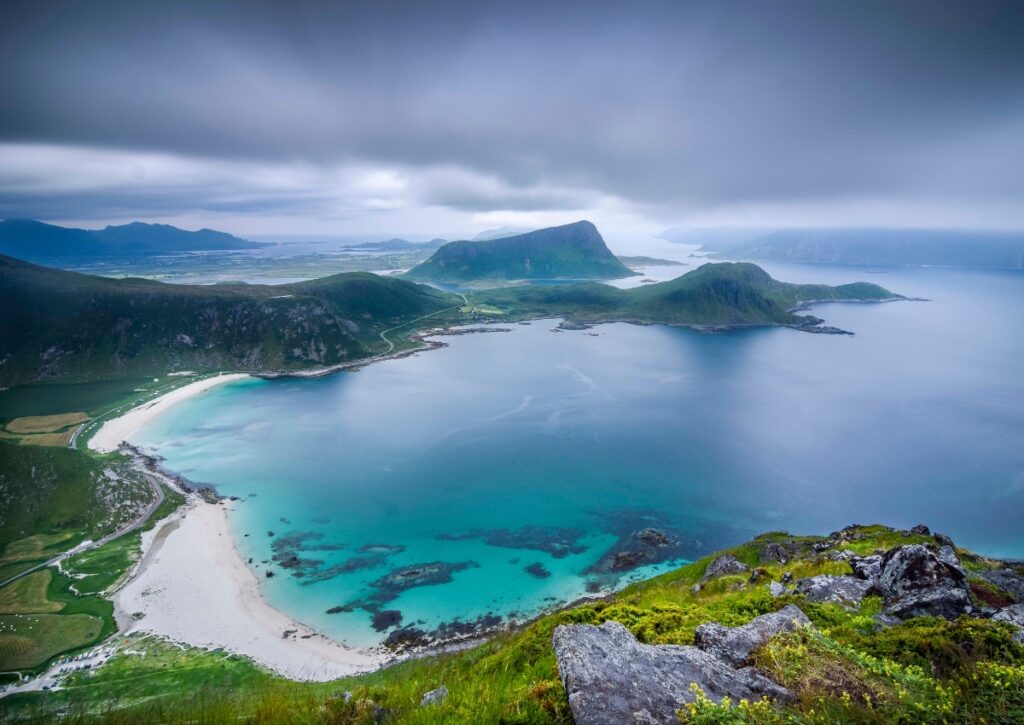
I did this at 11 PM during sunset (which is really just the sun dipping slightly lower before coming back up). The light on the beaches was copper-colored, and the water turned silver. Absolutely worth the effort.
Hiking Safety (Because Mountains Don’t Care About Your Instagram)
Norwegian weather is unpredictable. I had five different weather conditions in one day—sunshine, rain, fog, wind, then back to sun. Always bring:
- Waterproof shell and pants (not water-resistant—waterproof)
- Warm layers (fleece or down—it’s Arctic, even in summer)
- Good boots with ankle support
- Navigation (download maps.me or similar—cell service is spotty)
- Food and water (more than you think you’ll need)
- First aid kit
- Headlamp (even though it doesn’t get dark in summer, the weather can)
Tell someone where you’re going. Don’t hike alone if you can avoid it. The mountains here are exposed, technical, and weather changes in minutes. I saw a rescue helicopter three times during my trip.
The Beaches: Yes, in the Arctic
This is one of Lofoten’s most bizarre features. You’ve got these Caribbean-looking beaches—white sand, turquoise water, dramatic mountain backdrops—except the water temperature maxes out around 12-14°C (54-57°F) in summer.
Haukland Beach: The Crowd Favorite
Haukland is probably the most popular beach, easily accessible right off the E10. There’s parking, bathrooms, and in summer, food trucks. The beach is a long curve of white sand with views of the surrounding peaks and usually some surfers in wetsuits catching waves.
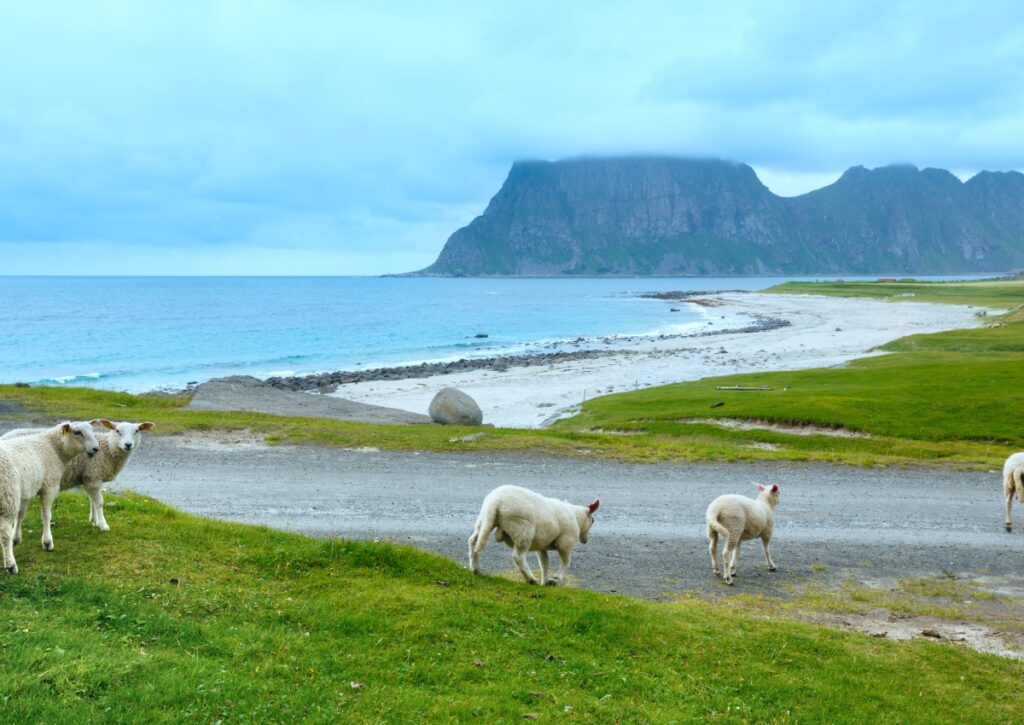
I spent a morning here reading and drinking coffee from my thermos. A local family set up next to me, and the kids went swimming like the water wasn’t hypothermia-inducing. Norwegians are built differently.
Uttakleiv Beach: Sunset Central
Just north of Haukland, Uttakleiv faces west and is famous for sunset shots. These distinctive rocks are jutting out of the sand that photographers love. I went at 11 PM, and it was packed with tripods.
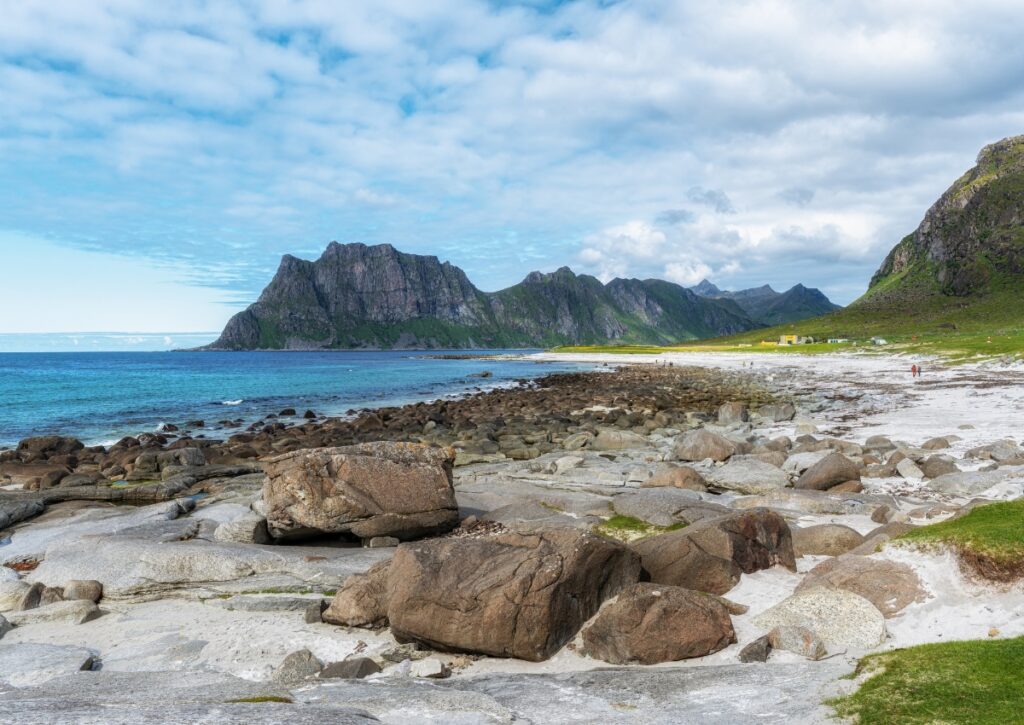
But here’s a tip: walk south along the beach away from the parking area. Five minutes down, the crowds disappear, and you can have your own section of perfect sand and those same insane mountain views.
Kvalvika Beach: The Remote One
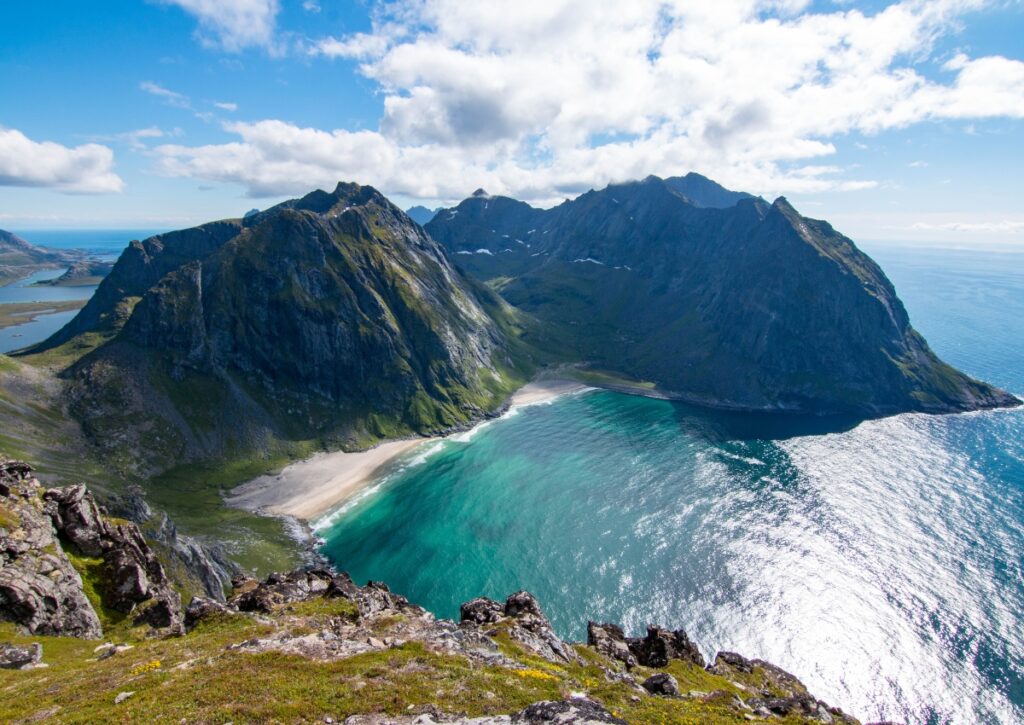
I covered this in the hiking section, but it deserves mention here. Kvalvika is the most dramatic beach because you have to earn it—it’s only accessible via a hike. The beach faces the open ocean, so the waves are bigger and the sense of isolation is real. Found a whale vertebra half-buried in the sand, which felt very end of the world in the best way.
Unstad Beach: Surf’s Up (Kind of)
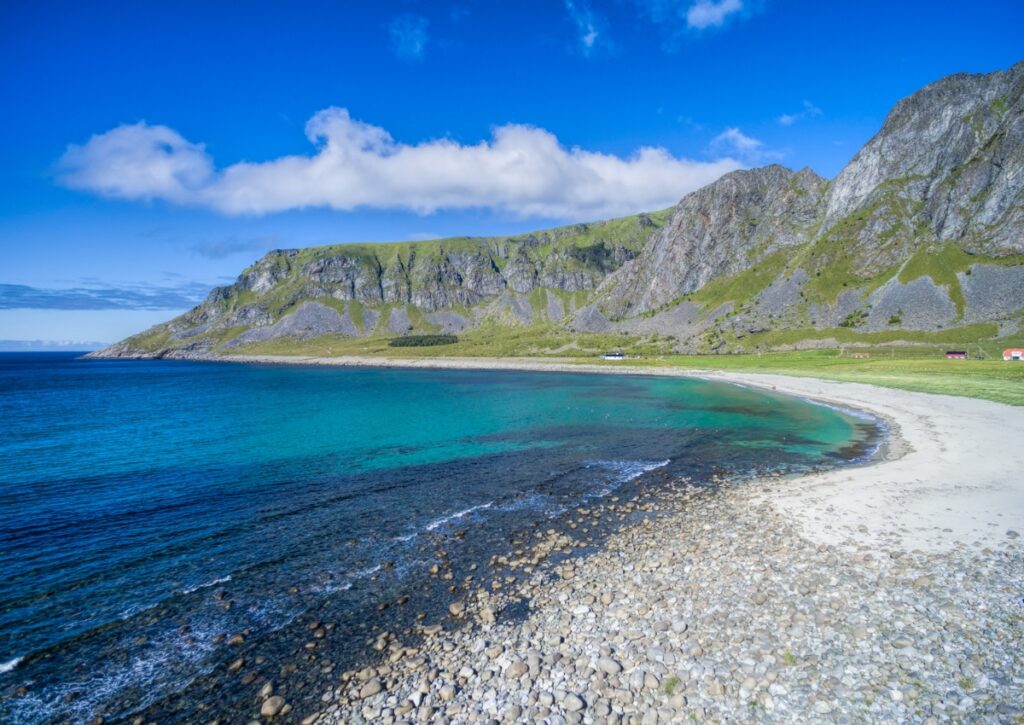
Unstad is Lofoten’s surf spot. Yes, Arctic surfing is a thing. Unstad Arctic Surf rents wetsuits and boards ($60-80 for full gear and a lesson), and the waves are surprisingly consistent. I watched for a while but didn’t attempt it—I’m not that committed to the experience.
The beach itself is beautiful and less crowded than Haukland. There’s also Unstad Beach Camping if you want to stay right on the sand.
Food and Restaurants: Prepare Your Wallet
Norway is expensive. Like, really expensive. A basic lunch café will run $20-25. Dinner at a decent restaurant starts around $30-40 per entrée. Beer is $10-12. Coffee is $5-6. If you’re on a budget, you’ll be cooking most of your meals.
Grocery Shopping Strategy
Rema 1000 and Coop Prix are your friends. These grocery chains are found in most larger villages. Stock up on:
- Bread ($3-4 per loaf)
- Cheese ($8-12 per package—Norwegian brown cheese is weird but worth trying)
- Eggs ($5-6 per dozen)
- Pasta and rice ($2-4)
- Canned tuna/mackerel ($3-5)
- Fresh vegetables (expensive but necessary)
- Beer/wine (only sold at Vinmonopolet liquor stores—beer is $4-6 per can, wine starts at $15 per bottle)
I spent about $40-50 per day on groceries, cooking most of my meals. Made a lot of pasta, eggs, sandwiches, and instant noodles dressed up with vegetables.
Restaurants Worth the Splurge
Anita’s Sjømat in Sakrisøy: This place is famous and lives up to the hype. Fish soup ($20), fish burgers ($18), fish and chips ($25). Everything is fresh from the harbor. The fish soup is rich and creamy with huge chunks of cod, salmon, and shellfish. Ate here twice.
Krambua Restaurant in Nusfjord: Upscale but not pretentious. Set in a restored old building. The seafood platter ($55) had langoustine, crab, mussels, and three types of fish. It is expensive, but a proper celebration meal.
Børsen Spiseri in Svolvær: Housed in a 1828 fish landing warehouse. Tried the pan-fried cod ($38) with root vegetables and brown butter. The fish was probably swimming that morning. Excellent wine list if you’re feeling fancy.
Paleo Arctic in Henningsvær: This one’s different—they do fermented and preserved foods based on traditional methods. I had a tasting menu ($75) with fermented stockfish, aged lamb, and foraged ingredients. Weird but incredibly interesting. Not for everyone, but if you’re into food culture, worth it.
Lofotmat in Leknes: More casual, good for lunch. Fish tacos ($18), fish soup ($16), salads ($15-18). Reliably good without the tourist markup.
The Stockfish Experience
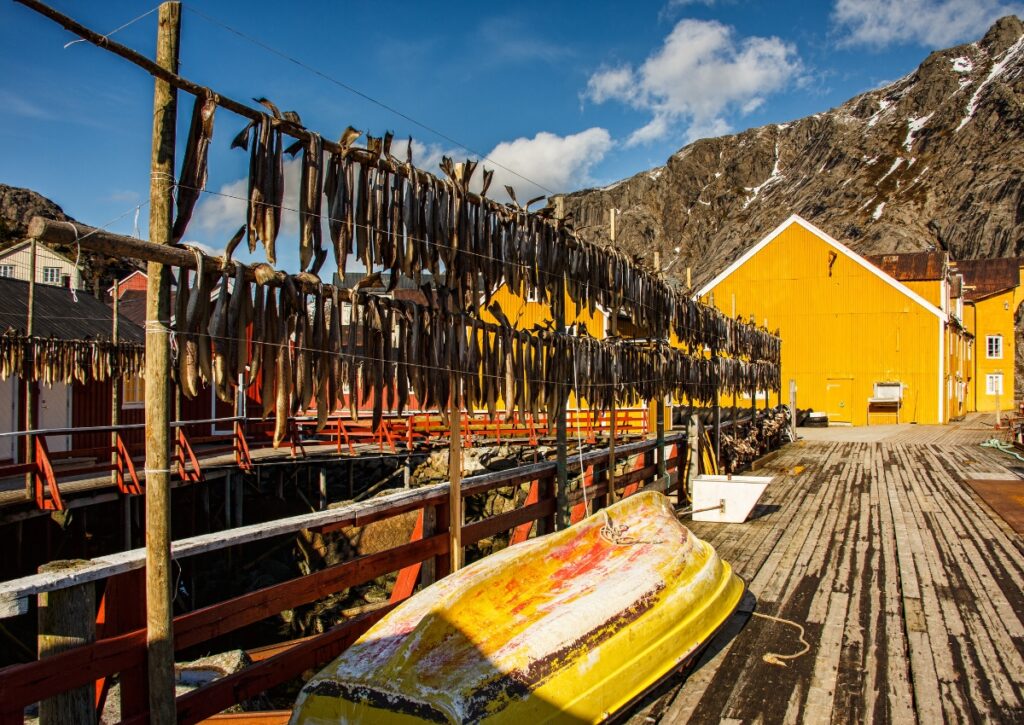
You’ll see dried cod (tørrfisk or stockfish) everywhere in Lofoten. It’s been the economic foundation here for centuries—cod caught in winter, dried on wooden racks, exported all over the world. The racks are everywhere, and in winter/spring, the fish hang like weird curtains flapping in the wind.
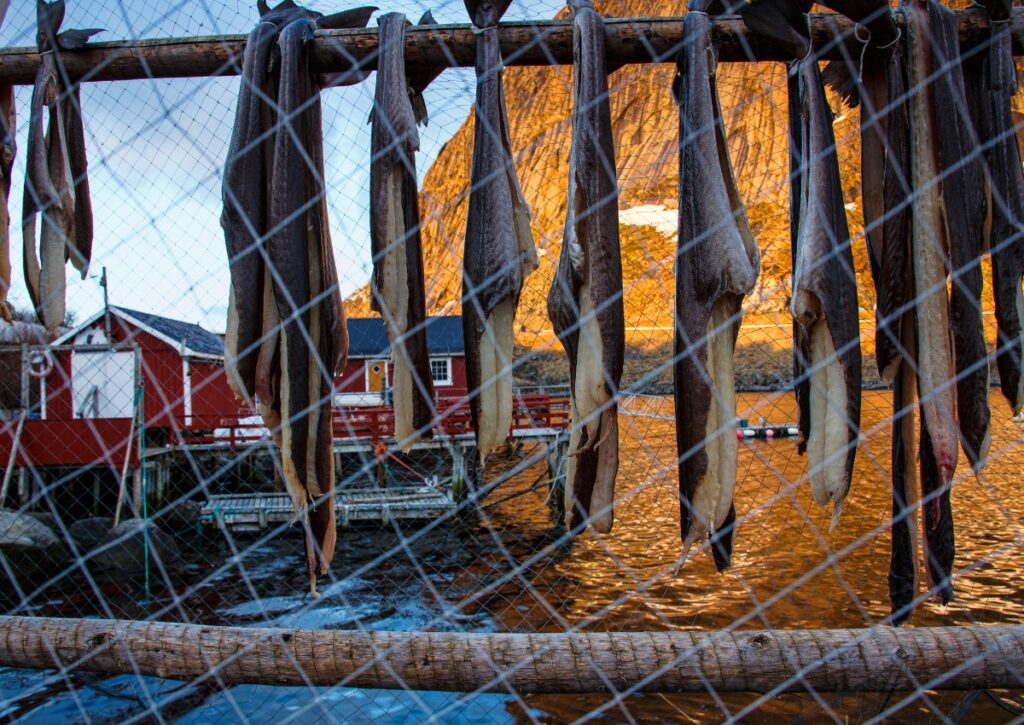
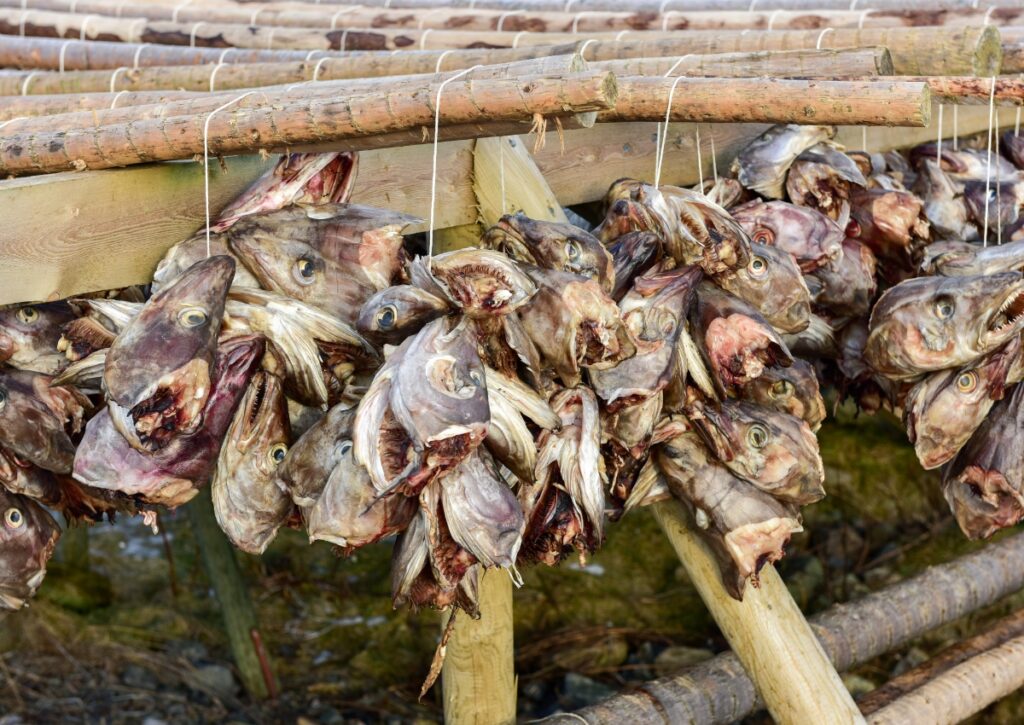
You can buy stockfish to take home (it’s expensive—around $50-80 per kilo—but lasts forever and reconstitutes into perfectly good fish). I bought a small piece at Nusfjord, and the vendor explained the whole traditional process. The fish is dried by wind and sun (never heat) for 2-3 months until it’s as hard as wood. Then you soak it for days to reconstitute it before cooking.
I tried it prepared traditionally at a small café in Å—poached stockfish with bacon, onions, and potatoes. It was mild, flaky, and surprisingly not fishy-tasting. More nutty? Hard to describe. Worth trying once for the cultural experience.
Practical Stuff: Money, Weather, and Other Details
Money and Payments
Norway is basically cashless. I used my card (again, Revolut or Wise are essential—no foreign transaction fees and better exchange rates than your bank) for everything. Even the tiniest roadside farm stand had card readers.
ATMs exist in larger towns if you need cash for some reason, but I went two weeks without touching a Norwegian krone in physical form.
Tipping isn’t expected or customary. Service charges are included. If you had exceptional service, rounding up or adding 5-10% is appreciated but not required.
Weather: Dress in Layers or Suffer
The weather in Lofoten is moody and changeable. I’m talking sun, rain, wind, fog, and back to sun all in one afternoon. The old saying “there’s no bad weather, only bad clothing” is Norwegian for a reason.
What I wore almost every day:
- Base layer (merino or synthetic)
- Fleece or light down jacket
- Waterproof shell
- Hiking pants or jeans
- Waterproof boots
- Hat and gloves (yes, even in June when it was cold and windy)
Summer temperatures range from 10-18°C (50-65°F), but wind chill makes it feel colder. Winter is 0 to -5°C (32-23°F) but darker (polar night from December to January means no sun at all). Spring and fall are unpredictable—snow is possible even in May.
Midnight sun runs roughly from May through July. It’s as weird as it sounds. Your circadian rhythm gets confused. Bring an eye mask for sleeping because blackout curtains don’t exist everywhere, and your brain will wake you up at 3 AM thinking it’s noon.
When to Visit: The Eternal Question
June to August: Peak season. Warmest weather, midnight sun, everything is open, but also the most crowded and most expensive. This is when I went. Accommodation books up months in advance.
September: Shoulder season. Fewer tourists, the weather is still decent, and northern lights start appearing again. Good value.
October to November: Getting cold and dark, but the northern lights season is in full swing. Some places close for the winter. Not ideal for hiking, but amazing for aurora photography.
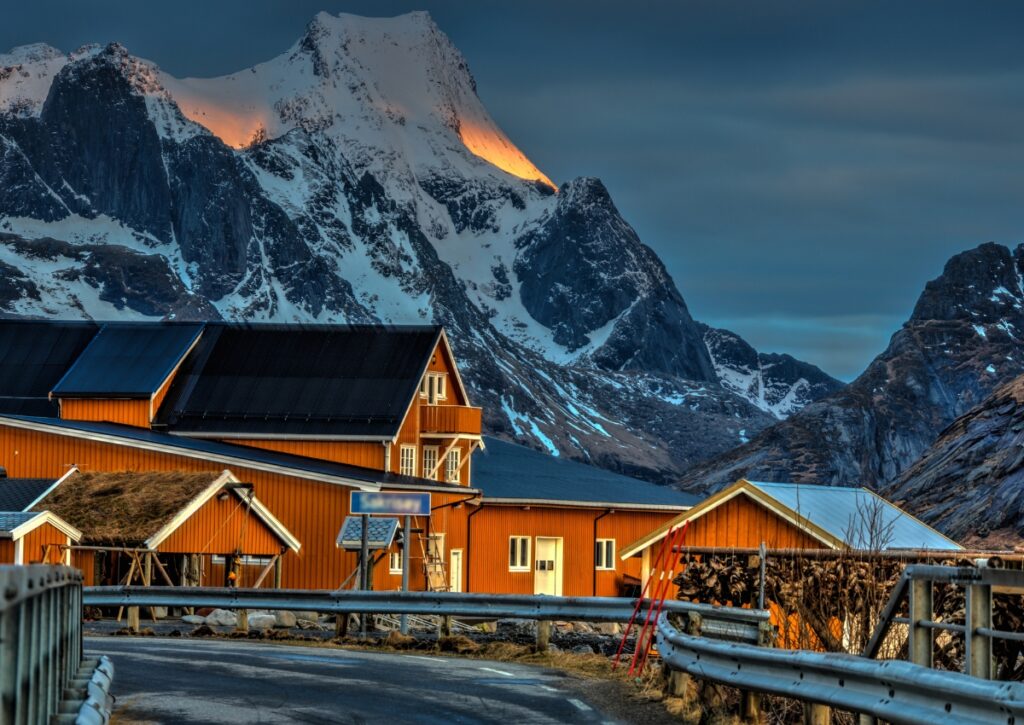
December to January: Polar night—sun doesn’t rise at all. Dark 24/7. Very atmospheric but challenging. Some people love it. Many more people hate it.
February to April: Ski touring season. Northern lights are still active. Cod fishing season (late winter) is culturally fascinating—the islands fill with fishermen, and the harbors are packed. Good time if you’re into winter sports and don’t mind cold and darkness.
I’d recommend June or September for a road trip. June for the midnight sun experience, September for fewer crowds and lower prices.
Insurance: Don’t Be an Idiot
Travel insurance is essential for Norway. Medical care is excellent, but expensive if you’re not covered. VisitorsCoverage offers solid policies specifically for Scandinavia that cover medical emergencies, trip cancellations, and adventure activities like hiking.
Also, comprehensive car insurance through your rental is worth it. Norwegian roads are generally good, but they’re narrow, windy, and shared with locals who drive like they’re in a rally race. Also, sheep. Random sheep in the road are a real hazard.
Internet and Phones
Cell coverage is surprisingly good on the main islands. I had Telenor (Norwegian carrier) through an eSIM from Yesim, which worked perfectly. It costs about $35 for 10GB of data for two weeks. Service dropped in some remote valleys and during hikes, but everywhere populated had 4G.
Download offline maps before you go. Google Maps works, but maps.me is better for hiking trails.
Sustainability Tips: Don’t Be That Tourist
Lofoten is fragile. The infrastructure isn’t built for the massive increase in tourism over the last decade, and there are real problems with overcrowding, trash, and disrespect for local communities.
Follow Allemannsretten rules: Camp 150 meters from buildings, pack out all trash, don’t disturb wildlife or residents.
Use designated parking: Don’t park randomly on the side of the road or block driveways. It’s a real problem that pisses off locals.
Stay on marked trails: Erosion is a serious issue. The reason they built stairs on Reinebringen was that the old trail was being destroyed.
Support local businesses: Eat at local restaurants, stay in family-run rorbuer, buy from local shops instead of chains.
Respect private property: Those red cabins might look picturesque, but people actually live and work there. Don’t wander into someone’s yard or business for photos.
Take only photos: Don’t remove rocks, shells, driftwood, or anything else. Leave it for the next person.
Use reef-safe sunscreen: The marine environment here is pristine. Keep it that way.
Carpool or use electric vehicles: If you’re traveling with others, share a car. Consider renting an electric (Norway has excellent EV infrastructure).
Eat local and seasonal: Support sustainable fishing practices by eating at restaurants that source locally.
I also made an effort to stay in smaller villages rather than always choosing the most popular spots. More money goes directly to local families that way, and you get a more authentic experience.
The Northern Lights: Bonus Round (If You’re Here in Winter)
I didn’t see auroras because I visited in summer (midnight sun = no darkness = no northern lights). But Lofoten is one of the best places on Earth to see the aurora borealis.
The season runs roughly from September through March, with peak months being November through February. You need three things: clear skies, darkness, and solar activity.
Best spots for aurora hunting:
- Haukland Beach (west-facing, dark sky)
- Uttakleiv Beach (same deal)
- Skagsanden Beach near Flakstad
- Anywhere away from village lights
Download an aurora forecast app (My Aurora Forecast is popular) and be prepared to drop everything when conditions are right. The northern lights don’t perform on schedule.
Several tour companies offer aurora photography tours through GetYourGuide ($100-150 per person), where they’ll chase the lights and help with camera settings. Worth it if you’re serious about getting good shots.
The Part Where I Ran Out of Superlatives
Two weeks in Lofoten recalibrated my understanding of what landscape can do to a person. I’m not talking about the casual “oh that’s pretty” response you get from a nice sunset. I’m talking about the kind of scenery that makes you pull over seventeen times in one hour because the light changed, or a mountain revealed a different angle, or the sea went from gray to turquoise between villages.
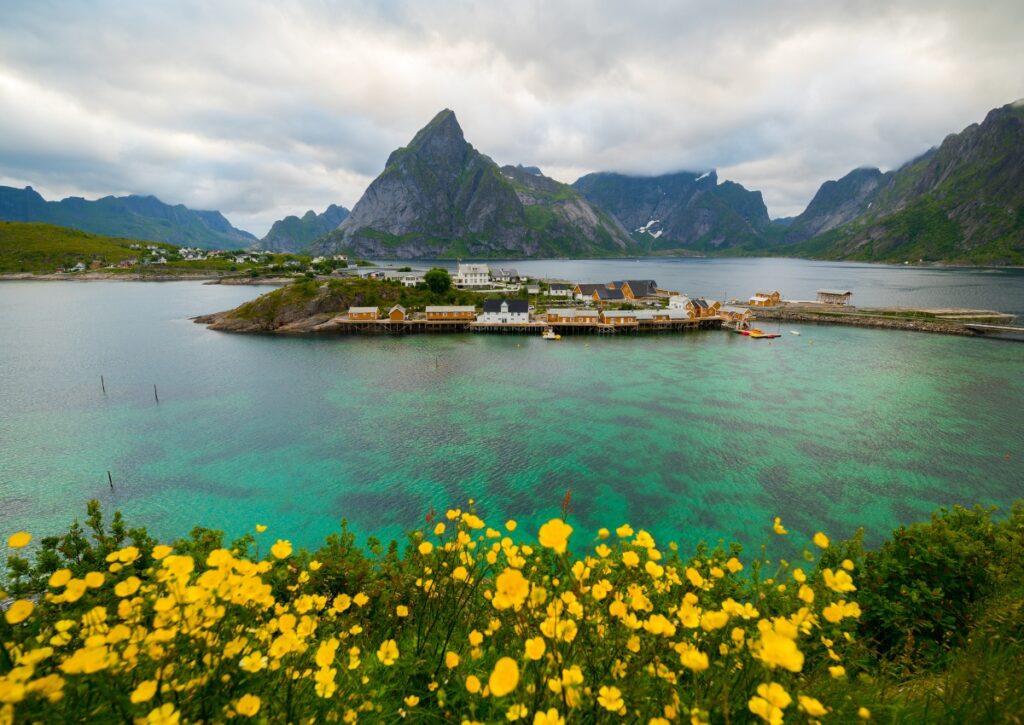
The practical stuff matters—the budget (which I blew spectacularly), the driving logistics (more stressful than expected), the accommodation booking (do this early), the weather preparation (crucial)—but what sticks with me has nothing to do with any of that.
It’s sitting on that unnamed beach with Bjørn the fisherman at midnight, drinking beer under a sun that refused to set, learning that the cod liver oil industry shaped this entire archipelago’s economy for 500 years.
It’s the moment on the Ryten summit when fog rolled in from the ocean and then cleared in thirty seconds to reveal Kvalvika Beach below, perfectly framed by mountains, and I understood why people bankrupt themselves to travel.
It’s driving the E10 at 8 AM with no other cars on the road, the mountains glowing pink in early light, the sea mirror-smooth, feeling like I’d somehow wandered into a landscape that existed before humans and would continue long after we’re gone.
It’s the disappointment of mediocre pasta I cooked in a tiny rorbu kitchen that somehow tasted incredible because I was eating it looking at Reinefjorden through a window that framed the scene like a postcard.
Lofoten is not easy. It’s expensive, weather-dependent, requires planning and flexibility, and will destroy your preconceived notions of what Norway “should” look like. It’s also completely, utterly worth every overpriced sandwich, every hour of driving in the rain, every moment of wondering if you packed the right gear.
If you’re considering this trip, stop considering and start booking. Use Booking.com to secure accommodation now (seriously, right now—it books up fast), get your rental sorted through GetRentacar to save money, make sure your cards work internationally with Revolut or Wise, and buy that travel insurance through VisitorsCoverage because Norwegian hospitals are excellent but expensive.
You’ll spend more money than you planned. You’ll take more photos than you need. You’ll question why you ever thought other road trips were impressive. And you’ll start planning your return trip before you’ve even left.
Subscribe to A Tiny Traveler for more guides that won’t sugarcoat the logistics or pretend that travel is always magical (it’s not, but sometimes it really, really is).
Follow me on social media for daily stories, behind-the-scenes travel content, and way too many photos of food:
- Follow me on Pinterest (A Tiny Traveler): My Pinterest is your ultimate travel vision board! It’s where I share stunning photography, quick visual guides, and, most importantly, links to all my in-depth blog posts.
- Follow me on Instagram (a.tinytraveler): For daily doses of wanderlust, stunning travel photography, behind-the-scenes glimpses of my trips, and quick tips that will inspire your next getaway. See the world through my eyes!
- Like my Facebook Page (A Tiny Traveler): Join our vibrant community of fellow travel lovers! This is a great place to ask questions, share your own travel experiences, and connect with other readers and me.
And if you do this trip, send me an email at contact@atinytraveler.com and tell me which parts I got wrong and which beach you loved most. I’m guessing it’ll be one I didn’t even mention, because Lofoten is ridiculous like that.
Pack your rain jacket. Bring extra money. Lower your expectations for sunshine and raise them for everything else. This is Arctic Norway, and it doesn’t care about your plans—it just exists, magnificently indifferent, waiting for you to show up and try to make sense of it. Good luck.
Frank


