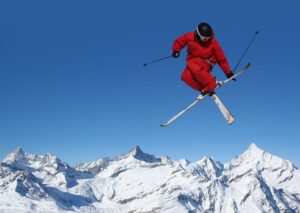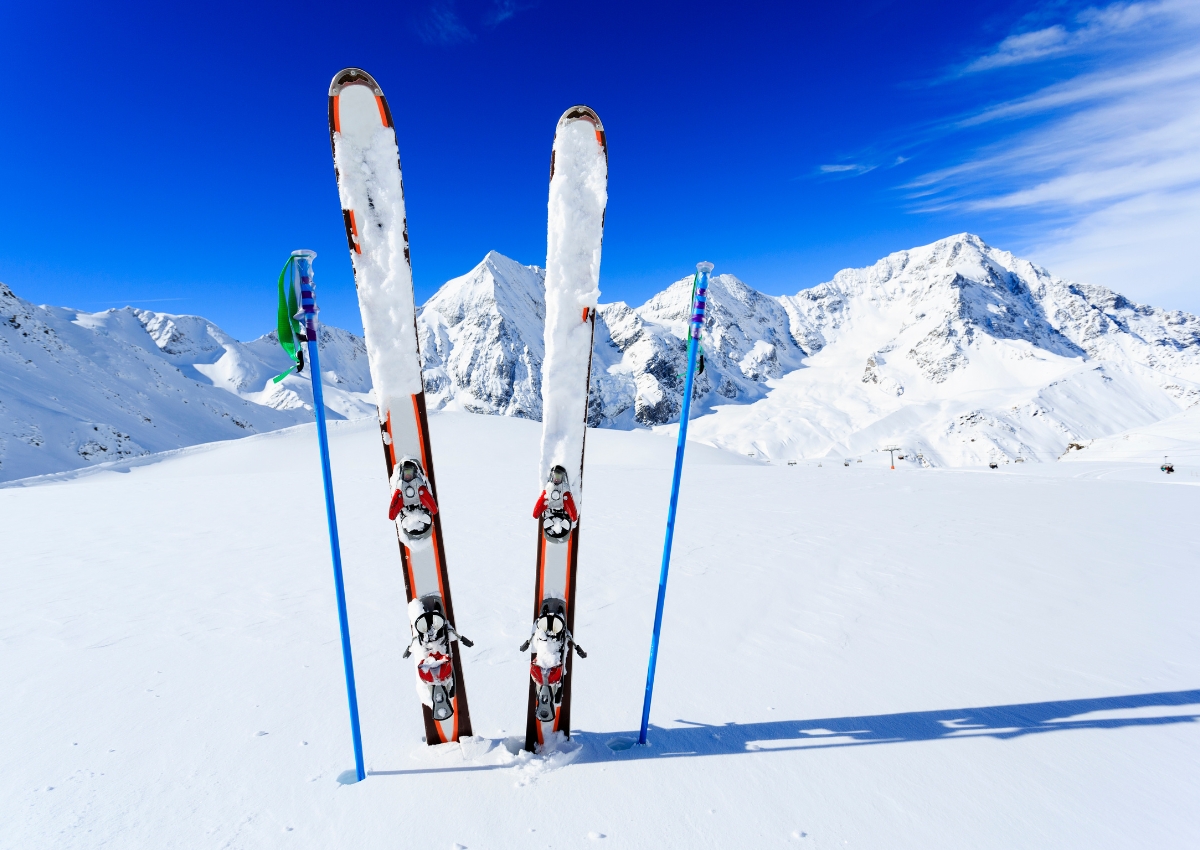
When the first snowflakes start falling across the European Alps, there’s nothing quite like the electric thrill of gliding down pristine mountain slopes with breathtaking panoramic views surrounding you at every turn. I’ve spent years exploring Europe’s most celebrated ski resorts, and I can tell you with absolute certainty that the continent offers some of the world’s most incredible skiing experiences. From the legendary black runs of Chamonix to the snow-sure heights of Val Thorens, Europe’s ski destinations are where dream winter holidays come to life. Whether you’re a seasoned powder hunter chasing fresh snow in December or a beginner looking for forgiving slopes and world-class instruction, the European Alps welcome you with open arms and unparalleled terrain diversity.
The beauty of European skiing isn’t just about the slopes themselves—it’s about the entire experience. Picture yourself sipping hot chocolate in a cozy mountain chalet, watching the sun paint the Alps golden, then heading out for an evening après-ski adventure in vibrant resort villages where the nightlife rivals major European cities. This comprehensive guide walks you through Europe’s top 10 most spectacular skiing destinations, complete with everything you need to know about costs, best times to visit, and how to plan the ski trip of a lifetime. I’ve personally visited many of these resorts and have gathered insider knowledge that’ll help you make the perfect choice for your 2025-2026 winter escape.
The 2025-2026 ski season promises to be exceptional. Thanks to La Niña weather patterns, meteorologists predict colder, snowier conditions across the Alps—meaning better early-season skiing and extended seasons at lower-altitude resorts. I’m genuinely excited about what this winter holds, and I want to share my favorite discoveries with you. From budget-conscious adventures to luxury getaways, from family-friendly beginner zones to expert-only terrain, this guide covers everything you need to transform your ski trip dreams into reality.
1. Val Thorens, France: Europe’s Highest Ski Resort
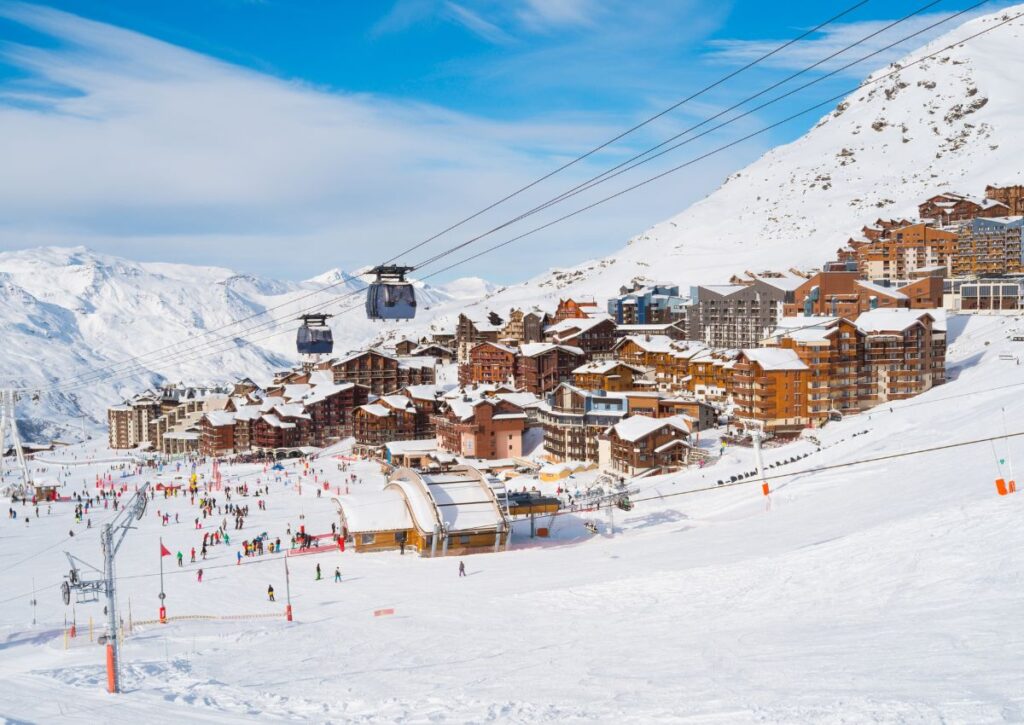
Standing at an incredible elevation of 3,230 meters, Val Thorens reigns as the highest ski resort in Europe, and this elevation advantage translates to some of the most reliable snow conditions you’ll find anywhere on the continent. I remember my first morning at Val Thorens—waking to fresh powder in May while lower resorts were already closing for the season. This is the magic of altitude: guaranteed snow when everywhere else is uncertain.
Terrain & Skiing Experience
Val Thorens isn’t just high; it’s massive. As the heart of the Trois Vallées ski area, you have access to an astounding 600 kilometers of marked pistes connecting Val Thorens with Meribel and Courchevel. The resort itself features 131 slopes ranging from gentle green runs perfect for families to challenging black runs and exciting off-piste opportunities. The lift system is modern and efficient, featuring fast chairlifts that minimize wait times and maximize your time on the snow.
What I love most about Val Thorens is its variety. You can spend an entire week here and never feel like you’re skiing the same terrain twice. One day you’re cruising perfectly groomed blue runs with stunning Matterhorn views, the next you’re exploring tree-lined intermediate runs in neighboring Meribel. For advanced skiers, the off-piste terrain is exceptional, particularly the famous Chamonix Valley accessible by hiking the Bec de Portetta ridge.
Skiing Season & Weather
Opening Date: November 22, 2025
Closing Date: May 3, 2026
Val Thorens typically opens in late November and stays open through early May—a season length that’s simply unmatched. January and February bring consistent snow, while April offers that magical spring skiing when morning temperatures are crisp but afternoons turn sunny and warm.
Accommodation & Daily Budget Breakdown
Staying at Val Thorens requires smart budgeting. Here’s what you can expect:
- Budget Hotel/Apartment: €80-120 per night
- Mid-Range Hotel: €150-250 per night
- Luxury Ski-in/Ski-out Chalet: €400-800+ per night
Daily expenses:
- Ski Pass (1 day): €71.00 (adults)
- Equipment Rental: €60-90 per day for premium gear
- Meals: €25-60 per person (on-mountain dining is pricier; €15-25 for casual lunch, €40-80 for dinner)
- Groceries (self-catering): €40-60 daily for two people
Total Daily Budget Per Person: €150-250 for budget travelers; €250-400 for mid-range; €500+ for luxury
When booking your accommodation, I highly recommend checking Booking.com first—they consistently offer the best rates for Val Thorens properties, and you can often find last-minute deals that rival direct bookings. Many visitors also use GetYourGuide to book lessons, equipment, and exclusive mountain experiences that aren’t available through traditional channels.
Après-Ski & Nightlife
Val Thorens is famous for its après-ski scene, and for good reason. The resort never stops partying—from 3 PM onward, bars and restaurants along the main resort are buzzing with energy. Café Snesko is legendary for literally setting the ceiling and bar on fire with pyrotechnics, creating an unforgettable spectacle. Bar 360 sits right on the piste, where you can drink and dance while watching skiers descend the slopes.
For a more sophisticated evening, Farinet Bar opens its roof during particularly wild moments, and you’ll experience something genuinely magical: dancing indoors while snow falls outside. There are three nightclubs offering everything from DJ sets to live music, ensuring your night continues well after midnight.
Sustainability Commitment
Val Thorens demonstrates a real commitment to environmental preservation. The resort holds Green Globe Certification, utilizes renewable energy for ski lift operations, and implements comprehensive recycling programs. Their innovative snow management systems minimize water usage, and they actively promote public transportation access to reduce vehicle traffic.
Pro Tip: Book your transfer through Welcome Pickups for seamless airport-to-resort transportation that’s both convenient and trustworthy.
2. Zermatt, Switzerland: Where the Matterhorn Meets Adventure
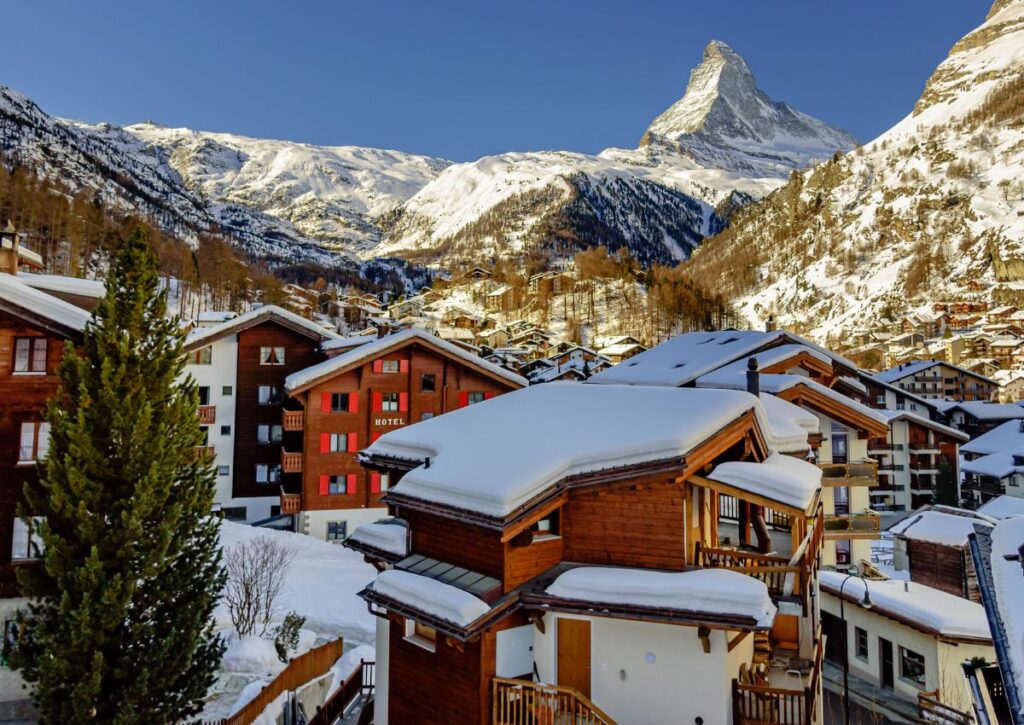
There’s something genuinely magical about Zermatt. This car-free Alpine village sits in the shadow of the iconic Matterhorn, and the mountain’s towering presence frames every single run you ski. I felt like I was actually skiing through a postcard on my first visit—and that feeling never quite goes away.
Terrain & Skiing Experience
Zermatt isn’t the largest ski area you’ll visit, but it’s arguably one of the most beautiful. With 322 kilometers of pistes spread across three main ski areas—Matterhorn Glacier Paradise, Sunnegga-Gornergrat, and the Italian Cervinia—you can ski through multiple countries in a single day. The Matterhorn Glacier Paradise, reaching 3,899 meters, offers year-round skiing, meaning you can literally ski in summer when everywhere else is closed.
The runs cater to all abilities. Beginners and intermediates will love the long, cruise-friendly blue runs with incredible views. Advanced skiers should head for the steep blacks and extensive off-piste terrain. One of my favorite experiences was skiing down the Theodul Glacier, crossing into Italy, and enjoying authentic Italian pizza and espresso before skiing back into Switzerland—all in a single day!
Year-Round Skiing Availability
Opening Date: November 29, 2025
Closing Date: April 19, 2026 (some lifts year-round)
The Matterhorn Glacier Paradise operates 365 days a year, making Zermatt truly unique. Yes, you can ski in summer—though the conditions differ from winter’s powder days.
Accommodation & Daily Budget Breakdown
As a premium Swiss destination, Zermatt isn’t cheap, but it’s worth the investment:
- Budget Accommodation (dorm/basic): €90-140 per night
- Mid-Range Hotel: €200-350 per night
- Luxury Slopeside Hotel: €500-1,200+ per night
Daily expenses:
- Ski Pass (1 day): €88 CHF (approximately €94)
- Equipment Rental: €70-120 per day
- Meals: €30-70 per person (Swiss prices are higher than in France/Austria)
- Groceries: €60-80 daily for two people
Total Daily Budget Per Person: €180-280 for budget; €300-450 for mid-range; €600+ for luxury
The Car-Free Experience
Zermatt’s car-free status is one of its defining features. You arrive via train or helicopter (if you’re feeling fancy), and transport within the village happens via horse-drawn carriages, electric taxis, or your own two feet. This creates an impossibly charming atmosphere—clean mountain air, quiet streets, and a genuine Alpine village vibe that commercialized resorts struggle to maintain.
Après-Ski Culture
Zermatt’s après-ski is sophisticated and relaxed, reflecting Swiss culture. You’ll find excellent wine bars, cozy traditional taverns, and upscale restaurants. Elsie’s Bar is an institution where visitors and locals mingle over drinks with Matterhorn views. Siler Stube offers traditional Swiss cuisine and a lively atmosphere.
Getting There: Transportation & Transfers
Getting to Zermatt requires either a scenic train journey (which I highly recommend) or arrival via Welcome Pickups, who can arrange your transfer from nearby airports. The train journey from Geneva Airport takes about 4 hours but offers some of Switzerland’s most spectacular scenery.
3. St. Anton, Austria: The Party Mountain
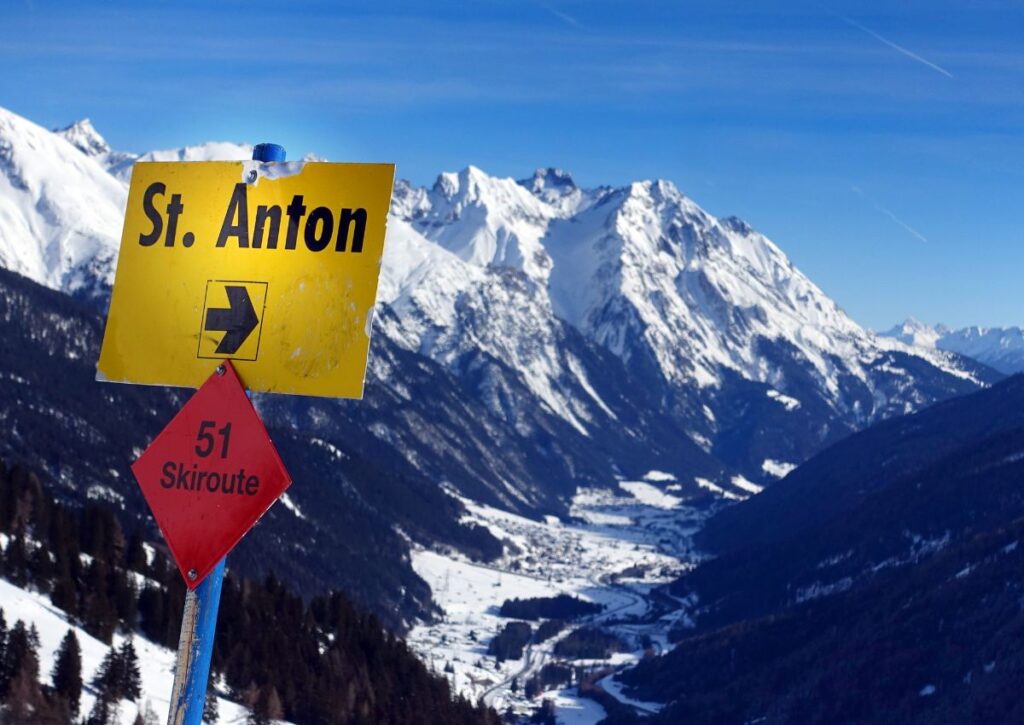
St. Anton earned its reputation as Europe’s party capital for a reason. Nestled in the Austrian Tyrol, this legendary resort perfectly blends world-class skiing with an après-ski scene that’s simply unmatched in its energy, diversity, and sheer fun factor.
Terrain & Skiing Experience
St. Anton is part of the vast Ski Arlberg area—one of the largest connected ski areas in Austria with 305 kilometers of marked pistes. But St. Anton isn’t just about quantity; it’s about quality. The terrain ranges from long, flowing blue cruisers that feel effortless to steep, challenging blacks that demand respect. The famous Run of Fame is a stunning 65-kilometer ski touring route connecting different villages—an unforgettable full-day adventure.
What I appreciate most about St. Anton is how well-groomed everything is. Austrian resorts set the standard for piste maintenance, and St. Anton exemplifies this commitment. You can carve perfect turns from first chair to last lift, and the off-piste is fantastic after fresh snow.
Beginner-Friendly Vibes
Don’t let St. Anton’s party reputation intimidate beginners. The resort has dedicated beginner areas with gentle slopes and excellent ski schools. The village slopes around Nasserein are perfect for learning, and once you progress, you can explore the enormous ski area without overwhelming yourself.
Accommodation & Daily Budget Breakdown
- Budget Hostel/Apartment: €60-100 per night
- Mid-Range Hotel: €120-220 per night
- Luxury Ski-in/Ski-out: €300-600+ per night
Daily expenses:
- Ski Pass (1 day): €81.50
- Equipment Rental: €50-85 per day
- Meals: €20-50 per person (Austrian prices are reasonable)
- Groceries: €35-50 daily for two people
Total Daily Budget Per Person: €120-200 for budget; €200-350 for mid-range; €450+ for luxury
Après-Ski: The Main Event
St. Anton’s après-ski is genuinely legendary. Mooserwirt is THE place to be—an institution where thousands gather on the slopes at 4 PM for massive beer-drinking, table-dancing, and general merriment. Krazy Kanguruh continues the party vibe down the mountain. By evening, the streets fill with visitors bouncing between multiple bars, each with different vibes.
The energy is incredibly welcoming. I’ve never felt more instantly accepted at a resort—whether you arrive as a solo skier or a large group, St. Anton makes everyone feel part of the fun. The party continues until 3-4 AM at clubs like Lift, and there’s something special about waking up after just a few hours of sleep to ski pristine morning snow.
Sustainability Initiatives
St. Anton is genuinely committed to sustainability. Since 2006, the resort has powered operations using hydroelectricity from the neighboring Kartellsee reservoir—enough to power the entire resort! Around 80% of local transport is electric, and the resort actively promotes train travel (direct connections from Zurich, Innsbruck, and Vienna). The nearby forests provide bio-chips for heating buildings, making St. Anton one of Austria’s greenest resorts.
Pro Travel Tip
Book your St. Anton accommodation with Booking.com—they consistently offer better rates than direct bookings, especially for multi-night stays. For transfers from nearby airports, Welcome Pickups offers reliable, friendly service at competitive prices.
4. Chamonix, France: The Mountain Paradise
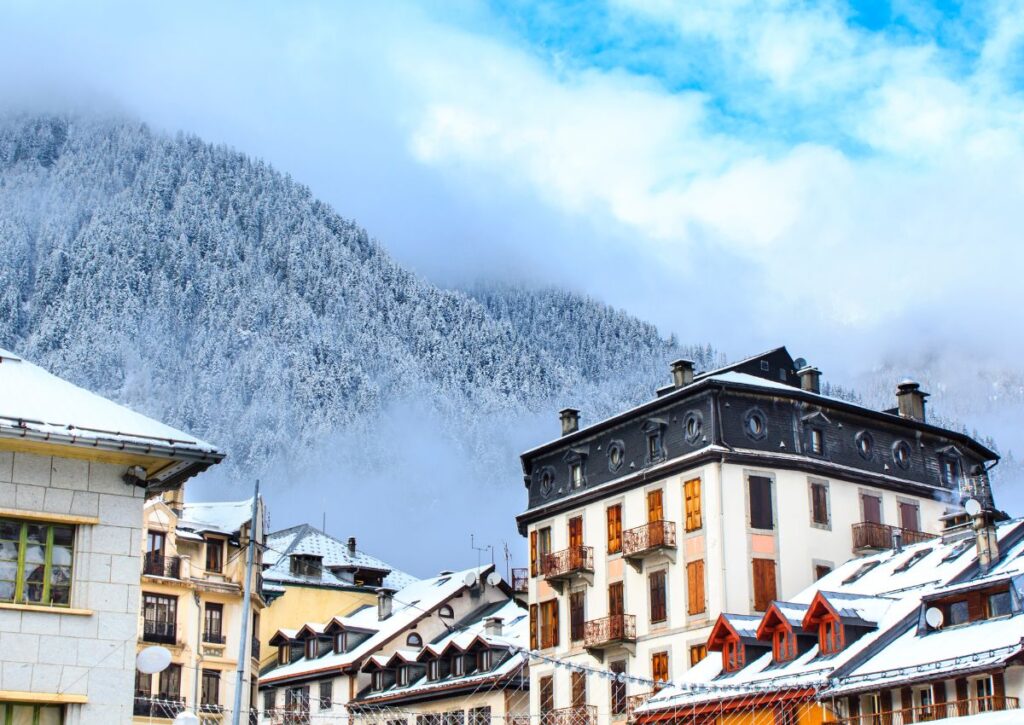
Chamonix is more than a ski resort—it’s a legendary mountain destination that’s captivated adventurers for centuries. Home to Europe’s highest peak, Mont Blanc, Chamonix offers skiing with some of the most breathtaking backdrops you’ll ever experience. This isn’t just about the slopes; it’s about the entire Alpine experience.
Terrain & Skiing Experience
Chamonix offers over 600 kilometers of interconnected terrain with multiple mountains offering different vibes and challenges. The Vallee Blanche, a legendary off-piste descent, takes skiers down 2,000 vertical meters through a glacier valley—an experience that’s genuinely unforgettable. The lift system reaches Aiguille du Midi at 3,842 meters, offering some of Europe’s most extreme skiing.
What makes Chamonix special is its diversity. You can ski touring, glacier skiing, steep mountain descents, or enjoy groomed resort runs—literally everything in one location.
Accommodation & Daily Budget Breakdown
- Budget Options: €70-110 per night
- Mid-Range Hotels: €150-280 per night
- Luxury Mountain Lodges: €400-800+ per night
Daily expenses:
- Ski Pass (1 day): €100 (Unlimited Pass)
- Equipment Rental: €50-100 per day
- Meals: €25-65 per person
- Groceries: €40-60 daily for two people
Total Daily Budget Per Person: €160-280 for budget; €280-430 for mid-range; €550+ for luxury
Season & Weather
Opening Date: December 20, 2025
Closing Date: May 3, 2026
Transportation & Planning
Access Chamonix via the scenic train from Geneva (about 2 hours). Book transfers through Welcome Pickups for straightforward, reliable service from Geneva Airport directly to your Chamonix accommodation.
5. Ischgl, Austria: Luxury & High-Performance Terrain
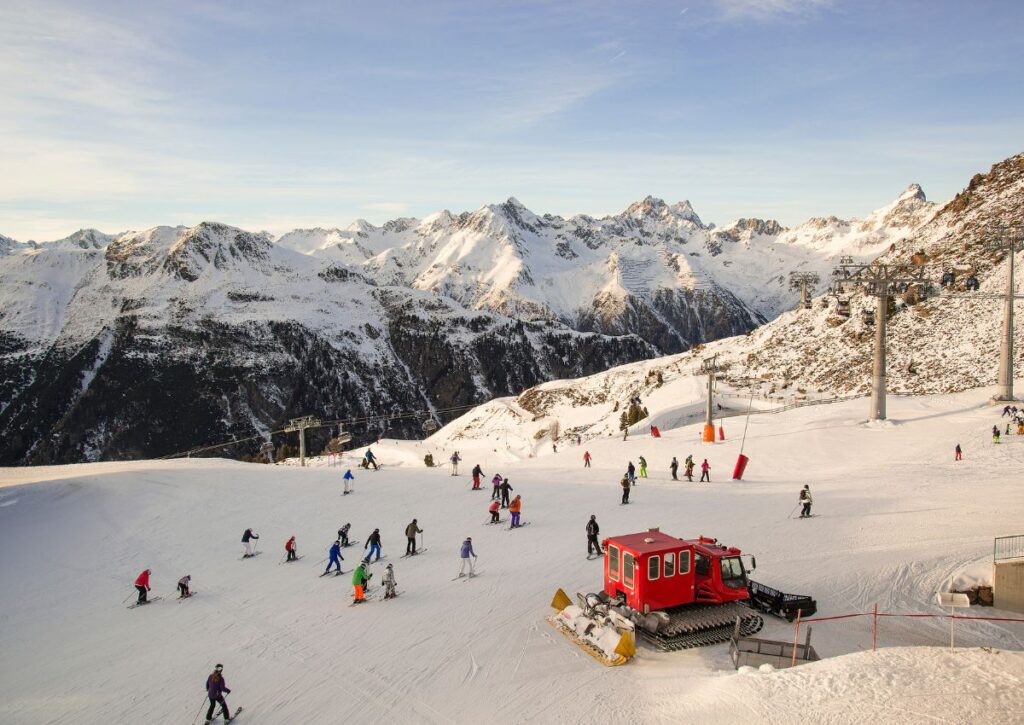
Ischgl occupies a sweet spot between elite luxury and legitimate challenge. This sophisticated Austrian resort sits at the border with Switzerland, sharing terrain with Samnaun across 239 kilometers of slopes. I’ve never seen a resort more committed to combining world-class skiing with 5-star amenities.
Terrain & Skiing Experience
Ischgl offers terrain for all levels, but it truly excels for intermediate and advanced skiers. The Silvretta Arena provides extensive, varied terrain, from perfectly groomed cruisers to steep couloirs and fascinating off-piste. The cross-border skiing into Switzerland adds an exciting element—you literally ski between countries mid-run.
Luxury Infrastructure
What distinguishes Ischgl is the premium infrastructure. The Silvretta Spa is absolutely world-class, featuring thermal baths, saunas, and treatments that rival Switzerland’s finest. Mountain restaurants here serve genuinely excellent food—not just functional ski resort fare. The Sila* is legendary for creative Tyrolean cuisine at altitude.
Accommodation & Daily Budget Breakdown
- Mid-Range Hotels: €180-300 per night
- Luxury 5-Star Hotels: €400-900+ per night
Daily expenses:
- Ski Pass (1 day): €72
- Equipment Rental: €60-100 per day
- Meals: €30-75 per person (restaurants are upscale)
- Groceries: €50-70 daily
Total Daily Budget Per Person: €250-400 for mid-range; €500+ for luxury
Après-Ski Excellence
Ischgl’s après-ski is sophisticated without being pretentious. Pacha Ischgl is the resort’s premier nightclub, featuring international DJs and an upscale vibe. Club Piccadilly offers live music and dancing until early morning.
Sustainability Focus
Ischgl has been operating 100% on green electricity since 2021, earning the title of “largest climate-neutral ski resort in the Alps.” The commitment extends throughout operations, including electric snowmaking equipment and comprehensive waste reduction programs.
6. Cortina d’Ampezzo, Italy: The Dolomites Jewel
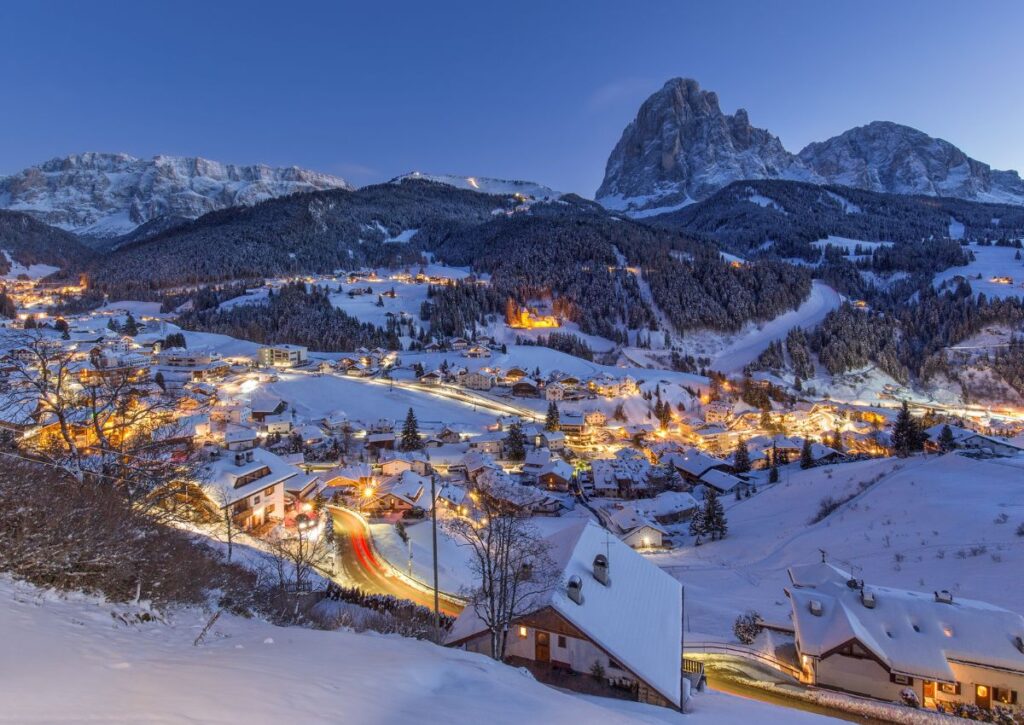
Cortina d’Ampezzo is simply one of Europe’s most beautiful ski destinations. Known as the “Queen of the Dolomites,” this sophisticated Italian resort combines world-class skiing with stunning mountain scenery and authentic Italian charm. My first visit here felt like stepping into a dream—the dramatic limestone towers of the Dolomites create a landscape that’s just breathtaking.
Terrain & Skiing Experience
Cortina offers 120 kilometers of relatively modest terrain compared to mega-resorts, but the quality is exceptional. The Tre Croci area features brilliant intermediate runs, while the Ra Gusela sector offers challenging terrain with spectacular views. What makes Cortina special for beginners is the vast, gentle terrain—wide, non-threatening slopes that build confidence.
The Dolomite landscape is genuinely unique. These pale limestone mountains create an atmosphere you won’t find elsewhere in the Alps. The north-facing slopes mean consistent snow coverage, and the tree-lined runs are stunning.
Accommodation & Daily Budget Breakdown
- Budget Options: €80-130 per night
- Mid-Range Hotels: €180-350 per night
- Luxury Hotels: €500-1,200+ per night
Daily expenses:
- Ski Pass (1 day): €77-101
- Equipment Rental: €50-90 per day
- Meals: €20-60 per person (authentic Italian restaurants offer excellent value)
- Groceries: €35-55 daily
Total Daily Budget Per Person: €140-280 for budget; €280-450 for mid-range; €550+ for luxury
Beginner Paradise
If you’re learning to ski, Cortina is exceptional. The gentle terrain, excellent ski schools, and uncrowded slopes create ideal learning conditions. Unlike busier resorts, you won’t feel rushed or overwhelmed—Cortina welcomes learners with open arms.
Authentic Italian Experience
What I love most about Cortina is the Italian authenticity. Pasticceria Alvera offers incredible pastries and coffee. Enoteca serves outstanding wine and local dishes. The evening passeggiata (stroll) through the charming town square is genuinely lovely. This is skiing combined with genuine Alpine village culture.
Transportation
From Venice Airport (approximately 3 hours), arrange your transfer via Welcome Pickups—they offer reliable service and friendly, knowledgeable drivers.
7. Val d’Isère, France: Where Legends Are Made
Val d’Isère isn’t just a ski resort; it’s a legendary icon in the skiing world. Hosting World Ski Championships and numerous Olympic events, this storied French resort has hosted skiing’s greatest moments. The town itself feels thrumming with history—from the base lodges to the main streets, you’re surrounded by decades of skiing heritage.
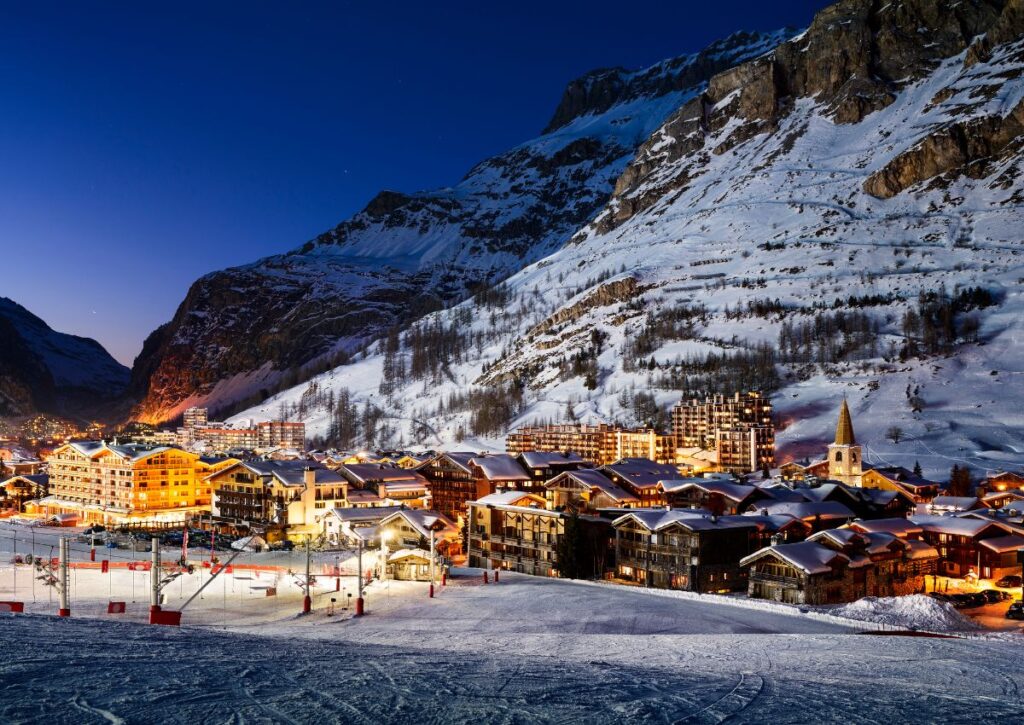
Terrain & Skiing Experience
Val d’Isère’s 300 kilometers of runs, combined with neighboring Tignes, create the Espace Killy area with truly exceptional variety. The terrain ranges from long cruising runs to steep technical blacks and incredible off-piste. The Pisaillas Glacier ensures late-season snow, while high-altitude slopes guarantee early-season reliability.
Advanced skiers will absolutely love this resort. The off-piste options are genuinely world-class, and the steep runs challenge even experienced skiers. For intermediates, the flow of runs is excellent—you can piece together amazing multi-run days that never feel repetitive.
Accommodation & Daily Budget Breakdown
- Budget Hotels/Apartments: €90-150 per night
- Mid-Range Hotels: €200-380 per night
- Luxury Chalets: €500-1,000+ per night
Daily expenses:
- Ski Pass (1 day): €75 (Tignes & Val d’Isère combined)
- Equipment Rental: €60-110 per day
- Meals: €25-70 per person
- Groceries: €45-65 daily for two people
Total Daily Budget Per Person: €160-310 for budget; €300-500 for mid-range; €600+ for luxury
Après-Ski Extravaganza
Val d’Isère’s après-ski is legendary for good reason. Cocoricos sits right on the nursery slopes and explodes into party mode at 5 PM with pyrotechnics and live bands. La Folie Douce is the on-piste party institution—music thunders across the mountain, dancers perform, and tables get danced upon. By evening, Dick’s Tea Bar becomes THE hotspot where everyone who stays out past midnight congregates. It’s sweaty, crowded, and absolutely electric.
8. Tignes, France: The Glacier Adventure
Tignes sits just 20 kilometers from Val d’Isère but offers a completely different vibe. This contemporary purpose-built resort is optimized for accessing the enormous Grande Motte Glacier, offering 365-day skiing and genuinely revolutionary ski infrastructure.
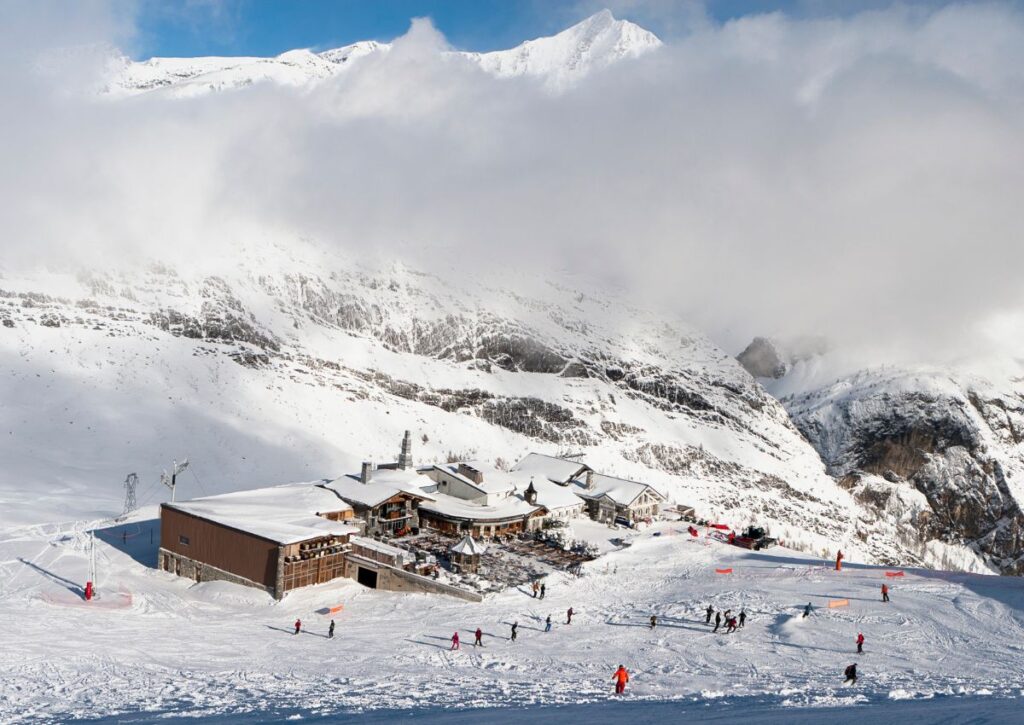
Terrain & Skiing Experience
With 300 kilometers of connected terrain, Tignes boasts an exceptional variety. The glacier offers reliable snow in all seasons, making it perfect for training, learning on powder, or just enjoying skiing in unusual months. The resort caters excellently to intermediates—wide, well-groomed runs with consistent pitch let you focus on technique rather than terrain navigation.
Unique Advantages
Tignes’ main advantage is its extreme snow reliability. The glacier stays open year-round, meaning you can literally show up in July and ski powder. The resort was recently expanded with new lifts and terrain, making the skiing experience incredibly modern and efficient.
Accommodation & Daily Budget Breakdown
- Budget Options: €70-110 per night
- Mid-Range Hotels: €150-280 per night
- Luxury Ski-in/Ski-out: €400-800+ per night
Daily expenses:
- Ski Pass (1 day): €68
- Equipment Rental: €55-95 per day
- Meals: €20-60 per person
- Groceries: €35-50 daily
Total Daily Budget Per Person: €130-260 for budget; €240-420 for mid-range; €500+ for luxury
Off-Piste Paradise
For intermediate skiers ready to explore off-piste, Tignes offers accessible powder runs in stunning Alpine settings. The terrain around the Grande Motte Glacier provides an introduction to off-piste skiing that’s forgiving yet exciting.
9. Alpe d’Huez, France: Beginner’s Paradise & Long-Season Skiing
If you’re new to skiing or introducing family members to the sport, Alpe d’Huez deserves serious consideration. Voted Europe’s #1 ski resort for beginners, this large, beginner-friendly resort in the Massif des Grandes Rousses offers exactly what new skiers need: confidence-building slopes, excellent instruction, and incredibly forgiving terrain.
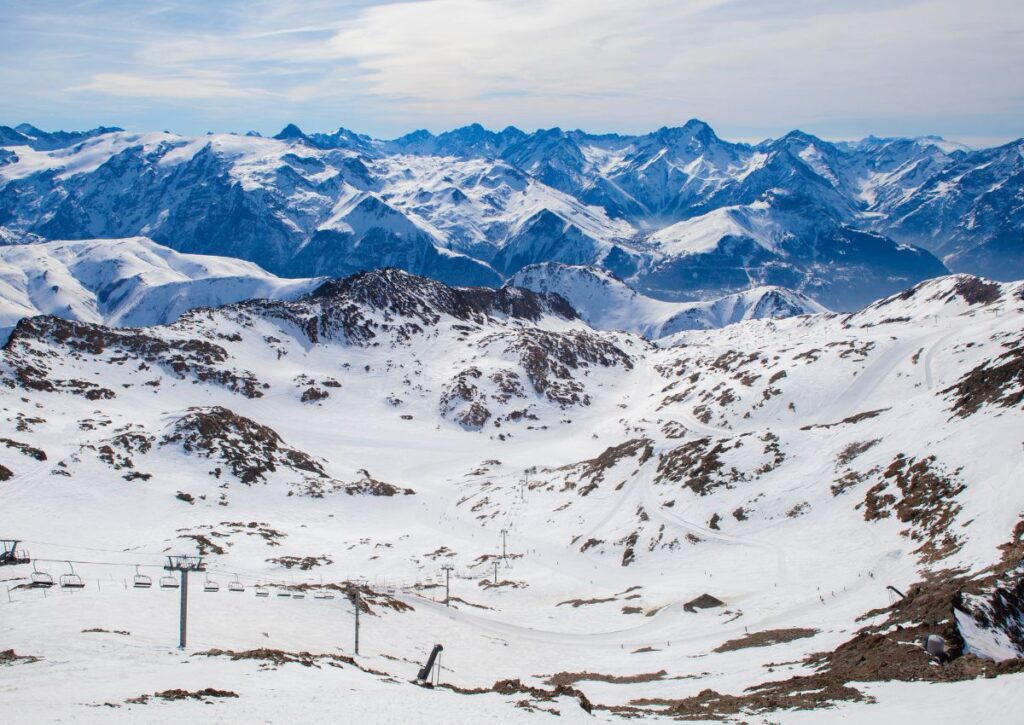
Why Beginners Love Alpe d’Huez
The resort features 131 total slopes, with 41 green runs and 34 blue runs—meaning beginners have seemingly endless options for progression. The Les Bergers beginner area sits in glorious sunshine, with magic carpets and gentle slopes that let learners practice without intimidation. The DMC gondola provides quick access to the beginner zones, and the lift system is efficient and stress-free.
Family-Friendly Atmosphere
Alpe d’Huez has perfected the family ski vacation. Child-care facilities, kids’ clubs, sledding areas, and age-appropriate instruction make it genuinely welcoming for families. The Jardin des Neiges area is designed specifically for young learners, complete with colorful markers and gentle progression.
Accommodation & Daily Budget Breakdown
- Budget Apartment: €60-100 per night
- Mid-Range Hotels: €130-220 per night
- Family-Friendly Chalets: €250-450 per night
Daily expenses:
- Ski Pass (1 day): €66
- Equipment Rental (beginner): €35-60 per day
- Meals: €18-50 per person (family restaurants available)
- Groceries: €30-45 daily for families
Total Daily Budget Per Person: €100-180 for budget; €170-300 for mid-range; €350+ for families
Après-Ski & Entertainment
Alpe d’Huez offers softer après-ski compared to party resorts—more wine bars and cozy restaurants than nightclubs. This is perfect for families or skiers who want to enjoy the mountains without exhausting nightlife. The village has excellent restaurants, shopping, and mountain activities.
10. Sölden, Austria: Two Glacier Guarantee
Sölden sits in Austria’s Ötztal Valley, featuring not one but TWO glaciers—the Rettenbach and Tiefenbach—that virtually guarantee long seasons and snow reliability. This Austrian powerhouse offers 147 kilometers of pristine pistes served by 31 modern high-speed chairlifts.
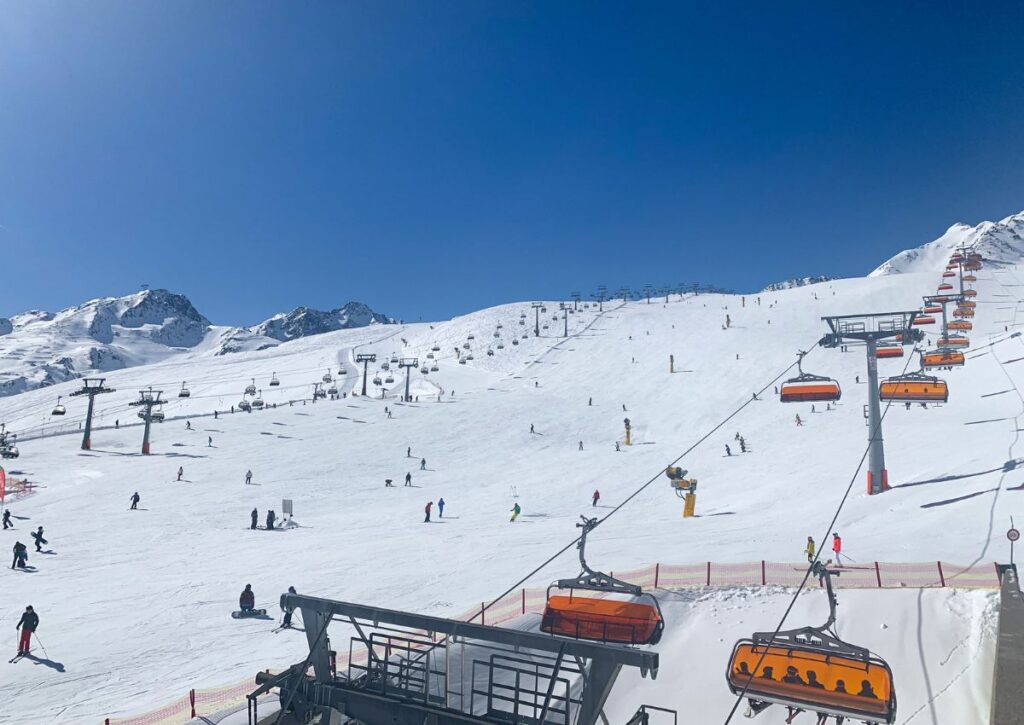
Terrain & Skiing Experience
What makes Sölden truly special is the vertical drop—over 2,000 meters separates the glaciers’ peaks from the village. You can literally ski all day without taking a lift, carving down runs that seem to never end. The terrain variety is exceptional—long cruisers for intermediates, challenging steeps for experts, and smooth pistes for confident beginners.
The three peaks over 3,000 meters create ideal snow conditions throughout the season. I’ve skied Sölden in December when lower resorts still have patchy coverage, and the difference is remarkable.
Accommodation & Daily Budget Breakdown
- Budget Hotels: €70-110 per night
- Mid-Range Hotels: €150-270 per night
- Luxury Accommodations: €350-700+ per night
Daily expenses:
- Ski Pass (1 day): €69.50-73.50
- Equipment Rental: €50-90 per day
- Meals: €20-60 per person
- Groceries: €35-55 daily
Total Daily Budget Per Person: €130-250 for budget; €240-420 for mid-range; €450+ for luxury
Infrastructure & Sustainability
Sölden is genuinely impressive for sustainability. All electricity comes from renewable sources, including a district heating system that uses 630°C storage to heat the village—eliminating fossil fuel dependence entirely. A free bus runs every nine minutes throughout the resort, dramatically reducing traffic and pollution.
Season Dates
Opening Date: October 2, 2025 (Glacier)
Closing Date: May 3, 2026
Money-Saving Tips & Budget Hacks for Your European Ski Trip
1. Timing Strategy
Early season (November-December) and spring (March-April) typically offer better rates than Christmas and February peak season. Midweek (Tuesday-Thursday) generally costs less than weekends. My strategy: ski in January after the New Year chaos, or catch the phenomenal spring skiing in April when everyone assumes the season is ending.
2. Accommodation Hacks
Instead of staying slope-side (€400-800+ per night), consider staying 10-15 minutes away by bus or train. Budget options €80-150 per night, often provide excellent value. Use Booking.com to compare properties and read reviews. For larger groups, renting apartments with kitchens via Booking.com or Airbnb provides massive savings on meals.
3. Equipment Rental Smart Strategy
Pre-book equipment online to lock in lower rates. Multi-day rentals cost substantially less per day than daily rates. Premium equipment rental prices drop significantly if you commit to 5+ days. Budget €50-60 daily for basic equipment; €80-100 for premium gear.
4. Meal Budget Strategies
Skip mountain restaurants for lunch (€25-40) and pack sandwiches (€8). Grab breakfast in town rather than your hotel (save €10-15 daily). For dinners, explore local restaurants away from main squares—authentic establishments offer better value than tourist-focused venues.
5. Ski Pass Optimization
Purchase multi-day passes rather than daily tickets—you’ll save 15-25% per day. Many resorts offer discounts for advance online purchases. Buy passes the night before rather than morning-of for better rates.
6. Transportation Savings
Fly into major hubs (Geneva, Zurich, Munich) rather than small airports—you’ll often save €100-300 on flights. Use trains for resort-to-resort travel rather than taxis. Regional trains offer day passes and group discounts.
For airport transfers, Welcome Pickups provides straightforward, affordable service with no hidden charges, and they’re reliable and friendly.
Daily Budget Summary: What You’ll Actually Spend
Budget Traveler (Hostels, Shared Meals, Budget Resorts)
- Accommodation: €70-100
- Ski Pass: €50-70
- Equipment: €40-60
- Meals: €20-35
- Total Per Day: €180-265 per person
Mid-Range Traveler (3-Star Hotel, Mix of Mountain/Town Meals)
- Accommodation: €150-220
- Ski Pass: €65-80
- Equipment: €60-90
- Meals: €40-65
- Total Per Day: €315-455 per person
Luxury Traveler (4-5 Star Ski-in/Ski-out, Premium Dining)
- Accommodation: €400-800
- Ski Pass: €70-90
- Equipment: €90-130
- Meals: €80-150
- Total Per Day: €640-1,170 per person
Sustainable Skiing: Protecting Our Mountains for Future Generations
Why Sustainability Matters in Skiing
Climate change threatens Alpine skiing’s future. Rising temperatures mean shorter seasons, less reliable snow, and environmental degradation. Smart skiers support resorts taking genuine action to preserve the mountains we love.
Top Sustainable Resorts Doing It Right
St. Anton, Austria, powers operations 100% with hydroelectricity from the Kartellsee reservoir. Around 80% of transport is electric, and the resort actively promotes train travel. Staying here directly supports environmental leadership.
Val Thorens & Tignes, France, both hold Green Globe Certification and invest heavily in renewable energy, water conservation, and habitat restoration. These resorts genuinely prioritize the environment alongside skiing excellence.
Ischgl, Austria, operates as the largest climate-neutral ski resort in the Alps, with 100% green electricity since 2021.
Serre Chevalier, France, is pioneering sustainability through a mix of hydroelectric, solar, and wind power, aiming for 50% self-sufficiency by 2026.
How to Ski Sustainably
1. Choose Train Travel Over Flying
Taking the train to Europe (or within Europe) dramatically reduces your carbon footprint. The scenic mountain trains are genuinely gorgeous. Snow trains like the Eurostar Snow Train from London operate from December to March.
2. Use Public Transportation
Skip rental cars when possible. European resorts have excellent bus networks. Many passes include complimentary shuttle services.
3. Pick Eco-Certified Resorts
Look for Green Globe or Flocon Vert certification. These resorts demonstrate genuine environmental commitment.
4. Respect the Mountains
Stay on marked trails to prevent erosion and wildlife disturbance. Use reusable water bottles and minimize waste. Support local conservation efforts.
5. Extend Your Trip
The more days you ski at one resort, the better you amortize your carbon footprint. Instead of visiting three resorts, stay longer at one—you’ll enjoy it more and have less environmental impact.
6. Support Green Initiatives
When choosing between resorts at a similar cost, prioritize those with strong sustainability programs. Your decisions influence resort management priorities.
Essential Travel Planning: Insurance, Transfers & Bookings
Travel Insurance
Ski trips involve significant injury risk. Comprehensive travel insurance covering ski activities costs €40-80 and provides essential protection for medical emergencies, equipment damage, and cancellations.
VisitorsCoverage and other specialized providers offer ski-specific policies. Always check that your policy covers:
- Emergency medical evacuation
- Equipment loss/damage
- Trip cancellation
- Helicopter rescue at altitude
Airport Transfers & Logistics
After international flights to ski resorts, you need reliable transfer services. Welcome Pickups offers pre-booked transfers from major European airports directly to your resort. Their drivers know mountain roads intimately, speak English, and provide genuinely friendly service. Pre-book online for guaranteed availability and often better rates than airport taxis.
Activity & Tour Booking
GetYourGuide offers exceptional ski lessons, mountain experiences, and tours with vetted instructors. You can book directly from home rather than arranging everything on-site, which often provides better pricing and flexibility.
Accommodation Booking
Always compare options across multiple platforms. Booking.com consistently offers the broadest inventory and best rates for European ski accommodations. Their flexible cancellation policies provide peace-of-mind booking.
Money & Payment Solutions
For international ski trips, Revolut and Wise provide truly excellent foreign exchange rates and low/zero transaction fees. Skip traditional bank exchanges—you’ll save 3-7% immediately. Load funds before travel and enjoy fee-free ATM withdrawals at resorts.
For European cell service, Yesim offers eSIM cards for major European countries with excellent data plans at a fraction of traditional roaming charges.
For flights and booking flexibility, CheapOair consistently offers competitive fares plus flexibility on budget carriers.
For car rentals if exploring between resorts, GetRentacar compares rates across major providers.
The Best Time to Visit European Ski Resorts
Early Season (November-December)
Pros: Fewer crowds, better accommodation prices, and fresh snow-making equipment make for excellent skiing
Cons: Shorter season daylight hours, potentially less natural snow, some lifts may not be open
Pro Tip: Late November and early December offer exceptional value with decent snow conditions.
Mid-Season (January-February)
Pros: Consistent heavy snowfall, all-terrain open, reliable conditions, excellent skiing
Cons: Premium prices, peak crowds, accommodation premium
My Rating: ⭐⭐⭐⭐⭐ Best conditions if you can handle crowds
Spring Season (March-April)
Pros: Longer daylight hours, spring sunshine, cheaper accommodation, and still excellent skiing
Cons: Lower elevations get slushy afternoons, season ending for some resorts
Pro Tip: Visit high-altitude resorts (Val Thorens, Tignes, Sölden) in spring—they maintain excellent conditions through May while lower resorts close.
Final Thoughts: Your European Ski Adventure Awaits
After exploring Europe’s top ski destinations, I genuinely believe the continent offers unmatched skiing diversity. Whether you’re a beginner nervous about your first run or an expert seeking extreme terrain, Europe welcomes you with world-class infrastructure, charming mountain villages, and hospitality that feels genuinely warm.
My personal take: start with Alpe d’Huez if learning, progress to Cortina or Meribel for confidence building, then tackle the legendary terrain at Chamonix, Val d’Isère, or St. Anton. Consider sustainability when choosing resorts—your support for green initiatives influences future mountain preservation.
The 2025-2026 season promises exceptional conditions thanks to forecasted colder, snowier weather. La Niña patterns typically deliver reliable snow, extended seasons, and the kind of skiing moments you’ll remember forever.
Your Action Plan:
- Choose Your Resort — Reflect on your skill level, budget, and priorities
- Book Accommodation — Use Booking.com to compare and lock rates
- Arrange Transfers — Pre-book Welcome Pickups from your arrival airport
- Secure Travel Insurance — Get comprehensive ski coverage
- Book Lessons/Tours — Use GetYourGuide for expert instruction
- Sort Currency — Use Revolut or Wise for the best exchange rates
- Arrange Sim/Data — Get Yesim eSIM for European connectivity
- Get Transport Options — Book ski passes, rental cars, trains in advance
Subscribe & Follow for More Mountain Adventures!
I’m genuinely passionate about exploring the world’s most incredible destinations, and European skiing represents some of my favorite travel experiences. I publish detailed destination guides, insider tips, budget strategies, and honest reviews of travel experiences every month.
Subscribe to my newsletter for exclusive travel guides, insider tips other bloggers don’t share, and first access to new content before it goes public.
Follow me on social media for real-time travel adventures, behind-the-scenes stories, and interactive conversations with fellow travelers:
- Follow me on Pinterest (A Tiny Traveler): My Pinterest is your ultimate travel vision board! It’s where I share stunning photography, quick visual guides, and, most importantly, links to all my in-depth blog posts.
- Follow me on Instagram (a.tinytraveler): For daily doses of wanderlust, stunning travel photography, behind-the-scenes glimpses of my trips, and quick tips that will inspire your next getaway. See the world through my eyes!
- Like my Facebook Page (A Tiny Traveler): Join our vibrant community of fellow travel lovers! This is a great place to ask questions, share your own travel experiences, and connect with other readers and me.
Join our community of 50,000+ adventurous travelers who’ve transformed their travel dreams into reality. Your European ski adventure is waiting—I can’t wait to hear about your experiences! Drop a comment below, send me a DM, or tag me in your mountain photos. Let’s celebrate the joy of exploring this incredible continent together.
Safe travels, fresh powder, and unforgettable adventures await! 🎿❄️⛷️
Frank