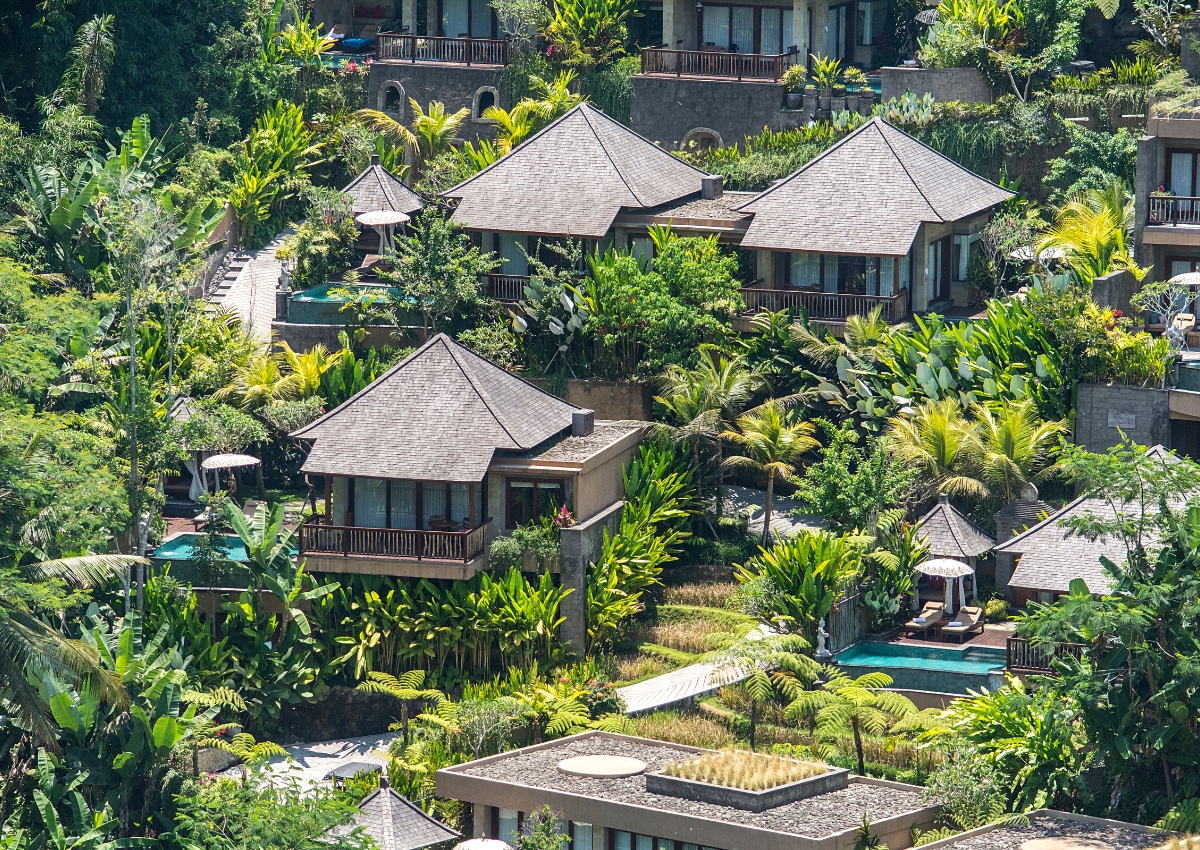
Alright, let’s pull up a chair. Grab a cup of kopi luwak (or maybe just a regular latte, no judgment here) because we’re about to dive deep, and I mean deep, into a side of Bali you might not know. A side that’s more than just infinity pools and flower baths for the ‘gram. I’ve kicked up dust in more countries than I have clean socks. Bali, for me, has always been this beautiful, chaotic, spiritual paradox. My first trip years ago was a whirlwind of cheap Bintang singlets, questionable scooter skills, and a sunburn that could be seen from space. It was magical, but there was a little voice in my head, a whisper that grew louder with every plastic bottle I saw washed up on a stunning black sand beach.
That little voice started asking some uncomfortable questions. Where does all the trash go? How can an island this small sustain the millions of us who flock here for our slice of paradise? I started feeling a different kind of “Bali belly”—a guilt-induced ache for the impact my footprint was leaving on this sacred land. I realized that to truly love a place, you can’t just take from it; you have to give back, or at the very least, not actively contribute to its destruction. That’s when my entire travel philosophy shifted. I stopped searching for just the cheapest guesthouse or the most photogenic resort and started hunting for something more: places with a soul, with a conscience.
And let me tell you, what I found in Bali blew my mind. I discovered that “sustainable” and “eco-friendly” aren’t just buzzwords here; they’re a deeply ingrained part of a philosophy that’s been around for centuries, the Tri Hita Karana – the harmony between humans, God, and nature. I found hotels woven from the very earth they stand on, powered by the sun, and serving food grown just steps from my room. These aren’t rustic, uncomfortable shacks. Oh no. We’re talking about some of the most innovative, luxurious, and downright stunning places I have ever laid my head. Places where luxury isn’t about gold-plated taps but about the richness of sleeping in a handcrafted bamboo palace, cooled by a natural breeze, with the sound of a flowing river as your soundtrack.
This isn’t going to be one of those generic, top-ten lists you can find anywhere on the internet. Forget that. This is my personal, deeply researched, I’ve-stayed-there-and-got-the-mosquito-bites-to-prove-it guide. We’re going on a journey to the heart of conscious travel in Bali. I’m going to walk you through nine incredible havens that are not only changing the face of tourism but will also fundamentally change your experience of the island. We’ll talk about the magic, the philosophy, and yes, the practical stuff—like how much it’s all going to cost and how you can be a better traveler. So, buckle up. We’re about to find you a hotel that will not only blow your mind but will also leave your conscience sparkling clean.
Why Choose a Sustainable Hotel in Bali? (More Than Just a Hashtag)
Before we dive into my treasure trove of eco-havens, let’s get real for a second. Why should you even care? You’re on holiday, right? You want to relax, not worry about composting toilets.
Here’s the deal: Bali is facing some serious challenges. The island’s beauty is its biggest blessing and, increasingly, its biggest curse. The explosion in tourism has put an immense strain on its resources. We’re talking about a looming water crisis in an island paradise (the irony is thick, I know), and a waste management problem that is, frankly, heartbreaking. Every day, tons of plastic waste are generated, and the island’s infrastructure is struggling to keep up.
Choosing a sustainable hotel isn’t about sacrificing comfort. It’s about upgrading your entire experience.
- A Deeper Connection: These hotels are built with a philosophy of respect for Balinese culture and nature. You’re not just a tourist in a sterile resort; you’re a guest in a living, breathing ecosystem. You’ll learn about local traditions, eat authentic food, and connect with the island on a level most visitors never will.
- Unparalleled Design: Forget cookie-cutter hotel rooms. We’re talking about architectural marvels crafted from bamboo, reclaimed wood, and natural stone. These places are designed to be in harmony with their surroundings, often blurring the lines between indoors and outdoors in the most spectacular ways.
- Healthier for You: Think farm-to-table dining where the “farm” is literally 20 feet away. Think natural swimming pools filtered by plants instead of harsh chemicals. Think sleeping in rooms made of non-toxic, natural materials. It’s a wellness retreat without even trying.
- You Become Part of the Solution: Your money isn’t just lining the pockets of a distant corporation. It’s supporting local communities, funding conservation projects, empowering local staff, and proving that tourism can be a force for good. That feeling, my friends, is better than any five-star upgrade.
So, you see, choosing one of these places isn’t a compromise. It’s a conscious choice to have a more authentic, more beautiful, and more meaningful vacation.
A Reality Check: Your Bali Budget & Essential Costs (Updated for 2025)
Let’s talk money. Bali can be as cheap or as expensive as you want it to be, but it’s crucial to have a realistic budget. Traveling sustainably doesn’t necessarily mean spending more, but it does mean being smart about where your money goes.

Here’s a rough breakdown to help you plan. All prices are estimates and can fluctuate. I’m using a rough conversion of $1 USD \approx 15,500 IDR.
Daily Budget Breakdown (Per Person)
- The Savvy Backpacker: $30 – $50 USD per day. This means staying in eco-hostels or basic guesthouses (losmen), eating at local street stalls (warungs), renting a scooter, and focusing on free activities like hiking or beach hopping.
- The Conscious Mid-Ranger: $80 – $150 USD per day. This is the sweet spot for many. You can stay in some of the more affordable eco-lodges on this list, enjoy a mix of warung meals and nice farm-to-table restaurants, hire a driver for a day trip, and take a yoga class or two.
- The Eco-Luxury Seeker: $250+ USD per day. The sky’s the limit. This budget gets you into the stunning bamboo palaces and high-end retreats, private drivers, fine dining experiences, and indulgent spa treatments.
Essential Pre-Trip & On-the-Ground Costs
- Flights: This is your biggest variable. From the US or Europe, expect to pay anywhere from $800 – $1,500+ for a round trip. My pro tip? Use a flight aggregator like WayAway. They offer a cashback program (WayAway Plus), which can save you a surprising amount on flights, hotels, and tours. It’s a no-brainer for frequent travelers.
- Accommodation: We’ll cover this in detail, but expect to pay anywhere from $25 for a simple eco-guesthouse room to $1000+ a night for a luxury villa.
- Visa: For many nationalities, you can get a Visa on Arrival (VOA) for around $35 USD (500,000 IDR) for 30 days, extendable once. Always check the latest official immigration requirements before you fly!
- Travel Insurance: Non-negotiable. Seriously. Whether it’s a scooter mishap (the infamous “Bali Kiss” scar) or a lost bag, you need to be covered. I’ve had to use it before, and it was a lifesaver. I recommend VisitorsCoverage because they make it easy to compare different plans and find one that fits your trip and budget. Don’t leave home without it.
- Getting from the Airport: Ngurah Rai International Airport (DPS) can be chaotic. Taxis can be a hassle. To start your trip stress-free, I always pre-book an airport transfer. Welcome Pickups is my go-to. They have English-speaking drivers, track your flight for delays, and have a fixed price, so there’s no haggling. It’s the smoothest way to get to your hotel.
- Connectivity: Forget expensive roaming. Get an eSIM. It’s a digital SIM you can install on your phone before you even leave home. Yesim is fantastic—you can activate it the moment you land and have instant data. It’s cheaper and way more convenient than hunting for a physical SIM card at the airport.
- Money: While cards are accepted at hotels and larger restaurants, Bali is still very much a cash economy, especially for local markets, warungs, and drivers. You’ll be withdrawing a lot of Indonesian Rupiah (IDR). The absolute worst thing you can do is use your home bank card. The fees are killer. Get a multi-currency account. I travel with both Revolut and Wise. They offer fantastic exchange rates and minimal fees for ATM withdrawals. You can top them up from your home account and use them all over the world. They’ve saved me hundreds, if not thousands, of dollars in fees.
My Handpicked List: The 9 Best Sustainable Hotels in Bali
Alright, the moment you’ve been waiting for. These aren’t just hotels; they are destinations in themselves. I’ve chosen them for their unwavering commitment to sustainability, their unique character, and the unforgettable experiences they offer.
1. Bambu Indah – A Magical Bamboo Kingdom in Ubud
Bambu Indah, where architecture and nature become one. This is more than a hotel; it’s a living work of art.
Let me start with the one that started it all for me. Bambu Indah (which means “beautiful bamboo”) isn’t just a hotel; it’s a dreamscape. Created by jewelry designer John Hardy and his wife Cynthia, this place is a masterclass in sustainable luxury. The moment you step onto the property, you feel like you’ve stumbled into a lost jungle civilization, one that happens to have impeccable taste and incredible food.

The Sustainable Soul:
Bambu Indah is the OG of eco-luxury in Bali. They walk the talk in every possible way.
- Radical Architecture: The entire estate is a showcase of bamboo’s versatility and beauty. They use sustainably harvested bamboo for everything, from the towering, cathedral-like structures to the beds you sleep on. They also saved and restored antique Javanese teakwood bridal homes, giving them a new life as guest suites.
- Natural Pools: Forget chlorine. Here, you swim in natural river-fed pools and ponds, filtered by lava stones and aquatic plants. The experience of plunging into the cool, clean water with tiny fish darting around your feet is pure magic.
- Permaculture Paradise: They have extensive organic permaculture gardens that supply their two fantastic restaurants. You can take a tour and see where the veggies in your salad are grown. Their commitment to farm-to-table is absolute.
- Zero-Waste Initiatives: They have a “no-plastic-bottle” policy, provide filtered water everywhere, compost all organic waste, and even have their own bio-diesel program.
The Vibe & Experience:
The vibe is rustic, bohemian, and wildly romantic. It’s for the adventurous spirit who appreciates design and nature in equal measure. You could be sleeping in the Udang House with a glass floor revealing the shrimp pond below, or swinging from a rope into a natural pool. The service is warm, genuine, and deeply Balinese. The main restaurant, The River Warung, serves some of the most delicious, authentic Balinese food I’ve ever had, all sourced from their garden or local farms.
Location, Location, Location:
It’s located in the Sayan ridge area, just a 15-minute drive from the chaos of central Ubud. It feels a world away, perched over the Ayung River with stunning views of rice paddies and distant volcanoes.
Don’t Miss:
The complimentary afternoon tea with local Balinese sweets. And you must try the exhilarating rope swing that launches you into the natural swimming pond. It’ll make you feel like a kid again.
Final Word:
- Pros: Utterly unique, stunningly beautiful, deeply committed to sustainability, incredible food, a true once-in-a-lifetime experience.
- Cons: It’s not for everyone. It’s rustic luxury – expect friendly geckos in your room and a lot of walking up and down steep paths. It can also be quite pricey.
Ready to live out your jungle fantasy?
Check Prices and Availability for Bambu Indah on Booking.com
2. Fivelements Retreat – A Sanctuary for a Healing Soul
The sacred architecture of Fivelements Retreat is designed to heal and inspire, connecting you to the powerful energy of Bali.
If your Bali trip is less about partying and more about personal transformation, then Fivelements is your sanctuary. This isn’t just a hotel; it’s a world-renowned wellness retreat grounded in Balinese traditions, spiritual healing, and plant-based cuisine. It’s a place you go to reset your body, mind, and spirit.
The Sustainable Soul:
Fivelements’ commitment to sustainability is woven into its healing philosophy. The Tri Hita Karana is their guiding principle.
- Sacred Architecture: The structures are magnificent, spiraling bamboo pavilions that mimic the shapes found in nature. They are designed to promote energy flow and a connection to the environment. All materials are locally and ethically sourced.
- Plant-Powered Perfection: The Sakti Dining Room is a global destination for epicurean plant-based cuisine. Their award-winning chefs create living food masterpieces that are as beautiful as they are healing. Much of their produce is sourced from their own hydroponic gardens and local organic farms.
- Water Conservation: Water is sacred here. They have a sophisticated rainwater harvesting and water recycling system, ensuring minimal impact on the precious Ayung River, which flows beside the retreat.
- Community and Culture: They are deeply involved in supporting the local community, from employing locals to hosting cultural events and supporting social foundations in Bali.
The Vibe & Experience:
The atmosphere is serene, peaceful, and deeply spiritual. People come here for healing. You’ll find guests participating in fire blessing ceremonies (Agni Hotra), traditional Balinese massages administered by local healers, and transformative yoga and meditation sessions. The sleeping suites are individual pavilions along the river, each with a private outdoor bathtub carved from a giant stone. It’s a place for quiet introspection and profound relaxation.
Location, Location, Location:
Also located along the sacred Ayung River near Ubud, it’s secluded and feels incredibly private, yet it’s only about a 20-minute drive to the town center.
Don’t Miss:
Participate in one of their traditional Balinese healing ceremonies. Whether it’s a water blessing or a fire ritual, it’s a powerful and unforgettable cultural experience. Also, their raw chocolate dessert tasting menu is divine.
Final Word:
- Pros: An unparalleled wellness experience, incredible healing food, stunning sacred architecture, deeply authentic and spiritual.
- Cons: It’s very expensive and has a specific, quiet vibe. If you’re looking for a lively social scene, this is not your place.
Ready to embark on a journey of healing and rejuvenation?
Check Prices and Availability for Fivelements Retreat on Booking.com
3. Mana Earthly Paradise – Eco-Living for the People
Mana Earthly Paradise proves that sustainable living can be accessible, beautiful, and deeply connected to community.
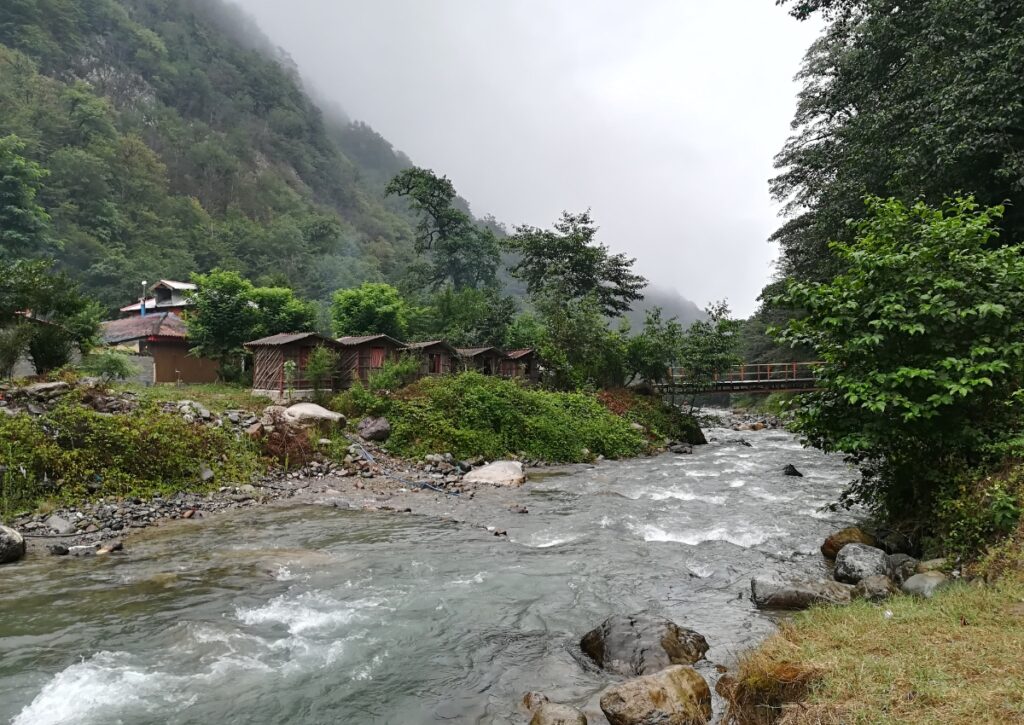
Let’s shift gears. Sustainable travel shouldn’t be reserved only for those with deep pockets. Mana Earthly Paradise is a shining example of how eco-consciousness can be affordable, accessible, and community-driven. It’s part of the bigger Earth Company ecosystem, a non-profit that supports social entrepreneurs across Asia. Staying here literally means you’re supporting a great cause.
The Sustainable Soul:
Mana is a living laboratory for sustainable practices.
- Earth-Bag Architecture: The unique guest bungalows are built using “Superadobe” or earth-bag technology. These structures are not only beautiful and cozy but also incredibly energy-efficient, staying cool naturally and reducing the need for air conditioning.
- Closed-Loop System: They are serious about zero waste. All food scraps are composted, wastewater is treated and used to irrigate their organic gardens, and they are militant about avoiding single-use plastics.
- Social Enterprise: This is their superpower. 100% of the profits from Mana are channeled back into the Earth Company to support their “Impact Heroes.” It’s a model of regenerative tourism that is truly inspiring.
- Educational Hub: They host workshops on sustainable living, permaculture, and social entrepreneurship, making it a vibrant hub for learning and connection.
The Vibe & Experience:
The vibe is communal, down-to-earth, and inspiring. It attracts a crowd of conscious travelers, digital nomads, and families who are passionate about making a difference. The bungalows are simple but beautifully designed and comfortable. Their on-site restaurant, Mana Market, serves delicious and healthy vegetarian food. It’s a place where you can have a great conversation with a stranger over breakfast about changing the world.
Location, Location, Location:
Located in the quiet area of Sayan, Ubud, it’s a peaceful retreat from the hustle and bustle, but still close enough to easily explore the main attractions.
Don’t Miss:
There is a Saturday farmers’ market, where you can buy fresh organic produce and local artisan goods. Also, check their schedule for any workshops or talks happening during your stay.
Final Word:
- Pros: Incredibly affordable, genuinely impactful mission, unique and comfortable earth-bag rooms, strong sense of community.
- Cons: It’s more rustic than luxurious. The communal vibe might not appeal to those seeking total privacy.
Want your stay to have a direct, positive impact?
Check Prices and Availability for Mana Earthly Paradise on Booking.com
4. Suarga Padang Padang – Sustainable Luxury on the Clifftops
Caption: Suarga Padang Padang is a masterpiece of sustainable design, offering breathtaking ocean views from the cliffs of Uluwatu.
Let’s head south to the sun-drenched cliffs of the Bukit Peninsula. If your Bali dream involves epic sunsets, world-class surf breaks, and jaw-dropping architecture, then Suarga Padang Padang is calling your name. The name “Suarga” means “paradise” in Sanskrit, and frankly, they nailed it.
The Sustainable Soul:
This resort was built with a singular mission: to prove that luxury and sustainability can coexist beautifully.
- Recycled & Reclaimed: The entire structure is a testament to resourceful design. It’s built primarily from reclaimed ironwood from dismantled bridges in Borneo, bamboo, and locally sourced limestone. They actively avoided felling a single tree during construction.
- Passive Cooling Design: The architecture is not just beautiful; it’s brilliant. The open-plan design and thatched roofs are strategically oriented to capture the ocean breeze, significantly reducing the need for air conditioning, which is a massive energy drain.
- Water & Energy Efficiency: They have a comprehensive rainwater harvesting system and use solar panels to generate a significant portion of their electricity.
- Local Sourcing: Their restaurant prioritizes ingredients sourced from within a 50km radius, supporting local farmers and reducing their carbon footprint.
The Vibe & Experience:
The vibe is chic, sophisticated, and laid-back. It attracts a stylish crowd of surfers, couples, and design lovers. The heart of the resort is the multi-level infinity pool that seems to melt into the azure ocean below. The rooms and villas are stunning, blending rustic materials with modern comforts. Waking up to the sound of the waves and watching the sunset from your private balcony is pure bliss.
Location, Location, Location:
Perched on the cliffs above the famous Padang Padang beach in Uluwatu. It’s a surfer’s paradise, with some of Bali’s most iconic breaks like Uluwatu and Bingin just a short scooter ride away. The famous Uluwatu Temple is also nearby.
Don’t Miss:
A sunset cocktail session at their cliff-top bar. The view is simply out of this world. And if you’re a surfer, you have direct access to one of the best waves on the island.
Final Word:
- Pros: Breathtaking architecture and location, incredible ocean views, strong commitment to sustainable construction, chic and luxurious vibe.
- Cons: It’s at a luxury price point. The Bukit Peninsula is drier and less lush than areas like Ubud.
Ready for a slice of sustainable coastal paradise?
Check Prices and Availability for Suarga Padang Padang on Booking.com
5. Desa Potato Head – The Coolest Eco-Party in Seminyak
Caption: Desa Potato Head is more than a beach club; it’s a creative village where music, art, and sustainability collide in the coolest way possible.
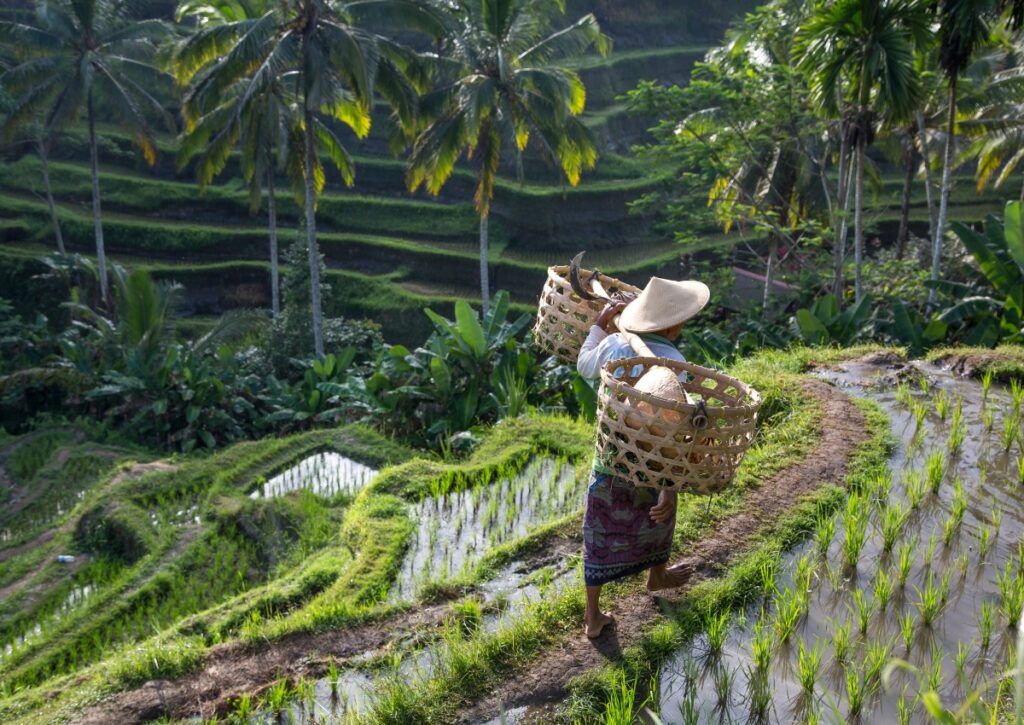
Think “sustainable” means boring? Go to Desa Potato Head and prepare to have your mind changed. Located in the heart of bustling Seminyak, this place is a creative village, a world-famous beach club, and a hotel that has woven sustainability into its very fabric of cool. It’s proof that you can party with a purpose.
The Sustainable Soul:
Their motto is “Good Times, Do Good.” It’s not greenwashing; it’s their core identity.
- Waste Warriors: Potato Head is on a mission to achieve zero waste. Their on-site R&D lab, Sweet Potato Lab, works on innovative ways to recycle and upcycle their own waste. They turn plastic trash into furniture, styrofoam into building materials, and cooking oil into biofuel. It’s seriously impressive.
- Radical Recycling: The iconic facade of the beach club is made from thousands of reclaimed antique shutters. Their welcome kits for hotel guests include zero-waste essentials like a water bottle, reef-safe sunscreen, and a tote bag, all made from sustainable materials.
- Sustainable Sourcing: All their restaurants are committed to using sustainable, locally sourced ingredients, with a huge emphasis on plant-based options. They work directly with local farmers and fishermen.
- Cultural Hub: They host a huge range of cultural events, from film screenings and music festivals to workshops on sustainability, celebrating both Indonesian and international creativity.
The Vibe & Experience:
The vibe is electric, creative, and effortlessly cool. It’s a hub for a global community of music lovers, artists, and trendsetters. You can spend your day lounging by one of their infinity pools overlooking the ocean, listening to world-class DJs, and then retreat to your beautifully designed, minimalist suite in the Potato Head Suites. It’s the perfect balance of high-energy fun and serene, design-forward comfort.
Location, Location, Location:
Right on the beach in the heart of Seminyak, one of Bali’s most popular and vibrant areas. You’re surrounded by fantastic restaurants, bars, and boutiques.
Don’t Miss:
A tour of their waste lab to see their circular economy in action. And of course, you can’t miss one of their legendary sunset sessions at the beach club. The energy is infectious.
Final Word:
- Pros: The gold standard for integrating sustainability into a high-energy, design-led experience. Fantastic location, world-class music and events, incredibly innovative.
- Cons: It can be loud and busy, especially around the beach club. It’s in a very touristy area, which might not be for everyone.
Ready to join the world’s most sustainable party?
Check Prices and Availability for Desa Potato Head on Booking.com
6. Ulaman Eco Luxury Resort – An Architectural Wonder
The mind-bending bamboo architecture at Ulaman Eco Luxury Resort has to be seen to be believed.
Prepare to have your jaw hit the floor. Ulaman is one of the newest and most visually stunning eco-resorts in Bali. It looks like something from the movie Avatar. The entire resort is a symphony of flowing bamboo, rammed earth walls, and natural forms that blend seamlessly into the surrounding landscape of rice paddies and jungle.
The Sustainable Soul:
Ulaman was designed from the ground up to be a showcase of futuristic sustainable design.
- Living Architecture: The primary building material is bamboo, sourced locally and treated naturally. But they also use rammed earth for many of the walls—a traditional technique that involves compacting natural raw materials. This creates buildings with incredible thermal mass, keeping them cool without AC.
- Energy Self-Sufficiency: A significant portion of the resort’s energy is generated on-site, including from a custom-built hydro-turbine powered by the river that flows through the property. How cool is that?
- Holistic Wellness: Beyond just the buildings, their focus is on holistic health. They have an incredible spa, a yoga shala with river views, and a menu filled with organic, locally sourced goodness to nourish your body.
- Water Story: The resort is designed around water. It features a stunning, chemical-free swimming pool, and the entire property is irrigated using recycled water.
The Vibe & Experience:
The vibe is one of futuristic tranquility and awe. It feels incredibly exclusive and private. You feel like you’re staying inside a living sculpture. The villas are spectacular, some with private saltwater pools and curved walls that make you feel cocooned from the outside world. It’s a place for honeymooners, architecture geeks, and anyone looking to be completely wowed.
Location, Location, Location:
Located in Kaba Kaba, a quiet village in the Tabanan regency. It’s off the beaten path, about 30 minutes from Canggu and 45 minutes from Ubud, offering a peaceful escape from the crowds.
Don’t Miss:
Simply exploring the grounds is an activity in itself. Every corner reveals a new, incredible architectural detail. Also, their deep-tissue massage at the spa is heavenly.
Final Word:
- Pros: Arguably the most architecturally stunning eco-resort in Bali. A true masterpiece of sustainable design. Incredibly luxurious and private.
- Cons: Its remote location means you’ll need transport to explore other areas. It comes with a very high-end price tag.
Want to stay inside a work of art?
Check Prices and Availability for Ulaman Eco Luxury Resort on Booking.com
7. Munduk Moding Plantation Nature Resort & Spa – Coffee and Clouds in the North
Caption: That iconic pool! At Munduk Moding Plantation, you can literally swim in the clouds, surrounded by a working coffee plantation.
Let’s escape the heat and head for the hills. North Bali is a different world—cooler, greener, and far less crowded. And nestled in the highlands is Munduk Moding Plantation, a place famous for its award-winning infinity pool that seems to float in the clouds, and for its deep commitment to the local land and community.
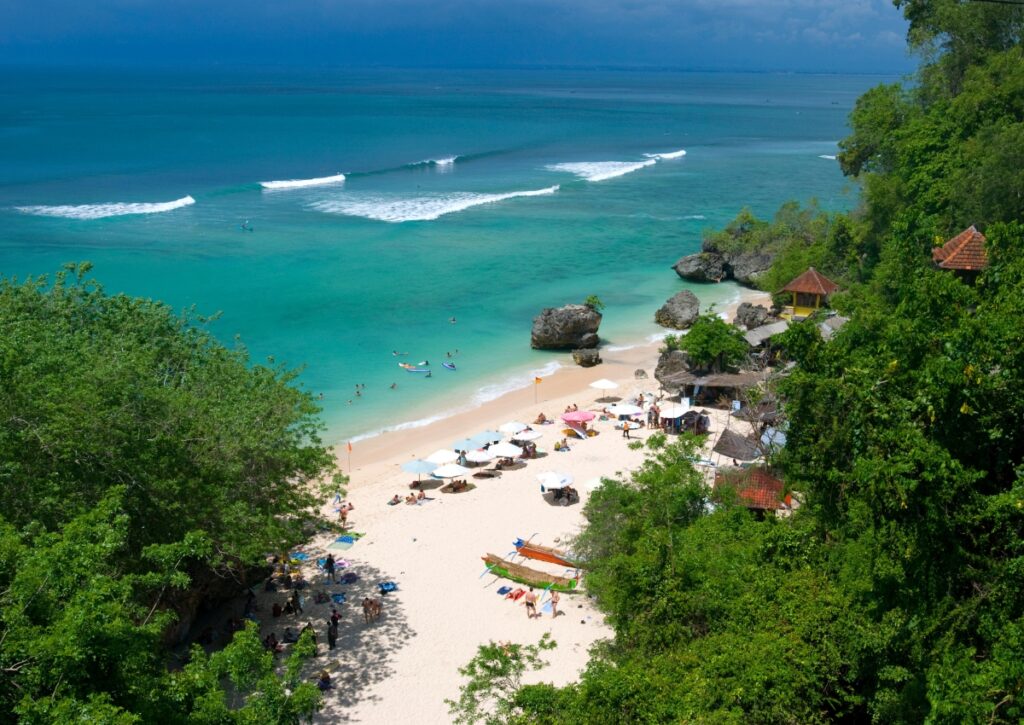
The Sustainable Soul:
Munduk Moding is a pioneer of eco-tourism in North Bali.
- Working Plantation: This isn’t just a theme. It’s a real, working organic coffee plantation. They also grow cloves, vanilla, and a host of fruits and vegetables that supply their kitchen. You can take a tour to learn all about the process from bean to cup.
- Community Empowerment: The vast majority of their staff are from the local villages of Munduk and Gobleg, providing stable employment in an area with few opportunities. They have a strong policy of promoting from within.
- Environmental Stewardship: They have extensive programs for composting, water recycling, and have planted thousands of trees to help preserve the local ecosystem. They’ve also been awarded for their efforts in sustainable design and operation.
- Cultural Preservation: They actively promote local culture by offering guests experiences like Balinese cooking classes, traditional kite making, and lessons in playing the gamelan orchestra.
The Vibe & Experience:
The vibe is elegant, peaceful, and refreshing. The cooler mountain air is a welcome respite from the coastal heat. The villas are luxurious and spacious, with traditional Balinese design and breathtaking views of the rolling hills and the distant Java Sea. It’s a place to slow down, read a book by the fire (yes, it can get cool enough for a fire!), and immerse yourself in nature.
Location, Location, Location:
Located in the highlands of North Bali, near the village of Munduk. It’s a fantastic base for exploring the area’s stunning waterfalls, twin lakes (Buyan and Tamblingan), and ancient temples.
Don’t Miss:
The coffee tasting experience. You’ll learn to distinguish different types of beans and roasting methods. And of course, you have to get that iconic photo at their 18-meter infinity pool, especially at sunrise or sunset when the clouds roll in.
Final Word:
- Pros: Stunning, unique location in the cool highlands. The famous infinity pool is genuinely spectacular. Strong focus on coffee and local culture.
- Cons: It’s a long drive from the airport (around 3 hours). The weather can be misty and rainy, even in the dry season.
Ready for a highland escape with the world’s best coffee?
Check Prices and Availability for Munduk Moding Plantation on Booking.com
8. Floating Leaf Eco-Luxury Retreat – A Deep Dive into Balinese Culture
Caption: Floating Leaf is more than a retreat; it’s a deep and loving immersion into the heart of Balinese culture, wellness, and community.
Floating Leaf is a place with a huge heart. Created by a Balinese-American couple, Mikaku and Putu, it’s an intimate retreat that focuses on providing a deep, authentic cultural experience alongside yoga and wellness. It has won numerous awards for being one of the best yoga and wellness retreats in the world, and its sustainable ethos is at the core of everything they do.
The Sustainable Soul:
Their commitment is to the people and the planet in equal measure.
- Permaculture Principles: The entire property is designed like a permaculture garden. The rooms are named after the “5 pillars of permaculture.” Their kitchen is supplied by their own organic gardens, and they are passionate about teaching guests about sustainable agriculture.
- Community First: They run a robust charity program, giving back to the local village of Sukawati. This includes providing clean drinking water, supporting local schools, and helping villagers with disabilities. Staying here directly contributes to these initiatives.
- Water & Energy Wise: They use solar power for hot water, harvest rainwater, and have a state-of-the-art wastewater garden to recycle all their greywater.
- Expert-Led Experiences: They are dedicated to providing authentic experiences. The yoga teachers are world-class, the cultural guides are deeply knowledgeable, and the spa therapists are experts in traditional Balinese healing.
The Vibe & Experience:
The vibe is warm, welcoming, and intimate. With only a handful of rooms, it feels like staying with knowledgeable friends. It’s perfect for solo travelers, couples, or small groups on a yoga retreat. The heart of the retreat is the massive, open-air yoga shala with 360-degree views of rice fields and the distant Mount Agung. The “Healing Pool” is infused with minerals and salts for a therapeutic swim.
Location, Location, Location:
Located in a small, traditional village near Sukawati, on the southeast coast of Bali. It’s off the main tourist track, offering a glimpse into real Balinese life, but it’s still only a short drive to Sanur, Ubud, and the airport.
Don’t Miss:
One of their signature cultural tours, like the “Purification Ritual” at a sacred water temple. It’s a profoundly moving experience that you won’t get on a typical tour.
Final Word:
- Pros: Deeply authentic cultural and wellness focus. Incredibly welcoming and personal. Direct and transparent community support. Great for solo travelers.
- Cons: Its location isn’t within walking distance of major attractions, so you’ll rely on transport. It’s a retreat, so the vibe is calm and scheduled.
Looking for a truly authentic and heartfelt Bali experience?
Check Prices and Availability for Floating Leaf Eco-Luxury Retreat on Booking.com
9. The Treetop – A Secluded Jungle Hideaway
Caption: Escape it all at The Treetop, where your only neighbors are the birds and the rustling leaves of the jungle.
Finally, for the true escapist. If your idea of luxury is total seclusion, silence, and being completely immersed in nature, then The Treetop is your dream come true. This isn’t a large resort; it’s a collection of just a few beautifully designed, minimalist cabins nestled in the heart of a lush jungle in Tabanan.
The Sustainable Soul:
The sustainability here is about minimalism and a light footprint.
- Minimalist Construction: The cabins are built on stilts to minimize their impact on the forest floor. They are constructed from sustainably sourced wood and other natural materials, designed to blend into the environment rather than dominate it.
- Off-the-Grid Principles: While not completely off-grid, they operate on principles of low energy consumption. The cabins are designed for natural ventilation, reducing the need for AC. They source water from a natural spring and manage their own waste responsibly.
- Nature Preservation: The main goal of The Treetop is to preserve the pristine jungle environment it’s in. By creating a low-impact tourism model, they provide an economic incentive to protect the forest from development.
- Local & Simple: The food is simple, local, and delicious, often prepared by a family from the nearby village. It’s about celebrating the natural flavors of Bali without fuss or pretension.
The Vibe & Experience:
The vibe is pure tranquility. It is profoundly quiet, with the only sounds being the symphony of the jungle—birds, crickets, and the rustle of leaves. This is a place to disconnect from the world and reconnect with yourself. You’ll spend your days reading on your balcony, exploring jungle trails, and simply being present. The cabins are comfortable and stylish but simple. The luxury here is the location and the silence.
Location, Location, Location:
Deep in the Tabanan regency, near Mount Batukaru. This is the real, untouched Bali. You are far from any tourist crowds, shops, or restaurants. Getting here is an adventure in itself.
Don’t Miss:
Waking up at dawn. The way the light filters through the jungle canopy and the forest comes alive with sound is an experience that will stay with you forever.
Final Word:
- Pros: The ultimate escape for nature lovers seeking peace and quiet. Beautiful minimalist design. A truly immersive jungle experience.
- Cons: It is very remote and isolated. There are no facilities like a pool or spa. If you need constant entertainment, this is not the place for you.
Ready to disappear into the jungle?
Check Prices and Availability for The Treetop on Booking.com
Your Sustainable Bali Toolkit: Practical Tips for a Greener Trip
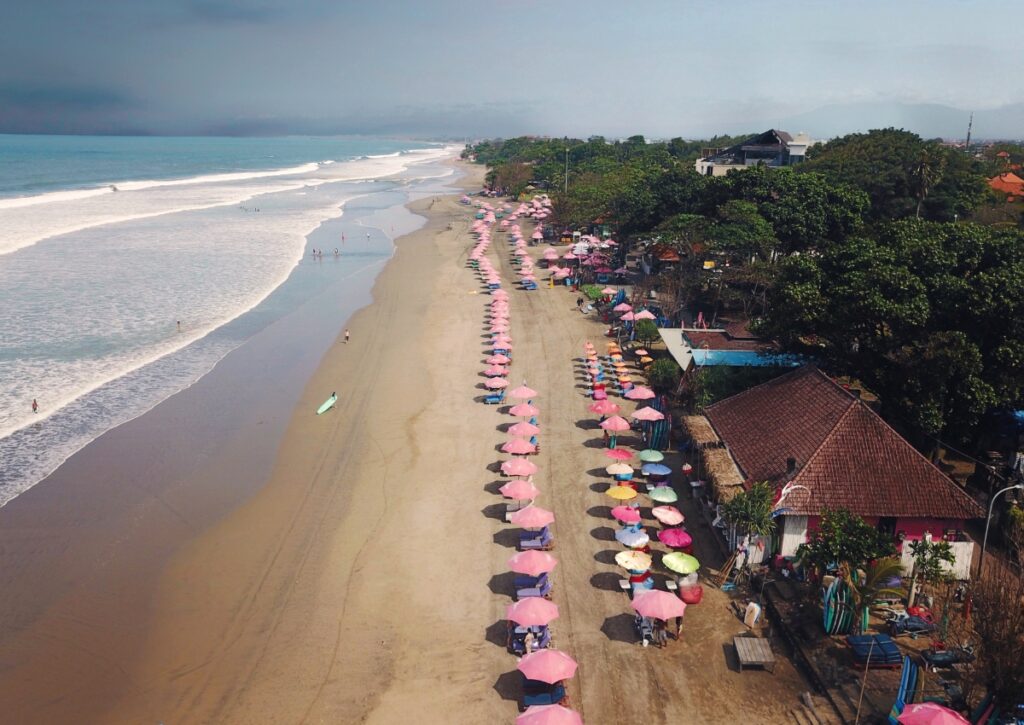
Staying at an eco-hotel is a fantastic start, but being a sustainable traveler is about all the little choices you make along the way. Here are my tried-and-true tips for leaving Bali even more beautiful than you found it.
- Pack a Zero-Waste Kit: This is a game-changer. Bring a reusable water bottle, a reusable coffee cup, a metal or bamboo straw, and a tote bag. Bali has a “Bye Bye Plastic Bags” movement, but you can do your part by refusing plastic at every opportunity.
- Reef-Safe Sunscreen is a MUST: Standard sunscreens contain chemicals like oxybenzone that are devastating to coral reefs. Look for a mineral-based sunscreen with zinc oxide or titanium dioxide. Protect your skin and the ocean.
- Eat and Shop Local: Skip the generic international restaurants and eat at a local warung. The food is often better, cheaper, and your money goes directly to a local family. When shopping for souvenirs, buy from local artisans at markets, not from mass-production shops.
- Respect the Culture: The Canang Sari are the small palm-leaf offerings you’ll see everywhere on the ground. Do not step on them. It’s a daily act of devotion for the Balinese. Also, always dress modestly (cover your shoulders and knees) when visiting temples. A sarong is your best friend—always have one in your bag.
- Hire Local Guides: When you want to explore, hire a local guide. Their knowledge is invaluable, and you’re supporting the local economy directly. For amazing and authentic tours, from cooking classes to volcano hikes, I always browse GetYourGuide. They have a huge selection of experiences run by locals, and you can read real reviews before you book.
- Travel Mindfully: Bali’s roads can be congested. Consider renting an electric scooter or car for a smaller carbon footprint. You can find options on platforms like GetRentacar. For longer trips, hiring a driver is often more efficient than taking multiple taxis.
- Offset Your Carbon Footprint: Your flight to Bali is likely the biggest part of your trip’s carbon footprint. Consider donating to a reputable carbon offset program that invests in renewable energy or reforestation projects.
Your single most powerful weapon against plastic waste in Bali. Never leave your hotel without a reusable bottle!
Frequently Asked Questions (The Stuff You’re Probably Googling Right Now)
- What does “sustainable hotel” actually mean? It’s a broad term, but it generally means a hotel that actively works to minimize its negative impact and maximize its positive impact on the environment, community, and local economy. This includes practices like waste reduction, water conservation, energy efficiency, supporting local communities, and preserving cultural heritage.
- Is Bali expensive for a sustainable trip? Not necessarily! As you can see from my list, there are options like Mana Earthly Paradise that are very affordable. Eating at local warungs, using reusable items, and focusing on nature-based activities can make your trip very budget-friendly.
- How do I get around Bali sustainably? Walking is great for short distances. For longer trips, renting an electric scooter is a fantastic option. For day trips, hiring a local driver is often the most sustainable and efficient way, as they know the best routes and you’re supporting a local person directly. My go-to for a reliable airport transfer is always Welcome Pickups; they even have options to do basic sightseeing tours.
- What’s the best time to visit Bali? The dry season, from April to October, is generally the most popular time, with lots of sunshine and less humidity. The wet season, from November to March, sees more rain, but it’s also less crowded, and the landscape is incredibly lush and green. I personally love the shoulder months like April, May, and September for the perfect balance of good weather and fewer crowds.
The Final Word: Don’t Just Visit Bali, Connect With It
We’ve journeyed from the bamboo cathedrals of Ubud to the chic clifftops of Uluwatu, from bustling creative hubs in Seminyak to the silent, misty mountains of the north. And through it all, we’ve seen a common thread: a deep, abiding love for the island of Bali and a powerful commitment to protecting it. These nine places are more than just a bed for the night; they are invitations. They are an invitation to travel more slowly, more consciously, and more deeply. They are proof that sustainability is not about deprivation or sacrifice; it’s about enhancement. It’s about a richer experience, a more delicious meal, a more restful sleep, and a more profound connection to the place you’ve traveled so far to see.
Choosing one of these hotels is a statement. It says that you see the challenges Bali faces and you want to be part of the solution. It says that you value authenticity over artifice, and community over corporate chains. Your choice sends ripples through the local economy, supports families, funds conservation, and encourages more hotels to follow in their groundbreaking footsteps. You become an active participant in the preservation of the magic that drew you to Bali in the first place.
So when you plan your trip, I urge you to think beyond the infinity pool shot. Think about the hands that built your room, the garden that grew your food, and the community that benefits from your stay. Don’t just skim the surface of Bali’s beauty. Dive deep. Let its philosophy of harmony seep into your soul. Sleep in a house made of grass, swim in a pool cleaned by nature, and let the taste of freshly picked passionfruit wake up your senses. This is the Bali that will change you. This is the Bali that deserves to be protected for generations to come.
Your adventure is waiting. Make it a beautiful one, inside and out.
Did this guide light a fire in your traveler’s soul? Is your finger hovering over the ‘book now’ button? I pour my heart, soul, and countless hours of research into creating guides like this, and I’d be absolutely thrilled to have you along for the ride.
The best way to support A Tiny Traveler and get even more in-depth guides, travel secrets, and behind-the-scenes stories is to subscribe to my weekly newsletter, The Tiny Traveler Dispatch. It’s your dose of travel inspiration delivered straight to your inbox.
SUBSCRIBE TO THE NEWSLETTER HERE
And let’s be friends! For daily visual wanderlust and real-time updates from my travels, follow me on social media:
- Follow me on Instagram (a.tinytraveler): For daily doses of wanderlust, stunning travel photography, behind-the-scenes glimpses of my trips, and quick tips that will inspire your next getaway. See the world through my eyes!
- Like my Facebook Page (A Tiny Traveler): Join our vibrant community of fellow travel lovers! This is a great place to ask questions, share your own travel experiences, and connect with me and other readers.
- Follow me on Pinterest (A Tiny Traveler): My Pinterest is your ultimate travel vision board! It’s where I share stunning photography, quick visual guides, and, most importantly, links to all my in-depth blog posts.
I love hearing from you. If you end up staying at one of these incredible places or have another sustainable gem to share, please leave a comment below or tag me in your photos. Let’s build a community of conscious travelers together!
Happy and sustainable travels,
Frank