
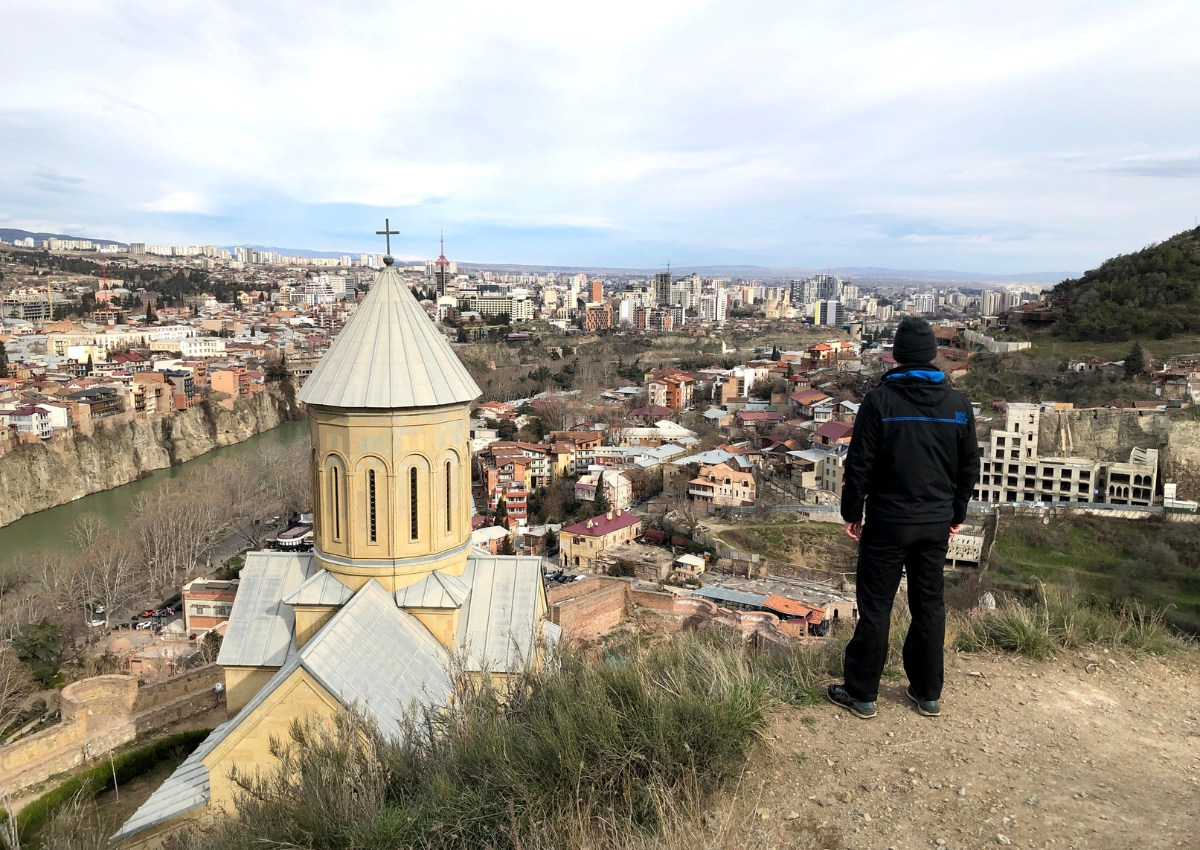
Before I first landed in Tbilisi, my mind was a muddle of vague, half-formed notions. I knew about the wine, of course. I’d heard whispers of legendary hospitality. But a large part of me, conditioned by maps and old Cold War movies, expected a city still shaking off a grey, Soviet hangover. I pictured stern concrete blocks and a certain… austerity. I have never, in all my years of traveling for my little blog, A Tiny Traveler, been so spectacularly, joyfully, and completely wrong.
Stepping into Tbilisi for the first time isn’t like arriving in a new city; it’s like stepping into a storybook written by a dozen different authors from a dozen different centuries, all scribbling over each other’s work. It’s a city of glorious, beautiful chaos. One minute you’re navigating a cobblestone street so narrow you can touch both walls, dodging a Lada that has no business being there. The next, you’re staring up at a crumbling, 19th-century Art Nouveau mansion, its ornate facade hinting at a glamorous past, with a tangle of grapevines spilling defiantly from a rickety wooden balcony. This isn’t a city of neat lines and organized grids; it’s a city of layers, of secrets, of hidden courtyards, and of a raw, unpolished beauty that feels more authentic than any perfectly preserved European capital.
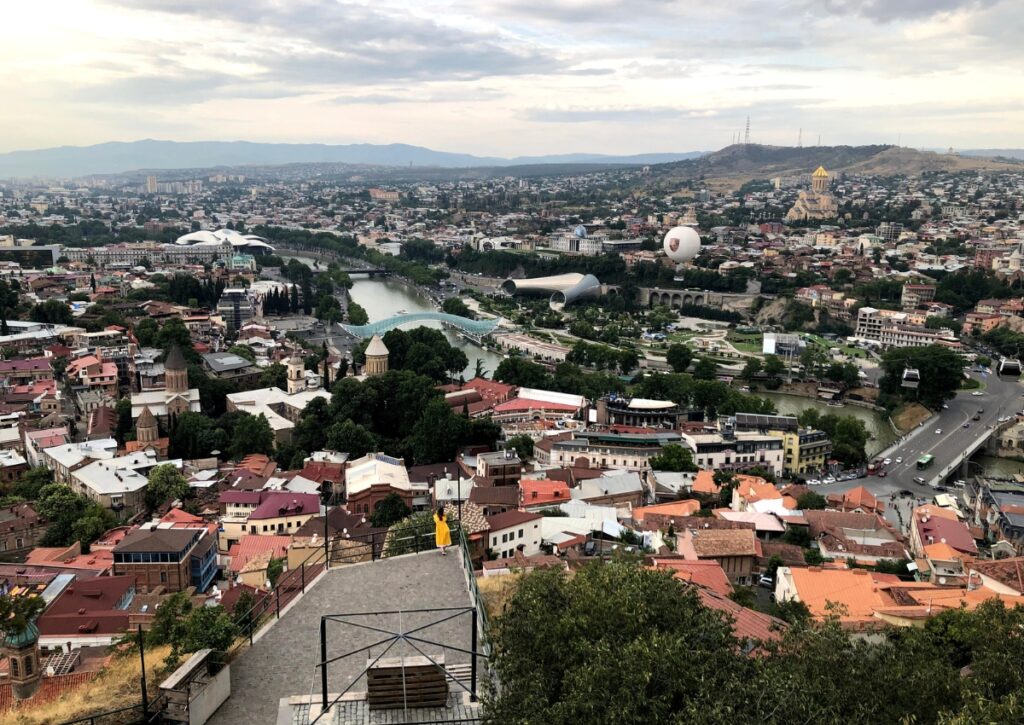
What truly captures you, what sinks its claws into your traveler’s soul, is the city’s spirit. Tbilisi is a survivor. It has been sacked and rebuilt more times than you can count, a crossroads of empires where Persians, Ottomans, Russians, and countless others have left their mark. You feel this history not in stuffy museums, but in the very fabric of the city: in the ancient stones of the Narikala Fortress looming over the skyline, in the steam rising from the centuries-old sulfur baths, in the sonorous chants echoing from a medieval church. Yet, this is not a city dwelling on its past. It’s a place crackling with a youthful, creative energy, where techno clubs pulse in old Soviet factories, where street art adorns ancient walls, and where every meal feels like a joyous, life-affirming celebration.
So, if you’re looking for a destination that defies easy categorization, a place that will challenge your senses, fill your belly with the best food you’ve ever tasted, and warm your heart with a hospitality so genuine it feels like a long-lost embrace, then you’ve come to the right place. This guide is my attempt to distill the magic of Tbilisi. We’re going to dive headfirst into its winding alleys, uncover its hidden gems, and eat and drink until our hearts are content. Forget what you think you know. Let’s get lost in Tbilisi together.
First Things First: Your Essential Tbilisi Pre-Flight Checklist
Before we dive into the delicious world of khachapuri and ancient wine, let’s get the boring-but-vital stuff sorted. Nailing these logistics is the difference between a seamless adventure and a “why-didn’t-Frank-tell-me-this” headache.

When is the Best Time to Visit Tbilisi? A Seasonal Showdown
Tbilisi is a city for all seasons, but each one paints the city in a different light.
- Spring (Gazapkhuli – April to June): My personal favorite time to visit. The city shakes off the winter chill and explodes into life. The weather is perfect – warm and sunny, but not yet scorching hot. The hillsides surrounding the city are lush and green, and the sidewalk cafes and wine bars spill out onto the streets. It’s also the time for Orthodox Easter, a major celebration in Georgia, and the New Wine Festival in May.
- Summer (Zaphkhuli – July to August): Prepare for the heat! Summers in Tbilisi are hot and dry, with temperatures often soaring above 35°C (95°F). While it’s great for enjoying the city’s many parks and nearby “Tbilisi Sea,” sightseeing in the middle of the day can be draining. However, the evenings are long and balmy, perfect for rooftop bars and late-night strolls.
- Autumn (Shemodgoma – September to October): Another prime season. The fierce summer heat subsides, leaving behind beautifully warm and pleasant days. This is the most important time of year for Georgia: the Rtveli, or the grape harvest. It’s a fantastic time to take a day trip to the wine regions, and the city buzzes with a festive, celebratory energy. The autumn light on the city’s old buildings is simply magical.
- Winter (Zamthari – November to March): Winters are cold, with temperatures often hovering around freezing, and sometimes snow. While it’s not the time for lounging outdoors, it’s a fantastic season for cozying up in wine bars, indulging in hearty Georgian food, and enjoying the city’s museums and theaters without the crowds. Plus, the New Year’s celebrations are spectacular.
Visas & Entry: The Easiest Part of Your Trip!
Georgia has one of the most liberal visa policies in the world, making it incredibly easy to visit.
- The Golden Ticket: Citizens of 95+ countries (including the EU, UK, USA, Canada, Australia, and many others) can enter Georgia visa-free for up to one full year. Yes, you read that right. One. Full. Year. You just show up with your passport, get a stamp, and you’re in. Always double-check the latest requirements on the official Georgian Ministry of Foreign Affairs website, but for most travelers, it’s an absolute breeze.
Getting to Tbilisi: Your Arrival Masterplan
Tbilisi is well-connected by air, especially from Europe and the Middle East.
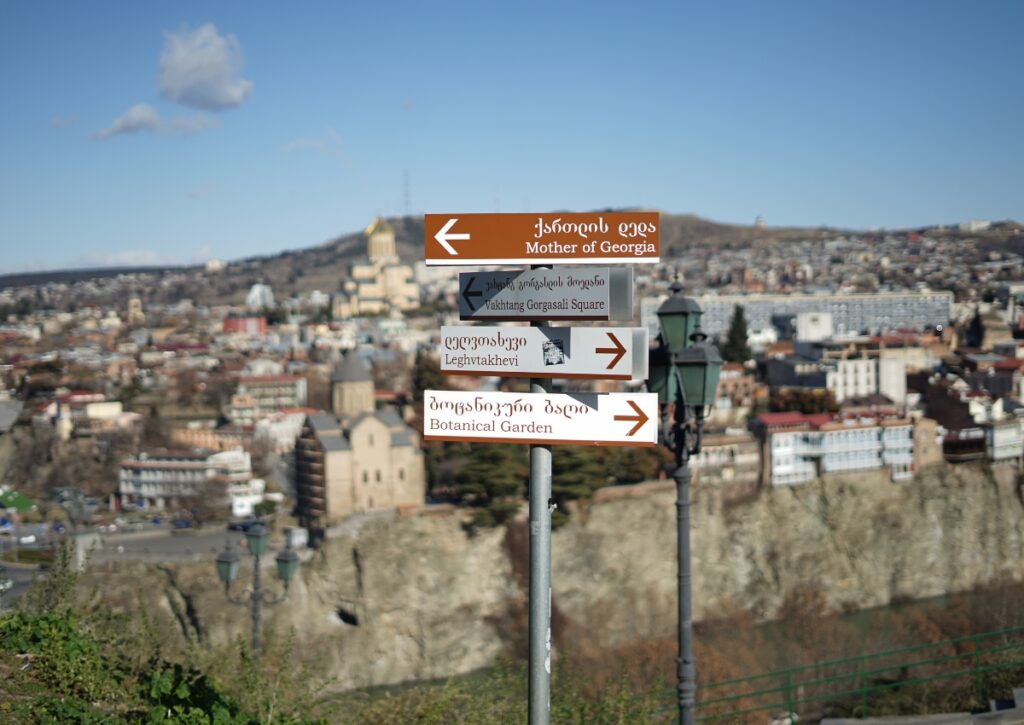
- By Air: You’ll be flying into Tbilisi International Airport (TBS). It’s a modern, clean, and relatively compact airport located about 17km (10.5 miles) southeast of the city center.
- Getting from the Airport to the City:
- Bus: The cheapest option by far. Bus #337 (formerly #37) runs 24/7 from the airport to the city center (Freedom Square and Rustaveli Station), departing every 20-30 minutes. You’ll need a MetroMoney card or a Georgian bank card to tap on, or you can pay with exact change (1 Lari as of my last visit) in the machine on board.
- Taxi / Ride-Sharing: The easiest and most direct option. DO NOT take the taxis waiting right outside the arrivals door. They will quote you exorbitant prices. Instead, use a ride-sharing app. Bolt is the king in Tbilisi and is incredibly cheap and reliable. Download the app before you land. The ride to the city center should cost you between 20-30 GEL, depending on traffic.
- For the Ultimate Peace of Mind: I get it. After a long-haul flight, the last thing you want to do is fumble with a new SIM card to order a Bolt or navigate a foreign bus system with all your luggage. For those moments, I always recommend Welcome Pickups. You book your private transfer online in advance for a fixed, all-inclusive price. A trained, English-speaking driver will be waiting for you in the arrivals hall with your name on a sign. They track your flight, so they’re there even if you’re delayed, and they take you straight to the doorstep of your hotel or Airbnb. It’s the definition of a seamless, stress-free start to your Georgian adventure.
- Pro Tip for Finding Flights: Don’t spend hours hopping between airline websites. I always start my flight search on WayAway. It’s a powerful flight aggregator that scans hundreds of sources to find the best deals. The best part, though, is their WayAway Plus membership, which gives you actual cashback on flights, hotels, and tours. That cashback can easily pay for your first few plates of khinkali!
- Getting from the Airport to the City:
Getting Around Tbilisi: Master of the Metropolis
Tbilisi is a city best explored on foot, but for longer distances, you have great, affordable options.
- Walking: The best way to explore the Old Town, Sololaki, and the area around Freedom Square is by getting lost on foot. Wear comfortable shoes – the cobblestones are charming but uneven, and the city is very hilly!
- Metro: The Tbilisi Metro is a Soviet-era gem. It’s fast, efficient, and ridiculously cheap. There are only two lines, which makes it very easy to navigate. You’ll need a MetroMoney card, which you can buy for 2 GEL at any station and top up as you go. This card also works on the city buses and the Rike Park cable car.
- Buses: A vast network of blue buses covers the entire city. Use Google Maps or the Tbilisi Transport app to navigate the routes.
- Bolt (Ride-Sharing): As mentioned, Bolt is your best friend in Tbilisi. It’s incredibly cheap (a typical ride across the center might only be 5-8 GEL), fast, and reliable. I used it constantly.
- Cable Car: There are two main cable cars. The one from Rike Park up to Narikala Fortress offers stunning panoramic views of the Old Town and is a must-do. The other, a more Soviet-era funicular, goes from Chonkadze Street up to Mtatsminda Park.
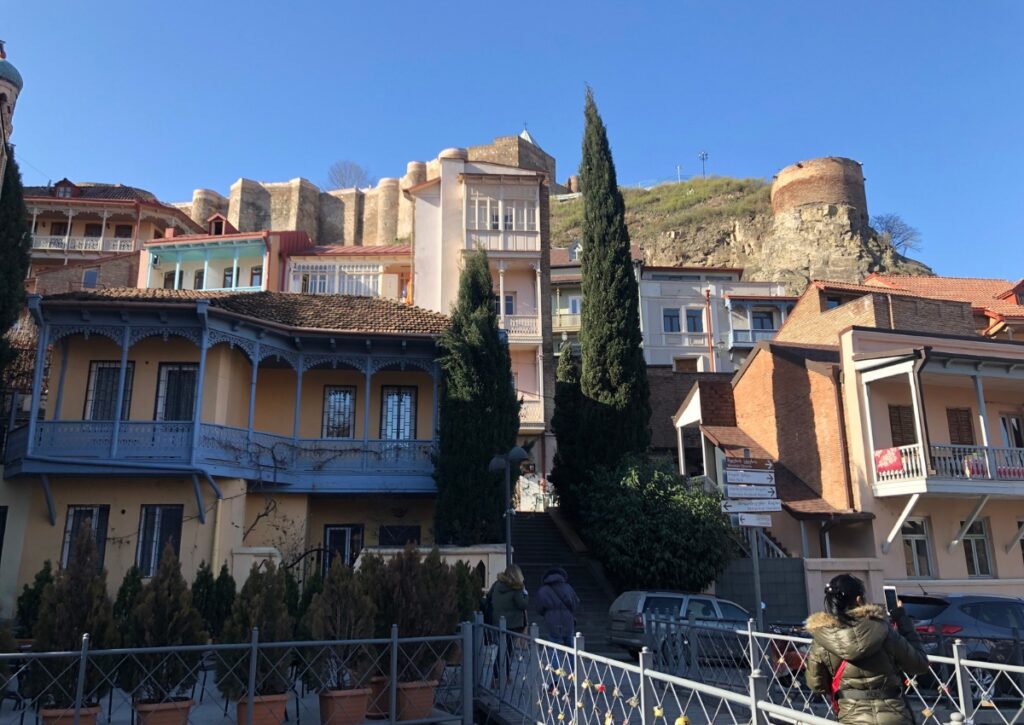
Where to Stay in Tbilisi: A Guide to the Coolest Neighborhoods
Choosing your home base in Tbilisi is key to your experience. Each neighborhood has a completely different personality.
Old Tbilisi (Kala): The Historic Heartbeat
This is the Tbilisi you’ve seen in photos. It’s a maze of cobblestone streets, traditional houses with carved wooden balconies, ancient churches, and the famous sulfur baths. It’s incredibly atmospheric, beautiful, and right in the middle of the main tourist sights.
- Best for: First-time visitors, history lovers, photographers, and those who want to be in the thick of the action.
- Downside: Can be the most crowded and touristy area, with higher prices for food and drinks in the main squares.
Sololaki: The Bohemian Beauty
Just a short walk from the Old Town, Sololaki is where Tbilisi’s faded grandeur meets modern bohemia. It’s filled with stunning (and often crumbling) Art Nouveau and Neoclassical architecture, hidden courtyards, and some of the city’s coolest speakeasies, wine bars, and cafes. It feels more local and residential than the Old Town but is still incredibly central. This is my top recommendation for where to stay.
- Best for: Travelers seeking atmosphere and character, foodies, and those who love a good cocktail or wine bar.
Avlabari: Authentic Views Across the River
Located on the cliff on the other side of the Mtkvari River from the Old Town, Avlabari is home to the colossal Holy Trinity Cathedral. It offers some of the best views back towards Narikala Fortress. It has a more traditional, residential, and slightly gritty feel, with some fantastic, authentic restaurants and more budget-friendly accommodation options.
- Best for: Budget travelers, those seeking a more local, authentic vibe, and anyone who loves a good view.
Marjanishvili / Chugureti: The “Other Side’s” Renaissance
This area, also on the left bank of the river, was developed in the 19th century by the Germans and has a more European, grid-like layout. The main artery, David Aghmashenebeli Avenue, has been beautifully restored. This neighborhood is home to the mega-hip Fabrika, a former Soviet sewing factory turned into a multi-functional urban space with a hostel, cafes, bars, and artist studios. It feels less touristy and offers a different perspective on the city.
- Best for: Young travelers, digital nomads, and those looking to experience Tbilisi’s modern, creative scene.
How to Find Your Perfect Tbilisi Pad
- My Unbeatable Booking Buddy: When it comes to finding that perfect guesthouse with a balcony or a chic apartment in Sololaki, I only use one platform: Booking.com. Their selection in Tbilisi is massive, ranging from budget-friendly hostels and family-run guesthouses (the best way to experience Georgian hospitality!) to luxurious boutique hotels. The verified user reviews are pure gold for getting honest feedback, and the map feature is essential for pinning down a location in your preferred neighborhood. It’s the most reliable and user-friendly way to find a place you’ll absolutely love.
The Ultimate Tbilisi Bucket List: 15+ Things You Absolutely Cannot Miss
Alright, put on your most comfortable shoes, because Tbilisi is a city that rewards wanderers. This is your essential checklist of the best things to do in Tbilisi.
The Icons of Old Tbilisi
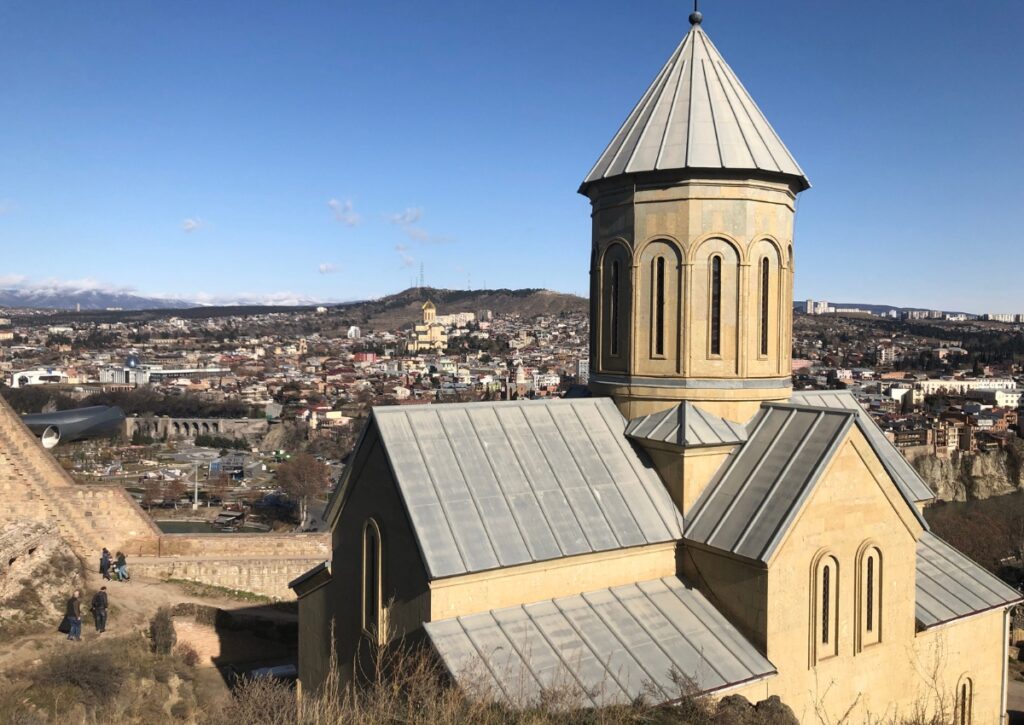
- Hike (or ride) up to Narikala Fortress: Dominating the skyline, these ancient fortress walls have stood guard over the city since the 4th century. You can take the cable car from Rike Park for a scenic ride up, but I highly recommend the walk up from the Old Town through the winding streets. The views from the top, stretching across the entire city, are simply breathtaking, especially at sunset.
- Soak in a Sulfur Bath (Abanotubani): You can’t miss this area – the brick domes of the bathhouses are an iconic part of the skyline, and you’ll likely smell the sulfur in the air! This is a quintessential Tbilisi experience. The naturally hot, sulfur-rich waters are said to have healing properties. You can either go to a public bath or, for a more private experience, book a room for an hour. Pro Tip: Splurge on a “kisi” scrub. A therapist will vigorously exfoliate you with a coarse mitt, leaving your skin unbelievably soft. Gulo’s Thermal Spa and Chreli-Abano are popular choices.
- Find the Leghvtakhevi Waterfall: Yes, there’s a waterfall right in the middle of the city! Just behind the sulfur baths, a short walk through a lovely little canyon will lead you to this surprising urban oasis.
- Get Lost in the Old Town’s Alleys: Put away Google Maps for an hour and just wander. Discover tiny wine shops, hidden churches like the ancient Anchiskhati Basilica, and the leaning Gabriadze Puppet Theater Clock Tower, which puts on a little show on the hour.
- Walk Across the Bridge of Peace: This modern, bow-shaped glass and steel bridge is a point of architectural controversy, but there’s no denying it’s a striking landmark connecting the Old Town with Rike Park. It’s especially beautiful when lit up at night.
Monuments, Markets & Museums
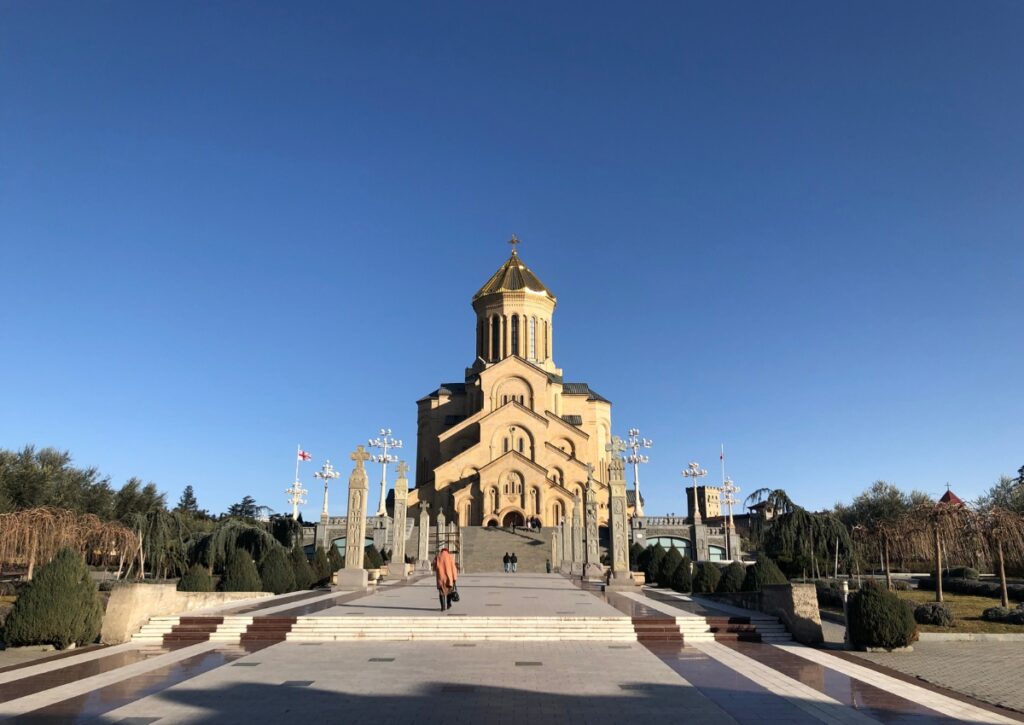
- Marvel at the Holy Trinity Cathedral (Sameba): One of the tallest Orthodox cathedrals in the world, this colossal, gleaming complex is visible from almost anywhere in the city. It’s relatively new (completed in 2004) but built in a traditional Georgian style. The scale of it is simply awe-inspiring.
- Hunt for Treasure at the Dry Bridge Market: A paradise for lovers of all things vintage and quirky. This open-air flea market is where locals sell everything from Soviet memorabilia and antique jewelry to old cameras, vinyl records, and beautiful glassware. It’s a fascinating glimpse into the past and a great place to find a unique souvenir. Bargaining is expected!
- Experience the Chaos of the Dezerter Bazaar: This is Tbilisi’s largest and most vibrant food market. It’s a full-on sensory experience – the sights, sounds, and smells of fresh produce, spices, cheeses (mountains of sulguni!), churchkhela, and much more. It’s the best place to see local life in action.
- Go Way Back at the Georgian National Museum: This is a must for history buffs. The main highlight is the Archaeological Treasury in the basement, which houses an incredible collection of pre-Christian gold artifacts from ancient Colchis. The exhibits are world-class and provide a deep context for Georgia’s rich history.
- Climb up to the Chronicle of Georgia: This massive, dramatic monument, often called “Georgia’s Stonehenge,” is located on a hill overlooking the Tbilisi Sea. It’s a bit out of the city center but well worth the Bolt ride. The sheer scale and intricate carvings depicting Georgian history and biblical scenes are mind-blowing, and the views are spectacular. It’s one of the most underrated sights in Tbilisi.
Let a Local Show You the Ropes!
Tbilisi’s history is so rich and layered that having a local guide can bring it to life in a way you never could on your own.
- Your Key to Deeper Discoveries: I’m a huge advocate for guided tours, especially in a city this complex. Viator is my go-to for finding the best local experiences. You can book a Tbilisi walking tour to get your bearings, a Georgian cooking class to learn the secrets of khinkali, a wine tasting tour in the city, or even a full-day trip to the mountains. Reading the reviews from other travelers helps you find a tour that perfectly matches your interests.
Beyond the Brochure: My Favorite Tbilisi Hidden Gems
This is the good stuff. The secret spots that make you feel like you’ve truly discovered the city. Add these unique things to do in Tbilisi to your itinerary.
- The Kaleidoscopic House (Gallery 27): Find the building at 21 Betlemi Street. Walk into the unassuming courtyard and up the creaky wooden staircase. You’ll be rewarded with one of the most beautiful and photogenic stained-glass hallways you’ve ever seen. The way the light filters through is pure magic. Please be respectful, as people live here.
- The London Hotel Courtyard: At 31 Atoneli Street, you’ll find the stunning entrance to the former London Hotel. The interior features incredible, intricately painted murals that have been beautifully preserved. It’s a breathtaking glimpse into Tbilisi’s glamorous 19th-century past.
- Explore the “Italian Courtyards”: Wander through the residential parts of Sololaki and Chugureti and peek into the doorways. You’ll discover a world of “Italian Courtyards” – communal yards surrounded by houses with shared, wrap-around wooden balconies. This is where Tbilisi life happens.
- The Old Soviet Cable Car Station: For a bit of urban exploration, take a walk through Vake Park and follow the path up the hill. You’ll find the abandoned upper station of a Soviet-era cable car, offering a spooky, atmospheric vibe and fantastic views over the city.
- Drink Wine at Vino Underground: This is the spiritual home of Georgia’s natural wine movement. A small, unassuming cellar bar run by a collective of the country’s best natural winemakers. There’s no menu – just talk to the staff, tell them what you like, and they will pour you something incredible and tell you its story.
- Find the Hidden “Writer’s House”: The Writer’s House of Georgia on Machabeli Street is a stunning Art Nouveau mansion with a beautiful, peaceful garden cafe in the back called Littera. It’s a perfect oasis to escape the city bustle.
A Taste of Georgia: Your Ultimate Tbilisi Food & Wine Guide
Prepare yourself, because you’re about to embark on one of the greatest culinary journeys of your life. Georgian food is, without exaggeration, one of the world’s best cuisines.
The Supra: More Than a Meal
You’ll hear this word a lot. A supra is a traditional Georgian feast, but it’s more than just a meal; it’s a cultural performance. It’s led by a toastmaster, or tamada, who proposes a series of elaborate, poetic toasts. If you are ever invited to one, it is an honor you must accept.
The Must-Eat Dishes (Your Culinary Checklist)

- Khachapuri (Adjaruli): The famous one. A boat-shaped bread, filled with molten cheese, and topped with a raw egg and a slice of butter that you stir in at the table. It’s decadent, ridiculous, and utterly sublime.
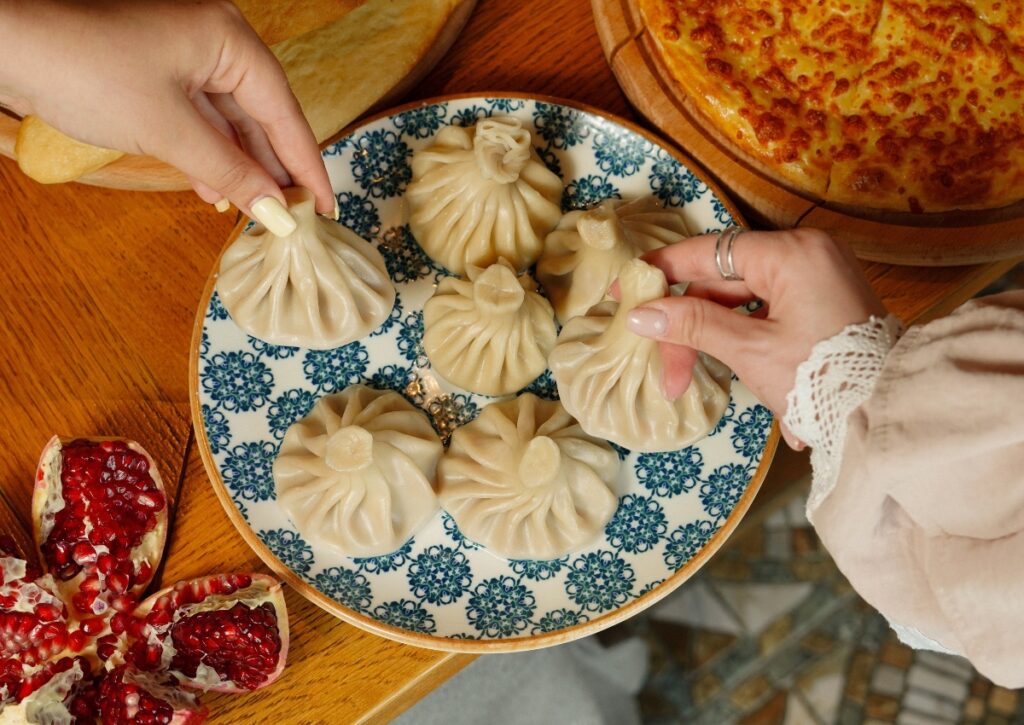
- Khinkali: The dumpling king. Large, twisted knobs of dough, traditionally filled with spiced meat (beef and pork) and a soupy broth. The technique is crucial: hold it by the topknot (kudi), take a small bite from the side, slurp out the juice, then eat the rest. Never use a fork and knife, and don’t eat the topknot!
- Pkhali: A selection of vegetarian pâtés or dips, usually made from minced spinach, walnuts, beetroot, or beans, all seasoned with garlic and fresh herbs.
- Badrijani Nigvzit: Fried eggplant slices, rolled up and filled with a savory walnut paste. Incredibly delicious.
- Shkmeruli: A whole chicken roasted in a creamy, garlicky milk sauce. It’s served bubbling hot in a clay dish (ketsi) and is perfect for dipping bread into.
- Lobio: A hearty, delicious bean stew, often served in a clay pot with Georgian cornbread (mchadi).
- Churchkhela: The “Georgian Snickers.” These candle-shaped candies are made by stringing walnuts or hazelnuts together, repeatedly dipping them in concentrated grape juice, and drying them. You’ll see them hanging everywhere.
The Magic of Georgian Wine
Georgia is the “cradle of wine,” with an unbroken winemaking tradition stretching back 8,000 years.
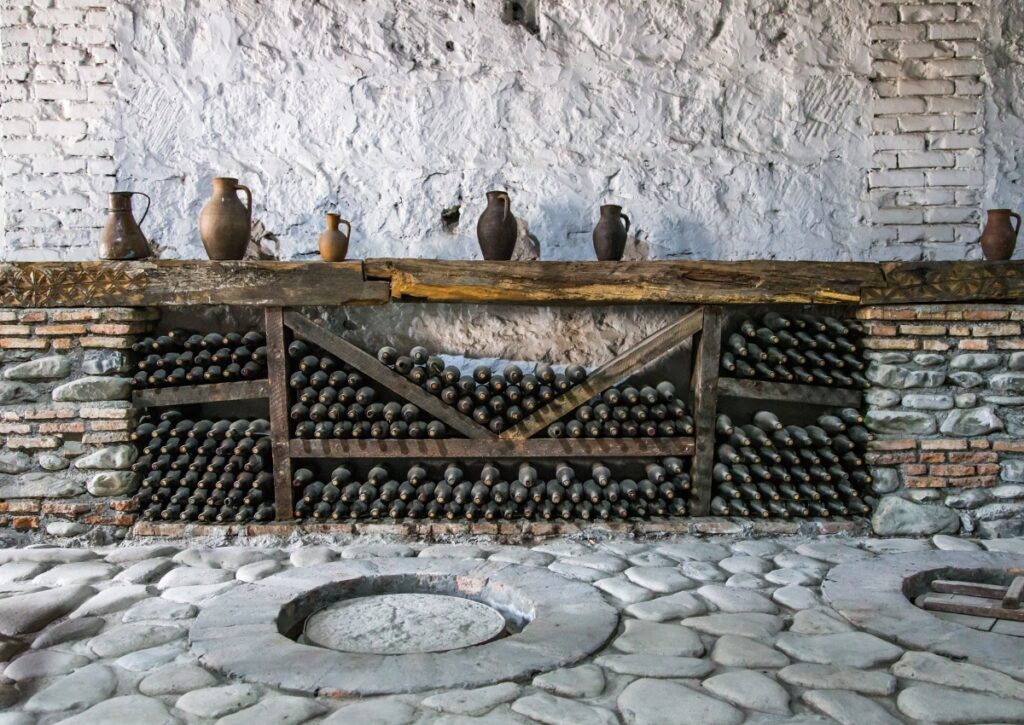
- Qvevri Wine: This is the ancient method. Large, egg-shaped clay amphorae called qvevri are filled with crushed grapes (including skins, stalks, and pips) and buried underground to ferment.
- Amber Wine: Often called “orange wine,” this is what happens when you ferment white grapes using the qvevri method (with the skins). The result is a complex, tannic, and deeply colored wine with notes of apricot, nuts, and tea. It’s a completely unique category of wine that you must try.
- Key Grapes: For reds, look for Saperavi (deep, dark, and full-bodied). For whites, try Rkatsiteli or Mtsvane.
Sustainable Travel in Tbilisi: Leaving a Positive Footprint
Traveling is a privilege, and in a city as special as Tbilisi, it’s our responsibility to be mindful guests. Here are some practical tips for sustainable and responsible tourism.
- Support Local Guesthouses: Instead of a large international hotel chain, consider staying in a family-run guesthouse. You’ll get a more authentic experience, taste homemade breakfasts, and your money will go directly into the local community.
- Eat at Family-Run Restaurants: Seek out the smaller, neighborhood restaurants away from the main tourist squares. The food is often more authentic and your meal supports a local family.
- Buy from Local Artisans: When shopping for souvenirs, buy directly from the creators at places like the Dry Bridge Market or small, independent artisan shops. Look for traditional crafts like minankari (cloisonné enamel) or handmade wool products.
- Respect Religious Sites: When visiting churches and monasteries, dress modestly. Men should wear long trousers, and women should wear a skirt below the knee and cover their head with a scarf. Most major sites provide wrap-around skirts and scarves at the entrance for visitors.
- Drink the Tap Water: The tap water in Tbilisi is perfectly safe to drink. Bring a reusable water bottle and refill it to avoid buying single-use plastic bottles.
- Carry a Reusable Bag: For your shopping at the Dezerter Bazaar or local markets, bring your own tote bag to reduce plastic bag waste.
- Learn a Few Georgian Words: Making an effort to say hello (Gamarjoba), thank you (Madloba), and cheers (Gaumarjos) will be met with huge smiles and show respect for the local culture.
Practical Magic: Your Tbilisi Survival Guide
A few final nitty-gritty details to make your trip seamless.
Money Matters: Lari, Cash, and Smart Cards
- Currency: The Georgian currency is the Lari (GEL).
- Cash is (Still) King: While cards are widely accepted in modern restaurants, hotels, and supermarkets, Georgia is still a cash-centric society. You will absolutely need cash for markets, small guesthouses, local bakeries, and taxis if you hail them on the street (just use Bolt!).
- Tipping: Tipping is not obligatory but is becoming more common in tourist areas. In restaurants, a service charge of 10-18% is often already included in the bill. If not, leaving a 10% tip for good service is appreciated. For Bolt drivers, rounding up the fare in the app is a nice gesture.
- Your Secret Money Weapon: If you’re traveling from abroad, don’t get ripped off by your home bank’s terrible exchange rates and fees. I exclusively use multi-currency cards from Revolut or Wise. You can load them with your home currency and convert to Georgian Lari at the best possible rate, then use the card to pay or withdraw cash from ATMs like a local. It saves a small fortune over the course of a trip.
Safety, Language & Connectivity
- Is Tbilisi Safe? Yes, Tbilisi is a very safe city. Crime rates against tourists are low. The biggest thing to watch out for is petty scams like being overcharged by street taxis (again, just use Bolt!). Use standard common sense, and you will feel incredibly safe and welcomed.
- The Travel Insurance Lifeline: I’ll say it again: Never travel without insurance. It’s your safety net for unexpected medical issues, cancelled flights, or lost luggage. I use VisitorsCoverage because it’s a marketplace that lets me compare different policies to find the perfect coverage for my specific trip. It’s five minutes of setup for complete peace of mind.
- Language: The official language is Georgian, with its own unique and beautiful alphabet. English is widely spoken by young people and in the tourism sector, but don’t expect everyone to be fluent. Russian is also still widely spoken, especially by the older generation.
- Staying Connected: Pick up a local SIM card at the airport or in the city. Providers like Magti or Cellfie (formerly Beeline) offer tourist packages with tons of data for incredibly cheap prices.
Beyond the Capital: Unforgettable Day Trips from Tbilisi
If you have an extra day or two, Tbilisi is a fantastic base for exploring more of Georgia.
- Your Ticket to Freedom: While you don’t need a car in Tbilisi, renting one for a day trip gives you incredible freedom. I use GetRentacar, a marketplace that often has better deals from local companies than the big international brands. It’s perfect for exploring the wine region at your own pace.
- Mtskheta: The Spiritual Heart: Just a 30-minute drive away, this is the ancient capital and religious center of Georgia. A UNESCO World Heritage site, it’s home to the stunning Svetitskhoveli Cathedral and the beautiful Jvari Monastery, perched on a hill with iconic views.
- Kakheti: The Wine Country: Spend a day exploring Georgia’s premier wine region. Visit the beautiful town of Sighnaghi, the “City of Love,” with its fortified walls and stunning views of the Alazani Valley. Tour a winery like Khareba (with its famous tunnel cellars) or a smaller, family-run natural winery for a tasting.
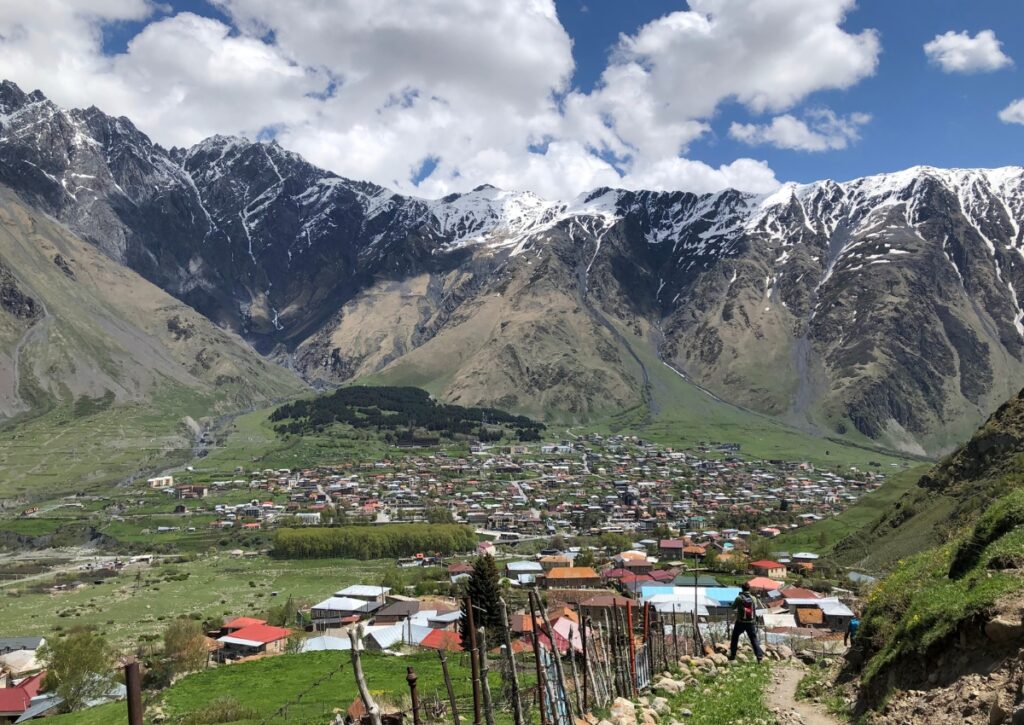
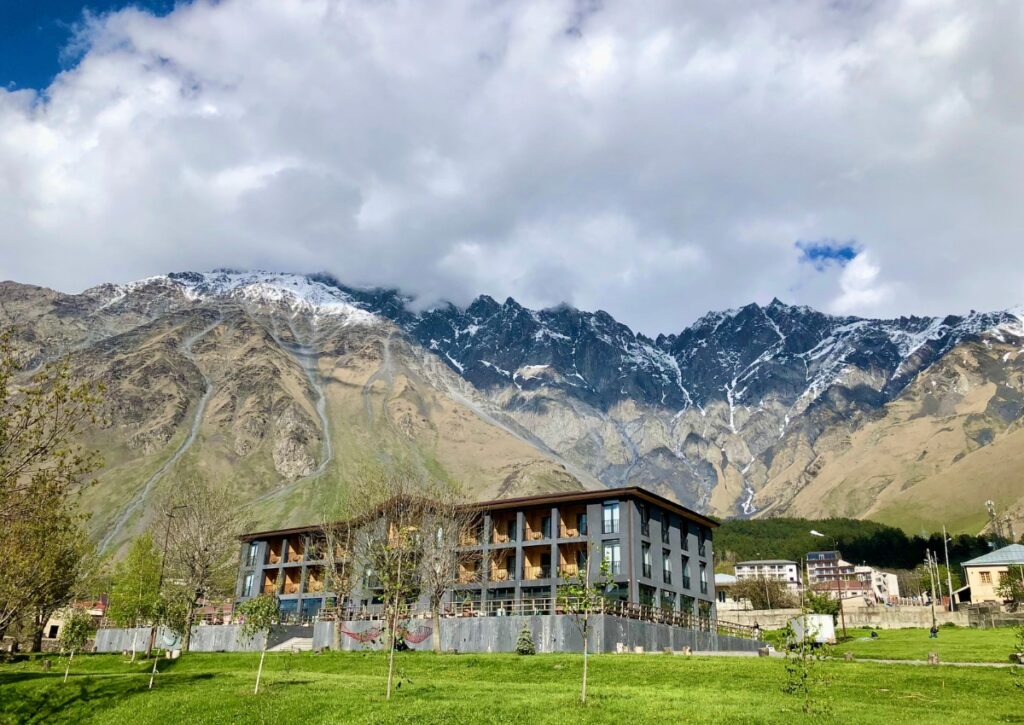
- Kazbegi (Stepantsminda): This requires a long day (or better yet, an overnight trip), but it’s one of the most famous drives in the world. The Georgian Military Highway takes you deep into the Caucasus Mountains. The ultimate destination is the Gergeti Trinity Church, dramatically situated on a mountaintop with the snow-capped peak of Mount Kazbek as its backdrop.
My Final Word: The Beautiful Scars of Tbilisi
I’ve been to a lot of cities that I’ve liked, and many that I’ve loved. But Tbilisi is different. It’s a city I feel. It’s a place that doesn’t hide its imperfections; it wears them like badges of honor. The crumbling facades, the tangled wires, the beautiful, chaotic energy – these aren’t flaws; they are the city’s soul laid bare. It’s a city that feels deeply, profoundly alive.
You will leave Tbilisi with a full belly, a slight wine headache, and a camera roll overflowing with pictures of beautiful doors and balconies. But you’ll also leave with something more. You’ll leave with the warmth of Georgian hospitality in your heart, the taste of walnuts and garlic on your palate, and the sound of ancient polyphonic singing echoing in your memory. You’ll leave with a deep admiration for a city and a people who have not just survived, but have triumphed with grace, with art, and with an open-hearted joy that is nothing short of inspiring.
Your Tbilisi Story is Waiting! Let’s Keep the Adventure Going…
And there we have it. A whirlwind tour through the heart and soul of Tbilisi. I’ve poured every ounce of my passion, every hard-earned tip, and every delicious memory into this guide. My hope is that it does more than just inform you; I hope it inspires you to book that ticket, to pack your bags, and to go and experience the magic of this incredible city for yourself.
But our journey together doesn’t have to end here. A Tiny Traveler is more than just a blog; it’s a community of curious, passionate explorers who believe that travel can change us for the better. And I would be absolutely thrilled for you to be a part of it.
Here is your official invitation to join the adventure:
- Become an Insider: Subscribe to My Newsletter! This is where you get the best of the best. By subscribing, you’ll get my brand-new, ridiculously detailed travel guides (just like this one!) sent straight to your inbox the second they’re published. You’ll also get exclusive travel hacks, personal stories from the road, and deals that I only share with my subscriber family. No spam, no fluff. Just pure, unadulterated travel inspiration. Find that little subscription box and let’s make it official!
- Let’s Get Social & Share the Love! If you found this guide helpful, the biggest thank you you can give is to share it! Pin it to your Pinterest boards, send it to a friend who needs an adventure, and let’s connect on social media:
- Follow me on Instagram (a.tinytraveler): For daily doses of wanderlust, stunning travel photography, behind-the-scenes glimpses of my trips, and quick tips that will inspire your next getaway. See the world through my eyes!
- Like my Facebook Page (A Tiny Traveler): Join our vibrant community of fellow travel lovers! This is a great place to ask questions, share your own travel experiences, and connect with me and other readers.
- Follow me on Pinterest (A Tiny Traveler): My Pinterest is your ultimate travel vision board! It’s where I share stunning photography, quick visual guides, and, most importantly, links to all my in-depth blog posts.
Your support—your subscriptions, your shares, your comments—is the fuel that keeps this blog running. It allows me to keep exploring, to keep writing, and to keep creating these guides for you.
So go to Tbilisi. Eat the khinkali the right way. Drink the amber wine. Get lost in the courtyards. And come back and tell me all about it. I can’t wait to hear your story.
Safe travels, and Gaumarjos!
Frank


