
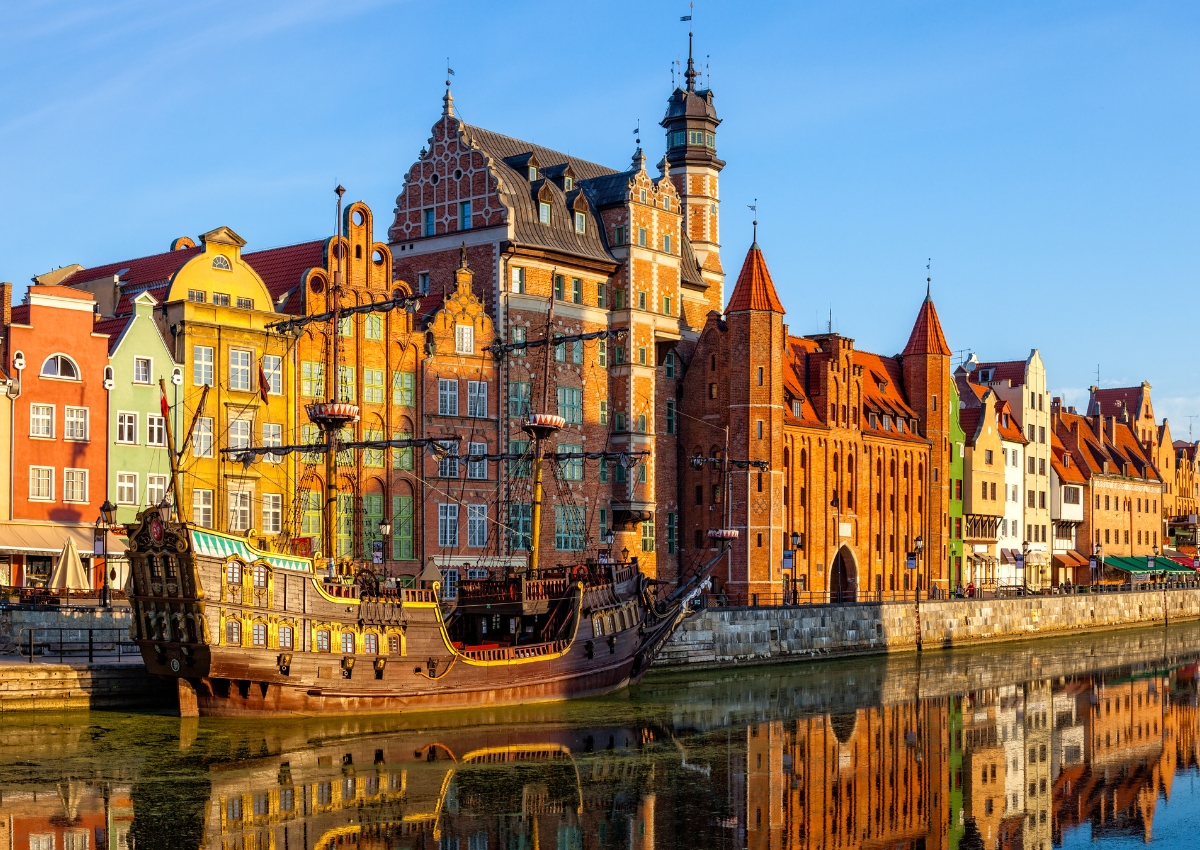
The first time you walk through the Golden Gate and onto Ulica Długa, the main artery of Gdańsk’s historic core, your brain will struggle to process what it’s seeing. You are immediately plunged into a fairy-tale world. Slender, ornate, impossibly colorful merchant houses, adorned with gilded facades, fantastical sculptures, and intricate artwork, press in on all sides. The street flows into the grand square of Długi Targ (the Long Market), where the magnificent Neptune Fountain stands proud before the opulent Artus Court. It feels like you’ve stumbled into a perfectly preserved medieval Hanseatic trading port, a treasure chest of architectural splendor. And in that moment, you would be completely, utterly, and beautifully wrong.
Because here is the staggering, gut-wrenching truth that every visitor to Gdańsk must understand: almost everything you are looking at was systematically obliterated into a sea of rubble by the end of World War II. Over 90% of this historic center has ceased to exist. The city was a ghost. And what you see today is not preservation; it is a resurrection. A painstaking, brick-by-brick, detail-by-detail act of reconstruction on a scale that is almost impossible to comprehend. The people of Gdańsk, after suffering so profoundly, made a conscious choice not just to rebuild, but to recreate the beauty that was stolen from them. Every charming facade, every gilded flourish is a testament to the resilience of the human spirit. This isn’t just a pretty old town; it’s a monument to defiance.
This profound duality is the heart and soul of Gdańsk. It’s a city where you can spend your morning marveling at the sheer beauty of the waterfront, with its iconic medieval crane, and your afternoon in the nearby shipyards, at the very spot where the Solidarity movement was born, a revolution that didn’t just free a nation but helped topple the entire Soviet bloc. It’s a place where history isn’t confined to museums; it’s in the very air you breathe, in the cobblestones under your feet, and in the proud, independent spirit of its people. Gdańsk is where World War II began, and it’s where the end of the Cold War began. Few cities on Earth can claim such a pivotal role in the story of the 20th century.
So, in this guide from me, Frank at A Tiny Traveler, we’re going to do more than just scratch the surface. We’re going to walk through its beauty and understand its pain. We will explore its charming streets, feast on its hearty food, hunt for Baltic gold (amber!), and venture out to its sister cities and the colossal castle that looms nearby. This isn’t just a trip to another pretty European city. This is a journey into a place of immense power, beauty, and hope. Get ready to be moved. Get ready to fall in love with Gdańsk.
Before You Arrive in the Amber City: Essential Gdańsk Logistics
Planning a trip to Gdańsk is a joy, as it’s a city that’s both incredibly rich in attractions and wonderfully accessible. Let’s get the practicalities sorted so you can dive right into the magic.
When to Go: Finding Your Perfect Baltic Season
Gdańsk is a year-round destination, but the experience changes dramatically with the seasons.
- Summer (June – August): This is peak season, and for good reason. The weather is at its warmest and sunniest, perfect for strolling along the Motława River, enjoying outdoor cafes, and taking boat trips. The days are wonderfully long, and the city is buzzing with energy and festivals, most notably the famous St. Dominic’s Fair in late July/early August. It’s also the most crowded and expensive time to visit.
- Shoulder Seasons (May & September – October):This is the sweet spot and my personal recommendation.
- May & June: The weather is mild and pleasant, the spring flowers are in bloom, and the summer crowds have yet to arrive. It’s a fantastic time for comfortable sightseeing.
- September & Early October: The weather is often still beautiful, with crisp air and golden autumn light that makes the colorful facades of the Main Town look even more stunning. The crowds have thinned, and prices for accommodation are often lower.
- Winter (November – April): Prepare for the cold! Winter on the Baltic coast is chilly, damp, and often snowy. However, it’s also a magical time to visit. The city is far less crowded, and the Gdańsk Christmas Market is considered one of the most beautiful in Poland, with a festive, fairy-tale atmosphere. It’s the perfect season for cozying up in traditional restaurants and museums.
Getting to Gdańsk: Your Gateway to the Tri-City
- By Air: You will fly into Gdańsk Lech Wałęsa Airport (GDN). It’s a modern and efficient airport located about 12km (7.5 miles) west of the city center. It’s well-connected with numerous flights from cities all over Europe, served by both major carriers and budget airlines.
- My Go-To for Finding Flights: I never book a flight to Europe without first checking WayAway. It’s a powerful aggregator that scans hundreds of sources to find the best prices. Their WayAway Plus membership is a real game-changer for frequent travelers, offering actual cashback on flights, hotels, and tours.
- Your Seamless Arrival in Gdańsk: After you land, you have a few options to get to the city center. The bus (Line 210) and train (PKM) are cheap and efficient. But for a completely seamless, stress-free start to your trip, especially after a long flight, I’m a huge advocate for Welcome Pickups. You can pre-book a private, English-speaking driver online for a fixed, competitive price. They’ll track your flight, be waiting for you at arrivals with a sign, and take you directly to your hotel’s doorstep. It’s the ultimate convenience and peace of mind.
- By Train: Gdańsk is very well-connected by rail to other major Polish cities like Warsaw, Kraków, and Poznań. The main train station, Gdańsk Główny, is a beautiful historic building conveniently located just a short walk from the edge of the Old Town.
- By Bus: Long-distance buses are a great budget option, connecting Gdańsk with cities across Poland and neighboring countries.
Getting Around Gdańsk & The Tri-City
- On Foot: The historic heart of Gdańsk (Main Town and Old Town) is very compact and is best explored on foot. Wear comfortable shoes, as you’ll be walking on cobblestones.
- Trams & Buses: Gdańsk has an excellent and easy-to-use public transport network of trams and buses, perfect for reaching sights outside the immediate center, like the Solidarity Centre or the suburb of Oliwa. You can buy tickets from machines at the stops or use an app like Jakdojade.
- SKM Train (Szybka Kolej Miejska): This is your essential lifeline for exploring the Tri-City. This fast commuter train connects Gdańsk, Sopot, and Gdynia with frequent departures. It’s cheap, efficient, and the best way to travel between the three cities.
- Water Tram (Seasonal): In the summer, water trams run from Gdańsk to Sopot and the Hel Peninsula, offering a scenic alternative to the train.

Finding Your Hanseatic Haven: Where to Stay in Gdańsk
Choosing the right neighborhood in Gdańsk is key to your experience. Do you want to be in the historic heart or a quieter, more local area?
The Main Town (Główne Miasto): The Heart of the Action
This is the stunning, reconstructed historic core, where you’ll find the Royal Way, Neptune’s Fountain, and the Motława riverfront.
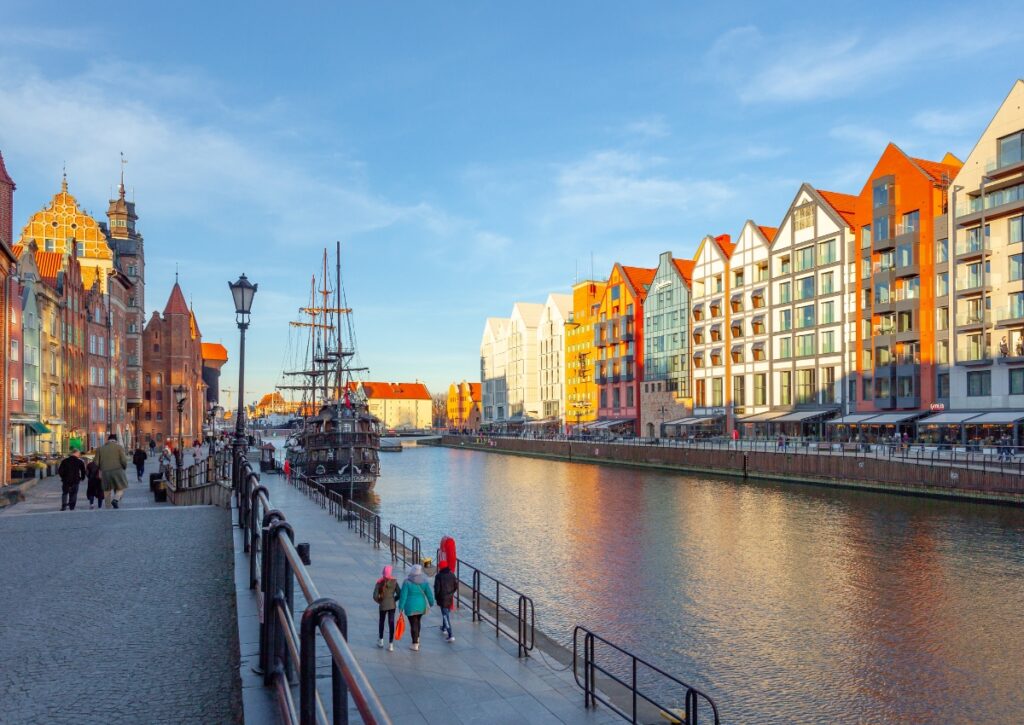
- The Vibe: Absolutely beautiful, bustling with life, and incredibly convenient. You are right in the middle of everything.
- Best for: First-time visitors, those on a short trip, and anyone who wants to be surrounded by the city’s breathtaking architecture.
- Downside: It can be the most crowded and expensive area, and can be noisy at night, especially in summer.
The Old Town (Stare Miasto): Quieter & Historic
Confusingly, this is the area just north of the Main Town. It’s the site of the original settlement but was less lavishly reconstructed.
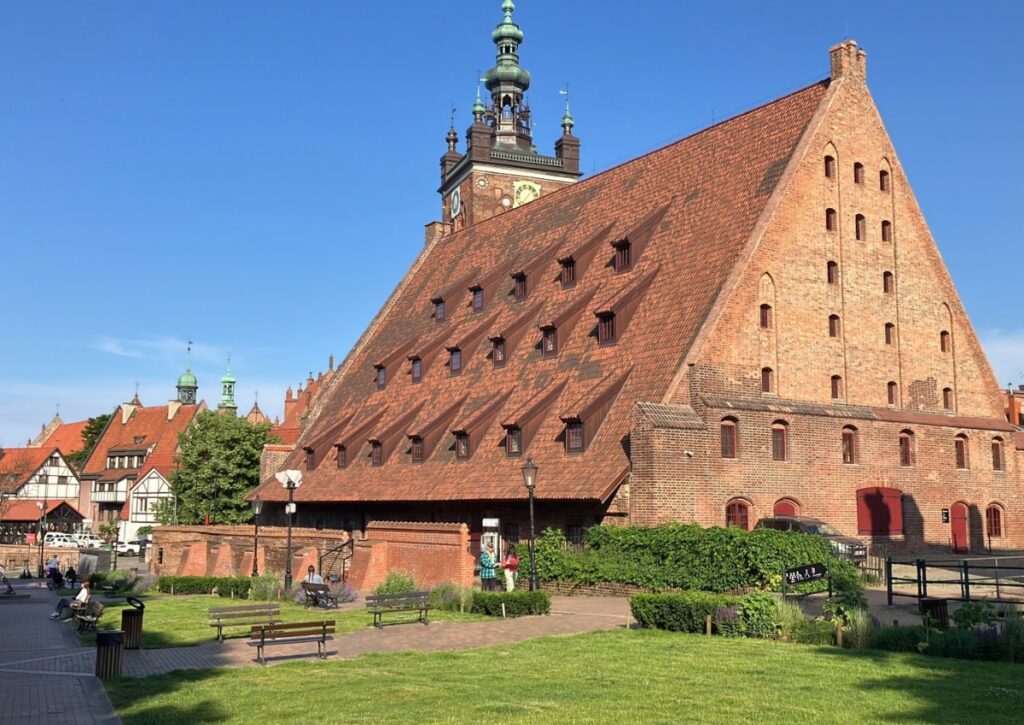
- The Vibe: Much quieter and more residential than the Main Town, but still full of historic charm, including the beautiful St. Catherine’s Church and the Great Mill.
- Best for: Travelers looking for a slightly more peaceful base that is still within easy walking distance of all the main attractions.
Wrzeszcz or Oliwa: The Local Vibe
These are two large districts located a bit further out from the center, easily reachable by tram or SKM train.
- The Vibe: These are vibrant, local neighborhoods where you’ll find great restaurants, parks (like the stunning Oliwa Park), and a less touristy atmosphere.
- Best for: Longer stays, budget travelers, and those who want to experience the modern, everyday life of Gdańsk.
Your Secret Weapon for Booking the Perfect Stay
- My Unbeatable Accommodation Finder: For finding that perfect apartment overlooking the river or a charming guesthouse in a quiet lane, I rely exclusively on Booking.com. Their selection in Gdańsk is immense, from five-star hotels to budget-friendly hostels. The most valuable tools are the verified user reviews and the brilliant map feature, which lets you see exactly where a property is located. Want to be right on Długi Targ or in a quieter part of the Old Town? The map makes it happen. It’s the best way to find a place you’ll absolutely love in your ideal location.
The Ultimate Gdańsk Bucket List: Walking Through History’s Grandest Stage
Prepare to be mesmerized. The historic center of Gdańsk is an open-air museum of stunning architecture and deep history.
The Royal Way: A Journey Through Reborn Beauty
This is the historic route that Polish kings would take when visiting the city. It runs along two main streets: Ulica Długa (Long Street) and Długi Targ (Long Market).
- The Golden Gate (Złota Brama): The grand entrance to the Royal Way.
- The Main Town Hall (Ratusz Głównego Miasta): A magnificent Gothic-Renaissance building. You must climb the tower for one of the best panoramic views of the city.
- Neptune’s Fountain: The iconic symbol of Gdańsk, a stunning bronze statue of the sea god, standing proudly in front of Artus Court.
- Artus Court (Dwór Artusa): A gorgeous building that was once the meeting place of the city’s wealthy merchants and a center of social life.
- The Green Gate (Zielona Brama): The grand gate at the end of the Long Market, which leads you to the river.
The Motława Riverfront: A Maritime Dream
This is one of the most picturesque parts of the city. Stroll along the waterfront promenade (Długie Pobrzeże).
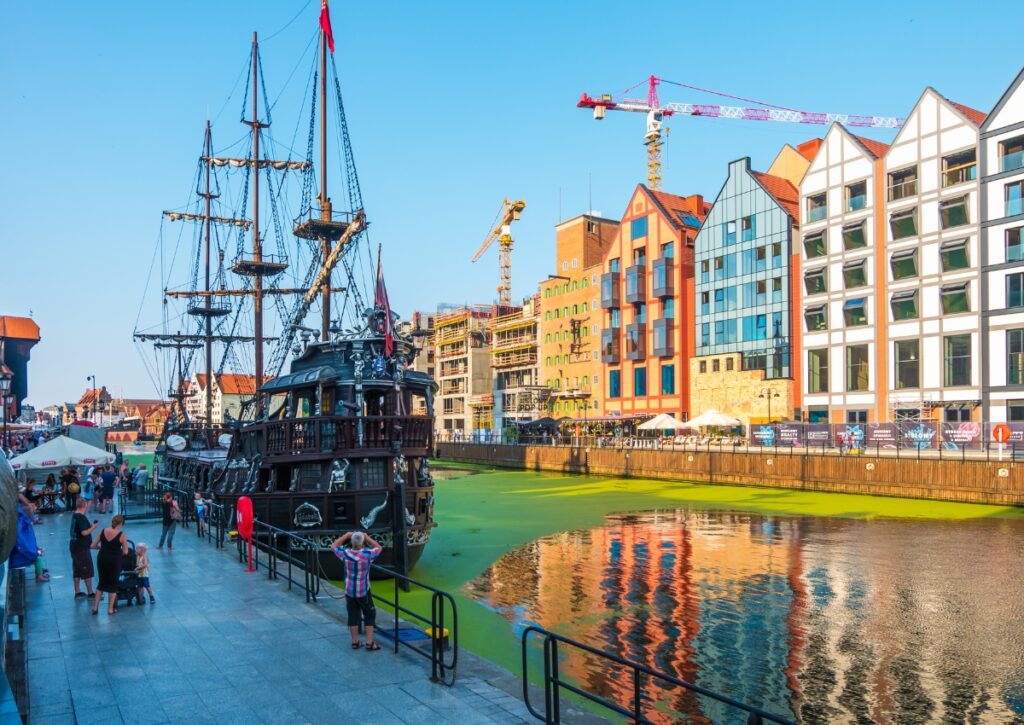
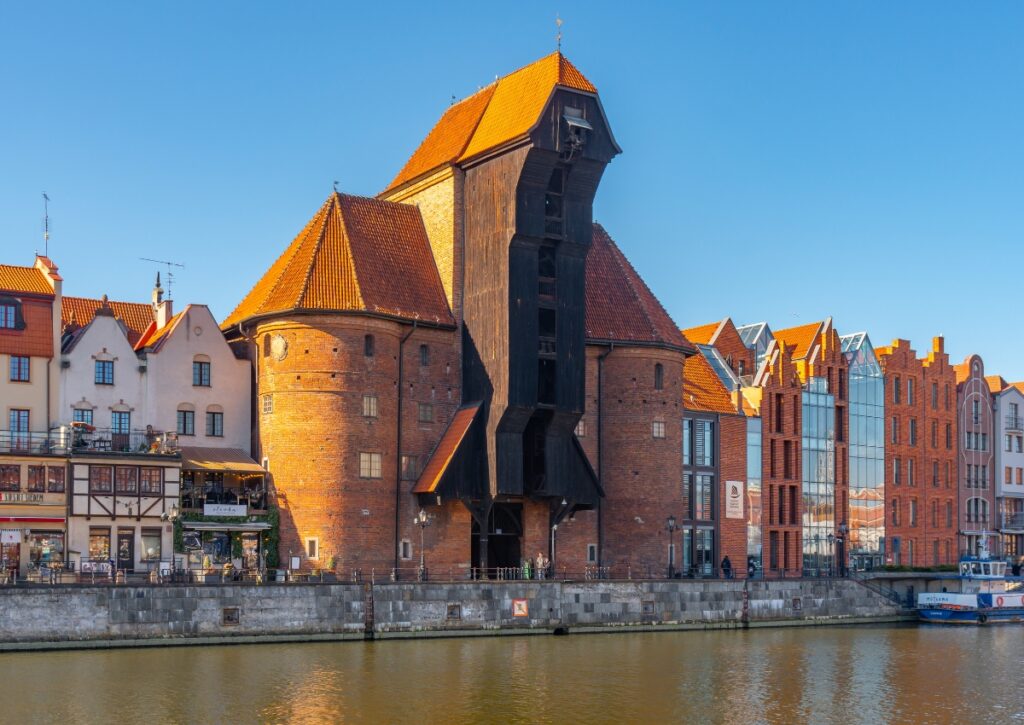
- The Crane (Żuraw): The other great symbol of Gdańsk. This massive, medieval wooden crane is the largest of its kind in Europe. It was used to load cargo onto ships and install masts. It now houses a maritime museum.
- Granary Island (Wyspa Spichrzów): Across the river, you’ll see a mix of ruined and beautifully restored granaries, now home to trendy hotels and restaurants.
- “Pirate” Ship Cruises: Yes, it’s touristy, but taking a cruise on one of the galleon-style ships down the river and out towards Westerplatte is a fun and relaxing way to see the city from a different perspective.
St. Mary’s Church (Bazylika Mariacka): Climbing to the Heavens
Prepare to be humbled. This is one of the largest brick churches in the world. The scale of the interior is breathtaking. But the real adventure is climbing the 408 steps up its massive tower. It’s a strenuous climb, but the reward is an absolutely epic, jaw-dropping view over the entire city and the Baltic Sea.
Mariacka Street: The Most Romantic Lane
Running from St. Mary’s Church down to the river, Ulica Mariacka is arguably the most beautiful street in Gdańsk. It’s famous for its unique, raised terraces and the ornate, gargoyle-like drainpipes. This is the heart of the amber district, lined with workshops and boutiques selling the “Baltic Gold.”
The Amber Altar at St. Bridget’s Church
A bit off the main tourist path but absolutely worth seeking out. This church houses a monumental, one-of-a-kind altar made entirely of amber. The scale and artistry are simply unbelievable.
The History That Changed the World: Gdańsk’s Legacy of Freedom
Beyond its stunning beauty, Gdańsk is a city of immense historical weight. Visiting these sites is essential to understanding the city’s soul and its impact on the world.
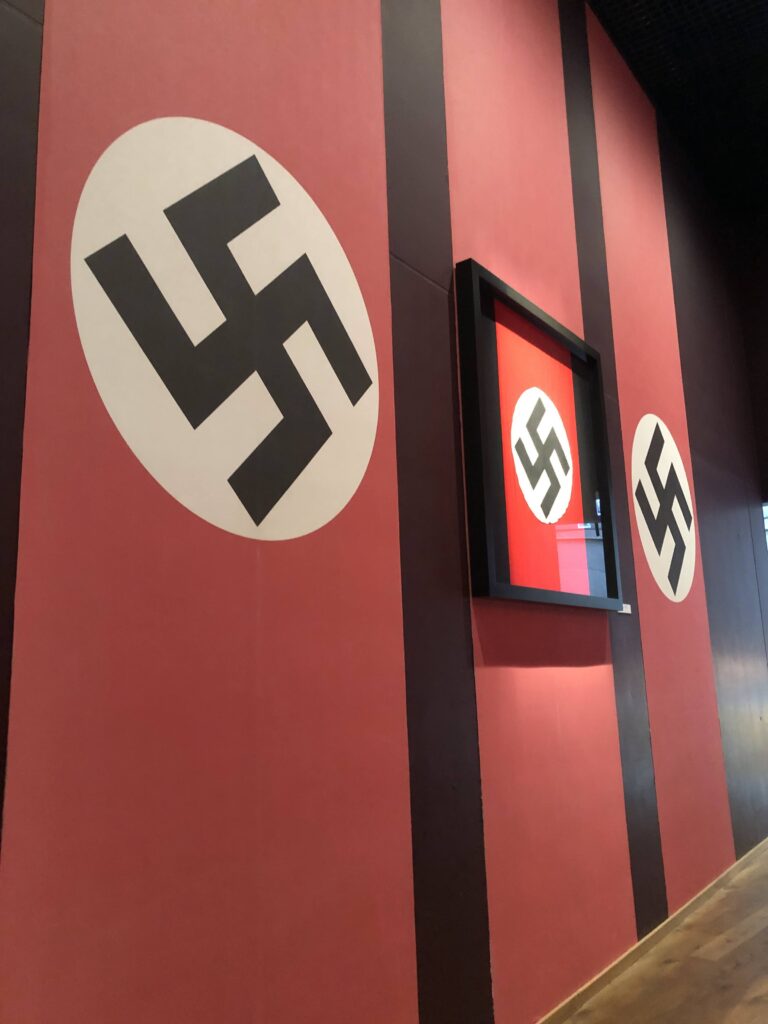
The Museum of the Second World War
This is a non-negotiable, absolute must-visit. Housed in a striking, modern building, this is one of the most powerful and well-curated historical museums I have ever visited. It doesn’t just focus on Poland; it tells the story of the war from a global, civilian perspective. The main exhibition is located underground and is vast, immersive, and deeply moving. Give yourself at least 3-4 hours. It is a heartbreaking but profoundly important experience.
Westerplatte: Where the War Began
On September 1, 1939, at this very spot on a peninsula at the mouth of Gdańsk’s harbor, the first shots of World War II were fired when a German battleship attacked the Polish military depot. Today, you can visit the peninsula, see the ruins of the barracks, and pay your respects at the towering Monument to the Coast Defenders. It’s a somber and poignant place.
The European Solidarity Centre (Europejskie Centrum Solidarności)
Another absolute must-visit. This magnificent museum and library, located at the entrance to the historic Gdańsk Shipyards, tells the story of the Solidarity (Solidarność) trade union movement and its peaceful revolution that led to the fall of communism in Poland and inspired change across the Eastern Bloc.
- The Experience: The museum is incredibly interactive and inspiring. You’ll see the original wooden boards with the 21 postulates of the striking workers, the crane operated by activist Anna Walentynowicz, and the office of Lech Wałęsa. It’s a powerful story of hope, courage, and the fight for freedom.
- The Shipyards: After your visit, walk around the grounds of the former Lenin Shipyard. It’s a gritty, post-industrial landscape that is being revitalized with street art, cool cafes, and clubs. It feels electric with history.
Beyond Gdańsk: Exploring the Tri-City & A Teutonic Titan
Gdańsk is the heart of a larger metropolitan area known as the Tri-City (Trójmiasto), along with Sopot and Gdynia. You absolutely must explore them.
Sopot: The Glamorous Seaside Resort
Just a 20-minute SKM train ride from Gdańsk, Sopot feels like another world.
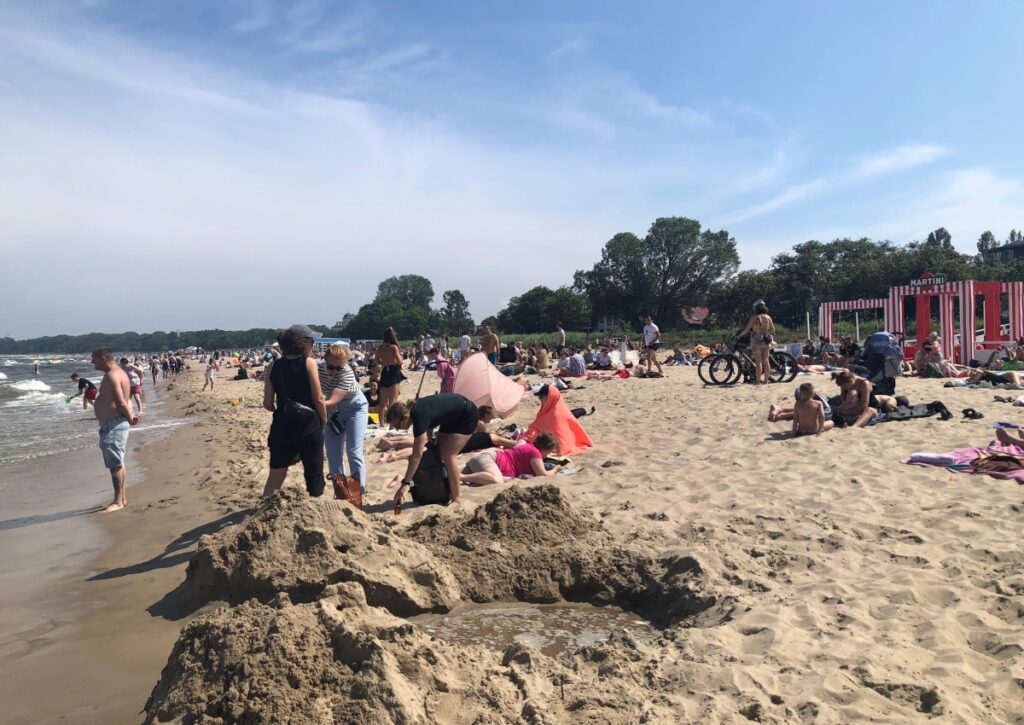
- The Vibe: A glamorous, lively seaside resort town famous for its long, sandy beach and vibrant nightlife.
- What to do:
- Walk the Sopot Pier (Molo): The longest wooden pier in Europe. It’s a beautiful spot for a stroll, with great views of the coast.
- Marvel at the Crooked House (Krzywy Domek): A quirky, surreal-looking building on the main pedestrian street, Monte Cassino.
- Relax on the Beach: Rent a sunbed, go for a swim, and enjoy the classic beach resort atmosphere.
Gdynia: The Modernist Port City
Another 10 minutes on the SKM train from Sopot brings you to Gdynia.
- The Vibe: A young, dynamic port city built in the 1920s with a distinct modernist architectural style.
- What to do:
- Visit the Historic Ships: Walk along the pier and visit the museum ships, including the destroyer ORP Błyskawica and the tall sailing ship Dar Pomorza.
- The Emigration Museum: A fantastic, modern museum that tells the poignant story of the millions of Poles who have emigrated over the centuries.
The Ultimate Day Trip: Malbork Castle (Zamek w Malborku)
About an hour by train from Gdańsk, this is a trip you absolutely must make.
- What it is: The largest castle in the world by land area and the largest brick building in Europe. This colossal, fortified Teutonic monastery is a UNESCO World Heritage site, and it is simply mind-blowing.
- The Experience: Give yourself a full day for this. The castle complex is vast. You’ll explore the High Castle, the Middle Castle, and the Lower Castle, walking through grand halls, chapels, and along massive defensive walls. It’s one of the most impressive historical sites in all of Europe.
- The Easiest Way to Visit: While you can take the train and go independently, a guided tour can make the experience much richer and more seamless. I recommend checking out the Malbork Castle tours on GetYourGuide. They often include transport from Gdańsk and an expert guide who can bring the incredible history of the Teutonic Knights to life. It takes all the stress out of planning this epic day trip.
A Taste of the Baltic: The Ultimate Gdańsk Food & Drink Guide
Polish food is hearty, delicious, and the perfect fuel for a long day of sightseeing.
Must-Try Polish & Local Dishes


- Pierogi: The king of Polish food! These are dumplings that can be boiled or fried, with a huge variety of fillings. Classic savory fillings include ruskie (potato and cheese), z mięsem (with meat), and z kapustą i grzybami (cabbage and mushrooms). For dessert, try them with blueberries!
- Żurek: A classic sour rye soup, often served with a boiled egg and white sausage (biała kiełbasa). It’s tangy, savory, and incredibly comforting.
- Bigos: “Hunter’s stew.” A rich, hearty stew of sauerkraut, fresh cabbage, various cuts of meat, and mushrooms.
- Smażony Dorsz (Fried Cod): Being on the Baltic, the fish is fantastic. Freshly fried cod served simply with fries and a salad is a local favorite.
- Śledź (Herring): You’ll find herring served in many ways, often pickled in oil with onions or in a creamy sauce.
The Sweet Stuff & The Drinks
- Pączki: Polish doughnuts. They are rich, fried balls of dough, typically filled with rose hip jam and glazed. An absolute must-try.
- Sernik: Polish cheesecake, often made with a special cheese called twaróg.
- Wódka (Vodka): You’re in Poland! There is a huge variety of excellent vodkas to try, from classic rye and potato vodkas to flavored varieties.
- Piwo (Beer): The Polish craft beer scene is exploding. Look for local Pomeranian breweries.
- Goldwasser: “Gold Water.” A Gdańsk specialty. This is a strong herbal and root liqueur with tiny flakes of real 23-carat gold suspended in it. It’s a great souvenir.
Where to Eat
- Bar Mleczny (Milk Bar): A Polish institution. These are subsidized, cafeteria-style restaurants dating back to the communist era, serving simple, traditional Polish food at incredibly low prices. It’s a no-frills but essential cultural and culinary experience. Try Bar Turystyczny.
- Traditional Restaurants: Look for places serving classic Polish cuisine in the Main Town. Gdański Bowke on the waterfront is a popular spot.
- Pierogarnia: Restaurants specializing in pierogi. Pierogarnia Mandu is a local favorite, often with a line out the door.
Preserving a Reborn Treasure: Sustainable & Responsible Tourism in Gdańsk
Traveling to a city with such a profound history and a delicate ecosystem requires a mindful approach.
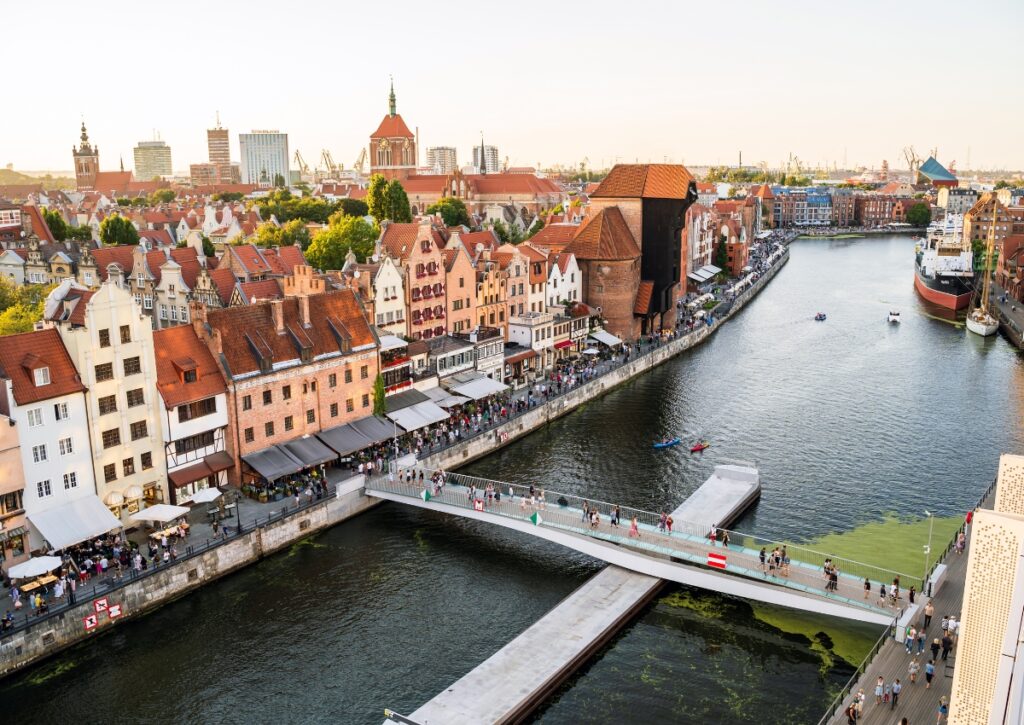
- Respect the History: The beautiful buildings you see are more than just a backdrop for photos; they are symbols of resilience and remembrance. Treat the historic center with the reverence it deserves. When visiting sites like the WWII Museum or the Solidarity Centre, be mindful and respectful of the powerful stories being told.
- Support Local Artisans: Gdańsk is the amber capital of the world. When buying amber, seek out reputable workshops and galleries (especially on Ulica Mariacka) to ensure you are buying the authentic Baltic gem and supporting local craftsmanship, not buying cheap fakes.
- Use Public Transport: The Tri-City has a fantastic and efficient network of trams and the SKM train. Using public transport reduces your carbon footprint and is the best way to get around like a local.
- Eat Local, Eat Small: Support the local economy by eating at traditional Milk Bars and smaller, family-run restaurants rather than large international chains.
- Reduce Waste: Carry a reusable water bottle and a tote bag for your shopping at St. Dominic’s Fair or local markets to help reduce plastic waste.
Your Gdańsk Go-To Guide: Practicalities & Pro Tips
A final rundown of the essential info you’ll need for a smooth trip.
What to Pack
- Comfortable Walking Shoes: This is non-negotiable. You will be walking a lot.
- Layers: The weather on the Baltic coast can be unpredictable. Even in summer, evenings can be cool. Pack layers, including a sweater or fleece.
- A Rain Jacket & Umbrella: A sudden shower is always a possibility.
- A Smart Outfit: People in Poland tend to dress up a bit for dinner or a night out.
Money, Health & Connectivity
- Currency: The Polish Złoty (PLN). While cards are widely accepted, it’s always a good idea to have some cash for smaller shops, markets, and public restrooms.
- Your Smart Money Companion: To avoid terrible exchange rates and bank fees, I always use my Revolut or Wise card. They are perfect for travel, allowing you to pay in PLN and withdraw cash from ATMs at the best possible rate.
- Staying Connected – The Easy Way: My new favorite travel hack is using an eSIM. Yesim is a fantastic service that lets you buy a data package for Poland and install it on your phone before you even leave home. You’re connected the second you land, without the hassle of finding a shop to buy a physical SIM card. It’s brilliant.
- Health & Safety: Gdańsk is a very safe city. Use standard common sense, be aware of your surroundings, and watch out for pickpockets in very crowded areas.
- Your Unbreakable Safety Net: For any trip, travel insurance is an absolute must. It protects you from everything from a cancelled flight to a medical emergency. I always use VisitorsCoverage. It’s a marketplace where you can compare different policies and find one that covers your specific needs. Don’t leave home without it.
- Renting a Car for Day Trips: If you want to explore the wider Pomerania region, like the Kashubian Switzerland area or the sandy Hel Peninsula, a car is a great idea. I recommend using GetRentacar, a marketplace where you can often find better deals from local suppliers.
Final Word: The Unbreakable Spirit of Gdańsk
You come to Gdańsk expecting beauty, and you find it in overwhelming abundance. You walk its perfect streets, cruise its historic river, and marvel at its towering churches. But you leave Gdańsk with something much deeper. You leave with a profound sense of awe for the human capacity to endure, to remember, and to rebuild.
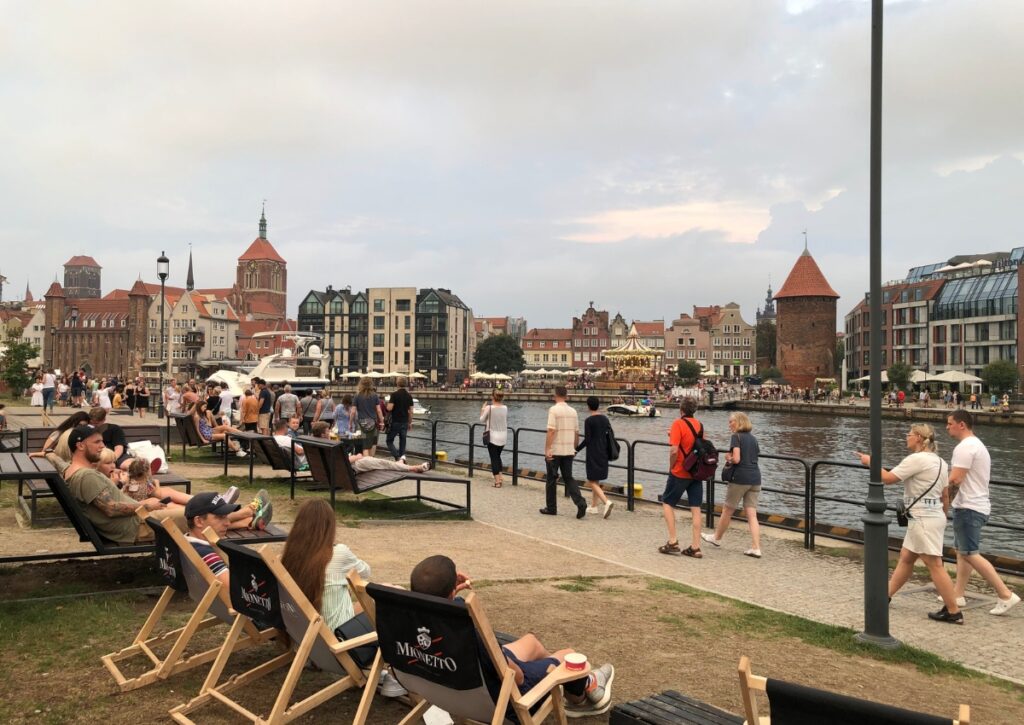
This is not a city that hides its scars; it has transformed them into a foundation of strength. It’s a living, breathing testament to the idea that even after the darkest of nights, the sun will rise again, and that creating beauty can be the ultimate act of hope. The spirit of freedom is etched into the very stones of this city, from the shipyards where a revolution was born to the meticulously recreated facades that stand as a defiant celebration of life.
Gdańsk is more than just a destination; it’s a lesson in history, a masterpiece of art, and a beacon of hope. It will captivate your eyes, fill your stomach, and, most importantly, it will touch your heart.
Your Gdańsk Story Awaits! Let’s Keep the Journey Going…
And there we have it – a deep, passionate, and hopefully inspiring dive into the incredible city of Gdańsk and its surroundings. I’ve tried to capture the city’s unique spirit, its stunning beauty, and the powerful weight of its history. My greatest hope is that this guide has not only prepared you for your trip but has made you even more excited to experience this extraordinary corner of the Baltic coast.
But this isn’t the end of our story. A Tiny Traveler is more than just a blog; it’s a living, breathing community of curious explorers who believe that travel is the best education and the greatest adventure. And I would be absolutely honored for you to become a permanent part of our global crew.
Here is your official invitation to join our adventure:
- Become a Blog Insider: Subscribe to My Newsletter! This is your all-access pass to the very best of A Tiny Traveler. By subscribing, you’ll have my brand-new, ridiculously detailed travel guides (just like this one!) delivered directly to your inbox the moment they’re published. You’ll also get exclusive travel hacks, personal stories from my wanderings, and hand-picked deals that I only share with my subscriber family. No spam, ever. Just pure, unadulterated travel inspiration. Find that subscription box, hit subscribe, and let’s make it official!
- Let’s Get Social & Share the Baltic Beauty! If this guide has left you dreaming of amber jewels and resilient cityscapes, the biggest thank you you can give is to share it! Pin it on Pinterest, send it to a fellow history buff, and let’s connect on my social channels. Let’s spread the word about Poland’s incredible northern gem!
- Follow me on Instagram (a.tinytraveler): For daily doses of wanderlust, stunning travel photography, behind-the-scenes glimpses of my trips, and quick tips that will inspire your next getaway. See the world through my eyes!
- Like my Facebook Page (A Tiny Traveler): Join our vibrant community of fellow travel lovers! This is a great place to ask questions, share your own travel experiences, and connect with me and other readers.
- Follow me on Pinterest (A Tiny Traveler): My Pinterest is your ultimate travel vision board! It’s where I share stunning photography, quick visual guides, and, most importantly, links to all my in-depth blog posts.
Your support—your subscriptions, your shares, your comments—is the lifeblood of this blog. It’s what allows me to keep exploring these incredible places and creating these massive, heartfelt guides to help you embark on your own unforgettable journeys.
So go to Gdańsk. Walk the Royal Way. Climb the tower. Listen to the stories. And let the unbreakable spirit of this magnificent city inspire you. And when you return, I’ll be here, eager to hear every single detail.
Safe travels, and do widzenia!
Frank


