
Welcome to one of Europe’s most mesmerizing destinations that I absolutely had to feature on my A Tiny Traveler blog. Imagine this: you’re standing at the entrance of a place that’s been captivating visitors since the 15th century, where entire chambers were carved by hand from salt, and underground chapels glow with chandeliers made of crystallized minerals. This isn’t the plot of a fantasy novel—this is the Wieliczka Salt Mine, one of Poland’s most extraordinary underground wonders located just outside Krakow. After walking through more than 3.5 kilometers of tunnels, climbing down 800 mesmerizing steps, and witnessing salt sculptures that would make any art gallery jealous, I’m here to tell you that this UNESCO World Heritage site absolutely deserves a spot on your Polish itinerary.
The first time I descended into Wieliczka, I wasn’t sure what to expect. Would it be just another dark mine? Would it live up to the hype? Within minutes of stepping into that first chamber, surrounded by walls of rose-tinted salt glowing softly under carefully placed lighting, I realized I was about to experience something entirely different—something that would completely reshape how I think about underground exploration. The air itself felt alive with history, the walls telling stories of 700 years of miners who transformed a practical industrial site into an underground art masterpiece. This wasn’t just a mine; it was a cathedral, a gallery, a museum, and an adventure all rolled into one subterranean experience.
What makes Wieliczka Salt Mine different from just about every other underground attraction I’ve visited across Europe is the sheer artistry. These aren’t just empty tunnels; they’re chambers adorned with intricate salt sculptures, painted reliefs depicting biblical scenes, and architectural features that showcase the remarkable creativity of generations of miners. The scale alone will blow your mind—we’re talking about an underground network stretching nearly 300 kilometers across nine different levels, with the deepest point reaching approximately 327 meters below the surface. Yet despite this vast network, visitors typically explore only a curated fraction of the mine, visiting the most iconic and beautiful chambers that have been carefully preserved over centuries.
Whether you’re a history buff, an adventure seeker, a photographer hunting for that perfect shot, or someone simply looking to step off the beaten tourist path, Wieliczka Salt Mine delivers an unforgettable experience that transcends the typical sightseeing checklist. This comprehensive guide will walk you through everything you absolutely need to know before visiting—from practical logistics to insider tips that’ll make your experience truly special. Let’s dive deep into what makes this underground kingdom so incredibly special.
Planning Your Journey: Essential Information Before You Go
Understanding the Wieliczka Salt Mine: A Brief History That Shaped Poland
To truly appreciate what you’re about to experience at Wieliczka, understanding its incredible backstory is essential. The history of salt mining here reaches back to Neolithic times, when early inhabitants collected salt from natural springs—we’re talking thousands of years of salt-working tradition. However, the real transformation began in the 13th century when miners discovered substantial deposits of rock salt underground. This discovery changed everything. In fact, according to historical records, King Casimir III the Great of Poland was so impressed by the salt’s economic value that revenue from salt sales constituted approximately one-third of the entire state treasury during his reign in the 14th century. Can you imagine? An entire kingdom’s wealth is built on what’s literally beneath our feet.
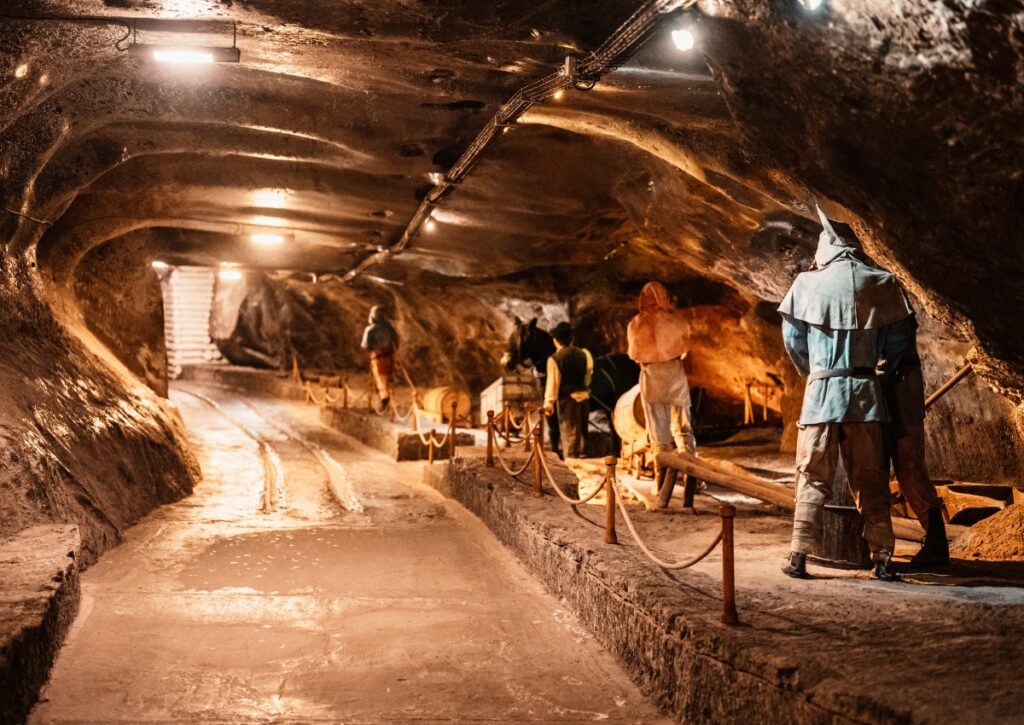
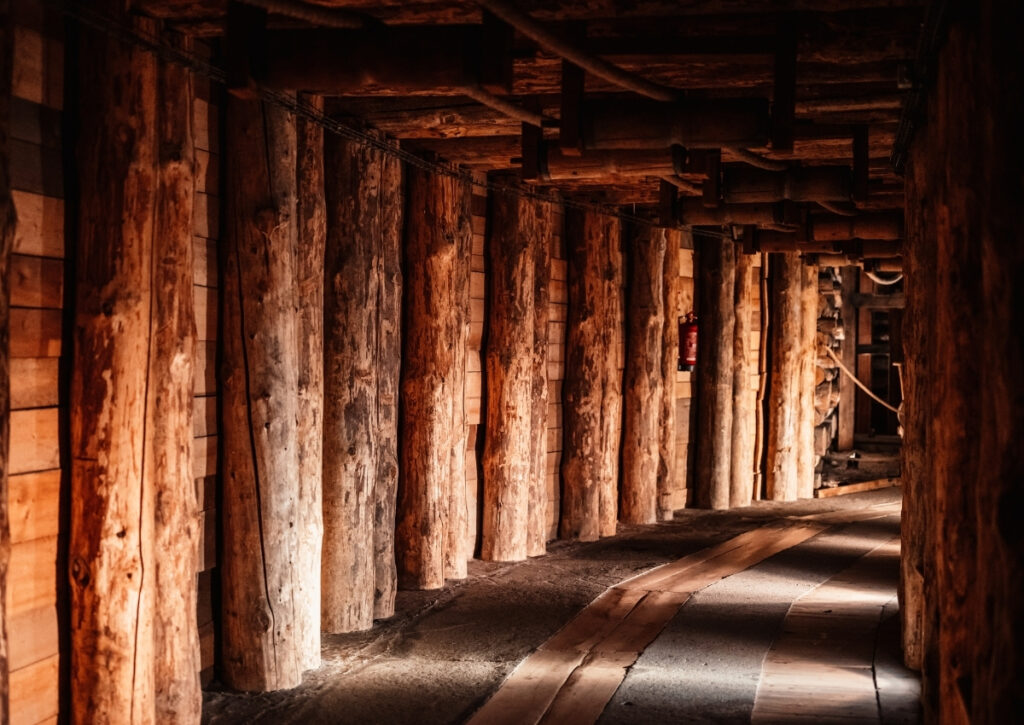
The formal incorporation of Wieliczka as a city came in 1290 through its first incorporation charter, which specifically mentioned rock salt mining. By the 16th and 17th centuries, Wieliczka had become one of Europe’s most important mining operations, employing approximately 2,000 miners and producing over 30,000 tonnes of salt annually. These miners weren’t just extracting salt; they were artists and engineers of remarkable skill. During their long hours underground, often working in dangerous conditions with the constant threat of cave-ins or gas explosions, these miners created an underground world that would eventually become one of the most visited and celebrated attractions in Poland.
What’s particularly fascinating is that the artistic tradition of Wieliczka Salt Mine has a documented history spanning at least 500 years. Visitors began descending into the mine as early as the 15th century, with historical accounts noting that the famous astronomer Nicolaus Copernicus was among the earliest documented tourists. This tradition of viewing the mine as a special destination—not just a workplace—continued through centuries, evolving into what we see today: a stunning underground museum carved entirely from salt.
Getting There: Your Transportation Options from Krakow
Let me be honest: getting to Wieliczka Salt Mine from Krakow is beautifully straightforward, and that’s one reason why this destination works perfectly as a half-day excursion. The mine is located just 10 kilometers from Krakow’s city center, making it easily accessible whether you prefer independent travel or joining an organized tour.
By Train: If you want to experience a quintessential Polish travel moment, I recommend taking the train. The Koleje Małopolskie railway line connects Kraków Grzegorzki Station directly to Wieliczka Rynek-Kopalnia station in just 21 minutes. Trains operate hourly throughout the day, and tickets cost between 2-4 USD (10-13 PLN) per person. The journey itself is pleasant, and you’ll pass through authentic Polish countryside. Pro tip: You don’t need to book in advance—just purchase your ticket at the station window for the next available train. This is my go-to method when I’m visiting solo because it feels genuinely local and costs almost nothing.
By Bus: Another budget-friendly option is taking the bus. Line 304 departs from near Galeria Krakowska in Krakow’s Old Town and runs directly to Wieliczka, taking approximately 33-40 minutes. Buses run every 20 minutes on weekdays and three times per hour on weekends, costing just 1-2 USD (4-8 PLN). The downside? Buses can be crowded during peak tourist season, and the ride is less scenic than the train. Still, for budget-conscious travelers, it’s an excellent option. You can purchase tickets on the bus itself or at the station.
By Organized Tour: This is the most hassle-free option if you prefer convenience and expert guidance. Numerous tour operators offer guided trips from Krakow to Wieliczka, typically priced between 25-60 USD (approximately 100-240 PLN) per person, with prices varying based on whether you want hotel pickup, group size, and what’s included (some tours combine Wieliczka with Auschwitz-Birkenau for a full-day experience). I particularly recommend booking through GetYourGuide for its cancellation policies and transparent pricing. Many tours include hotel pickup, skip-the-line access, and a professional English-speaking guide—worth every zloty if you want maximum convenience and insider knowledge.
By Private Car or Rental: If you’re renting a car through GetRentacar, the drive from Krakow takes approximately 15-20 minutes via regular traffic, though this can extend to 30+ minutes during peak hours. The route is straightforward via the main highways. Parking is available at the mine’s visitor facilities. This option provides maximum flexibility for combining Wieliczka with nearby attractions like the Saltworks Castle or other day trips.
Eco-Friendly Transportation Option: For the sustainability-conscious traveler, several companies now offer electric van tours with zero-emission transportation. These eco-friendly options typically cost slightly more than standard tours but align with responsible tourism principles—a wonderful way to reduce your carbon footprint while exploring this underground wonder.
Ticket Options, Pricing, and Smart Booking Strategies
Understanding the ticket system at Wieliczka Salt Mine is crucial for planning your visit efficiently. The mine operates on a guided-tour-only basis—you cannot explore independently, as the complex network of tunnels requires expert guidance for safety and historical context. This actually works beautifully because you get expert interpretation and a curated experience rather than wandering aimlessly.
Standard Ticket Pricing (2025 Current Rates)
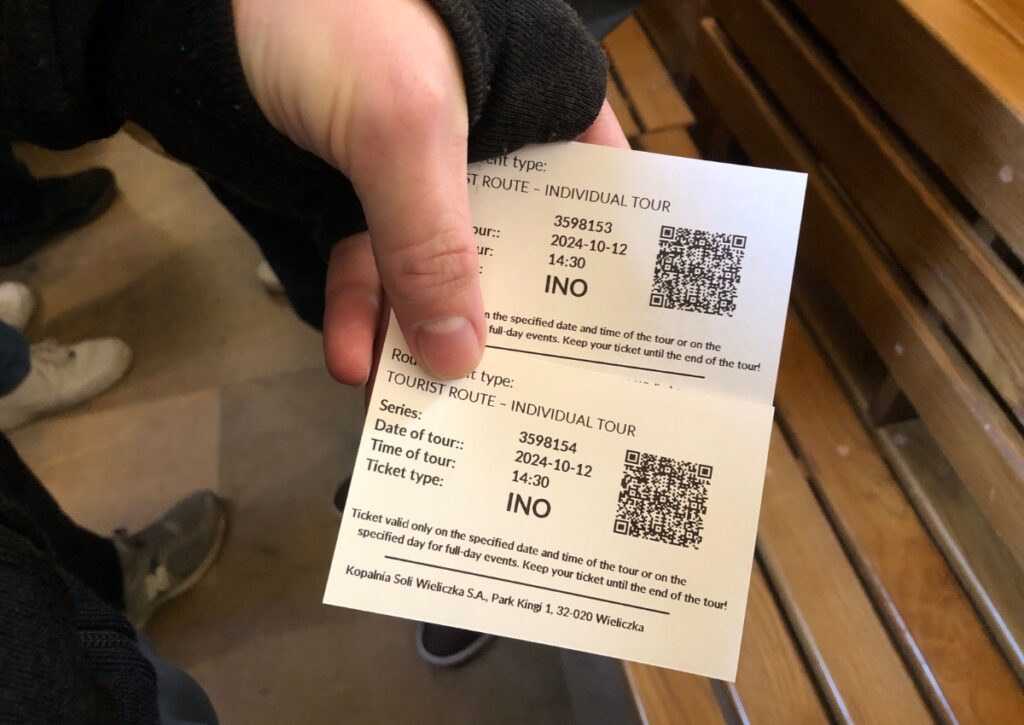
Adult Standard Ticket: 134 PLN (approximately 31-33 USD) for tours in English and other non-Polish languages. This price includes guided access to the main Tourist Route.
Reduced Tickets: 112 PLN (approximately 26-27 USD) for students, seniors, and children aged 4-16. Children under 4 enter completely free.
Family Ticket: 402 PLN (approximately 94-97 USD) covers 2 adults plus 2 children aged 4-16—excellent value if you’re traveling as a family.
Photography Permit: A small additional fee of approximately 2.50 USD (10 PLN) grants you permission to take photographs throughout the mine. This is often included if you book through third-party tour operators, so check before booking directly.
Tour Route Options
The Tourist Route (Most Popular): This is the standard experience that approximately 90% of visitors choose. You’ll descend approximately 380 steps immediately upon entry, reaching a depth of 135 meters (443 feet) underground. The tour covers approximately 2-2.5 kilometers of tunnels through the mine’s most spectacular chambers, taking 2-3 hours total. Departure times run every 30 minutes for English tours between 7:30 AM and 6:30 PM, making it easy to find a time that fits your schedule.
The Miners’ Route (More Adventurous): If you want a more immersive, interactive experience, this route takes you through lesser-visited tunnels where you’ll don professional mining attire, receive a headlamp and helmet, and participate in simulated mining tasks. This route is 2 kilometers long, reaching 101 meters in depth, with maximum group sizes of only 20 people (versus 35 for the Tourist Route). English tours depart at 10:15 AM, 1:15 PM, and 4:15 PM. While less visually spectacular than the Tourist Route, many adventurers find this option more memorable and authentic.
Combined Experience: For the ultimate Wieliczka experience, visit both routes in a single day (with a lunch break between them), allowing approximately 6-7 hours total. This gives you both the artistic beauty and the authentic mining experience.
The Graduation Tower Experience: Beyond the underground tours, don’t miss the Brine Graduation Tower (Torre di Gradazione), located on the surface grounds. This 12-meter-tall wooden structure features salt-laden brine flowing down through blackthorn branches, creating a therapeutic salt aerosol. The experience is particularly beneficial for respiratory health, though it’s recommended even for healthy visitors seeking immune system support. Spend at least 30 minutes here, breathing in the medicinal salt spray. This experience is free with your mine admission, or you can visit it separately.
Strategic Booking Tips for Maximum Savings
Book Online in Advance: This is non-negotiable during peak season (June-August). Online booking through the official Wieliczka website (wieliczka-saltmine.com) or third-party platforms like GetYourGuide ensures guaranteed entry. During high season, walk-up tickets can sell out by early afternoon. Booking ahead also often includes skip-the-line access, saving 30-60 minutes of waiting.
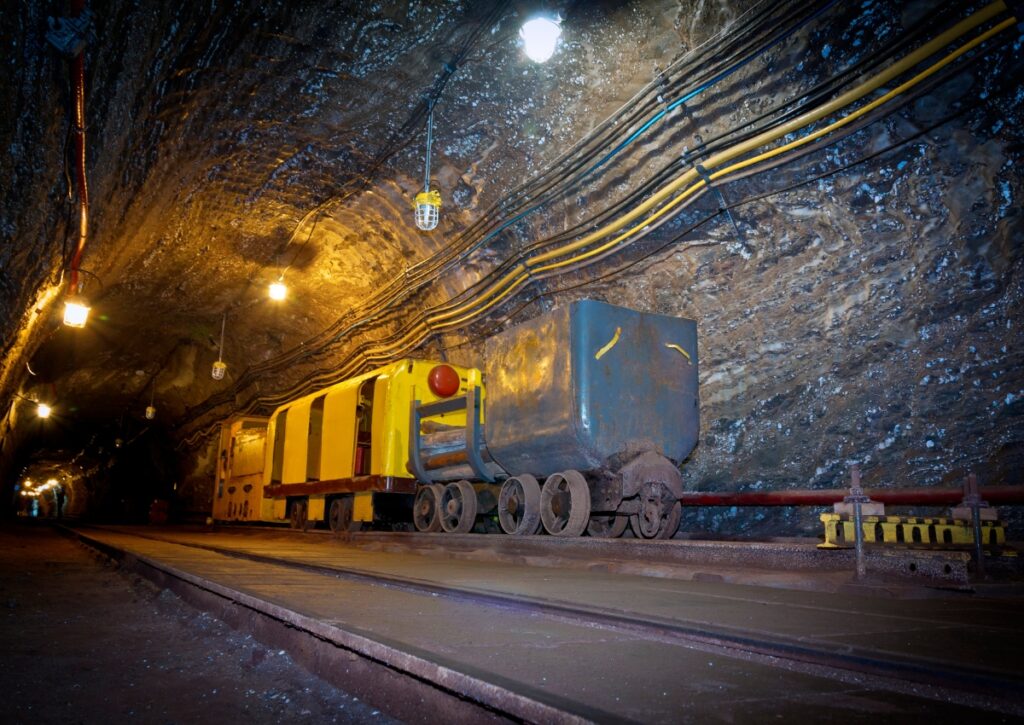
Avoid Peak Times: Morning departures before 10 AM and afternoon departures after 3 PM typically have smaller groups and shorter waits. Midday (11 AM-2 PM) is absolute peak chaos during summer. Weekdays are dramatically less crowded than weekends.
Leverage Booking Platforms: While official website prices are standard, platform like GetYourGuide often bundles hotel transfers or include extras not available when booking directly. Compare options carefully.
Winter Visits for Budget: Visiting during winter months (November-February) often brings better prices on third-party tour bookings, smaller crowds, and more intimate experiences—though bundle up because it’s cold both on the surface and in the mines.
Daily Budget Breakdown: Planning Your Finances
As someone who travels constantly and tracks every zloty spent, I’m happy to break down realistic daily budgets for your Wieliczka adventure:
Budget Traveler Option: Approximately 80-100 USD (320-400 PLN) per person per day
- Public transportation from Krakow: 1-2 USD
- Mine admission (standard ticket): 31 USD
- Meal at local “bar mleczny” (traditional milk bar): 10 USD
- Additional meals/snacks: 15-20 USD
- Coffee/drinks: 5-10 USD
- Souvenirs: 10-15 USD
Mid-Range Traveler Option: Approximately 150-180 USD (600-720 PLN) per person per day
- Organized tour with transfers from the hotel: 45-60 USD
- Mine admission is included in the tour
- Lunch at local restaurant: 20-25 USD
- Dinner at a mid-range restaurant: 25-30 USD
- Drinks and snacks: 15-20 USD
- Souvenirs and gifts: 20-30 USD
Luxury Traveler Option: Approximately 250-350 USD (1,000-1,400 PLN) per person per day
- Private guided tour with premium service: 80-120 USD
- Fine dining lunch: 40-60 USD
- Fine dining dinner: 50-70 USD
- Premium hotel accommodation in Wieliczka: 100-150 USD per night
- High-end shopping and experiences: 30-50 USD
Accommodation Options: Where to Stay
While most visitors explore Wieliczka as a day trip from Krakow (just 10 kilometers away), staying in the town itself creates a slower, more immersive experience. Here are excellent accommodation options:
Grand Sal Hotel & Spa (Luxury): Approximately 120-180 USD per night
This is genuinely unique—it’s the only hotel actually located within the mine grounds, just steps from the Daniłowicz Shaft entrance. Featuring 39 comfortable rooms with views of Saint Kinga Park, it offers spa facilities, a restaurant serving traditional Polish cuisine, and the incomparable advantage of early morning or evening mine access. It’s pricey but utterly extraordinary for creating an unforgettable experience.
Turowka Hotel & Spa (Upscale): Approximately 80-120 USD per night
Highly rated (4.4 stars) with 355 reviews, this property features spa services, comfortable accommodations, and friendly staff. Located in central Wieliczka, it provides an excellent base for exploring both the mine and the charming town.
Hotel Lenart (Mid-Range): Approximately 60-90 USD per night
Another 4.4-star option with 374 reviews, offering solid mid-range comfort and a convenient location near major attractions.
Hotel Galicja (Budget-Friendly): Approximately 45-65 USD per night
Perfect for budget travelers, this 4.0-star hotel sits near the salt mine entrance and offers good value for money.
Budget Accommodation: Approximately 20-40 USD per night
Various guesthouses and smaller hotels in town offer budget-friendly options. Search through Booking.com for the best deals, and remember to check recent reviews.
Most travelers, however, prefer staying in Krakow (just 21 minutes away by train) and making Wieliczka a half-day excursion, which allows them to explore Krakow’s incredible medieval old town, Jewish quarter, and other attractions simultaneously.
When to Visit: Seasonal Considerations for Your Perfect Trip
Understanding seasonal variations helps you craft the ideal Wieliczka experience tailored to your preferences:
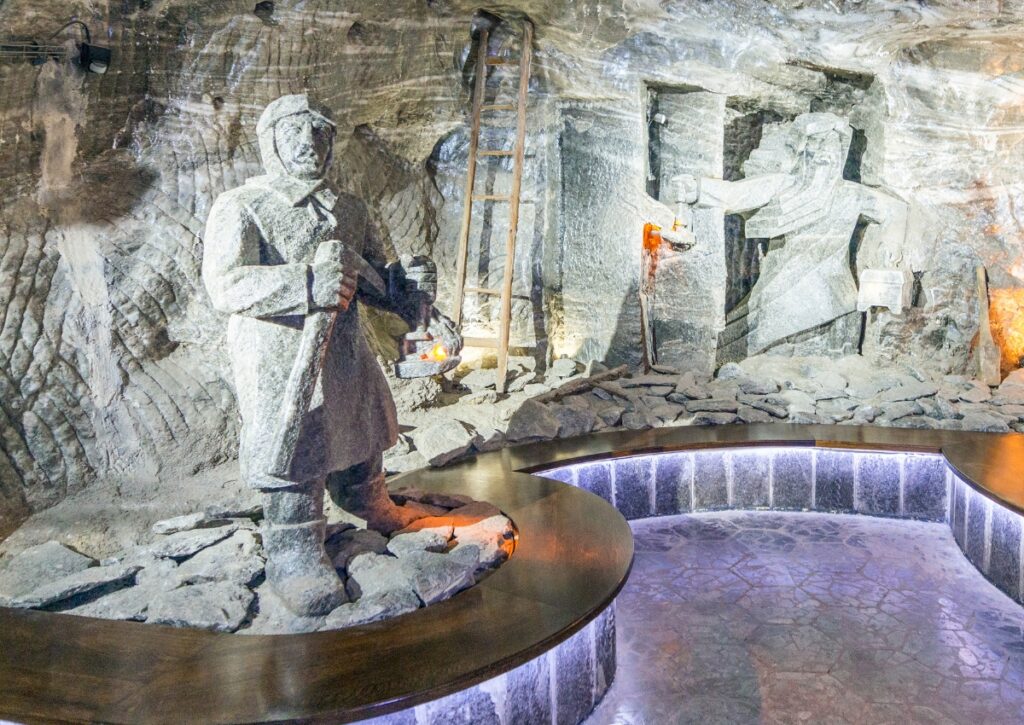
Summer (June-August): Peak tourist season with warm surface temperatures (24-28°C / 75-82°F) but absolutely packed crowds. The mine maintains a constant underground temperature of around 14-16°C (57-61°F), making it a refreshing escape on hot days. Expect full tour slots to sell out by early afternoon, especially on weekends. Best for: families with school holidays, those seeking maximum activity options, and summer-specific tours.
Spring (April-May): Ideal conditions. Mild surface temperatures, fewer crowds than summer, beautiful flowers blooming around town, and everything feels fresh and accessible. May is particularly lovely. Best for: photographers, nature lovers, those seeking a balance between weather and crowds.
Autumn (September-October): My personal favorite season for Wieliczka. Harvest season in Poland means excellent local food, stable weather, and noticeably fewer tourists than in summer. October offers “golden Polish autumn” (złota polska jesień)—crisp mornings and brilliant light perfect for photography. Best for: travelers seeking authentic experiences, photographers, and those wanting manageable crowds.
Winter (November-February): Cold surface temperatures (0 to -10°C / 32-14°F) with occasional snow create a magical atmosphere, especially if you visit during Krakow’s famous Christmas markets. The mine provides a warm refuge. Tours are intimate with tiny groups. Most challenging: winter weather, some roads may be treacherous, and fewer English-language tour departures. Best for: winter enthusiasts, those seeking solitude, and those experiencing Polish winter traditions.
Pro Timing Tip: Regardless of season, visit on a weekday rather than a weekend, and aim for morning departures (7:30-9:00 AM) to avoid peak afternoon crowds. This single choice dramatically improves your experience.
What You’ll Actually See: The Main Attractions Inside Wieliczka
The Chapel of Saint Kinga: The Crowning Glory
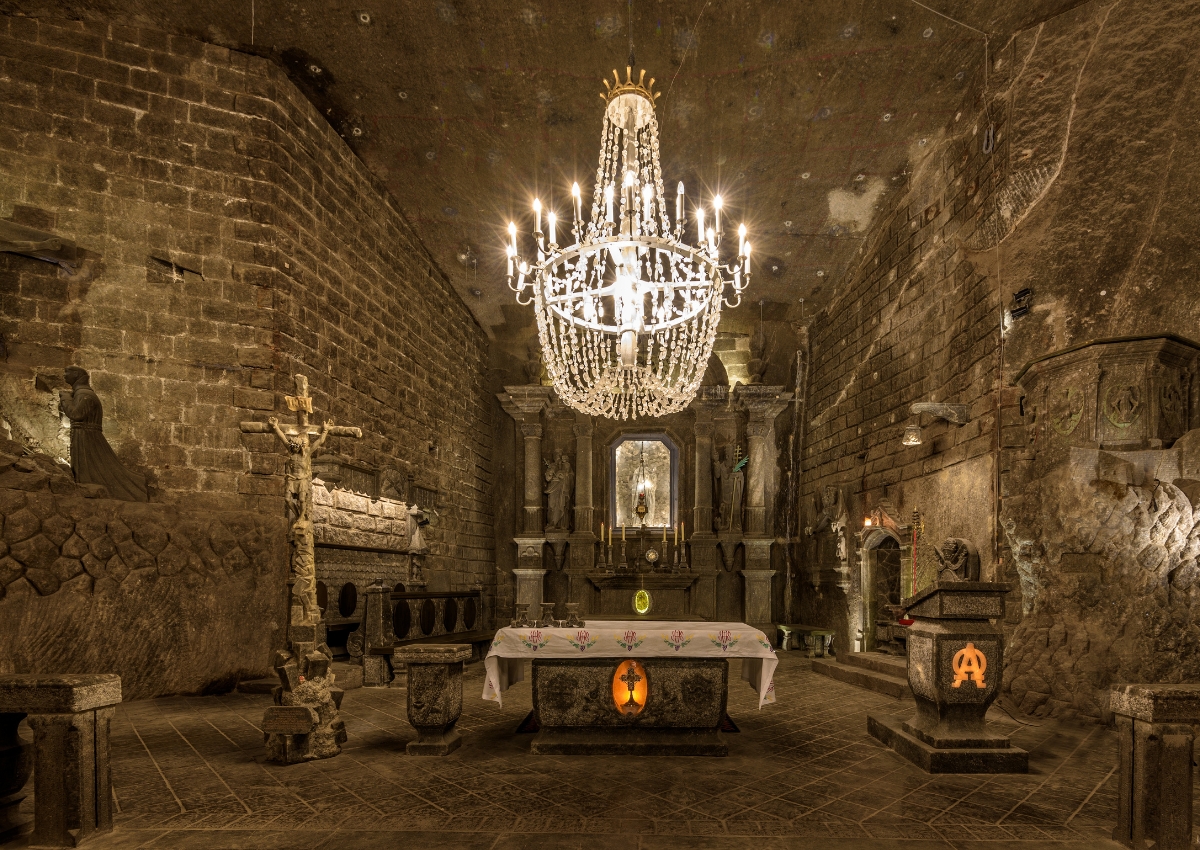
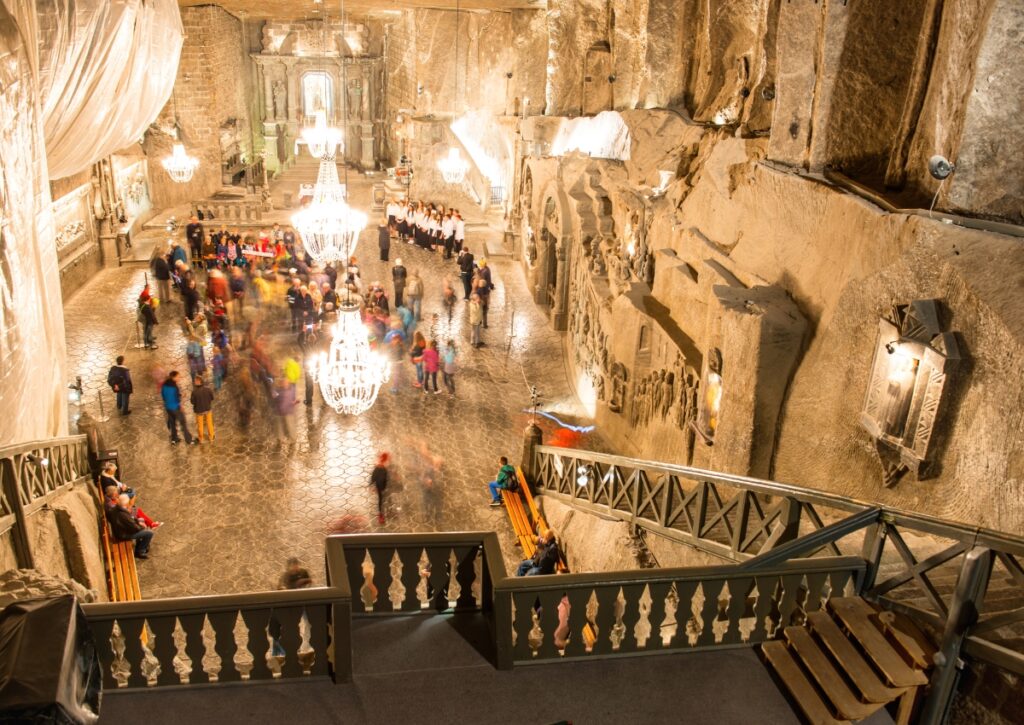
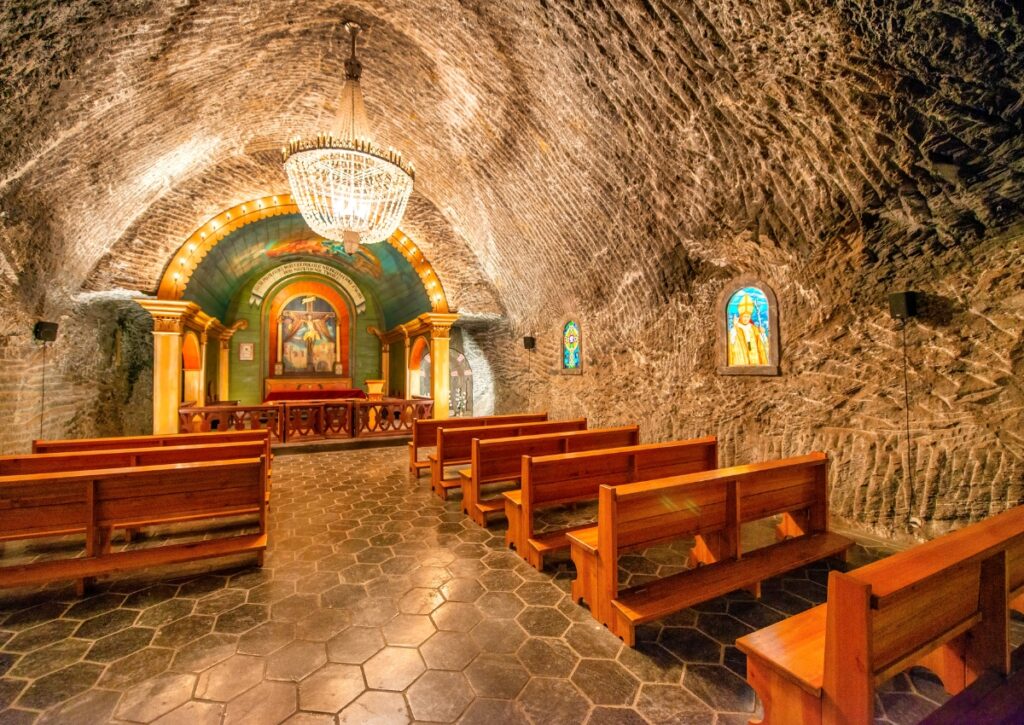
Without question, the Chapel of Saint Kinga is the visual and spiritual centerpiece of Wieliczka Salt Mine, and the moment I first entered this underground cathedral, I completely understood why. Located 101 meters underground, this chapel spans 54 meters in length, 18 meters in width, and rises 12 meters in height—dimensions rivaling respectable surface cathedrals. Yet here’s the absolutely mind-bending fact: nearly everything you see inside was carved entirely from salt by miners working by candlelight over the course of 70 years (construction began in 1876 and wasn’t completed until 1946).
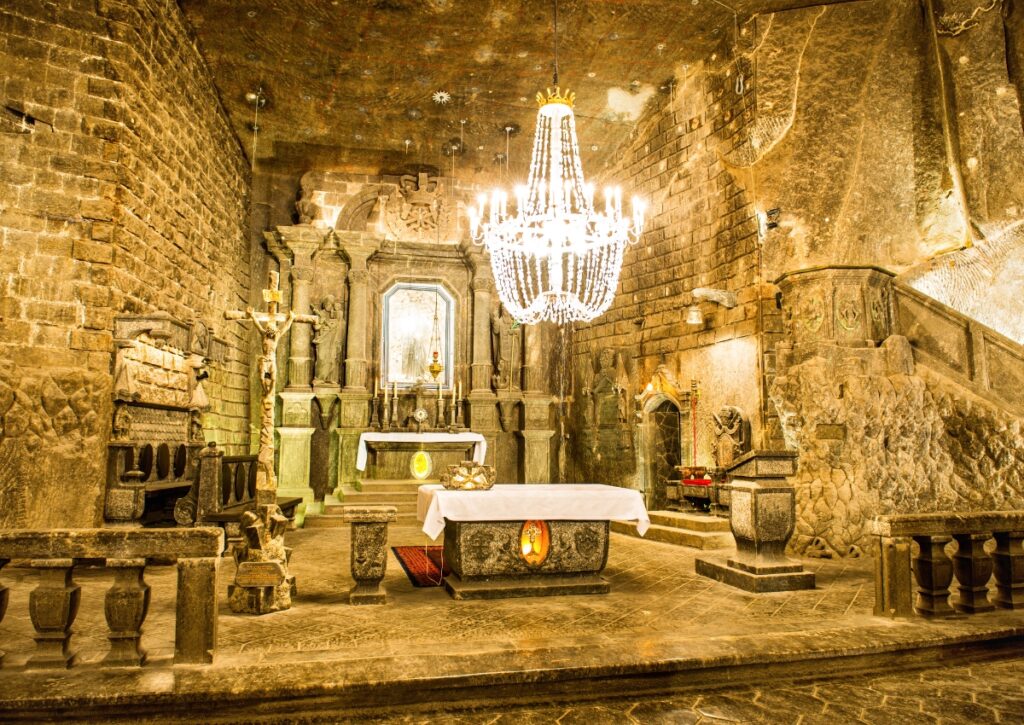
The altar—the chapel’s undisputed focal point—is a three-part masterpiece sculpted from solid salt by the legendary miner-sculptor Józef Markowski. Its centerpiece features an ornate tabernacle housing relics of Saint Kinga (placed there in 1994), flanked by beautiful salt sculptures of Saint Joseph and Saint Clement. As you descend the elegant staircase into the chapel’s main chamber, your eyes are drawn upward to the chandeliers—not replicas, but genuine fixtures crafted entirely from salt crystals that cast a warm, ethereal glow throughout the space.
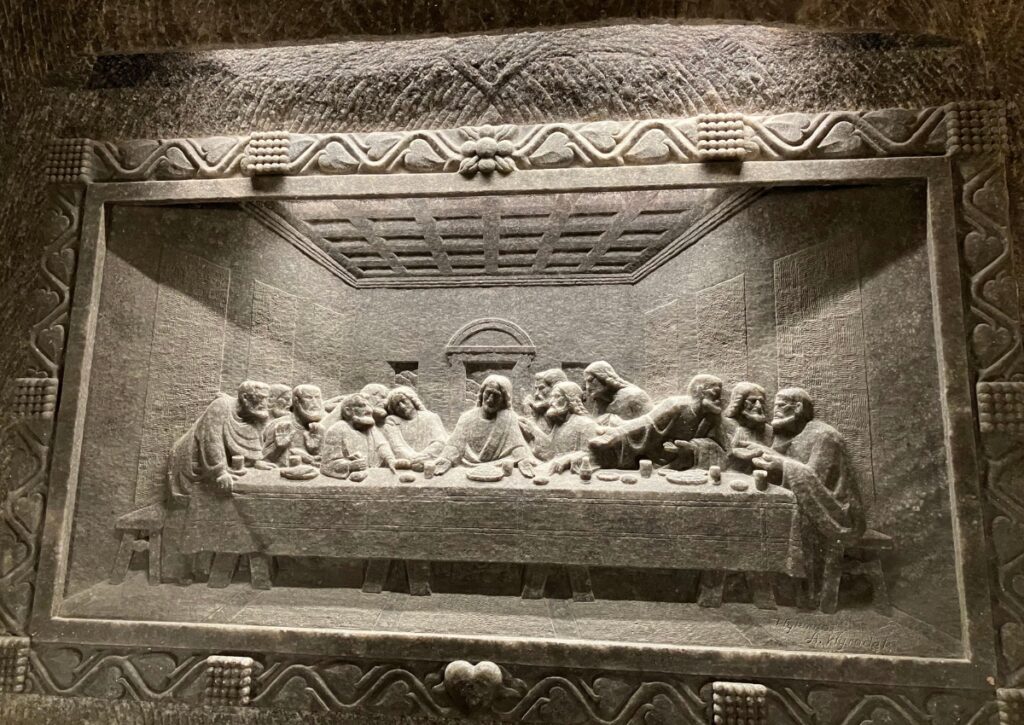
The basilica’s walls showcase remarkable artistry: intricate bas-reliefs depicting biblical narratives, including a stunning version of Leonardo da Vinci’s Last Supper meticulously carved by talented miner-sculptor Antoni Wyrobek, along with scenes of the Wedding at Cana and the Escape to Egypt. Every element—the walls, floor, ceiling, altar, sculptures, and chandeliers—is fashioned from salt, creating an entirely cohesive underground temple. The chapel remains actively used today for Catholic masses, weddings, classical concerts, and spiritual gatherings, accommodating up to 400 people for formal events. When I visited, the combination of sacred art, human ambition, and geological wonder created an emotional impact I genuinely didn’t anticipate.
Underground Lakes and Chambers: Nature’s Hidden Wonders
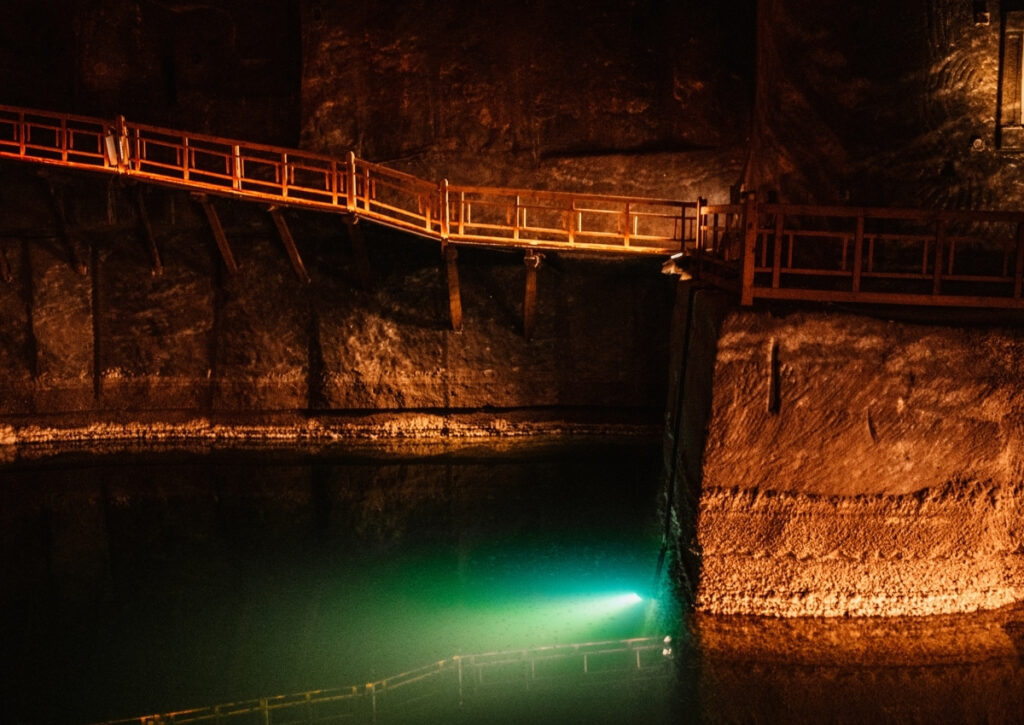
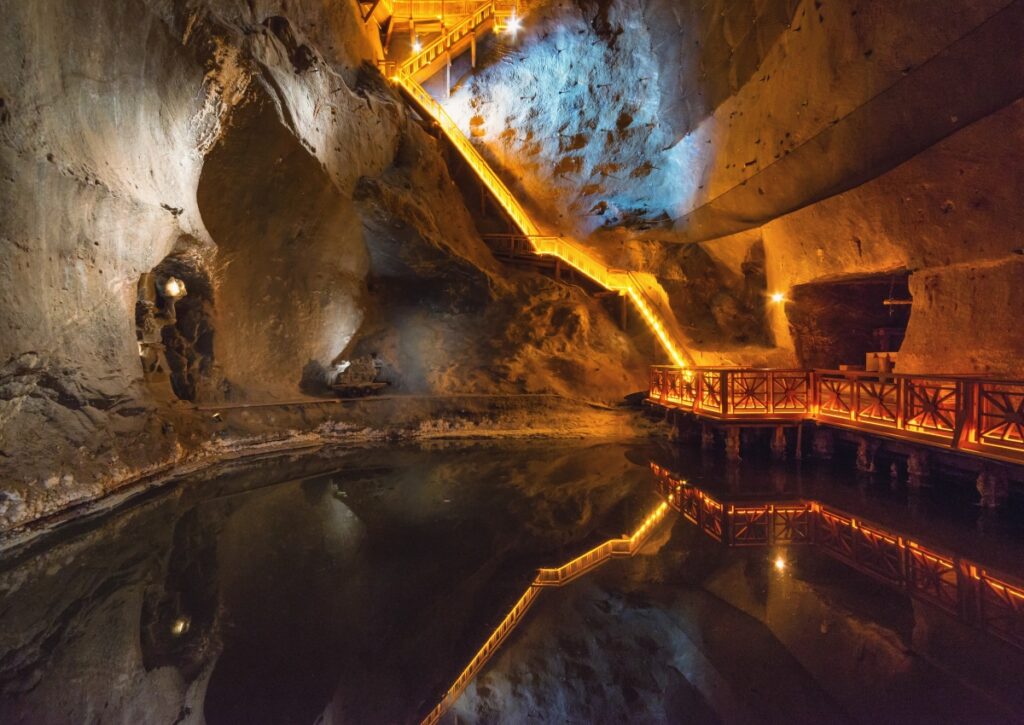
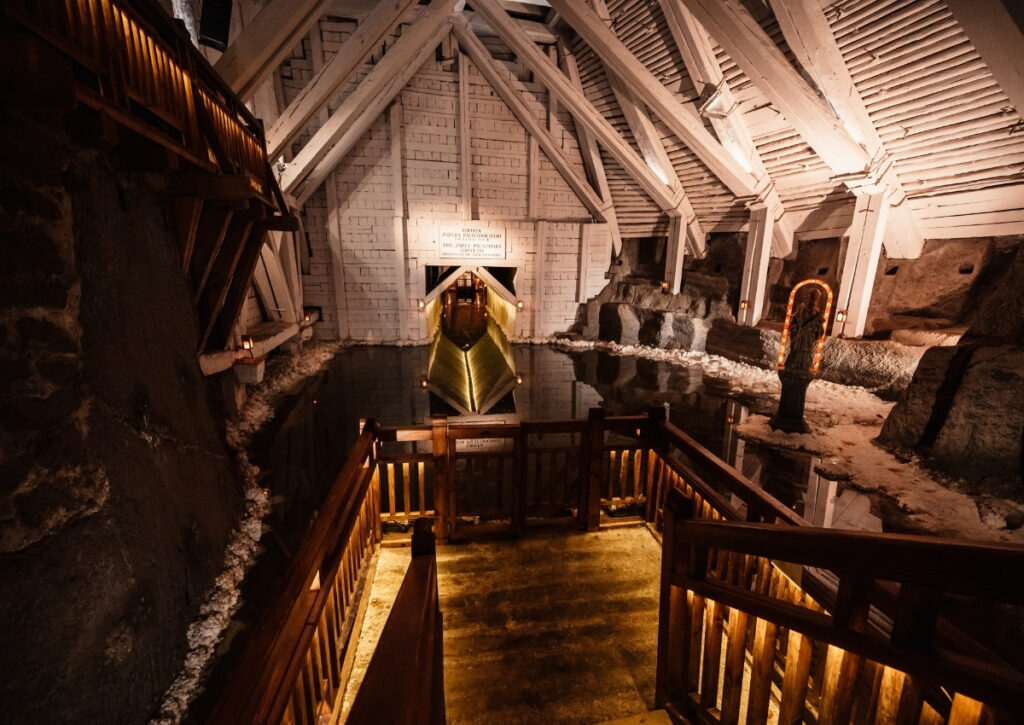
Beyond artistic masterpieces, Wieliczka offers stunning natural phenomena. The mine features several underground lakes (saline lakes, technically) scattered throughout various levels. The most famous is Lake Wessel, where the water’s high mineral content creates ethereal, mirrorlike reflections of illuminated salt formations and chamber ceilings. Standing here, breathing deeply, watching light dance across brine waters, I experienced what I can only describe as an underground cathedral moment—not religious for me, but deeply moving nonetheless.
The Michalewice Chamber commands attention for its sheer scale and engineering ingenuity. Featuring a wooden scaffolding structure rising 35 meters high—still functional after centuries—it showcases how miners once moved materials and navigated this underground labyrinth. A chandelier of impressive proportions hangs suspended from these ancient wooden beams, casting dramatic shadows.
The Drozdowice Chamber offers a pleasant respite midway through the tour, featuring a small restaurant area where visitors can purchase snacks, water, and traditional Polish food. It’s an excellent spot for a brief break to eat a sandwich and admire the crystalline salt formations.
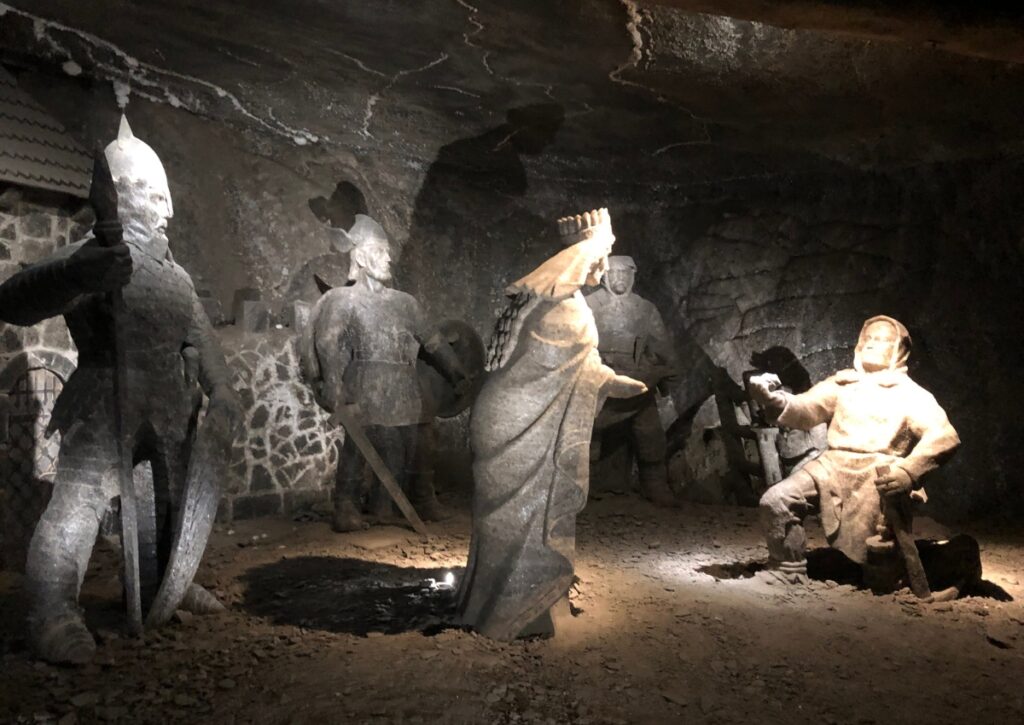
The Janowice Chamber illustrates the legend of Saint Kinga through sculptural tableaus. According to the cherished legend, Princess Kinga—a Hungarian noblewoman who became Poland’s patron saint of salt miners—prayed for salt deposits to be transported from Hungary to Poland. Here, sculptures depict the miraculous moment when miners found her engagement ring inside a salt lump, proof (according to legend) of divine intervention. As your guide recounts this centuries-old story in the depths of the earth, the blending of history, faith, and artistry creates a singularly memorable moment.
The Saltworks Museum: Mining History Brought to Life
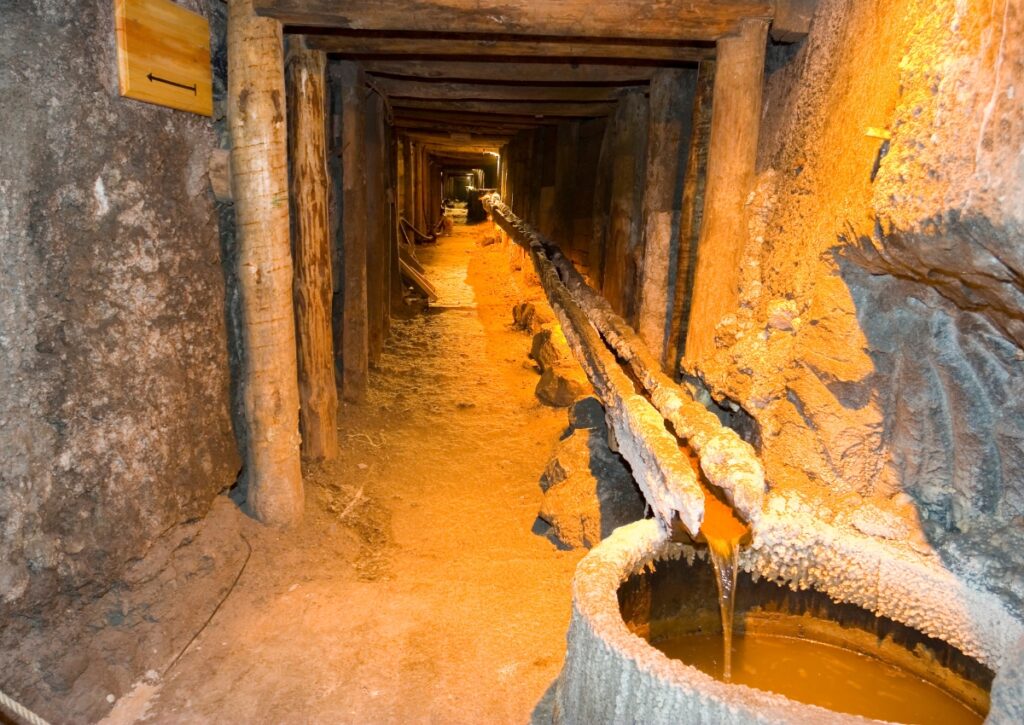
The underground museum, accessible from the Michałowice Chamber, extends your tour by approximately 1 hour and adds 1.25 kilometers to the walking distance. It comprises 17 additional chambers displaying authentic mining equipment, tools, and equipment spanning different historical periods, along with life-size dioramas depicting various mining operations and daily miner life. For those interested in industrial history or engineering, this section is utterly fascinating, revealing the sophisticated techniques miners developed over centuries to extract and process salt safely.
The Miners’ Tavern (Karczma Górnicza)
Located in the Budryka Chamber at a depth of 125 meters, this authentic underground restaurant serves traditional Polish cuisine in a genuinely unique ambiance. While food is available at several points in the mine, this establishment provides the most comprehensive dining experience. Meal pricing is remarkably reasonable:
- Appetizers: 17-23 PLN (4-5 USD)
- Soups: 10-13 PLN (2.50-3 USD)
- Main Courses: 16-29 PLN (4-7 USD)
- Desserts: 9-11 PLN (2-3 USD)
- Beer or wine: 9 PLN (2 USD)
I recommend enjoying a traditional Polish meal here—try the hearty barszcz (beet soup) or pierogi—as it transforms the experience into something genuinely memorable. There’s something magical about dining underground in a miner’s tavern carved from salt, eating food that’s been fueling people in this mine for generations.
Essential Practical Information: What to Know Before Descending
What to Bring and Wear
This decision significantly impacts your comfort level underground. Here’s my essential packing list:
Footwear (Critical): This cannot be overstated—wear closed-toe shoes with good traction and comfortable arch support. The paths include wooden stairs that can be slippery, and you’ll be walking/climbing for 2-3 hours. Avoid sneakers with thin soles or flip-flops entirely. I recommend mid-height hiking boots or sturdy athletic shoes that provide ankle support for the descent. Your feet will thank you.
Clothing (Essential): Underground temperature remains constant around 14-16°C (57-61°F) regardless of external weather. Even in summer heat, bring a light jacket, sweater, or fleece. The combination of cool temperature and high humidity (74-90%) means you’ll feel the chill more than you’d expect. Wearing layers lets you adjust as needed. In winter, bring heavier insulation.
Camera or Smartphone: The mine is beautifully illuminated for visitors. For decent photos with your smartphone, increase ISO to 400, use HDR mode if available, and embrace the available light rather than using flash (which often creates washed-out or overly bright results in low-light conditions). If you have a dedicated camera, bring a tripod or monopod to steady shots in dim lighting.
Small Backpack: Pack your essentials in a small daypack (15-20 liters). Larger luggage must be left at the storage repository near the entrance (free service). Keep your backpack minimal to avoid bumping it against narrow tunnel walls.
Water Bottle: Bring a reusable bottle to stay hydrated during your 2-3 hour tour. While water is available for purchase underground, carrying your own saves money and eliminates plastic waste.
Medications or Inhalers: If you use asthma inhalers or any medications, pack them in your small backpack. The mine’s unique microclimate often benefits people with respiratory issues, but inform your guide of any health concerns.
Optional Items: A light cardigan for easy temperature adjustment, a small towel if you have sensitive skin (humidity can feel sticky), and snacks if you’re prone to hunger between meals.
What NOT to Bring: No weapons, hazardous materials, large luggage, strollers (despite my mentioning family-friendliness, strollers genuinely don’t work due to stairs), or bottles/containers into the mine itself. Leave these items at the surface storage.
Photography Permissions and Tips
Personal photography is permitted throughout the mine (with a small permit fee of approximately 2.50 USD / 10 PLN if purchased separately—often included in organized tour bookings). Commercial photography requires advance permission from the mine administration. Video recording for personal use is also allowed.
Photography Tips for Better Images:
- Activate HDR mode on your phone to capture detail in both bright and shadowy areas
- Use the self-timer (5-10 seconds) to avoid camera shake and allow yourself time to position perfectly
- Increase ISO to 400 to brighten images without relying solely on flash
- Use available light rather than flash when possible—ask a friend to illuminate subjects with their phone’s flashlight for creative side lighting
- Avoid using flash directly in reflective areas near the underground lakes, as it often creates glare
- Move slowly when composing shots—rushing causes blurry photos that aren’t fixable in editing
- Capture details—close-ups of salt crystal textures, chandelier details, and sculptural elements often make better photos than wide shots of entire chambers
Health Considerations and Physical Requirements
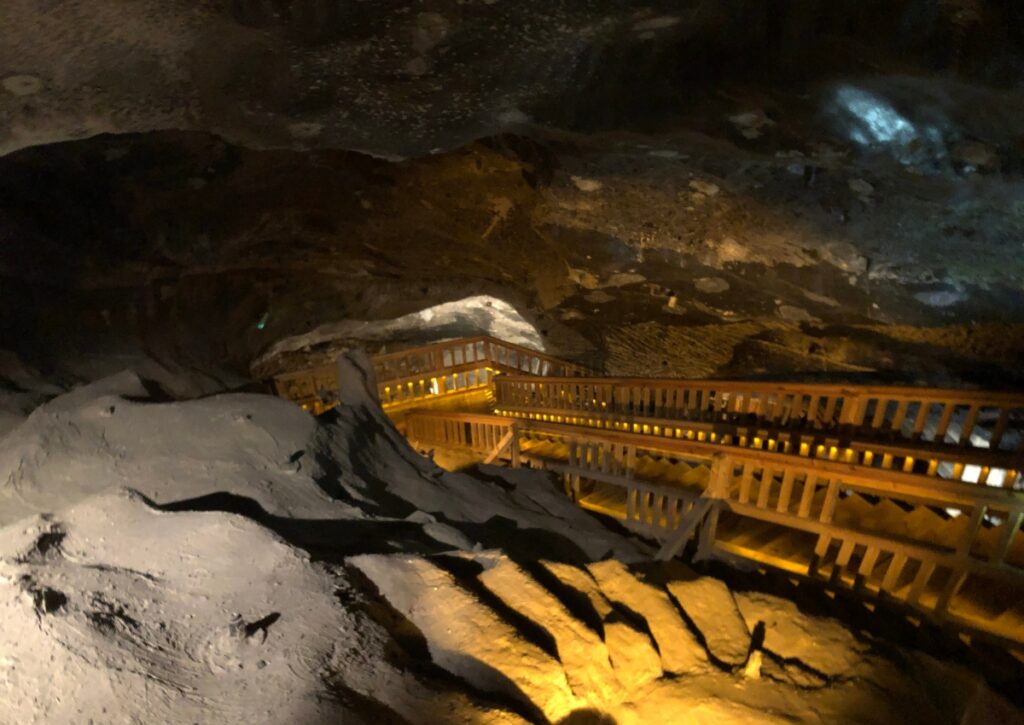
The tour involves significant physical activity: approximately 800 steps of descent (with roughly 380 at the very beginning), uneven walking surfaces, some sections with low ceilings requiring slight crouching, and 2-3 hours of continuous walking with minimal seating.
Suitable for Most People: The tour accommodates visitors of varying fitness levels. Seniors and those with moderate mobility limitations can complete it comfortably by proceeding at their own pace with the group.
May Require Special Consideration: People with severe claustrophobia (the tunnels are spacious overall, but some sections feel intimate), serious knee/joint problems (stairs are steep but well-maintained), or heart conditions should consult their doctor beforehand. The mine operators note that they provide accessibility accommodations for certain disabilities—inquire when booking.
Beneficial for: People with respiratory conditions like asthma, sinusitis, or chronic bronchitis often find the mine’s microclimate genuinely therapeutic. The air is free of external allergens, viruses, and bacteria, with high humidity and sodium chloride content helping regenerate respiratory mucous membranes. Studies show 90% of asthma patients experience symptom improvement during salt mine stays.
Not Recommended: Visitors under the influence of alcohol or drugs are not permitted. Pregnant women in the final trimester should consult their doctor due to the strenuous nature of the tour. Very young children (under 3) may find the walk challenging, though the mine doesn’t prohibit them.
Rules and Regulations to Respect
The mine has reasonable but firm regulations to preserve this historic monument:
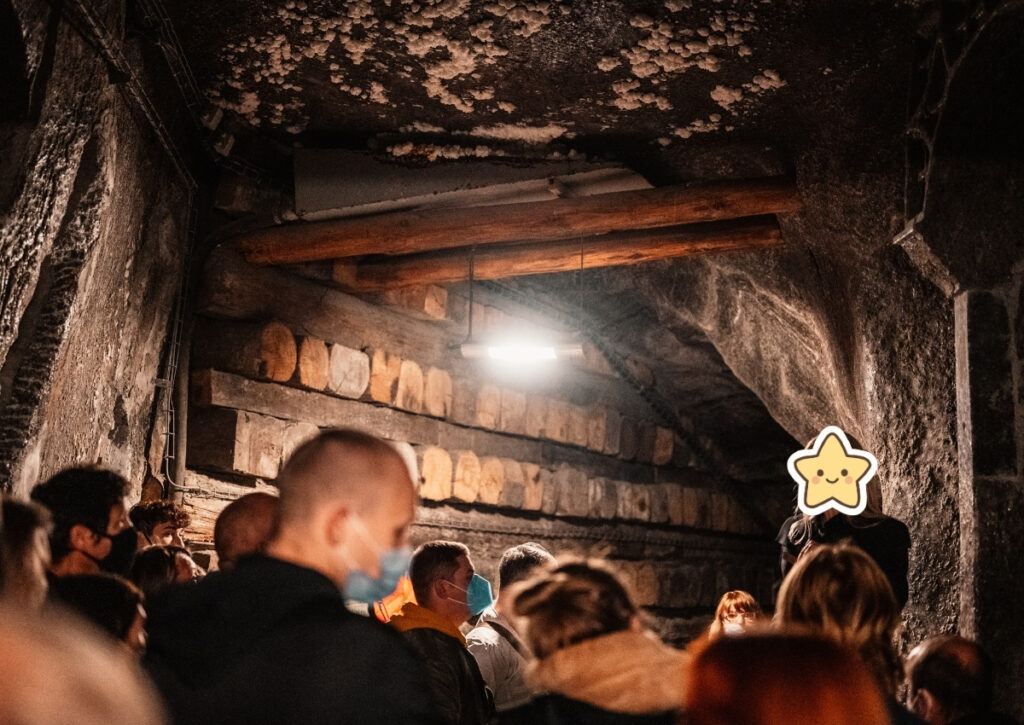
- Mandatory Guides: You cannot tour independently; all visitors must proceed with an official guide on designated routes
- Group Size: Tourist Route groups cap at 35 people; Miners’ Route groups at 20 people
- Touching Artwork: While you can photograph sculptures, refrain from touching salt artworks—centuries of accumulated oils from hands can eventually damage them
- Eating: Food consumption is permitted only in designated areas (the Miners’ Tavern, Drozdowice Chamber rest area)
- Littering: Absolutely prohibited; take all trash out with you
- Noise Levels: Respect the sacred atmosphere, particularly in Saint Kinga’s Chapel—keep conversations low
- Children Supervision: Adults responsible for children under 13 must maintain constant supervision; children cannot tour without adult accompaniment
- Pets: Only certified guide dogs for blind/visually impaired individuals are permitted; all other animals are prohibited
- Alcohol and Drugs: Entering while intoxicated results in immediate denial of entry
Beyond the Mine: Exploring Wieliczka Town and Sustainable Tourism Practices
Wieliczka Beyond the Salt Mine
The town of Wieliczka itself (population around 20,000) holds a charming character beyond the famous mine. While most travelers visit as a day trip from Krakow, spending an extra few hours in town reveals authentic Polish small-town life.
The Saltworks Castle (Zamek Żup Krakowskich): Built in the late 13th century as an administrative headquarters for salt operations, this castle now houses the Kraków Saltworks Museum, presenting exhibits on salt mining history, regional culture, and industrial heritage. Located in the town center, it’s worth 45 minutes of exploration. Admission: approximately 5-7 USD (20 PLN).
Saint Sebastian Church (Kościół św. Sebastiana): This beautiful Gothic church dates to the 15th century and offers insight into how the mining community expressed faith through architecture. Its wood carvings and period details merit a brief visit while strolling the town.
Town Market Square (Rynek): Like most Polish towns, Wieliczka’s central market square offers local restaurants, shops, and an authentic atmosphere. I recommend grabbing lunch here at a local restaurant rather than eating entirely underground.
Nearby Attractions: The charming Oświęcim town (15 minutes away) and Auschwitz-Birkenau (30 minutes) are frequently combined with Wieliczka visits for comprehensive day-trip experiences.
Sustainable Tourism Practices at Wieliczka
For environmentally conscious travelers, visiting Wieliczka responsibly enhances the experience while supporting preservation:
Eco-Conscious Transportation: Several companies now offer guided tours using zero-emission electric vans—these typically cost slightly more than conventional tours but enable you to explore sustainably. The mine itself benefits from reduced vehicle emissions around its entrance areas.
Buy Local: Purchase lunch at local Wieliczka restaurants rather than chains. Eat at the underground miners’ tavern, supporting local food culture. Shop for souvenirs from local artisans rather than international chain stores.
Water Conservation: Bring a reusable water bottle rather than buying bottled water (numerous refill options exist). This simple choice prevents plastic bottle waste while supporting local water resources.
Respect the Monument: Sustainable tourism begins with respecting what you’re visiting. Avoid touching artwork, stay on designated paths (which prevents soil disturbance in sensitive areas), and follow all conservation-minded rules.
Support Educational Programs: Some organizations run educational workshops about mining history and sustainable resource extraction. Participating supports preservation efforts.
Combine Attractions: Rather than visiting Wieliczka as an isolated destination, combine it with nearby sustainable experiences like hiking in the surrounding areas, visiting the Bochnia Salt Mine (another UNESCO site), or exploring local village traditions—this maximizes your trip’s value and supports the regional economy sustainably.
Choose Smaller Tour Groups: Instead of massive tour buses, opt for smaller group tours (10-15 people) when possible. Smaller groups create less pressure on infrastructure and enable more personalized, respectful exploration.
Nearby Attractions: Extending Your Wieliczka Experience
The Bochnia Salt Mine: A Perfect Companion Visit
If you have time for an extended trip (2-3 days), Bochnia Salt Mine—located 30 kilometers from Wieliczka—offers a complementary experience. Poland’s oldest salt mine (dating to 1248, preceding Wieliczka by several decades), Bochnia, presents a different character than its more famous neighbor.
Where Wieliczka emphasizes artistic beauty and spiritual significance, Bochnia prioritizes interactive, adventurous experiences. Highlights include:
- Underground Boat Crossing: Navigate a subterranean brine lake by small boat—an experience unique among European salt mines
- Salt Slide: Descend a thrilling 140-meter underground slide (children and adults alike report this being genuinely fun)
- Mining Train: Ride authentic underground railway tracks that miners used for transporting salt
- Multimedia Exhibitions: Modern multimedia displays explaining mining techniques through history
- Sleeping Underground: Bochnia offers overnight stays 250 meters underground—a truly unforgettable (if unusual) accommodation experience
How to Combine Both: Most travelers visit Wieliczka first (for its artistic impressiveness), then Bochnia second (for adventure). This sequencing works perfectly because Wieliczka provides historical/cultural context, while Bochnia delivers hands-on adventure. Organizing a 2-day trip combining both sites creates the ultimate Polish salt mining experience.
Day Trips from Wieliczka: Expanding Your Exploration
Auschwitz-Birkenau Memorial and Museum (60 kilometers, 1 hour drive): One of history’s most important sites, Auschwitz represents essential historical education. Many travelers combine this with Wieliczka in a full-day itinerary, though this requires early starts and careful scheduling. Tours combining both sites typically cost 85-110 USD (340-440 PLN) and depart early morning from Krakow, visiting Auschwitz (3 hours guided tour required), then Wieliczka (2.5 hours), returning by evening.
Zakopane and the Tatra Mountains (2 hours north): If you’re seeking alpine scenery after underground exploration, Zakopane offers dramatic mountain landscapes, traditional wooden architecture, hiking trails, and cable car rides up Gubalowka Mountain for panoramic views. It’s a perfect contrast to underground adventures.
Historic Krakow (15 minutes): Don’t miss Krakow’s UNESCO-listed Old Town, featuring the magnificent Main Market Square, the Wawel Royal Castle, the Jewish Quarter (Kazimierz), and numerous museums documenting centuries of Polish history and culture.
Practical Daily Itineraries: Making the Most of Your Time
Half-Day Itinerary (5-6 hours total)
8:00 AM: Depart Krakow by train or bus from the city center
8:25 AM: Arrive in Wieliczka; proceed to mine entrance
9:00 AM: Begin Tourist Route guided tour
11:30 AM: Complete main tour; enjoy lunch at Miners’ Tavern
12:30 PM: Optional 30-minute Graduation Tower visit
1:00 PM: Return to Krakow by train
1:30 PM: Arrive back in Krakow city center
Cost Range: 35-50 USD (140-200 PLN) for a self-organized trip; 40-60 USD (160-240 PLN) for an organized tour
Full-Day Itinerary (8-10 hours total)
8:00 AM: Depart Krakow; arrive Wieliczka by 8:30 AM
9:00 AM: Begin Tourist Route
11:30 AM: Lunch at Miners’ Tavern
12:30 PM: Explore Saltworks Museum extension
2:00 PM: Break; explore Wieliczka town (Saltworks Castle, town square)
3:30 PM: Graduation Tower salt inhalation session
4:15 PM: Return to Krakow
5:00 PM: Back in Krakow city center; evening activities/dinner
Cost Range: 60-85 USD (240-340 PLN) self-organized; 60-100 USD (240-400 PLN) organized tour
Two-Day Deep Dive (Wieliczka + Bochnia)
Day 1:
- Morning: Wieliczka Salt Mine Tourist Route
- Afternoon: Explore Wieliczka town, Graduation Tower
- Evening: Accommodation in Wieliczka or Kraków
Day 2:
- Morning: Travel to Bochnia Salt Mine (30 minutes)
- Midday-Afternoon: Bochnia tour with boat crossing and/or slide
- Evening: Return to Krakow
Cost Range: 120-200 USD (480-800 PLN) total per person
Affiliate Recommendations: Booking Your Perfect Wieliczka Experience
To make your Wieliczka planning seamless, I’ve partnered with trusted travel companies offering excellent value and customer service:
Accommodation Booking
Book your Wieliczka or Kraków accommodation through Booking.com, which offers flexible cancellation policies, transparent pricing, and reliable customer reviews. Whether you’re seeking budget guesthouses, mid-range hotels, or luxury properties, Booking.com provides competitive rates and honest user feedback.
Tour Booking Platforms
GetYourGuide and Viator offer comprehensive Wieliczka tour options—from self-guided tickets to luxury private tours. Both platforms feature:
- Free cancellation up to 24 hours before tours
- Transparent pricing with no hidden fees
- Verified customer reviews
- Easy mobile booking
- Skip-the-line access options
Ground Transportation
Welcome Pickups provides reliable airport and city-center transfers to Wieliczka with English-speaking drivers, comfortable vehicles, and transparent pricing—eliminating negotiation stress.
Car Rental
For independent explorers, GetRentacar offers competitive rates for renting vehicles in Krakow, enabling flexible exploration of Wieliczka, Bochnia, Auschwitz, and the surrounding regions.
Travel Insurance & Money Management
VisitorsCoverage provides comprehensive travel insurance protecting against unexpected medical emergencies, trip cancellations, and lost luggage—essential for international travel peace of mind.
For managing foreign currency efficiently:
- Revolut offers real-time currency exchange, no foreign transaction fees, and the ability to hold multiple currencies—perfect for seamless European travel
- Wise (formerly TransferWise) provides excellent exchange rates and minimal fees for international transfers or card usage
International Flights
Book your transatlantic or long-haul flights to Krakow through CheapOair, which specializes in competitive pricing for flights from North America and features flexible booking options.
Data & Connectivity
Yesim offers affordable European eSIMs, ensuring reliable internet connectivity throughout your Poland trip—essential for navigation, communication, and tour bookings.
Insider Tips from a Seasoned Traveler
After thoroughly exploring Wieliczka Salt Mine and researching extensively for this guide, here are my hard-earned insider tips:
Arrive Early: Honestly, this single decision transforms your experience. Arriving for a 7:30 or 8:00 AM tour means smaller groups, shorter waits, better photography light as tunnels gradually fill with visitors, and completing your tour by lunchtime—allowing afternoon exploration of Wieliczka town or Krakow attractions.
Bring Your Own Water: The mine charges premium prices for beverages. A reusable water bottle filled before entering saves money and eliminates plastic waste. The mine provides refill stations.
Comfortable Shoes Matter: I cannot overstate this. My feet were completely fine after the tour because I wore proper hiking boots, while other visitors I encountered clearly suffered in inadequate footwear. This decision affects your entire experience.
Don’t Rush Photography: Take your time capturing images. Moving slowly through chambers, using tripods or monopods, and letting cameras adjust to dim lighting yields dramatically better photos than rushed snapshots.
Skip the Souvenirs Inside: Salt-related souvenirs sold inside the mine carry significant markups. Browse items but make purchases at town shops where prices are far more reasonable.
Engage with Your Guide: Professional guides possess fascinating stories and technical knowledge. Ask questions about mining techniques, historical details, or the artistic process behind sculptures. Your engagement enriches the experience substantially.
Respect the Sacred Spaces: While Saint Kinga’s Chapel permits photography, it’s primarily a place of worship. Approach it with reverence—lower your voice, avoid sudden movements, and appreciate the spiritual atmosphere generations of miners created.
Arrive Hydrated and Fed: Have water and a light meal before entering; the tour is moderately strenuous, and breakfast energy helps. While the Miners’ Tavern provides excellent meals, don’t rely entirely on underground dining.
Prepare Yourself Mentally: Understanding the historical significance beforehand—700 years of human labor, artistic dedication, and economic importance—deepens emotional connection to what you’re experiencing. Read about Saint Kinga’s legend before visiting; it makes the chapel far more meaningful.
Conclusion: Why Wieliczka Salt Mine Absolutely Deserves Your Visit
After descending nearly 800 steps into the depths of the earth, walking through chambers carved by centuries of human determination and artistry, standing before the ethereal glow of salt chandeliers in an underground cathedral, and experiencing the confluence of geology, history, spirituality, and sheer human ambition that is the Wieliczka Salt Mine, I can say with absolute certainty: this is one of Europe’s most singular destinations.
This isn’t merely a tourist attraction or another checkbox on a travel itinerary. Wieliczka Salt Mine represents something profound—a testament to human ingenuity, artistic expression, and our relationship with the natural world. For seven centuries, miners descended into darkness, extracted salt through dangerous labor, and transformed practical necessity into extraordinary beauty. They carved chapels not because they needed to economically, but because they needed spiritual connection in the depths where they spent their lives. They sculpted figures of saints and historical moments, leaving messages for future generations they’d never meet. That legacy exists today in the figures you’ll see, the chambers you’ll explore, and the stories echoing through 300 kilometers of tunnels.
Whether you’re a history enthusiast, an art lover, an adventure seeker, a photographer, a respiratory health-conscious individual, or simply someone seeking authentic experiences beyond conventional tourism, Wieliczka delivers. The mine works on multiple levels—literally (nine levels underground!) and figuratively. It educates, inspires, humbles, and amazes simultaneously.
I genuinely encourage you to experience this underground kingdom for yourself. Bring comfortable shoes, a sense of wonder, a desire to understand human history, and an appreciation for beauty crafted through dedication and skill over centuries. Come with friends, family, or alone—the experience adapts to whatever you bring to it.
Your adventure to the Wieliczka Salt Mine awaits. The underground chambers have welcomed visitors since the 15th century, and each descending visitor becomes part of an ongoing tradition of amazement and exploration stretching back seven centuries. Soon, you’ll be joining that legacy, experiencing what countless travelers before you have experienced: the magic of stepping into an underground world where history, geology, art, and human achievement converge in ways that surface-level tourism can rarely match.
Subscribe and Follow for More Underground Adventures!
Did this comprehensive guide to Wieliczka Salt Mine inspire your next adventure? I sincerely hope so! The A Tiny Traveler blog is dedicated to uncovering extraordinary destinations, hidden gems, and authentic experiences that traditional travel guides often overlook. Wieliczka is just one of countless fascinating places our global community is discovering and sharing.
I’d absolutely love to have you become part of our travel community! Subscribe to the A Tiny Traveler newsletter and receive:
- Weekly destination guides featuring lesser-known attractions
- Insider tips from experienced travelers who’ve explored these places
- Early access to new blog posts before social media sharing
- Exclusive travel hacks and budget optimization strategies
- Seasonal travel inspiration and itinerary planning ideas
Follow us on social media for daily travel inspiration, stunning destination photography, quick travel tips, and real-time travel stories:
- Follow me on Pinterest (A Tiny Traveler): My Pinterest is your ultimate travel vision board! It’s where I share stunning photography, quick visual guides, and, most importantly, links to all my in-depth blog posts.
- Follow me on Instagram (a.tinytraveler): For daily doses of wanderlust, stunning travel photography, behind-the-scenes glimpses of my trips, and quick tips that will inspire your next getaway. See the world through my eyes!
- Like my Facebook Page (A Tiny Traveler): Join our vibrant community of fellow travel lovers! This is a great place to ask questions, share your own travel experiences, and connect with me and other readers.
Your support through subscribing, following, and sharing these guides helps the A Tiny Traveler community continue discovering and documenting extraordinary destinations worldwide.
I’m also actively seeking collaboration opportunities with brands and tourism boards aligned with authentic, sustainable travel values. If you’re representing a destination, travel company, or tourism-related business interested in an authentic partnership, I’d love to explore opportunities to introduce this growing community to your offering.
Until our paths cross underground at Wieliczka Salt Mine or wherever adventure takes us next, may your travels be extraordinary, your experiences meaningful, and your memories lasting. Thank you for reading, exploring, and joining the A Tiny Traveler family. The world’s most incredible destinations are waiting—let’s explore them together.
Safe travels, fellow explorers!
Frank
A Tiny Traveler Blog


