Look, I’m going to level with you right here at the start. When my partner and I were planning our honeymoon, I made the rookie mistake of Googling “romantic European destinations” and nearly drowned in a sea of stock photos showing couples gazing at sunsets with suspiciously perfect hair. Every blog post promised the same thing: cobblestones, wine, and “memories that will last a lifetime.” Yeah, thanks for that groundbreaking insight.
So after spending way too many hours researching, arguing about budgets, and actually visiting these places over several trips (because let’s be honest, one honeymoon wasn’t enough), I’ve put together this guide based on what actually makes these destinations special. Not the Instagram version. The real version—where you’ll find yourself laughing at a language barrier disaster, discovering a restaurant that isn’t in any guidebook, and yes, occasionally getting lost on those damn cobblestones.
Here’s the thing about European honeymoons: they don’t have to drain your savings account, but they can if you want them to. I’ve seen couples do Paris on €80 a day (sleeping in budget hotels, eating street crepes, and walking everywhere) and others dropping €500+ per day on Michelin-starred everything. Throughout this guide, I’ll break down realistic daily budgets for each destination—covering accommodation, food, transport, and those inevitable “but we’re on our honeymoon” splurges. Expect to budget anywhere from €100-150 per day per couple for budget-conscious romantics, €200-300 for the comfortable middle ground, and €400+ if you’re going full luxury. I’ll also tell you exactly where your money actually matters and where you can cut corners without sacrificing the magic.
What I won’t do is pretend every destination is perfect for everyone. Some of these places are crowded and touristy as hell (but worth it). Some require speaking at least rudimentary phrases in another language unless you want to spend your honeymoon pointing at menu items. And some are legitimately expensive enough that you’ll need to save for months. But they’re all, in their own weird and wonderful ways, perfect for falling in love all over again. Let’s get into it.
Why Europe Still Wins for Honeymoons (Even Though Everyone’s Already Told You This)
Before we dive into specific destinations, let me address the elephant in the room. Europe for honeymoons isn’t exactly a hot take. Your parents probably honeymooned here. Your friends definitely posted their engagement photos here. But there’s a reason it’s been the top choice for generations, and it’s not just the wine (though that helps).
First, the logistics actually work in your favor. You can hit multiple countries without excessive flying—trains and budget airlines make hopping around surprisingly affordable. Booking.com has become my go-to for accommodation because you can actually filter by “romantic” and “honeymoon suites” without feeling like you’re paying a markup just for roses on the bed. Plus, their free cancellation options saved me twice when our plans changed at the last minute.
Second, the infrastructure for romance is already built in. Europe has been perfecting the art of couples’ getaways for centuries. You don’t need to research which restaurants have candlelit tables—half of them do. You don’t need to find the scenic spots—you’ll trip over them. The continent is essentially designed for people who want to eat cheese, drink wine, and stare at old buildings while holding hands.
But here’s what nobody tells you: timing matters more than destination. Visit Venice in August, and you’ll spend your honeymoon sweating through your clothes and shoulder-to-shoulder with cruise ship passengers. Show up in November, and suddenly it’s moody, mysterious, and half-empty. I learned this the hard way, which is why I’m including the best times to visit each spot—not just the obvious “shoulder season” advice, but the actual weeks when weather, crowds, and prices align in your favor.
1. Santorini, Greece – The One Everyone Talks About
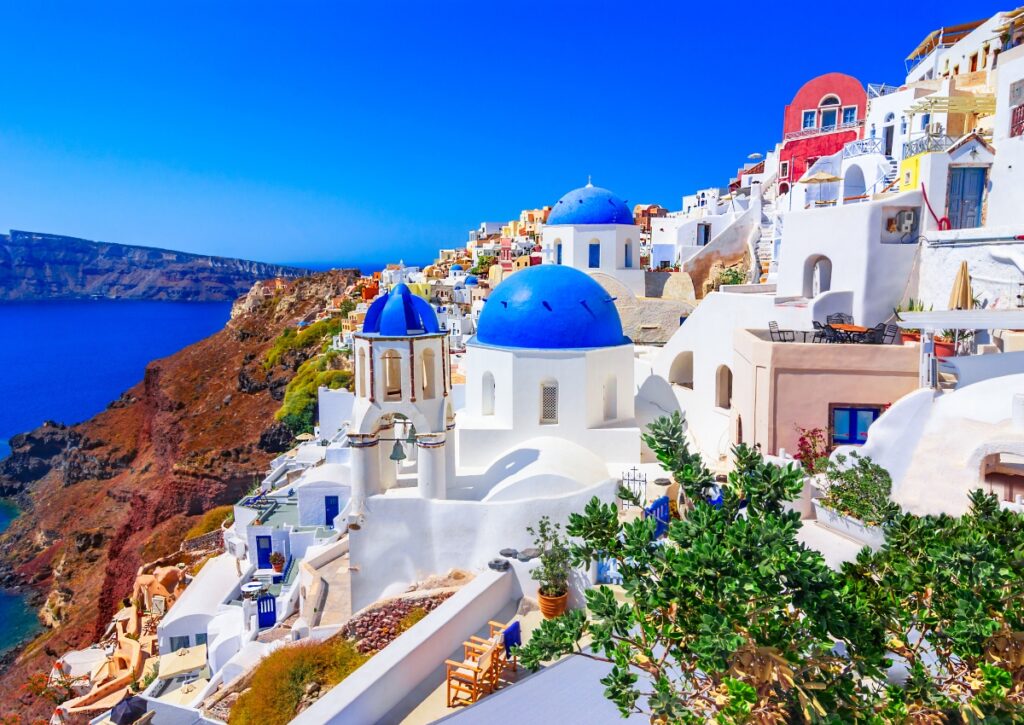
I know, I know. Santorini is about as original a recommendation as saying “pizza is good.” But here’s why it earned its reputation: the place looks exactly like the photos. That almost never happens. Usually, destinations are either over-hyped disappointments or pleasant surprises. Santorini just is what it claims to be—a volcanic island with white-washed buildings perched on cliffs, blue-domed churches, and sunsets that make you understand why humans invented cameras.
Getting There Without Going Broke
Flying into Athens and catching a ferry sounds romantic until you realize the ferry takes eight hours and costs nearly as much as flying direct to the island. Just book the 45-minute flight on CheapOair—I’ve found flights as low as €50 if you’re flexible with times. The “authentic experience” of a long ferry ride loses its charm around hour three when you’re seasick and questioning your life choices.
The island itself runs on a summer-winter binary. May through September means crowds, heat, and prices that’ll make you wince. Daily budget: €250-400 for a decent cave hotel with a caldera view, meals at nice restaurants, and some wine. October means shoulder season—still warm, fewer tourists, and hotels desperate to fill rooms before winter. Daily budget drops to €150-250. November through March? Most places close, but if you don’t mind limited options, you can snag caldera-view hotels for €80 a night.
Where to Actually Stay (Not Just Oia)
Everyone wants to stay in Oia because that’s where the Instagram shots come from. Here’s what happens: you pay triple the price for a view you’ll see for maybe two hours at sunset while jammed between fifty other couples doing the same thing. The village has maybe three streets and feels like a movie set designed specifically for tourist photos.
I’m telling you to look at Imerovigli instead. It’s ten minutes north, has the same views, costs 30% less, and you can actually breathe. We stayed at a family-run cave hotel where breakfast came with homemade yogurt so thick you could stand a spoon in it, and honey from their own bees. The owner, Dimitris, gave us his personal route for the Fira-to-Oia hike that avoided the worst of the crowds.
If you’re on a tighter budget, Perissa on the black sand beach side of the island has hotels for €50-80 a night. You lose the caldera views, but you gain actual beaches and restaurants where locals eat. Rent an ATV for €30 a day, and you can zip up to Oia for sunset, then escape back to affordable territory.
The Food Situation (It’s Expensive, Deal With It)
Greek islands aren’t cheap to eat on, especially tourist-heavy Santorini. A dinner with wine at a caldera-view restaurant runs €80-120 for two. Worth it once for the experience? Sure. Every night? Your credit card will weep.
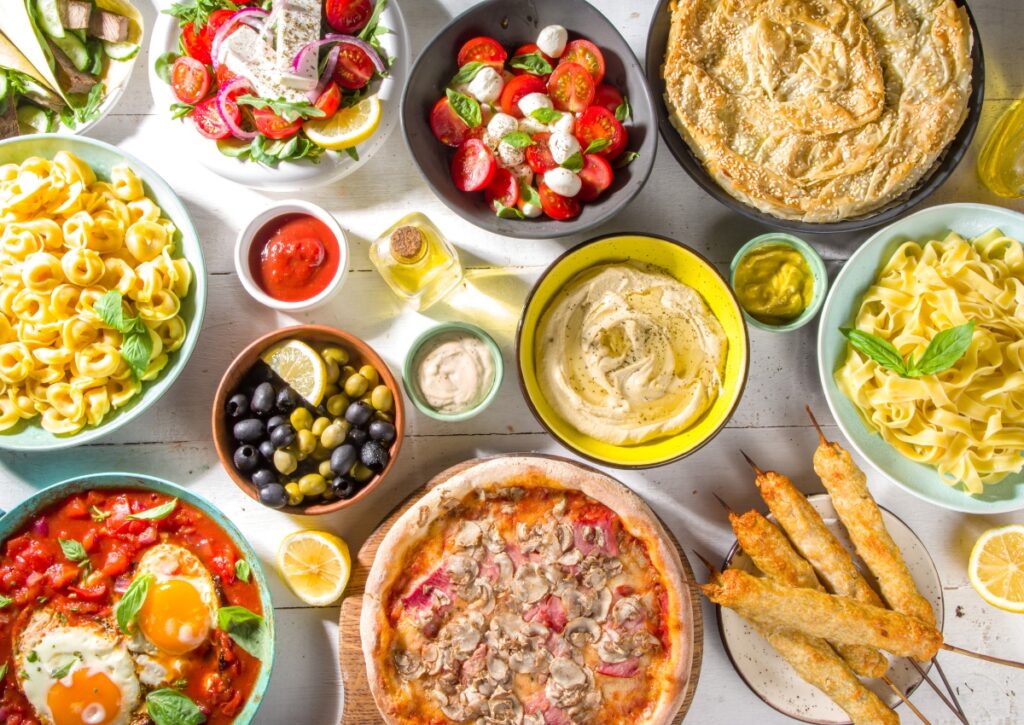
Here’s the move: eat breakfast at your hotel (most include it), have a big lunch at Metaxy Mas in Exo Gonia (€30-40 for two, generous portions, actual locals eat here), then do sunset with wine and cheese you bought from the supermarket in Fira. The Carrefour Market near the cable car station sells decent wine for €6-10 a bottle and local cheeses that cost a third of what restaurants charge.
For the splurge meal, skip the obvious Caldera restaurants and book Selene in Pyrgos. It’s Michelin-guide listed, serves modern Greek cuisine, and feels more like a dinner party than a tourist trap. The tasting menu runs about €90 per person but includes wine pairings and seven courses that’ll spoil you for regular tavernas.
What to Actually Do Besides Take Photos
The Fira-to-Oia hike everyone recommends? Do it in reverse (Oia to Fira) and start at 7am. You’ll have the path mostly to yourself, the light is better for photos, and you end in Fira, where there’s more to do than in Oia. Takes about two hours at a leisurely pace. Bring water—there’s no shade, and the Aegean sun doesn’t care that you’re on your honeymoon.
Book a catamaran sunset cruise through GetYourGuide (around €100-140 per person depending on season). I’m usually skeptical of these tourist activities, but sailing around the caldera while the sun sets and someone else handles the logistics? That’s the kind of laziness a honeymoon requires. They include dinner, wine, and a stop at the hot springs, where you can swim in volcanic-warmed water. Just know the “hot springs” are more like “slightly warm springs,” and you’ll smell faintly of sulfur afterward.
Rent a car or ATV and explore the inland villages. Megalochori has narrow streets, traditional architecture, and zero cruise ship tourists. Pyrgos sits on the island’s highest point with a medieval castle and views across the entire island. Both have family tavernas where lunch for two costs €20-25 and tastes infinitely better than the waterfront tourist joints.
The Reality Check
Santorini in peak season feels manufactured. You’ll wait in lines for everything. Restaurants will rush you through dinner to seat the next couple. The magic gets diluted by the sheer volume of people doing exactly what you’re doing.
But here’s the thing—even knowing all that, watching the sun drop into the Aegean while the caldera glows orange and pink, with your person next to you and a glass of Assyrtiko in your hand? It cuts through the cynicism. Just book shoulder season, stay in Imerovigli, and temper your expectations with reality. It’s still special. Just not in a vacuum.
2. Paris, France – Cliché for a Reason
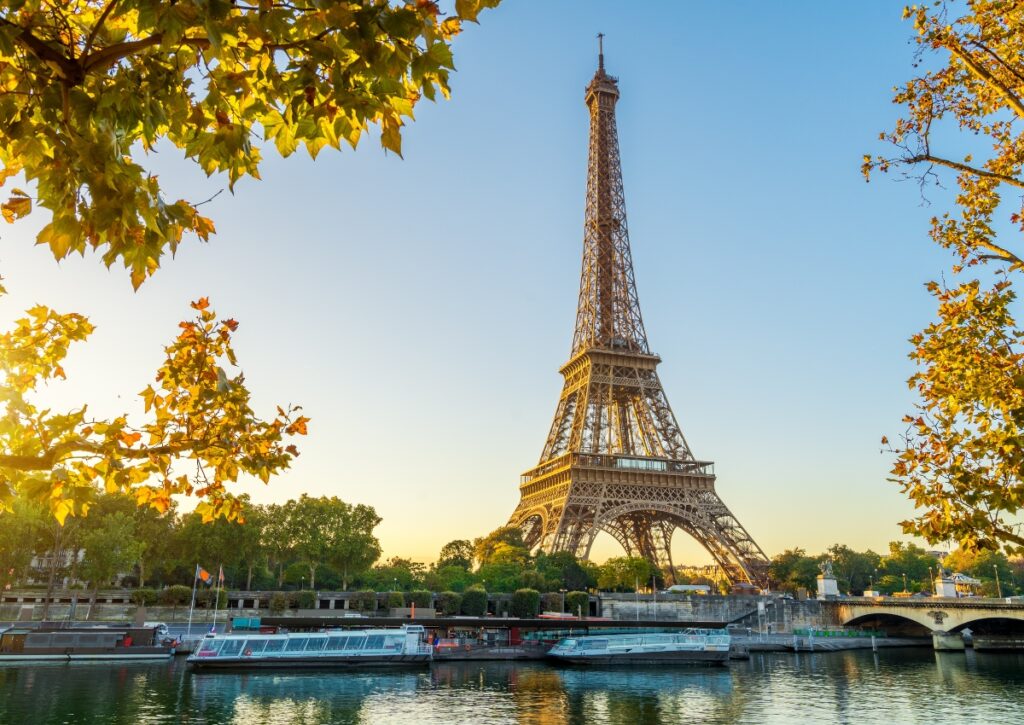
Paris is the most obvious honeymoon destination in Europe, maybe the world. It’s been done to death. Every rom-com has a scene here. Your expectations are probably impossibly high. And you should still absolutely go, because sometimes things are popular because they’re actually that good.
The Money Talk Nobody Wants to Have
Paris isn’t cheap, but it’s not as expensive as people make it out to be—if you know where to spend and where to save. Daily budget expectations: €150-200 for budget travelers (hostels or budget hotels, groceries, walking everywhere), €250-350 for comfortable middle-range (nice 3-star hotel, mix of restaurants and markets, some taxis), €500+ for luxury (4-5 star hotels, Michelin dining, cars/taxis).
The single biggest expense will be accommodation, and location matters enormously. A hotel in the 1st arrondissement near the Louvre costs double what you’d pay in the 11th or 18th, but you’ll spend €4-6 on Metro tickets every time you go anywhere. Use Booking.com to filter by arrondissement and read the actual location reviews—”walking distance to everything” in Paris means very different things depending on who’s writing it.
Where to Stay (The Arrondissement Matters)
The Marais (3rd and 4th arrondissements) hits the sweet spot—central, walkable, full of restaurants and cafes, with enough actual Parisians living there that it doesn’t feel like a theme park. We stayed in a tiny apartment hotel near Place des Vosges for €140 a night in October. Could hear our neighbors’ entire lives through the walls, but the location made up for it.
Saint-Germain-des-Prés (6th) feels more traditionally romantic—tree-lined boulevards, famous cafes, and closer to the river. Also more expensive. Expect €180-300 per night for decent hotels.
Want cheaper? Belleville (20th) has a younger, more diverse vibe, great Vietnamese food, and hotels for €80-120. You’re not walking to the Eiffel Tower from here, but you’re on the Metro line and experiencing a side of Paris most tourists miss.
Transportation and Getting Around
Buy a Navigo Pass for the week (€30) if you’re staying five or more days. It covers unlimited Metro, bus, and RER within central Paris. The Metro runs until around 1am (2am on weekends), and walking is often faster than waiting for connections during the day.
Welcome Pickups is clutch for the airport transfer if you’re arriving exhausted—€50-70 for a private car that’ll actually wait for you and help with bags, versus fighting your way onto the RER B with luggage and jet lag. Sometimes paying to avoid stress is the right call.
Get comfortable walking. Paris is a walking city, and you’ll miss half the good stuff if you’re always underground. Wear shoes you’ve broken in. The romance of Paris dims considerably when you’ve got blisters from cute-but-impractical footwear.
Eating Your Way Through the City
Here’s the pattern that works: breakfast at a cafe (€8-12 for coffee and croissant for two), big lunch at a bistro (€30-50 for two with wine), light dinner from a market or bakery (€15-20). This keeps costs reasonable while ensuring you actually eat well.
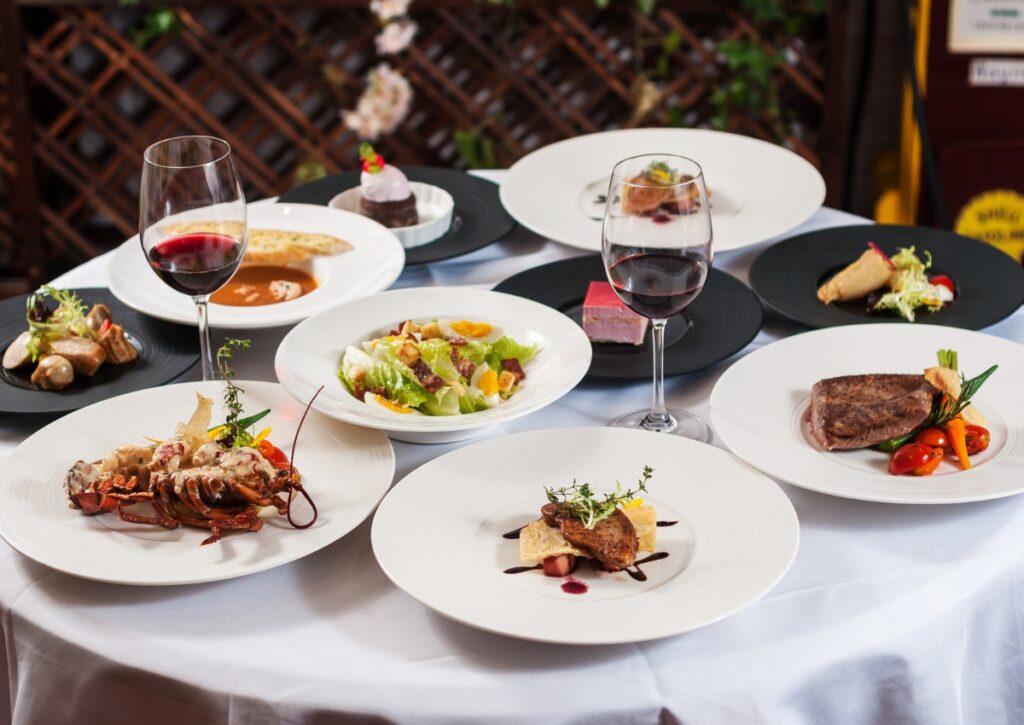
Le Comptoir du Relais in Saint-Germain does a lunch menu for €25 that includes wine and would cost €60 at dinner. Show up at 11:45am or 1:45pm to avoid the worst queues. The duck confit falls off the bone, and the house wine comes in those stubby French glasses that somehow make wine taste better.
For the splurge meal, skip the Eiffel Tower restaurants (overpriced, underwhelming, you’re paying for location) and book Septime in the 11th if you can score a reservation (good luck), or Frenchie in the 2nd (easier to get into, nearly as good). Budget €100-150 per person for the full experience.
The real secret? Parisian markets. Marché Bastille (Thursday and Sunday) runs along Boulevard Richard-Lenoir and sells everything—cheeses aged properly, bread still warm, roasted chickens, wine, and fruit that actually tastes like fruit. Buy supplies, head to Square des Vosges or along the Seine, and have a picnic that costs €20 and tastes better than most restaurant meals.
Actually Useful Things to Do
The Eiffel Tower is mandatory, but do it right. Book timed entry tickets through the official website weeks ahead (GetYourGuide also sells skip-the-line access). Go at sunset to see it in daylight, twilight, and illuminated. The champagne bar at the top is touristy as hell and weirdly worth it—€15 glasses of champagne while overlooking the city checks every honeymoon box.
Musée de l’Orangerie beats the Louvre for honeymoons. It’s smaller (you won’t get exhausted), less crowded, and Monet’s Water Lilies fill two oval rooms designed specifically for them. Sit on the benches in the center and just… look. It’s weirdly meditative.
Rent bikes through the Vélib’ system (€5 for a day pass) and ride along the Seine. The dedicated bike paths mean you’re not dying in traffic, and you can cover way more ground than walking. Stop at Île Saint-Louis for Berthillon ice cream (€4-6 per scoop, cash only, worth the hype).
Take a cooking class. Yeah, it’s touristy. But learning to make macarons or coq au vin with a French chef in someone’s apartment while drinking wine is exactly the kind of touristy that makes sense on a honeymoon. GetYourGuide has options from €80-150 per person. You’ll eat what you make, drink more wine than expected, and have actual skills to take home.
The Paris Reality
Paris has a reputation for being rude to tourists. In reality, Parisians are just… French. They appreciate effort. Learn “Bonjour,” “Merci,” “Parlez-vous anglais?” and watch interactions go from cold to cordial. The city runs on formality and politeness conventions Americans and Brits aren’t used to. It’s not personal.
The Metro smells like piss in summer. Some neighborhoods are sketchy. You’ll see poverty and homelessness. The city isn’t a movie set—it’s a real place with real issues. This doesn’t make it less romantic; it makes it real.
But walking along the Seine at night when the bridges are lit up, or sitting in a cafe watching the city move around you, or getting lost in the Marais and stumbling onto a perfect wine bar—Paris delivers on its promises if you let it.
3. Amalfi Coast, Italy – Drama and Lemons
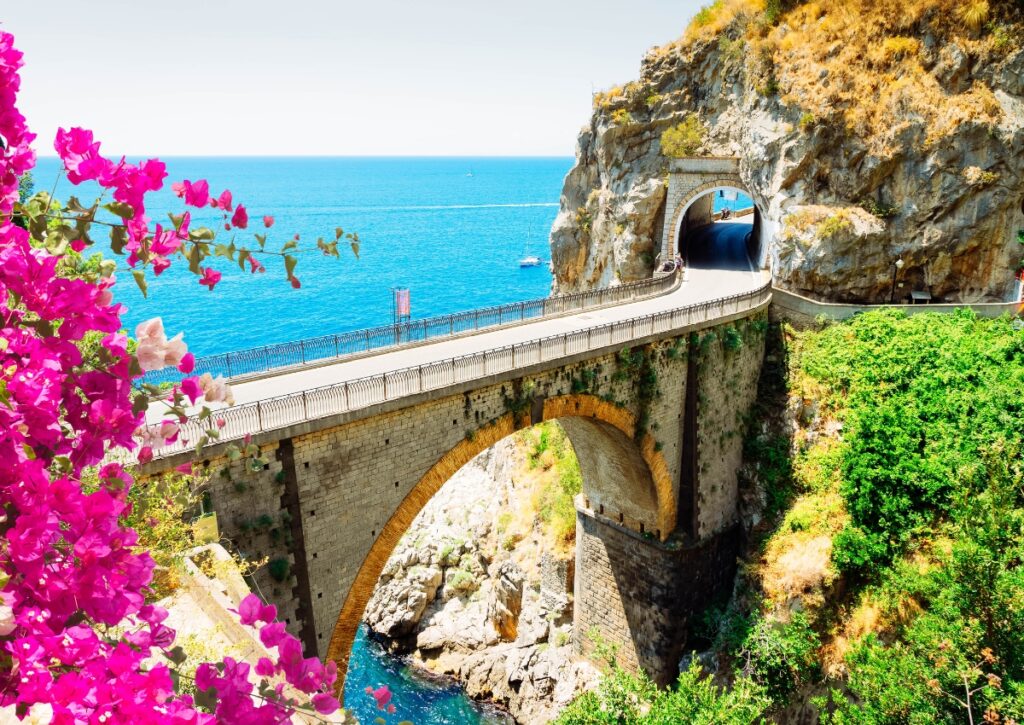
The Amalfi Coast is what happens when Italy decided to build villages on cliffs that seem physically impossible to build on. It’s dramatic, colorful, and runs on lemons—limoncello, lemon pasta, lemon sorbet, lemon everything. If you’re not into citrus, maybe skip this one.
Getting There and Getting Around
Fly into Naples (cheaper) or Rome (more options). From Naples, you can take the Circumvesuviana train to Sorrento, then ferries or buses along the coast. From Rome, rent a car or take a train to Naples first. GetRentacar has good deals on car rentals (€40-60 per day), but fair warning—driving the coast road is not for the faint of heart. It’s narrow, winding, full of tour buses, and lined with drops that’ll make you religious.
I vote for ferries. They run from April through October, connecting Sorrento, Positano, Amalfi, and other towns (€8-15 per person per trip). You see the coast from the water, avoid the traffic nightmare, and arrive less stressed. The only downside is they don’t run off-season, and schedules depend on the weather.
Daily budget expectations: €200-300 for comfortable travel (nice B&B or 3-star hotel, restaurants with views, ferries, and occasional taxis), €400-600 for luxury (boutique hotels, Michelin dining, private drivers). Budget travel is tough here—the coast isn’t backpacker-friendly.
Where to Base Yourself
Positano is the postcard image—colorful buildings cascading down the cliff to a small beach. It’s also the most expensive and most crowded. Hotels start at €200 and climb to €800+ per night. Dinner with a view runs €60-100 for two before wine. It’s beautiful, but you’re paying a premium for being able to say you stayed in Positano.
Amalfi town is bigger, more functional, and cheaper. Hotels run €120-250. It’s the transit hub, so you have better ferry connections. The cathedral is impressive, and you’re not paying the Positano tax on everything. Less photogenic, more livable.
Ravello sits high above the coast with mountain views and gardens. It’s a quieter, older crowd, more about tranquility than beach life. Perfect if you want to avoid the chaos below. Hotels are surprisingly reasonable (€100-200), and you can take buses down to the coast towns when you want action.
I’d split time between Positano (2-3 nights for the experience) and Amalfi or Ravello (3-4 nights for sanity and budget). Book through Booking.com and filter by “breakfast included”—many small hotels serve incredible spreads that’ll keep you full until dinner.
The Food and Drink Reality
Everything tastes better with a view, and restaurants here know it. Expect to pay €20-30 for pasta at a cliffside spot, €40-50 for seafood mains, plus wine. Is it worth it? Sometimes. The pasta alle vongole at Da Adolfo in Positano (accessible only by boat) justified its €22 price tag. The mediocre pizza we paid €18 for because it had a view? Not so much.
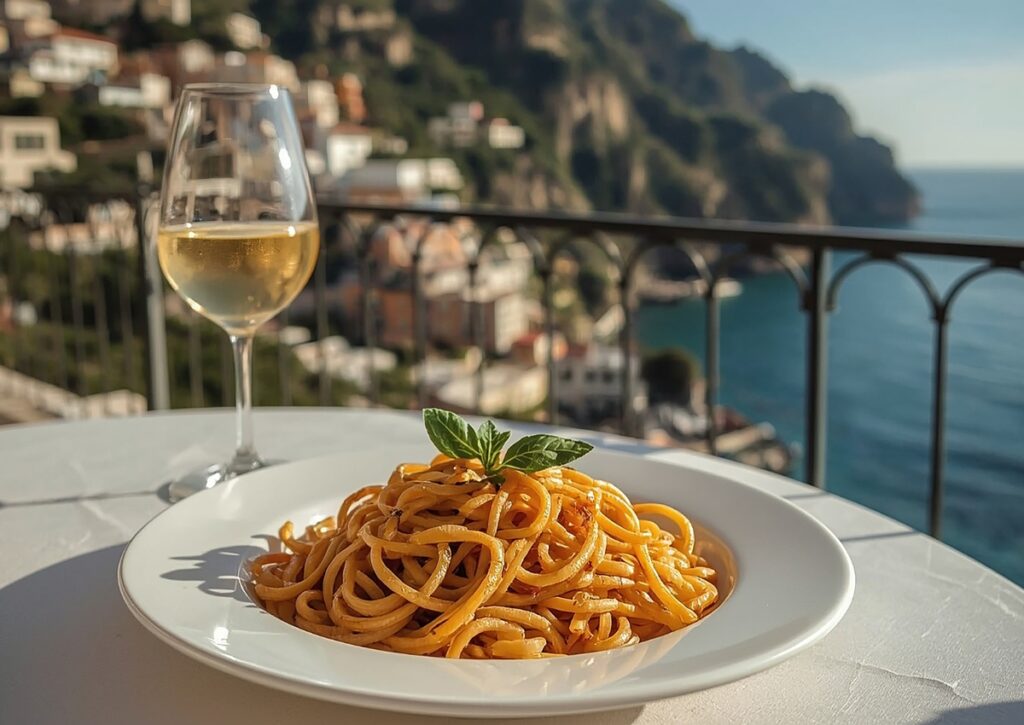
Shop at local delis for lunch supplies—mozzarella di bufala, prosciutto, fresh bread, tomatoes, and wine cost about €20 total and taste incredible when eaten on a beach or hillside. The small grocery stores in each town stock enough for picnic lunches that’ll save you €30-40 per day.
Limoncello is everywhere and ranges from homemade firewater to smooth, sippable digestifs. Every restaurant makes its own and will offer you a complimentary glass after dinner. Accept it. The hangover is worth the experience, and saying no offends Italian hospitality.
For the splurge meal, book Rossellinis in Ravello (2 Michelin stars, tasting menu €150-200 per person) or Don Alfonso 1890 near Sorrento (also 2 stars, similar prices). These aren’t just meals—they’re experiences where food becomes art, and you understand why Italians take dining seriously.
Things to Do Beyond Eating and Looking
Hike the Path of the Gods from Bomerano to Nocelle. It’s 7-8 kilometers, takes 3-4 hours, and offers the best views of the coast without the crowds. Start early (7-8am) before the heat gets brutal. Bring water, sunscreen, and real shoes—this isn’t a paved path. At the end, reward yourself with drinks at a bar in Nocelle before taking the stairs down to Positano (lots of stairs, your calves will hate you).
Rent a private boat for the day through GetYourGuide (€150-300 depending on season and boat size). Visit the Emerald Grotto, swim in hidden coves, and see the coast from the water. Most include prosecco and snacks. It’s indulgent and exactly what honeymoons should be.
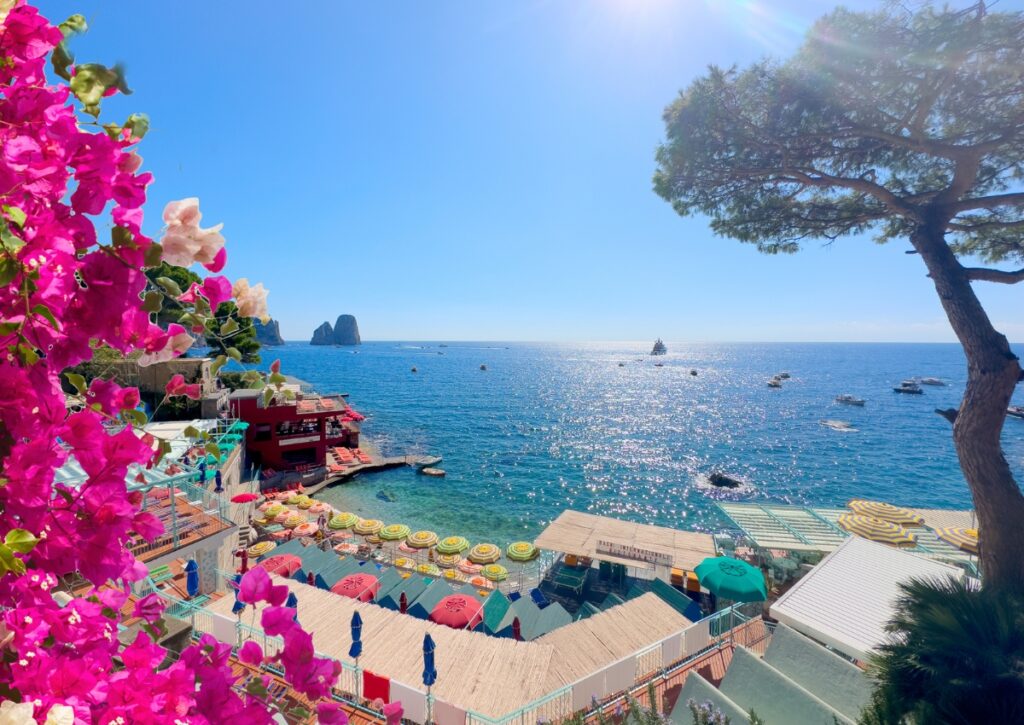
Take the ferry to Capri for a day trip. The island is ridiculous—expensive, crowded, and full of people who look like they stepped out of a yacht catalog. But the Blue Grotto is genuinely special (€18 entry, weather-dependent, worth the wait), and hiking up to Monte Solaro offers 360-degree views that make you forgive the tourist madness below.
Visit Ravello’s gardens—Villa Cimbrone and Villa Rufolo. €7-10 entry each, perfectly manicured, views that make you understand why everyone from Wagner to Gore Vidal fell in love with this place. Go late afternoon when day-trippers leave.
Sustainable Tourism on the Coast
The Amalfi Coast is being loved to death. Cruise ships dump thousands of tourists daily in summer. Traffic clogs the single road. Local life gets squeezed out by vacation rentals and souvenir shops.
You can help: travel shoulder season (April-May, September-October), stay in locally-owned B&Bs instead of chains, eat at family-run restaurants away from the main drags, take ferries instead of taxis, and respect the fact that people actually live here. Don’t block doorways for photos. Don’t blast music on beaches. Tip service workers properly.
Use a Revolut or Wise card for payments to avoid awful exchange rates and fees—you’ll save 2-3% on every transaction, which adds up fast.
Timing Your Visit
June-August is peak chaos. Hot, crowded, expensive, but the most reliable weather. April-May and September-October offer mild temperatures, fewer crowds, lower prices, and the risk of rain. November-March means many places close, ferries don’t run, and you’re limited on options—but if you want the coast almost to yourself and don’t mind cold weather, it’s an experience.
The coast is beautiful, but it’s not easy to travel. You’ll climb a lot of stairs. You’ll sweat through your clothes. You’ll spend more than planned. And you’ll understand why people come back again and again.
4. Prague, Czech Republic – Gothic Romance on a Budget
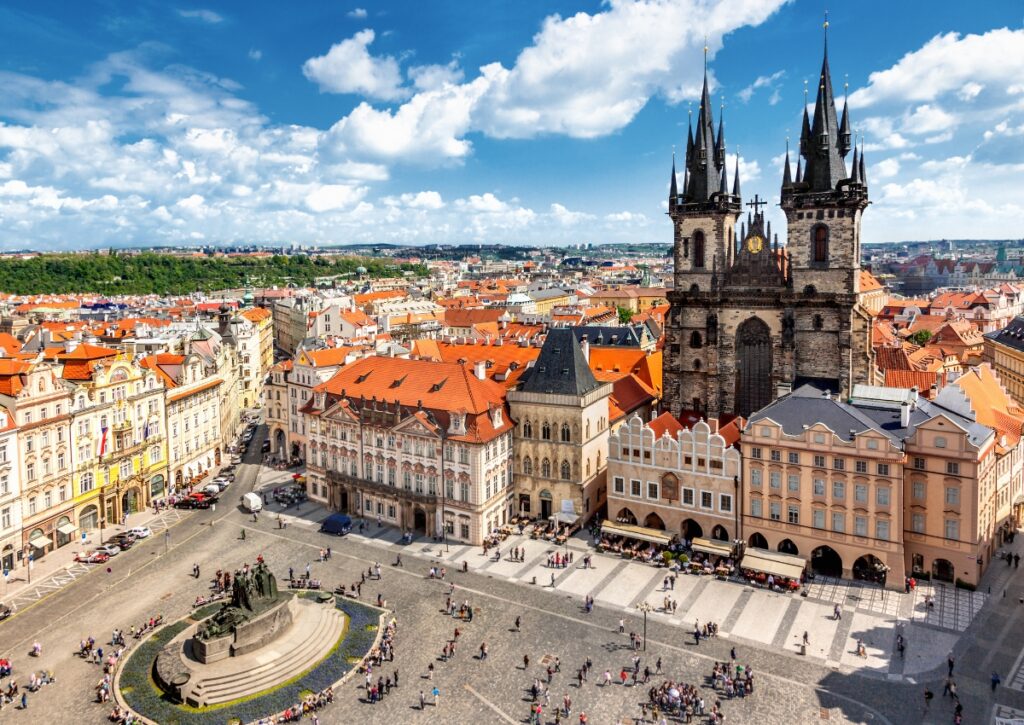
Prague is criminally underrated for honeymoons, probably because it doesn’t scream “romance” the way Paris or Venice does. But here’s what it offers: fairy-tale architecture, world-class beer for €2 a pint, incredible food at reasonable prices, and crowds that thin out significantly outside the main tourist corridor. Plus, it’s cheaper than Western Europe while feeling just as special.
The Money Advantage
The Czech Republic uses the Czech koruna (CZK), not the euro, and your money goes significantly further here. Daily budget expectations: €80-120 for budget comfort (nice hotel, good restaurants, beer and activities), €150-200 for splurge-level treatment that would cost triple in Paris. Even luxury hotels rarely top €250 per night.
Use Revolut or Wise for payments instead of exchanging cash—you’ll get the real exchange rate without the 5-10% markup from exchange offices (which are everywhere and all trying to rip you off). ATMs work fine, but decline the “helpful” conversion to euros they offer—it’s a scam that costs you extra.
Where to Stay (Neighborhood Actually Matters)
Old Town and Lesser Town are where everyone wants to stay. Hotels run €120-200 per night, and you’re in the thick of tourist action—good and bad. You can walk to everything, but you’ll also hear drunk bachelor parties at 2am.
Vinohrady is my recommendation. It’s 15 minutes from Old Town by tram, residential, full of cafes and wine bars where locals actually go, and hotels cost €70-120. We stayed near Náměstí Míru and had a neighborhood bakery, several excellent restaurants, and a park within two blocks. Felt like living in Prague, not just visiting it.
Karlín is the up-and-coming area—a former industrial zone turned hip neighborhood with a great food scene and lower prices (€60-100 per night). It’s a 20-minute walk to Old Town along the river, or a quick tram ride.
Book through Booking.com and specifically look for Art Nouveau buildings or historic conversions. Prague has incredible architecture, and staying in a restored 1890s building adds to the atmosphere.
Getting Around
Buy a 3-day or 5-day transit pass (€14 or €21) that covers trams, metro, and buses. The system is efficient, clean, and runs from 5am to midnight. After midnight, night trams run every 30-40 minutes. Validate your ticket when you board—ticket inspectors are common, and fines are €50+ if you’re caught riding without a valid ticket.
Prague is extremely walkable. The city center is compact, and half the experience is wandering the streets and finding random architectural details. Wear comfortable shoes—the old town is all cobblestones that look romantic but destroy your feet after six hours.
Welcome Pickups from the airport runs about €25-30 and saves you navigating public transport with luggage after a long flight. The public bus-to-metro combination costs €2 but takes longer and involves more stress than you want on arrival day.
Eating and Drinking (The Hidden Strength)
Czech food gets a bad rap as heavy and boring. Done right, it’s comfort food heaven—slow-cooked meats, dumplings that actually work with the sauces, and sauerkraut that’s tangy instead of soggy. Plus, the beer. My god, the beer.
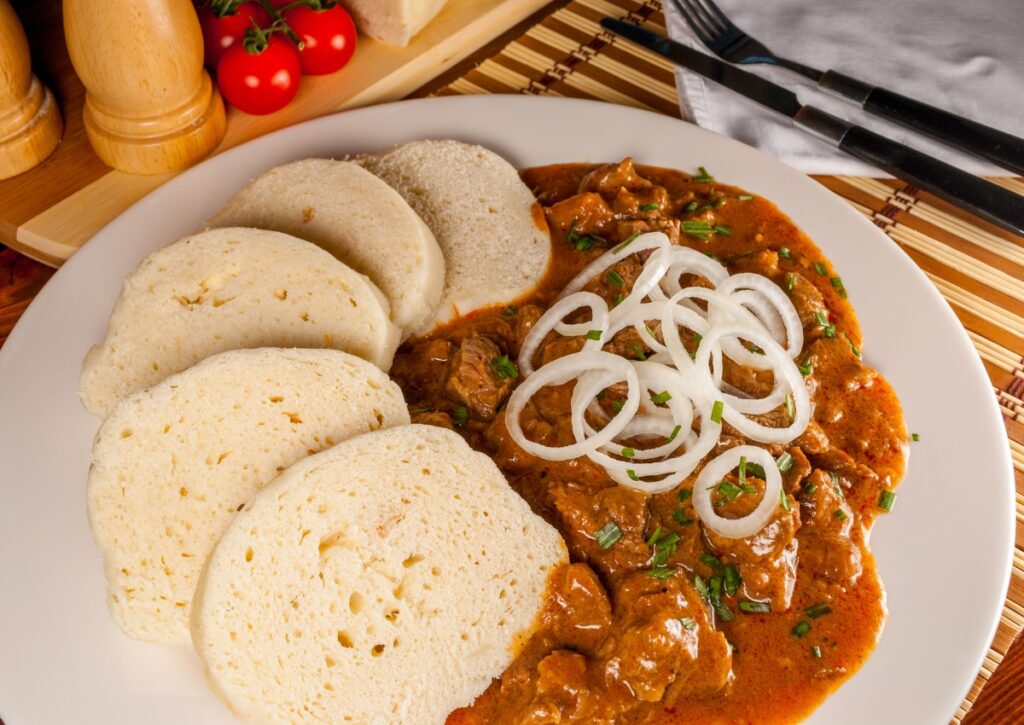
Expect to pay €8-15 per person for a full meal at a traditional hospoda (pub), including beer. At nice restaurants, you’re looking at €20-35 per person, including drinks. Even upscale dining rarely tops €50 per person. The food-to-price ratio makes Western Europe look like robbery.
Lokál is a small chain that does traditional Czech food properly—svíčková (beef in cream sauce) with dumplings, amazing beer, long communal tables, and bills that feel like pricing errors. Expect €10-12 per person for a massive meal plus beer. They don’t take reservations, so go at off-peak times (3pm or 9pm).
For the romantic splurge, book Field in Karlín—modern Czech cuisine, Michelin guide recommended, tasting menu around €60 per person. Or La Degustation Bohême Bourgeoise in Old Town (€120 per person, 7-course tasting menu, proper fancy).
The beer culture is serious here. Pilsner Urquell originated in Bohemia. Budvar is the original Budweiser before the American version stole the name. Small breweries create complex lagers that make you realize beer can be sophisticated. Most bars serve half-liters (€2-4), and it’s completely normal to drink three or four over an evening. Pace yourself—Czech beer is stronger than you think.
Things to Do That Aren’t Just the Castle
Yes, visit Prague Castle. It’s the largest ancient castle complex in the world, and the views from up there justify the climb. But book tickets online to skip the ticket office queues, go first thing in the morning (8am) or late afternoon (4pm), and focus on St. Vitus Cathedral inside—the stained glass is incredible, especially the Art Nouveau pieces by Alphonse Mucha.
Walk across Charles Bridge at 6am before the street vendors and crowds arrive. It’s empty, misty, and actually lives up to the romance reputation. Return at night when it’s lit up. Avoid mid-day unless you enjoy moving at a shuffle pace behind tour groups.
Spend an afternoon in Vyšehrad—the other castle complex everyone skips because it’s south of the center. It’s quieter, has better views of the river, includes a cemetery where famous Czechs are buried (Dvořák, Mucha), and feels more like a park than a tourist site. Entry is free.
Take a GetYourGuide evening river cruise (€25-40 per person) with dinner and drinks. You’ll see the city from the water, avoid walking for a few hours, and the illuminated castle and bridges look genuinely magical from the Vltava.
Visit during December for the Christmas markets—Old Town Square and Wenceslas Square transform into wooden market stalls selling mulled wine (€3-4), trdelník (rolled pastry, touristy but delicious), and handmade crafts. It’s cold, crowded, and completely worth it. The giant Christmas tree in Old Town Square is lit at 4:30pm when it gets dark, and there’s something about drinking hot wine while snow falls that hits every romantic checkbox.
The Jazz and Classical Music Scene
Prague has a classical music tradition that rivals Vienna but costs a fraction. Churches and concert halls host performances almost nightly—€15-40 for chamber music in a baroque church beats €150 for the opera. Check Estates Theatre, where Mozart premiered Don Giovanni, or catch organ recitals at St. Nicholas Church in Lesser Town.
The jazz scene is equally strong. AghaRTA Jazz Club in Old Town books international acts, and even the cover charge rarely tops €10. Jazz Dock by the river has live music nightly, outdoor seating in summer, and a drink minimum that costs less than one cocktail in Paris.
Day Trip Worth Taking
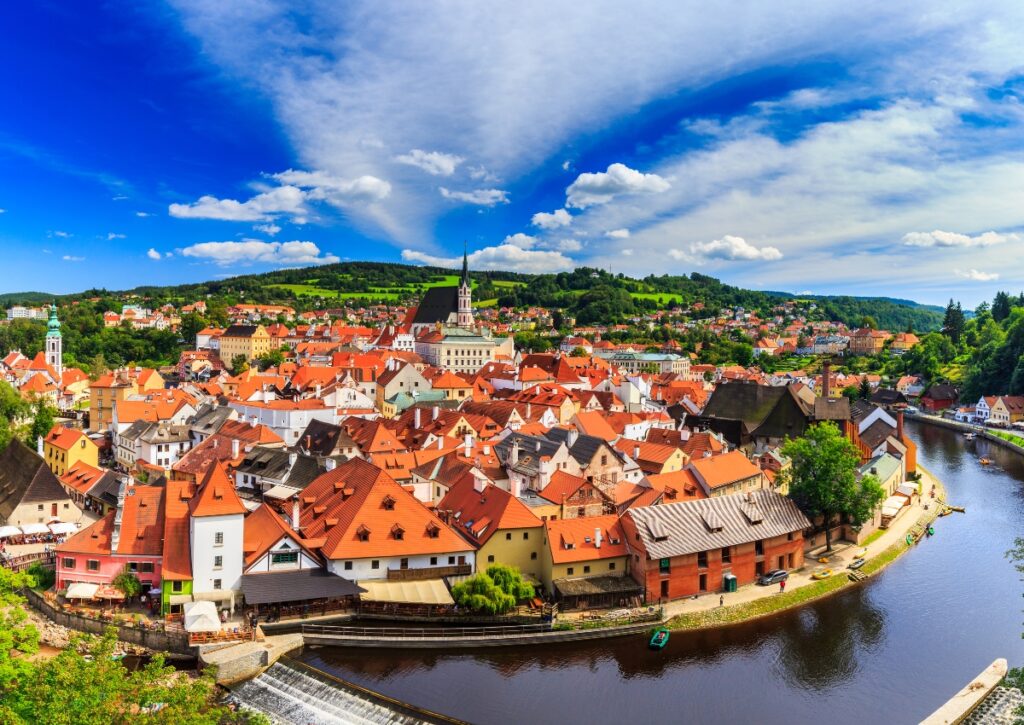
Český Krumlov is 3 hours south by bus (€8-12 each way) and looks like Prague’s little brother—a UNESCO town with a castle, river, and medieval architecture. It’s touristy but legitimately charming. Go for the day, walk the castle gardens, have lunch by the river, and take the evening bus back. Don’t stay overnight unless you enjoy extreme tourist density—day-trippers leave around 4pm, and the town empties out, but hotels are overpriced for what you get.
Why Prague Works for Honeymoons
It’s affordable enough that you’re not stressed about money. It’s beautiful enough that you feel like you’re in a storybook. It’s manageable in size—you won’t exhaust yourself trying to see everything. And it’s got enough beer, food, and history to keep you engaged without feeling like homework.
The only downsides: it’s become increasingly popular with stag parties (British guys getting drunk), summer crowds can be intense in Old Town, and every restaurant in the tourist zone will try to scam you with conversion tricks. Check bills carefully, always decline “conversion to euros,” and venture beyond the main squares. The real Prague is in the neighborhoods, not the postcard shots.
5. Scottish Highlands – Moody, Remote, and Unexpectedly Romantic
Stay with me here. I know Scotland doesn’t make most honeymoon lists, and “moody mountains in the rain” doesn’t sound sexy compared to Italian beaches. But if you want something different—proper different, not just “off-season Paris” different—the Highlands deliver a kind of stark, wild romance that’s hard to find anywhere else in Europe.
What You’re Actually Signing Up For
Let’s be clear about expectations. The weather will probably be shit at least half the time. “Four seasons in one day” isn’t a cute saying—it’s a warning. You’ll need waterproof clothing and layers. The midges (tiny biting flies) in summer are legendary and miserable. Many places are remote enough that you need a car and good navigation skills.
But here’s the payoff: landscapes that look like Middle-earth, lochs that mirror mountains perfectly, castles that aren’t Disney-fied tourist traps, whisky distilleries where they actually make the stuff, and almost no crowds. You can find absolute solitude in the Highlands, which is increasingly rare in Europe.
Daily budget expectations: €150-250 for comfortable travel (decent B&B or 3-star hotel, pub dinners, car rental, fuel, activities). Luxury lodges run €300-500 per night alone, but the experience is exceptional if the budget allows. Budget travel is tough—the remoteness means fewer cheap options.
Getting There and Getting Around
Fly into Edinburgh or Glasgow, spend a day in the city, then rent a car and head north. Use GetRentacar for competitive rates (€40-60 per day). An automatic transmission costs more but is worth it if you’re not comfortable driving a manual on the left side of the road on single-track roads with sheep.
The A82 from Glasgow through Glencoe to Fort William is one of the world’s great drives. It takes about 3 hours without stops, but you’ll stop constantly because every bend reveals another ridiculous view. Budget 5-6 hours and enjoy it.
Single-track roads with passing places are common in the Highlands. Protocol: if you see someone coming, whoever is closest to a passing place pulls in and waits. If someone pulls in to let you pass, wave thanks. It’s a whole system of politeness that keeps traffic moving.
GPS works, but paper maps are a smart backup—signal disappears frequently. Download offline maps before you leave populated areas.
Where to Base Yourself
Fort William is the main town in the southern Highlands—base for Ben Nevis, Glencoe, and the western islands. It’s functional rather than charming, but it has good hotel options (€80-150), restaurants, and supplies. Stay here if you want amenities and day-trip flexibility.
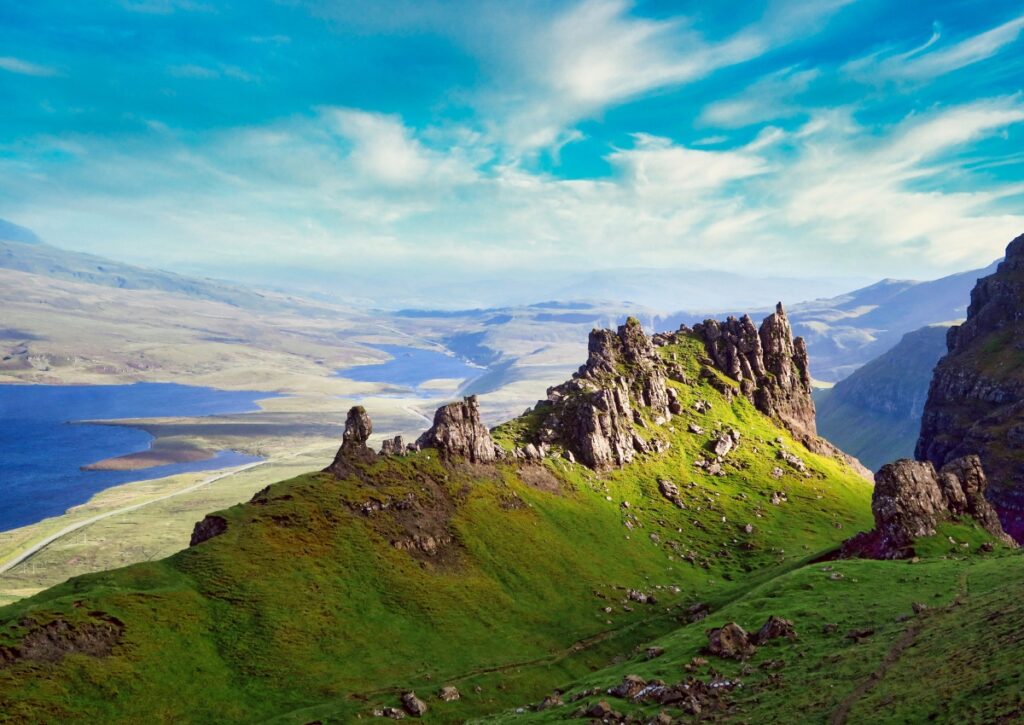
Isle of Skye is the most famous part of the Highlands for good reason. The island is otherworldly—jagged peaks, coastal cliffs, and light that photographers dream about. Stay in Portree (the main town, €100-200 for hotels) or splurge on a rural inn or lodge (€150-300+) for isolation and views.
Inverness is the Highland capital—a bigger city, good food scene, easy base for exploring Loch Ness, whisky trail, and northern Highlands. Hotels run €70-140. Less atmospheric than rural options, but practical.
For maximum romance and isolation, book one of the small luxury lodges or converted estates—Kinloch Lodge on Skye, Torridon in Wester Ross, or Glenfinnan House with views of the famous viaduct. These run €250-400 per night but include incredible dinners, Highland hospitality, and the kind of peace money can’t usually buy.
What to Actually Do
Drive. Seriously, just drive. The North Coast 500 is a 516-mile loop around the northern Highlands, taking in coastal roads, mountain passes, white sand beaches, and villages barely hanging on. It takes 5-7 days if you’re not rushing. Do it clockwise, starting from Inverness. May-September for best weather, though “best” is relative.
Hike. The Highlands are filled with trails from easy loch-side walks to serious mountain ascents. Ben Nevis is the UK’s highest peak (4,413 feet) and a proper challenge—8-10 hours up and down, often in clouds, but the sense of achievement is real. The Old Man of Storr on Skye is shorter (2-3 hours round trip) with rock formations that don’t look real.
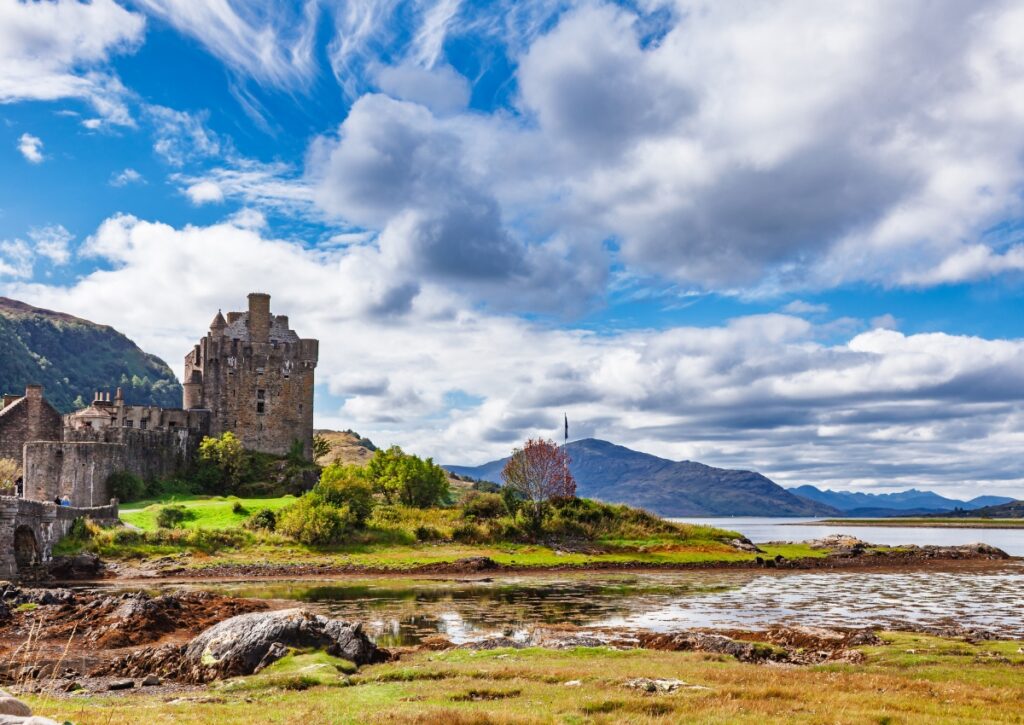
Visit Eilean Donan Castle—the most photographed castle in Scotland for good reason. It sits on an island where three lochs meet, connected by a stone bridge, and looks exactly like what you imagine when someone says “Scottish castle.” €8 entry, or just photograph it from outside (honestly, the exterior is the star).
Tour whisky distilleries. Talisker on Skye makes peaty, maritime single malts and offers tours (€15-40 depending on tasting level). Glengoyne near Loch Lomond is more accessible from Glasgow. Book through GetYourGuide or directly with distilleries—tours include tastings and education about the process. Even if you’re not a huge whisky drinker, the setting and craft are fascinating.
Take the Jacobite Steam Train from Fort William to Mallaig—the train crosses the Glenfinnan Viaduct (yes, the Harry Potter one). Book first-class for €55-75 each and get bigger windows, more space, and included refreshments. The journey takes 2 hours each way through landscapes that make you understand why Scotland has such strong romantic mythology.
The Food Situation
Highland cuisine centers on local ingredients—seafood, game, beef, and potatoes. It’s simple, hearty, and surprisingly good when done well. Pub dinners run €15-25 per person, including drinks. Nicer restaurants are €30-50 per person.
The Oyster Shed in Skye serves oysters pulled from the loch right there—€12 for six, eaten outside with views of the water they came from. It’s perfect. Cafe Sia in Portree does seafood pasta and local crab that’ll make you reconsider Scottish food stereotypes.
For the splurge, Kinloch Lodge on Skye has a Michelin-starred restaurant (5-course dinner around €85 per person). The menu changes daily based on what’s available locally, and they pair dishes with Scottish wines and whiskies you didn’t know existed.
Stock up on supplies at Tesco or Co-op stores in larger towns—the more remote you get, the fewer food options exist. Bringing cheese, crackers, wine, and chocolate for impromptu picnics makes sense when you’re hours from restaurants.
Practical Romance Tips
Book accommodation with bathtubs. After hiking in cold rain, a hot bath overlooking mountains is exactly what honeymoons should include.
Bring a decent camera. The light in Scotland is constantly changing—sun breaking through clouds, mist rolling across lochs, dramatic shadows on mountains. Your phone works, but you’ll wish you had something better for capturing the moments.
Accept that plans will change based on the weather. That hike might be socked in with fog. The ferry to the islands might be cancelled. Build flexibility into your schedule and have backup indoor options.
Pack layers and waterproofs. I can’t stress this enough. The temperature swings 15-20 degrees through the day, and rain comes suddenly. Being cold and wet kills romance faster than anything.
Sustainable Highland Travel
The Highlands are fragile ecosystems dealing with overtourism in specific spots (Isle of Skye, especially) and economic decline in others. You can help by:
- Spreading out visits beyond peak summer months
- Staying in local B&Bs and family-owned hotels instead of chains
- Eating at independent restaurants and buying from local shops
- Following the Scottish Outdoor Access Code—take your rubbish, close gates, don’t disturb wildlife
- Using Revolut or Wise cards to support local businesses without transaction fees eating into their margins
Respect that this is a living landscape where people raise sheep, farm, and run businesses. Don’t block single-track roads for photos. Don’t trespass on private land. Don’t feed wildlife. The Highlands work because of a delicate balance between tourism and local life.
Why Scotland for a Honeymoon?
Because you’ll have experiences that don’t fit Instagram grids. Because you’ll see landscapes that make you feel small in the best way. Because you’ll sit in a pub by a peat fire, drinking whisky while rain hammers outside, and feel more connected to your person than in any sunset-over-the-sea moment.
It’s not tropical beaches. It’s not Mediterranean warmth. But if you want a honeymoon that’s an actual adventure instead of just a pretty vacation, the Highlands deliver.
6. Dubrovnik, Croatia – Game of Thrones Tourism Done Right
Dubrovnik blew up after Game of Thrones used it as King’s Landing, and now cruise ships dump 10,000 tourists daily into a walled city that historically held maybe 5,000. It’s overtouristed, overpriced compared to the rest of Croatia, and still absolutely worth visiting—you just need to be strategic.
The Cruise Ship Problem
Here’s what happens: around 9am, passengers from 2-4 cruise ships flood into Old Town. By 10am, the main street (Stradun) is shoulder-to-shoulder. Restaurants fill up. Prices spike. The experience becomes about surviving crowds instead of enjoying the city. Then, around 4-5pm, they all leave. Suddenly, Dubrovnik transforms back into a medieval city where you can actually breathe.
Your strategy: stay in Dubrovnik at least 2-3 nights so you’re there mornings before 9am and evenings after 5pm when cruise passengers are gone. Check the cruise ship schedule online (published months ahead) and if possible, arrange your stay for days with fewer ships.
Daily budget expectations: €150-250 for comfortable travel (nice 3-star hotel or Airbnb, mix of restaurants, activities), €300-500 for luxury (boutique hotel in Old Town, fine dining, private boat trips). Budget travel is possible at €100-150 if you stay outside Old Town and cook some meals.
Where to Stay
Inside Old Town is the dream—walk out your door into medieval streets, have the city to yourself at night. Problem: hotels cost €250-500+ per night, and you’re living out of a suitcase up multiple flights of narrow stairs (no elevators in 500-year-old buildings). Noise from late-night revelers echoes off stone walls.
Ploče neighborhood, just east of Old Town, offers sea views, a 10-minute walk to the city walls, and hotels at €120-200. We stayed here and could walk into Old Town for dinner, then return to quiet and space.
Lapad peninsula, west of Old Town, is where locals prefer—beaches, restaurants, hotels from €80-180, and a more normal residential vibe. It’s a 15-20 minute bus ride or €15 taxi to Old Town, but you escape the tourist intensity.
Use Booking.com and filter by “sea view” or “Old Town view”—waking up to Adriatic views from your balcony justifies slightly higher prices.
Getting There
Fly direct if possible—Dubrovnik Airport is small, modern, and 20km from the city. Welcome Pickups does transfers for €35-45 and is easier than figuring out buses with luggage. The public bus costs €5 but runs infrequently and takes 45+ minutes with stops.
If you’re road-tripping Croatia (which makes sense—the coast is incredible), note that you’ll cross through Bosnia-Herzegovina for about 20km due to geographical quirks. Have your passport ready. No visa needed for EU/US/UK citizens, just a slight delay at borders.
The City Walls Walk
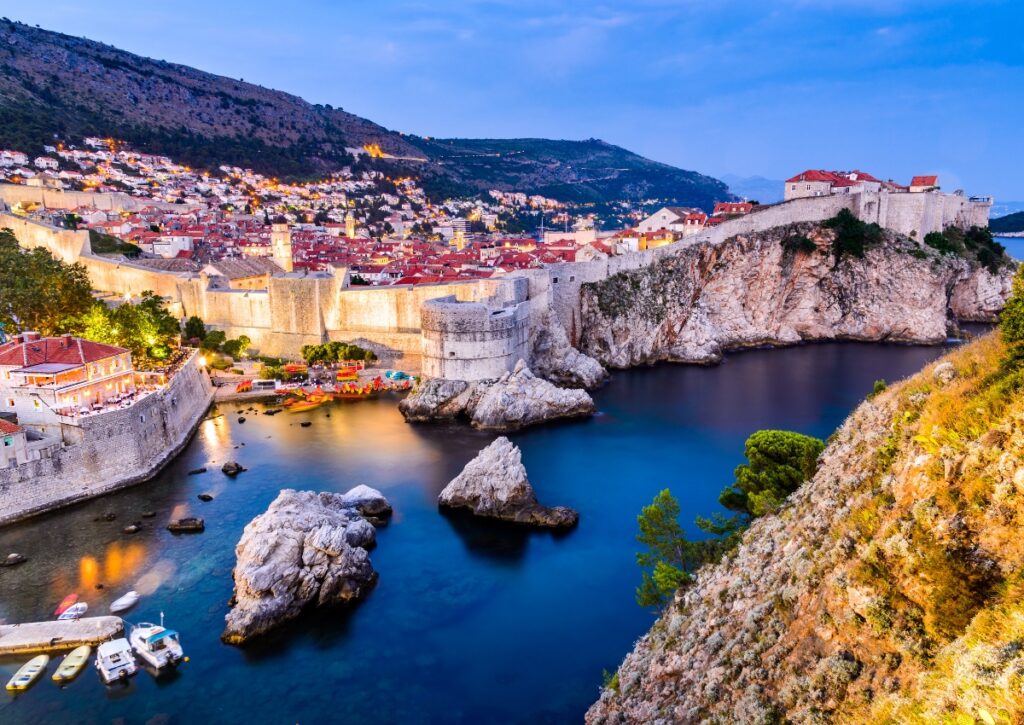
This is mandatory and worth every minute. €35 per person for entry, and it’s the best €35 you’ll spend in Dubrovnik. The walls run 1.2 miles around the Old Town, take 60-90 minutes at a leisurely pace, and offer views that make you understand why Dubrovnik is called the Pearl of the Adriatic.
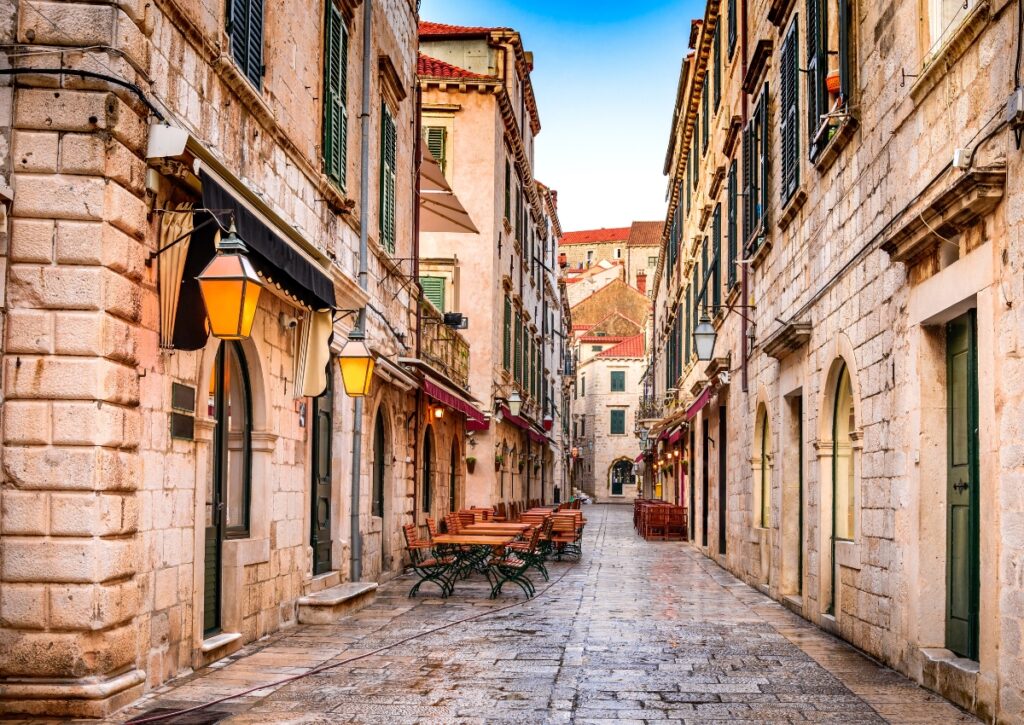
Go early—the walls open at 8am in summer, and if you’re there right at opening, you’ll have sections almost to yourself. By 10am it’s a slow-moving conga line. Bring water, sunscreen, and a hat—there’s no shade, and stone reflects heat brutally.
Eating and Drinking
Tourist restaurants on Stradun charge €18-25 for mediocre pasta and €8 for beer. You’re paying for location, not quality. Walk three minutes off the main drag and prices drop 30%.
Konoba Dalmatino in Old Town does traditional Dalmatian food—black risotto, grilled fish, peka (slow-cooked meat and vegetables under a bell)—for reasonable prices (€15-25 per person). Get there at 6:30pm before cruise passengers are gone, but before dinner rush hits.
Restaurant 360 on the city walls is Dubrovnik’s Michelin-starred restaurant. Tasting menu runs €120-180 per person, and you’re literally dining on the ramparts overlooking the harbor. It’s a splurge, but the setting and food justify it if you have the budget.
For cheaper meals, head to Gundulićeva Poljana Market in the morning—fresh produce, local cheese, prosciutto, bread, and wine. Buy supplies and picnic on the rocks outside the city walls. The locals swimming and sunbathing on those rocks have the right idea.
Island Hopping and Boat Trips
Dubrovnik is the gateway to the Elafiti Islands—a chain of small islands perfect for day trips. GetYourGuide offers boat tours (€50-80 per person) hitting multiple islands, including swimming stops, lunch, and wine. Or take the public ferry to Lokrum Island (€5 return) and spend the day hiking, swimming in saltwater lakes, and visiting the medieval monastery.
Rent a kayak and paddle around the city walls—it’s a unique perspective and costs €25-40 for two hours. Go early morning or late afternoon when the water is calmer, and the light is better.
For a serious splurge, book a private boat to cruise the coastline—€300-600 for a half-day, depending on boat and season, but you control the itinerary, can swim in hidden coves, and avoid the group tour energy.
Cable Car to Mount Srđ
The cable car costs €18 round trip and takes you 400m up for panoramic views of the Old Town, islands, and mountains. Go for sunset—the whole city glows orange-gold, and you’ll understand every “most beautiful city in Europe” claim. There’s a restaurant at the top (overpriced), but the views are free once you’re up there.
Alternatively, hike up the serpentine path—it’s free, takes about 45 minutes, and provides a workout that justifies dinner portions. The trail starts near the cable car lower station.
Day Trip: Kotor, Montenegro
If you have a car or book a tour through GetYourGuide (€60-90), the drive to Kotor in Montenegro takes 90 minutes. The bay is dramatic—steep mountains dropping into deep blue water—and Kotor’s old town rivals Dubrovnik without the cruise crowds. You’ll cross an international border (have your passport), but Montenegro is visa-free for most visitors.
Climb the fortress walls in Kotor (€8, 1,350 steps, incredible views) and have lunch by the water. The whole day trip costs less than one dinner in Dubrovnik.
Managing the Game of Thrones Thing
Yes, Game of Thrones filmed here. Yes, there are themed tours. Yes, every other shop sells Lannister capes and dragon eggs. If you’re a fan, the tours are actually well done—they take you to filming locations, explain scenes, and give historical context about the real Dubrovnik. Book through GetYourGuide (€25-40 per person).
If you’re not a fan, just enjoy the city for what it is—an incredibly well-preserved medieval port with Venetian and Byzantine influences, now UNESCO-protected and legitimately spectacular. The GoT connection made it famous, but the city has 1,400 years of history that’s far more interesting.
Sustainable Travel in Dubrovnik
The city is struggling under tourist pressure. You can help by:
- Avoiding peak season (July-August) if possible—visit May-June or September-October
- Staying multiple nights instead of day-tripping from cruise ships
- Eating at family-owned konobas instead of tourist-trap restaurants
- Respecting the fact that people live here, keep noise down at night
- Using refillable water bottles—the public fountains have drinkable water
- Paying with Revolut or Wise cards to support local businesses fairly
The Reality Check
Dubrovnik in summer is hot, crowded, and tests your patience. The city is small—you can walk the Old Town in 20 minutes—and thousands of people cram into that space daily. If you hate crowds, either skip it or visit off-season.
But catching the city at the right times—early morning, evening, shoulder season—reveals why people fall in love with it. Walking the walls at 8am with golden light hitting limestone, having dinner in a hidden konoba while listening to live klapa music, swimming off the rocks while the city walls loom behind you—these moments cut through the tourism noise and deliver genuine magic.
Just book ahead, check cruise schedules, and time your activities strategically. Dubrovnik rewards planning.
7. Provence, France – Lavender, Wine, and Actual Relaxation
Provence is what happens when France decided to concentrate all its best elements—wine, food, scenery, history—into one region and dials the beauty up to unreasonable levels. It’s less famous than Paris but better for honeymoons if you want to actually relax instead of marching through museum queues.
When to Visit (Timing is Everything)
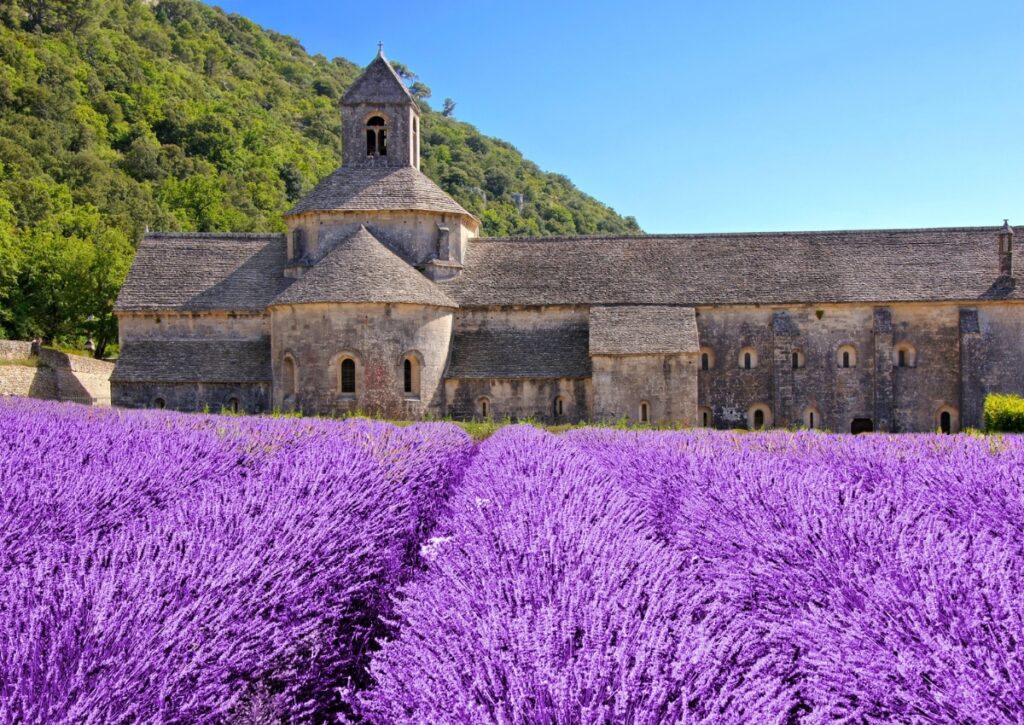
Late June through July is lavender season when the fields turn purple, and every photo looks like a postcard. It’s also hot (30-35°C), busy with tourists, and hotel prices spike. Worth it? If lavender is your thing, absolutely. If you’re ambivalent about purple flowers, maybe not.
September through October is harvest season for grapes and olives. The weather is perfect (20-25°C), tourists thin out, everything is cheaper, and you get to see actual work happening instead of just finished products. This is my vote for best timing.
Daily budget expectations: €150-250 for comfortable travel (nice 3-star hotel or charming B&B, wine tasting fees, restaurants, car rental), €300-500 for luxury (boutique hotel or villa, Michelin dining, private tours). Budget travel is tough—Provence isn’t backpacker territory.
Getting There and Basing Yourself
Fly into Marseille, Nice, or Avignon. Nice is most convenient for flights, but east of the main Provence region. Marseille is bigger, has cheaper flights, and is more central. Avignon is small but right in the heart of things.
Rent a car—this is non-negotiable for Provence. The villages, vineyards, and lavender fields are spread out. Buses exist but run infrequently. Having a car gives you freedom to explore, leave if a place is disappointing, and chase the light for photos. GetRentacar has good rates (€40-70 per day depending on season and car type).
Don’t base yourself in one place. Split your time between different areas:
- Luberon villages (Gordes, Roussillon, Ménerbes) for hilltop medieval towns and lavender
- Avignon for history, restaurants, and a central location
- Aix-en-Provence for a more urban experience with a great food scene
- Alpilles (Saint-Rémy-de-Provence, Les Baux) for Roman ruins and Van Gogh history
Book through Booking.com and look for mas (traditional Provençal farmhouses) converted to B&Bs or small hotels. These run €120-250 per night, usually include breakfast, and often have pools—which you’ll want in summer.
The Village Circuit
Provence is famous for perched villages—medieval towns built on hilltops for defense, now preserved and filled with galleries, cafes, and tourists. Some are legitimately special. Some are overly cute and sanitized. Here’s the breakdown:
Gordes is the most photographed village in Provence—honey-colored stone buildings cascading down a hillside. It’s beautiful and knows it. Parking costs €5-10, cafes charge Paris prices, and summer crowds are intense. Go for sunrise or late afternoon when day-trippers leave, take your photos, then move on.
Roussillon sits on ochre cliffs that glow orange and red. The Ochre Trail through the former quarries costs €3 and takes 30 minutes—it’s weird, colorful, and unlike anywhere else. The village itself is smaller and more authentic than Gordes.
Ménerbes is where Peter Mayle lived and wrote A Year in Provence. It’s less touristy, has excellent views, and you can actually park without paying. Have lunch at one of the village cafes and watch Provençal life happen around you.
Bonnieux and Lacoste are worth quick stops for views and wanders. Both have fewer tourists than the famous villages but similar charm.
Lavender Field Reality Check
The lavender fields everyone photographs? Most are on the Valensole Plateau north of Luberon, or around Sault near Mont Ventoux. They’re commercial operations growing lavender for perfume and essential oils, not natural wildflowers. Some farmers welcome photographers, some charge entrance fees (€5-10), and some have fences and “no trespassing” signs.
Timing matters—the fields bloom mid-June through late July, depending on weather and elevation. By early August, most have been harvested, and you’re left photographing brown stubble. Call local tourist offices before making a special trip during borderline dates.
The fields look amazing, but they’re also in the middle of agricultural areas with not much else around. Go early morning or late afternoon for better light and fewer people. Bring water and sunscreen—there’s zero shade. And respect that these are working farms, not theme parks.
Wine Tasting Done Right
Provence is famous for rosé—dry, food-friendly wines meant for summer afternoons. But the region also produces excellent reds (Châteauneuf-du-Pape, Gigondas, Vacqueyras) and whites that go beyond rosé’s shadow.
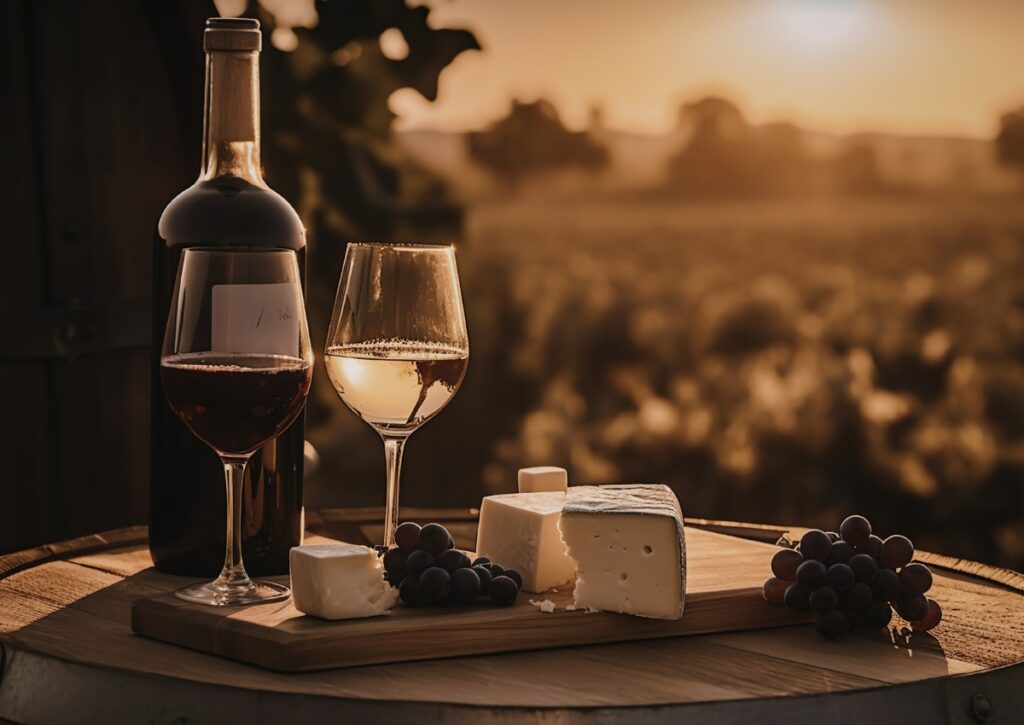
Châteauneuf-du-Pape village is the most famous wine area—big, powerful reds that need aging. Tasting fees run €5-15 depending on estate, and most places welcome walk-ins during business hours. Château de Beaucastel and Domaine du Vieux Télégraphe are world-class, but book ahead.
Côtes du Rhône villages like Gigondas and Séguret offer similar quality at lower prices and fewer tourists. Wander into village cavistes (wine shops), and tastings are often free or €3-5 with the expectation you’ll buy a bottle.
Book a guided wine tour through GetYourGuide (€80-150 per person) if you want someone else to drive and get context about what you’re drinking. The guides know which estates welcome visitors and how to navigate the social etiquette of French wine tasting.
The Food (Obviously)
Provençal cuisine centers on vegetables, herbs, olive oil, and fish—Mediterranean flavors with French technique. Bouillabaisse (fish stew), ratatouille, tapenade, socca (chickpea pancake), and fresh goat cheese are staples.
Markets are the heart of Provençal food culture. Every town has at least one weekly market. Aix-en-Provence has a large market daily in different parts of town. Isle-sur-la-Sorgue has a Sunday market that takes over the entire town—antiques, food, crafts, and the best people-watching in Provence.
Buy cheese, bread, charcuterie, olives, fruit, and wine for picnic lunches. Find a spot under a plane tree or by a river and eat. This costs €15-20 for two people and tastes infinitely better than the €40 restaurant lunch.
For restaurants, look for daily menus (€25-35 for three courses at lunch) at traditional bistros. Christian Etienne in Avignon does exceptional vegetable-focused cuisine (tasting menu €85-120). La Chassagnette near Arles has a Michelin star, grows its own vegetables, and serves food that justifies the €90-110 per person price.
Beyond Villages: Other Things Worth Your Time
Pont du Gard is a Roman aqueduct bridge that’s been standing for 2,000 years. It’s genuinely impressive—three tiers of arches spanning a river valley. Entry is €10, and you can swim in the river below. Go late afternoon to avoid crowds and see it in golden light.
Arles is where Van Gogh lived and painted—the town has markers showing where he set up his easel. The Roman amphitheater still hosts bullfights and concerts. It’s less polished than other Provençal towns, more authentically lived-in.
Hike or drive Mont Ventoux, the “Giant of Provence”—a 6,000-foot mountain visible across the region. The Tour de France climbs it regularly. The summit has a moon-like lunar landscape and panoramic views. Allow 2-3 hours for the drive up (longer if hiking).
Visit Les Baux-de-Provence, a fortified village on a rocky outcrop with medieval ruins and views across olive groves. The Carrières de Lumières nearby projects famous paintings onto quarry walls with music—it’s touristy but genuinely cool (€15 entry).
Sustainable Provence Travel
Provence is dealing with overtourism in hotspot villages while rural areas lose population and businesses. You can help by:
- Visiting lesser-known villages (there are hundreds beyond the famous ones)
- Eating at village restaurants and shopping at local markets
- Staying in locally-owned B&Bs instead of chains
- Respecting private property when seeking lavender fields
- Using reusable bags at markets
- Paying with Revolut or Wise to avoid fees that hurt small merchants
Buy directly from producers—wine at vineyards, olive oil at mills, cheese at farms. You’ll get better prices and better quality while supporting the people who actually make Provence work.
Why Provence for Honeymoons
Because you can slow down. Provence doesn’t demand you see everything—it rewards you for sitting in one spot with wine and watching life happen. The pace is gentle, the scenery is effortlessly beautiful, and the focus on food and wine means you’re constantly treating yourself.
It’s not dramatic or exotic. It’s just genuinely, consistently pleasant in a way that lets you focus on being together instead of optimizing your itinerary. Sometimes that’s exactly what a honeymoon should be.
8. Cinque Terre, Italy – Five Villages, One Perfect Coast
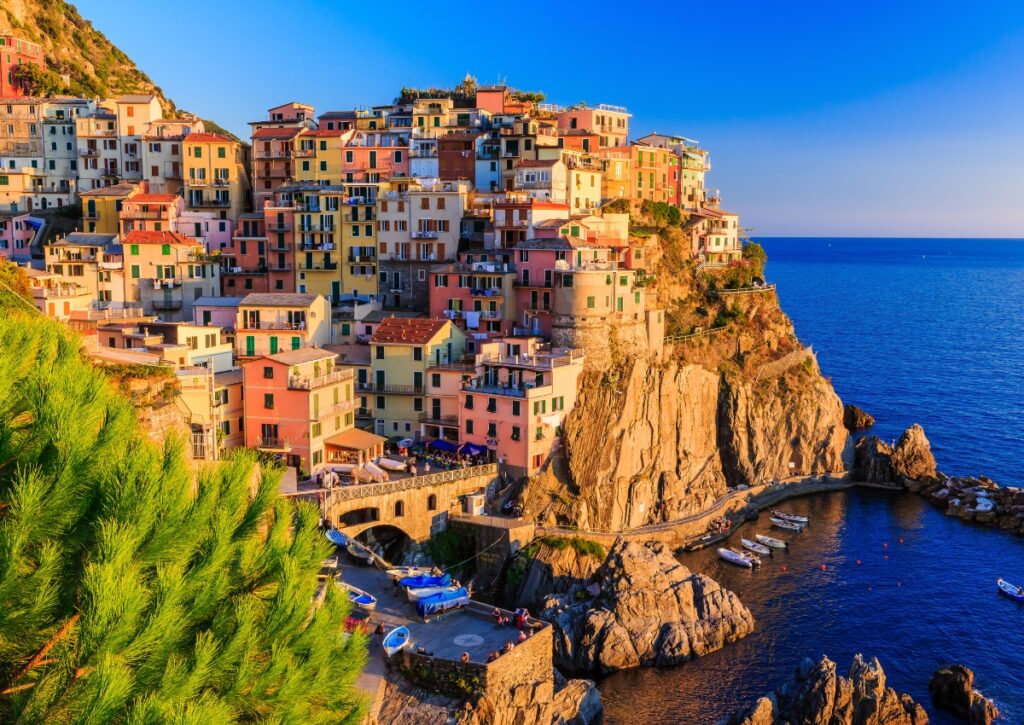
Cinque Terre translates to “Five Lands”—five fishing villages clinging to cliffs on the Italian Riviera, connected by hiking trails, trains, and boats. It’s colorful, compact, and has been discovered by basically every tourist with a camera. But done right, it’s still magical.
The Overtourism Reality
Let’s be direct: Cinque Terre is crowded. Monterosso, Vernazza, Corniglia, Manarola, and Riomaggiore collectively receive 2.5 million visitors annually in an area where maybe 4,000 people actually live. In summer, the trails are conga lines, restaurants are packed, and the villages feel more like theme parks than living towns.
Italy now requires the Cinque Terre Card for trail access and certain areas to manage crowds and generate revenue for maintenance. It costs €7.50 for a day card (trails only) or €16-18 for the train combo (trails plus unlimited local trains). Buy it at train stations or visitor centers.
Daily budget expectations: €150-250 for comfortable travel (nice 3-star hotel or Airbnb, restaurants, Cinque Terre card, gelato), €300-400 for luxury (boutique hotel with sea view, fine dining, boat tours). Budget travel is difficult—these are small villages with limited, cheap accommodation.
When to Visit Without Losing Your Mind
April-May and September-October are ideal—mild weather, fewer crowds, lower prices, everything open. June-August is peak chaos—hot, packed, expensive, and exhausting. November-March means many places close, train service is reduced, trails may be closed for maintenance, and the weather is unpredictable. Some people love winter in Cinque Terre for the solitude, but options are limited.
Getting There
Fly into Pisa (40 minutes by train), Genoa (90 minutes), or Milan (3 hours). The train is your friend here—regional trains connect all five villages every 15-20 minutes during tourist season. Buy the Cinque Terre Card mentioned earlier and ride unlimited. With bags, I’d take the train. Without bags, I’d walk the trails. Never try to drive—the villages have tiny roads, no parking, and ZTL (limited traffic zones) that’ll cost you €100+ in fines.
Which Village to Stay In (This Actually Matters)
Monterosso is the largest, has actual beaches, and feels more like a small town than a village. It’s the most accessible and has the most hotel options (€120-250 per night). Good choice if you want space and amenities.
Vernazza is the postcard image—colorful buildings around a small harbor with a medieval tower. It’s tiny, charming, and the most expensive (€150-300+). Streets are narrow, hotels are small, and you’ll hear everything your neighbors do. But waking up to this view might be worth it.
Corniglia sits 100 meters above sea level, accessed by 382 steps from the train station or a shuttle bus. It has fewer tourists (those steps filter people out), no harbor, and a more village-like atmosphere. Hotels run €100-200. Best choice if you want exercise and authenticity.
Manarola is medium-sized, has excellent swimming spots, and the famous vineyard terraces. Good middle ground between accessibility and charm. Hotels: €130-250.
Riomaggiore is the southernmost and most laid-back. It has a working harbor and feels slightly less tourist-focused. Hotels: €120-230.
My recommendation: split time between two villages—maybe Vernazza for 2 nights (the experience) and Manarola or Corniglia for 2-3 nights (better value and less intense). Book through Booking.com months ahead—good accommodation sells out.
The Trail Network
Five villages connected by coastal trails offering some of Europe’s best hiking—when open. Here’s the reality: the famous Via dell’Amore (Lover’s Walk) between Riomaggiore and Manarola has been closed since 2012 due to landslides and only recently started partial reopening. The Blue Trail sections between villages range from easy paved paths to strenuous climbs on uneven steps.
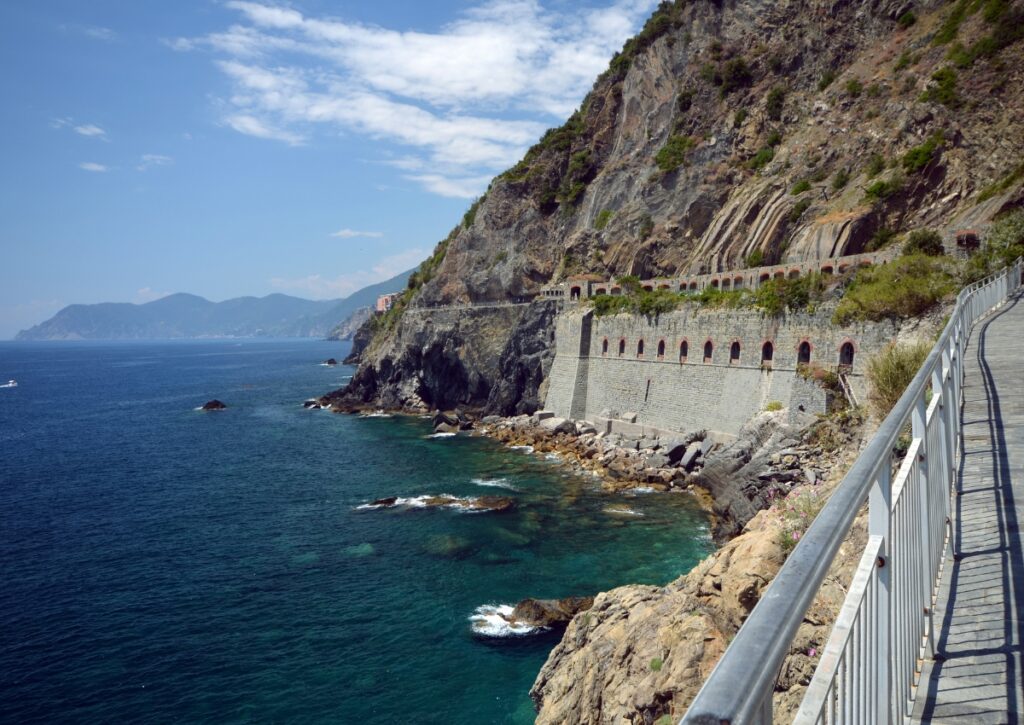
Monterosso to Vernazza: 2 hours, moderate difficulty, beautiful views, exposed (bring sun protection). This is the most popular section—go early (7-8am) or late afternoon.
Vernazza to Corniglia: 1.5 hours, lots of stairs, vineyard views, fewer people than Monterosso-Vernazza.
Corniglia to Manarola: 1 hour, moderate, scenic but less dramatic than other sections.
Manarola to Riomaggiore: Via dell’Amore is the flat, easy option (currently partially reopened with timed entry—check before planning). The alternative high trail takes 2 hours and is steep.
Bring water, snacks, sunscreen, a hat, and real shoes—not flip-flops. The trails are uneven stone and can be slippery. Start early to avoid heat and crowds. And check trail conditions before you go—closures happen due to weather or maintenance.
Eating and Swimming
Restaurants in the villages charge tourist prices—€15-20 for pasta, €25-35 for seafood mains, €8 for beer. You’re paying for location and the impossibly high cost of operating in tiny villages. Is it overpriced? Yes. Can you avoid it? Not really, if you want to eat out.
Nessun Dorma in Manarola has incredible views and decent food—get there by 5:30pm for sunset seating, or you’ll wait hours. Belforte in Vernazza sits on the harbor rocks and serves fresh seafood with waves splashing below (€40-60 per person).
Buy supplies at small grocery stores in each village for picnic lunches—bread, cheese, salami, fruit, and wine cost €15-20 total. Find a spot on the rocks, swim, eat, repeat.
Swimming happens off rocks and small pebble beaches. Monterosso has the only real sand beach. Manarola has great swimming platforms. Vernazza has the harbor area. Water is clear, blue, and perfect for cooling off between hikes.
Boat Trips and Alternative Views
GetYourGuide offers boat tours along the coast (€30-50 per person), showing you the villages from the water. This perspective makes you understand how improbable these settlements are—buildings clinging to cliffs that drop straight into the sea. The boats also access swimming spots unreachable from land.
The ferry service between villages (April-October) costs €5-10 per hop and offers another way to move around without hiking or trains. It’s slower but scenic.
Day Trip: Portovenere
Take the ferry or train to Portovenere, a UNESCO town just south of Cinque Terre. It’s equally beautiful, slightly less crowded, and has a dramatic church on a cliff edge (free entry). Lunch by the harbor costs about the same as Cinque Terre but feels more authentic. If you have time, boat over to Palmaria Island for hiking and deserted beaches.
Making Peace with Tourism
Yes, Cinque Terre is a victim of its own beauty. Yes, it’s expensive and crowded. But standing on a cliff watching the sun set over the Mediterranean while colorful villages glow in golden light, with your person next to you and local wine in your hands—it still hits every romantic checkbox.
The key is managing expectations and timing. It’s not undiscovered. It’s not quiet. But it is genuinely special if you visit shoulder season, start hikes early, eat at slightly off-peak times, and accept that you’re part of the tourism machine while trying to be a respectful part.
Sustainable Cinque Terre
The villages are struggling with tourist pressure—too many visitors, too much trash, erosion on trails, and local life squeezed out by vacation rentals. You can help by:
- Visiting shoulder season
- Staying multiple nights instead of day-tripping
- Eating at family-owned trattorias
- Buying the Cinque Terre Card (funds go to trail maintenance and conservation)
- Taking trash with you
- Using refillable water bottles
- Respecting trail closures and rules
- Staying on marked paths
- Supporting local businesses with Wise or Revolut cards
The villages have been here for 1,000 years. If we want them to last another 1,000, we need to treat them better.
9. Budapest, Hungary – Thermal Baths and Ruin Bars
Budapest is criminally underrated for honeymoons. It’s got the romance (Danube views, historic architecture, bridges lit up at night), the culture (museums, opera, Parliament building), the food and wine, and the unique element of thermal baths that no other European capital can match. Plus, it’s affordable—your money goes significantly further here than in Paris or London.
The Budget Advantage (Again)
Hungary uses the Hungarian forint (HUF), and prices are considerably lower than in Western Europe. Daily budget expectations: €80-120 for comfortable travel (nice 3-star hotel, restaurants, activities, thermal baths), €150-250 for luxury treatment that would cost triple elsewhere. Even boutique hotels and Michelin-starred restaurants are accessible at middle-range budgets.
Use Revolut or Wise for payments—exchange rates are much better than those at physical exchange offices. ATMs work fine, but decline the “helpful” conversion to euros (it’s a scam that costs you 5-8%).
Where to Stay (Pest vs Buda)
Budapest is two cities that merged—Buda on the west bank (hilly, residential, the castle) and Pest on the east bank (flat, urban, the action). Most tourists prefer Pest for accessibility.
District V (Belváros-Lipótváros) is central Pest—walking distance to everything, full of restaurants and shops, hotels run €80-150. It’s convenient but can feel touristy.
District VI (Terézváros) includes Andrássy Avenue and the Opera House—beautiful architecture, great food scene, slightly cheaper hotels (€70-130). This is where I’d stay—close enough to walk everywhere but feels more residential.
District VII (Erzsébetváros) is the Jewish Quarter turned hipster central—ruin bars, street art, trendy restaurants, and growing prices (€90-160 for hotels). Young vibe, excellent nightlife, very walkable.
Buda side is quieter and more upscale—District I (Castle District) has luxury hotels (€150-300) with views across the Danube. Beautiful but less convenient for daily logistics.
Book through Booking.com and filter by “thermal bath access” if you want in-hotel spa facilities—several hotels include access to their own thermal baths as part of the stay.
Getting Around
Buy a Budapest Card (€35-80 depending on duration) that includes unlimited public transport plus entry to thermal baths and museums. It pays for itself quickly.
The public transport (metro, tram, bus) is efficient, safe, and runs until midnight. The yellow M1 metro line is the oldest on the European continent and looks like a movie set. Tram 2 along the Danube offers some of the best views in the city for €1.50.
Walking works for much of central Pest. The city is flat, pedestrian-friendly, and you’ll spot details you’d miss on transit.
Welcome Pickups from the airport costs €25-35 versus €8 for the 100E bus—worth it when you’re arriving tired with luggage.
The Thermal Bath Culture (Non-Negotiable Experience)
Budapest sits on thermal springs and has been bath-obsessed since Roman times. The Turkish occupation in the 16th century added hammam-style bathhouses. Today, you can soak in 40°C naturally heated mineral water while surrounded by Art Nouveau or Ottoman architecture. It’s weird, wonderful, and exactly what a honeymoon should include.
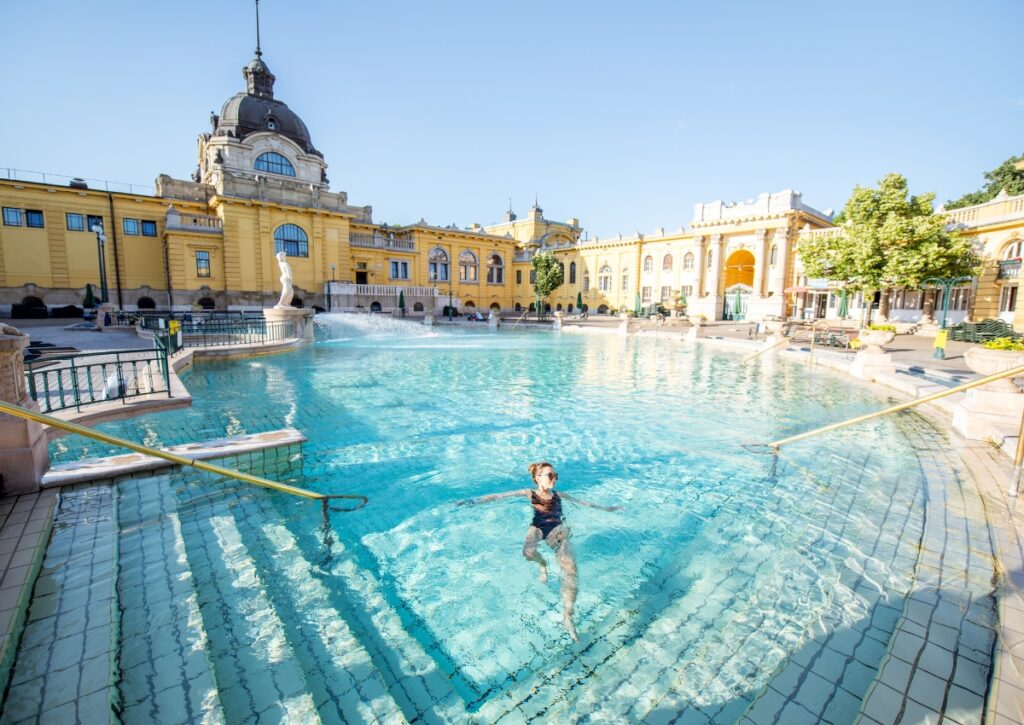
Széchenyi Baths is the largest and most famous—18 pools (indoor and outdoor), saunas, steam rooms, and a bright yellow building. €25-30 entry depending on time/day. It’s crowded, touristy, but the outdoor pools at night with steam rising while locals play chess in the water, is surreal. Go after 6pm when day-tourists leave.
Gellért Baths has the best Art Nouveau architecture—columns, mosaics, and stained glass. Smaller than Széchenyi, slightly quieter, same price range. The wave pool is fun, but it gets packed in summer.
Rudas Baths offers Ottoman pools (historic hammam), a modern wellness area, and a rooftop pool with Danube views. Weekends include night bathing with lights and music (€30-40). This is the romantic choice—book a couple’s massage package through GetYourGuide (€80-120) and make an afternoon of it.
Bath etiquette: bring a swimsuit and flip-flops. Towel rental costs extra (€5-7). Lockers and cabins are available. Most baths have entry-level thermal pools, hotter pools, cold plunge pools, and saunas. Rotate between them—it’s part of the experience. Hydrate. The heat is real, and dehydration sneaks up fast.
Eating and Drinking
Hungarian food is hearty, meat-centric, and built for cold winters—goulash, paprikash, pörkölt (stew), lángos (fried dough), chimney cake. It’s not refined, but it’s satisfying.
Central Market Hall (Nagyvásárcsarnok) is where you should eat lunch at least once—the top floor has food stalls serving traditional dishes for €4-7. It’s not fancy, but it’s authentic and cheap. Buy paprika, salami, and Tokaji wine on the ground floor to take home.
Bors GasztroBar near the Basilica serves gourmet soups in bread bowls (€4-6). There’s always a line because it’s excellent and cheap. Show up at 11:30am or 1:30pm to avoid peak crowds.
For the splurge meal, Onyx or Costes are Michelin-starred (tasting menus €100-150 per person), or try Borkonyha, which pairs Hungarian wine with modern Hungarian cuisine (€80-120 per person).
Street food is strong here—lángos (fried dough topped with sour cream and cheese) costs €3-4 and is perfect drunk food or budget lunch. Kürtőskalács (chimney cake) is everywhere, smells amazing, and satisfies your sweet tooth for €4-5.
The wine situation: Hungary produces excellent wine that nobody talks about. Tokaji Aszú is a world-class sweet wine. Egri Bikavér (Bull’s Blood) is a historic red blend. Wine bars in the Jewish Quarter offer tastings for €8-15 that’d cost triple in France.
The Ruin Bar Experience
Budapest’s ruin bars are genuinely unique—abandoned buildings and courtyards transformed into bars with mismatched furniture, street art, random decorations, and a vibe that shouldn’t work but absolutely does.
Szimpla Kert is the original and most famous. It’s crowded, touristy, and still worth visiting once to understand the concept. €3-5 for beers, €6-8 for cocktails. On Sunday mornings, it becomes a farmers’ market.
Mazel Tov is a ruin bar dressed upa Mediterranean restaurant in a covered courtyard with plants, lights, and excellent food (€15-25 per person). It’s more date-friendly than proper ruin bars.
Doboz is smaller, artsier, less English-speaking tourists, better vibe. Instant is massive—multiple rooms, dance floors, and bars spread across connected buildings. You could spend an entire evening wandering and discovering new sections.
Things to Do
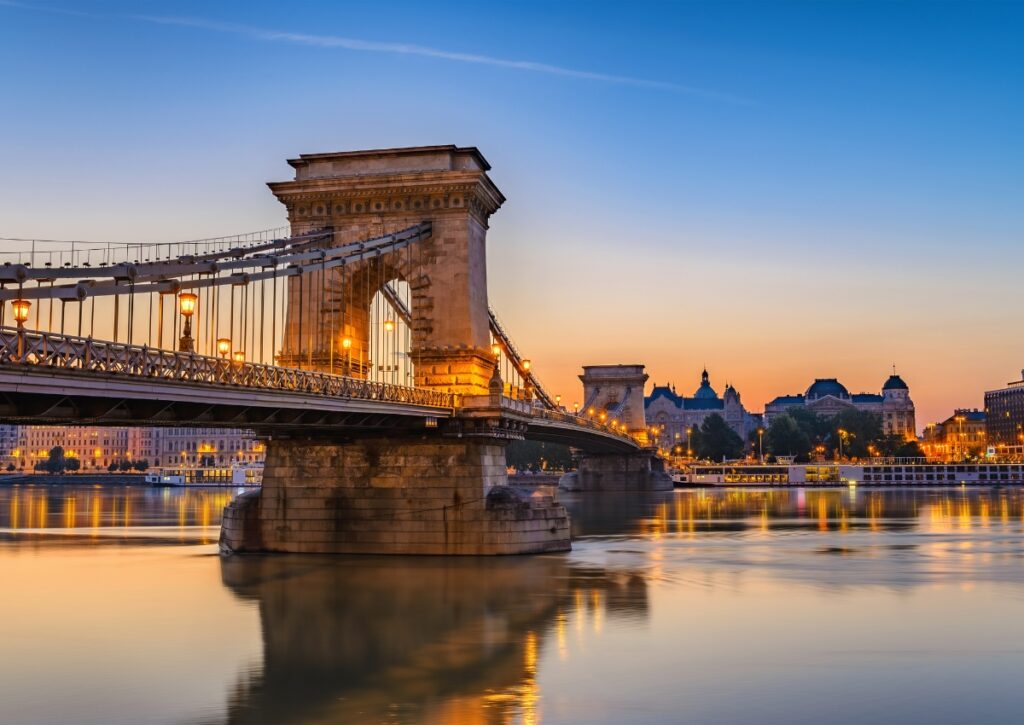
Walk across the bridges, especially Chain Bridge and Liberty Bridge. At night, they’re illuminated, and the Danube reflects the lights. It’s free and more romantic than 90% of paid activities.
Visit Buda Castle and Fisherman’s Bastion on the Buda side—cobblestone streets, panoramic views, tourist-heavy but beautiful. Go at sunrise or after dinner to avoid peak crowds. Entry to Fisherman’s Bastion costs €3 for the upper terrace, but the lower sections are free.
Take a river cruise on the Danube—daytime cruises are €15-25, evening cruises with dinner run €40-60. GetYourGuide has options. The Parliament Building, lit up at night from the water, is spectacular.
Tour the Parliament Building—guided tours cost €15-20 and showcase the neo-Gothic interior with the Hungarian Crown Jewels. Book online weeks ahead as tours sell out.
Explore the Jewish Quarter beyond the ruin bars—Dohány Street Synagogue (the largest in Europe), Holocaust memorials, kosher restaurants, and layers of history. The area has seen revitalization but respects its past.
Day Trip: Szentendre
30 minutes by suburban train (€3 each way), Szentendre is a small town on the Danube Bend with cobblestone streets, art galleries, museums, and fewer crowds than Budapest. Go for lunch, wander the galleries, and return by late afternoon. It’s easy, cheap, and a nice break from city energy.
Sustainable Budapest
Budapest is handling tourism growth relatively well, but faces challenges with over-development and loss of local character in popular districts. You can help by:
- Eating at traditional Hungarian restaurants instead of tourist-trap versions
- Shopping at markets and local businesses
- Using public transport (it’s excellent)
- Staying in locally-owned hotels and guesthouses
- Tipping 10-15% (Hungarians do, and service workers rely on it)
- Paying with Wise or Revolut to support local businesses fairly
Why Budapest for Honeymoons
Because it offers the romantic city experience without the stress of Paris prices or Venice crowds. The thermal baths add a wellness element most cities can’t touch. The food and wine scene is excellent and affordable. And the mix of history, culture, and modern energy keeps you engaged without exhausting you.
It’s not exotic or beachy. But if you want a city honeymoon that lets you actually enjoy being in a city, Budapest delivers.
10. Lake Como, Italy – Old Money Summer Energy
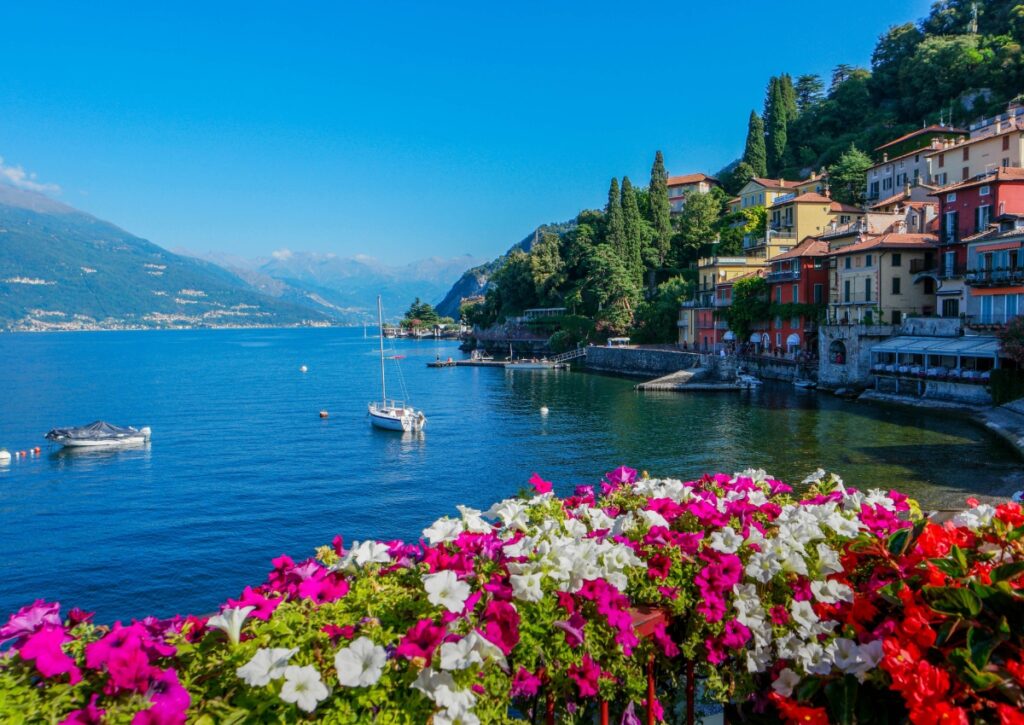
Lake Como is where wealthy Italians, international celebrities, and people who buy villas as vacation homes go to relax. It’s aspirational, expensive, and unabashedly luxurious. But you don’t need Clooney-level wealth to enjoy it—you just need to be strategic about where you spend.
The Money Reality
Como isn’t cheap. Bellagio, Varenna, and Cernobbio command premium prices for hotels, restaurants, and even coffee. Daily budget expectations: €200-300 for comfortable middle-range (3-star hotel, nice restaurants, ferries, activities), €500-1000+ for actual luxury (villa hotels, Michelin dining, private boats). Budget travel under €150 per day is very difficult here.
That said, you can access Como luxury at middle-tier prices if you know where to stay and what to skip. The lake itself is free. The views are free. Walking the lakeside promenades is free. You’re paying for accommodation, food, and the occasional splurge.
Getting There
Fly into Milan (Malpensa or Linate airports). From there, take a train to Como town (60-90 minutes, €5-12) or rent a car through GetRentacar (€50-80 per day). The train works fine if you’re staying in one town. A car gives you flexibility to explore smaller villages, but parking is challenging and expensive (€15-30 per day).
Use Welcome Pickups from Milan to your Lake Como hotel (€120-180 depending on location) if you want door-to-door service without the hassle of coordinating trains with luggage.
Which Town to Stay In (This is Critical)
Bellagio is the “Pearl of the Lake”—positioned where the three branches of Como meet, photogenic, upscale. Hotels run €200-500+ per night. It’s the most famous town, which means most crowded. If budget allows and you want the postcard experience, stay here 2-3 nights.
Varenna is smaller, quieter, just as beautiful, and 30-40% cheaper (hotels €120-280). It sits on the eastern shore with great sunset light and easy ferry access. This is my recommendation for better value without sacrificing charm.
Menaggio is larger, more functional, and the cheapest of the main towns (hotels €100-200). Good base for hiking and day trips. Less atmospheric than Bellagio or Varenna, but more livable for longer stays.
Como town at the south end is the biggest, has the train station, more restaurants and shops, and lower prices (€80-180 for hotels). It’s less scenic than the northern towns but offers better access to Milan and more real-city amenities.
Stay in one of the smaller, less-famous villages like Tremezzo, Lenno, or Nesso for lower prices and fewer tourists. You’ll need to ferry to the main towns for dinner options, but hotels cost 40-50% less.
Book through Booking.com, filtering by “lake view”—waking up to see the lake and mountains makes the higher price justified.
Getting Around the Lake
Ferries are the primary transport—they connect all the main towns, run frequently (every 30-60 minutes depending on route), and cost €5-15 per trip. Buy tickets at ferry docks or on board. The ferry ride itself is part of the experience—views of villas, mountains, and towns from the water.
Water taxis are faster but expensive (€50-150 depending on distance). Use them if you’re in a hurry or want to feel fancy.
Rent a boat through GetYourGuide (€100-300 for half-day depending on boat type). This is the splurge that makes sense—you control where you go, can stop at hidden beaches, and experience the lake as the wealthy locals do. Get a small motorboat (license not required for low-horsepower models in Italy), pack wine and snacks, and spend an afternoon exploring.
What to Actually Do
Walk the Greenway del Lago from Colonno to Cadenabbia—10km of lakeside path through olive groves and small villages. It’s free, beautiful, and relatively uncrowded. Takes 3-4 hours at a relaxed pace.
Visit Villa del Balbianello in Lenno—a villa on a peninsula with terraced gardens, art, and ridiculous views. €22 entry, requires ferry or hike to access (no car parking). Worth it for the gardens alone. It’s been in multiple movies (Casino Royale, Star Wars) because it photographs impossibly well.
Take the Brunate funicular from Como town (€6 return)—7 minutes to a hilltop village 500m above the lake with 360-degree views. Have a drink at one of the cafes and watch the sun set over the Alps.
Villa Carlotta in Tremezzo combines a neoclassical villa, an art museum, and 70,000 square meters of botanical gardens. €12 entry, best in April-May when the azaleas and rhododendrons bloom in every color.
Hike from Varenna to Castello di Vezio—30-minute steep climb to a ruined castle with falconry displays and views across the lake. €5 entry, open April-October, worth the sweaty climb.
Ferry to the northern end of the lake, where it gets wilder and less developed—Dongo, Gravedona, Colico. These towns see fewer tourists but still have lakeside restaurants and swimming spots.
Eating (Expensive, But…)
Lake Como restaurants charge for the location and views. Expect €18-25 for pasta, €30-45 for mains, plus wine. A dinner for two easily runs €80-120. But the food is generally excellent, the ingredients are local, and you’re eating with lake views—sometimes the tourist tax is justified.
Ristorante La Punta in Bellagio sits on a small peninsula with tables over the water. It’s pricey (€40-60 per person), but the location is unmatched. Book the sunset time slot.
Vecchia Varenna, right on Varenna’s waterfront, serves traditional lake fish—missoltini (sundried fish), lavarello, perch—for reasonable prices (€25-40 per person). The terrace tables fill up, so reserve ahead.
For cheaper meals, buy supplies at Salumeria Faggeto in Bellagio or local grocery stores—cheese, salami, fresh bread, fruit, and wine. Find a quiet spot along the lake and picnic. This cuts meal costs to €15-20 for two and lets you eat at prime sunset times when restaurants are packed.
Gelato Gelateria Lariana in Como makes some of the best gelato on the lake (€3-5). Have it as dessert while walking the waterfront.
The Splurge Experience
If you have one big splurge in the budget, consider:
- Private boat sunset tour with prosecco (€250-400 for 2 hours for two people)
- Villa d’Este spa day in Cernobbio—even if you’re not staying at this legendary hotel, you can book spa treatments and use the floating pool (€200-400 per person)
- Michelin dining at Il Gatto Nero in Cernobbio (€100-150 per person, amazing views, worth every euro)
- Helicopter tour of the lake (€300-500 per person for 15-30 minutes)—ridiculously indulgent, incredible photos, bragging rights forever
Day Trip: Lugano, Switzerland
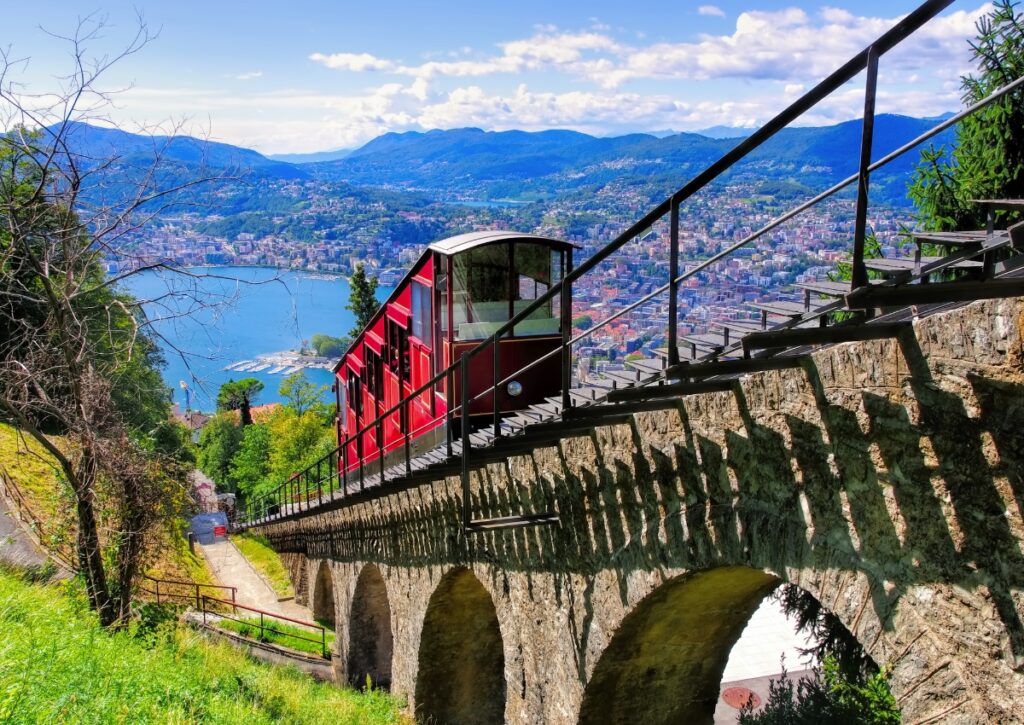
The Swiss border is 20 minutes from Como. Take the train to Lugano (45 minutes, €10-15) for a different vibe—Swiss efficiency, more boutique shopping, cleaner streets, and Lake Lugano, which rivals Como for beauty. Have lunch, walk the lakefront, ride the Monte Brè funicular for views. The chocolate and cheese in Swiss supermarkets also make good souvenirs.
Remember your passport—you’re crossing an international border even though Switzerland is in Schengen.
Sustainable Como
Lake Como is being pressured by tourism and development. Waterfront villas become vacation rentals, traditional businesses get replaced by luxury boutiques, and locals struggle with the cost of living. You can help by:
- Visiting shoulder season (April-May, September-October)
- Eating at family-owned trattorias in smaller villages
- Taking ferries instead of water taxis
- Staying in locally-owned hotels
- Respecting the lake—no littering, no swimming where prohibited
- Supporting artisan shops and local producers
- Using Wise or Revolut to avoid fees that eat into small businesses’ margins
Weather and Timing
May-June and September are ideal—warm but not hot, fewer crowds, gardens in bloom. July-August is peak season—crowded, expensive, hot. April and October are shoulder season—cooler, some rain risk, better deals. November-March means many places close, and the weather is too cold for Como’s outdoor-focused appeal.
Why Como for Honeymoons
Because it’s unashamedly romantic in that old-world, elegant way. The setting is dramatic—an azure lake surrounded by the Alps with villas and gardens spilling down to the water. The pace is relaxed. And there’s something about sitting on a terrace watching ferries glide past while the mountains turn pink at sunset that justifies the cost.
It’s not adventurous. It’s not a discovery. But sometimes you want the fantasy, and Como delivers exactly that.
Practical Honeymoon Planning: The Stuff Nobody Tells You
Insurance (Get It, Seriously)
Honeymoons involve non-refundable bookings worth thousands. Flight cancellations, medical emergencies, lost luggage, missed connections—any of these can derail your trip. VisitorsCoverage offers comprehensive travel insurance starting around €50-100 for a two-week European trip, covering medical, trip cancellation, baggage loss, and delays.
Read the fine print. Most policies exclude “known events”—you can’t buy insurance after a natural disaster is announced. Some require you to purchase within a certain timeframe after booking. Coverage limits vary significantly.
Medical coverage is essential—European healthcare isn’t free for non-EU visitors, and a hospital visit can cost thousands. Emergency evacuation coverage matters if you’re hiking in remote areas.
Money: Cards, Cash, and Not Getting Robbed
Carry at least two different credit/debit cards in case one gets lost or blocked. Revolut and Wise are game-changers for European travel—zero foreign transaction fees, real exchange rates, and you can hold multiple currencies. Set them up before you leave.
Notify your regular banks before travel so they don’t flag transactions as fraud. I’ve had cards frozen in three countries because I forgot this step.
Carry some cash—€100-200 in small denominations. Many small businesses, markets, and rural areas still prefer cash. Keep it split between locations (wallet, bag, hotel safe) so you’re not screwed if one gets stolen.
Use ATMs at banks during business hours rather than standalone machines in tourist areas—lower fees, less skimming risk. Decline the “conversion to your home currency” they offer—it’s always a ripoff.
Connectivity: Stay Online Without Going Broke
Your regular phone plan’s international roaming probably costs €10-20 per day. For a two-week trip, that’s €140-280 just to have data. Yesim offers eSIM cards with European data starting around €15-30 for 5-10GB, valid for a month. Install it before you leave, activate on arrival, and you have internet immediately.
If your phone doesn’t support eSIM, buy a local SIM card at the airport or a phone shop in the first city. Major carriers in each country sell tourist SIMs with data packages.
Download offline maps (Google Maps, Maps.me) for everywhere you’re visiting. They work without data and save you when GPS glitches.
Booking Strategy: When to Book What
Flights: Book 2-4 months ahead for best prices. Use CheapOair to compare routes and airlines. Tuesdays and Wednesdays often have slightly lower fares. Consider positioning flights through budget carriers if you’re flexible—sometimes flying into a different city and taking a train saves hundreds.
Hotels: Book through Booking.com for flexibility—many offer free cancellation up to a week or days before. Read reviews focusing on recent ones (within 3-6 months). Filter by your actual priorities (location, breakfast, view, quietness). Book 2-3 months ahead for popular destinations, 1-2 months for secondary cities.
Activities: Book ahead for anything with limited capacity (Eiffel Tower, Vatican, popular restaurants, wine tours). Use GetYourGuide for activities—they bundle tickets with tours, often include skip-the-line access, and have good cancellation policies. Day-before or day-of booking usually means sold out or limited time slots.
Rental cars: Book through GetRentacar, comparing providers. Prices fluctuate, so check multiple times. Add all drivers, get adequate insurance, and photograph the car completely before leaving the lot (document every scratch).
Packing: What Actually Matters
Comfortable walking shoes broken in before the trip—this is non-negotiable. You’ll walk 10-20km per day. New shoes mean blisters and misery.
Layers: Europe has microclimates. A single day might include a cold morning, a warm afternoon, and a cool evening. Pack pieces you can add or remove easily.
One nice outfit: Most European restaurants and cultural sites have no dress code, but having one nice option for splurge dinners or opera makes sense.
Travel adapters: Europe uses Type C and Type F plugs. Bring at least two adapters or a multiport one.
Refillable water bottle: Saves money, reduces plastic, and most European cities have drinkable tap water and public fountains.
Small backpack or day bag: Something comfortable for carrying water, snacks, cameras, layers, and souvenirs during day trips.
First aid basics: Band-aids, pain relievers, anti-diarrheal, and any prescription medications in original containers.
Language Basics
English works in tourist areas across Europe, but knowing basic phrases in local languages makes interactions smoother and more pleasant:
- Hello / Goodbye / Please / Thank you / Do you speak English? / How much? / Where is…?
Learn these in Italian, French, German, or whichever languages you’re visiting. Locals appreciate the effort, even if your pronunciation is terrible. The Google Translate app works offline if you download languages ahead.
Health and Safety
Europe is generally safe, but tourist-heavy areas attract pickpockets. Use bags that zip closed, keep valuables in front pockets, and don’t flash expensive jewelry or cameras unnecessarily. Be especially careful on public transport and in crowds.
Restaurant scams: always check bills before paying (wrong items, inflated prices), never accept “conversion to your currency,” be wary of street vendors who approach aggressively.
Emergency numbers: 112 works across all EU countries for police, ambulance, and fire.
Tap water is drinkable in all countries listed in this guide—no need to buy bottled water except as a preference.
Seasons and What They Mean
Spring (April-May): Mild weather, flowers blooming, shoulder season pricing, occasional rain. Great for most destinations except beach-focused ones.
Summer (June-August): Peak season—hot, crowded, expensive, longest days, best weather. Mediterranean beaches are at their best. Cities can be sweltering and overwhelmed.
Fall (September-October): Shoulder season—comfortable temperatures, changing leaves, harvest season for food and wine regions, fewer crowds, moderate prices.
Winter (November-March): Off-season—cold, shorter days, lower prices, many coastal businesses closed, Christmas markets in December. Good for cities, not for outdoor activities or beaches.
The Cultural Adjustment
Europe isn’t America. Portions are smaller. Service is slower and less attentive (it’s not rude—they’re giving you space to enjoy your meal). Tipping is lower (10-15% in restaurants, round up for taxis, €1-2 per bag for porters). Stores close on Sundays and during lunch. Public restrooms often charge €0.50-1 (carry coins).
Pace yourself. You can’t see everything. Trying to maximize every minute leads to exhaustion, arguments, and hating each other by day five of your romantic honeymoon. Build in rest days. Sleep late sometimes. Sit in cafes and just watch people. The best travel experiences come when you’re relaxed enough to notice them.
The Part Where I Tell You What Actually Matters
I’ve been to all ten of these destinations—some once, some multiple times, some I’d return to tomorrow, and others I’m glad I experienced but don’t need to repeat. Here’s the reality nobody wants to admit: the destination matters less than the approach.
You can have a miserable honeymoon in Paris if you’re stressed about money, overscheduled, arguing about directions, and too exhausted to enjoy anything. You can have a magical honeymoon in the Czech Republic if you’re relaxed, present, and focused on being together instead of optimizing your itinerary.
The best days of our travels weren’t the famous monuments or Instagram-worthy sunsets. They were the morning we got lost in Budapest and found a tiny cafe where the owner didn’t speak English but made us the best breakfast we’d had in weeks. The afternoon in Provence when we abandoned our plans and spent four hours swimming in a river and drinking wine under plane trees. The evening in Santorini when we skipped the famous sunset spot and watched from our hotel terrace with nobody around.
These destinations all deliver romance and beauty and experiences worth the money and effort. But they deliver best when you’re not trying so hard. When you accept that travel involves wrong turns and rain and mediocre meals and moments that don’t match the brochure. When you laugh instead of stressing when things go sideways. When you prioritize each other over the perfect photo.
Book the flights. Get the insurance. Make the reservations. But leave space for spontaneity. Leave room for doing nothing. Leave time for getting lost and finding something unexpected. That’s where the actual magic lives—not in the destinations, but in the spaces between them, where you remember you’re on your honeymoon because you love this person and want to build a life with them, and the backdrop is just scenery.
Subscribe and Follow for More Adventures
If you made it this far, you’re either planning a European honeymoon or you really should be—I hope this guide gave you practical information, realistic expectations, and maybe a few laughs along the way.
I write these deep-dive guides because I wish they’d existed when I was planning my own trips—real talk about costs, honest opinions about what’s overrated, specific recommendations instead of vague “must-sees.” If that’s helpful, subscribe to A Tiny Traveler blog and follow me on social media:
- Like my Facebook Page (A Tiny Traveler): Join our vibrant community of fellow travel lovers! This is a great place to ask questions, share your own travel experiences, and connect with other readers and me.
- Follow me on Pinterest (A Tiny Traveler): My Pinterest is your ultimate travel vision board! It’s where I share stunning photography, quick visual guides, and, most importantly, links to all my in-depth blog posts.
- Follow me on Instagram (a.tinytraveler): For daily doses of wanderlust, stunning travel photography, behind-the-scenes glimpses of my trips, and quick tips that will inspire your next getaway. See the world through my eyes!
I’m working on guides for Asia, South America, and off-the-beaten-path Europe destinations you haven’t heard of yet (but should). Plus budget breakdowns, packing guides, and all the practical stuff that actually helps you plan trips instead of just dreaming about them.
Email me at contact@atinytraveler.com where you’re honeymooning or where I should cover next. I read everything, and your suggestions directly influence what I research and write. We’re in this together—fellow travelers trying to see the world without getting scammed, exhausted, or divorced in the process.
Safe travels, congratulations on your marriage, and remember: the best honeymoon story is always the one where something went hilariously wrong, and you laughed about it together. Aim for that. Booking through these links supports this blog and helps me create more honest, detailed travel guides. Now go have the honeymoon you deserve.
Frank