

The first decision comes before you have properly unfolded the map: follow the tram tracks, duck into the arcade, or investigate the narrow lane where someone is carrying two coffees and a paper bag developing a suspicious butter stain. My vote goes to the bag. In Melbourne, a sensible sightseeing plan should leave room for pastry reconnaissance.
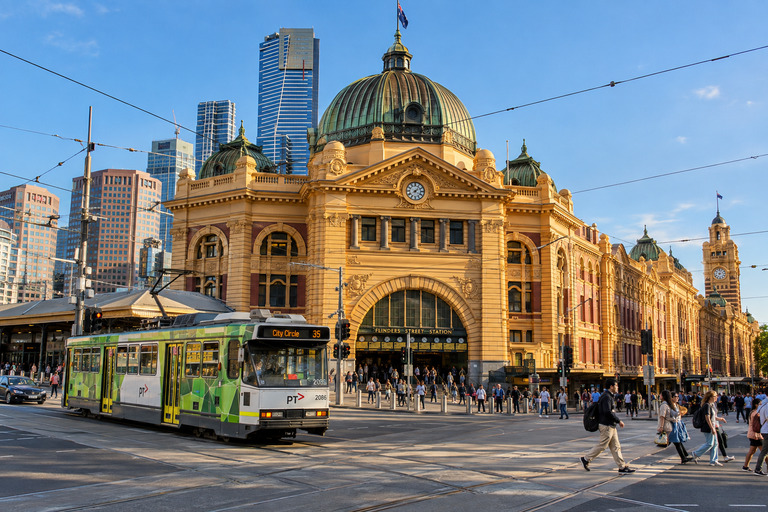
Start around Flinders Street Station, where commuters hurry beneath the clocks, and visitors pause long enough to become minor traffic obstacles. Across the road, Federation Square gives you museums and meeting places; nearby lanes offer painted walls, tiny tables, and espresso machines exhaling through open doors. You can cover surprisingly little ground and still fill a morning.
That is how I would approach this city: one neighborhood at a time, with a few reservations and plenty of breathing room. Melbourne rewards travelers who enjoy food, art, books, independent shops, and watching ordinary life happen. If your ideal vacation requires a monumental attraction every forty minutes, you may need to recalibrate. Some of the best bits involve sitting down.
This guide to the 10 best things to do in Melbourne is for curious first-time visitors, solo travelers, and couples who want substance without turning their trip into an endurance event. I’ll walk you through the worthwhile sights, realistic budgets, transport, booking decisions, and small practical details that stop a good holiday from becoming an expensive administrative exercise.
Before You Chase the Coffee: Melbourne at a Glance
Allow four full days for the city, or five to six if you want a regional excursion. Three days works with selective sightseeing. Two days means choosing favorites rather than speed-walking through all ten experiences.
All prices below are in Australian dollars, written as A$. Official fares and admission details were checked in October 2026; food, accommodation, and daily budgets are planning estimates, not guaranteed quotes.
For an easy first visit, stay in the Central Business District, usually shortened to CBD. Put the market on an operating day, book any essential experience, then arrange everything else geographically.
1. Follow the Laneways Until Your Coffee Goes Cold
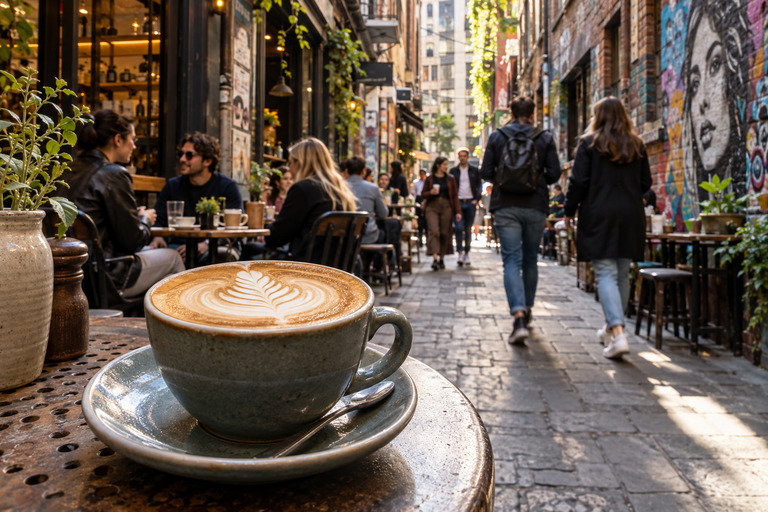
Melbourne’s laneways make the strongest opening act because they introduce the city at human scale. Coffee cups clink beside delivery doors; painted brick sits around the corner from polished shop windows. The pleasure is in those abrupt changes.
Begin with Hosier Lane, near Federation Square, then work west toward Degraves Street and Centre Place. Continue through the central shopping streets to Block Arcade and Royal Arcade. Treat this as a loose route, checking arcade opening times rather than assuming every passage stays accessible all evening.
Hosier Lane is worth seeing, but manage expectations. It is a working urban lane with changing artwork, bins, visitors, and occasional crowds. The mural you saved months ago may have disappeared under another artist’s work.
Order Something You Actually Want to Drink
A flat white is a useful starting point if you enjoy espresso with steamed milk; a long black suits a stronger, less milky cup. Ask what the café recommends if you prefer fruitier or more chocolate-heavy flavors.
I would choose a seat over a takeaway cup whenever time allows.
Allow two to three hours, including coffee. Walking is free; estimate A$5–7 for a standard café coffee, with specialty drinks costing more.
My Tip: Pick one café because you like the atmosphere, not because you have already invested forty minutes in its queue. For a ready-made route, use the city’s laneways and arcades walk. What’s On Melbourne.
2. Eat Your Way Through Queen Victoria Market
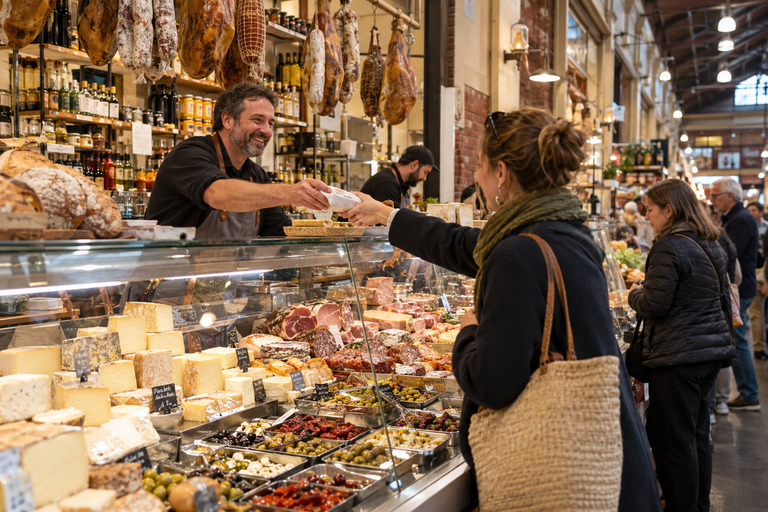
At Queen Victoria Market, breakfast can become lunch through a series of entirely reasonable purchases. Bread first. Something salty. Fruit because you are a responsible adult. A hot jam doughnut because responsibility has limits.
Make the food areas your priority. Look for cheese counters, bakeries, produce stalls, and takeaway options rather than spending your appetite budget on the first souvenir aisle. The American Doughnut Kitchen is associated with the market’s hot jam doughnuts; expect sugar on your fingers and give the filling a moment before biting enthusiastically.
Entry is free. The regular market opens Tuesday, Thursday, and Friday, 6 a.m.–3 p.m.; Saturday, 6 a.m.–4 p.m.; and Sunday, 9 a.m.–4 p.m. Specialty shopping starts later, and individual traders vary. The ordinary daytime market does not operate on Monday or Wednesday. Check the official visitor information before committing breakfast to the plan. Melbourne
Go Hungry, With a Slightly Sensible Strategy
I would arrive midmorning, walk one circuit, then buy.
Allow two hours and roughly A$20–35 per person for an informal meal assembled from several purchases. A guided food tour costs extra but can add value if you want trader stories, structured tastings, and help understanding what you are eating. Check how many tastings are included and whether dietary needs can be accommodated.
My Tip: Seasonal night markets have their own dates and schedules. A Wednesday evening event does not mean the daytime market is open.
If food is a major reason for your trip, compare GetYourGuide market and food walks by group size, guide expertise, inclusions, and cancellation terms.
Compare Melbourne Food Tours on GetYourGuide
3. Give the National Gallery of Victoria a Proper Morning
The National Gallery of Victoria, or NGV, is an excellent answer to both “What should I see?” and “Why has the sky suddenly turned that color?” But treating it only as a rain shelter sells it short.
There are two main venues to understand. NGV International, on St Kilda Road, houses international art. The Ian Potter Centre: NGV Australia, at Federation Square, focuses on Australian art, including works by Aboriginal and Torres Strait Islander artists. They are separate buildings, so check the address on any exhibition ticket.
General collection entry is free, while some exhibitions require paid tickets. Both venues normally open 10 a.m.–5 p.m. daily; check the NGV visit page for exceptions and current exhibitions. NGV
Choose Curiosity Over Completion
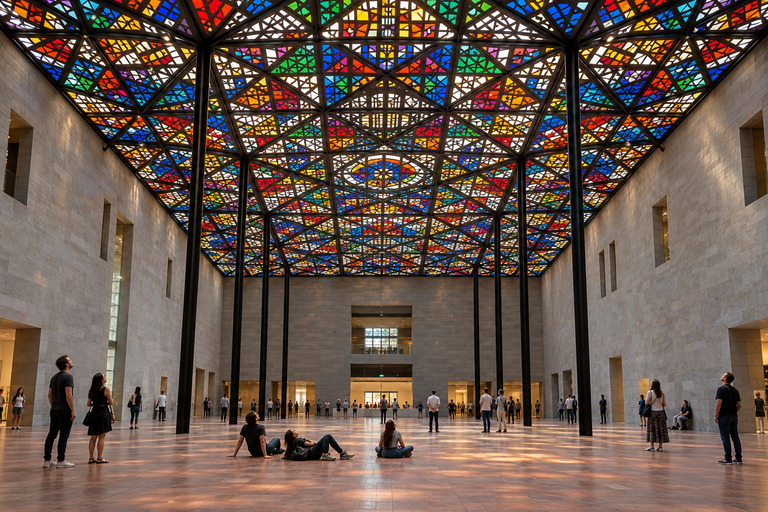
At NGV International, leave time for the waterwall entrance and the colored glass ceiling in the Great Hall, subject to access. Then choose a few galleries that interest you. You are allowed to dislike a painting. You are also allowed to spend fifteen minutes with one and walk straight past the next six.
I would allow two to three hours for one venue. If Australian art is unfamiliar territory, start at NGV Australia and read the artists’ own contexts instead of treating every work as decoration detached from its makers.
My Tip: Book a paid exhibition because you want that exhibition. The free collections already provide a substantial visit. Check photography rules before taking pictures, particularly in temporary displays.
4. Slow Down in the Royal Botanic Gardens
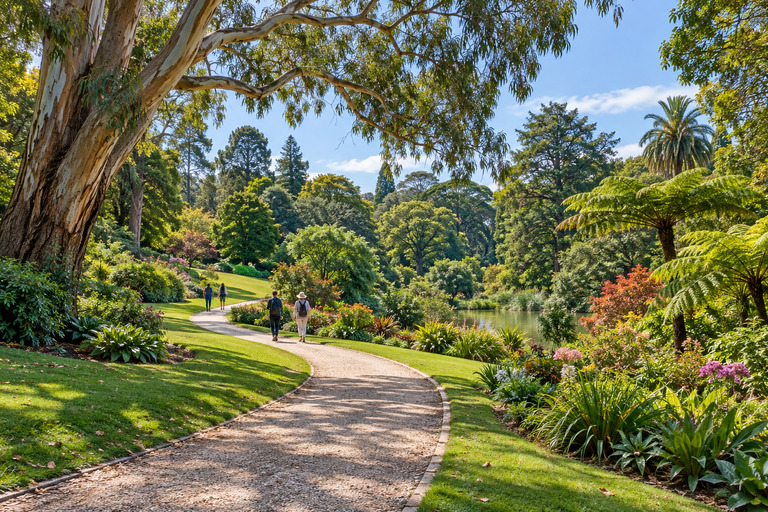
The Royal Botanic Gardens Melbourne offer the sort of pause that improves everything afterward. Paths curve away from traffic, branches throw moving shadows, and the city becomes something glimpsed beyond the trees rather than something demanding your attention.
Ordinary garden entry is free, with charges for selected experiences and events. Make sure your map points to Melbourne Gardens, not the separate Cranbourne Gardens.
I would bring a simple lunch, a refillable bottle, and enough time to abandon a perfectly good route when a shaded bench appears.
Make Space for First Peoples’ Knowledge
For a more meaningful visit, consider the Aboriginal Heritage Walk, led by a First Peoples guide. It explores relationships with plants, culture, and Country, adding perspectives that a quick loop around the lawns cannot provide.
The current listed price is A$55 per adult, with booking required and a public-holiday surcharge. Confirm dates, suitability, and details on the official Aboriginal Heritage Walk page. Indigenous culture is living culture, not a historical preface to the modern city. Royal Botanic Gardens Victoria
Allow two hours for an independent visit, more if you add a walk or picnic. Wear comfortable shoes and check the day’s closing time and weather before settling too far from your exit.
My Tip: Carry your picnic packaging out and leave birds to find their own food. A peaceful lunch should not become a wildlife feeding experiment.
5. Look Up Inside State Library Victoria
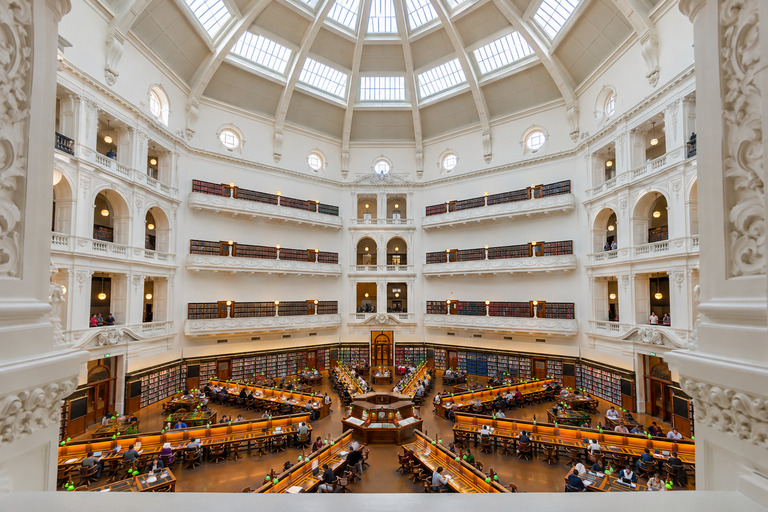
State Library Victoria makes a compelling case for entering buildings even when you have no intention of borrowing anything. Its La Trobe Reading Room rises beneath a dome, with desks spreading out below like the careful geometry of an exceptionally organized mind.
The room opened in 1913. Today, people still use the library to work, read, and think. Keep your voice low, avoid photographing someone’s screen, and remember that the people at the desks have not volunteered as props for your architectural enthusiasm.
Entry is free, with usual public opening hours of 10 a.m.–6 p.m., subject to holiday closures and room access. One useful detail: levels five and six of the dome are currently closed. Check the library’s opening hours and closure notices rather than building your visit around an upper-balcony photograph from an old article. State Library Victoria
Stay Beyond the Photograph
Allow forty-five to ninety minutes, depending on exhibitions and your interest in the building. The best approach is to look up, put the camera away, then actually notice the room: the curve of the galleries, the softened sounds, the concentration beneath all that space.
This stop fits well with a morning at Queen Victoria Market or an afternoon exploring the northern CBD. Check accessible entrances and room access on the library website if stairs or walking distances affect your plans.
My Tip: Visit when you have enough attention left to enjoy quiet. A library at the end of an overpacked day can become just another ceiling.
6. Spend an Unscheduled Afternoon in Fitzroy and Collingwood
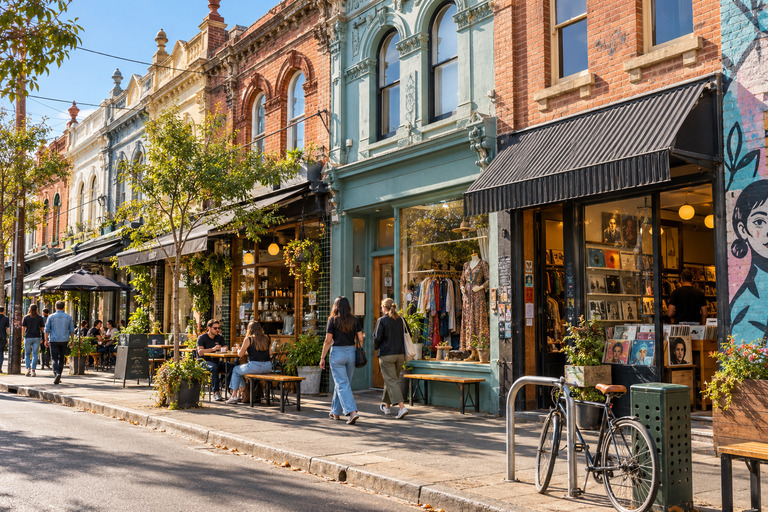
Fitzroy and Collingwood reward a different sightseeing muscle: the ability to wander without requiring every doorway to justify itself. Independent shops, old façades, bars, galleries, record sleeves, and café tables give you plenty to investigate.
Use Brunswick Street, Gertrude Street, Smith Street, and Johnston Street as your broad framework. A common navigation mistake is confusing Brunswick Street in Fitzroy with the separate suburb of Brunswick. Read the address before you announce that the map has betrayed you.
The official Fitzroy guide is a useful starting point, but individual businesses and exhibitions change. Check opening days for anything you particularly want to visit. visitmelbourne.com
Buy Less, Look Longer
I would spend three to four hours here, including lunch or an early dinner. Browse a secondhand shop, look for an exhibition, and choose one café or bar where you actually want to sit. Shopping is optional; treating the neighborhood like a retail obstacle course misses its appeal.
For a casual meal, set aside approximately A$20–35, with drinks extra. If you want live music afterward, check the venue’s own calendar, ticket conditions, and age restrictions.
My Tip: Leave one afternoon deliberately underbooked. This is where I would spend it. Save a few possible addresses, then let weather, appetite, and an interesting window decide the order.
Remember that the quieter streets are residential. Keep doorways clear, ask before photographing people closely, and lower your voice when leaving a late-night venue.
7. Hear Melbourne Roar at the MCG
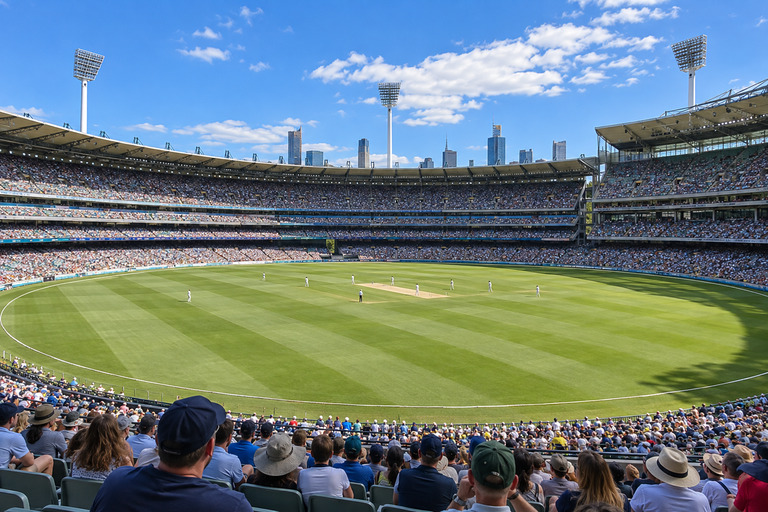
The Melbourne Cricket Ground, usually called the MCG, gives you a different introduction to the city: collective emotion at considerable volume. Even if sport is not your usual interest, a live crowd can explain a place faster than a display panel.
Choose an Australian rules football match during the football season or cricket when the fixture calendar suits. They are different experiences, with different rhythms and durations. Check the official MCG calendar for your actual dates rather than assuming something will be on.
Match prices vary by event and seat category. Buy through the official ticketing route linked by the venue or competition, especially for major fixtures. Do not plan around an attractive starting price that belongs to a different match.
Prefer the Building Without the Shouting?
An MCG Tour is another option. Current adult admission is A$38 for the tour alone or A$50 for the tour and Australian Sports Museum. Availability and access change around events; confirm on the official ticket page. MCG
Allow a substantial part of the afternoon for a match, including arrival and departure. For a tour and museum visit, follow the booked duration and leave extra time to explore the exhibits.
If you attend football without knowing the rules, learn the basics first. You do not need encyclopedic knowledge, but understanding the scoring makes the noise considerably more interesting. Carry a warm layer; sitting still feels colder than walking there.
My Tip: Check bag rules, permitted items, and your exact gate before departure. A stadium is an excellent place to discover how far “the other side” can be.
8. Take the Tram to St Kilda, Then Wait for the Penguins
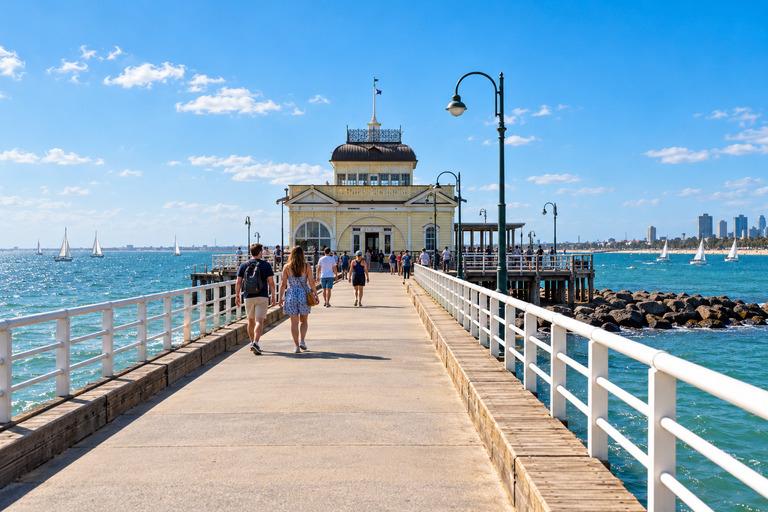
St Kilda gives you salt air, a foreshore walk, cake-shop windows along Acland Street, and the theatrical entrance of Luna Park. It works particularly well when you want a break from the central grid without organizing a full day trip.
Come for an afternoon walk and, if available, a booked evening penguin session. The beach belongs to Port Phillip Bay; this is an urban waterfront, not a remote surf escape. Expect other walkers, changing weather, and wind capable of rearranging your lunch.
Allow approximately thirty to fifty minutes by tram from the CBD, depending on your starting point and service. St Kilda is outside the Free Tram Zone, so you need a valid fare.
Free Penguins Still Require Planning
The St Kilda Penguin Viewing Experience is free but ticketed, with advance booking required through Phillip Island Nature Parks. Despite the operator’s name, this experience takes place at St Kilda Pier, not on Phillip Island.
Sessions take place after sunset. Use the time on your ticket, allow for the walk along the pier, and arrive early. Wildlife sightings are never a personal appointment with the animals; patience matters. penguins.org.au
Bring a warm jacket even after a pleasant afternoon. Stay within permitted areas, follow the guides’ lighting and photography instructions, and never approach or feed penguins. Their route home matters more than anyone’s photograph.
I would allow half a day plus the evening session, with roughly A$20–35 available for a casual meal. If tickets are unavailable, the foreshore still makes a good outing; do not attempt to bypass viewing restrictions.
My Tip: Check the ticket-release information early in your planning, then arrange your city itinerary around the session you secure.
9. Make Chinatown Dinner an Actual Event
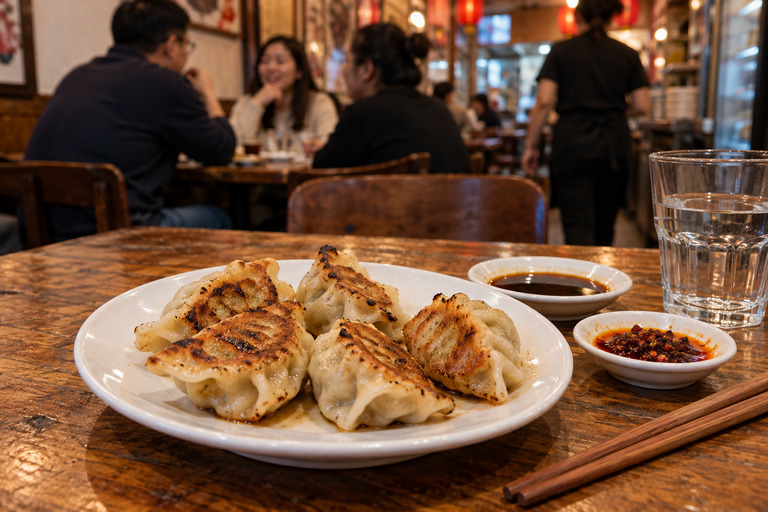
Melbourne’s Chinatown, centered on Little Bourke Street, is more rewarding when you arrive hungry and curious rather than determined to eat at whichever doorway has the longest line.
The area’s Chinese heritage reaches back to the nineteenth century, but dinner should not turn into a vague claim that one dish represents an entire cuisine. Look for regional specialties and read menus. Dumplings, roast meats, noodles, and hotpot offer very different evenings.
For orientation and current listings, start with the city’s Chinatown guide. Then check the restaurant’s own menu, opening hours, and booking policy. Recent photographs can help you understand portion sizes better than an enthusiastic adjective ever will. What’s On Melbourne
Order With Enough Curiosity, and Enough Table Space
For two people, I would choose a manageable mix rather than ordering every dish that sounds promising. Something crisp, something brothy, perhaps greens sharpened with garlic. You can always add more. The alternative is negotiating a small tabletop already occupied by seven ambitious decisions.
Budget approximately A$25–45 per person for a casual dinner, excluding substantial drinks, hotpot extras, or premium seafood. Check surcharges and whether rice or other accompaniments cost extra.
Tell staff about allergies directly. A menu description is not a reliable substitute for checking ingredients and preparation. Vegetarian dishes can contain stocks or sauces you might not expect, so ask specifically.
Allow ninety minutes to two hours and book if you have your heart set on somewhere popular. Solo travelers can look for counter seats or dishes that make sense for one appetite.
My Tip: Let one meal be the evening’s main plan. You do not need to sprint from dinner to another attraction to justify being abroad.
10. Walk the Yarra Until the City Turns Its Lights On
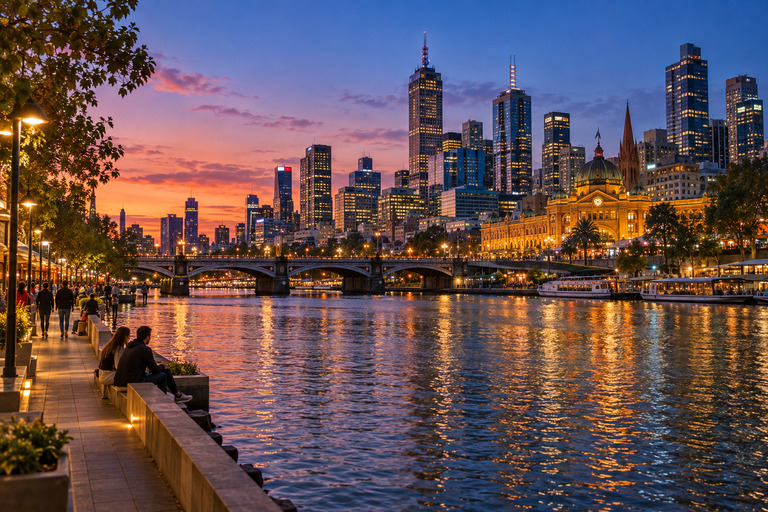
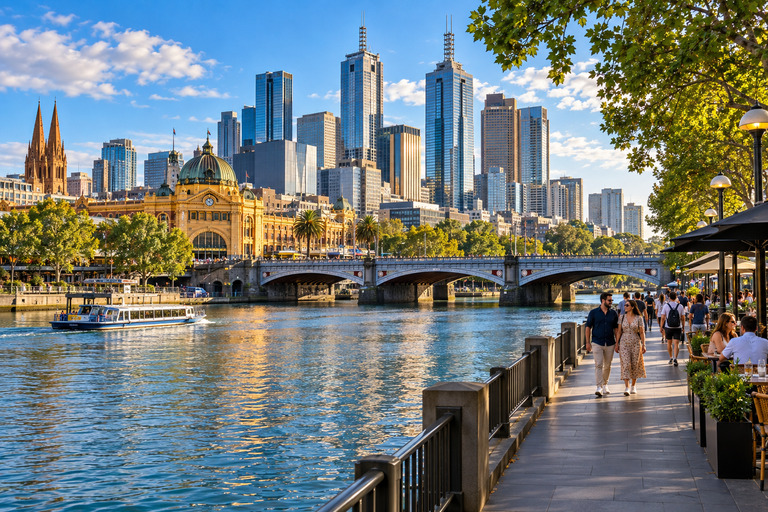
A walk beside the Yarra River is the easiest way to finish a sightseeing day without buying another ticket. Around Southbank, the skyline opens up, bridges frame the water, and the office windows begin to glow as daylight thins.
Start near Princes Bridge, cross to the southern bank, and wander west along the public promenade. Choose your turnaround point according to energy and weather rather than the conviction that every walk needs a heroic destination.
The riverfront can be busy, and some restaurants charge accordingly. You are allowed to enjoy the view without purchasing a full waterfront dinner. I would walk first and choose food afterward, checking menus before sitting down.
Walk for Free, Cruise for a Different Perspective
Allow one to two hours for an easy river walk with stops. Sunset timing changes considerably by season, so check it for your visit instead of borrowing someone else’s summer schedule.
A Yarra River cruise can suit travelers who want commentary, a seated activity, or a different angle on the city. It is optional. Compare the actual route, duration, departure pier, covered seating, and accessibility; a short sightseeing cruise and a dinner cruise are different purchases.
On GetYourGuide, look beyond the headline photograph. Read recent reviews for boarding arrangements and whether commentary was audible. Confirm what happens if weather affects the sailing before paying.
Compare Yarra River Cruises on GetYourGuide
My Tip: Keep shared paths clear when stopping for photos. Someone commuting by bicycle is unlikely to appreciate becoming part of your skyline composition.
What Melbourne Costs When You Actually Add It Up
Accommodation is the largest swing factor. Events, weekends, room location, and cancellation flexibility can change the total more than your choice between two lunch spots.
Daily Budgets Without Wishful Arithmetic
These estimates are per adult, per day, including accommodation, food, local transport, and modest sightseeing. They exclude international flights, shopping, insurance, airport transfers, and major regional excursions.
| Travel style | Daily planning budget | What it generally covers |
|---|---|---|
| Budget traveler | A$110–160 | Dorm bed, simple meals, public transport, mostly free attractions |
| Comfortable midrange | A$190–290 | Half a double room, café meals, public transport, some paid activities |
| More indulgent | A$350–550+ | Half an upscale room, better dinners, paid experiences, occasional cars |
Solo travelers booking private rooms should budget more than the shared-room figures. As a working estimate, allow A$45–80 for a dorm bed, A$160–280 for a midrange double room, and A$300–500+ for an upscale room. These are estimates for comparison, not live offers.
Essential Prices Worth Knowing
| Essential | Planning allowance |
|---|---|
| Standard café coffee | A$5–7 |
| Café breakfast | A$20–30 |
| Simple takeaway lunch | A$15–25 |
| Casual restaurant main | A$25–40 |
| Beer or wine at a bar | A$11–16 |
| Basic supermarket breakfast supplies | A$6–12 per person |
Allow extra for drinks, premium dishes, and displayed weekend or public-holiday surcharges. My Tip: Compare the full meal cost, not just the cheapest item on the menu.
Sleep Somewhere That Makes Tomorrow Easier
For a first visit, I would prioritize a practical address over a dramatic lobby. CBD accommodation makes the central sights straightforward. Southbank suits river walks and access to the arts precinct. Fitzroy suits neighborhood dining and evening atmosphere. St Kilda suits a waterfront stay if you accept longer trips into the center.
On Booking.com, use the map alongside recent reviews. Check noise, air-conditioning, elevator access, luggage storage, and the actual room category. An attractive lead photograph might show a suite you are not booking.
Compare refundable and prepaid totals, then confirm cancellation deadlines and payment conditions. If your flights are unsettled, flexibility may be worth more than a small headline saving.
Find Your Melbourne Stay on Booking.com
For flights, use Trip.com to compare arrival times, luggage allowances, connection lengths, and the final payable price. Check the airport code: Melbourne Airport, MEL, and Avalon Airport, AVV, require different transfer planning. A cheap fare can become less attractive after an inconvenient arrival and extra transport.
Compare Melbourne Flights on Trip.com
Airport Transfers and Trams Without the Guesswork
From Melbourne Airport, the SkyBus Melbourne City Express connects with Southern Cross Station. Current adult fares are A$25.90 one way or A$43.40 return; verify on the official SkyBus fare page. Allow additional time for traffic and onward travel to your accommodation. Melbourne City Express fares
For families, bulky luggage, or an arrival when you want fewer decisions, compare a private transfer through Welcome Pickups. Enter the correct airport, accommodation address, passenger count, and luggage before comparing the total with public transport for your whole group.
Check meeting instructions, waiting time, cancellation terms, and child-seat availability. A private transfer buys convenience; it is not automatically the cheapest choice.
The Free Tram Zone Has Actual Boundaries
Tram journeys wholly within the Free Tram Zone are free. Trips beyond it require a valid fare, even if you board inside it. The zone does not make all central transport free; trains and buses follow their own ticketing rules.
Transport Victoria currently supports Visa and Mastercard contactless payments for full-fare travel on trains, trams, and buses. Use the same card or device consistently and follow current tapping instructions. Concession passengers should use the appropriate myki, rather than assuming a bank card recognizes concession eligibility. Transport Victoria
There is also a temporary discount: from June 1, 2026, until January 1, 2027, public transport fares are half price, with the full-fare daily maximum reduced to A$5.70. SkyBus is separately ticketed. Check Transport Victoria for fares, maps, payment guidance, and disruptions before travel. Transport Victoria
My Tip: You do not need a rental car for this city itinerary. Parking costs and unfamiliar streets add work that walking and public transport usually avoid.
Four Days That Leave Room for Lunch
Day one: Explore the CBD laneways, visit State Library Victoria, and eat in Chinatown. Keep arrival day lighter if you are tired from a long flight.
Day two: Choose an NGV venue, continue to the Royal Botanic Gardens, and finish beside the Yarra River. Book a heritage walk first if it is a priority, then adjust the order.
Day three: Eat at Queen Victoria Market, then spend the afternoon in Fitzroy and Collingwood. Swap days if the market is closed.
Day four: Visit the MCG for a tour or event, then head to St Kilda if timings allow. A long match and a fixed penguin session may need separate days; choose rather than rush.
Rainy-day substitute: ACMI, at Federation Square, offers the free The Story of the Moving Image exhibition. Check ACMI’s official website for current access. It is a particularly useful option for film, television, and gaming interests. ACMI: Your museum of screen culture
Adding a Regional Escape
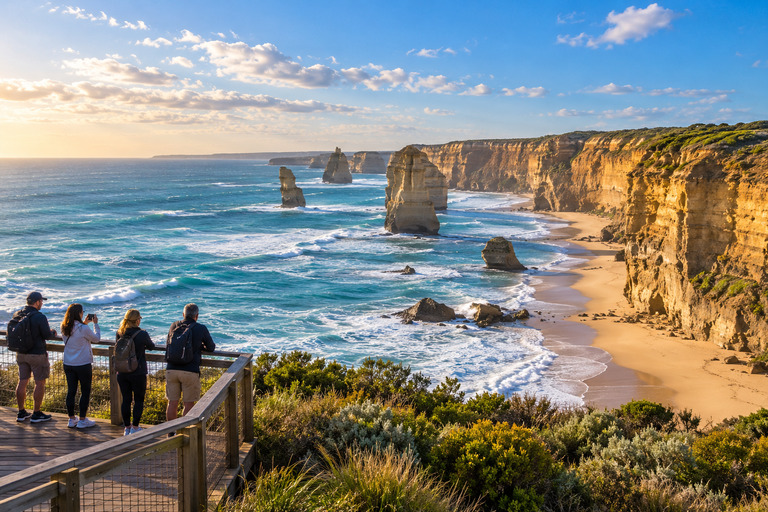
The Great Ocean Road deserves its own time allocation. A day tour means a long day with substantial driving; an overnight or longer trip allows more breathing room. The official touring route outlines a multi-day approach. visitmelbourne.com
If you want to drive, compare GetRentacar offers for your exact dates. Check the actual supplier, deposit, insurance excess, mileage, fuel policy, license requirements, pickup location, and cancellation terms before payment. Collect the car when your regional trip starts, rather than paying to park it during city days.
The Small Preparations That Save Large Headaches
Weather, Packing, and Timing
I would favor March–May or September–November for a walking-focused visit, while checking event dates before booking. December–February brings summer conditions; June–August calls for warmer layers and more indoor options. No season removes the need to check the forecast. visitvictoria.com
Pack comfortable walking shoes, a light waterproof layer, sun protection, and a warm layer for evenings. Add an Australian Type I plug adapter compatible with your devices. Weather can change faster than your enthusiasm for carrying an umbrella.
Data Before Departure
Compare an Australia eSIM on Trip.com before you leave. Confirm that your phone is unlocked and supports eSIM, then check data allowance, validity, activation rules, network coverage, and hotspot permissions. Some plans are data-only, without a local phone number.
Install according to the provider’s instructions while you have reliable internet, and save offline maps and booking confirmations. An eSIM is useful; it is not a guarantee of coverage on every regional road.
Money Without Unnecessary Conversion Surprises
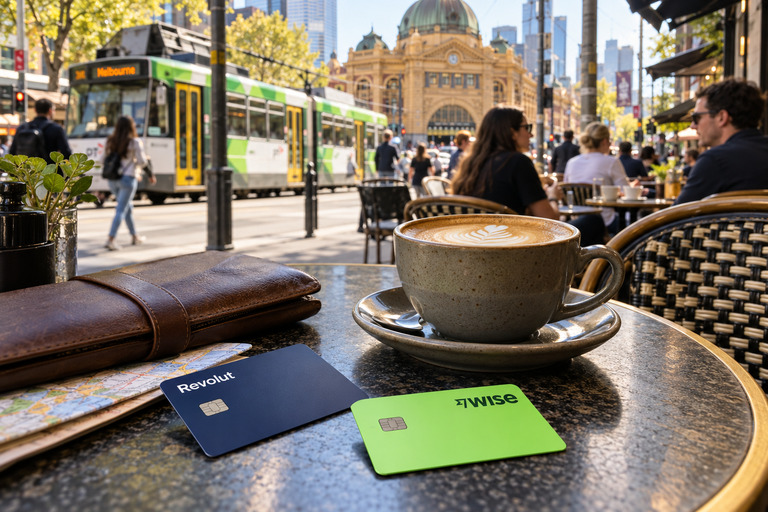
Compare Revolut and Wise using the fees applicable to your country and account. Look at currency conversion charges, plan limits, ATM allowances, and any card costs. Neither service is universally fee-free or automatically the best option for every traveler. Revolut Czechia
Choose payment in Australian dollars when a terminal offers home-currency conversion, and check your own card’s fees. Keep a backup payment method separate from your main wallet.
Explore Revolut for Travel Spending →
Compare Wise Currency and Card Fees →
Entry Requirements, Insurance, and Safety
Check Australia’s entry requirements for your passport through Home Affairs. Eligibility differs; do not assume a friend’s visa arrangement applies to you. Read the Australian Border Force declaration guidance, particularly before packing food, plant materials, or animal products. immi.homeaffairs.gov.au
Use VisitorsCoverage to compare policies available for your residence and itinerary. Read the coverage limits, exclusions, excess or deductible, and relevant medical and cancellation conditions. Buy based on the policy wording and your needs, not an appealing product name.
Keep valuables secure, plan your route home after evening activities, and use ordinary city awareness. Call 000 in an emergency. For regional travel, check VicEmergency warnings and local conditions before departure. emergency.vic.gov.au
Leave Melbourne With Memories, Not a Trail of Packaging
Sustainable travel here can be practical and inexpensive. Walk between nearby stops, use public transport, and group sights by neighborhood rather than repeatedly crossing the city in a car.
Carry a refillable bottle: Melbourne’s tap water is safe to drink, subject to any local advisories. Sit down for coffee when possible, bring a shopping bag to the market, and order food in sensible amounts. Melbourne Water
Support local expertise. Pay for guides whose knowledge adds something meaningful, buy directly from makers when you can, and check authorship and provenance before purchasing Aboriginal art. Respect photography requests and cultural guidance.
Keep wildlife wild. Stay on paths, follow penguin-viewing instructions, and never feed animals for a closer photograph. Choose fewer, longer regional stops over a schedule built entirely around drive-by pictures.
The Part Where I Leave the Afternoon Empty
The strongest Melbourne itinerary has enough structure to prevent frustration and enough space to let the city interrupt. Book the room that makes getting around easy. Secure the experience you would regret missing. Check the market day. Then stop improving the spreadsheet.
You can spend heavily here, but some of the most rewarding hours cost little: a gallery room, a garden path, a library ceiling, a walk beside the river. Put your money toward the things you care about, whether that means a knowledgeable guide, a memorable dinner, or a quieter room after a long flight.
Before booking, compare your accommodation, confirm flight and airport details, and arrange the practical essentials that suit your circumstances. Use the links throughout this guide to check options, but leave yourself permission to skip things. Ten recommendations are an invitation, not homework.
Subscribe to A Tiny Traveler for more honest city guides, useful itineraries, realistic budgets, and the small travel details that are easy to overlook until they become your problem. Follow A Tiny Traveler on Pinterest and save this guide to your Australia travel board so the transport links, neighborhood ideas, and booking advice are there when you need them.
And keep one morning loose. There may be a table available, a paper bag still warm at the bottom, and a tram going somewhere you had not considered over breakfast.
Frank