

Nagoya has a small public relations problem: it sits between places that people have already decided to love. A train pulls into the station, suitcases roll across the platform, and somebody checks how much longer until Kyoto. Meanwhile, beyond the ticket gates, there are palace rooms covered in gold, breakfast toast wearing a thick coat of sweet beans, and chicken wings that require your complete attention. Their loss.
I like a city that gives you something to work with beyond a photograph. In Nagoya, that means following the thread from weaving machines to automobiles, from a shrine beneath old trees to a shopping arcade selling secondhand jackets. You can spend the morning thinking about craftsmanship and the evening getting miso sauce on your shirt. A balanced cultural program, frankly.
This Nagoya travel guide is for curious first-time visitors, independent travelers, couples, and families who want good food and a manageable itinerary. I would give the city three days, stay near a useful station, and resist treating every meal as something squeezed between attractions. Around here, lunch deserves a proper appointment.
Below, I’ll help you choose where to stay in Nagoya, work out a realistic daily budget, navigate the airport and subway, and decide which museums, neighborhoods, and day trips deserve your time. You’ll also find the booking details that can derail a day, especially around Nagoya Castle and Ghibli Park. Bring comfortable shoes. Leave room for breakfast.
Nagoya in One Minute, Before the Planning Tabs Multiply
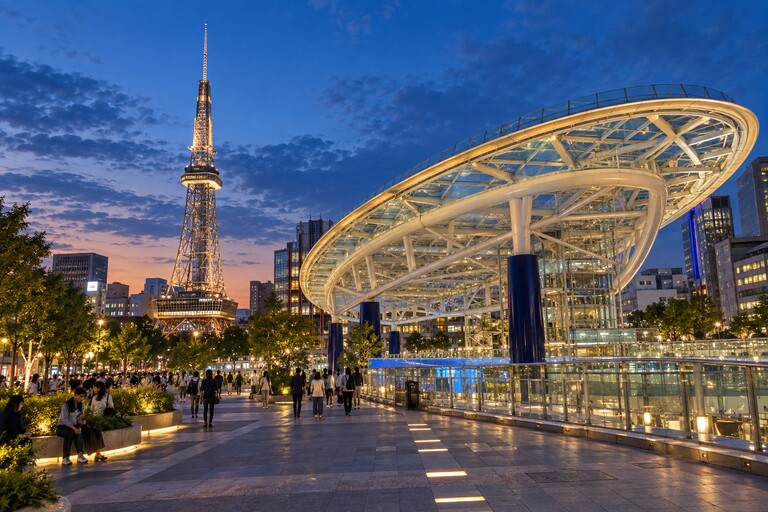
Nagoya is the capital of Aichi Prefecture, in central Japan, and a major stop on the Tokaido Shinkansen corridor. Its appeal combines regional food, industrial history, traditional craftsmanship, and easy rail connections.
- Ideal stay: Two full days for the essentials; three for a more relaxed introduction.
- Best base: Nagoya Station for connections, Sakae for evenings, or Fushimi for a useful middle ground.
- Best fit: Food lovers, museum people, repeat visitors to Japan, and travelers curious about how things are made.
- Main airport: Chubu Centrair International Airport, airport code NGO.
- Typical spending: Roughly ¥8,000–¥12,000 daily on a budget, excluding intercity travel.
Is Nagoya worth visiting? Yes, if those interests sound like you. If you have only a week in Japan and already want Tokyo, Kyoto, and a countryside stop, I would avoid forcing in another hotel change. Give Nagoya real time or save it for another trip.
When to Visit Nagoya Without Negotiating With the Weather
Spring and Fall Get My Vote
For comfortable sightseeing, I would target April–May or October–November, while checking holiday dates. Spring brings fresh leaves and possible cherry blossoms around the transition from March to April. Bloom dates move with the weather; a hotel booking cannot persuade a tree.
Fall suits longer walks, gardens, and day trips. Autumn color usually comes later than first-time visitors expect, often making November more relevant than early October. Check local foliage updates before building a trip around red maples.
My Tip: Choose your travel dates for the whole experience, not one seasonal photograph. Pleasant weather, available rooms, and a workable route matter more than chasing a forecast with your credit card.
Summer, Winter, and the Dates That Distort Hotel Prices
Summer can be hot and humid, with rainy stretches and possible storm disruption. Put outdoor sightseeing early, carry water, and save museums for midday. Winter is cooler and often practical for city exploring, though daylight is shorter and mountain excursions need separate weather checks.
Golden Week, Obon, and New Year can complicate availability and transport. Some museums and small businesses close around the year-end holidays.
For 2026 travelers: The Aichi-Nagoya Asian Games run September 19–October 4. I would expect extra pressure on accommodation around event dates, so compare actual room availability early. Check the official Games website before finalizing plans.
Getting to Nagoya: Start With the Correct Airport
From Chubu Centrair to the City
Chubu Centrair International Airport sits outside the city on an artificial island. Follow signs to the railway connection and use Meitetsu services toward Meitetsu Nagoya Station. The fastest μ-SKY trains take about 28 minutes, station to station; immigration, walking, and your hotel transfer come afterward.
A reserved-seat supplement is required for μ-SKY. Other services offer different seating arrangements and journey times. Check your specific departure rather than assuming every train uses the same ticket. The official airport train guide explains the options.
For planning, allow approximately ¥1,000–¥1,500 per adult for the airport railway journey, depending on service and seating. Verify the live fare before departure.
My Tip: Save your hotel’s Japanese address and nearest station exit before flying. A blue navigation dot is less helpful when your phone has decided that landing internationally is its opportunity for a personal crisis.
When a Transfer Is Worth Paying For
A private transfer makes more sense with children, substantial luggage, mobility needs, or an arrival that misses useful train connections. Request a total price including tolls, waiting time, baggage, and any child seats.
Welcome Pickups is worth checking for your exact airport, destination, and date, but confirm that a bookable service appears. An airport advice page alone does not establish transfer availability.
If no suitable transfer is offered, compare available airport transport through Trip.com or the airport’s official information. Do not confuse Centrair, NGO, with Nagoya Airfield, NKM, which serves a different location.
Arriving From Tokyo, Kyoto, or Osaka
The Tokaido Shinkansen makes Nagoya a practical stop between Tokyo and Kyoto or Shin-Osaka. Journey times depend on the train, so use a live search rather than a single advertised duration.
Compare the complete itinerary before buying any rail pass. Local subways and private railways require their own valid tickets, and a national pass is not automatically economical for a short route.
On Trip.com, compare train times, seat classes, booking conditions, and the total payable amount. Check ticket collection instructions and luggage requirements before paying.
Compare Trains and Flights to Nagoya on Trip.com
Where to Stay in Nagoya: Buy Convenience Before Square Footage
Nagoya Station for Early Starts
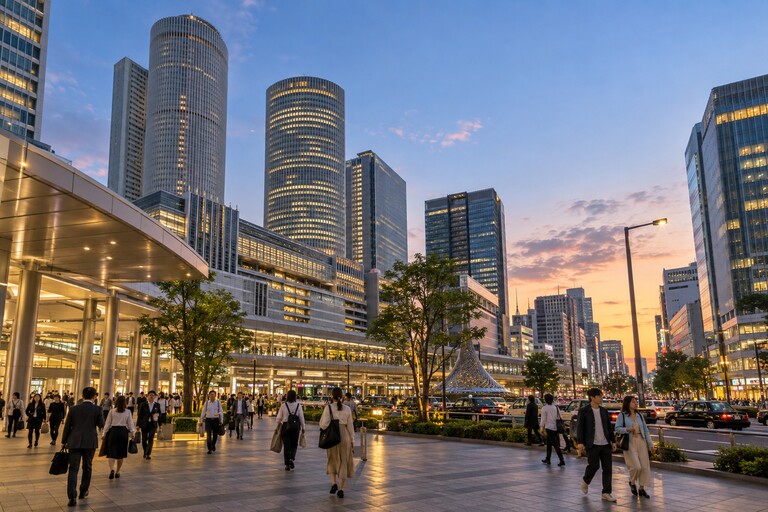
I would choose Nagoya Station, also called Meieki, if the trip includes airport connections, intercity trains, or several day trips. Being able to leave luggage at your hotel and reach a train without a subway transfer has real value.
The catch is scale. “Near the station” can involve a long underground walk, several exits, and the suspicion that you have joined a shopping mall permanently. Check the actual walking route from the relevant railway entrance.
Sakae for Dinner and an Evening Walk
Sakae suits travelers who want restaurants, shops, and city lights within an easy evening wander. It is especially appealing if your priority is enjoying the city after the museums close.
Read recent noise reviews and check the exact street. A neighborhood can be convenient while one particular room faces a soundtrack you did not request.
Fushimi for a Practical Compromise
Fushimi sits between the main station area and Sakae, making it a useful place to compare business hotels. I would start here if station-area prices look unreasonable and you still want central access.
For families, room occupancy and bed dimensions matter more than star ratings. A “double” can be a tight fit, and children’s breakfast or extra bedding may cost more. Travelers with mobility needs should confirm doorway widths, bathroom arrangements, and elevator access directly.
Use Booking.com to filter by your real requirements: nonsmoking rooms, cancellation terms, breakfast, laundry, and distance from a station. Compare the final total for all travelers, then read recent reviews about cleanliness and soundproofing.
Find a Nagoya Hotel That Fits Your Route on Booking.com
My Tip: Book location first, then decide whether the breakfast upgrade earns its keep. The city’s cafés may provide a better reason to leave the building.
Getting Around Nagoya Without Collecting Unnecessary Tickets
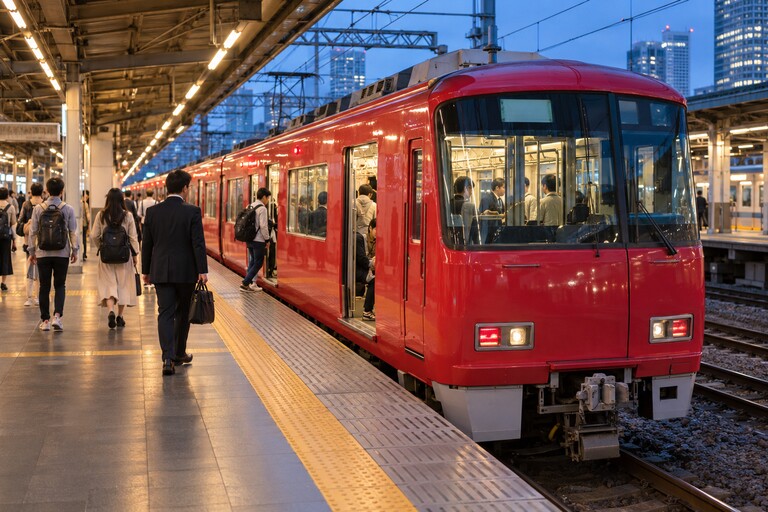
The subway handles much of central sightseeing. Meitetsu, JR, Kintetsu, and the Aonami Line serve different regional routes; they are not interchangeable with a municipal subway pass.
For simple journeys, a compatible IC card, such as manaca, is convenient. Keep enough balance and confirm acceptance for the route you choose.
The current municipal options include:
- Subway single fares: ¥210–¥340, depending on distance.
- Subway 24-Hour Ticket: ¥760 for adults.
- City Bus and Subway One-Day Ticket: ¥870 for adults.
- Donichi Eco Kippu: ¥620 for adults, valid on eligible city services on weekends, public holidays, and the eighth of each month.
The 24-hour subway ticket and a calendar-day ticket have different validity rules. Check coverage and current fares in the official Nagoya transport guide.
My Tip: Count journeys before buying a pass. Two short rides may cost less individually. A pass becomes useful when your route actually uses it, not because its name includes “value.”
Walk within neighborhoods and ride between them. Osu and Sakae reward wandering; crossing the whole city on foot can quietly consume the day. Save station exits and allow extra time for elevators or luggage.
The Best Things to Do in Nagoya, With Room to Enjoy Them
Nagoya Castle: The Palace Is the Point
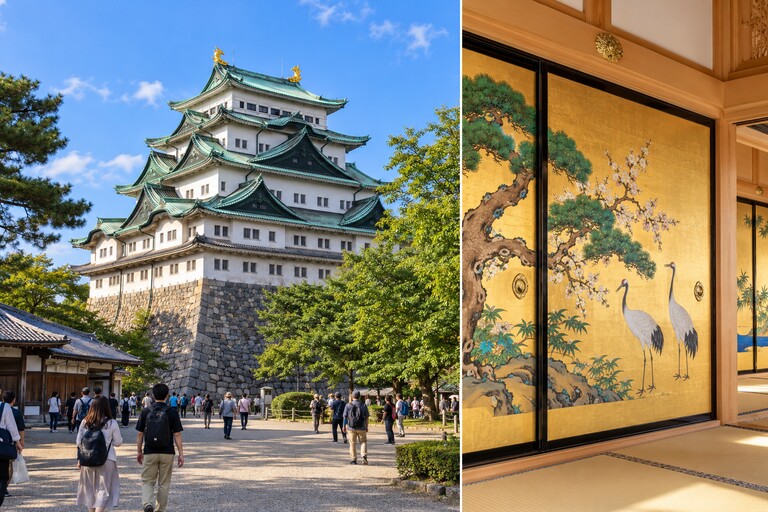
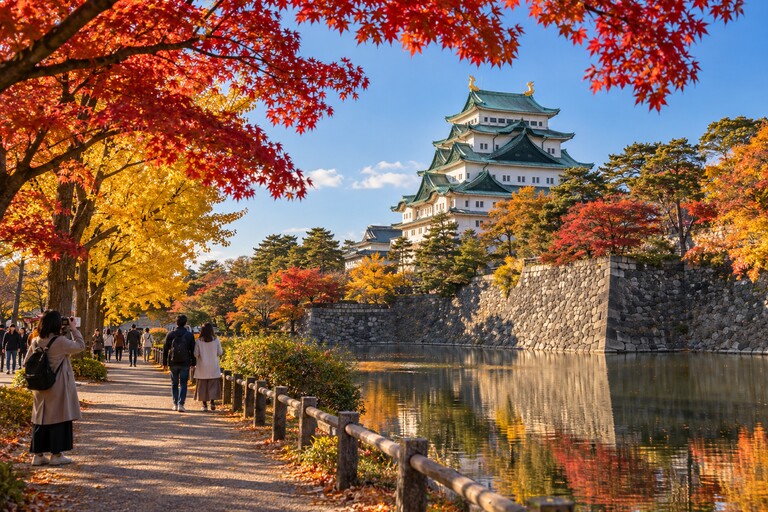
Nagoya Castle belongs near the top of a first visit, but arrive with the correct expectation: the tower keep is currently closed to entry. You can still visit the grounds and Hommaru Palace, subject to operating conditions. Check the official castle status.
The reconstructed palace gives you painted screens, elaborate woodwork, and gold surfaces that make ordinary interior decorating seem a little halfhearted. I would spend time looking at the rooms instead of racing through them for the next exterior photograph.
Adult admission is ¥500 through September 30, 2026, rising to ¥1,000 on October 1, 2026. Junior-high-school-age children and younger enter free. Verify the official fee notice for your date.
Allow around two hours as a planning estimate. Building entry deadlines can precede grounds closure, so do not arrive late assuming everything remains accessible.
Atsuta Jingu: Turn Down the Volume
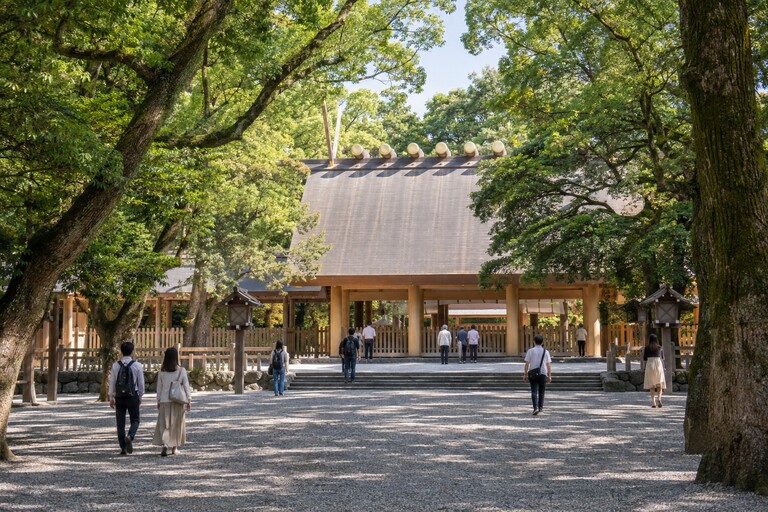
Atsuta Jingu offers a different pace: gravel underfoot, shaded paths, and the instinct to lower your voice. This is an active Shinto shrine, so give worshippers space and follow signs about photography and restricted areas.
The shrine is associated with the sacred Kusanagi sword, but do not expect to see that sacred object displayed. Check visitor facilities through the official Atsuta Jingu website.
I would allow about an hour, longer if you add a museum or meal nearby. Main shrine grounds and paid facilities are different things; verify individual opening times rather than treating the whole complex as one attraction.
Osu: Leave Yourself Unscheduled
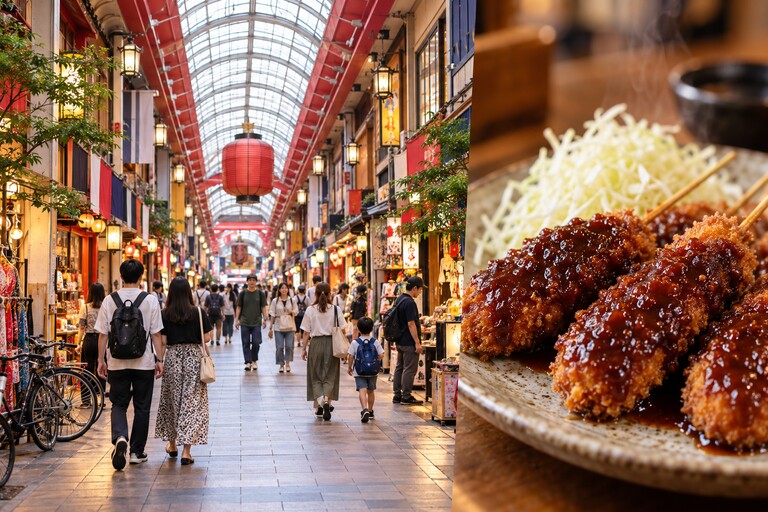
The Osu Shopping District mixes clothing, electronics, cafés, and places to eat. The official neighborhood guide gives a useful overview, but this is somewhere I would deliberately under-plan.
Start around Osu Kannon, then follow whatever catches your attention: a rack of used denim, a shop window crowded with collectibles, the smell of something frying. The pleasure is in the changing storefronts, not completing a route.
Give it two or three hours, preferably when shops are open rather than at dawn. Eat beside the vendor or in a designated space. A crowded arcade is a poor place to walk while balancing sauce and skewers.
Toyota’s Museum: Give the Looms a Chance
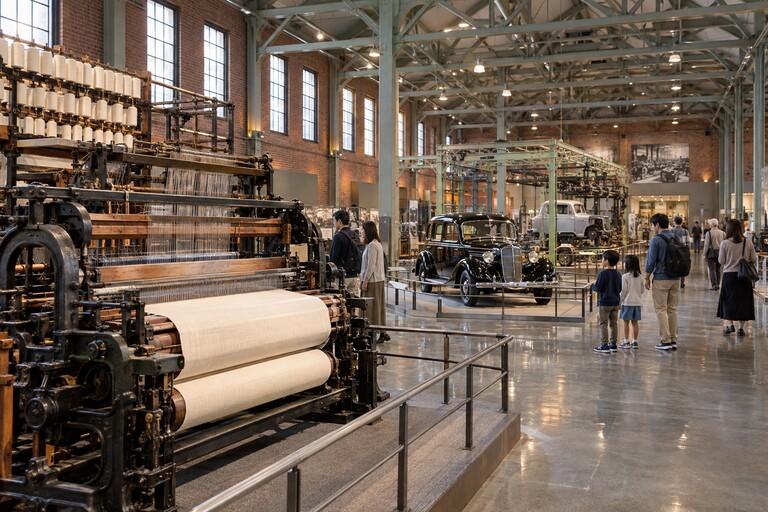
The Toyota Commemorative Museum of Industry and Technology explains the relationship between textile machinery, manufacturing, and automobiles. It is especially rewarding if you like watching a mechanism do something rather than simply reading that it once did.
This is not a working automobile factory tour. Check demonstrations and visitor information on the official museum website. Plan approximately two to three hours, depending on your interest.
I would prioritize it over another shopping complex. Even if cars leave you cold, the textile machinery gives the industrial story a physical starting point: thread, motion, repetition, and somebody solving a practical problem.
My Tip: Check the closure calendar before building a museum day. Monday closures and holiday exceptions can rearrange an otherwise sensible itinerary.
Noritake Garden: A Souvenir With a Job
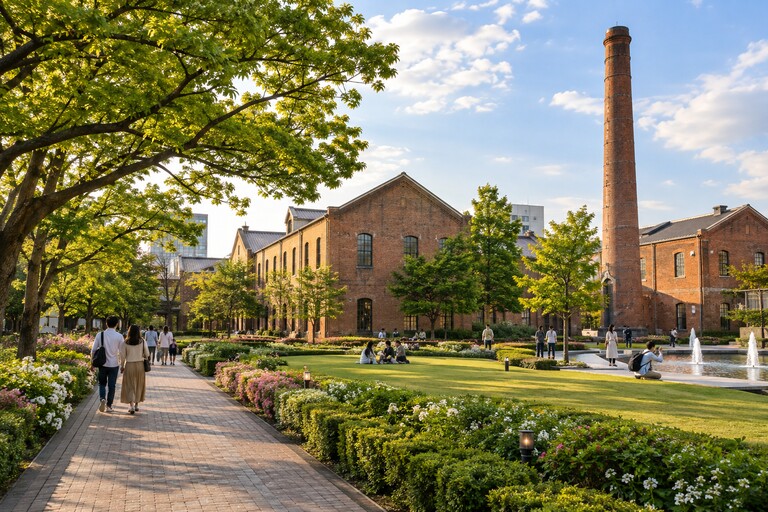
Near the station side of the city, Noritake Garden connects ceramics, company history, shops, and green space. The Craft Center and Museum is separate from simply walking the grounds, so check what requires admission through the official Noritake visitor information.
It pairs well with the Toyota Commemorative Museum, especially if you enjoy craft and design. I would allow an hour for a gentle visit, longer for museum displays or a booked activity.
A cup you use every morning makes a convincing souvenir. Check the maker, price, and protective packaging before letting your suitcase become a ceramic percussion instrument.
Tokugawa Art and Garden Time
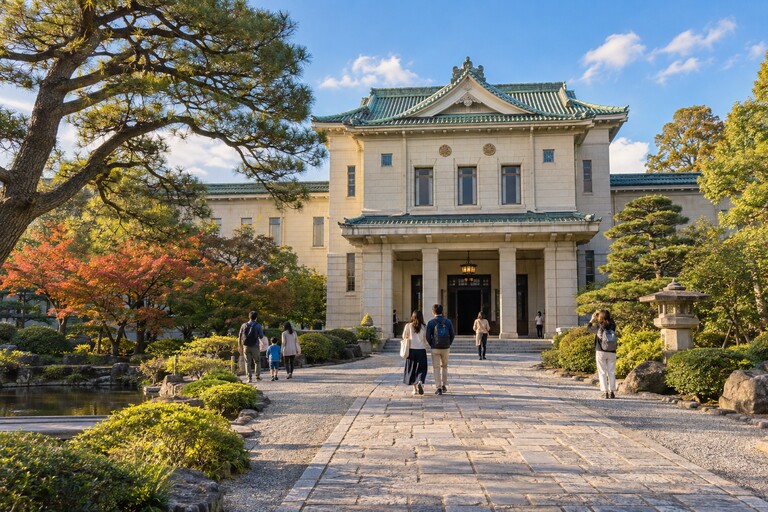
Choose the Tokugawa Art Museum if armor, courtly objects, and historical craftsmanship interest you. Add Tokugawaen for garden paths and a slower afternoon. The museum and garden have separate admission arrangements, so check which spaces your ticket includes on the official museum website.
This is a better choice for a focused cultural visit than squeezing in three unrelated attractions. Exhibition schedules change; identify what is showing before committing your afternoon.
Sakae After Dark
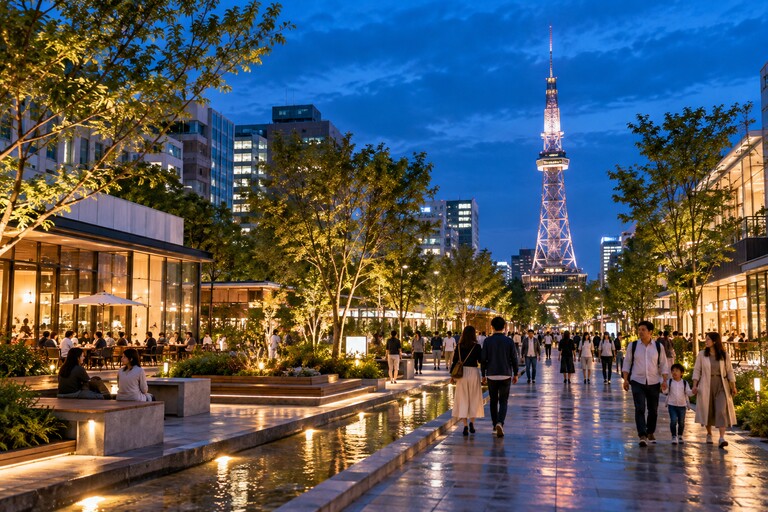
Return to Sakae for Oasis 21, Hisaya-odori Park, and Chubu Electric Power MIRAI TOWER. The tower provides the recognizable vertical landmark; the surrounding public spaces make the evening walk.
I would begin around dusk, when the sky still has some color, then find dinner nearby. Check current access and events through Visit Nagoya. Paid observation areas are optional; you do not need to purchase a view to enjoy the neighborhood.
Trains or Textiles? Pick Your Extra
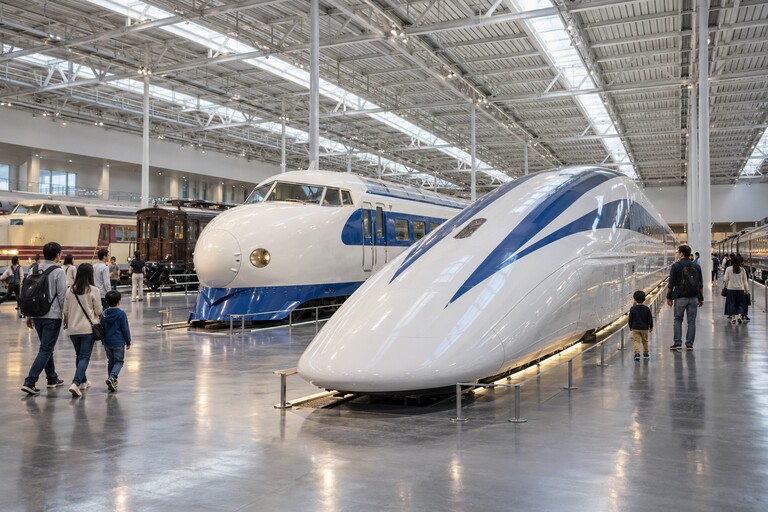
For transport enthusiasts and many families, SCMAGLEV and Railway Park offer historic trains and high-speed railway exhibits. It is reached via the Aonami Line toward Kinjofuto, so allow for the journey. Check opening days, admission, and simulator arrangements on the official railway museum website.
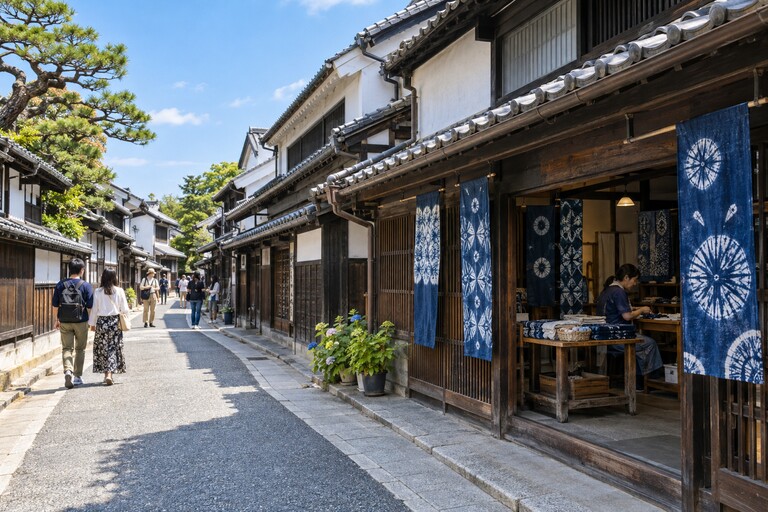
For a quieter craft-focused outing, choose Arimatsu, known for shibori tie-dyeing and its historic streetscape. Book a workshop ahead if making something is the point. The official Arimatsu guide explains the neighborhood’s textile background.
My Tip: Pick the extra that matches your interests. A shorter list with genuine curiosity beats an afternoon spent proving you visited everything.
Ghibli Park: Book the Right Ticket Before the Hotel Drama
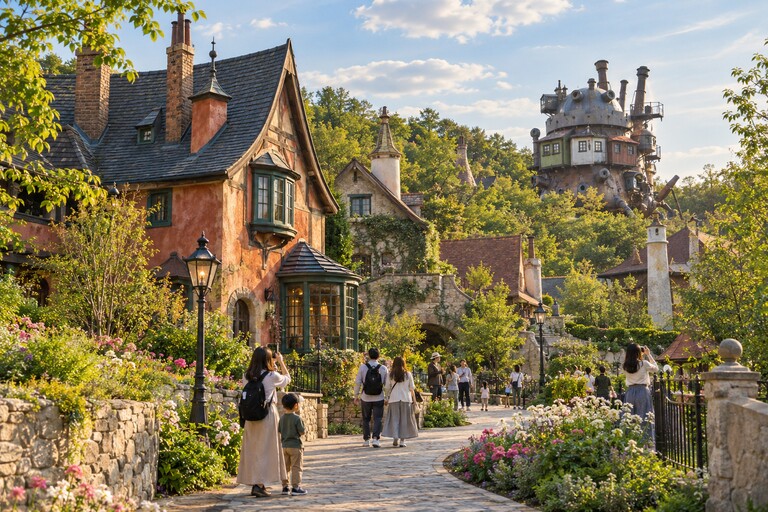
Ghibli Park is in Nagakute, outside central Nagoya. It deserves its own day if Studio Ghibli is a major reason for your trip. Expect environments, exhibitions, walking, and close attention to detail rather than a conventional thrill-ride park.
Advance planning is essential. Ticket products differ in access. For example, the O-Sanpo Day Pass Premium has its own release schedule, currently the tenth of the month at 2 p.m. Japan time, two months ahead. Do not assume every product follows identical rules.
Read the official overseas ticket page for your month, including areas, timed entry, identification requirements, and prices. Ghibli Park is different from the Ghibli Museum in Mitaka.
Allow roughly an hour or more from central Nagoya, depending on your starting point and connections. The usual rail approach involves the Higashiyama Line and Linimo; confirm your route for the reserved arrival time.
If comparing a package on GetYourGuide, verify the exact ticket name, transport, meeting point, and cancellation terms. A transfer, a day pass, and access to particular interiors are different purchases.
Compare Nagoya Experiences and Ghibli Park Packages on GetYourGuide
What to Eat in Nagoya: Give Lunch Some Authority
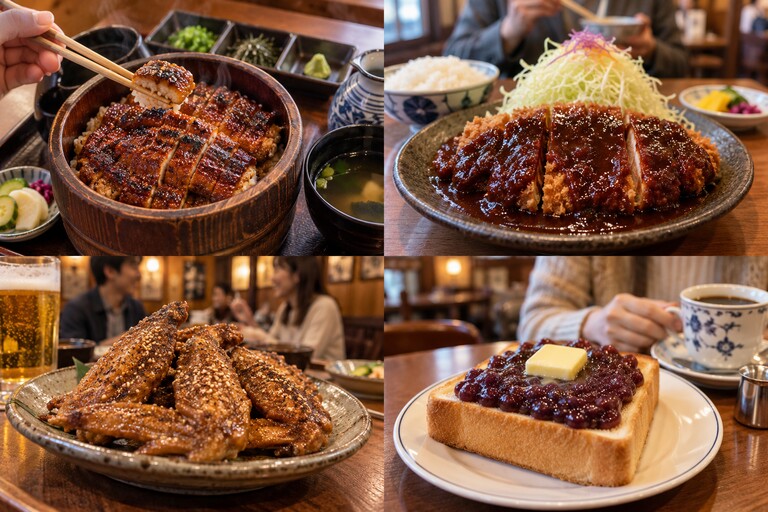
Nagoya meshi means the region’s distinctive food culture. Expect substantial flavors: fermented soybean depth, pepper, fried edges, and meals that make a plain convenience-store sandwich feel like administrative paperwork. Browse the official Nagoya meshi guide for the regional context.
Hitsumabushi: One Meal, Several Opinions
Hitsumabushi combines grilled eel and rice, usually with condiments and broth or tea for changing how you eat it. Begin simply, try the seasonings, then add the liquid as instructed. The crisp edges and sweet-savory glaze give way to a softer, gentler final bowl.
Allow approximately ¥3,500–¥6,000 or more as a planning budget, depending on portion and restaurant. This is a splurge meal. I would choose one place carefully and check its queue or reservation system rather than scheduling it between two timed tickets.
Miso Katsu and Miso Nikomi Udon
Miso katsu is a breaded pork cutlet with a dark miso sauce that brings sweetness, salt, and fermented depth. The coating softens beneath the sauce while exposed edges keep some crunch. Ask for sauce separately if you want more control.
Miso nikomi udon delivers thick noodles in a hot miso broth, often in an earthenware pot. The noodles can be deliberately firm; do not assume that texture signals a kitchen mistake. Let the first mouthful cool. Hunger is a terrible judge of temperature.
Tebasaki, Kishimen, and Tenmusu
Tebasaki are seasoned chicken wings: sticky fingers, pepper on the tongue, and a pile of bones that records your progress. They work well for a relaxed dinner with drinks.
Kishimen are broad, flat noodles, useful when you want something simpler. Tenmusu, rice balls with shrimp tempura, make a convenient snack or light meal. Order for your appetite; trying local food need not become a competitive event.
Breakfast Deserves Its Own Reservation in Your Day
Look for a café offering morning service, where a drink may come with toast or other breakfast items during specified hours. Ogura toast, with sweet red bean paste, is an appealing introduction: buttery bread, a lightly crisp surface, and soft beans.
My Tip: Check what the drink price includes before ordering extras. Morning sets vary, and elaborate versions can cost more.
For a food tour, compare GetYourGuide listings by included tastings, group size, dietary accommodation, walking distance, and recent reviews. A useful guide explains the food and handles the ordering; “many stops” is not enough information.
Find a Nagoya Food Tour for Your Appetite on GetYourGuide
Nagoya Travel Costs: A Budget That Includes Actual Meals
These are planning estimates in Japanese yen, not live quotes. They assume ordinary travel dates; events and weekends can change accommodation costs significantly. Daily totals exclude international flights, intercity trains, insurance, shopping, and major theme-park visits.
Three Realistic Daily Budgets
- Budget traveler: ¥8,000–¥12,000 per person. Think a hostel bed or inexpensive room, casual meals, public transport, and selective paid sightseeing.
- Comfortable midrange traveler: ¥15,000–¥25,000 per person. Think a shared private hotel room, restaurant meals, local transport, and paid attractions.
- Higher-comfort traveler: ¥30,000–¥50,000 or more per person. Larger rooms, special meals, private guiding, or transfers can push spending upward quickly.
A sample ¥18,000 day could allocate ¥8,000 to your share of a room, ¥5,000 to meals, ¥1,000 to transport, ¥2,000 to attractions, and ¥2,000 to snacks and flexibility. Solo travelers paying for a private room should adjust upward.
What Everyday Essentials Might Cost
- Hostel bed: Approximately ¥3,500–¥6,500 nightly.
- Basic private room: Approximately ¥7,000–¥13,000 per room nightly.
- Midrange double room: Approximately ¥12,000–¥22,000 nightly.
- Simple café breakfast: Approximately ¥500–¥900.
- Casual lunch: Approximately ¥900–¥1,500.
- Ordinary restaurant dinner: Approximately ¥1,500–¥3,000, before substantial drinks.
- Coffee: Approximately ¥350–¥650.
- Bottled water: Approximately ¥100–¥180.
- Convenience-store rice ball: Approximately ¥150–¥250.
- Coin laundry wash and dry: Allow approximately ¥500–¥1,000.
My Tip: Price your hotel dates before committing to a daily budget. Saving a few yen on water cannot repair a room rate doubled by a major event.
Money, Mobile Data, and the Boring Things That Save the Day
Cards and Cash Both Earn Their Place
Carry some cash for small businesses and a backup card stored separately. Keep a modest reserve rather than withdrawing the whole trip budget at once.
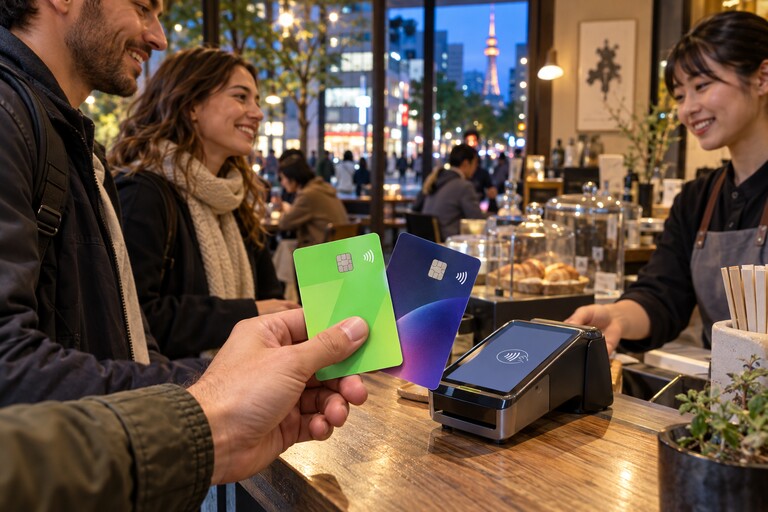
Wise and Revolut are worth comparing with your existing cards for spending in Japanese yen. Check availability in your home country, exchange charges, ATM allowances, and applicable plan fees. Their terms differ; neither is automatically free for every transaction.
Read Wise’s card acceptance guidance and Revolut’s travel spending explanation, then compare your own account’s terms. Review the displayed conversion and fees before accepting a payment or withdrawal.
Compare Travel Spending Options With Wise →
Check Revolut’s Plans for Your Trip →
Sort Your eSIM Before the Arrival Hall
A Japan eSIM through Trip.com can help with maps, translation, and booking access. Before buying, confirm that your phone is unlocked and eSIM-compatible, then check coverage, validity, activation timing, hotspot support, and any fair-use limits.
Do not assume a data package includes a local phone number or voice calls. Save installation instructions offline, and follow the specific activation rules so you do not start the validity period prematurely.
Insurance Without the Vague Promises
Use VisitorsCoverage to compare eligible travel insurance options, then read the actual policy. Pay attention to medical benefits, exclusions, deductibles, trip interruption, and activities you plan to do. Residence, age, and purchase timing can affect eligibility and coverage.
The VisitorsCoverage comparison information is a starting point, not a substitute for policy wording. Save the assistance number and documents offline.
A Three-Day Nagoya Itinerary That Leaves Time to Sit Down
Day One: Palace Rooms, Shopping Arcades, City Lights
Begin at Nagoya Castle, allowing time for Hommaru Palace and the grounds. Have lunch before moving to Osu for shops and snacks. Finish in Sakae around dusk, then choose dinner based on appetite rather than another reservation you now regret.
Keep the afternoon flexible. If the palace has a queue or you enjoy the shops, shorten the evening walk instead of rushing all three areas.
Day Two: Machines and Ceramics
Visit the Toyota Commemorative Museum of Industry and Technology, then eat lunch and continue to Noritake Garden. Keep the evening open for a food tour or a slow restaurant meal.
This route groups compatible interests and reduces unnecessary cross-city travel. Check both venues’ opening calendars first, particularly around Mondays and holidays.
Day Three: Choose Your Kind of Day
For another city day, combine Atsuta Jingu with a leisurely lunch, then choose Tokugawa Art Museum and Tokugawaen if time and energy allow. For animation fans, use the day entirely for Ghibli Park. For a change of setting, choose Inuyama instead.
With one day, I would choose the castle, Osu, and Sakae. With two days, add the museum route or shrine according to your interests. You are building your holiday, not applying for a sightseeing certificate.
The Best Day Trips From Nagoya Depend on Your Appetite for Travel
Inuyama for a Castle Town
Inuyama offers a surviving historic castle keep above the Kiso River, plus streets for eating and wandering. Read the Japan National Tourism Organization’s castle guide before visiting. Interior stairs are steep, which matters for mobility and small children.
Allow a generous half day or a full day if you prefer lunch and wandering without clock-watching. Check Meitetsu connections from your starting station.
Tokoname for Pottery
Tokoname suits ceramics lovers, with pottery-related lanes, shops, and workshops. Its location near Centrair makes it geographically tempting before a flight, but leave a proper airport buffer. Luggage, shop hours, and your departure terminal all matter.
Use the official Tokoname tourism website to choose a route and check activities. I would rather book a workshop and explore slowly than rush through carrying a suitcase.
Magome and Tsumago for a Longer Outdoor Day
The old post towns of Magome and Tsumago appeal if you want historic streets and a walk along the Nakasendo. This requires more planning than a city museum: rail connections, infrequent buses, daylight, weather, and trail conditions.
Start with the official tourism access guide for Magome and verify current local transport. Do not build your return around the final possible bus.
A guided excursion through GetYourGuide can reduce transport planning, but inspect how much time is actually spent walking versus riding between stops. Choose the itinerary that matches the experience you want.
Should You Rent a Car?
For central Nagoya, I would skip it. A car is more useful for a wider countryside route with destinations poorly connected by public transport.
If using GetRentacar, confirm vehicle availability, the actual supplier, pickup location, fuel policy, insurance excess, cancellation terms, and all fees. Verify that your driving documents are accepted in Japan before booking through the Japan Automobile Federation’s official guidance.
Questions You Might Ask Before Booking
Is Nagoya Good for Solo Travelers?
I would recommend the city’s structure for an independent itinerary: choose a central base, group nearby sights, and keep your evenings flexible. Counter seating can make eating alone straightforward. Check the last train before a late dinner, and keep your hotel address available offline.
Can You Explore Without Speaking Japanese?
You can plan around railway signage, saved addresses, translation tools, and a little patience. Smaller restaurants may have limited English information. Download translation support in advance, and show the written destination when asking for help. Speaking more loudly rarely improves anyone’s vocabulary.
What Should You Do When It Rains?
I would move the Toyota Commemorative Museum or another indoor attraction into that day, then use covered shopping areas for a shorter wander. Check opening days before switching plans. Covered arcades still involve outdoor connections, so bring the umbrella anyway.
Is Nagoya a Good Family Stop?
Yes, particularly if your family enjoys trains, hands-on learning, or Ghibli stories. Choose one activity per day and leave room for meals and rest. Check stroller access, child ticket rules, and room occupancy separately. A family-friendly city does not mean every historic building or hotel room fits every family. Give children time to choose something, too.
Small Habits That Make You a Better Guest
Sustainable travel in Nagoya can be practical rather than theatrical. Use trains between places, walk within neighborhoods, and stay several nights instead of repeatedly moving hotels.
- Refill a reusable bottle: Nagoya’s tap water is drinkable; follow any local notice affecting a particular facility.
- Buy fewer, better souvenirs: Choose locally made ceramics or Arimatsu shibori, and ask where items were produced.
- Reduce laundry and towel changes: Use hotel services when needed rather than automatically requesting everything daily.
- Order thoughtfully: Start with manageable portions and add more if necessary.
- Respect residential streets: Keep voices low, avoid blocking entrances, and ask before photographing people.
- Carry your litter: Public bins are not guaranteed wherever you finish a snack.
At shrines, follow posted instructions and give worshippers priority. In restaurants, ask before making substitutions, especially when a small kitchen is busy. Politeness is more useful than an elaborate performance of local etiquette.
Before You Zip the Suitcase
Check entry requirements for your passport through the Japanese Ministry of Foreign Affairs. Carry required identification, keep accommodation details offline, and verify medication import rules if relevant to you.
Pack comfortable walking shoes, a compact umbrella, a power bank, and a suitable plug adapter. Japan uses 100-volt electricity; confirm your device’s voltage compatibility rather than assuming an adapter converts power.
For allergies or dietary restrictions, bring a clear Japanese-language explanation. Fish stock can appear in dishes that look vegetarian, and wheat-based noodles or sauces require attention. Do not rely on a photograph to establish ingredients.
Save 110 for police and 119 for ambulance or fire, and read the official Japan safety information. For mobility needs, plan accessible station exits and ask attractions about surfaces and interior stairs before arrival.
The Part of Nagoya I Would Leave Unscheduled
The version of Nagoya I would encourage you to book has a few firm anchors: a conveniently located room, any essential timed tickets, and enough knowledge of the transport system to stop thinking about it. After that, leave breathing room.
Spend that extra half hour in a museum when a demonstration finally makes sense. Sit down for coffee instead of carrying it toward the next obligation. Order the regional dish you came for, but let yourself choose something simpler tomorrow. Curiosity works better when it has not been given an hourly performance target.
Start with your dates and hotel location, then secure Ghibli Park if it matters to you. Build the remaining days around two or three meaningful stops, check closures, and keep your meal budget realistic. That small amount of preparation leaves you free to enjoy the details that no booking page can sell.
Subscribe to A Tiny Traveler for more practical travel guides, thoughtful itineraries, and honest advice about where your time and money go. I’ll help you sort the worthwhile experiences from the expensive distractions, with room for good meals and the occasional change of plan.
Follow A Tiny Traveler on Pinterest and save this Nagoya travel guide to your Japan travel planning board. When the booking tabs return, you’ll have the route, budgets, and essential links in one place.
Then give Nagoya its three days. Let tomorrow’s train wait until tomorrow. There is still toast on the table, and the butter is disappearing into the warm bread.
Frank


