

There is a point in planning a winter vacation when the hotel photos start winning arguments they have no business winning. A glass roof. A copper bathtub. Someone wearing socks beside a fireplace that probably costs more per night than your flight. I want those things too. But first, I want to know where dinner is, how you get there after dark, and whether the road closes when the wind gets ideas.
That is where this guide begins. Scandinavia in winter can mean an Arctic evening spent waiting for a green streak overhead, a ski lesson that introduces your backside to gravity, or a city afternoon divided between paintings and butter-heavy pastries. Booking the wrong one is an expensive way to discover that you hate standing still in the cold.
I have kept these 10 best winter destinations in Scandinavia within Norway, Sweden, and Denmark. Finland and Iceland belong to the wider Nordic region, but they are outside this list. You will find choices for couples, independent travelers, families, photographers, and skiers, with honest trade-offs instead of ten places all somehow being perfect.
Start with the experience you want, then choose the destination and month together. I will walk you through where to stay, what deserves your money, how to move around, and what everyday essentials might cost. Snow is not universal. Northern lights are never guaranteed. A warm room near dinner deserves more respect than it gets.
Choose Your Winter Before You Choose Your Hotel
My shortlist: Choose Tromsø for a first Arctic trip, Abisko for an aurora-focused stay, Åre for skiing, and Copenhagen for festive city pleasures. Lofoten suits patient photographers; Bergen suits travelers who accept rain in exchange for fjord access.
| Destination | Best fit | My preferred window | Suggested stay |
|---|---|---|---|
| Tromsø, Norway | Arctic activities and aurora tours | February–March | 4–5 nights |
| Abisko, Sweden | Dark skies and quiet | February–March | 3–4 nights |
| Kiruna and Jukkasjärvi, Sweden | Ice art and snow activities | January–March | 3–4 nights |
| Lofoten, Norway | Coastal photography and cabins | February–March | 4–6 nights |
| Åre, Sweden | A dedicated ski vacation | February–March | 4–7 nights |
| Oslo, Norway | Museums plus accessible winter sports | January–March | 3–4 nights |
| Bergen, Norway | Maritime history and fjord outings | December–March | 3–4 nights |
| Trondheim, Norway | Food, architecture, and slower days | December or February–March | 3 nights |
| Stockholm, Sweden | Museums, neighborhoods, and cafés | December–February | 3–4 nights |
| Copenhagen, Denmark | Food, design, and Christmas atmosphere | Late November–December | 3–4 nights |
The calendar has consequences
Late November and December suit Christmas trips, provided your dates match the actual market calendars. Do not assume celebrations continue throughout January. In the far north, daylight becomes scarce; polar night can still bring midday twilight rather than continuous ink-black darkness.
January suits travelers who actively want deep winter and long evenings. February and March are my preference for balancing snowy activities with returning daylight in the north. Ski resorts can become expensive during school vacations, so compare adjacent weeks before committing.
Coastal weather can change quickly. Southern cities may deliver wet pavement instead of snow. Choose Copenhagen for museums and food; choose northern inland destinations for a stronger snow focus. Just pack for the vacation you are actually buying.
1. Tromsø, Norway: Give the Sky More Than One Chance
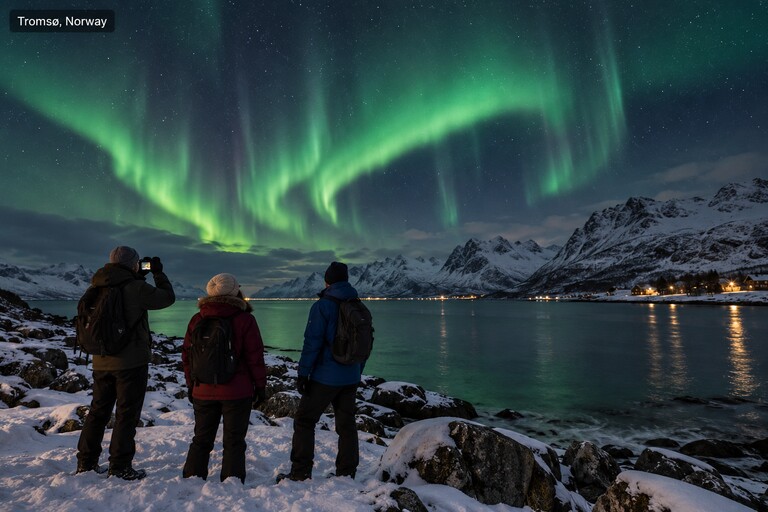
Tromsø makes Arctic travel manageable without requiring an expedition personality. You can sleep centrally, eat somewhere warm, and join guided outings rather than negotiate unfamiliar winter roads yourself.
The main attraction is the northern lights, visible here when darkness, sufficiently clear skies, and auroral activity coincide. The local tourism board gives a broad viewing season from late August to early April. Winter falls within it, but paying for a tour does not purchase the weather. Read the Visit Tromsø northern lights guide before choosing dates.
Build a trip that survives a cloudy evening
I would reserve four or five nights and schedule the first aurora outing early. That leaves options if conditions disappoint. Read the operator’s cancellation and repeat-trip terms; a “second chance” may require another available evening and may not be free.
During daylight, explore the waterfront and choose one indoor attraction. Polaria is an option for Arctic marine exhibits; check its current program through Visit Tromsø. Leave a proper rest period before a late excursion. Exhaustion is a remarkably effective way to stop enjoying an expensive holiday.
For dinner, look for fish soup or a seasonal seafood dish. Think steaming broth, bread dragged around the bowl, and butter softening at the edges. Reserve special dinners, but avoid a rigid late reservation on an aurora-tour night.
Stay centrally and spend selectively
Best for: First-time Arctic visitors, couples, and solo travelers comfortable joining groups. Less suitable for: Travelers expecting a bargain winter city break.
Choose accommodation within a realistic walk of your tour pickup and restaurants. A waterfront view is pleasant; a steep icy climb after midnight becomes less charming by night three.
Planning allowance: NOK 1,600–2,600 per person daily, sharing a midrange room, before major excursions. Set aside roughly NOK 1,500–2,500 for an aurora outing, depending on duration and inclusions.
My Tip: On GetYourGuide, compare group size, thermal clothing, toilets, time outdoors, pickup location, and cancellation conditions. The cheapest thumbnail rarely explains the whole evening.
Compare Tromsø Northern Lights Tours on GetYourGuide
2. Abisko, Sweden: Less Nightlife, More Night
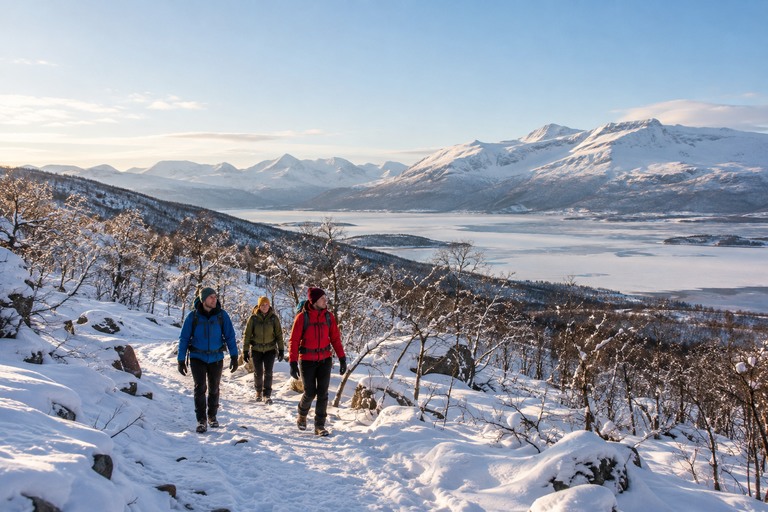
If your ideal evening involves a horizon rather than a cocktail menu, Abisko deserves attention. This is the choice for travelers who want their days arranged around outdoor conditions and their nights arranged around darkness.
The Swedish Tourist Association operates STF Abisko Turiststation, with hotel, hostel, and cabin accommodation inside Abisko National Park. Its facilities include guest kitchens and access to guided activities. The nearby Aurora Sky Station is reached by chairlift when operating. Check seasonal arrangements directly with STF Abisko Turiststation.
Treat remoteness as a practical detail
I would plan three or four nights, with food arrangements settled before arrival. Limited dining choices matter more when you are hungry in thermal underwear, and everything outside looks firmly closed.
A kitchen can make the difference between an affordable stay and repeated restaurant spending. Confirm what provisions are available locally, bring suitable supplies, and reserve meals where necessary. Dietary requirements deserve an email before arrival, not a hopeful conversation at the dinner table.
Choose a guided daytime activity suited to your experience. Summer trail descriptions do not establish safe winter routes. A short walk can become complicated when snow hides edges, and daylight disappears faster than expected.
Book the bed and the journey together
Best for: Aurora-focused travelers, photographers, and people happy with quiet evenings. Less suitable for: Anyone needing extensive restaurant choice or constant indoor entertainment.
Search rail journeys through SJ, checking the exact station, operating dates, and any replacement transport. Abisko Östra and Abisko Turiststation are different stops. Confirm which serves your accommodation before purchasing.
Planning allowance: SEK 1,300–2,200 per person daily with shared accommodation and restrained dining, excluding special excursions. I would keep an additional SEK 1,000–2,000 available for a guided evening, subject to the product selected.
My Tip: Compare the entire stay on Booking.com, including kitchen access, linen, meals, and cancellation terms. A cheaper bed can lose its advantage quickly if every meal requires another purchase.
Find Abisko Stays With Practical Winter Facilities
3. Kiruna and Jukkasjärvi, Sweden: The Hotel Is Part of the Adventure
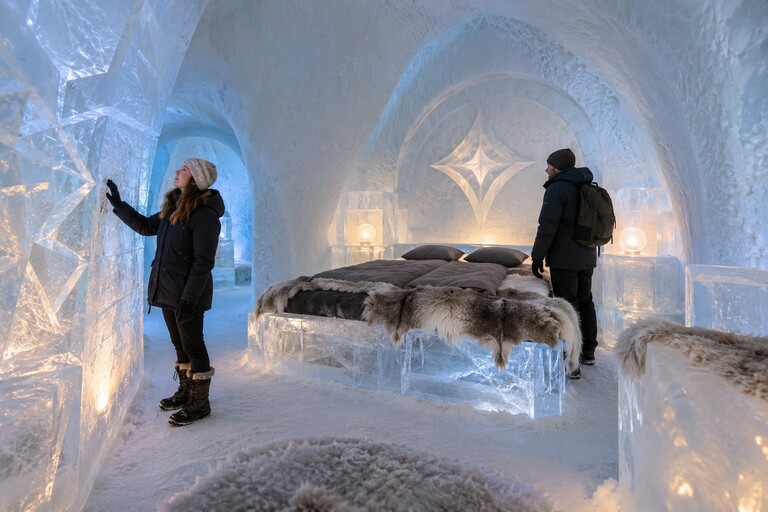
Kiruna and nearby Jukkasjärvi work well for travelers who want a broader Arctic menu: ice art, guided snow activities, and a comfortable base between them. The centerpiece is ICEHOTEL, where room categories matter much more than the word “hotel” suggests.
The property offers both cold accommodation and warm rooms. Its ice rooms use sleeping arrangements designed for subzero interiors; consult the hotel’s own ice-room guidance before booking. Read the actual category and included facilities rather than assuming every reservation buys the same experience.
One cold night can be plenty
I would consider one ice-room night, followed by warm accommodation. The point is to enjoy the unusual experience, not turn the entire trip into a competition with your circulation.
You can also prioritize seeing the art without committing to a cold overnight stay. Check available visiting tickets, opening dates, and access through ICEHOTEL. Seasonal ice accommodation and the permanent facilities have different arrangements.
For another day, choose a guided snow outing or a Sámi-led cultural experience. Ask who runs it and what the visit involves. Living cultures deserve more than a costume photograph followed by a bus departure.
When comparing animal activities, investigate group sizes, animal care, rest periods, and the operator’s willingness to explain its practices. A cute booking photograph is not an animal-welfare policy.
Leave space between the expensive experiences
Best for: Couples celebrating something, families with suitable-age children, and travelers interested in unusual accommodation. Less suitable for: Anyone trying to keep every day inexpensive.
Airport arrival, Kiruna, and Jukkasjärvi involve separate transport decisions. Confirm transfers and pickup addresses, especially when combining different hotels. I would avoid placing a tightly timed excursion immediately after a winter flight.
Planning allowance: SEK 1,400–2,400 per person daily using shared warm accommodation. Treat an ice-room stay and major guided activities as separate splurges; obtain date-specific quotes before setting the total budget.
My Tip: Use Trip.com to compare flight schedules and total baggage costs, then check the hotel transfer against your actual arrival time. Saving on a flight means little if the onward journey becomes awkward.
Compare Flights for Your Swedish Arctic Trip
4. Lofoten, Norway: Beautiful Plans Meet Working Weather
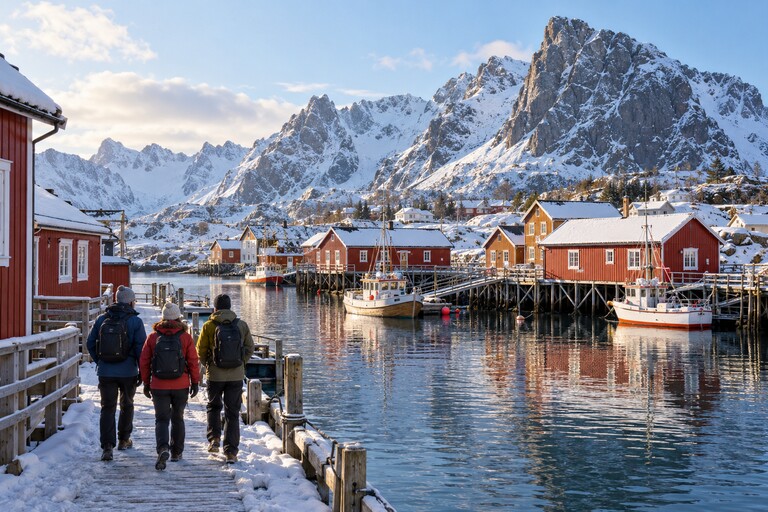
Lofoten is my pick for photographers willing to wait and couples who like the idea of a cabin evening as much as an outing. Mountains rise behind fishing settlements, and the sea refuses to behave like a decorative pond.
Winter is also a working season. The skrei fishery brings migrating cod from January into April, connecting the landscape to livelihoods rather than merely viewpoints. For seasonal conditions, transport options, and fishing history, use Visit Lofoten’s winter guide.
Choose a useful base before a famous view
I would start by comparing Svolvær and Leknes for practical access, then consider a rorbu, the traditional fishermen’s cabin accommodation, if its location fits the journey.
Reine and Henningsvær can tempt you into an itinerary built entirely around photographs. Resist collecting villages at speed. Four to six nights with fewer moves gives you room to respond when wind rearranges the schedule.
Plan village walks and one guided coastal activity, with indoor time available when conditions deteriorate. Ask restaurants about seasonal fish. Fresh cod separating into broad flakes, potatoes carrying butter, and cold air still caught in your coat make a persuasive dinner combination.
Do not copy summer mountain hikes into a winter itinerary. Snow, ice, exposure, and avalanche terrain change the task completely. Qualified local guidance matters for mountain activities.
A rental car requires more than enthusiasm
Best for: Patient photographers and travelers happy with flexible days. Less suitable for: Nervous winter drivers attempting a packed road trip.
Planning allowance: NOK 1,700–2,800 per person daily, sharing accommodation, excluding a rental car and major tours. A cabin kitchen can help, but account for groceries and the drive to buy them.
If you have appropriate winter-driving experience, compare GetRentacar offers for the exact pickup location. Confirm winter tires, deposit, insurance excess, roadside assistance, mileage, and cancellation terms with the supplier. Four-wheel drive does not make ice harmless.
Check Norwegian road and traffic information before each substantial drive. Leave a buffer before an important flight; exposed roads and ferry services can be affected by weather.
5. Åre, Sweden: For People Who Actually Want to Ski
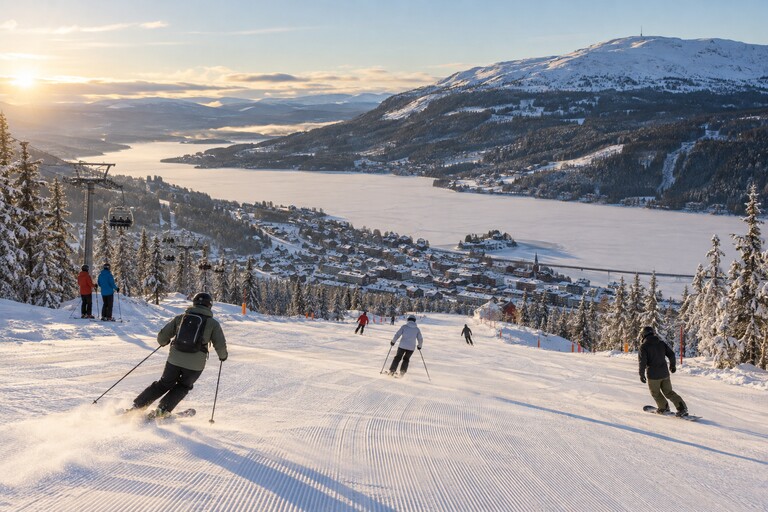
Åre belongs on a winter shortlist because skiing can be the main event, with a village around it. That distinction matters. An occasional ski excursion and a dedicated ski vacation have different accommodation priorities and very different bills.
The resort offers downhill skiing across areas including Åre village, Björnen, and Duved. Compare terrain, lessons, buses, and current lift operations through SkiStar’s Åre winter guide. Choose your base around ability and daily logistics, especially with children.
Buy the learning before the bragging rights
If you are new to skiing, reserve instruction early and explain your experience honestly. “I went once in college” does not become intermediate ability through the passage of time.
I would plan a first day with equipment fitting and manageable skiing, not an ambitious arrival-day session. Boots deserve attention. An uncomfortable fit can make a gentle slope feel like a personal grievance.
For mixed groups, agree beforehand how much time everyone expects on snow. Non-skiers should have their own enjoyable plans rather than spend six afternoons supervising abandoned gloves in a café.
Wind can affect lifts, and mountain weather changes what is open. Keep one flexible afternoon instead of treating every purchased ski day as a promise of identical conditions.
Price the whole ski day
Best for: Skiers, learning families, and groups wanting a mountain base. Less suitable for: Travelers whose main goal is northern lights viewing.
Planning allowance: SEK 1,400–2,300 per person daily for shared accommodation, food, and basic local spending. Add approximately SEK 900–1,500 daily for a lift pass and standard rental equipment; lessons and premium equipment cost extra. These are allowances, not quoted resort tariffs.
Compare apartments by their route to lifts and transport, not just the phrase “near skiing.” Ask about drying space, equipment storage, final cleaning, and linen charges.
My Tip: On Booking.com, calculate the total for your whole group and stay. A kitchen and sensible location can outperform a discounted room that requires repeated paid transfers.
6. Oslo, Norway: The City Break With Snow Options
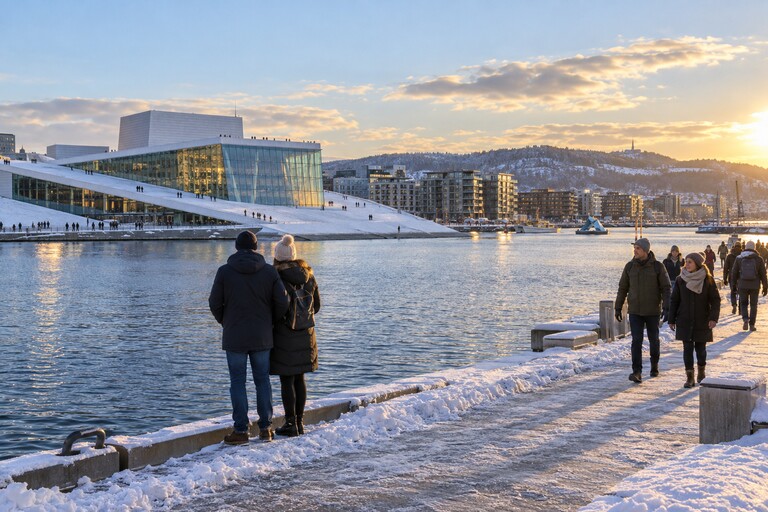
Oslo is a sensible answer when one traveler wants museums, and another wants winter sport. The city offers access to skiing and sledding alongside restaurants, saunas, and indoor attractions. Check conditions and activity options through VisitOSLO’s winter guide.
Alternate cold hours and warm hours
I would give Oslo three or four nights. Spend one day on culture and the waterfront, another on an outdoor activity if conditions cooperate, and leave room for an unhurried neighborhood afternoon.
The National Museum or MUNCH can anchor an indoor day; check the current exhibition and ticket details before choosing. You do not need to consume every major collection to justify visiting a capital.
A booked sauna session can provide a pleasant transition from outdoor sightseeing. Cold-water immersion is optional. Follow the venue’s instructions and choose a session that suits your comfort and health rather than the expectations of somebody filming nearby.
For snow activities, verify actual opening and surface conditions. A winter date on your calendar does not automatically mean a sledding route is ready.
Pay for convenience that you will use
Best for: First-time visitors, mixed-interest couples, and families wanting indoor alternatives. Less suitable for: Aurora hunters choosing a base primarily for dark skies.
Stay near a useful transit connection. Central accommodation can reduce luggage hauling and make it easier to return for dry layers. Plan local trips with Ruter, checking airport travel separately rather than assuming every ticket covers it.
Planning allowance: NOK 1,400–2,300 per person daily, sharing a midrange room. Museums, sauna sessions, and equipment rentals can push spending above this range when combined.
My Tip: Compare paid experiences on GetYourGuide against their actual duration, meeting point, and inclusions. A guided walk is useful when you want context; it should not duplicate a route you already intend to explore independently.
Browse Oslo Winter Experiences
7. Bergen, Norway: Bring the Waterproof Coat
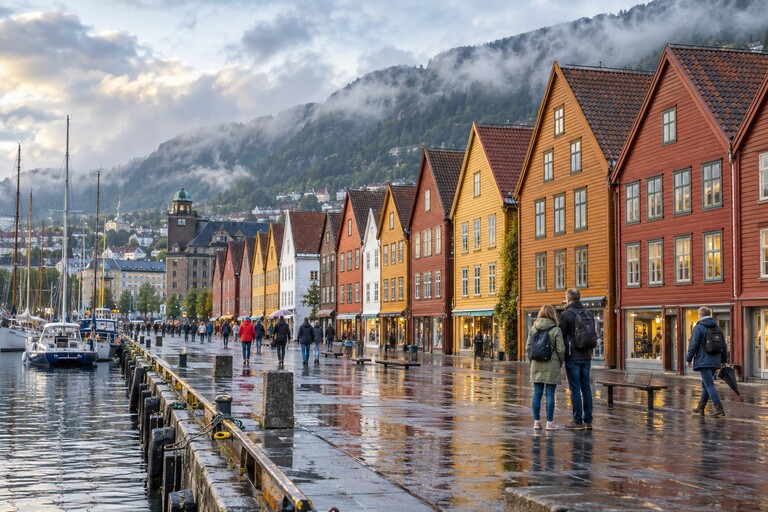
Bergen is a good winter destination if you want maritime history, seafood, and access to fjord outings. It is a poor choice if your happiness depends on guaranteed white streets.
Start with Bryggen, the historic wharf associated with the city’s trading past. The timber passages give the harbor more depth than its familiar front-facing photograph. Fløibanen offers access to Mount Fløyen, while fjord excursions provide another way to explore beyond town. Consult Visit Bergen for attraction details and seasonal departures.
Let visibility decide the expensive outing
I would save the clearest available spell for a viewpoint and keep museums for rougher weather. Booking every outdoor attraction weeks ahead can leave you admiring a very costly cloud.
For a winter fjord cruise, check sailing duration, indoor seating, departure location, and cancellation policy. You will probably want time outside, but a warm cabin becomes very attractive once your fingers start protesting.
Food is part of the appeal. Look for Bergen fish soup and skillingsbolle, the local cinnamon bun. The latter should involve enough cinnamon and sugar to make careful eating a lost cause. Brush your coat afterward. Continue with your day.
Keep the airport journey simple
Best for: Couples, food-minded travelers, and visitors who enjoy atmospheric weather. Less suitable for: Anyone seeking dependable snow at sea level.
Planning allowance: NOK 1,400–2,300 per person daily, sharing a room, excluding a substantial fjord excursion. I would allocate another NOK 800–1,600 for a cruise, then compare current products.
The Bybanen light rail connects the airport with the city; use Skyss to check routes and fares. Its value improves when you compare it with a private car for one person.
If you arrive late, travel with several bags, or need door-to-door assistance, check Welcome Pickups for your actual airport and date. Confirm coverage, waiting time, child seats if needed, and the total fare before paying.
8. Trondheim, Norway: Make Room for a Long Lunch
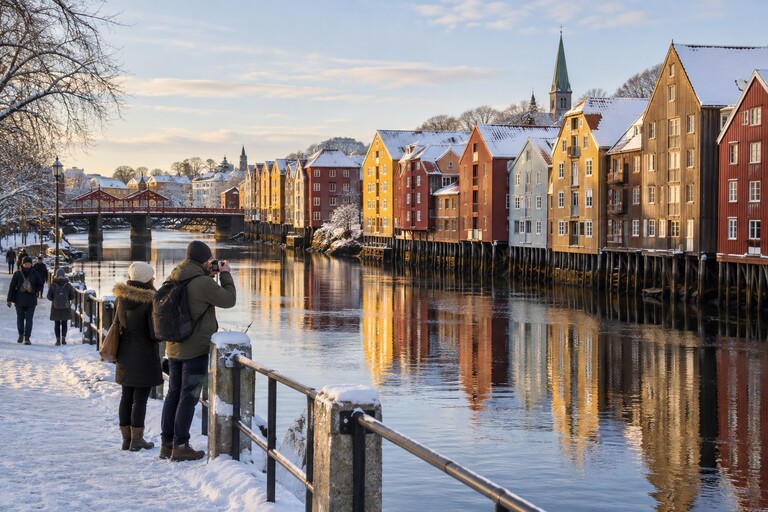
Trondheim suits travelers who enjoy getting familiar with a city rather than racing through it. I would choose it for a slower winter break built around architecture, food, and manageable outings.
Nidaros Cathedral gives the trip a substantial historical anchor. Combine it with the wooden streets of Bakklandet and views across the Nidelva, allowing weather and footing to dictate your pace. For seasonal suggestions, see Visit Trondheim’s winter guide.
Three nights, fewer appointments
Begin with the central sights, then leave an afternoon available for a museum, a café, or simply another walk when the light improves. Familiarity is underrated: knowing where your nearest bakery is can improve a short holiday more than another complicated transfer.
Food deserves an intentional place in the budget. I would choose one restaurant meal that interests me, reserve it, and keep other meals simpler. A long lunch can be easier to enjoy than an elaborate dinner after hours outside.
In December, check the actual Christmas-event calendar. Later winter suits a quieter visit, but neither period comes with a promise of permanent snow in the center.
Choose comfort over constant movement
Best for: Couples, independent travelers, and people interested in food and everyday city life. Less suitable for: Anyone expecting a dense schedule of major international attractions.
Planning allowance: NOK 1,300–2,200 per person daily, sharing accommodation. A special tasting menu can sit well outside that allowance; check prices before treating dinner as an improvisation.
Plan buses and trams through AtB. For airport travel, check the specific service and ticket rather than assuming a city fare applies.
My Tip: Search Booking.com for central stays with breakfast included, then compare recent reviews for heating, noise, and accessibility. Winter is when the less glamorous hotel details earn their keep.
9. Stockholm, Sweden: A Good Museum Can Save a Gray Day
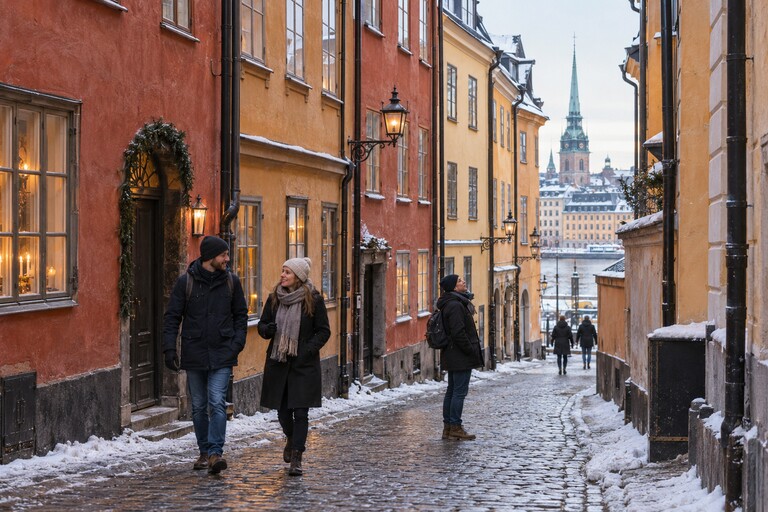
Stockholm makes sense for a winter city break because the indoor choices are strong enough to carry the trip. Snow improves the photographs, but it is not the entire reason to come.
The Vasa Museum is a useful anchor: a preserved seventeenth-century warship with the scale to stop even museum skeptics mid-sentence. Check current admission and visiting information at the Vasa Museum.
Give each day one main neighborhood
I would pair Gamla Stan with a slow café stop, devote another day to Djurgården and museums, and leave time for Södermalm. Consult Visit Stockholm for current exhibitions and neighborhood ideas.
The pleasure here is in the alternation. Cold air off the water, then a door closing behind you. Coffee. A cardamom bun with a sticky center and spice that hangs around after the last bite.
Fika works better as an actual pause than as another thing to complete. Put the phone down occasionally. Your pastry does not need six portrait sessions before you are allowed to eat it.
If skating appeals, choose a maintained rink and verify opening and rental arrangements. Never assume natural ice is safe because somebody else is standing on it. Guided natural-ice activities require specialist judgment and equipment.
Stay near the route, not merely the postcard
Best for: Solo travelers, couples, museum lovers, and families needing flexible indoor days. Less suitable for: Travelers expecting dependable Arctic-style conditions.
Planning allowance: SEK 1,200–2,100 per person daily, sharing a midrange room. Apartment kitchens and simpler lunches can reduce costs.
Use SL for local transport information, and price airport travel separately. When comparing hotels, check the walk from the station with luggage rather than relying on a neighborhood name.
My Tip: Compare Trip.com accommodation offers with the same room category, breakfast, taxes, and cancellation terms. A lower headline price only helps when you are comparing equivalent bookings.
10. Copenhagen, Denmark: Butter, Lights, and Sensible Footwear
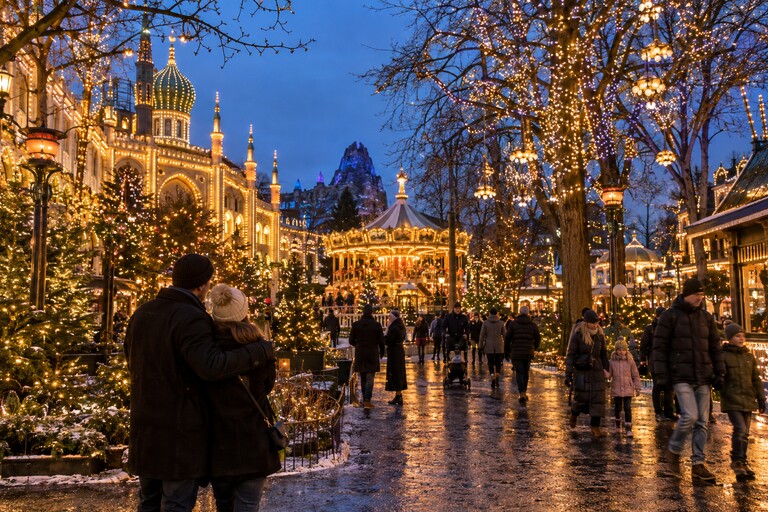
Copenhagen is my choice for travelers who want winter atmosphere without organizing their holiday around snow sports. Come for food, design, museums, and the pleasure of finding somewhere warm after the wind has had its say.
For a Christmas trip, Tivoli Gardens is the obvious anchor, but its seasons have specific opening dates. Confirm the calendar and understand the difference between admission and ride products on the Tivoli Gardens website. Do not book January flights assuming December festivities continue indefinitely.
Let lunch have a proper chair
Start with a daylight walk around Nyhavn, then move beyond the waterfront for the rest of the day. The city’s official Visit Copenhagen guide is useful for matching neighborhoods, museums, and restaurants to your interests.
Order smørrebrød when you want something more substantial than pastry: dense rye bread, sharp pickles, and carefully arranged toppings that require a fork rather than optimism.
A flaky edge cracking onto the plate is a reasonable argument for extending lunch.
I would keep an indoor option ready every afternoon. Winter wind makes a succession of short outdoor walks feel longer than the map suggests, particularly with children.
Make the capital work without a car
Best for: Food lovers, design-minded couples, families, and first-time winter city travelers. Less suitable for: Visitors whose essential requirement is snow.
Planning allowance: DKK 1,000–1,700 per person daily, sharing accommodation and eating moderately. Fine dining and multiple paid attractions raise the total quickly.
Plan journeys with Rejseplanen. Stay near a useful station, and compare the airport route before adding a private transfer automatically.
My Tip: On GetYourGuide, check exactly which Tivoli ticket or city experience you are purchasing. Entry, rides, food, and transport are separate components unless the listing explicitly combines them.
Explore Copenhagen Experiences for Your Travel Dates
The Numbers Your Winter Budget Needs
All budgets here are planning estimates, not live quotes. Daily destination ranges assume one person’s share of a double room, modest meals, local transport, and limited sightseeing. They exclude international travel, intercity journeys, major tours, ski costs, and special accommodation. Solo travelers paying for an entire room need more.
| Everyday essential | Norway: NOK | Sweden: SEK | Denmark: DKK |
|---|---|---|---|
| Café coffee | 40–65 | 35–60 | 35–55 |
| Bakery pastry | 35–65 | 30–55 | 25–45 |
| Casual lunch | 180–300 | 130–230 | 100–180 |
| Simple restaurant dinner | 280–450 | 220–380 | 170–300 |
| Local transport allowance per ride | 40–65 | 35–55 | 25–45 |
| Groceries for simple daily meals | 180–300 | 140–250 | 100–180 |
These broad allowances vary by city, zones, and venue; airport fares differ. Arctic locations can exceed them. Allow a contingency of roughly 15–20%, particularly when delays could require another night.
Pay attention before the terminal does it for you
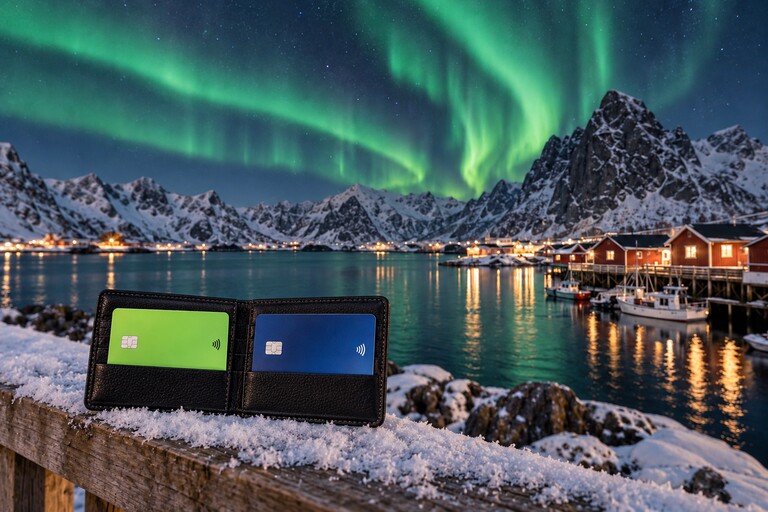
Compare Wise and Revolut for your country of residence and spending habits. Check conversion charges, plan fees, withdrawal limits, and card availability using Wise pricing and Revolut plans. Neither is universally free or automatically the cheapest.
Choose the local currency at payment terminals, and inspect any conversion offer before accepting it. Carry a backup payment method separately.
Travel Lightly Where Winter Makes Life Harder
Choose fewer bases and stay longer. This reduces repeated transfers and gives your spending more time to reach local businesses. Use trains and city transit where practical; book shared outings when they suit your needs.
Rent specialist equipment instead of buying it for one afternoon. Refill a water bottle where tap water is suitable, return deposit containers correctly, and follow accommodation recycling instructions.
Respect working places. Fishing docks, residential entrances, and ski tracks are not spare photo locations. Keep clear, ask before photographing people closely, and buy from local makers when you want something to take home.
Choose Sámi-led experiences and responsible wildlife operators. Ask questions before paying. Leave wildlife space, follow guide instructions, and avoid any activity built around chasing animals for a better camera angle.
Leave One Evening Unplanned
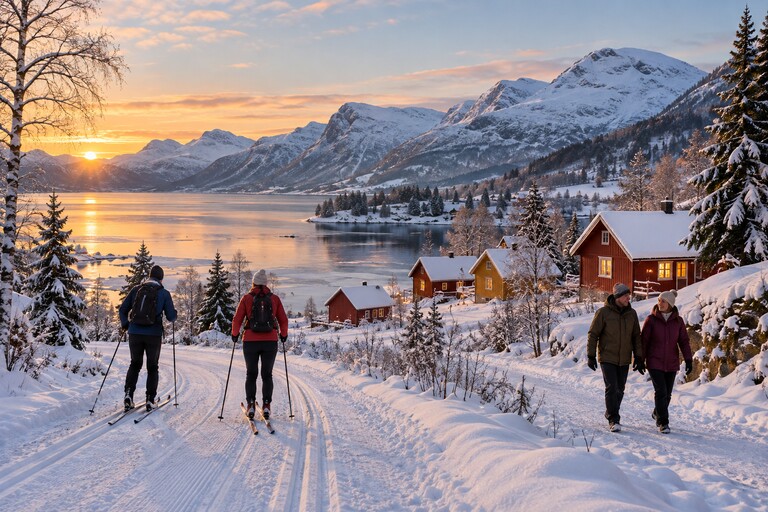
My preferred winter itinerary has a little room for improvement. Choose one region for a week, or combine two well-connected city bases. Trying to fit all ten destinations into one trip would turn a holiday into a long argument with departure boards.
If this is your first visit, decide what would make the journey worthwhile without perfect weather. For Tromsø, that might be Arctic culture and a good guided outing. For Åre, learning something on snow. For Copenhagen, three days of food and museums without checking a work calendar every hour.
Then book in a useful order: transport, accommodation, the one experience you care about most, and the practical details that support it. Use the comparison links when you are ready, read the inclusions, and leave enough money for dinner you did not anticipate wanting.
Subscribe to A Tiny Traveler for more detailed destination guides, sensible itineraries, and travel advice that admits when something is expensive, inconvenient, or worth the trouble. Follow A Tiny Traveler on Pinterest to save this guide and find ideas for the next trip before another beautiful hotel photograph makes decisions on your behalf.
And keep that evening free. There may be something happening above the harbor. There may only be rain tapping the window and another piece of bread beside your bowl. You should have time for either.
Frank


