

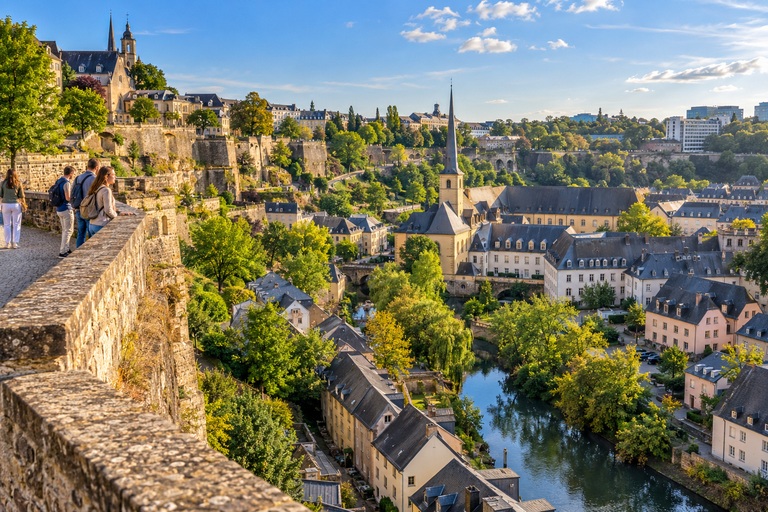
The first thing I want you to do in Luxembourg City is put your map away for thirty seconds. Walk toward the edge of the Old Town, where the pavement gives way to a view across a valley. Below are roofs, gardens, a river, and streets that appear to belong to another town entirely. Your next coffee might be down there. Your calves would appreciate advance notice.
This is the detail that changes how I would plan a Luxembourg trip: the capital is small, but it stacks its neighborhoods vertically. A short distance on your phone can involve a staircase, a bridge, or an elevator. Geography has a sense of humor. It has also declined to carry your suitcase.
Then comes the other surprise: domestic buses, trams, and second-class trains are free, including for visitors. You can spend nothing getting around and still have a restaurant bill that requires a quiet conversation with yourself. That combination makes this city more interesting to budget for than its expensive reputation suggests.
I’ve built this Luxembourg travel guide for curious first-time visitors: solo travelers, couples, and anyone who wants history, proper meals, and a manageable escape without hiring a car. We’ll cover Luxembourg City first, then the castles, trails, and vineyards beyond it. You’ll know where to stay, what deserves your money, and where leaving an afternoon empty might be your best decision.
Luxembourg Without the Geographic Confusion
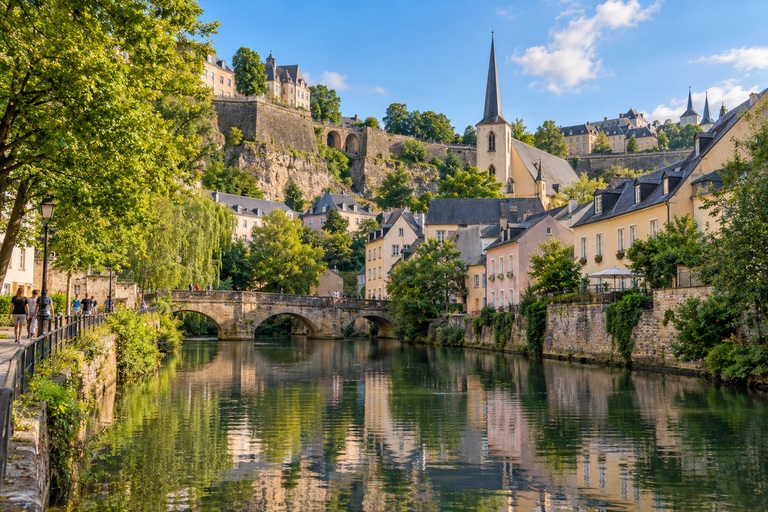
One country, one capital, several very different trips
Luxembourg is the country between Belgium, France, and Germany. Luxembourg City is its capital. A hotel described as being “in Luxembourg” could therefore be nowhere near the streets you saved on your phone. Check the actual address before paying.
For a first visit, I recommend two full days in the capital, or three to four days if you want a countryside excursion. One day covers the headline sights, provided you resist treating every museum entrance as a personal challenge.
The city works especially well if you enjoy walking, architecture, layered history, and sitting somewhere pleasant without needing constant entertainment. Travelers chasing inexpensive nightlife or an enormous menu of major monuments may prefer a shorter stay.
My Tip: Count usable hours, not hotel nights. Arriving Friday after dinner and leaving Sunday before lunch gives you one proper sightseeing day, however optimistic the booking confirmation looks.
The essentials worth saving to your phone
- Currency: The euro, written €.
- Languages: Luxembourgish, French, and German shape everyday life; English is useful in many visitor-facing settings.
- Hello and thank you: Try Moien and Merci. A friendly greeting goes further than theatrical pronunciation.
- Transport: Domestic public services are free in standard class; exceptions and international fares still matter.
- Best base: The capital for a short first visit; a regional base for several hiking days.
- Emergency assistance: Call 112 for an emergency.
For language background, the official language guide explains why conversations and signs can switch languages within a few steps.
When to Visit Without Letting the Weather Write Everything
Spring and fall: my starting point
I would start a date search with May, June, September, or early October. These months offer a useful balance for walking and countryside outings, although pleasant weather is never included in your room rate.
Spring brings longer days and fresh leaves along the valleys. Fall suits woodland walks and meals that involve potatoes in several persuasive forms. Pack a rain layer in either season. A light shower is tolerable; spending an afternoon in soaked jeans is an avoidable lifestyle choice.
Compare several weekends before deciding. Hotel prices respond to events and business demand, so the cheapest dates do not always follow the usual tourist-season logic.
Summer and winter: choose the trip, then the season
July and August give you more daylight and the possibility of seasonal palace tours. They also require earlier reservations for popular time slots. Carry water, allow shade breaks, and check whether your room has cooling if that matters to you.
Winter suits museums, cafés, and a slower city break. Daylight is shorter, paths can be slippery, and countryside plans need more flexibility. For Christmas markets, check the Luxembourg City Tourist Office for the actual calendar instead of assuming every festive photograph represents your travel dates.
My Tip: Build one indoor afternoon into any itinerary. If the sun appears, you can always betray the museum and go outside.
Getting to Luxembourg: Start With the Whole Journey
Flying in, then taking the free tram
Luxembourg Airport has a tram connection that opened in March 2025. You can travel toward central stops without buying a domestic transport ticket. Check the official airport transport page and Mobiliteit journey planner for your arrival time and hotel address.
Allow roughly 30–45 minutes for many airport-to-central-city journeys, plus walking and waiting; your actual destination changes the calculation. Check the last useful departure if landing late, and look for service alerts before traveling.
When comparing flights on Trip.com, include baggage, airport choice, arrival time, and change conditions. A lower fare that deposits you far away at midnight can become expensive with impressive speed.
Compare Luxembourg Flights on Trip.com
When a private transfer earns its place
I would normally choose the free tram. A booked transfer can still make sense with substantial luggage, tired children, mobility needs, or an arrival outside convenient public transport hours.
Check Welcome Pickups for your exact airport, address, date, and group size. Review luggage capacity, waiting allowances, child-seat arrangements, and the cancellation deadline before paying. Compare the complete quote with the free public option. Convenience is worth buying when it solves a problem you actually have.
Arriving by train
For a wider European itinerary, rail can be the simplest approach. Compare departures through CFL, the national railway, and the relevant international operator. Travel time, connections, and reservation requirements depend on your route.
International journeys are not automatically free. The domestic policy does not turn a train from another country into a complimentary excursion. Price the complete journey and read the ticket conditions.
Getting Around: The Elevator Is Part of the Itinerary
Domestic buses, trams, and second-class trains are free for visitors and residents. First-class rail travel costs extra, and most cross-border travel needs an appropriate ticket. Check the official fare rules rather than assuming every service with wheels qualifies.
The more useful planning question is often elevation. Ville Haute, the upper town, sits above lower neighborhoods including Grund and Pfaffenthal. Group your sightseeing by level so you do not spend the afternoon climbing the same hill in three different moods.
The Pfaffenthal Panoramic Elevator is free and connects the upper city with the valley. It is both practical infrastructure and a good excuse to look away from your phone. The Grund elevator is another useful connection. Check the city elevator information for operating hours and maintenance.
My Tip: Save your hotel, nearest transit stop, and an elevator route offline. A walking app may choose stairs because it has never experienced knees.
For regional trips, check both outbound and return journeys before leaving. Free transport is helpful; it does not promise a bus at the precise moment you finish dessert.
Where to Stay in Luxembourg City Without Buying the Wrong Location
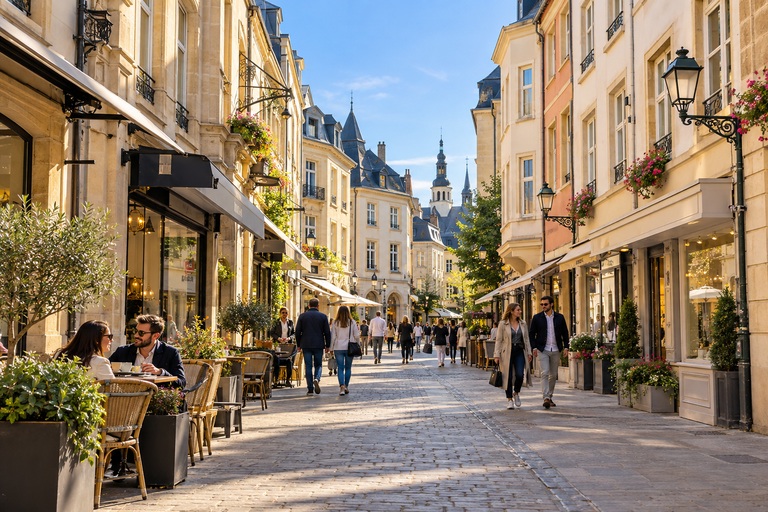
Ville Haute: easiest for a short first visit
Ville Haute puts you near the historic center, restaurants, and several major sights. I would prioritize it for a brief visit if the rate fits. You spend less time arranging your day around transport and more time wandering out after dinner.
Check soundproofing, elevator access, and the actual room size. Historic surroundings do not automatically provide modern luggage storage. A central address is useful; a room you can sleep in is essential.
Gare: practical for rail arrivals
The Gare district, around the main station, is convenient for train connections and public transport. It can offer useful alternatives when central hotels are expensive.
Read recent reviews about the specific street, nighttime noise, reception hours, and the walk from the station. Station neighborhoods vary block by block. I would judge the property and route rather than applying one sweeping verdict to the entire area.
Kirchberg and Bonnevoie: compare convenience carefully
Kirchberg works for contemporary hotels and tram access. It feels different from the old center, with broader spaces and modern buildings. Check walking distance to the stop and nearby dinner options, especially on your particular dates.
Bonnevoie can suit travelers who prefer a more residential base. Again, map the exact address. Two listings with the same neighborhood label can offer very different journeys home.
On Booking.com, filter for your real requirements: private bathroom, accessible room, breakfast, or flexible cancellation. Compare the total stay cost, not just the first nightly number. Read recent negative reviews too; they often reveal whether the drawback is relevant to you.
For early departures, ask your hotel about breakfast hours and luggage storage before choosing a prepaid package.
Find a Luxembourg Hotel That Fits Your Trip
Luxembourg Travel Costs: Where Your Money Actually Goes
Daily budgets you can use
These per-person, per-day planning ranges include accommodation, food, ordinary sightseeing, and free domestic public transport. They exclude travel to the country, insurance, shopping, rental cars, and private transfers.
| Travel style | Daily estimate | What it assumes |
|---|---|---|
| Careful budget traveler | €85–€125 | Hostel bed, bakery meals, groceries, mostly free sights |
| Comfortable couple | €140–€220 each | Shared midrange room, casual meals, selected paid attractions |
| Solo private-room traveler | €190–€290 | Paying the entire room bill, ordinary meals and sightseeing |
| Higher-comfort visitor | €300+ | Upscale accommodation, longer dinners, paid experiences |
Availability can push accommodation above these ranges. Check hotel prices first, because that is the expense most likely to change the entire trip.
A sample €170 day might mean €90 for your share of a room, €50 for meals and coffee, €15 for sightseeing, and €15 left for snacks or surprises. That is a planning example, not a promise that every day will behave.
Essential prices, minus the wishful thinking
Use these estimates when sketching your spending:
- Hostel bed: Approximately €35–€60 per night.
- Basic private room: Approximately €100–€160 per room.
- Midrange double: Approximately €150–€240 per room.
- Coffee: Approximately €3–€5.
- Pastry: Approximately €3–€5.
- Bakery or supermarket lunch: Approximately €8–€15.
- Casual restaurant main: Approximately €20–€35.
- Beer or wine by the glass: Approximately €5–€9.
- Simple grocery picnic: Approximately €8–€14 per person.
- Domestic standard public transport: €0.
For a real menu benchmark, Um Dierfgen lists Kniddelen mat Speck at €26.50 and Judd mat Gaardebounen at €32.50 on its specialties menu. That is why I would not build a realistic budget around restaurant dinners costing pocket change.
My Tip: Pick one meal each day to spend on deliberately. Use a bakery or picnic for another. You get a proper taste of the country without turning every lunch into a financial negotiation.
Is LuxembourgPass worth buying?
The official attraction product is LuxembourgPass. Older guides may call it LuxembourgCard. Check the current pass website for participating attractions, discounts, validity rules, and prices.
Make a list of places you genuinely intend to enter, add their individual admission costs, and compare that total with the pass. Do not count free public transport as a pass saving. It is already free without one.
A pass can work for a busy sightseeing schedule. If your preferred activities are walking, eating, and watching the river, it may simply become an expensive souvenir on your phone.
The Best Things to Do in Luxembourg City, in a Sensible Order
Start with Chemin de la Corniche
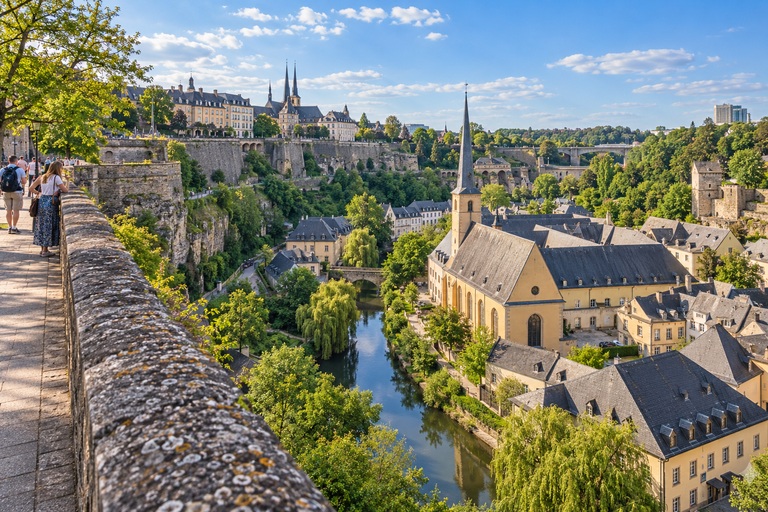
The Chemin de la Corniche gives you the geography lesson you need: valley below, fortifications around you, rooftops arranged in layers. Start here before heading underground or into a museum.
The Old Quarters and Fortifications received UNESCO World Heritage status in 1994. The UNESCO description explains the military importance behind those photogenic walls. This was defensive infrastructure long before it became the background of anybody’s weekend.
I would allow time to stop repeatedly. Look at the relationship between walls, river crossings, and steep ground. The city makes more sense when you notice what an approaching army would have found inconvenient.
Go inside the Bock Casemates
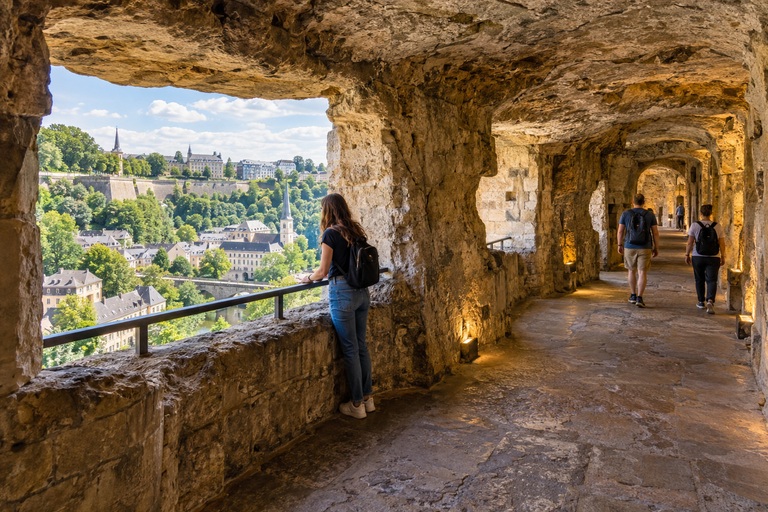
The Bock Casemates bring you into the city’s underground defenses. Expect stone passages, changing light, stairs, and views framed by openings in the rock.
The listed 2026 adult admission is €11, and the official self-guided visit has a maximum duration of 45 minutes. Choose a time slot and check the official Bock tickets and access information. Hours vary seasonally.
Check access requirements before buying if you have mobility limitations, claustrophobia, or a stroller. “Underground attraction” can mean very different things to different bodies.
I would choose this as the main paid historic sight for a short first visit. Once you have seen the city from above, its interior adds another dimension without consuming the whole day.
Let Grund slow you down
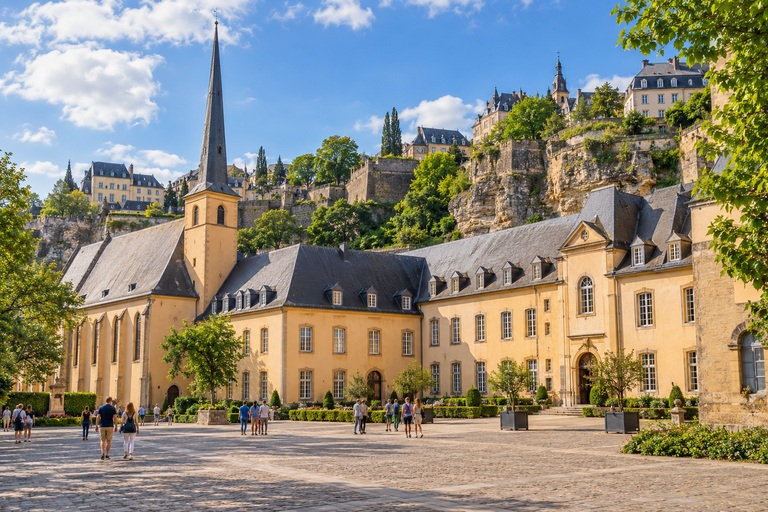
Descend to Grund for river-level streets, bridges, and a less hurried stretch of the day. Around Neumünster Abbey, look for cultural programming if you want something beyond sightseeing.
This is where I would stop scheduling individual photographs. Walk a little. Listen to shoes on the pavement and water beneath a bridge. Find a bench before finding the next attraction.
Remember that people live here. Keep doorways clear and conversations quiet beside homes, particularly early and late. A neighborhood does not become a film set because you have a camera.
Look at the Grand Ducal Palace, then check the calendar
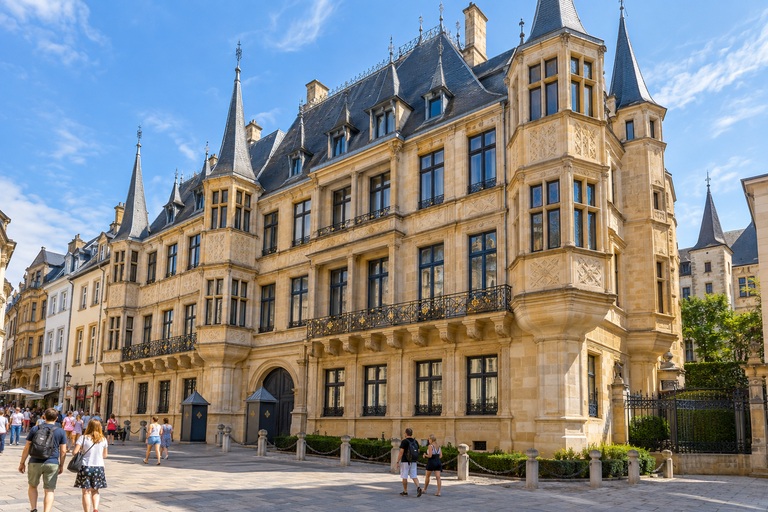
The exterior of the Grand Ducal Palace belongs on a central walking route. Interior access is seasonal and guided, so it should never appear as an unconditional stop in a year-round itinerary.
For 2026, official tours ran from July 18 through August 30, with adult tickets listed at €18. Check the palace visitor page for your travel year. Those summer dates have already passed if you are planning an autumn 2026 visit.
If tours are unavailable, enjoy the facade and move on. There are worse disappointments than having an extra hour for lunch.
Add Notre-Dame Cathedral and the upper-town squares
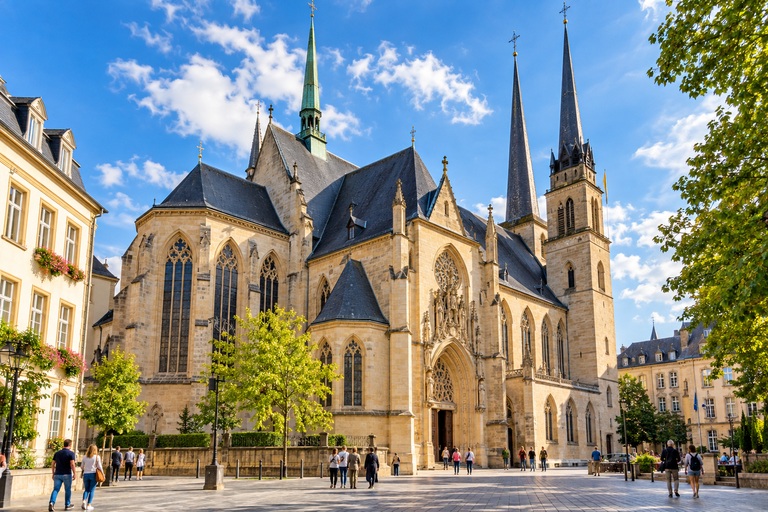
Notre-Dame Cathedral offers a quieter pause near the central sightseeing area. Respect worship, dress considerately, and follow any restrictions on photography or visitor access.
Then wander through Place Guillaume II and Place d’Armes. I would use these squares as orientation points and places to pause rather than as boxes requiring elaborate achievement photographs.
A good city walk has rhythm: something impressive, something ordinary, somewhere to sit. If every ten minutes must contain a revelation, even a cathedral starts feeling like an appointment.
Choose a museum that answers your question
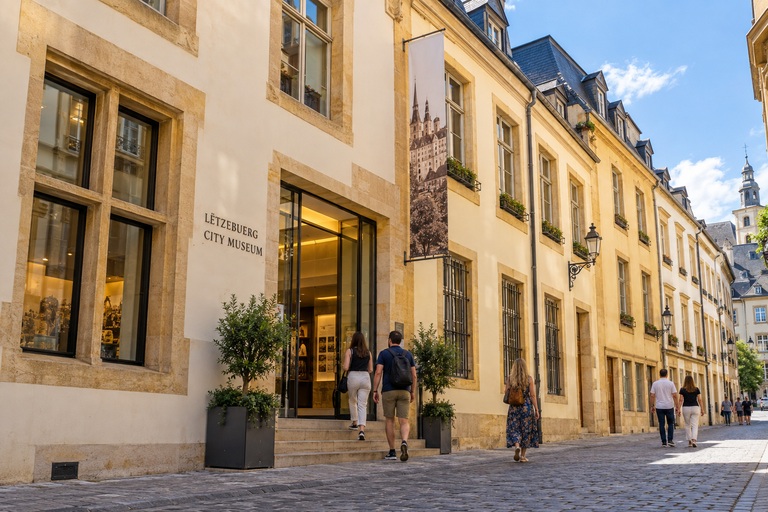
For context about the capital, consider Lëtzebuerg City Museum. For contemporary art and architecture, consider Mudam in Kirchberg. Visit the city museum website or Mudam website for current exhibitions, hours, and tickets.
I would choose one based on curiosity rather than collect both by default. A history museum helps connect the valleys and fortifications you have walked past; a contemporary art visit changes the conversation entirely.
Check the closing day before arranging your itinerary. Museums have a remarkable ability to be closed precisely when a traveler confidently announces, “We’ll just go tomorrow.”
Save the Pétrusse Valley for breathing room
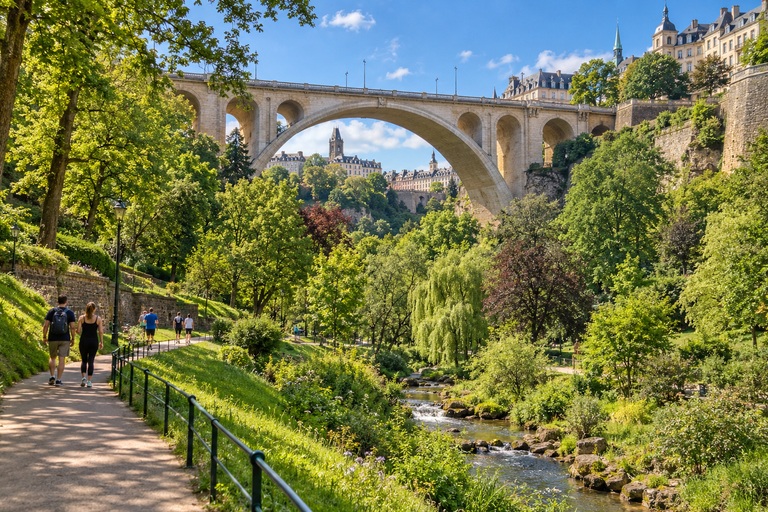
The Pétrusse Valley and views around Adolphe Bridge make a useful counterweight to indoor sightseeing. Leave time for walking without a ticket or a queue.
The Pétrusse Casemates are a separate underground attraction from the Bock Casemates. Check the official Pétrusse tour information if fortress history particularly interests you. For a short trip, I would avoid booking both automatically.
If you prefer someone to connect the city’s history for you, compare GetYourGuide walking tours by language, group size, duration, recent reviews, and included admissions. A walking tour does not necessarily include casemate entry. Read the actual description.
Compare Luxembourg Walking Tours on GetYourGuide
What to Eat in Luxembourg When Lunch Deserves Attention
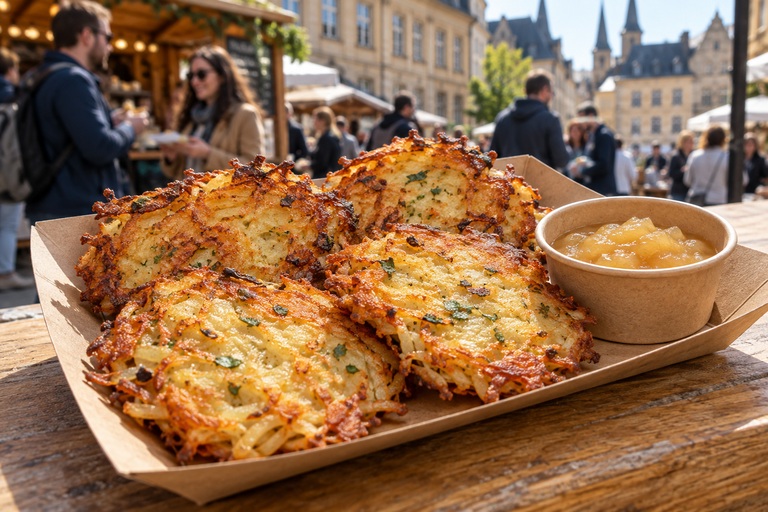
Start with the dishes, not the photograph
Gromperekichelcher are potato fritters: crisp edges, soft centers, and onion and herbs doing useful work. When available freshly fried, eat them promptly. Steam trapped in a bag is the enemy of the crunch.
Judd mat Gaardebounen combines smoked pork collar with broad beans, often alongside potatoes. Expect smoke, salt, and substance. This is lunch with a backbone, not something designed to disappear politely beside a decorative leaf.
Kniddelen are dumplings, often served with bacon or a rich sauce. They are exactly the sort of food that makes a damp afternoon seem less personally offensive. Preparations vary, so read the menu rather than assuming one universal version.
For other possibilities, look for Rieslingspaschtéit, a savory meat pie, or Bamkuch, a layered cake. The official food guide offers more background on regional specialties.
Eat the city that actually exists
Do not restrict every meal to traditional dishes. The capital’s international character is part of its identity. A good meal does not become less legitimate because it comes from a different culinary tradition.
For vegetarian or vegan meals, check current menus before walking across town. Ask about bacon, stock, dairy, and eggs rather than assuming a potato-based dish meets your requirements. Travelers with allergies should explain the specific ingredient and cross-contact concern clearly.
Reserve ahead for a particular restaurant or a leisurely weekend dinner. Check kitchen hours too. An open bar does not necessarily mean someone is still willing to cook you potatoes.
Order something from the Moselle
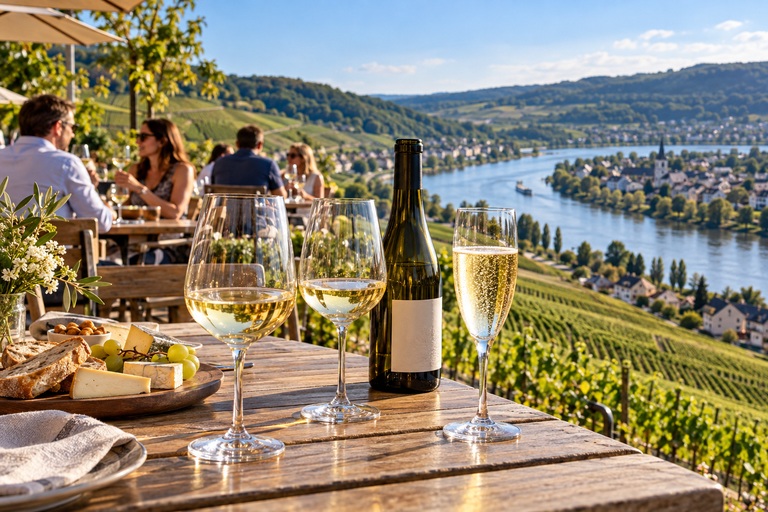
Look for Luxembourg Moselle wines, including Riesling and Auxerrois, or a glass of Crémant de Luxembourg. Ask for a local option by the glass if you want to explore without committing to a bottle.
My Tip: Ask the price before agreeing to an unspecified recommendation. That is normal budgeting, not a character flaw.
A Luxembourg Itinerary That Leaves Time to Enjoy Luxembourg
One day: the compact first taste
Start in Ville Haute, then walk to the Corniche and your reserved Bock Casemates slot. Descend into Grund for lunch or a slower riverside break.
Return to the upper town for the Grand Ducal Palace exterior, Notre-Dame Cathedral, and central squares. Finish with a viewpoint or a café, depending on weather and energy.
Skip a countryside excursion on this schedule. One comfortable city day beats a frantic sampling platter of national highlights.
Two days: the visit I would recommend
Use the first day for the route above. On day two, explore Pfaffenthal, use the panoramic elevator, and choose a museum. Add Kirchberg if contemporary architecture interests you, or spend more time around the Pétrusse Valley.
Book one good dinner and leave a generous gap before it. You might find an exhibition, need a nap, or become deeply committed to a second coffee. These are all acceptable developments.
Three or four days: add contrast
Keep two days for the city and choose Vianden, the Mullerthal region, or the Moselle for another day. With a fourth day, add a second regional outing or slow the whole plan down.
Do not combine every region just because the country looks small. Connections, walks, meals, and opening hours consume real time. Your vacation is not a border-control audit.
The Best Day Trips from Luxembourg City
Vianden: make the castle the main event
Vianden Castle rises above the town and gives a countryside day a clear focus. Its official adult admission is €13 at the time of checking; special-event prices can differ. See the castle visitor page for seasonal hours and exceptions.
Public transport commonly involves a train toward Ettelbruck and an onward bus. Use the journey planner for your date and allow roughly 90 minutes each way as an initial estimate, then replace that estimate with the actual connection.
Leave time for the walk uphill and a meal in town. Wear shoes with grip, especially after rain. A castle perched above everything has not been designed around your relaxed ankles.
Mullerthal: walk a section, not the entire reputation
The Mullerthal Trail totals 112 kilometers. For a day trip, choose a manageable local route or section, with a clear start, finish, and return connection.
Expect sandstone formations, woodland, roots, steps, and damp surfaces. Check the official trail website for closures and route information. Heavy rain or forestry work can change conditions.
Bring water, food, a downloaded map, and suitable footwear. Choose your route around available daylight and your least experienced companion. A shorter walk enjoyed properly beats a longer one finished through gritted teeth.
Moselle: give the afternoon to the river
The Moselle region suits vineyards, riverfront walks, and winery visits. Remich and Grevenmacher are useful places to begin researching transport and activities.
Book tastings ahead where required and check the official Moselle guide. A winery appearing on a map does not guarantee an open tasting room when you arrive.
If wine is part of the plan, arrange public transport or a suitable tour. Do not build a tasting itinerary around driving afterward.
Photo placement: Add one image from your chosen excursion. Caption: “Leave the capital for a day; leave the stopwatch behind too.”
Do you need a rental car?
For a city break, I would skip it. For rural accommodation, several remote stops, or a broader road trip, a car can help.
Check GetRentacar for actual availability at your pickup location. Compare deposits, insurance excess, mileage limits, transmission, return hours, and cross-border permission. A cheap daily rate is not the complete rental cost. Add parking and fuel before deciding.
Money, Mobile Data, and the Boring Bits That Save Your Afternoon
Paying without unnecessary currency confusion
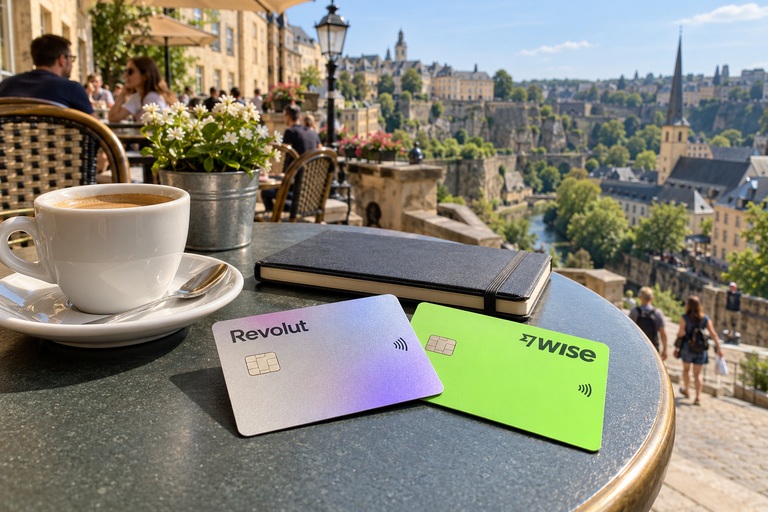
Carry a payment card and a modest amount of cash. When a terminal offers to convert a purchase into your home currency, choose payment in euros so your own provider handles conversion; check that provider’s terms before traveling.
Revolut and Wise are worth comparing if you spend across currencies. Neither is universally free. Fees depend on your country, account, conversion, withdrawal amount, and plan.
Compare the Revolut terms and Wise card fees with your existing bank. Keep a backup payment method separately, and do not discover your card’s limits while your dinner is waiting to be paid for.
Mobile data before you leave the airport
First check your existing roaming allowance. If it already covers the trip, an extra plan may be unnecessary.
For an eSIM on Trip.com, confirm that Luxembourg is explicitly included, your phone is unlocked and compatible, and the allowance matches your needs. Review activation timing, validity, hotspot rules, and whether the plan is data-only. “Europe” on a product title is not a substitute for reading its country list.
Install according to the supplier’s instructions while you have reliable internet. Save the instructions and booking details offline.
Entry requirements and insurance
Check the official Luxembourg entry guidance for your nationality and residence status before booking nonrefundable travel. Passport validity, visa requirements, and permitted stay depend on your circumstances. Crossing an internal European border does not reset your permitted stay.
Use VisitorsCoverage to compare plans available for your residence, destination, and dates. Read medical limits, deductibles, exclusions, existing-condition terms, and cancellation provisions. Travel medical cover and trip-cancellation cover are not interchangeable. If hiking is planned, check that the actual activity is covered.
Pack for Hills, Rain, and Ordinary Life
Bring comfortable shoes with grip, a rain shell, layers, a refillable bottle, a power bank, and any necessary plug adapter. Check the adapter against your device and accommodation rather than assuming every charger will fit.
For limited mobility or stroller travel, contact attractions and hotels about step-free routes, elevator dimensions, bathrooms, and temporary closures. Accessible transport does not guarantee an accessible historic interior.
Use ordinary city precautions: secure valuables, keep backup documents, and choose well-lit routes at night. Avoid isolated paths if they make you uncomfortable. For severe weather, follow local alerts and posted closures, especially around valleys and walking trails.
Questions Worth Asking Before You Book
Is Luxembourg expensive to visit?
Accommodation and restaurant meals can be expensive; sightseeing does not have to be. Free transport, public viewpoints, neighborhood walks, and picnic lunches let you control much of the daily spending. I would compare room rates before judging the destination affordable or unaffordable. For two travelers sharing, the arithmetic looks considerably friendlier than it does for someone paying for a private room alone.
Can you visit Luxembourg without a car?
Yes, especially for a city break. The capital is straightforward to explore through walking and public transport, with elevators helping connect levels. Regional outings need more planning because your destination may involve a transfer and a walk. Start with the return journey, then choose the departure. That small reversal prevents an excellent afternoon becoming a lengthy discussion beside an empty bus stop.
Is one day enough for Luxembourg City?
One full day is enough for a first look, not everything. Prioritize the historic center, one underground attraction, and time in the valley. Two days let you add a museum and explore without watching the clock constantly. If you only have a few hours between trains, shorten the route further and protect your departure buffer. Missing an international train is a remarkably expensive way to see another bridge.
What should you book in advance?
I would secure accommodation first, followed by seasonal palace access, a preferred guided experience, and any restaurant central to your plans. Reserve timed casemate entry when your schedule is fixed. Keep other activities flexible where possible, especially weather-dependent walks. Read cancellation conditions before paying: flexibility only exists if the booking actually includes it.
What can you do when it rains?
Choose a museum, extend lunch, and use public transport between neighborhoods. Save exposed viewpoints for a clearer spell. An underground visit may fit, but it still involves access considerations and possibly outdoor walking. Rain changes the pacing; it does not require canceling the whole day. Carry a small bag for a wet umbrella, so your backpack does not become an accidental aquarium.
How can you avoid an overpacked itinerary?
Choose one anchor activity per half day, then group nearby stops around it. Allow time for meals, elevation changes, and getting pleasantly distracted. I would rather return home remembering a particular street than possess photographic proof of twelve places I barely noticed.
Leave the Place Better Than Your Picnic Bench
Sustainable tourism in Luxembourg can be practical rather than performative. Use the free transport network, stay long enough to explore beyond a hurried photo stop, and choose businesses where your spending supports people working locally.
Refill your bottle with drinking water. The city water service provides information about public drinking fountains; availability can be seasonal. Do not assume decorative fountains are drinking-water sources.
Stay on marked trails, carry out food packaging, and respect closures. Moss-covered rocks are habitats, not props waiting for your shoe. Keep noise down near homes and wildlife, and ask before making someone the subject of your photograph.
My Tip: Buy fewer souvenirs and choose one you actually want: a local food product, something made nearby, or a bottle you can transport responsibly. The planet does not need another object purchased because a bus was late.
The Part Where You Stop Trying to Finish the Map
The trip I would encourage you to book is simple: a well-located room, two proper city days, one countryside outing if time allows, and enough money for meals you want to remember. Secure the essentials first. Let the smaller decisions remain pleasantly unresolved.
Reserve the hotel after checking its neighborhood, then book any timed attraction you care about. Save the free transport planner, check your return connections, and keep your weather backup ready. These small preparations buy you something more useful than a perfectly packed schedule: the freedom to change your mind without unraveling the day.
You do not have to visit every museum, descend into every tunnel, or photograph every bridge to understand Luxembourg. Follow the city from its upper streets into its valleys. Notice how quickly the setting changes. Order something you cannot confidently pronounce. Give lunch the time it deserves.
Subscribe to A Tiny Traveler for upcoming destination guides, realistic budgets, and practical advice that helps you spend your travel money with intention. Follow A Tiny Traveler on Pinterest and save this guide to your Luxembourg travel board so the itinerary, booking links, and transport advice are waiting when you start planning.
Then leave a little space in the afternoon. Down in the valley, the river is still moving, a chair is waiting outside a café, and your next destination can wait until you finish your coffee.
Frank


