

The train leaves at 9:03. Your coffee arrives at 8:57. Somewhere between the café counter and the platform, you discover that Tokyo Station is considerably larger than the reassuring little dot on your phone. This is how a carefully planned vacation acquires its first plot twist. Nothing dramatic. Just you, a suitcase, and a growing suspicion that the correct exit belongs to another municipality.
What draws me to Japan is the collision of precision and ordinary pleasure: platform announcements followed by the hiss of a grill, a meticulously wrapped sweet eaten on a bench, rain ticking against an umbrella outside a neighborhood noodle shop. You can spend months researching temples and still overlook the detail that decides your afternoon: where your bag goes, when lunch ends, or whether that machine accepts your card.
I’ve written this guide to the 10 mistakes to avoid when traveling to Japan for first-time visitors, independent travelers, couples, and curious eaters who want a workable trip. The examples center on Tokyo, Kyoto, and Osaka, with advice for venturing farther. You do not need flawless manners or a heroic budget. You need a few sensible decisions before your hungry, jet-lagged brain takes over procurement.
We’ll cover Japan travel costs, rail passes, hotel locations, cash, food, reservations, etiquette, and practical safety, including where paying for convenience actually helps. My preference is simple: spend less time repairing your itinerary and more time sitting somewhere with a warm bowl and absolutely no urgent business.
1. Planning Your Japan Itinerary Like a Competitive Sport
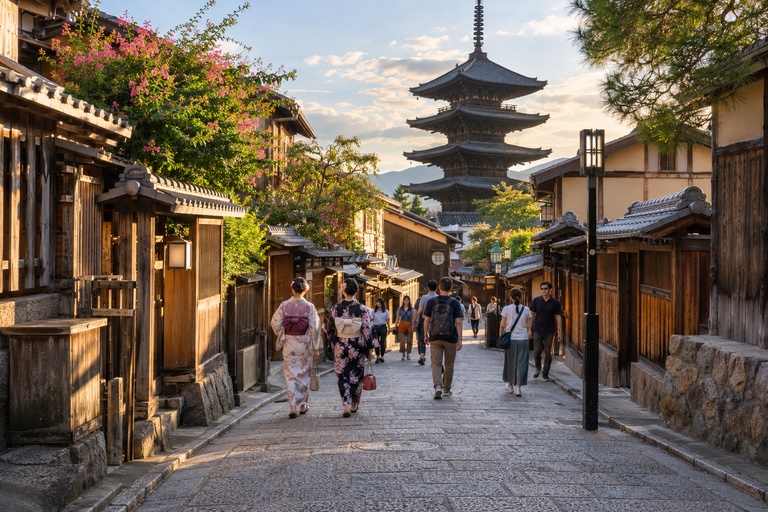
The map makes everything look suspiciously close
Tokyo, Kyoto, Osaka, Hiroshima, Mount Fuji, and Hokkaido are not six interchangeable afternoon activities. The temptation is understandable: the flight was expensive, your saved folder is enormous, and apparently everyone online visited seventeen places before breakfast.
But every move includes invisible work. Packing. Checking out. Reaching the station. Finding the platform. Traveling. Finding the next hotel. Waiting for your room. Locating food before your personality deteriorates.
Plan door-to-door time, not just train time. A fast intercity service does not make changing cities a frictionless experience. Two nights somewhere generally gives you one full day, not two.
For a first visit of roughly ten days, I would build around two main bases and a limited number of day trips. Tokyo and Kyoto work as a starting framework; you can decide whether Osaka deserves its own stay or a visit from Kyoto. That is a planning suggestion, not a compulsory route.
If your interests lean toward hiking, regional food, or quieter towns, change the geography. There is no requirement to collect the famous triangle before you are allowed to enjoy Japan.
Travel companions also need a vote. Before committing to your route, each person should choose two priorities and one thing they would happily skip. If you want pottery and your partner wants baseball, schedule room for both, including separate afternoons if necessary. You do not have to enjoy every hour in exactly the same way. That conversation can prevent more friction than buying another organizational app.
Give each day one job
My preferred structure is one main attraction, one nearby area, and one flexible meal. Add more only when your feet and the weather agree.
In Kyoto, a morning around Higashiyama can naturally become lunch and a slower neighborhood walk. Sending yourself across the city repeatedly because your list alternates between famous sights is a good way to become intimately acquainted with transit seats.
My Tip: Mark attractions on a map before assigning days. Geography often improves an itinerary faster than another hour of research.
Reserve a little empty time for something you could not have predicted: a ceramics shop, a covered arcade during rain, or the smell of soy glaze meeting hot charcoal. These are real uses of a vacation.
Book the few experiences that matter most
A thoughtfully chosen GetYourGuide walking tour or food experience can help you understand a neighborhood, particularly early in your trip. Read the actual route, group size, walking demands, inclusions, and recent reviews. Check whether food and admission fees are included before comparing prices.
Choose a guide for context, language help, or access that matters to you. A packed bus itinerary is not automatically good value because its description contains more place names.
Explore Japan tours on GetYourGuide
2. Buying a Japan Rail Pass Before Doing the Math
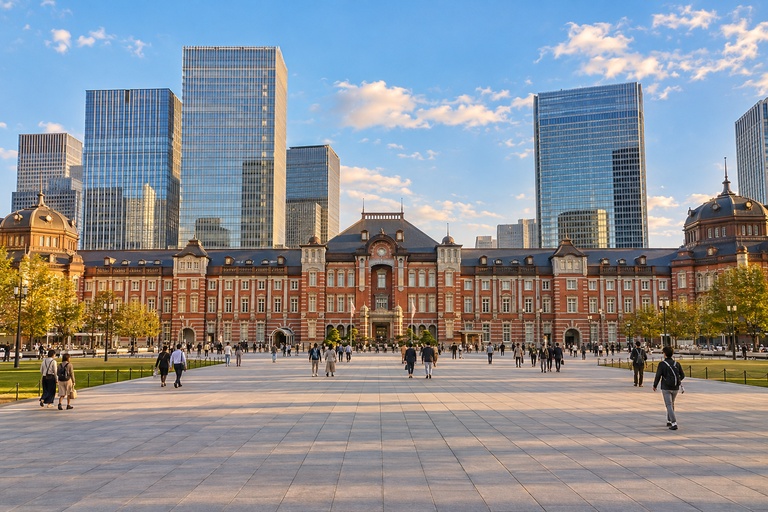
The pass is a product, not a rite of passage
One of the costliest Japan travel mistakes is assuming every visitor needs the nationwide Japan Rail Pass. You may benefit from it. You may also pay considerably more than your planned journeys require.
At the time of checking, the official online adult Ordinary prices are ¥50,000 for seven days, ¥80,000 for fourteen days, and ¥100,000 for twenty-one days. The official site separately lists higher overseas agency exchange-order prices for purchases from October 1, 2026, including ¥53,000 for seven days. Check your purchase channel and date. See the official Japan Rail Pass prices.
Nozomi and Mizuho services require the applicable special ticket in addition to the pass. Also, the pass is not universal coverage for every subway, private railway, or bus. Those details belong in your calculation, not in a surprise conversation at a ticket gate. The official pass information explains the additional-ticket requirement.
Compare your actual journeys
Write down each intercity trip, its date, the fare you would otherwise pay, and whether the pass covers it. Then compare that total with the pass price during the relevant validity period.
Here is an illustration, not a fare quote: if eligible journeys total ¥34,000, buying a ¥50,000 pass creates a ¥16,000 gap. Adding trips you did not want merely to close that gap is an unusual approach to saving money.
Regional passes may fit a concentrated itinerary better. Individual tickets may suit a slower trip. Compare seat availability, train restrictions, and flexibility alongside price.
I would also price the flights as a complete route. Flying into Tokyo and home from Osaka, when fares suit, can remove an unnecessary return journey. Sometimes the airfare premium is smaller than the transport and hotel costs it avoids.
Compare flights and available train tickets on Trip.com
Before paying on Trip.com, check baggage allowance, booking fees, change rules, and ticket collection or activation instructions. Compare the same service with the operator directly. The cheapest headline is not always the cheapest usable ticket.
Check the last train for your complete journey, including transfers. The departure time from your evening neighborhood is only useful if the connecting service still runs. Save a realistic fallback and avoid letting a leisurely dinner become an accidental taxi splurge.
Your transit card does a different job
A Suica or another compatible IC card is stored credit for eligible transport and purchases, not an unlimited travel pass. Acceptance extends across many participating networks, but not every route or journey between separate coverage areas. Certain express services need additional tickets. Check JR East’s Suica guide.
My Tip: Buy transport around your itinerary. Never rebuild a good itinerary around a purchase you regret.
3. Booking the Cheapest Hotel in the Wrong Place
Your room rate is only half the calculation
A hotel that saves ¥2,000 per night can become poor value if it adds expensive transfers, an inconvenient late return, or an hour of commuting every day. I would rather have a smaller room in a useful location than extra carpet somewhere my itinerary never goes.
Start with the station or neighborhood that serves your plans. Ueno, Asakusa, Shinjuku, and the Tokyo Station area offer different trade-offs; none is universally the best place to stay in Tokyo. Map your airport route and your likely evenings before choosing.
In Kyoto, compare a location near Kyoto Station with one closer to your dining and sightseeing priorities. A good transport interchange can be convenient for day trips, while a central evening location may reduce travel after dinner.
Read the walk from the station carefully. “Near a station” does not tell you whether it is the right line, the useful exit, or a comfortable route with luggage.
Read the unglamorous room details
Check room size, bed width, smoking status, bathroom type, elevator access, and occupancy rules. Look closely at whether the rate is per room or per person, especially when comparing a ryokan, a traditional inn, with a conventional hotel.
A room photographed with an extremely persuasive lens may still require you to open your suitcase on the bed. That can be perfectly acceptable. Paying for it accidentally is the problem.
If you need step-free access, request specific details: entrance steps, elevator dimensions, bathroom layout, and the route from public transportation. A general accessibility label cannot answer every practical question.
My Tip: Read recent lower-rated reviews for repeated problems, then decide whether those problems matter to you. One person’s complaint about a quiet neighborhood may be your reason to book.
Make flexibility earn its place
On Booking.com, compare your exact dates, room category, total taxes, payment timing, and cancellation deadline. If breakfast or a local accommodation tax is excluded, add it before comparing options.
Find a well-located Japan stay on Booking.com
I would reserve the first and final nights early, then secure any stay that anchors the route. Avoid holding multiple speculative bookings longer than necessary; release unwanted rooms promptly.
Sustainable travel tip: Stay several nights in one place, decline unnecessary linen changes, and support nearby independent businesses. A useful hotel location also makes walking and public transportation easier.
4. Arriving Without a Cash, Card, or Phone Plan
Carry a backup for your backup
Japan supports plenty of digital payments, but “I’ll just tap my phone everywhere” is still an unnecessarily fragile plan. A small restaurant, local bus, ticket machine, or rural stop may require another payment method.
My starting approach would be some yen, two independently usable payment cards, and a funded transit card where appropriate. Keep the backup card separate. For an urban arrival, ¥10,000–¥20,000 in accessible cash can provide a practical cushion; adjust for your bookings, party size, and access to ATMs.
That is a buffer, not a prediction of daily spending. Carrying your entire holiday budget in banknotes solves one problem by creating another.
For a physical Suica, ordinary station-machine top-ups generally require cash. Digital products have different device and payment requirements, so check your specific setup before relying on it. The JR East Suica instructions explain the physical card’s rules.
Compare fees before comparing card colors
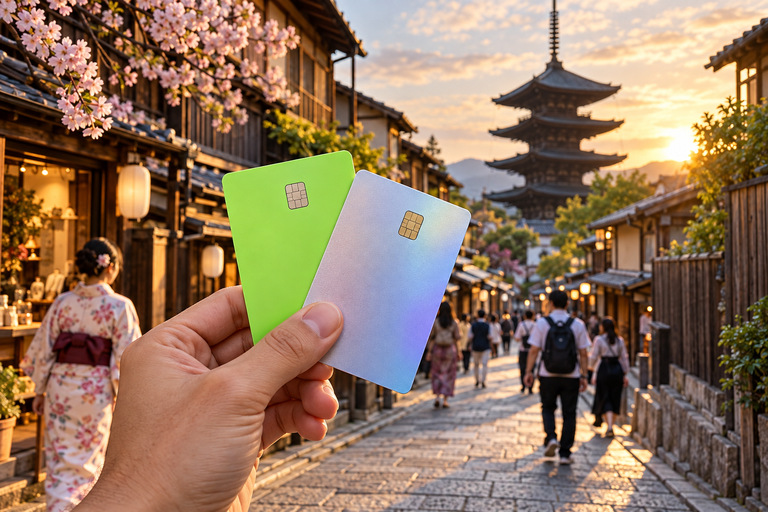
Wise and Revolut are options worth comparing for eligible travelers, but neither deserves a blanket “free money abroad” label. Availability, exchange charges, ATM allowances, and account features depend on your residence, product, and plan. Start with the Wise pricing page and Revolut plan details, selecting your own market.
When a terminal offers conversion into your home currency, check the rate and ordinarily choose payment in Japanese yen, letting your card provider handle conversion. Your provider’s fees still apply. At ATMs, review both the machine’s charge and your issuer’s withdrawal terms.
Compare Wise for your Japan spending →
Check Revolut plans and travel fees →
Get connected before you need rescuing by a map
Look at an eSIM on Trip.com before departure. Confirm that your phone is unlocked and eSIM-compatible, then check data allowance, coverage, hotspot support, validity, activation timing, and any speed restrictions. Do not assume a data package includes a local telephone number.
Save your hotel’s Japanese address, booking confirmations, and essential directions offline. Download a translation language pack where supported. Public Wi-Fi is helpful, but it should not be the only thing standing between you and your bed.
My Tip: Test your payment and connectivity setup at home, and carry a charged power bank. Your excellent digital preparation becomes less excellent at two percent battery.
5. Budgeting for Noodles and Forgetting Everything Else
A cheap lunch does not equal a cheap trip
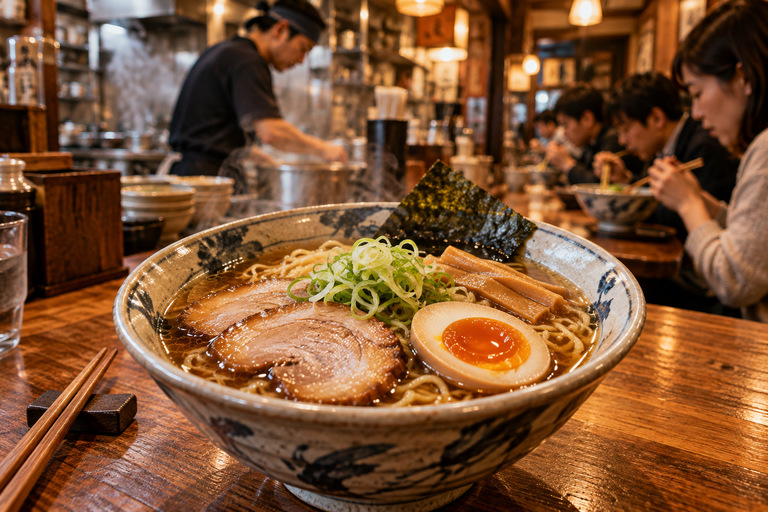
You can eat economically in Japan and still overspend through hotel choices, intercity transport, attraction tickets, shopping, and repeated café stops. The small purchases are especially persuasive. Another pastry is barely a financial event until it develops colleagues.
The estimates below are per adult, per day, including accommodation, ordinary meals, local transport, and modest sightseeing. They exclude international flights, long-distance travel, major shopping, premium experiences, and insurance. Midrange and comfortable estimates assume two adults sharing a room; solo private rooms can cost more per person.
| Travel style | Daily planning range | What I would expect to prioritize |
|---|---|---|
| Budget | ¥9,000–¥14,000 | Dorm bed or economical shared room, casual meals, selective paid sights |
| Midrange | ¥17,000–¥28,000 | Shared private hotel room, varied meals, paid attractions |
| Comfortable | ¥30,000–¥50,000+ | Better hotels, more dining freedom, occasional taxis or guided activities |
These are working allowances, not surveyed national averages. Peak dates, popular districts, single occupancy, and special accommodation can push spending higher.
What everyday essentials might cost?
Use these approximate allowances to build your own budget rather than treating them as promises from every shop:
- Onigiri: ¥150–¥300 each.
- Convenience-store breakfast: ¥400–¥800.
- Casual noodle or rice meal: ¥800–¥1,500.
- Simple sit-down dinner: ¥1,500–¥3,000, before substantial drinks.
- Café coffee: ¥350–¥700.
- Bottled water: ¥100–¥200.
- Coin laundry session: roughly ¥500–¥1,000, depending on machines and drying.
- Basic sightseeing allowance: ¥1,000–¥2,500 daily, with expensive attractions budgeted separately.
For an actual published transport reference, regular adult Tokyo Metro paper tickets currently run ¥180–¥330, depending on distance; journeys involving other operators can differ. See the official Tokyo Metro fares.
Build a budget that survives contact with lunch
A sample midrange day could be ¥10,000 accommodation share, ¥4,500 food, ¥1,000 local transport, ¥2,000 sights, and ¥1,000 incidentals: ¥18,500 total. Ten comparable days would be ¥185,000, before the exclusions above.
Add a 10–15 percent contingency to your working estimate. Keep all planning in yen, then convert using the rate and fees available when you pay. An old dollar conversion can make a sensible budget look misleadingly precise.
For souvenir shopping, set a separate allowance and leave luggage space. A ceramic bowl can be a lovely purchase, but protective packaging, shipping, and extra baggage may change its real cost. Buy something you will use and remember, rather than filling a bag because the departure date is approaching. Photograph the shop name and receipt so you can find the maker again if you want another piece later.
My Tip: Choose your splurges before departure. One excellent meal or carefully chosen guided experience is easier to enjoy when you have already made room for it.
6. Treating Reservations, Airport Transfers, and Luggage as Future Problems
Spontaneity works better after the essentials are booked
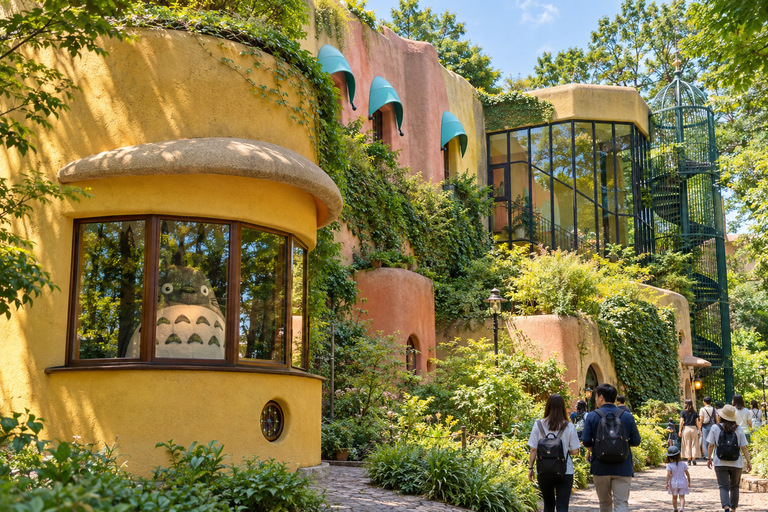
Some days can remain loose. Your arrival night, an important dinner, and a timed attraction deserve more attention. Check booking windows and closure days directly, then put reminders in your calendar using Japan Standard Time.
The Ghibli Museum is a useful example: admission requires advance reservation, and its official ticket page explains the current sales process. A hopeful walk to the entrance is not a booking strategy. Use the Ghibli Museum ticket instructions.
For popular experiences sold by GetYourGuide, compare the actual product with official admission. A guided package may include useful extras, but it may also cost more than a ticket alone. Check precisely what you are buying.
My Tip: Reserve the experiences you would be genuinely disappointed to miss, then protect empty time around them.
Choose your airport transfer for the hour you land
Haneda Airport and Narita Airport are different arrival points with different routes into Tokyo. Price the journey to your actual hotel, not merely “the city.” Compare rail, airport buses, and private transfer options against your flight time, luggage, and group needs.
Allow for immigration, baggage collection, and walking through the airport. A late landing can make a theoretically convenient public transport route unusable if its last service has already gone.
A Welcome Pickups transfer may make sense for families, several travelers sharing the fare, or anyone who values a simpler arrival. Check the quoted airport, terminal, passenger capacity, luggage allowance, waiting policy, child seats, and cancellation terms.
Book the vehicle that fits your luggage as well as your passengers. Four people with four large cases need a different calculation from four people carrying backpacks.
Measure the suitcase before the platform
On the relevant Tokaido, Sanyo, and Kyushu Shinkansen services, baggage over 160 cm in combined length, width, and height, up to 250 cm, requires the appropriate oversized-baggage reservation. Larger bags are not permitted. Consult JR Central’s baggage rules.
For longer routes, compare Yamato Transport’s TA-Q-BIN luggage delivery. Confirm that both properties can handle the service, and allow the quoted delivery time. Keep medicine, valuables, chargers, and overnight essentials with you. See Yamato’s delivery information.
7. Learning Japanese Etiquette as a List of Things to Fear
Consideration beats nervous perfection
Some Japan etiquette guides leave you expecting deportation for holding chopsticks awkwardly. Please breathe. Being observant, patient, and willing to correct yourself will get you much farther than rehearsing an elaborate performance of politeness.
On trains, keep conversations low, silence your phone, and avoid calls in the passenger carriage. Let people exit before boarding. Move bags out of aisles. Follow platform markings and staff instructions instead of assuming one escalator habit applies everywhere.
Do not stop immediately beyond a ticket gate to inspect your phone. Step aside first. This principle improves transportation on every continent.
Shoes, chopsticks, and the small pause before acting
Remove shoes where requested, especially in homes and designated indoor areas. Notice the entrance boundary and any slippers provided. If there are separate toilet slippers, leave them where they belong afterward. Their ambitions should remain local.
At the table, avoid planting chopsticks upright in rice or passing food directly between chopsticks. Use a rest when available, and follow the host’s guidance if you are unsure. Nobody needs a dissertation while the noodles get cold.
Ordinary tipping is not customary in many everyday settings. Pay the stated bill; separately check any tour or service policy rather than imposing expectations from home. The Japan National Tourism Organization’s planning resources link to official customs and manners guidance.
Eating while walking is better understood through context than a dramatic nationwide prohibition. Use designated eating areas, follow market signs, and avoid crowded paths or places of worship with food in hand. Finish beside the vendor when that is welcome.
Your photograph does not outrank somebody’s morning
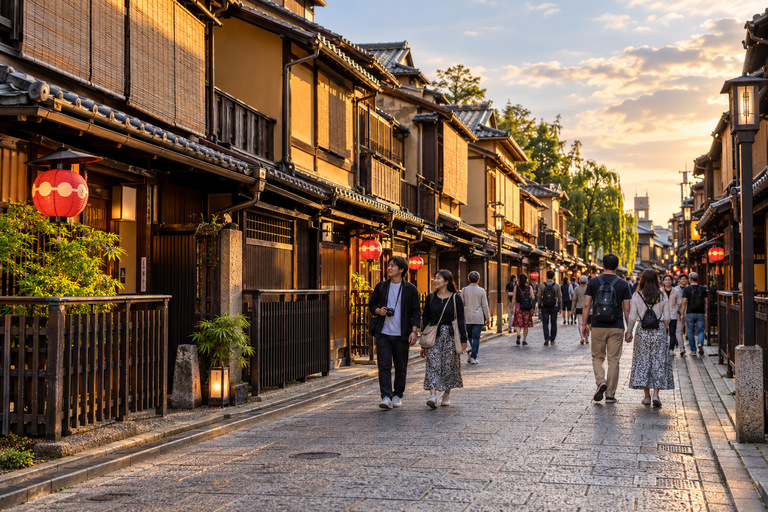
In Kyoto’s Gion, respect private roads and posted photography restrictions. Do not pursue geiko or maiko, block their route, or treat residents as scenery. Read the official Gion visitor guidance.
Ask before photographing people closely, shop interiors, or workshops. At religious sites, follow instructions about access and photography. A quiet space remains somebody’s quiet space even when your camera has excellent low-light performance.
Sustainable tourism tip: Carry a small rubbish bag and sort waste according to local signs. A bottle-recycling opening is not a general disposal solution for lunch packaging.
My Tip: Pause at entrances, watch what people are doing, and ask briefly when unsure. Attention is more useful than trying to memorize every possible social rule before your flight.
8. Eating Only Famous Food and Leaving Dietary Needs to Chance
The longest queue is not your only dinner
There is nothing wrong with seeking out a famous bowl of ramen. There is something faintly tragic about spending every lunch in a queue because a stranger’s video promised it would change your life.
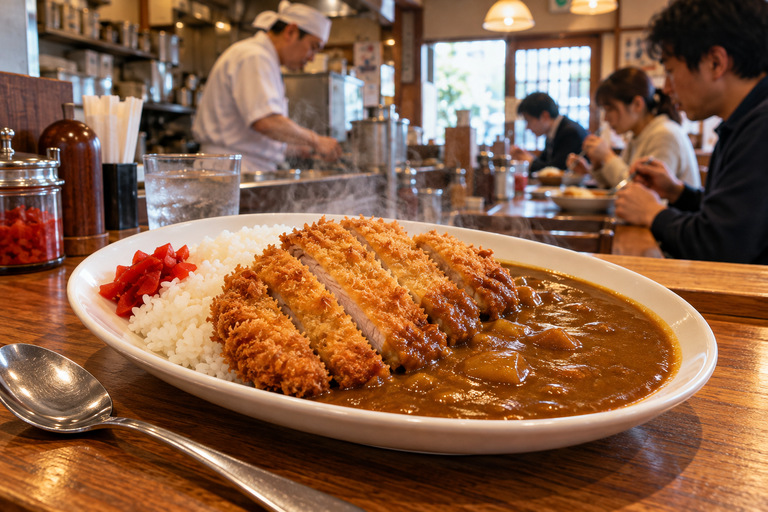
Give less-publicized neighborhood places a chance. Look at menus, prices, opening hours, and what you actually want to eat. Udon, soba, curry rice, set meals, and bakery lunches can make your food budget more varied without turning each meal into a research project.
For sensory satisfaction, you have options: the brittle crust of a fried cutlet, springy noodles pulling against your teeth, pickled vegetables cutting through a rich mouthful, or the smoky edge where a skewer sat nearest the coals.
My Tip: Keep three nearby meal options saved, including one simple fallback. Restaurants close, sell out, take breaks, or turn out to be somewhere entirely different from where your appetite currently lives.
Translation apps are assistants, not ingredient guarantees
Vegetarian does not automatically mean fish-free. Dashi, a stock used in many dishes, can contain fish, and sauces or garnishes can introduce ingredients that are not obvious from the dish name. Likewise, a plain-looking dish is not automatically suitable for a gluten-free diet.
For allergies, prepare a clear Japanese allergy card with qualified translation where possible. Explain the specific ingredient and cross-contact concern. Ask the restaurant whether it can accommodate you; uncertainty is a reason to choose somewhere else, not to negotiate with your health.
Dietary restrictions deserve advance planning for ryokan dinners, tasting menus, and food tours. A kitchen cannot always redesign a set menu when you arrive, particularly with limited ingredients or preparation already completed.
Spend on understanding when it helps
A small-group food walk or cooking class can make sense if you want help navigating menus and learning what you are eating. On GetYourGuide, check the number of tastings, portion expectations, dietary accommodation, meeting point, and cancellation terms.
Find a Japan food tour or cooking class on GetYourGuide
Budget separately for this kind of experience rather than burying it inside your everyday meal allowance. Ask the operator specific questions before booking if your dietary requirements will allow you to participate.
Sustainable food tip: Order thoughtfully, support regional producers, and avoid buying food purely for a photograph you will abandon afterward. A beautiful pastry is still breakfast. Give it a proper career.
9. Packing for the Photograph Instead of the Weather and Terrain
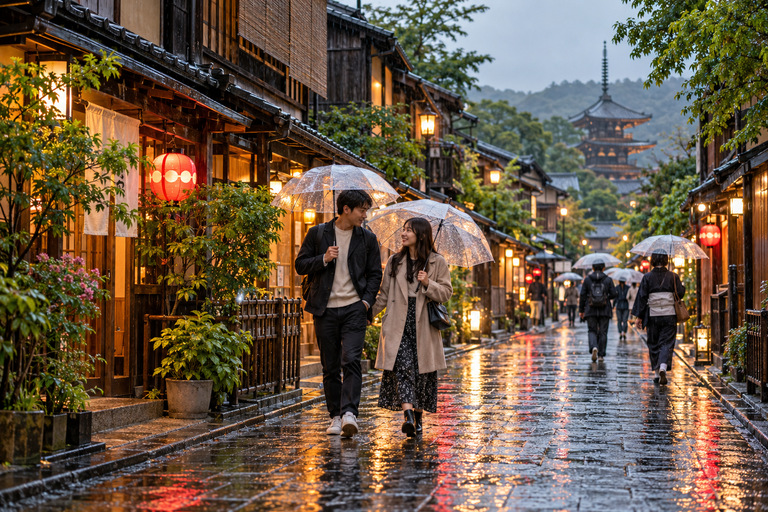
Comfortable shoes deserve better publicity
A day of sightseeing can involve station corridors, stairs, uneven paths, and much more standing than you expected. Bring shoes you have already worn comfortably, suitable socks, and clothes you can layer or wash. Breaking in footwear on vacation is an expensive hobby with no interesting souvenirs.
Japan’s weather varies significantly by region and season. Check the actual places and elevations on your itinerary. A city forecast does not describe a mountain trail, and a spring photograph does not tell you how cold the evening will feel.
During hot, humid periods, reduce midday walking and schedule indoor breaks. During heavy rain or storm disruption, check operator notices before traveling. In snow country, treat winter roads and footwear seriously.
My Tip: Pack for the least convenient hour of your day, not just the nicest photograph. Usually that means rain protection, an extra layer, water, and enough battery to get home.
Understand the bath before you enter it
For an onsen, a hot-spring bath, read the property’s rules before booking. Wash and rinse before entering the shared bath, keep towels out of the water, and follow the facility’s policy on swimwear and bathing areas.
Tattoo policies vary. Ask directly whether tattoos are accepted, must be covered, or require a private bath. A bookable private option can also help travelers who prefer privacy, but confirm the exact arrangement and price.
Read the official onsen guide for bathing basics before your first visit.
Do not assume every accommodation described as traditional includes a private hot-spring bath. Check what is shared, what is reservable, and what your rate includes.
Rent a car where it earns its keep
For an itinerary centered on Tokyo, Kyoto, and Osaka, I would generally start by comparing public transportation. Parking and city driving add work that a car does not necessarily repay.
For rural stops, a rental may expand your options. GetRentacar can be part of your comparison, provided suitable vehicles are available for your dates. Check insurance, deposit, mileage, fuel policy, winter equipment, collection instructions, and additional charges.
Confirm your legal driving documents before booking. Requirements depend on the issuing country and permit or translation arrangements; an “international license” bought from an arbitrary website is not enough. Consult the Japan Automobile Federation’s driving guidance.
10. Confusing a Well-Organized Country With a Risk-Free Trip
Check entry requirements before the suitcase comes out
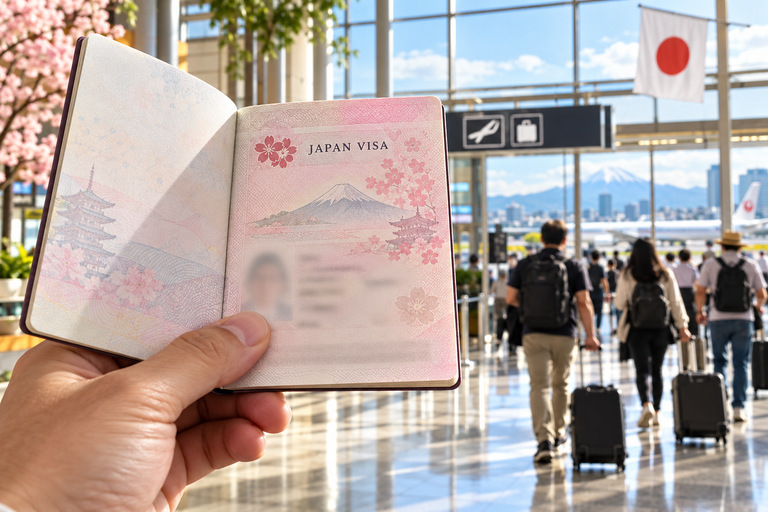
Do not assume your friend’s entry permission applies to your passport. Visa eligibility, permitted stay, and required documents depend on your circumstances. Use the Japanese Ministry of Foreign Affairs visa guidance and your relevant embassy or consulate.
Visit Japan Web is the official service for supported arrival procedures; it does not replace a required visa. Start through the Digital Agency’s Visit Japan Web page, rather than a lookalike promising special access.
Check medication well ahead of departure. A prescription from home does not automatically authorize import into Japan. Restrictions depend on the active ingredient, quantity, and required permissions. Read the Narcotics Control Department’s traveler guidance, including its links for other medicines, and consult your prescriber before making treatment changes.
Plan for an ordinary bad day
Illness, injury, lost property, and transport disruption do not require an adventurous itinerary. Travel insurance should fit your residency, destination, activities, age, and medical circumstances.
Use VisitorsCoverage to compare available policies, then read the insurer’s wording. Look at medical limits, emergency evacuation, deductibles, exclusions, pre-existing-condition terms, and claims procedures. Trip cancellation and interruption cover are not automatically included in every medical policy.
Buy according to the policy’s eligibility and timing rules, and save your documents offline. Keep receipts and contact the assistance provider as required when arranging care. A policy comparison takes less time than trying to understand an exclusion during a difficult afternoon.
Know where reliable instructions come from
For weather and earthquake information, use the Japan Meteorological Agency and follow local authorities and staff. Familiarize yourself with your accommodation’s emergency exits. See the JMA earthquake information guidance.
Save 119 for ambulance or fire and 110 for police emergencies. These numbers are listed in the Japan National Tourism Organization’s practical travel information. If you have a data-only eSIM, know how you would access a voice call or ask nearby staff for help.
My Tip: Keep your accommodation address, emergency contact, insurance details, and essential booking information available without internet access. Preparedness should make the trip easier to enjoy, not turn it into a rehearsal for disaster.
Leave Room for the Meal You Never Researched
The point of avoiding these Japan travel mistakes is to give yourself more choices once you arrive. A sensible route leaves time to change your mind. A realistic budget lets you say yes to something worthwhile. Knowing how to pay, navigate, and carry your luggage frees up attention for the place you came to see.
Before you book another attraction, look at the trip as a whole. Are you sleeping somewhere useful? Have you counted transfer days honestly? Does your rail purchase match the journeys you actually want? Are you spending on experiences you care about, or on the fear of missing whatever everyone else photographed?
I would secure the accommodation, work out the airport arrival, compare transport, and book the handful of experiences that matter most. Then I would stop polishing the itinerary. At some point, more research becomes a very elaborate way of avoiding the pleasure of anticipation.
Travel thoughtfully while you are there. Refill a reusable bottle where drinking water is available, carry your rubbish, use public transportation when practical, and give local shops your attention and spending. Japan’s tap water is generally safe to drink, as the official visitor planning guide explains; follow any local advisories. Small habits become useful when repeated across an entire trip.
Respect the people who make the journey possible. Arrive for reservations on time. Cancel promptly when plans change. Let someone pass before framing your photograph. Learn a few courteous words, and use them without expecting applause. You are visiting a place where people are also trying to finish work, collect groceries, and get home.
Subscribe to A Tiny Traveler for upcoming travel guides, honest planning advice, and food discoveries worth making time for. Follow A Tiny Traveler on Pinterest, save this Japan guide to your trip-planning board, and come back as your route takes shape. If this helped, share it with the person who will otherwise schedule three cities and a mountain before lunch.
There will still be a wrong turn somewhere. Take it calmly. Step out of the pedestrian flow, check the map, and notice what is around you. Perhaps dinner is closer than the correct station entrance.
Frank


