

Plan the matcha hunting journey in Japan, with tea farms, Uji matcha shops, ceremonies, costs, transport, hotels, and a day-by-day route.
The first bowl that rearranged my understanding of matcha was not sweet, iced, or wearing a cloud of strawberry foam. It arrived in a quiet room in Uji, looking almost suspiciously plain. The surface was the green of young peas; the bowl was warm against my palms. One sip brought steamed greens, toasted seeds, and a savory finish that lingered like soup made by somebody’s formidable grandmother. I had expected bitterness. Instead, I got depth. Then I looked at the tiny bowl, looked at the price, and immediately understood why serious tea people travel with spreadsheets.
That bowl began my matcha hunting journey in Japan, a route through department-store tea counters, old family shops, stone mills, rural bus stops, and fields covered with black shade cloth. I also drank one matcha latte that tasted like lawn clippings trapped beneath vanilla syrup. Japan does not automatically protect you from bad matcha. It merely gives you better odds, plus several hundred years of accumulated knowledge and shopkeepers who can explain exactly which powder belongs in a formal bowl and which one should disappear into cake batter.
This guide follows a practical trail from Tokyo to Shizuoka, Nishio, Uji, and Wazuka, with an optional extension to Yame. Uji is the cultural heart of the trip; Wazuka is where the agricultural reality clicks into place. The route is designed for independent travelers, first-time visitors to Japan, serious tea drinkers, curious latte loyalists, and anyone whose luggage mysteriously gains three kilograms of green tins before the flight home.
I will show you where to taste, what to book, how to recognize good matcha, what the journey costs, and when a rail pass is actually useful. You will also find hotel advice, transport links, photo suggestions, buying etiquette, sustainable travel tips, and ready-to-use affiliate buttons. Prices and schedules were checked in September 2026, but farms, workshops, exchange rates, and train fares change. Confirm each detail before paying. Tea rewards patience. Japanese transport rewards reading the correct platform sign.
First, Matcha Is Not Just Green Powder in an Expensive Tin
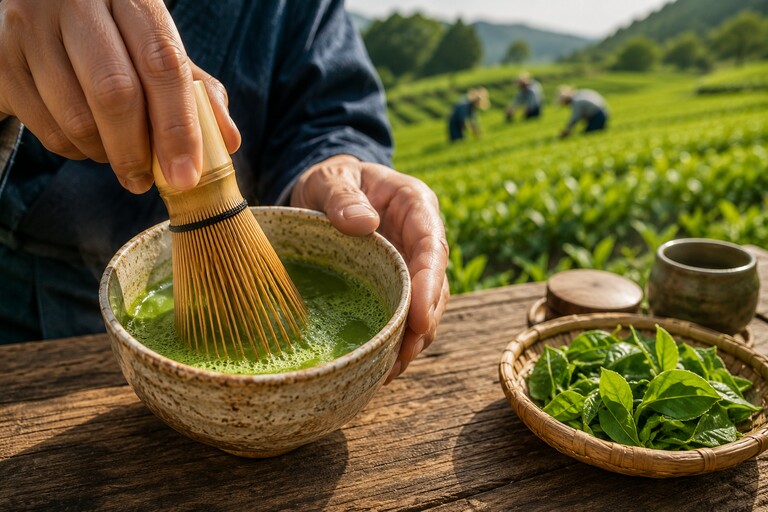
Before plotting stations, learn the vocabulary. It will save money and prevent you from confidently buying powdered sencha while telling everyone it is ceremonial matcha.
Matcha is made from tencha, tea leaves grown under shade before harvest. After picking, the leaves are steamed to stop oxidation, dried without the rolling process used for sencha, and stripped of coarse stems and veins. The finished tencha is ground, traditionally in a stone mill, into a fine powder. Because you consume the suspended leaf rather than merely steeping it, matcha has a dense body and a concentrated mix of sweetness, bitterness, aroma, and umami.
You will hear ceremonial grade constantly. Here is the awkward truth: it is not a single legally standardized Japanese grade. Many reputable producers use it as a helpful market category, but the phrase alone proves little. A more useful conversation is, “Is this intended for usucha?” That means thin tea, the whisked style most visitors know. Koicha, or thick tea, uses more powder and much less water; it demands exceptionally smooth matcha because there is nowhere for roughness to hide. Culinary matcha is stronger and more astringent so its flavor survives milk, sugar, butter, or flour.
Other useful terms include:
- Chawan: The tea bowl.
- Chasen: The bamboo whisk.
- Chashaku: The slim bamboo scoop.
- Natsume: A lacquered container used for thin tea.
- Shincha: The season’s new tea, usually associated with the first spring harvest.
- Single cultivar: Matcha made from one named cultivar, such as Samidori, Gokou, Uji Hikari, Okumidori, or Yabukita.
- Blend: Matcha combined by a tea blender to create a consistent aroma, texture, and finish. A blend is not inferior. Blending is a serious craft.
My Tip: Ask what the shop recommends for your actual habit. If you drink straight matcha three times a week, say so. If you want a daily oat-milk latte, admit it cheerfully. Buying a delicate koicha-grade tea for a 16-ounce vanilla latte is like hiring a string quartet to play beneath a leaf blower.
The Route I Would Choose, and Why
My ideal 10-day Japan matcha itinerary begins with two nights in Tokyo, continues to Shizuoka for one night, Nagoya or Nishio for one night, Kyoto for four nights with day trips to Uji and Wazuka, and ends with one flexible night in Osaka or Kyoto. Add two or three nights in Fukuoka and Yame if your time and budget permit.
Good journeys begin with curiosity, not shopping lists.
| Day | Base | Main matcha focus |
|---|---|---|
| 1 | Tokyo | Arrival, tea counter orientation, simple tasting |
| 2 | Tokyo | Historic tea shops, modern matcha cafés, tools |
| 3 | Shimada or Shizuoka | Tea Museum, Shizuoka and regional tea context |
| 4 | Nagoya or Nishio | Nishio matcha museum, factory methods, local shops |
| 5 | Kyoto | Tea ceremony context and specialist shopping |
| 6 | Uji | Byodoin, Chazuna, teahouses, comparative tasting |
| 7 | Wazuka | Tea fields, farm tour, tencha production |
| 8 | Kyoto | Ceramics, second tasting, careful purchases |
| 9 | Kyoto or Osaka | Buffer day for sold-out tours or weather |
| 10 | Osaka or Tokyo | Departure and airport-safe packing |
SEARCH JAPAN HOTELS ON BOOKING.COM
Compare refundable stays near Tokyo Station, Kanaya Station, Nagoya Station, and Kyoto Station. For this route, being close to rail connections is usually worth more than having a larger room six subway changes away.
When to Go: Tea Has a Calendar, and So Does Humidity
The most rewarding period for a Japan tea farm tour is generally late April through June, when spring harvest activity animates producing regions. Exact picking dates depend on latitude, elevation, cultivar, and weather. Farm access is never guaranteed during harvest because farmers are working, not operating a leafy theme park for my camera.
May offers fresh growth and the excitement surrounding new tea, but Golden Week, typically around late April and early May, brings domestic travel crowds and higher room prices. Book early or choose later May. June can be humid and rainy, yet the fields look intensely green and rural bookings may be easier outside weekends. Bring a compact umbrella and shoes that forgive soil.
October and November are my favorite alternatives. Temperatures are kinder, Kyoto’s autumn demand can be fierce, and tea farms may offer a calmer educational visit. Winter works well for city tastings, ceremonies, museums, and shopping, although fields are less visually dramatic and some rural programs pause. July through September can be hot enough to turn a ten-minute station walk into a personal grievance. Typhoons may also disrupt travel.
My Tip: Reserve your farm tour first, then build hotel nights around it. A workshop with six seats should dictate the plan; a city with thousands of hotel rooms should not.
Days 1–2: Tokyo, Where Your Palate Gets an Education
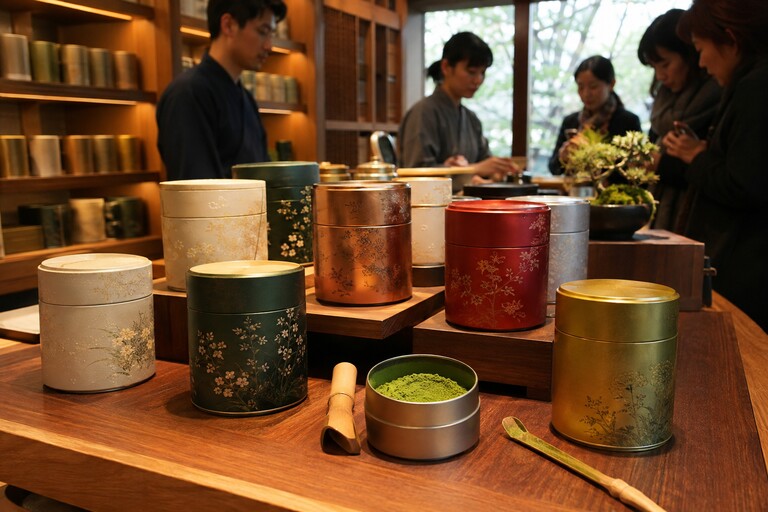
Tokyo is not the place to understand tea farming, but it may be the best place to compare producers without crossing six prefectures. Department-store food halls turn serious tea buying into a remarkably civilized treasure hunt. Nobody chases you. Tins sit in immaculate rows. Staff wrap a purchase as if preparing it for diplomatic transport.
Begin in Nihonbashi, Ginza, or around Tokyo Station. Visit a respected specialist such as Ippodo Tea Tokyo Store, then browse tea counters inside major department stores. Stock varies, and popular matcha may be limited or sold out, so arrive curious rather than clutching a rigid shopping list assembled from social media. A sold-out tin is not proof that every available alternative is second-rate.
Order one traditional bowl before launching into parfaits. Notice the aroma before sipping. Good matcha might suggest sweet peas, nori, young spinach, macadamia, cacao, flowers, or warm milk, depending on the tea and your own sensory memory. The texture should feel fine rather than sandy. Bitterness can be present, but it should have shape and purpose, not merely slap your tongue and leave.
Where to Sleep in Tokyo
Stay near Tokyo Station, Ueno, Nihonbashi, or Shinagawa. Tokyo Station is convenient for the next train west; Ueno often offers better-value business hotels; Nihonbashi suits tea shopping; Shinagawa simplifies an early Tokaido Shinkansen departure. Expect compact rooms. “Double” sometimes means two people and one ongoing negotiation about suitcase access.
COMPARE TOKYO HOTELS ON TRIP.COM
Filter for free cancellation, a rating above 8/10, and a walk of under 10 minutes to a useful station. Check the room’s square meters before booking; wide-angle photography has enjoyed a long and successful career in Tokyo.
If you arrive tired with luggage, prearranged transport can be sensible, especially for families or late flights.
Day 3: Shizuoka, Because Matcha Has Relatives
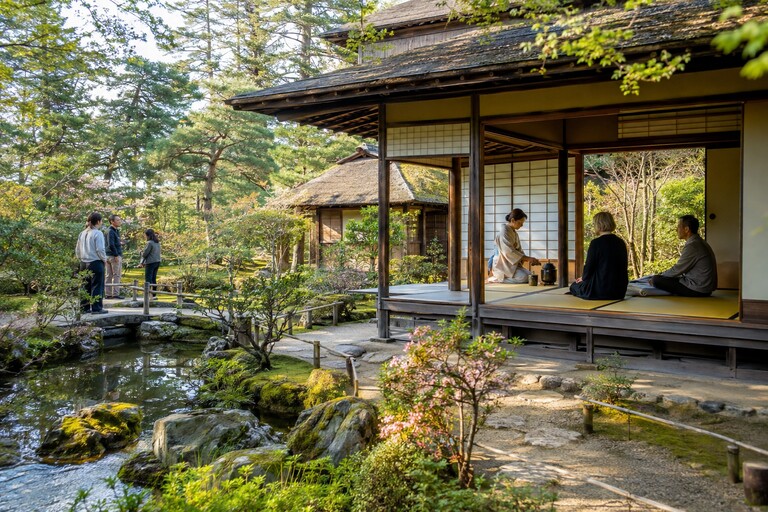
Make Tea Museum, Shizuoka in Shimada your anchor. The official museum website lists opening hours of 9:00 a.m.–5:00 p.m., with last museum entry at 4:30 p.m.; it normally closes on Tuesdays, with holiday adjustments. Current general admission is inexpensive, and separate tea-room or ceremony experiences may cost extra. Confirm the day’s program before leaving.
The museum is near Kanaya, not central Shizuoka City, which matters when reserving accommodation. From the station area, local transport or a taxi may be required. This is one place where a small rental car can turn awkward timetables into a relaxed day, particularly if you want an additional farm or countryside stop.
Compare automatic cars, full insurance terms, mileage, pickup hours, and cancellation conditions. Bring the driving permit legally required for your license and nationality; an online “international license” sold by a random website may be decorative rather than valid.
Inside the museum, taste beyond matcha. Try a carefully brewed sencha or gyokuro and pay attention to water temperature. Cooler water draws sweetness and savoriness; hotter water extracts briskness and aroma more aggressively.
Day 4: Nishio, the Industrial Muscle Behind the Whisk
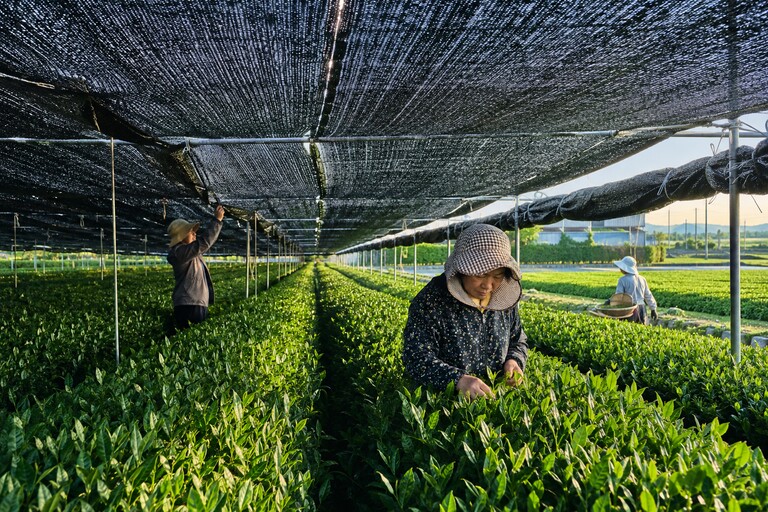
The central experience is Matcha Museum Saijoen Wakuwaku at SAIJOEN AIYA. The official Nishio tourism site lists reservation-based museum plans and current session information; the Aichi tourism page provides background and access details. Reserve well ahead. English availability and tour formats can change, and walking in without a booking may produce nothing more educational than a visit to the shop.
The museum explains cultivation, shade structures, tencha processing, grading, blending, and milling. Watch the mill carefully. Traditional stone grinding is slow because friction creates heat, and heat damages aroma and color. This is why “freshly ground” is not empty romance, and why an inexpensive kitchen blender cannot casually reproduce excellent matcha.
Getting to Nishio Without Losing the Plot
From Nagoya, use the Meitetsu network toward Nishio Station; exact services may require a transfer. Local attractions are spread out, so buses, taxis, bicycles, or a car may be necessary. Base yourself in Nagoya for easier hotel choice and onward Shinkansen access, or stay in Nishio if a slower evening matters more than convenience.
Day 5: Kyoto, Where Matcha Comes With Rules, Rooms, and Context
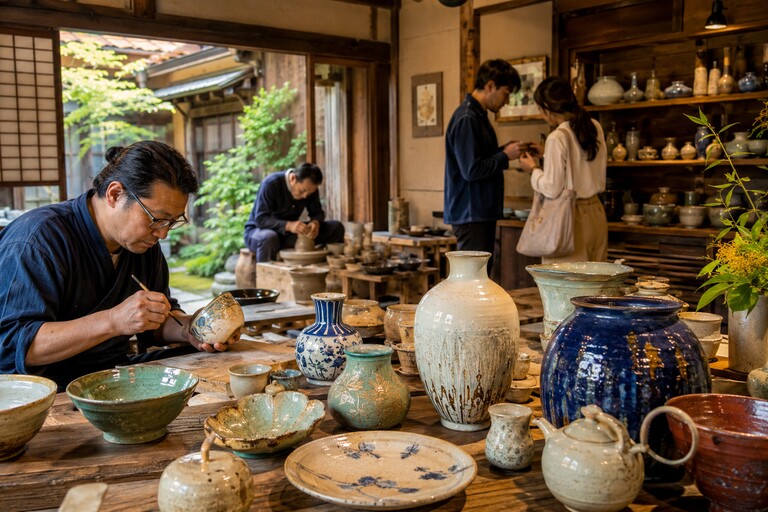
Book an English-friendly tea ceremony or guided tea experience. A good host explains how the room, utensils, sweets, gestures, season, and guests relate. You are not expected to arrive knowing formal etiquette. Wear clean socks because shoes come off. Avoid strong perfume; aroma is part of tasting. Follow the host, turn the bowl when shown, and do not panic about performing perfectly. Hospitality is the point, not an ambush exam.
This is also the right day to browse Kyoto ceramics. Visit reputable galleries or craft shops and ask where a bowl was made. Kiyomizu-yaki and other regional ceramics range from approachable everyday pieces to collector territory. Hold a chawan. Check its weight, foot, lip, and interior texture. A dramatic bowl that destroys bamboo whisks is an expensive little menace.
FIND KYOTO TEA CEREMONIES AND FOOD TOURS ON GETYOURGUIDE
Stay near Kyoto Station for easy access to Uji, or near the Keihan Line around Gion-Shijo or Sanjo if you prefer traditional districts and direct rail connections toward Keihan Uji. Kyoto buses become crowded; rail is often the calmer choice.
Day 6: Uji, the Main Event Without the Green-Tinted Hype
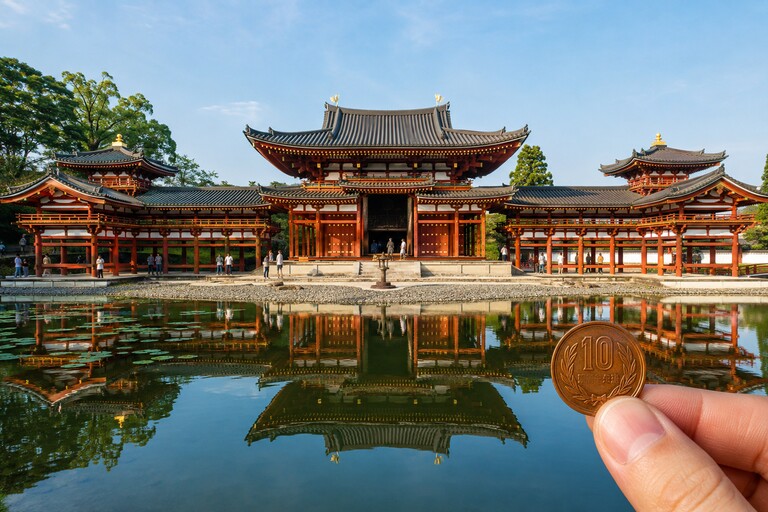
Take the JR Nara Line from Kyoto Station to JR Uji Station, or use the Keihan Line to Keihan Uji Station. The Japan National Tourism Organization’s Uji guide notes that the JR journey can take about 17 minutes on a suitable service. The two Uji stations are separate but both serve the central riverside area.
Arrive early enough for Byodoin Temple before the busiest lunch period. The Phoenix Hall, reflected in its pond, appears on Japan’s 10-yen coin, which gives everyone an irresistible reason to photograph currency in front of architecture. The official Byodoin guide currently lists garden hours of 8:45 a.m.–5:30 p.m., with last entry at 5:15 p.m. Interior visits operate separately, have limited capacity, and cost extra. Verify current admission and maintenance notices.
Then cross into the tea streets. Byodoin Omotesando packs teahouses, sweets, gifts, and queues into a short distance. Famous names include Tsuen Tea, associated with a very long history by Uji Bridge; Nakamura Tokichi; Fukujuen Ujicha Kobo; and many smaller merchants. Do not treat this as a checklist. Choose two serious tastings and leave room for one dessert.
A Uji Day That Actually Works
- 8:45 a.m.: Enter Byodoin and visit the museum.
- 10:15 a.m.: Walk Byodoin Omotesando and make your first tea-shop purchase only if you know what you want.
- 11:00 a.m.: Booked tasting or tea workshop.
- 12:30 p.m.: Lunch, preferably something not entirely matcha-colored.
- 1:30 p.m.: Visit Chazuna, the Historical Park of Tea and Uji Town.
- 3:15 p.m.: Tea at Taiho-an or one final specialist shop.
- 4:15 p.m.: Walk beside the Uji River, cross Asagiri Bridge, and let your palate recover.
Chazuna is useful because it connects tea with local history rather than presenting matcha as powdered merchandise. The official Chazuna website lists museum hours of 9:00 a.m.–5:00 p.m., last admission at 4:30 p.m., and hands-on programs such as stone-mill experiences. General museum admission was ¥600 when checked, while workshops cost extra and should be reserved.
Taiho-an, the municipal tea house, is an approachable place to experience tea service. Its official booking page lists several options, including thin tea, thick tea, sencha, gyokuro, and make-your-own experiences, with advance reservations required for certain sessions. Prices vary by format. Choose usucha if you are new; choose the combined koicha and usucha service if you already enjoy concentrated, savory matcha.
How to Shop in Uji Without Becoming a Tin Goblin
Ask three questions:
- When was this matcha milled or packed?
- Is it recommended for usucha, koicha, latte, or cooking?
- How should I store it, and how quickly should I drink it after opening?
Buy smaller tins. A 20-gram or 30-gram container may yield roughly ten to fifteen regular bowls depending on dosage, and you can finish it while the aroma is lively. Five giant bags opened simultaneously are not a collection; they are a slow oxidation project.
Expect respected drinking matcha to begin around ¥1,500–¥3,000 for a small tin, with premium products rising well beyond ¥5,000. Current demand can cause purchase limits and sellouts. Never pressure staff to bypass limits, and do not clear a shelf for resale. Tea shops need local and ceremonial customers after your vacation ends.
Day 7: Wazuka, Where the Instagram Color Turns Into Farm Work
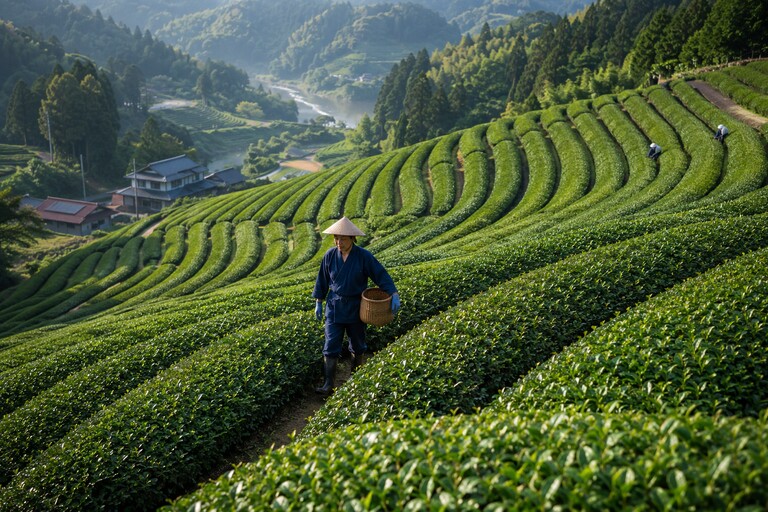
Book a farm experience rather than wandering through private fields. Kyoto Obubu Tea Farms offers guided programs, including matcha-focused tours, while d Kyoto runs field, factory, tasting, and meal experiences. The Wazuka tourism website and Kyoto tourism activity listings are useful starting points. Tour content changes with season and production schedules.
Getting there requires attention. A common public-transport route uses a train from Kyoto toward JR Kamo Station, followed by a local bus or arranged pickup. Services are limited. Check the exact instructions sent by your host, not a two-year-old screenshot from somebody’s reel. Missing the bus can mean a long wait and a taxi that may not materialize on command.
I once reached a rural stop with three minutes to spare, congratulated myself, and then watched the correct bus depart from the opposite side of the road. There is a specific loneliness to seeing your transport disappear while you are holding a prepaid tour confirmation and an unnecessary convenience-store pudding. The farm kindly rearranged the pickup. I arrived late, apologetic, and carrying pudding warm enough to qualify as soup.
On the farm, ask about cultivars, shading length, frost, harvest sequence, organic methods, fertilizer, pests, and who performs the work. If tencha processing is available, notice the absence of rolling and the stages used to remove stems and veins. Smell the leaf before grinding. Taste different cultivars side by side. Samidori may read as soft and rounded; Gokou can lean richly savory; Okumidori is often valued for color and balance. These are tendencies, not flavor laws.
Tea fields are agricultural workplaces. Stay on approved paths. Do not step between rows, pick leaves without permission, fly a drone, or photograph workers at close range without asking. Shade structures and irrigation equipment are not props. A farmer should not have to repair your content.
My Tip: Carry cash, water, sun protection, a light rain layer, and a bag for muddy shoes. Rural shops may not accept the payment method that worked flawlessly in Ginza.
BOOK A SMALL-GROUP JAPAN TEA EXPERIENCE
Optional Extension: Yame, for Travelers Who Want Another Tea Vocabulary
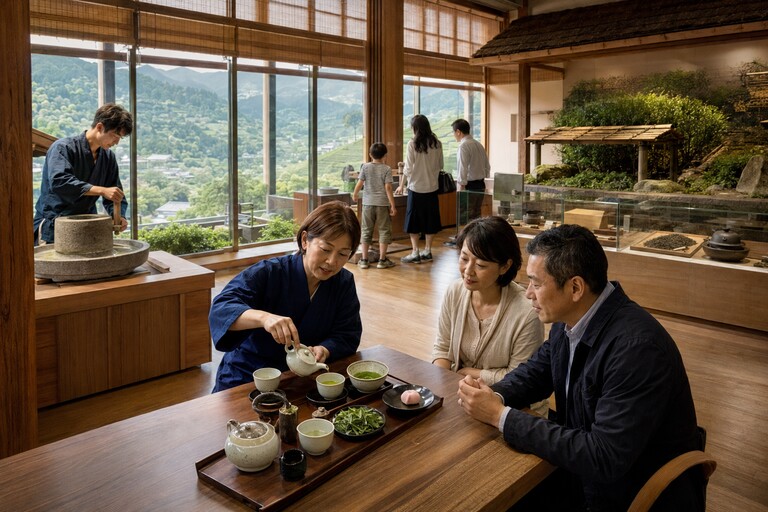
If you can add two or three days, continue by Shinkansen to Hakata and explore Yame in Fukuoka Prefecture. This region is especially respected for Yame Traditional Hon Gyokuro, so the extension broadens the journey rather than repeating Uji.
The Hoshino Tea Culture Museum, or Cha no Bunkakan, in Hoshino Village offers exhibits, tea tasting, food, and workshop possibilities. The official Hoshino page lists typical hours of 10:00 a.m.–5:00 p.m., a regular Tuesday closure, free museum admission, and separately priced tea sets and activities. Current listed examples include a matcha set and the slow, concentrated shizuku-cha style for gyokuro. Confirm before traveling.
Public transport into rural Yame is slower than the map suggests. A rental car from Fukuoka or another appropriate hub may be the cleanest solution, provided you are legally licensed and comfortable driving on the left. Stay overnight in the region if possible. Spending money locally makes the long detour more meaningful than dashing in, photographing one bowl, and racing back to Hakata.
Japan Matcha Trip Budget: What You Will Actually Spend
Realistic Daily Budgets Per Person
| Travel style | Accommodation | Food and matcha | Local transport | Activities | Daily total |
|---|---|---|---|---|---|
| Budget | ¥4,500–¥8,000 | ¥3,500–¥5,000 | ¥1,000–¥2,000 | ¥1,000–¥3,000 | ¥10,000–¥18,000 |
| Comfortable | ¥10,000–¥22,000 | ¥5,000–¥8,000 | ¥1,500–¥3,000 | ¥3,000–¥8,000 | ¥19,500–¥41,000 |
| Tea splurge | ¥25,000–¥50,000 | ¥8,000–¥15,000 | ¥3,000–¥8,000 | ¥8,000–¥20,000 | ¥44,000–¥93,000 |
These totals exclude long-distance Shinkansen tickets, international flights, major shopping, and travel insurance. Solo travelers pay more for private rooms; couples sharing a room often reduce the per-person accommodation cost.
Prices of Useful Essentials
- Traditional bowl of matcha with a sweet: roughly ¥700–¥1,800.
- Specialist matcha latte: roughly ¥600–¥1,200.
- Small drinking-matcha tin: roughly ¥1,500–¥6,000+.
- Simple bamboo whisk: roughly ¥2,000–¥5,000, with artisan versions costing more.
- Casual lunch: roughly ¥900–¥1,800.
- Convenience-store breakfast: roughly ¥500–¥900.
- Business hotel: often ¥10,000–¥22,000 per room, depending heavily on city and date.
- Coin locker: commonly a few hundred yen, increasing with size.
- Museum or short tea experience: about ¥300–¥3,600 for examples in this guide.
- Farm tour: often several thousand yen to well above ¥10,000, depending on length, transport, meal, and group size.
For the 10-day core route, a comfortable traveler should plan approximately ¥220,000–¥380,000 per person, excluding international flights but including midrange shared accommodation, intercity trains, meals, several workshops, and a sensible tea-shopping allowance. A solo traveler choosing private rooms and premium tins can exceed that quickly.
Trains, Passes, Cards, and the Great Rail-Pass Calculation
The nationwide Japan Rail Pass is convenient, but it is no longer an automatic bargain. The official price page lists the ordinary adult pass at ¥50,000 for 7 days, ¥80,000 for 14 days, and ¥100,000 for 21 days for online purchases when checked. Purchases through overseas agencies change after October 1, 2026, and Nozomi or Mizuho trains require an additional special ticket for pass holders.
For the core one-way route from Tokyo through central Japan to Kyoto or Osaka, point-to-point tickets may cost less than a nationwide pass. Calculate every major ride. If you add the return to Tokyo or the Yame extension, a pass or regional product may become more competitive.
Book Tokaido, Sanyo, and Kyushu Shinkansen seats through the official SmartEX service where eligible, or buy from machines and ticket offices. SmartEX supports advance booking, certain discounted fares, and QR or linked IC-card boarding. During major peak periods, Nozomi services may operate with reserved seating only.
Use an IC card such as Suica, PASMO, or ICOCA for many local trains, subways, buses, convenience stores, and vending machines. Coverage is broad but not universal, especially on rural buses. Tap in and out; keep enough balance; carry cash as backup.
For large luggage, check current Shinkansen rules for oversized baggage and reserve the correct seat when required. Forwarding luggage between hotels can make the rural legs far easier. Ask both properties whether they can send and receive bags, allow at least the quoted delivery time, and carry one overnight set with you.
Money in Japan: Wise, Revolut, and the Cash You Still Need
Cards are widely accepted in cities, but tea country has a talent for producing the exact café, bus, or family shop that wants cash. Carry at least ¥10,000–¥20,000 in mixed notes and coins on rural days. Convenience-store and postal ATMs are useful, but your own bank may add fees.
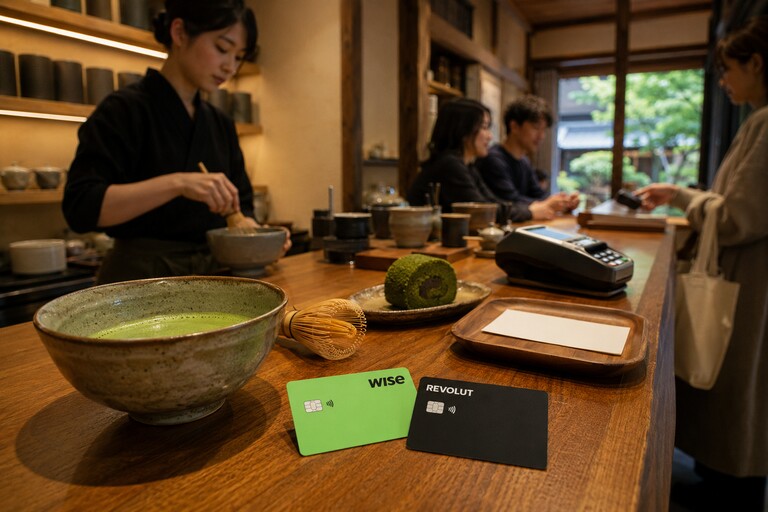
Wise and Revolut can help travelers hold yen, monitor conversion, and avoid some traditional bank markups, depending on home country, plan, and card terms. Always review weekend surcharges, fair-use limits, ATM allowances, and local operator fees. Choose yen when a Japanese terminal asks whether to charge in yen or your home currency; dynamic currency conversion usually offers an unattractive rate dressed as convenience.
GET A WISE TRAVEL CARD FOR JAPAN →
CHECK REVOLUT TRAVEL FEATURES →
Internet, Reservations, and Why Rural Screenshots Matter
An eSIM is useful for maps, translation, train changes, and contacting a farm when you are standing beside the wrong bus stop holding warm pudding. Check whether your phone is unlocked and supports eSIM, compare data allowances, and install the plan while you still have reliable Wi-Fi.
Download offline map areas, save reservation emails as screenshots, and keep Japanese names and addresses. Rural reception can drop at the precise moment your confidence does.
Travel Insurance: Tea Is Calm; Travel Is Not
A tea trip still involves missed trains, weather disruption, illness, lost luggage, and rural driving. Compare policies for medical care, trip interruption, personal belongings, rental-car exclusions, and activities. Read the certificate, not just the sales page. Preexisting-condition rules and coverage eligibility depend on residence and timing.
COMPARE JAPAN TRAVEL INSURANCE WITH VISITORSCOVERAGE →
Get a quote after booking your major nonrefundable costs, then check deductibles, maximum benefits, exclusions, and the claims process before purchasing.
How to Taste Matcha Without Pretending to Be a Sommelier
Sip and ask:
- Aroma: Does it suggest fresh greens, seaweed, nuts, flowers, cocoa, cream, or something else familiar?
- Texture: Is it silky, thick, foamy, thin, or gritty?
- Taste: How do sweetness, umami, bitterness, and astringency balance?
- Finish: Does the flavor vanish, become harsh, or linger pleasantly?
- Feeling: Would you drink this straight, with food, or in milk?
Etiquette That Makes Tea Shops Happier to See You
- Ask before photographing people, counters, preparation areas, or fields.
- Do not open sealed tins, touch display utensils, or monopolize staff during a queue.
- Tell the host about allergies when booking, especially because sweets may contain gluten, dairy, egg, soy, sesame, or nuts.
Sustainable Matcha Travel: Leave More Than an Empty Cup
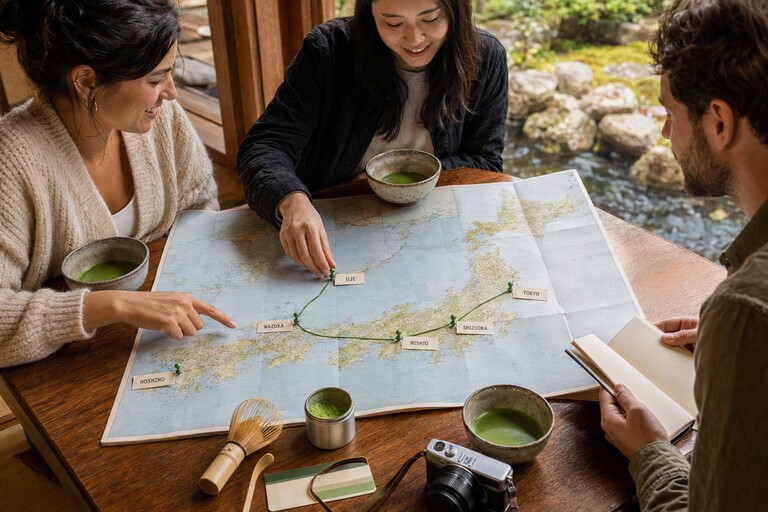
Book directly with local farms when practical, stay overnight, buy tea from producers, and eat at locally owned restaurants. Use trains for the intercity route, then share a taxi or rent a small efficient car only where public transport becomes impractical. Combine rural stops instead of making repeated long-distance day trips.
Never enter tea rows without permission. Soil compaction, damaged plants, and disrupted work are real costs. Avoid drone flights unless you have explicit permission and comply with Japanese aviation and local rules. Keep voices low near homes. Wazuka and Hoshino are communities before they are backdrops.
My Tip: Ask a producer which tea is abundant and suitable for your use. Chasing one scarce label encourages hoarding; discovering a less famous cultivar supports a broader market and usually creates the better story.
Before You Fly: The Matcha Hunter’s Checklist
- Check passport validity and your nationality’s visa requirements on the official Japanese Ministry of Foreign Affairs visa page.
- Use the official Visit Japan Web service for available immigration and customs procedures; avoid imitation sites charging unnecessary fees.
- Book station-friendly hotels with flexible cancellation where useful.
- Compare point-to-point fares with the Japan Rail Pass.
- Arrange an eSIM, payment cards, insurance, and rural cash.
- Screenshot Japanese addresses, pickup instructions, and booking confirmations.
- Check closure days, holiday schedules, harvest changes, and weather one final time.
Frequently Asked Questions About Matcha Hunting in Japan
Is Uji the best place for matcha in Japan?
Uji is the best all-around destination for matcha history, respected merchants, tea experiences, major cultural sights, and easy access from Kyoto. “Best flavor” is personal, however. Nishio provides valuable production insight, while Wazuka offers closer contact with farming. Visit more than one region if matcha is the purpose of your trip.
How many days do I need for a Japan matcha trip?
Allow three days for Kyoto, Uji, and Wazuka at minimum. Seven to ten days lets you add Tokyo, Shizuoka, and Nishio without sprinting. Twelve to fourteen days accommodates Yame and proper buffer time.
Is expensive matcha always better?
No. Price may reflect harvest quality, cultivar, field method, scarcity, blending skill, packaging, reputation, and suitability for koicha. The best purchase is the freshest reputable tea suited to how you drink it. A balanced midrange usucha can bring more pleasure than a rare tea prepared badly.
Are matcha cafés suitable for vegan or gluten-free travelers?
Plain matcha and water are simple, but sweets, lattes, cones, sauces, and shared equipment complicate matters. Ask directly. Plant milk may cost extra, and traditional wagashi are not automatically free from gluten or cross-contact.
The Last Bowl, and the Reason to Go
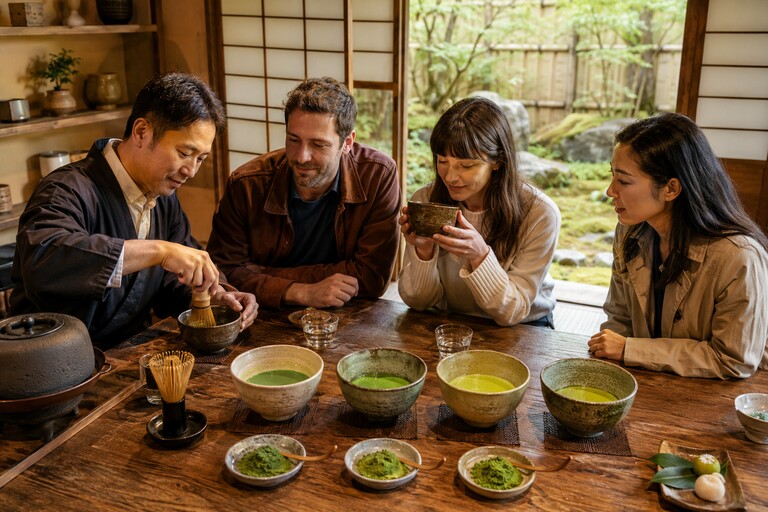
My final bowl in Kyoto was made from a tin I had nearly ignored because its label was plain and it was not the product everyone online was chasing. The foam was uneven. The hotel cup was wrong. Outside, a delivery bicycle rattled down the lane and somebody dragged bottles toward recycling. Yet the tea smelled of toasted nori and sweet corn, and its finish stayed through the walk to the station. Perfection would not have improved it.
If this guide helped turn a vague matcha dream into an actual route, subscribe to A Tiny Traveler for the next practical, curious, occasionally over-caffeinated journey. I share detailed itineraries, honest costs, transport advice, food finds, and the mistakes that are funnier after I have stopped missing the bus.
Follow A Tiny Traveler on Pinterest and save this article to your Japan travel planning board. More useful guides are coming, including where to stay in Kyoto, how to plan Japan by train, the best food experiences in Tokyo, and slow-travel day trips that deserve more than a rushed photograph. Your future self, standing in Uji with three tea reservations and only one stomach, will be grateful.
One last image remains: a bamboo whisk drying beside a small bowl, the green ring of the final sip still visible around the inside. The train leaves soon. The tin in my bag gives off no scent at all, sealed tight and waiting. That is tomorrow’s cup.
Frank


