

Discover the 10 best things to do in Gdańsk, Poland, from the colorful Main Town and Mariacka Street to Westerplatte, beaches, museums and local food, plus 2026 prices, budgets, transport tips and where to stay.
Some cities introduce themselves politely, and then there is Gdańsk, which practically throws a bronze sea god, a medieval crane, red-brick churches, and several hundred years of complicated European history at you before breakfast.
My relationship with the city began with a minor battle against its cobblestones. I was walking down Długi Targ, staring upward at one ridiculously ornate façade after another, when my shoe caught the edge of a stone and sent me performing the sort of brief, undignified dance that immediately informs everyone nearby that you are not local. Nobody reacted. Gdańsk has seen revolutions, invasions and the collapse of empires. One traveler losing an argument with a paving stone apparently does not register.
And that is partly why I like this place so much. Gdańsk does not feel like a city assembled exclusively for tourists. Behind the photogenic streets sits a port city with scars, opinions and an extraordinary ability to reinvent itself. The opening shots of World War II were fired nearby. Decades later, the Solidarity movement born in the shipyard helped shake communist rule across Central and Eastern Europe. Meanwhile, a few streets away, people are drinking coffee under stone gargoyles and deciding whether buying a fourth piece of amber jewelry constitutes a financial emergency.
If you are wondering what to do in Gdańsk, how many days you need, what things cost, where to stay, how to get around, and which attractions actually deserve your time, this guide is for you. I have packed it with practical advice rather than simply announcing that every church is “beautiful” and every street is “charming.” You can decide those things yourself.
Before You Meet Neptune: What You Need to Know About Visiting Gdańsk
First, a small geographical correction that will make you sound suspiciously well informed.
Travelers often call the central historic area Gdańsk Old Town, but many of the famous attractions—including Długi Targ, Neptune’s Fountain and St. Mary’s Basilica—are technically in Główne Miasto, or the Main Town.
Does this matter to your holiday?
Not especially.
Will some local history enthusiast appreciate you knowing it?
Almost certainly.
How Many Days Do You Need in Gdańsk?
I would give Gdańsk at least three days.
With two days, you can cover the historic center, waterfront and one major museum, but you will spend a suspicious amount of time looking at your watch.
With three days, you can add Westerplatte, Oliwa or the Baltic coast without turning your holiday into military training.
With four or five days, you can explore more slowly and take an easy trip to Sopot, Gdynia, Malbork Castle or Kashubia.
My tip: If this is your first visit, book three nights minimum and four if your schedule allows it.
Where Should You Stay in Gdańsk?
For a first visit, I would stay around Główne Miasto, Wyspa Spichrzów – Granary Island, or within walking distance of Gdańsk Główny station.
Being central means you can walk home after dinner instead of studying tram routes at 11:40 p.m. while holding half a bag of pierogi.
Accommodation prices move considerably depending on season and weekends. Current Booking.com data in 2026 puts average hostel accommodation around 189 PLN per night, while average listed hotel rates are significantly higher, particularly for central three- and four-star properties. Summer weekends can jump sharply.
CHECK GDANSK HOTEL DEALS ON BOOKING.COM
You can also compare packages and accommodation through Trip.com, especially if readers are combining their hotel with flights.
COMPARE GDANSK FLIGHTS ON TRIP.COM
How Much Does Gdańsk Cost in 2026?
Gdańsk is no longer ridiculously cheap, particularly in the historic center, but it remains manageable compared with many major Western European city breaks.
For planning purposes, I would budget roughly:
| Travel style | Realistic daily budget |
|---|---|
| Budget traveler | 250–400 PLN |
| Mid-range traveler | 600–900 PLN |
| Comfort-focused traveler | 1,000–1,600+ PLN |
Those figures include accommodation, local transport, meals and sightseeing but not international flights.
As of 2026, an inexpensive restaurant meal averages around 45.50 PLN, a cappuccino around 16 PLN, a domestic draft beer roughly 15 PLN, and a mid-range three-course dinner for two around 250 PLN before drinks. These are city-wide averages rather than fixed tourist-center prices.
A few useful reference prices:
- Coffee: around 12–20 PLN
- Simple restaurant lunch: around 35–70 PLN
- Beer: around 12–20 PLN
- Pierogi meal: often roughly 30–50 PLN
- Museum ticket: commonly around 20–40 PLN
- Public transport single journey: 4.80 PLN
- 75-minute ticket: 6 PLN
- 24-hour Gdańsk transport ticket: 22 PLN
Those public transport fares are the current official ZTM Gdańsk prices.
Paying in Poland Without Donating Money to Bad Exchange Rates
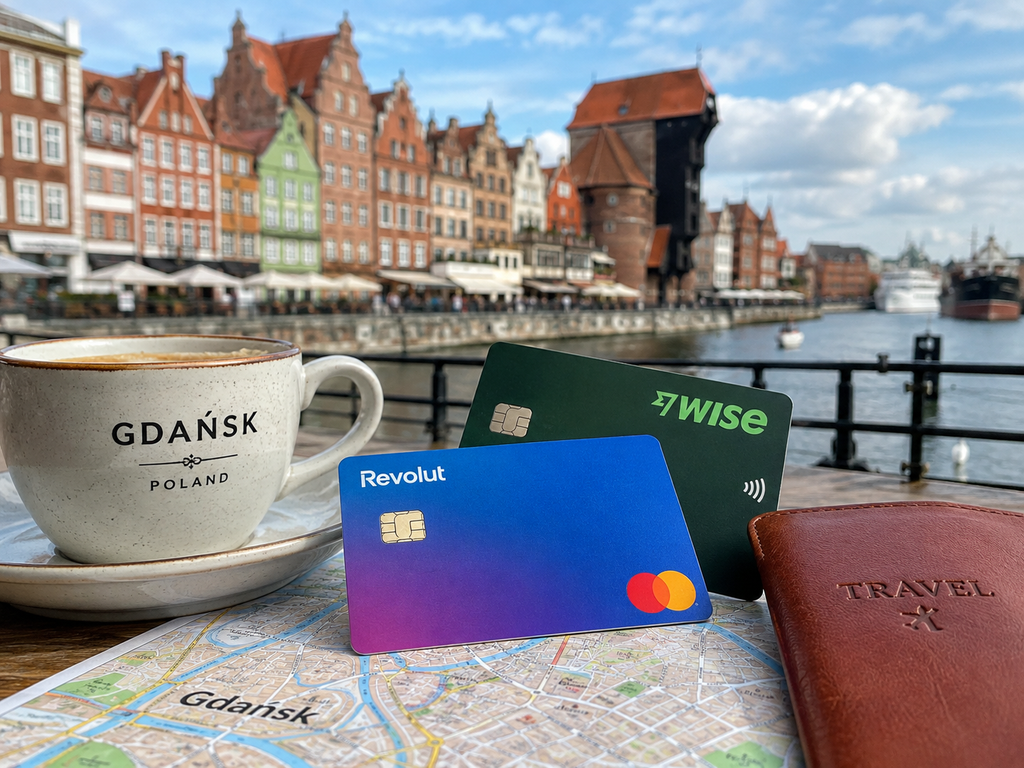
The currency is the Polish złoty – PLN, not the euro.
Cards are widely accepted, so I rarely see a reason to carry large amounts of cash.
For international travelers, services such as Revolut and Wise can make managing złoty easier and may offer more transparent currency conversion than letting a random ATM perform its own mysterious mathematics.
GET REVOLUT FOR YOUR POLAND TRIP
OPEN A WISE TRAVEL MONEY ACCOUNT
Important tip: When a card terminal asks whether you want to pay in your home currency or PLN, choose PLN unless you specifically know the offered conversion is better.
Getting From Gdańsk Airport to the Center
Gdańsk Lech Wałęsa Airport is well connected to the city.
Bus 210 runs between the airport and Gdańsk Main Railway Station, with the trip taking around 40 minutes depending on traffic. There is also a rail connection, although reaching central Gdańsk Główny or Gdańsk Śródmieście normally requires changing at Gdańsk Wrzeszcz.
If you are arriving late, traveling with kids or carrying luggage that appears to contain the possessions of a small migrating civilization, a pre-booked transfer is considerably easier.
Travel Insurance
Poland is generally an easy country to travel around, but insurance still matters—particularly if your trip includes several countries, winter travel, expensive electronics, or prepaid bookings.
Now, the interesting part.
1. Walk the Royal Route and Meet Gdańsk’s Most Famous Naked Man
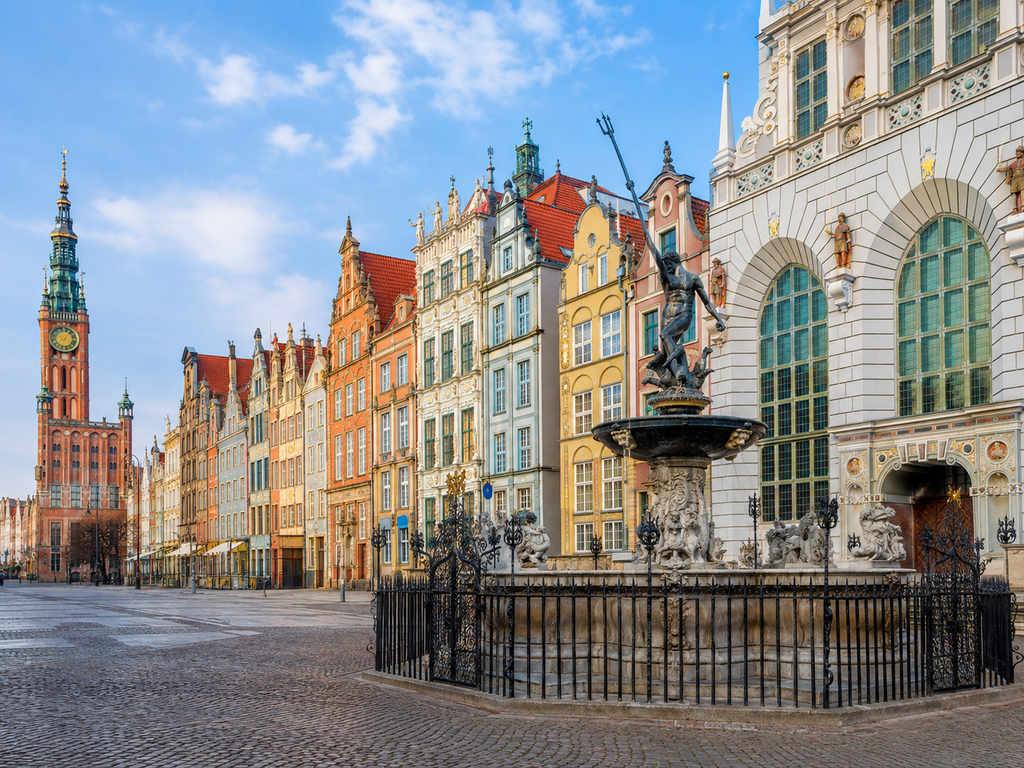
If you do only one walk in Gdańsk, make it the route through Długa Street and Długi Targ – Long Market.
Start near the Golden Gate and walk east toward the river.
This is the Gdańsk everybody photographs: narrow façades painted in dusty reds, creams and greens; elaborate gables squeezed shoulder to shoulder; café terraces; street musicians; and enough architectural ornamentation to make modern minimalist buildings feel personally embarrassed.
At the center stands Neptune’s Fountain, with the Roman god apparently supervising proceedings in front of Artus Court.
Do not rush.
The temptation is to walk through, photograph Neptune, buy ice cream and declare the area completed. Instead, look upward. Some façades are decorated with statues, coats of arms and odd little details you will completely miss at pavement level.
The Main Town Hall is another landmark worth entering if time allows. Its tower also gives you a useful sense of how compact central Gdańsk really is.
Early morning is my favorite time here. At 7:30 or 8:00, the delivery vans are still finishing their rounds, chairs are being dragged across café terraces and Neptune occasionally gets several glorious seconds without somebody posing beneath him.
By mid-afternoon in summer, things become considerably busier.
Best time: Before 9:00 a.m. or around sunset.
Allow: 1–2 hours, longer if visiting the Town Hall.
Cost: Walking the street and seeing Neptune is free.
If you want the history rather than simply the architecture, a walking tour is worth the money. Gdańsk’s timeline is complicated, and understanding the relationship between the city, Prussia, Poland, the Free City of Danzig, World War II, and communism completely changes what you are looking at.
FIND THE BEST-RATED GDANSK WALKING TOURS ON GETYOURGUIDE
2. Climb St. Mary’s Basilica—Then Recover on Mariacka Street
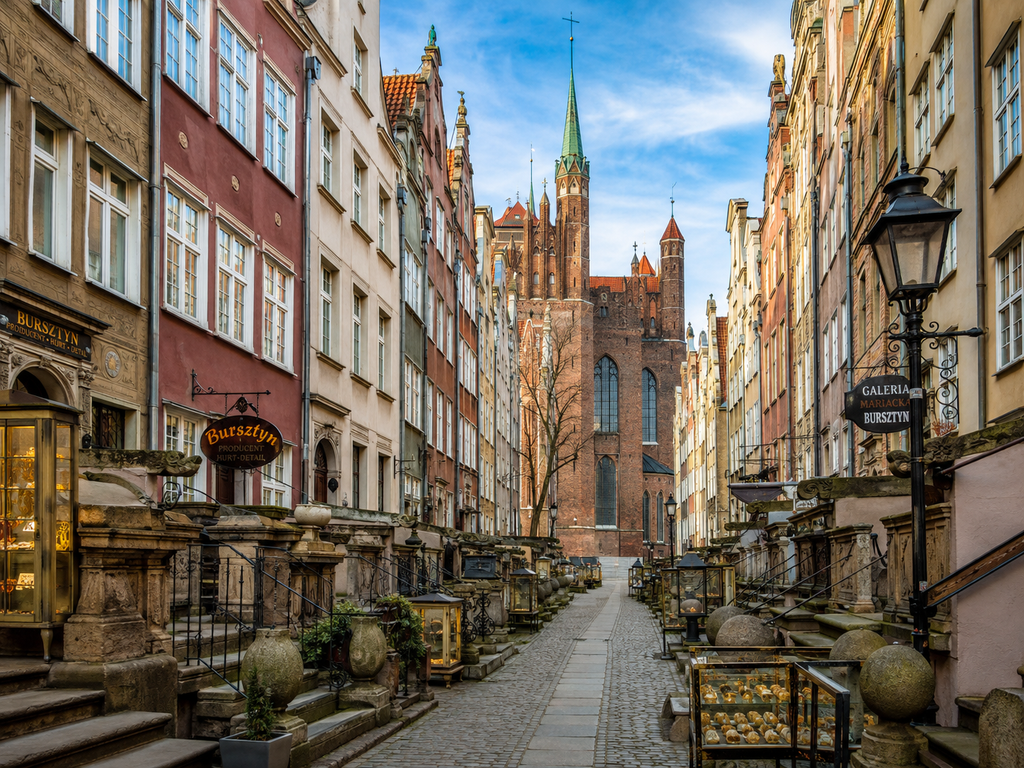
You cannot exactly miss St. Mary’s Basilica.
The enormous brick church rises above central Gdańsk like somebody accidentally built a small medieval mountain between the houses.
Inside, the scale becomes even more obvious. The pale interior feels considerably quieter than the streets outside, and there is enough art and historical detail to keep you wandering for a while.
But the part that tests your relationship with staircases is the tower.
If the tower is open during your visit, climb it.
The route becomes increasingly narrow as you go up, and somewhere along the way you may begin reconsidering every unnecessary possession you carried in your backpack. At the top, you are rewarded with roofs, church towers, reconstructed streets, shipyard cranes and the flat northern Polish landscape stretching outward.
Afterward, walk onto Mariacka Street.
This is one of my favorite streets in the city, partly because it looks like medieval architects were given unlimited access to gargoyles.
The raised stone terraces—known as perrons—sit outside tall townhouses, while grotesque stone water spouts lean toward the cobbles. Amber shops occupy many of the lower floors.
The street runs for less than 200 meters between St. Mary’s Basilica and the Motława, yet it rewards slow walking. Gdańsk tourism materials note that it retains the distinctive raised porches that once characterized many streets in the city.
My tip: Come early in the morning after rain.
Wet cobblestones darken almost to charcoal, the stonework gains definition and the shops have not yet spilled visitors onto the street.
If you are interested in amber jewelry, browse several shops before buying. Ask about certification and provenance rather than purchasing the first orange object placed beneath flattering lighting.
3. Wander the Motława Waterfront and Meet the Crane That Actually Lifted Things
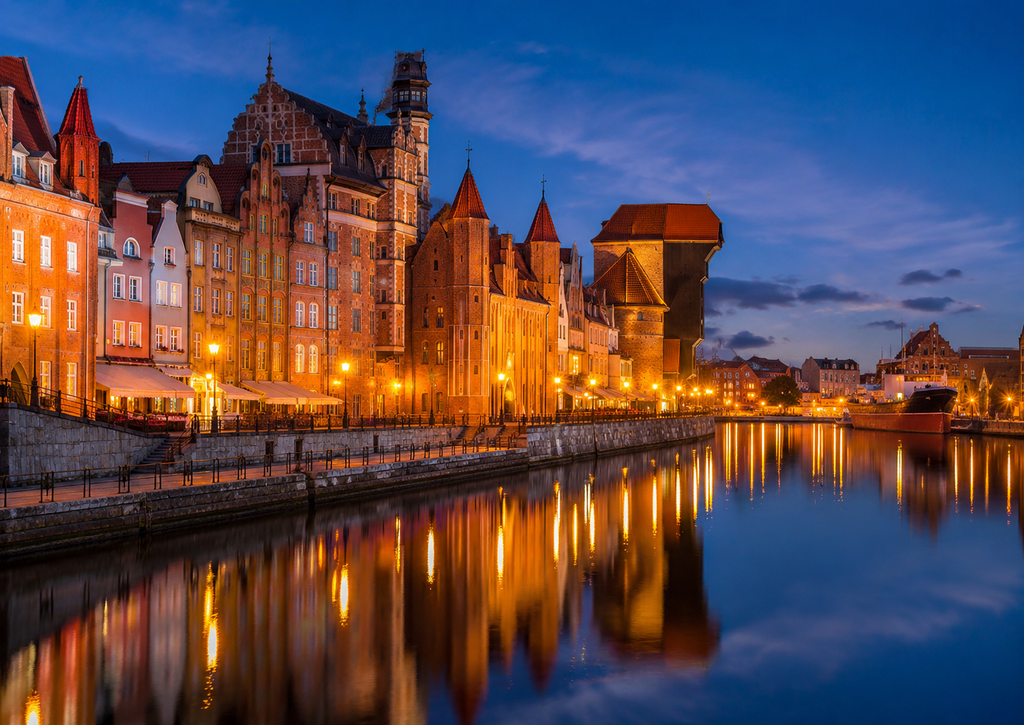
Head toward the Motława River, and you arrive at the part of Gdańsk that most clearly reminds you this was—and still is—a maritime city.
The waterfront combines historical buildings with newer development, particularly around Granary Island – Wyspa Spichrzów.
The great landmark here is the Żuraw, usually called the Crane.
And this was not some decorative harbor ornament.
The medieval port crane was part of the machinery that made Gdańsk an important trading city, helping transfer cargo between ships and warehouses.
The dark timber upper structure looks particularly good from the opposite bank, where you can see it against the line of buildings facing the river.
Walk both sides of the Motława rather than staying exclusively on Długie Pobrzeże. The newer Granary Island side gives you excellent views back toward the old waterfront.
Then deliberately get lost for ten minutes.
Turn down whichever small lane looks interesting. Walk across a bridge. Follow the river north.
Gdańsk works well when you occasionally stop behaving like you are completing a checklist.
See Gdańsk From the Water
A cruise or kayak trip gives you an entirely different perspective.
From river level, the reconstructed merchant houses, warehouse districts and shipyard structures make much more geographical sense.
There are also cruises toward Westerplatte, which can combine sightseeing with transport.
BROWSE GDANSK BOAT TOURS & KAYAK EXPERIENCES ON GETYOURGUIDE
For something quieter, choose a small-group kayak trip instead of a large sightseeing vessel. The city tourism organization specifically promotes kayaking on the Motława as a way to explore Gdańsk from the water.
4. Give the Museum of the Second World War the Time It Deserves
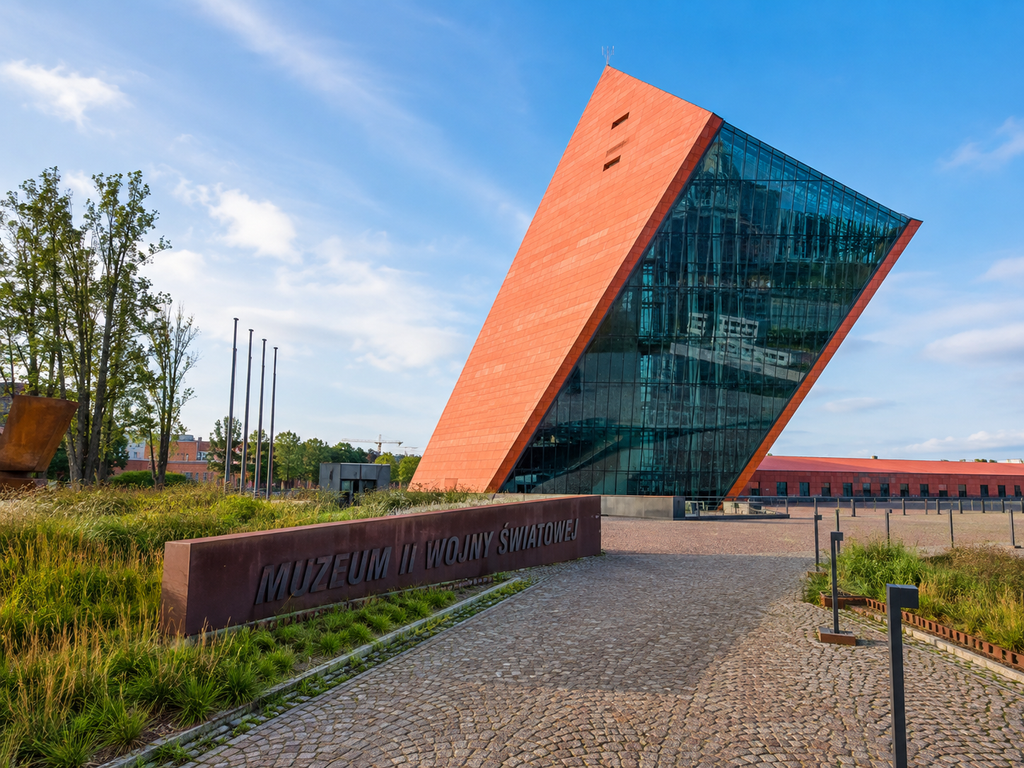
Do not schedule the Museum of the Second World War between lunch and a 3:00 p.m. coffee reservation.
This place needs time.
The main exhibition covers more than 5,000 square meters and tells the war not merely through generals, maps and military hardware but through civilians, occupation, displacement and the experience of ordinary people.
The museum is intense.
That is exactly why it works.
You move through reconstructed spaces, personal possessions, photographs and enormous political events while being repeatedly reminded that history happened to actual households rather than neat paragraphs in textbooks.
For travelers who primarily learned World War II through a Western European or American lens, the Polish perspective adds essential context.
Allow at least three hours.
Four is not unreasonable if you read exhibitions carefully.
As of 2026, a normal ticket to the main exhibition costs 33 PLN, a reduced ticket 23 PLN, and an audio guide 12 PLN. Admission is currently free on Tuesdays, although visitor numbers are limited and tickets cannot be reserved in advance for that free-admission day. The museum is closed on Mondays.
My tip: Do not visit when hungry.
There is a point, usually after several hours of absorbing some of the darkest material of the twentieth century, when emotional exhaustion and low blood sugar form a very unhelpful partnership.
Eat breakfast first.
5. Visit the European Solidarity Centre and Understand Why Gdańsk Changed Europe
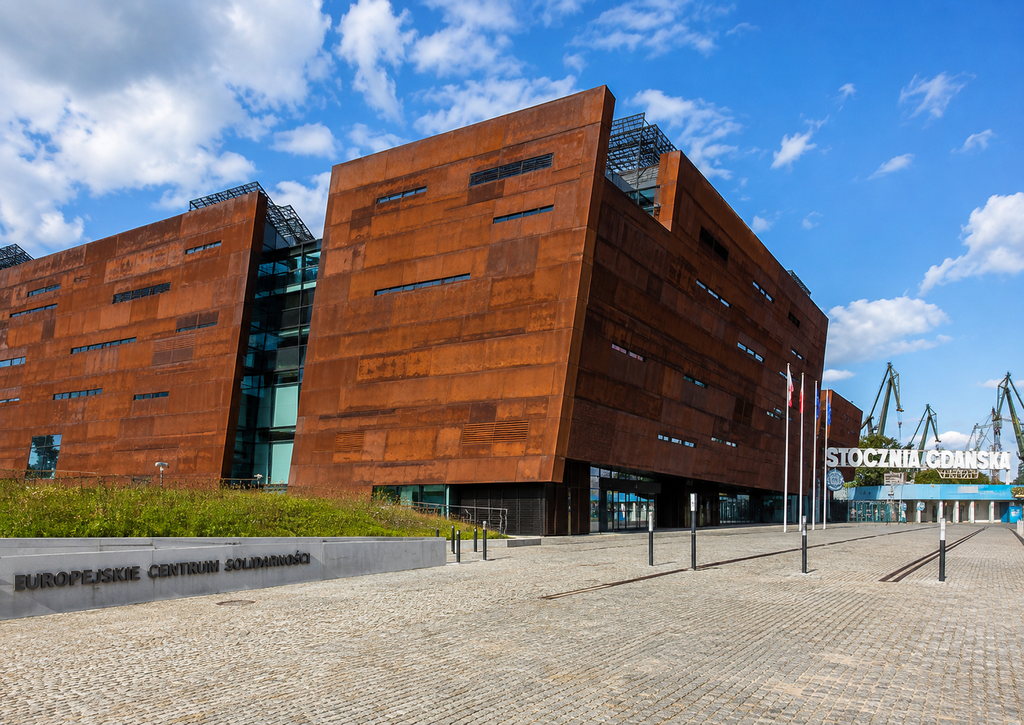
If the World War II Museum explains one defining chapter of Gdańsk’s twentieth century, the European Solidarity Centre – ECS explains another.
The building sits beside the former Gdańsk Shipyard, where workers became central figures in the resistance to communist rule.
The Solidarity – Solidarność – movement, associated internationally with Lech Wałęsa, grew from strikes and organizing that eventually helped transform Poland’s political future.
Even before entering the exhibition, walk around Solidarity Square and see the Monument to the Fallen Shipyard Workers of 1970.
Then enter the ECS.
Its rust-colored exterior resembles weathered ship steel, which seems entirely appropriate here.
The permanent exhibition moves through the worker protests, communist Poland, martial law, the growth of Solidarity and the wider transition toward democracy.
One of the most important objects is the original Boards with the 21 Demands, included in UNESCO’s Memory of the World Register.
This is one of those places where an audio guide or guided tour improves the experience considerably, especially if you know only the basic outline of Polish communist history.
During May–September 2026, the permanent exhibition is currently open from 10:00–19:00 Monday-Friday and 10:00–20:00 on weekends. Hours shorten in the colder months, and Tuesday becomes an exhibition maintenance day between October and April.
After the museum, walk around the former shipyard district rather than immediately heading downtown.
The cranes, industrial buildings and redevelopment projects create one of Gdańsk’s most interesting contrasts.
BOOK A GDANSK SOLIDARITY & COMMUNIST HISTORY TOUR
6. Go to Westerplatte—Not Because It Is Cheerful
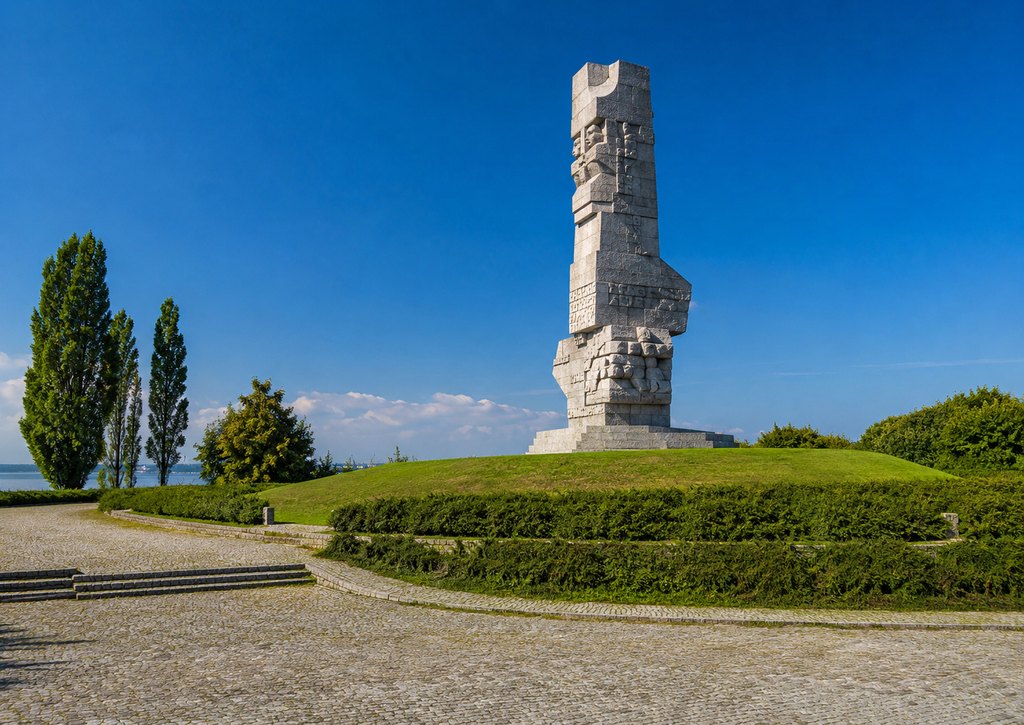
Westerplatte is not a place I visit because it is entertaining.
I visit because understanding Gdańsk without understanding what happened here leaves a large hole in the story.
On 1 September 1939, German forces attacked the Polish Military Transit Depot at Westerplatte, one of the first military clashes of World War II.
Today, the peninsula contains memorials, remains of defensive structures and the huge Monument to the Defenders of the Coast.
What struck me most was not the monument itself but the space around it.
Trees move in the Baltic wind. Ships pass through nearby industrial waterways. The scale of the modern port surrounds a place associated with an event that changed hundreds of millions of lives.
It is not theatrical. It does not need to be.
Give yourself time to walk.
The site is spread out, and you will understand considerably more if you read the information rather than treating the monument as another photograph stop.
You can reach Westerplatte by public transport, car, bicycle or water transport. The Museum of the Second World War notes that the site can be accessed using all four methods.
Allow: Around 2–3 hours including transport.
Combining Westerplatte with a river cruise from central Gdańsk can make logistical sense in warmer months.
CHECK WESTERPLATTE CRUISES & GUIDED TOURS ON GETYOURGUIDE
If you are traveling by car because you plan to continue toward Kashubia, Malbork or the wider Baltic coast afterward, compare rental rates before arriving.
For Gdańsk itself, however, I would not rent a car. Walking, trams and trains are easier and more sustainable.
7. Learn Why Gdańsk Has an Entire Museum Devoted to Amber
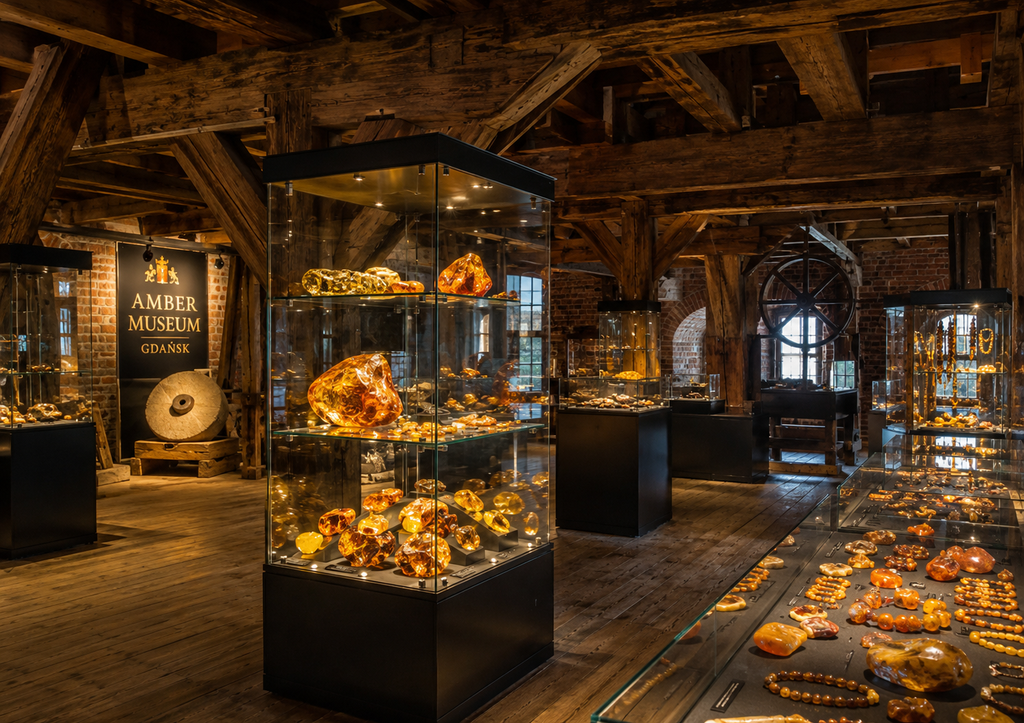
You cannot spend much time in Gdańsk without encountering amber.
It appears in windows, earrings, necklaces, museums and souvenir shops.
Some pieces contain insects that made extremely unfortunate decisions millions of years ago.
The Amber Museum – Muzeum Bursztynu occupies the historic Great Mill – Wielki Młyn, and it is one of the better places to understand why the material matters to Gdańsk rather than viewing it merely as something sold beside refrigerator magnets.
You will learn how amber forms, how it has been traded, and how craftspeople turned fossilized resin into elaborate decorative objects.
This is also a useful rainy-day attraction.
And you should plan for rain in Gdańsk.
The Baltic does not care that you bought white sneakers specifically for your holiday photographs.
After visiting the museum, walk toward Mariacka Street and compare the museum pieces with the jewelry sold by specialist shops.
If you decide to buy amber, ask questions.
Is it natural Baltic amber?
Has it been treated?
Does the seller provide documentation?
An established jewelry shop is usually a better bet than a suspiciously cheap stall selling twenty identical “ancient” insects.
The museum is particularly worthwhile if the weather turns bad or if you want an attraction that does not require another staircase.
Your knees may send a thank-you card.
8. Escape the Center for Oliwa Park and Its Famous Organ
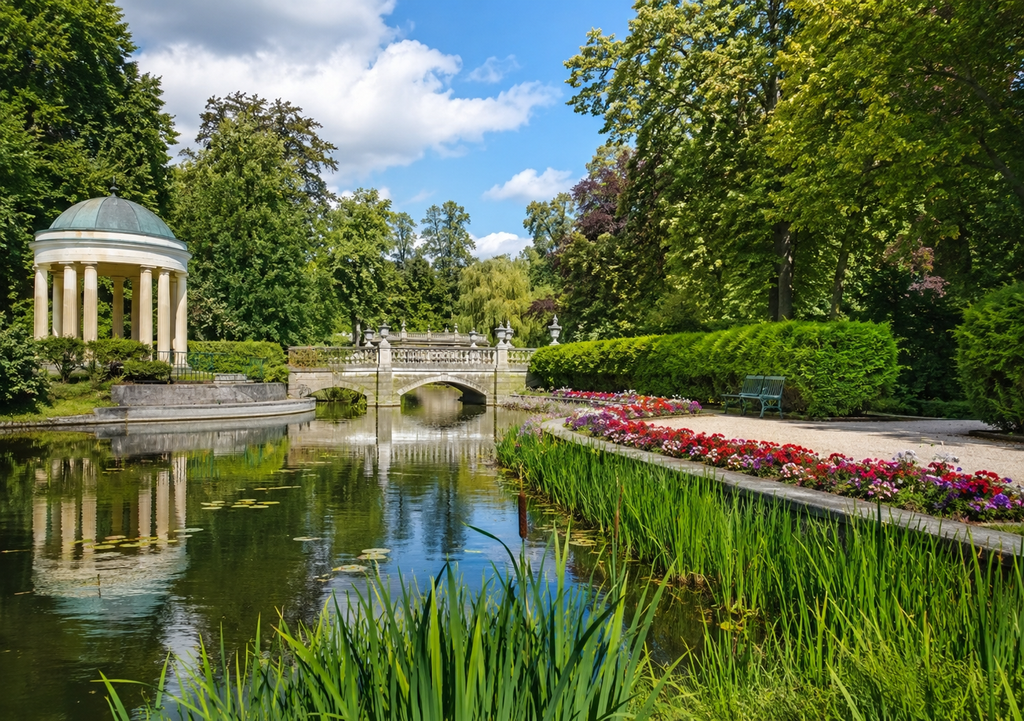
After two days of museums, churches, cobblestones and significant European history, you may develop a powerful desire to sit under a tree.
This is when I send you to Oliwa.
The district feels calmer than central Gdańsk and gives you a different picture of the city.
Start at Oliwa Park – Park Oliwski, where formal gardens, ponds, long avenues and mature trees create an excellent reset button.
Then visit Oliwa Cathedral.
The famous organ dates to the eighteenth century and contains thousands of pipes. Short demonstrations and concerts are held, although schedules can change, so check locally before building your entire afternoon around one. Gdańsk tourism information specifically highlights the cathedral’s historic organ and performances.
Watching the decorative angel figures move while the organ fills the church is one of those pleasingly eccentric experiences that makes travel more interesting than simply collecting landmarks.
Afterward, wander the park without objective.
Yes. Without objective.
Not every minute needs to generate content.
If you still have energy, head toward Pachołek Hill, where an observation tower sits above the surrounding green landscape. The hill rises just over 100 meters above sea level and lies beside the Tri-City Landscape Park.
This part of Gdańsk also demonstrates how easy it is to travel more sustainably in the city. Use local trains and trams rather than taxis for every journey.
Best for: Slow afternoons, couples, photographers, families and travelers who need one day without another war museum.
9. Take the Tram to Brzeźno and Put Your Feet in the Baltic Sea
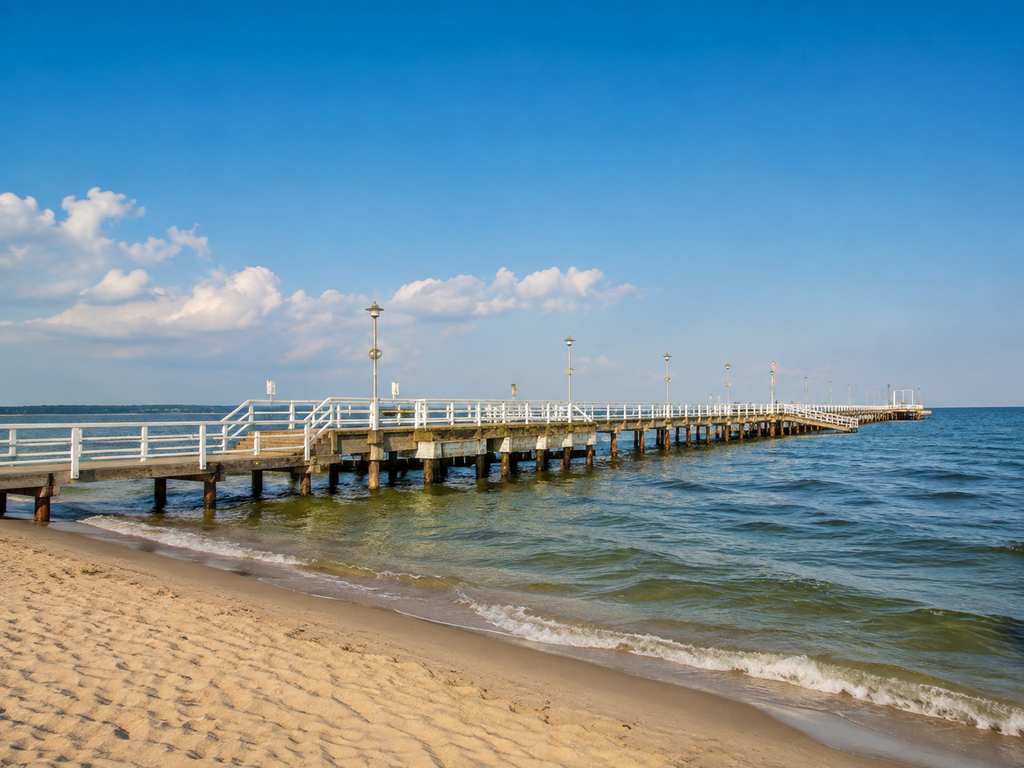
Many first-time visitors forget one fairly important fact:
Gdańsk is on the Baltic coast.
You do not have to spend your entire trip inside the historic center.
Take public transport to Brzeźno Beach, walk out along the pier and breathe air that smells of salt rather than restaurant terraces.
Summer brings swimmers, cyclists, volleyball players and plenty of beach towels. Outside peak season, the atmosphere changes completely.
I actually prefer the coast when it is slightly cold.
There is something very northern-European about walking beside grey-green Baltic water while the wind aggressively rearranges your hair.
If you enjoy walking or cycling, continue along the coastal paths toward Jelitkowo and eventually Sopot.
President Ronald Reagan Park, another large green area close to the coast, includes cycling routes, walking paths, playgrounds and outdoor recreation facilities.
This is one of the easiest ways to combine sightseeing with a lower-impact day.
Rent a bicycle, take public transport, and bring a reusable bottle rather than taking taxis back and forth.
A 24-hour Gdańsk public transport ticket costs 22 PLN in 2026, so using buses and trams for a beach-and-city day is inexpensive.
If you have a fourth day, continue to Sopot. It is technically another city, so I will not smuggle it into my Gdańsk top ten, but it makes a very easy extension.
10. Eat Your Way Through Gdańsk Instead of Surviving on Pizza
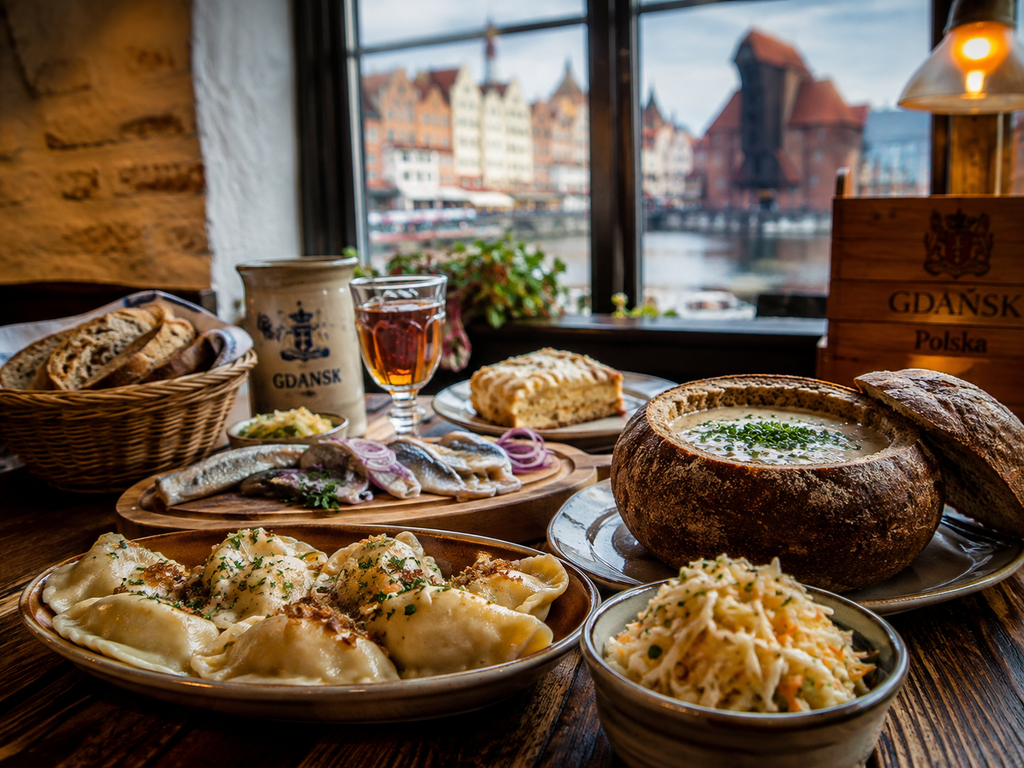
You could eat international food for three days in Gdańsk.
Please do not.
Polish cuisine is one of the great pleasures of traveling here, particularly once the Baltic weather decides that salad is inadequate protection against the elements.
Start with pierogi.
Good pierogi should have soft dough with a slight chew rather than the texture of wet cardboard. Try versions filled with potato and cheese, meat, mushrooms or seasonal fruit.
Then order żurek, the sour rye soup often served with sausage and egg.
The first spoonful can surprise you. It is tangy, earthy and deeply comforting—the culinary equivalent of someone handing you a blanket.
Look for herring, Baltic fish, potato pancakes, soups and seasonal dishes too.
For inexpensive traditional food, try a bar mleczny – milk bar. These originally developed as subsidized canteens and remain one of the better ways to eat simple Polish meals without paying waterfront restaurant prices.
Do not expect synchronized violin music and a waiter describing the emotional journey of your beetroot.
That is part of the appeal.
For dessert, look for sernik – Polish cheesecake, szarlotka – apple cake, or pączki.
Then there is Goldwasser, the herbal liqueur associated with Gdańsk that contains tiny flakes of gold.
Does the gold improve the taste?
I remain unconvinced.
Does it make people hold the glass toward the light and say “Look!”?
Every single time.
My Basic Food Rule in Gdańsk
Walk two or three streets away from Długi Targ before choosing dinner.
Restaurants directly beside the biggest attractions pay premium rents. You occasionally pay a corresponding Neptune-view surcharge.
Check recent reviews, look for a short focused menu, and eat where locals seem to be eating.
Current 2026 city-wide figures put an inexpensive restaurant meal at roughly 45.50 PLN, while a three-course mid-range dinner for two averages around 250 PLN before drinks.
FIND GDANSK FOOD TOURS & LOCAL EXPERIENCES ON GETYOURGUIDE
A small-group food tour can be particularly worthwhile on your first evening because you simultaneously learn what to order for the rest of your stay.
The Gdańsk Itinerary I Would Give a Friend
If you have three days in Gdańsk, do not try to visit all ten attractions in numerical order like you are collecting evidence for a court case.
Here is how I would organize them.
Day 1: The Gdańsk Everyone Came to See
Begin early at Golden Gate, then walk Długa Street and Długi Targ before the busiest part of the day.
See Neptune’s Fountain, explore Main Town Hall, then enter St. Mary’s Basilica.
Walk along Mariacka Street and continue to the Motława waterfront.
Spend late afternoon exploring the Crane, Granary Island and the riverfront.
Finish with Polish food somewhere a couple of streets away from the main tourist drag.
Day 2: The History Day
Eat a proper breakfast.
Spend the morning at the Museum of the Second World War.
After lunch, walk north toward Solidarity Square and the European Solidarity Centre.
Explore the former Gdańsk Shipyard surroundings before returning toward the center for dinner.
This is a serious day. Do not schedule five additional attractions simply because your spreadsheet says there is room.
Day 3: Choose Your Version of Gdańsk
If history remains your priority, go to Westerplatte.
If you want something slower, take public transport to Oliwa Park and Oliwa Cathedral, then continue to Brzeźno Beach.
If rain arrives, swap the beach for the Amber Museum.
That is the advantage of not pre-booking every seventeen-minute segment of your holiday.
Should You Buy the Gdańsk Tourist Card?
Possibly.
The Gdańsk Tourist Card can be useful if you plan to visit several participating attractions within a short period.
In 2026, the standard Explorer Package currently costs 75 PLN for 24 hours, 85 PLN for 48 hours and 95 PLN for 72 hours for a normal adult ticket. Premium versions cost more and include a wider range of attractions.
Do the arithmetic before buying.
If your itinerary is mostly free churches, walking, beaches and one museum, paying individually may be cheaper.
If you intend to visit multiple museums over two or three days, the card becomes more interesting.
This is possibly the least romantic travel advice I can give you, but calculators have saved me more money than inspiration ever has.
Getting Around Gdańsk Without Losing Your Temper
Central Gdańsk is wonderfully walkable.
Most of the major Main Town attractions sit close together.
For longer distances such as Oliwa or Brzeźno, public transport is straightforward.
Current 2026 ZTM fares are:
- Single journey: 4.80 PLN
- 75-minute ticket: 6 PLN
- 24-hour ticket: 22 PLN
You can use the FALA system and pay by contactless card inside many vehicles. Paper QR-code tickets bought from ticket machines need to be scanned after boarding.
My tip: Download Jakdojade for Polish public transport planning.
For Sopot and Gdynia, the local rail network is usually more convenient than buses.
Sustainable Travel in Gdańsk Without Turning It Into a Moral Lecture
Travel has an environmental cost. Pretending otherwise does not help anyone.
Fortunately, Gdańsk makes several lower-impact choices surprisingly easy.
Walk Whenever You Can
Central attractions are compact.
A day covering Długi Targ, Mariacka, the waterfront and the museums can involve very little motorized transport.
Use Trams, Buses and Local Trains
Public transport reaches the airport, beaches, Oliwa, Sopot and many surrounding areas.
Buying a day ticket is usually cheaper than repeatedly taking taxis anyway.
Carry a Reusable Bottle
Especially in summer. There is no reason to accumulate six plastic bottles every day.
Stay Longer
A three- or four-night visit lets you travel more slowly and distribute your spending beyond the most crowded central streets.
Spend With Local Businesses
Independent cafés, bakeries, amber craftspeople and neighborhood restaurants keep more tourism money in the local economy.
Respect Historical Sites
Places such as Westerplatte, the shipyard memorials and war museums are not Instagram sets.
Read the context before posing for photographs.
It costs nothing and improves both your trip and everyone else’s.
Is Gdańsk Safe?
For most travelers, Gdańsk is a straightforward city to visit.
The usual city precautions apply.
Watch your belongings in crowded tourist areas, particularly during festivals and peak summer weekends. Avoid leaving phones or wallets unattended on restaurant tables. Use reputable taxi apps or pre-booked transfers.
Solo travelers should feel comfortable using the central areas and public transport, although the normal late-night precautions still apply.
The biggest danger to my dignity remained the cobblestones.
They won.
Bring shoes with decent soles.
Best Time to Visit Gdańsk
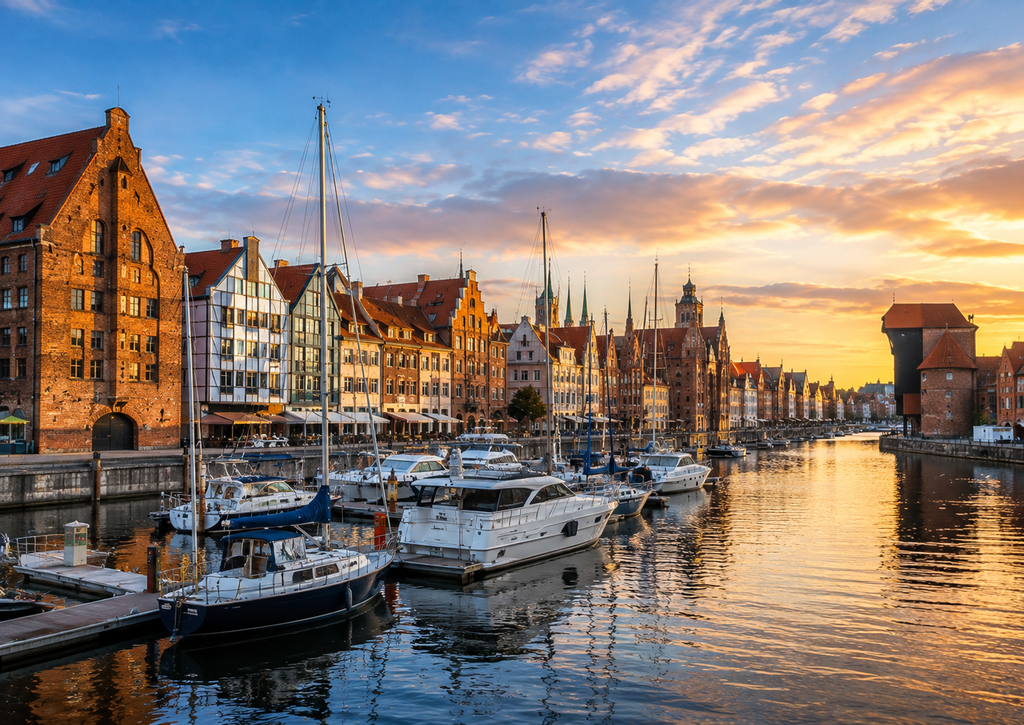
If I could choose freely, I would visit in late May, June or September.
The days are long, temperatures are usually comfortable, and you avoid at least some of the busiest summer traffic.
July and August bring the warmest beach weather but also larger crowds and higher accommodation prices.
December can be atmospheric thanks to seasonal markets and lights, although northern Poland in winter comes with short days, cold temperatures and wind that finds gaps in clothing you did not know existed.
Pack layers.
Always.
The Baltic is an enthusiastic weather editor.
One Last Walk Before You Leave
The thing I remember about Gdańsk is not one monument.
It is the transitions.
You can stand beneath Neptune among reconstructed merchant houses in the morning, spend lunch reading about civilians trying to survive the Second World War, walk through the shipyard where workers challenged communist power in the afternoon, and end the day beside the Baltic Sea with cold wind coming off the water.
Few European cities pack that much history into such an easy place to explore.
And yet Gdańsk never felt to me like a museum with residents inconveniently living inside it.
People are catching trams. Students are sitting beside the river. Someone is arguing with somebody about where to park. A waiter is carrying six beers through a doorway that was apparently designed for humans half his width. Life continues around the monuments.
That is what makes the city interesting.
Come for the famous Long Market, certainly. Photograph Neptune. Walk down Mariacka Street when the cobbles are still damp. Climb St. Mary’s Basilica if your knees permit negotiations. Spend several hours inside the Museum of the Second World War. Go to the shipyard and understand what Solidarity meant. Stand quietly at Westerplatte.
But also leave time for something that does not appear in your itinerary.
Drink coffee longer than necessary.
Ride a tram to the sea.
Walk the opposite direction from everybody else for fifteen minutes.
Order something in Polish that you are only 70 percent certain you understand.
Travel becomes considerably more interesting once you stop demanding that every hour justify itself.
And if Gdańsk is only the beginning of your next trip, stick around.
I publish practical guides that go beyond “visit the main square and eat local food”—with real prices, mistakes to avoid, transport advice, honest opinions and itineraries designed for actual humans rather than travelers capable of teleportation.
Subscribe to A Tiny Traveler so you do not miss the next guide, and follow A Tiny Traveler on Pinterest for destination ideas, trip-planning tips, itineraries and places that may quietly destroy your intention to stay home and save money.
I cannot promise responsible behavior once you start browsing.
I can promise better travel planning.
And if you find yourself in Gdańsk, looking upward at those absurdly elaborate façades while walking along Długi Targ, remember one final piece of advice from me:
Watch the cobblestones.
They have home-field advantage.
Frank


