

Plan a memorable city break with this detailed Cluj-Napoca travel guide, covering the best things to do, neighborhoods, hotels, Romanian food, cafés, day trips, transport, costs, safety, sustainable travel tips, and a practical three-day itinerary.
Cluj-Napoca Has Better Things to Do Than Impress You
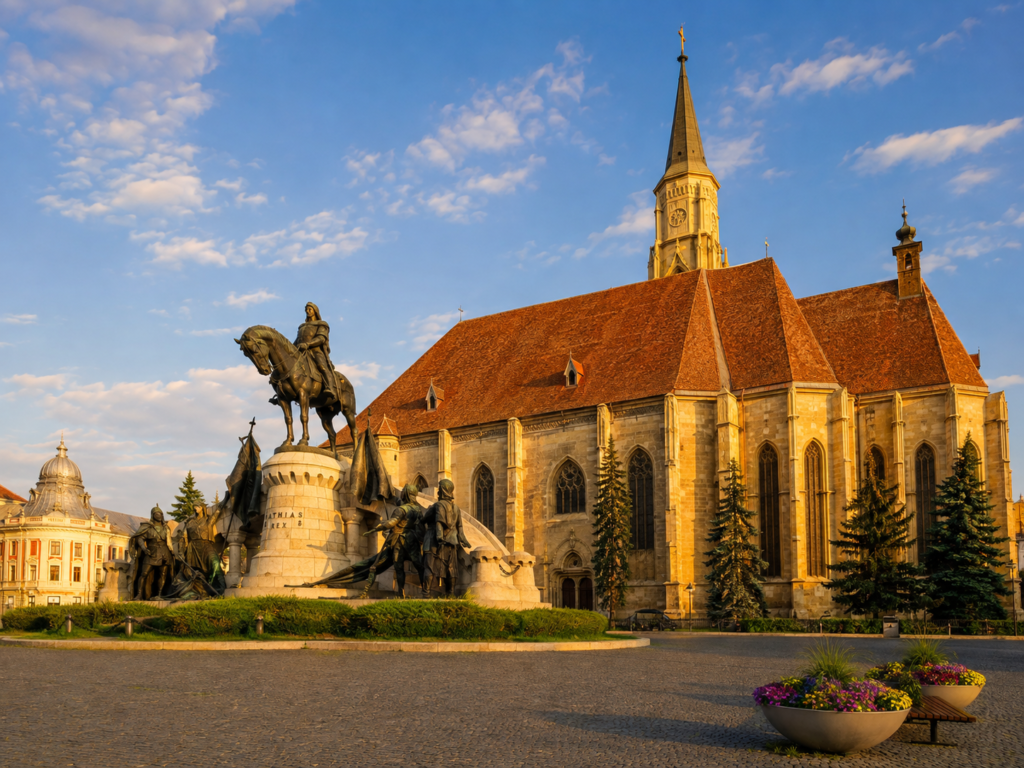
My first proper morning in Cluj-Napoca did not begin with a cathedral, a heroic statue, or a profound encounter with Transylvanian history. It began with coffee, bad Romanian pronunciation, and a pastry I had not intended to buy. I tried to say mulțumesc to the woman behind the counter; she corrected me with the patience normally reserved for small children and confused dogs, and I walked outside carrying something flaky, buttery, and warm enough to fog the paper bag. Ten minutes later I was in Piața Unirii, crumbs on my jacket, looking up at St. Michael’s Church and thinking: all right, Cluj, you have my attention.
That is more or less how Cluj-Napoca works. Romania’s big Transylvanian university city rarely performs for visitors. It simply gets on with being itself: Gothic stone beside cocktail bars, students crowding tiny coffee shops, trolleybuses sliding past churches, old courtyards hiding behind heavy doors, and the smell of bread drifting into streets where somebody is almost certainly discussing software, rent, politics, football, or all four. You can spend the morning in a botanical garden, eat a bowl of sour soup at lunch, climb a hill for sunset, and finish the night in a bar where the bartender takes ice more seriously than some governments take infrastructure.
This complete Cluj-Napoca travel guide is for travelers who want more than a checklist. I’ll walk you through where to stay in Cluj-Napoca, the best things to do, what Romanian and Transylvanian dishes to try, how public transport works, realistic daily budgets, airport transfers, day trips, nightlife, safety, internet, money, sustainability, and the little practical details that stop a city break from turning into an expensive administrative exercise.
And yes, I will tell you where I think your time is genuinely worth spending. Not everything needs to become a “must-see.” Some places are better when you sit down, order another coffee, and stop trying to win tourism.
First, What Exactly Is Cluj-Napoca?
Cluj-Napoca, usually shortened to Cluj, sits in northwestern Romania, in the historical region of Transylvania. It is one of the country’s major university, technology, medical, and cultural centers, and that matters to travelers because the city feels younger and more outward-looking than its old façades suggest. Babeș-Bolyai University brings a large student population, and you notice it in the cafés, prices, nightlife, languages, bookstores, art spaces, and almost suspicious density of laptops.
The historic center is compact. You can walk between Piața Unirii, Museum Square, Central Park, St. Michael’s Church, Matthias Corvinus House, and the old university streets without turning the trip into endurance sport. The wider city spreads into residential neighborhoods and hills, but most first-time visitors can base themselves centrally and use buses, trolleybuses, trams, or ride-hailing when their feet begin filing complaints.
Romania has been a full member of the Schengen Area since 1 January 2025, when internal land-border checks with other Schengen countries were lifted. Entry rules still depend on your nationality, so check official requirements before travel rather than trusting a social-media comment written by somebody called TravelWolf92.
Currency: Romanian leu, plural lei, code RON. Cards are widely useful in the city, but carrying a little cash is sensible for markets, small purchases, or the occasional terminal that suddenly develops philosophical objections to your card.
When to Visit Cluj-Napoca Without Melting, Freezing, or Paying Festival Prices
There is no single best month for everyone, but late April through June and September through early October are the easiest periods for a city break. Days are generally comfortable for walking, terraces are active, parks have some life in them, and you avoid part of the summer festival squeeze.
July and August can be hot, busy, and expensive around major events. Electric Castle takes place at Bánffy Castle in Bonțida, outside Cluj, while UNTOLD turns the area around Cluj Arena and Central Park into a major music-festival zone. Exact dates change each year, so check before booking. If your trip overlaps one of them, reserve accommodation far earlier than your usual “I’ll deal with it later” strategy.
Autumn suits Cluj beautifully. The light softens, Central Park starts throwing leaves everywhere, cafés become refuges rather than optional accessories, and the city’s Austro-Hungarian architecture looks more convincing under a gray sky than it has any right to.
Winter is cold, sometimes properly cold, with short days and the possibility of snow or slush. The reward is a more local rhythm, warming soups, mulled wine, fewer tour groups, and the pleasure of entering a heated café while your face slowly becomes operational again.
Tip: Do not plan Cluj only by temperature. Check the event calendar first. A random-looking weekend can become dramatically more expensive when a festival, major conference, sports event, or university occasion fills the city.
Getting to Cluj-Napoca
Flying to Cluj
Most international visitors flying directly arrive at Cluj “Avram Iancu” International Airport (CLJ). The airport is east of the center and is connected to town by public transport, taxi, ride-hailing, rental cars, and private transfers. The airport’s own transport information lists public routes including A1E, 5, and 8, and estimates roughly 30 minutes by car between the airport and central Cluj under normal conditions.
For flights, compare schedules rather than becoming loyal to the first fare you see. Trip.com and CheapOair are useful for checking different routing combinations, especially if you are arriving from a city without a convenient direct service.
Airport to City Center
If you are traveling light, public transport is the budget move. Current urban fares introduced by CTP Cluj-Napoca include 3.50 lei for a single trip, 7 lei for a 60-minute ticket, 24 lei for a 24-hour pass, and 39 lei for a 72-hour pass. Fare products do change, so confirm on the official CTP Cluj-Napoca site or app before boarding.
If you land late, have large luggage, are traveling with children, or simply do not want to interpret bus stops after a long flight, a pre-arranged transfer can be worth the extra cost.
BOOK A PRIVATE AIRPORT TRANSFER WITH WELCOME PICKUPS
Arriving by Train or Bus
Cluj has rail and coach connections with other Romanian cities and international routes, but journey times can be long. That is not automatically bad. Romanian train travel can give you a slow, useful look at the country between destinations—villages, fields, industrial edges, forests, stations where everybody appears to know exactly what is happening except you.
For current schedules, compare rail, coach, and flight options for your exact date. Trip.com can be helpful when you are building a multi-city route and want transport and accommodation in one planning session.
Where to Stay in Cluj-Napoca
For a first visit, I would stay in or immediately around the historic center. You will pay more than in outer neighborhoods, but you save time, transport, and the mild irritation of taking a bus every time you want a coffee.
Historic Center: Best for First-Time Visitors
Stay near Piața Unirii, Piața Muzeului, Bulevardul Eroilor, or Strada Memorandumului if you want to walk almost everywhere. This area is best for sightseeing, restaurants, cafés, nightlife, and short stays.
Central Park and Cluj Arena: Best for Comfort and Green Space
The area around Central Park works well if you want to be close to the center without sleeping directly above late-night bar traffic. Radisson Blu Hotel, Cluj sits by the park and near Cluj Arena, making it convenient for travelers who want a more polished stay and easy walking access to both green space and the old town.
Cetățuia and Gruia: Best for Views
The slopes around Cetățuia Hill and Gruia are quieter and more residential. Hotel Belvedere sits on the hill above the center. The trade-off is obvious: you get views, but your calves are now part of the holiday.
SEARCH CLUJ-NAPOCA HOTELS ON BOOKING.COM
Booking tip: Use the map view and measure walking distance to Piața Unirii, not just “distance from center.” A property can look close in kilometers while sitting uphill or on a road that is less pleasant on foot.
Getting Around Cluj: Your Feet Will Do Most of the Work
Central Cluj-Napoca is extremely walkable. The main historic sights sit close enough together that public transport often takes more mental energy than simply walking there.
For longer hops, CTP Cluj-Napoca operates buses, trolleybuses, and trams. The current fare structure includes inexpensive single rides and day passes, and 24pay is one supported purchasing option.
Ride-hailing is useful at night, for the airport, or when you have luggage. Traditional taxis also operate, but I prefer using an app or an arranged transfer because the fare and route are clearer before you get in.
If you want to explore beyond the city—Turda Gorge, Rimetea, rural villages, mountain areas, or a multi-day Transylvania route—a rental car gives you far more freedom.
COMPARE RENTAL CARS WITH GETRENTACAR
Tip: Do not rent a car just to explore central Cluj. Parking and traffic will add work to a city that is otherwise easy on foot.
The Best Things to Do in Cluj-Napoca
1. Start at Piața Unirii, Because Cluj Keeps Returning to It
Piața Unirii is the city’s great orientation point. Stand here for ten minutes and half the guidebook begins arranging itself around you: St. Michael’s Church, the Matthias Corvinus Monument, the Banffy Palace housing the Cluj-Napoca Art Museum, café terraces, historic façades, and streets leading toward nearly everything else you want.
The square changes character through the day. Morning belongs to deliveries, commuters, and people carrying coffee. Afternoon brings students, visitors, cyclists, and families. Evening softens the stone and fills the edges with conversations that make you realize nobody local is admiring the architecture because they are too busy living beside it.
Do not rush through. Cluj makes more sense when you allow a square to be a square rather than a photo assignment.
2. Go Inside St. Michael’s Church
St. Michael’s Church is the dominant Gothic landmark of central Cluj, and it deserves more than an exterior photograph. The interior is calmer than the square outside, with the vertical scale and cool stone doing what medieval churches do best: making your daily problems feel both important and faintly ridiculous.
If the tower is accessible during your visit, check locally for entry conditions and opening times, which can change around religious services, restoration work, and events.
3. Wander Through Piața Muzeului
Piața Muzeului, or Museum Square, is smaller and more intimate than Piața Unirii. Cobbles, old buildings, terraces, and narrow streets make it one of the best areas for aimless walking. This is where I would come after the official sightseeing, when you stop looking for landmarks and begin noticing doors, courtyards, window frames, and what people are drinking.
Nearby you will find the National Museum of Transylvanian History, which in 2026 lists adult tickets at 33 lei for all exhibitions, and the restored Pharmacy Museum, housed in an old pharmacy collection setting. The history museum is generally open Tuesday to Sunday, 10:00–18:00, with Monday closed; verify before visiting.
4. Visit the Cluj-Napoca Art Museum in Banffy Palace
The Cluj-Napoca Art Museum occupies Banffy Palace on Piața Unirii. Even if you are not the kind of traveler who schedules galleries, it is a good indoor break when the weather turns unpleasant. The permanent collection and temporary exhibitions provide a useful cultural counterweight to all the churches and coffee.
Current listed admission is 16 lei for the permanent exhibition, with separate or combined pricing for temporary exhibitions.
5. Give the Botanical Garden More Time Than You Think
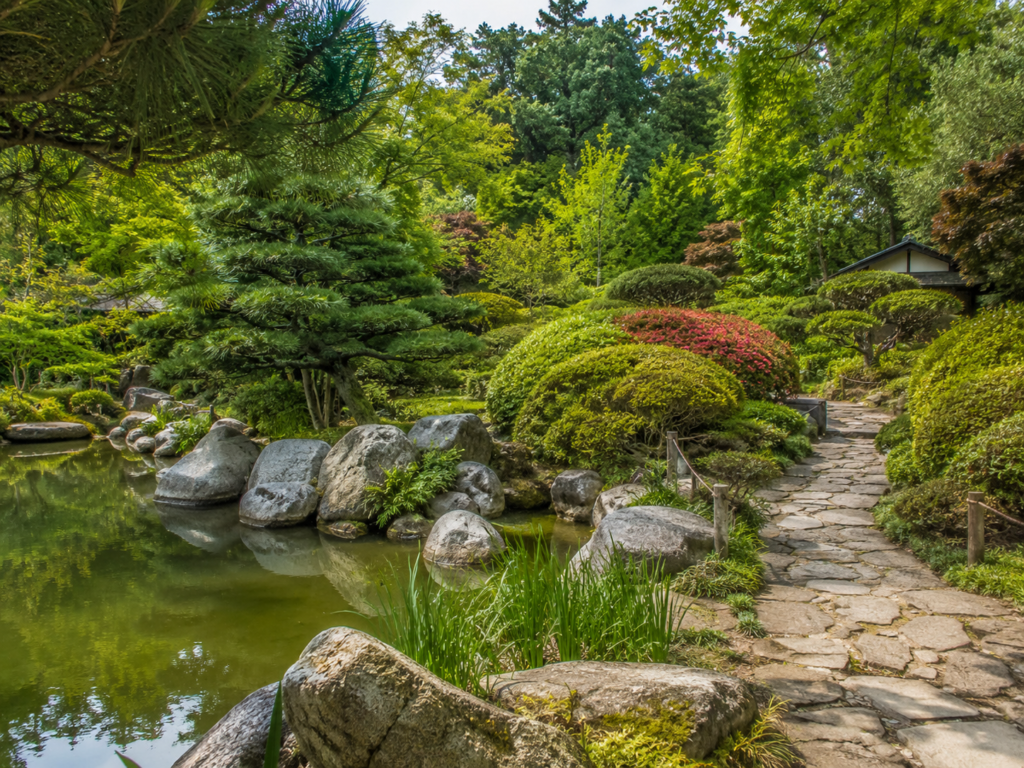
The Alexandru Borza Botanical Garden is one of Cluj’s best places to slow down. It is not a decorative patch of flowers attached to a gift shop. It is a substantial university botanical garden with themed sections, greenhouses, mature trees, and enough pathways to absorb a couple of hours.
The official 2026 schedule changes seasonally: from May through September, the garden is generally open 09:00–20:00, while winter hours are shorter. Adult admission is currently 21 lei when greenhouse access is included.
My advice? Go in the morning. The air is cooler, school groups have not always reached maximum volume, and you can hear birds instead of somebody conducting an urgent video call beside a cactus.
6. Walk Through Central Park and Along the Someș
Central Park Simion Bărnuțiu is not a sightseeing attraction in the strict sense. Good. That is precisely why you should go. Locals walk dogs, sit on benches, jog, meet friends, push strollers, and occasionally stare at the lake with the intensity of people reconsidering life decisions.
Continue toward the Someșul Mic River and the pedestrian areas around it. Cluj has invested heavily in making parts of the riverfront more usable, and this side of the city is especially pleasant when you need a break from historic façades and museum labels.
7. Climb Cetățuia Hill for Sunset
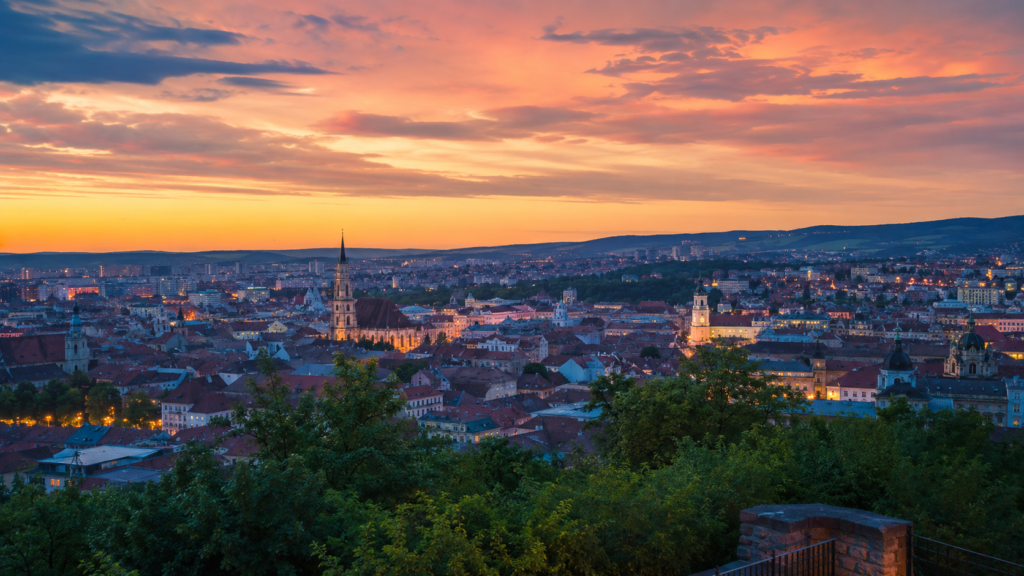
For a broad view over the city, climb to Cetățuia Park. The route is not Mount Everest, though after a large Romanian lunch you may disagree. From the top you can pick out church towers, apartment blocks, stadium structures, red roofs, and the hills beyond Cluj.
Go before sunset, not exactly at sunset. You want time to walk around, choose a viewpoint, and watch the city change gradually rather than arriving sweaty thirty seconds before the light disappears.
What to Eat in Cluj-Napoca
Romanian food is generous, sour, smoky, creamy, pork-friendly, cabbage-friendly, and extremely capable of destroying your plans for an active afternoon.
Start with ciorbă, the broad family of sour soups that can contain vegetables, beans, meat, tripe, or meatballs depending on the version. The point is the acidity. A good bowl hits with herbs and sourness first, then warmth, then the quiet realization that soup can be a full emotional event.
Try sarmale, cabbage rolls usually filled with minced meat and rice, often served with mămăligă, sour cream, and sometimes a pepper that looks decorative until you bite it and learn something about consequences.
Varză à la Cluj is particularly appropriate here: layered cabbage and minced meat, often with rice and sour cream. It is not elegant food. It does not care. It is the culinary equivalent of a thick blanket.
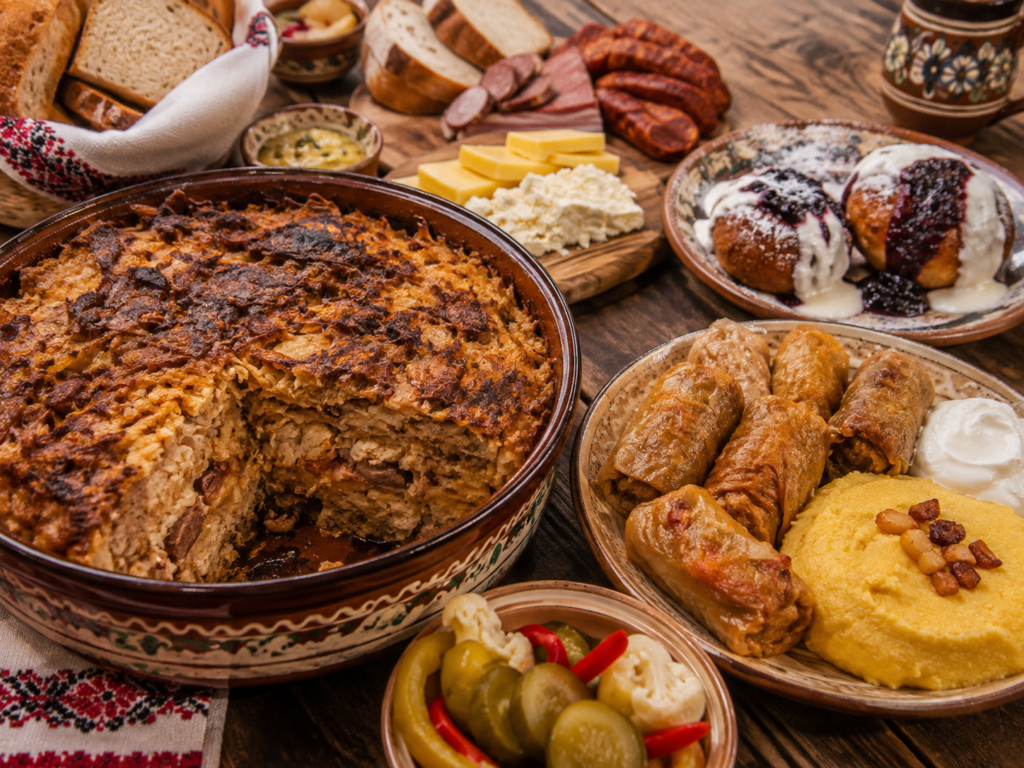
For dessert, papanași are fried or boiled cheese-based dumplings commonly served with sour cream and fruit preserve. The combination is ridiculous in the best way: warm dough, cool cream, sharp berry sweetness, and enough weight to postpone all further movement.
For traditional Romanian cooking, Roata is a popular option, while Zama is another dependable central choice for Romanian dishes presented in a slightly more contemporary setting.
Coffee Matters Here
Cluj has a serious specialty-coffee habit. At Olivo Coffee Culture, you can get the sort of carefully extracted espresso that arrives with tasting notes and makes you briefly pretend you can identify stone fruit. There are plenty of other small roasters and coffee bars around the center, so treat coffee as part of the city rather than emergency fuel.
Food rule: Eat one traditional lunch, one modern Romanian meal, and one completely unplanned thing from a bakery. The bakery item may win.
Nightlife: Cluj After Sensible People Go Home
Because Cluj is a university city, nightlife ranges from inexpensive student bars to polished cocktail rooms, clubs, live-music venues, and festival-scale events.
For cocktails, Hemingway Cocktail Bar is one central option where drinks receive more attention than the standard rum-and-cola treatment. If clubbing is a major reason for your trip, research current venues shortly before arrival. Nightlife changes faster than churches do.
And remember: the city can be lively late, especially Thursday through Saturday and during university term. If sleep matters, do not book directly above a bar because the apartment description said “central and atmospheric.” Atmospheric at 02:30 can mean somebody shouting the chorus to a song you already disliked.
The Day Trip You Should Probably Do: Turda Salt Mine
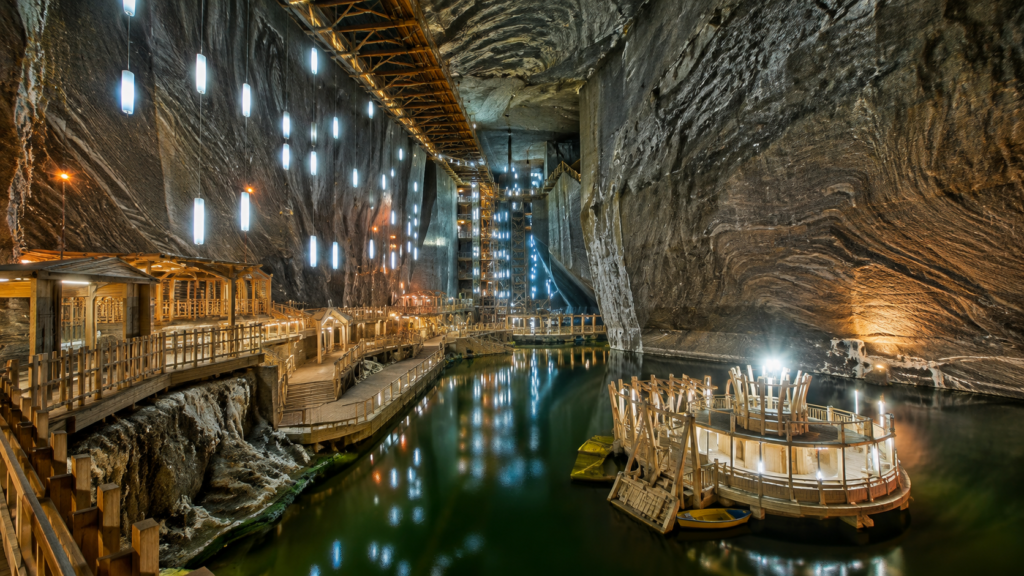
Turda Salt Mine, around 30 kilometers from Cluj, is one of the region’s most unusual attractions. You descend through old salt workings into enormous underground chambers that contain walkways, lighting, recreation areas, an underground lake, and the kind of scale that makes photographs look fake even when they are not.
The official site currently lists general tourist admission at 43 lei for adults, with reduced tickets for students, children, and seniors. Optional activities such as the underground Ferris wheel and boat rides cost extra.
The temperature underground is much cooler than summer outside, so bring a light layer even when Cluj is hot enough to make the pavement shimmer.
You can visit independently by car or organize a guided trip that combines the mine with Turda Gorge and sometimes Rimetea.
A Practical 3-Day Cluj-Napoca Itinerary
Day 1: The Old Center Without Treating It Like Homework
Start with coffee near Piața Unirii, then visit St. Michael’s Church and walk around the Matthias Corvinus Monument. Continue to Banffy Palace and the Cluj-Napoca Art Museum if art interests you, or wander toward Museum Square and Matthias Corvinus House.
Have a Romanian lunch. Do not order three heavy courses unless you have cleared the afternoon with your digestive system.
Walk Bulevardul Eroilor, explore the streets around Babeș-Bolyai University, and head toward Central Park in late afternoon. Continue up Cetățuia Hill before sunset.
Come back down for dinner and drinks in the center. Congratulations: you have walked far more than your phone predicted.
Day 2: Gardens, Culture, and the Useful Art of Sitting Down
Go to the Alexandru Borza Botanical Garden early and spend at least ninety minutes there. Walk back toward the center for lunch, then choose the National Museum of Transylvanian History, Pharmacy Museum, or Steampunk Transylvania depending on whether you prefer archaeology, old medicine, or mechanical fantasy.
In late afternoon, follow part of the Someșul Mic River or return to Central Park. Give yourself an unscheduled coffee stop. Travel improves dramatically when every hour is not assigned a job.
Finish with a more modern dinner and cocktails.
Day 3: Choose Your Own Transylvanian Problem
Option one: take a full-day trip to Turda Salt Mine, Turda Gorge, and Rimetea.
Option two: stay in Cluj and have a slower day—markets, neighborhood walks, museums you skipped, long lunch, bookstore, coffee, riverfront, sunset.
I would choose the day trip if this is your only visit to Transylvania. I would choose the slow day if you are already traveling onward through the region.
Cluj-Napoca Daily Budget: What You Will Actually Spend
Cluj is no longer the ultra-cheap Eastern European city some older blogs describe. Housing and hospitality prices have risen, and festival weekends can be dramatically more expensive. It can still offer good value compared with many Western European city breaks, but you should budget like it is 2026, not 2012.
A recent cost-of-living benchmark puts a standard cappuccino around the mid-teens in lei, while local restaurant and drink prices vary widely by venue. Use the figures below as travel-planning ranges, not commandments carved into Romanian stone.
Backpacker / Budget Traveler: 220–350 lei per day
Expect a hostel or inexpensive room, bakery breakfast, casual lunch, simple dinner, walking and public transport, and mostly free attractions.
Comfortable Mid-Range Traveler: 450–750 lei per day
This allows for a central private room or mid-range hotel, specialty coffee, restaurant meals, museum entries, occasional ride-hailing, and a paid attraction or tour.
Higher-Comfort / Boutique Traveler: 900–1,500+ lei per day
Think upscale hotel, airport transfer, cocktails, better restaurants, private tours, and more taxis. During UNTOLD or other high-demand dates, accommodation alone can push well beyond normal ranges.
Typical Essentials to Budget For
- Public transport single ride: about 3.50 lei under the current tariff.
- 24-hour public transport pass: about 24 lei.
- 72-hour public transport pass: about 39 lei.
- Specialty coffee: roughly 12–20 lei, depending on the café and drink.
- Simple bakery breakfast: roughly 15–30 lei.
- Casual lunch: roughly 35–65 lei.
- Traditional restaurant dinner: roughly 60–120 lei per person before a larger alcohol bill.
- Draft beer: often around 12–20 lei in ordinary central venues.
- Cocktail: often around 30–50+ lei.
- Botanical Garden adult ticket: 21 lei with greenhouse access under the current tariff.
- Cluj Art Museum permanent exhibition: 16 lei.
- Turda Salt Mine adult entry: 43 lei, with optional attractions extra.
Money-saving tip: Stay central enough to walk. A cheaper hotel far outside the center is not always cheaper after daily transport, ride-hailing, and lost time are added.
Money, Cards, Revolut, and Wise
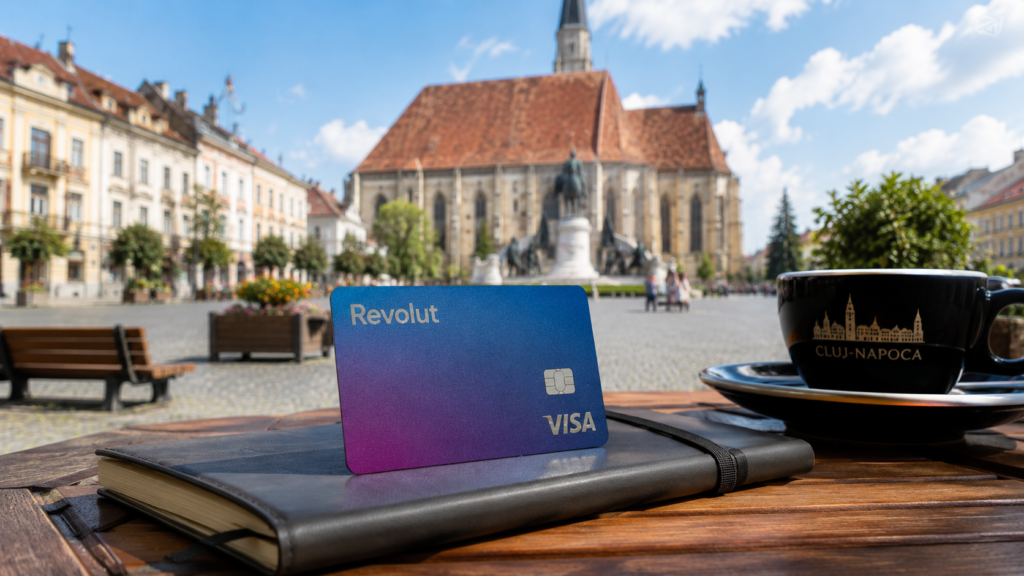
Romania uses RON, not the euro. In tourist areas, card payment is common, but I still keep a small amount of lei in cash.
Avoid dynamic currency conversion when a card terminal asks whether you want to pay in your home currency. Choose RON and let your card provider handle the conversion unless you have a specific reason not to.
For international travelers, Revolut and Wise can be useful for holding multiple currencies, checking exchange rates, and reducing the pain of traditional bank foreign-exchange spreads depending on your account and country.
OPEN OR CHECK REVOLUT FOR YOUR TRIP
Money tip: Carry two cards stored separately. One card is a payment method. Two cards are a plan.
Travel Insurance: Boring Until It Suddenly Isn’t
A Cluj city break is not an expedition, but flights get canceled, luggage disappears, ankles meet cobblestones badly, and mountain day trips create more variables than sitting in a café.
VisitorsCoverage lets travelers compare certain travel-medical and insurance options depending on residence, age, destination, and trip type. Read policy wording carefully, especially exclusions, medical limits, pre-existing-condition clauses, sports coverage, and cancellation terms.
COMPARE TRAVEL INSURANCE OPTIONS WITH VISITORSCOVERAGE
Insurance is not the fun part of planning. Neither is calling an overseas hospital billing department without it.
Is Cluj-Napoca Safe?
For most visitors, Cluj-Napoca feels straightforward to navigate, including in the central areas at night. Normal city precautions still apply: keep valuables secure in crowded places, use reputable transport, watch your drink, avoid poorly lit shortcuts you do not need to take, and do not leave a phone sitting on a café table as if theft has been abolished by municipal decree.
The bigger travel risks are often ordinary ones: traffic, slippery winter pavement, heat in summer, overestimating hiking footwear, late-night alcohol, and losing track of your belongings.
Solo travelers should find the center manageable, but use the same judgment you would in any unfamiliar European city. If a situation feels wrong, leave it. You do not owe politeness to a stranger who is making you uncomfortable.
Sustainable Travel in Cluj Without Turning It Into a Personality
Sustainable travel works best when it is practical rather than performative.
Walk the historic center. Most major sights are close together, and walking reveals courtyards and side streets you miss from a car.
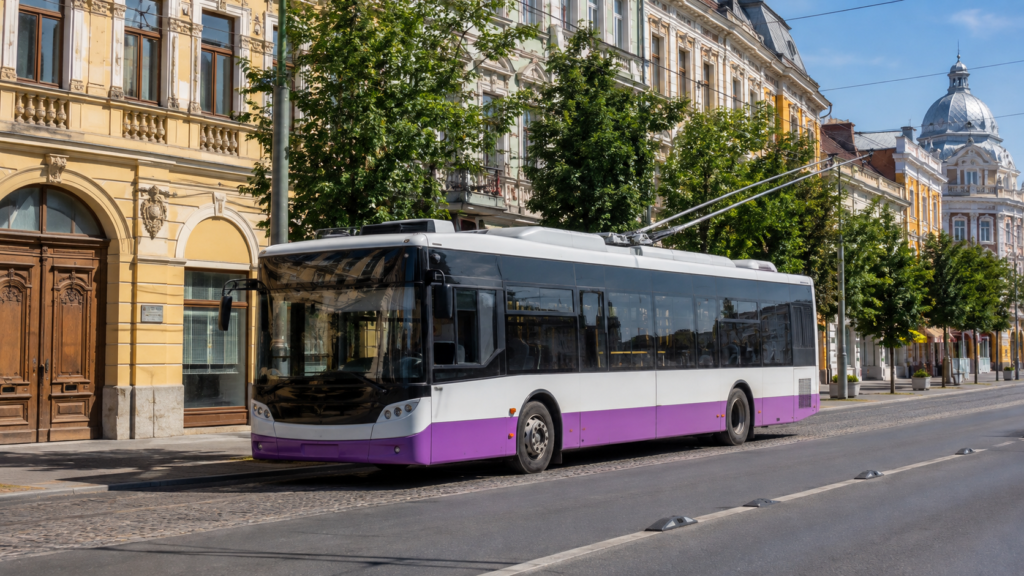
Use public transport for longer trips. Cluj operates buses, trolleybuses, and trams; the city has also invested in electric public transport over the years.
Carry a reusable bottle. Ask your accommodation whether tap water is suitable for refilling at the property, then avoid buying a new plastic bottle every two hours.
Eat local and seasonal when you can. Markets, bakeries, Romanian restaurants, and locally operated cafés keep more spending in the city than an itinerary built entirely from international chains.
Stay longer. Three or four nights in one base generally creates less transport churn than sprinting through three cities in the same period, and you actually remember where you were.
Respect residential neighborhoods. Short-term visitors are guests in buildings where people need to sleep, work, raise children, and complain about the upstairs neighbor like humans everywhere.
Take public or shared transport to festivals when available. Electric Castle, for example, promotes buses and dedicated trains to Bonțida during the festival.
Before You Book: Entry Rules and Travel Documents
Because Romania is in the Schengen Area, many travelers’ stays now fall under Schengen rules. Visa-free eligibility and permitted duration depend on nationality. For travelers who qualify for short visa-free Schengen visits, the common limit is up to 90 days in any 180-day period across the Schengen Area, not 90 fresh days in every country.
Always check the official Romanian foreign ministry or the relevant government guidance for your passport before booking non-refundable travel.
Keep digital and offline copies of important documents, insurance details, accommodation information, and emergency contacts. This sounds excessively organized until your phone disappears.
The Part Where Cluj Quietly Wins You Over
Come for three or four days. Stay close enough to walk. Start early at the Botanical Garden. Spend time in Piața Unirii without immediately leaving it. Eat something sour. Eat something fried. Climb Cetățuia Hill before sunset. Take a day trip underground at Turda Salt Mine. Learn how to say mulțumesc, even badly. Let one afternoon remain underplanned.
Most of all, do not make the mistake of treating Cluj as merely the airport you use on the way to “real Transylvania.” The city is part of the story. It is where Transylvania’s history keeps colliding with student life, technology, music, Romanian and Hungarian identity, contemporary art, old religion, new money, and people who just want to get home before traffic gets worse.
And if this guide saved you time, money, or one avoidable travel mistake, subscribe to A Tiny Traveler before you disappear into your next browser tab. I publish practical city guides, honest destination advice, food finds, route ideas, sustainable travel tips, and the sort of small details that can rescue a trip from expensive nonsense.
Follow A Tiny Traveler on Pinterest, where I share new guides, trip-planning ideas, travel photographs, useful updates, and occasional evidence that I once again ordered more food than the table could reasonably support. Share this Cluj-Napoca travel guide with the person you would actually travel with—not the person who says “we should totally go somewhere” for three years and never checks a flight.
I keep thinking back to that first morning: warm pastry in a paper bag, badly pronounced Romanian, St. Michael’s Church rising over the square, buses passing behind me, and Cluj getting on with its day without waiting to see whether I approved.
That may be the best reason to come.
Frank


