

A suitcase rattles across the paving stones in Kraków, announcing its owner’s arrival with the subtlety of a shopping cart falling downstairs. Somewhere beyond the café tables, a tram squeals around a bend. There is coffee to drink, a castle to investigate, and probably a dumpling with your name on it. First, though, you have to find the apartment entrance. The booking said, “central.” It neglected to mention the stairs.
That is the version of travel I want to talk about: the gap between the lovely photograph and the small decisions that shape your actual day. Poland rewards curiosity, but it does not rearrange its railway stations, ticket rules, or geography because you saved an ambitious itinerary. You can spend your morning discovering something wonderful or arguing with a payment terminal. I have a strong preference.
These 10 mistakes to avoid when traveling to Poland are for first-time independent travelers, including couples and solo visitors who want good food, meaningful sightseeing, and comfortable logistics without paying for convenience they do not need. Kraków is the main reference point, with practical advice for Warsaw, Gdańsk, Wrocław, and trips beyond the cities. Expect honest trade-offs, realistic spending allowances, and the occasional intervention on behalf of your feet.
You do not need a military operation disguised as a vacation. You need the right currency, a manageable route, a few advance reservations, and permission to leave an afternoon empty. I will walk you through the expensive assumptions, the avoidable irritations, and the habits that make traveling here easier. Then we can get back to the important business of lunch.
1. Bringing Euros and Letting the Payment Terminal Do the Thinking
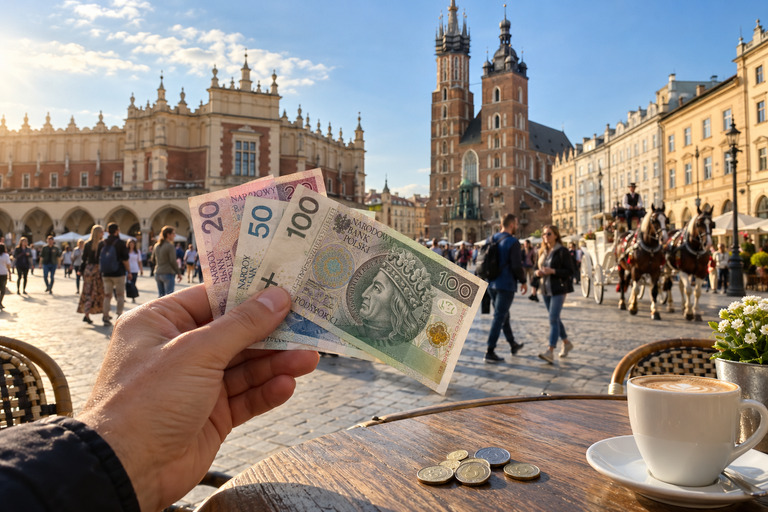
Poland uses złoty, not the euro
Poland’s currency is the Polish złoty, written PLN or zł. Membership in the European Union does not mean every member uses euros. A restaurant accepting them is offering an exception, and the conversion may be less appealing than the menu. Poland Travel (EN)
I would pay in PLN, keep a working payment card, and carry a modest cash backup. Cards are widely useful in cities, but cash still helps with small purchases, market stalls, tips, or an inconveniently temperamental machine. A wallet containing 100–200 PLN in smaller notes is a practical starting point, not a requirement.
My Tip: Ask for a smaller withdrawal than your holiday imagination suggests. You probably do not need to finance the entire trip in banknotes before leaving the airport.
The “helpful” conversion can cost you
A terminal or ATM may offer to charge you in your home currency. This is dynamic currency conversion, and its reassuring display can conceal an unfavorable exchange rate.
Choose payment in PLN and decline the merchant’s or ATM’s conversion. Your card provider then handles currency conversion under its own terms. This does not make every withdrawal free: an ATM operator can charge separately, and your bank may have foreign transaction or cash withdrawal fees.
Read the screen before accepting. If the charges look unreasonable, cancel and try another machine. An airport queue behind you does not create a legal obligation to press the expensive button.
Where Wise and Revolut fit
Wise and Revolut are worth comparing if your existing card charges heavily for overseas spending. Look at eligibility in your country, card delivery, conversion charges, withdrawal allowances, and any subscription costs. Revolut’s exchange conditions vary by plan and market; Wise also charges for certain conversions and withdrawals.
I would set up and test whichever account suits you before departure, then keep a second card separately. A travel money app is less useful when your only phone is missing, and your only physical card is inside its case.
Compare Wise for Your Poland Spending
Check Revolut Plans Before You Travel
2. Assuming “Affordable” Means You Can Stop Counting
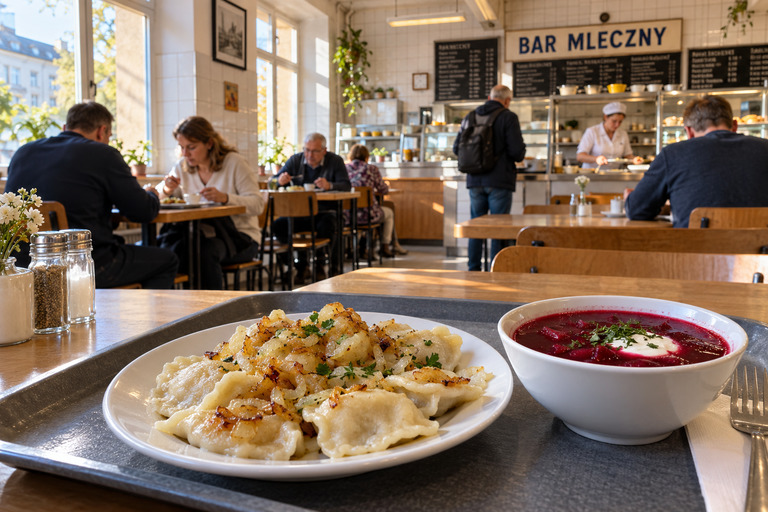
Build a budget for your trip, not somebody else’s bargain
Poland can offer good value, especially when you use public transportation and eat beyond the busiest sightseeing streets. That does not mean central hotels, specialty coffee, and private tours have agreed to remain permanently inexpensive.
For planning, I would use the following estimated daily budgets per adult. They include accommodation, meals, local transportation, and a modest sightseeing allowance. International travel, insurance, intercity journeys, major shopping, and expensive excursions are extra.
| Travel style | Daily planning allowance | What that looks like |
|---|---|---|
| Budget | 220–320 PLN | Dorm bed, simple meals, public transit, mostly free sightseeing |
| Comfortable midrange | 400–650 PLN | Half a shared double room, restaurant meals, some paid attractions |
| More comfort | 800–1,200+ PLN | Better hotel share, upscale meals, taxis, more paid experiences |
Solo travelers wanting a private room should budget more than the shared-room figures. Summer weekends, festivals, major events, and holiday periods can push accommodation well beyond these allowances.
These are planning estimates, not live quotes. Check your exact dates before declaring victory over the spreadsheet.
What everyday essentials might cost
The following ranges are useful allowances for larger cities. Location, quality, and season matter; a coffee beside a landmark is not a national economic indicator.
| Essential | Estimated price |
|---|---|
| Hostel dorm bed, per night | 80–160 PLN |
| Midrange double room, per night | 280–550 PLN |
| Bakery breakfast with coffee | 20–35 PLN |
| Simple lunch or milk-bar meal | 25–45 PLN |
| Casual restaurant main course | 40–75 PLN |
| Cappuccino | 12–20 PLN |
| Beer in a bar | 15–25 PLN |
| Supermarket water | 2–5 PLN |
| Paid public restroom | 3–7 PLN |
| Many ordinary museum visits | 25–60 PLN |
Major attractions, specialist exhibitions, and guided excursions can cost considerably more. I would also allow 10–25 PLN daily for city transportation, depending on the city and ticket type.
For intercity travel, allow 50–200 PLN per journey as a flexible estimate, then check your departure. Discounted tickets can cost less; premium services and late bookings can cost considerably more.
A sample 450 PLN day might mean 200 PLN for your share of a room, 120 PLN for meals, 35 PLN for coffee and snacks, 15 PLN for transit, 50 PLN for sightseeing, and 30 PLN left over. That spare money matters. Travel has a way of producing additional pastries.
Save where it improves the trip
Book accommodation near useful transportation, compare breakfast-inclusive rates against nearby cafés, and check museum websites for free admission days. Free entry may cover only permanent collections, and reservations can still be necessary.
For meals, look for a bar mleczny, a traditional milk bar serving straightforward food. It can be an affordable lunch, though prices and service styles vary. The savings are more satisfying when you actually want what is being served.
My Tip: Keep a contingency allowance of roughly 10–15 percent. A budget that survives one missed train is better than one that looks elegant only while nothing goes wrong.
3. Planning Five Cities as Though They Share a Subway Line
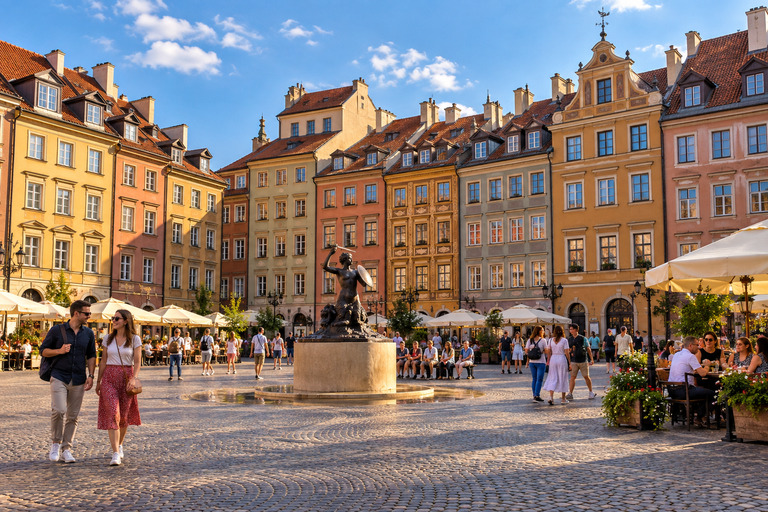
Respect the map before buying the tickets
Kraków, Warsaw, Gdańsk, and Wrocław each deserve more than a station sandwich and an afternoon sprint. They are separate cities spread across a large country, not adjoining neighborhoods.
A train journey consumes more than the time displayed in the timetable. Add packing, checkout, the trip to the station, a buffer, luggage storage, and finding your next address. A supposedly efficient transfer can swallow the best part of a day.
I would rather have two proper bases than five hotel keycards. You remember a long dinner. You rarely treasure the fourth self-service luggage locker.
A realistic Poland itinerary
For three or four days, choose one city. Kraków suits travelers interested in a walkable historic center, food, and carefully chosen day trips. Warsaw works well for museums, contemporary city life, and understanding the capital beyond its reconstructed old streets.
For seven days, combine Kraków and Warsaw, allowing roughly three nights in each and keeping arrival and departure logistics realistic. If the coast is your priority, consider Warsaw and Gdańsk instead.
With ten to fourteen days, a third base becomes more comfortable. Add Wrocław for another urban perspective or the Baltic coast for time by the sea. Mountain travelers should give the Tatra Mountains their own breathing room.
My Tip: Choose one main activity per day, then leave room around it. A castle visit, a substantial museum, or an excursion can be enough. You are allowed to sit down afterward.
Arrive in one city and leave from another
An open-jaw flight itinerary can save a return journey across the country. Compare the entire cost, including baggage, airport transfers, and any extra hotel night caused by awkward flight times.
On Trip.com, compare arrivals into different Polish airports and departures from your final city. Check the operating airline, connection protection, change conditions, and luggage allowance before paying. A cheaper fare with an unsuitable connection can become an expensive lesson in optimism.
Compare Poland Flights and Multi-City Options on Trip.com
4. Buying a Ticket and Assuming That Finishes the Job
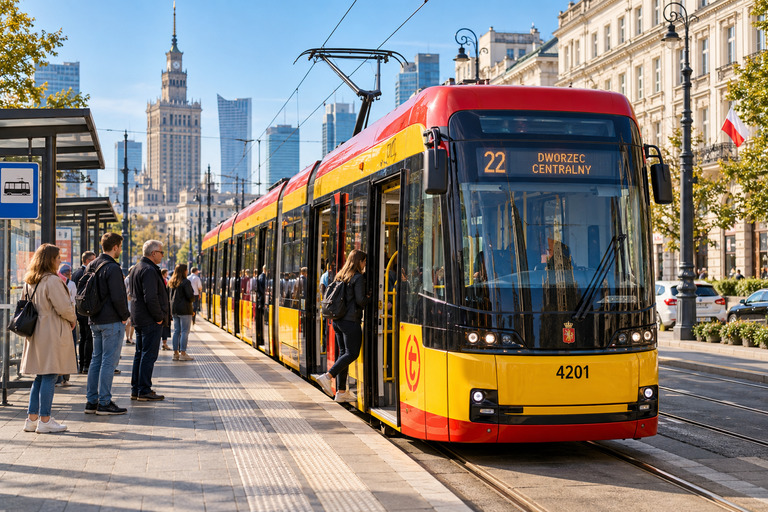
A ticket can exist without being valid yet
Public transportation in Poland is useful, but ticket rules are local. A system you learned in Warsaw does not automatically apply in Kraków or Gdańsk.
Depending on the city and sales channel, you may need to validate a paper ticket, activate a mobile ticket, select a zone, or enter information shown inside the vehicle. Some tickets are already valid when purchased. Read the instructions for the ticket you actually bought.
Do this before you settle into your seat. Showing an inspector an unactivated purchase is not the same as showing a valid fare.
In Warsaw, the tourism office lists a standard 75-minute Zone 1 ticket at 4.40 PLN and a 24-hour Zone 1 ticket at 15 PLN. Paper tickets requiring validation must be validated immediately on boarding a bus or tram, or at the metro gates. Check the current Warsaw transport guide before traveling. Go To Warsaw
Use the right planner and the right station
Jakdojade is useful for urban route planning in supported cities. Check whether ticket purchasing is supported for your route and payment method, and keep your phone charged if it holds your fare.
For intercity trains, start with PKP Intercity and check schedules through Portal Pasażera. Services, fares, and reservation requirements vary. Book a specific departure and check the seat information, particularly on busy travel days.
Warszawa Centralna, Warszawa Zachodnia, and Warszawa Wschodnia are different stations. The word Warszawa alone is not enough. Likewise, read the exact station on your ticket instead of assuming every service uses the one beside your hotel.
Keep your ticket available offline where the operator allows it, and carry any identification or discount documentation required. A screenshot may not replace an active ticket in every app.
Match the airport to the journey
Warsaw Chopin Airport and Warsaw Modlin Airport are not interchangeable. Before booking, check your airport code, onward transport, last departures, and the total journey to your accommodation.
If you arrive late, travel with children, or want a straightforward door-to-door arrival, compare Welcome Pickups where it serves your destination. Confirm the pickup location, flight-delay arrangements, luggage capacity, child seats, and final quote.
My Tip: Compare a private transfer against the actual public-transport route. Paying extra can make sense. Paying extra because nobody checked the train is less satisfying.
5. Booking the Cheapest Bed and Renting a Car Out of Habit
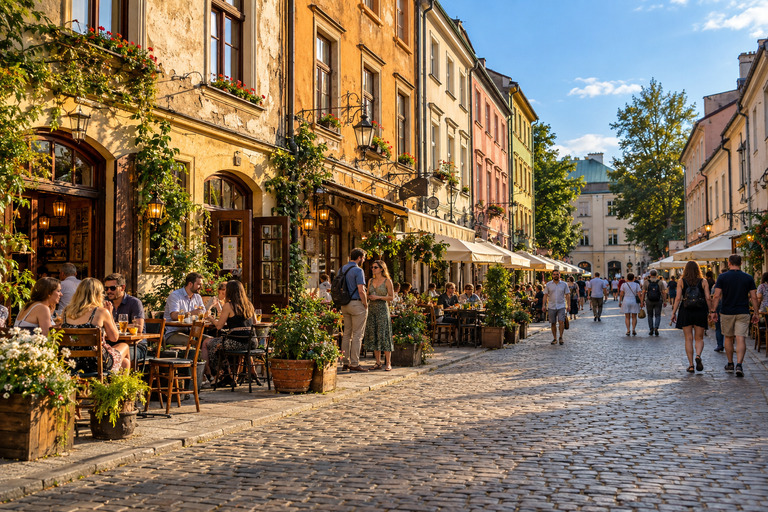
“Central” is a description, not a sleep guarantee
A central apartment can put you above a bar, beside an early delivery route, or on an upper floor without an elevator. Historic buildings have personality. Sometimes that personality includes hauling your suitcase upstairs while questioning your packing choices.
In Kraków, Stare Miasto works for landmark access, Kazimierz for restaurants and nightlife, and Podgórze for another base across the river. These are starting points, not guarantees: evaluate the exact street and your transport connections.
In Warsaw, compare practical locations in Śródmieście and areas near a metro station rather than assuming the Old Town is best for every itinerary. In Gdańsk, distinguish the historic sightseeing area from seaside districts before booking an address that sounds conveniently coastal.
Read the reviews that answer uncomfortable questions
I would check recent reviews for street noise, heating, air-conditioning, mattress quality, stairs, and check-in reliability. Look beyond the overall score. A property loved by weekend party groups may be wrong for a light sleeper catching an early train.
Before paying, verify:
- The full price, including cleaning charges and any local fees.
- The cancellation deadline and prepayment terms.
- Reception or self-check-in arrangements, especially after flight delays.
- Actual accessibility, including entrance steps and bathroom layout.
- The walking route to public transit, with luggage considered.
Use Booking.com to compare locations and recent guest feedback, then inspect the specific room category. Photos of the property’s best suite do not promise that your bargain room has its balcony.
Find a Well-Located Poland Stay on Booking.com
Rent a car when the route needs one
For a trip focused on major city centers, trains and local transportation are usually the easier starting point. A rental adds parking, fuel, possible access restrictions, and the pleasure of navigating streets while your passenger develops strong opinions.
A car can make more sense for rural accommodation, scattered castles, lake districts, or a route poorly connected by public transport. Compare GetRentacar offers for your actual pickup city, then confirm availability and the provider’s conditions.
Check deposit requirements, accepted cards, mileage, insurance excess, driver eligibility, cross-border permission, and winter equipment. Read current driving guidance for your license and route; do not assume every country recognizes documents identically.
My Tip: If you only need a car for two countryside days, price those two days first. An unused rental is a surprisingly expensive parking ornament.
6. Leaving Important Reservations Until “We’ll See Tomorrow”
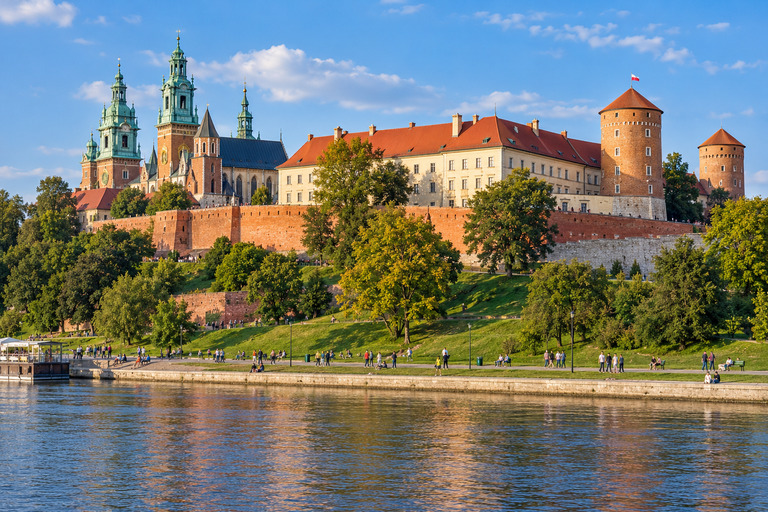
Spontaneity needs a small amount of administration
I am firmly in favor of wandering. I am less enthusiastic about wandering toward a sold-out entrance after traveling an hour to reach it.
For Poland’s popular attractions, check official booking pages once your dates are fixed. Look at timed entry, language availability, closure days, accessibility, and cancellation rules. Secure the visit that matters most, then organize flexible sightseeing around it.
At Wawel Royal Castle in Kraków, identify the exhibitions you want rather than assuming one generic castle ticket covers everything. Use the official Wawel website to check the current selection and booking arrangements.
For the Wieliczka Salt Mine, review the official visitor information for your chosen route. Underground visits involve specific physical conditions; check stairs, walking requirements, accessibility arrangements, and clothing advice before committing.
Book Auschwitz-Birkenau through informed channels
Auschwitz-Birkenau requires particular preparation. Entry passes are available only online through the official reservation system, including free admission. Admission to the grounds is free; guided services carry charges. Availability is limited, so use visit.auschwitz.org and read the official visiting information.
The museum asks visitors to arrive at least 30 minutes before their tour for security checks. Verify identification requirements and bag restrictions before leaving your accommodation. auschwitz.org
If you buy an organized excursion, distinguish transport, a confirmed entry reservation, and guide services. They are separate components. A vague promise of “visiting” does not explain what has actually been secured.
Buy expertise where it adds something
GetYourGuide can help you compare food walks, city tours, excursions, and other activities. Read recent reviews, group size, meeting instructions, inclusions, accessibility details, and cancellation terms. Compare the listing with the attraction’s own information.
I would pay for a guide who adds context or solves difficult logistics. I would think twice about paying a large markup for a ticket I could book directly in two minutes.
Compare Poland Tours and Experiences on GetYourGuide
My Tip: Do not book every morning. Reserve the scarce experiences, then protect some time for weather changes, tired legs, and places you discover after arriving.
7. Treating Every Historic Site Like a Photo Opportunity
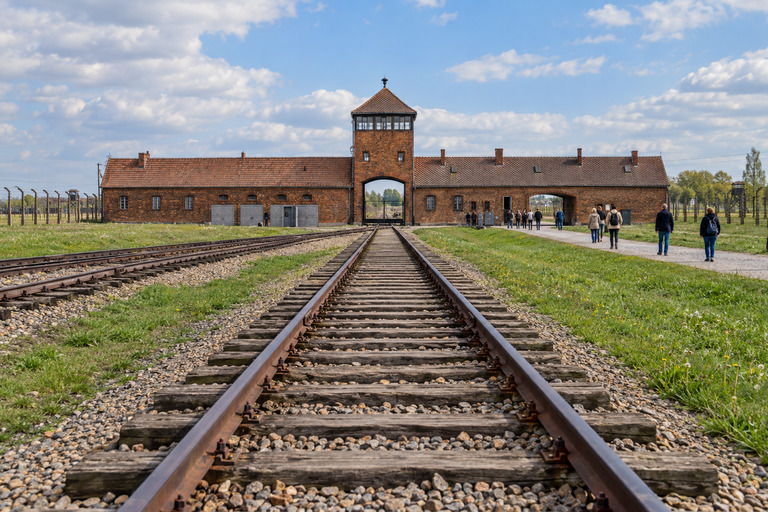
Some places require you to put the camera away
Auschwitz-Birkenau was a German Nazi concentration and extermination camp in occupied Poland. Describe it accurately. Calling it a “Polish camp” misrepresents who created and operated it.
This is a place of remembrance. Follow the memorial’s rules, respect restricted photography, keep your voice low, and allow other visitors space. A posed lifestyle photograph is an inappropriate response to a site of mass murder.
I would avoid stacking the visit beside a packed entertainment schedule. You may want a quiet meal or an unstructured evening afterward. Emotional space belongs in travel planning too.
When traveling with children, review the memorial’s age guidance and consider their readiness. The fact that an excursion fits your itinerary does not make it suitable for every traveler.
Let history explain what you are seeing
In Warsaw, the Old Town’s reconstruction is central to understanding its appearance. Read the UNESCO account of Warsaw’s Historic Centre before dismissing rebuilt streets as somehow less meaningful. UNESCO World Heritage Centre
In Kraków, Kazimierz is more than a restaurant district. Its Jewish history, religious sites, and contemporary cultural life deserve attention beyond a dinner reservation. The POLIN Museum in Warsaw offers another route into the long history of Polish Jews, beyond a narrative focused exclusively on persecution.
My Tip: Read a little before visiting, then ask better questions. A thoughtful hour of preparation can change what you notice in an entire neighborhood.
Respect living spaces as well as monuments
Churches, synagogues, cemeteries, and residential courtyards are not automatically open stages for visitors. Check access rules, dress appropriately for religious sites, and avoid interrupting services.
Ask before photographing someone closely, particularly a vendor, worshipper, or child. You can photograph lunch without turning the person who served it into an unwilling supporting character.
8. Eating Only Pierogi and Expecting Dinner to Work Exactly Like Home
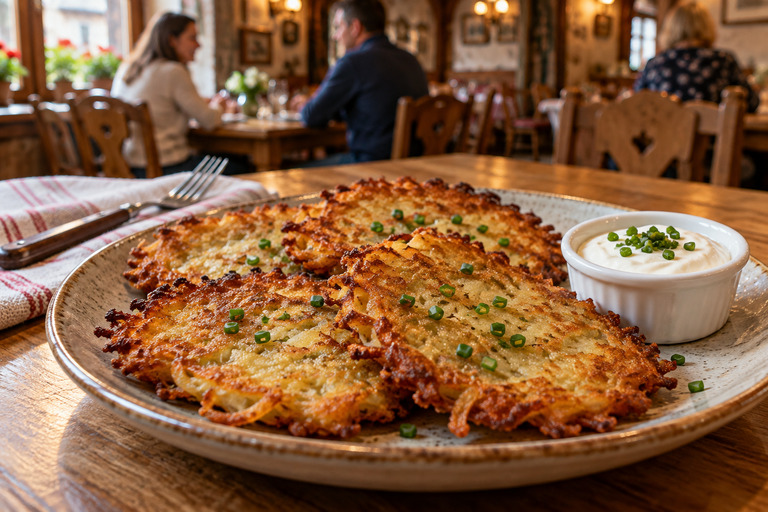
Yes, eat the dumplings. Then keep going.
Pierogi deserve their reputation. Soft dough, potato and cheese, cabbage and mushrooms, perhaps onions browned until their edges turn sweet. Excellent reasons to sit down.
But Polish food becomes more interesting when you stop treating one dish as the entire cuisine. Try żurek, a sour rye soup whose tang cuts through richer additions. Look for placki ziemniaczane, potato pancakes with crisp edges and a softer center, or gołąbki, cabbage leaves wrapped around a filling that varies by kitchen.
Bigos brings cabbage and meat together in a slow-cooked stew. Pączki offer the possibility of sugar on your coat and filling escaping at precisely the wrong moment. In Kraków, an obwarzanek krakowski makes a useful snack between more substantial meals.
You do not have to love everything. A food guide is an invitation, not a compulsory eating examination.
Milk bars, menus, and dietary questions
At a bar mleczny, service may involve ordering at a counter, collecting food yourself, and returning dishes. Watch the process briefly or ask. You will learn more by observing the queue than by hovering over an occupied table.
Vegetarian does not always mean vegan, and a soup or apparently meatless dish may contain stock, bacon, butter, or cream. If you have dietary restrictions or allergies, use a clearly translated explanation and ask about ingredients and preparation.
For severe allergies, choose places that can communicate confidently about cross-contact. Guessing from a menu photograph is not a reliable system.
My Tip: Save a translated dietary note offline. It is easier to show a clear sentence than perform an interpretive dance about shellfish.
Do not mistake different service habits for hostility
A server may leave you alone rather than checking repeatedly. Ask for the bill when you are ready. A brief interaction does not necessarily mean someone dislikes you; they may simply be working.
For good table service, a tip around 10 percent is a reasonable voluntary gesture, not a compulsory American-style expectation. Check whether service has already been included and ask how to add a tip when paying by card.
Learn dzień dobry for hello or good day, dziękuję for thank you, and proszę for please. An imperfect attempt is still an attempt.
If food is a priority, compare a GetYourGuide food tour early in your stay. Check portion sizes, drinks, dietary accommodation, and group size. The best value comes when the walk helps you order confidently for the rest of the trip.
9. Packing for the Photograph Instead of the Forecast
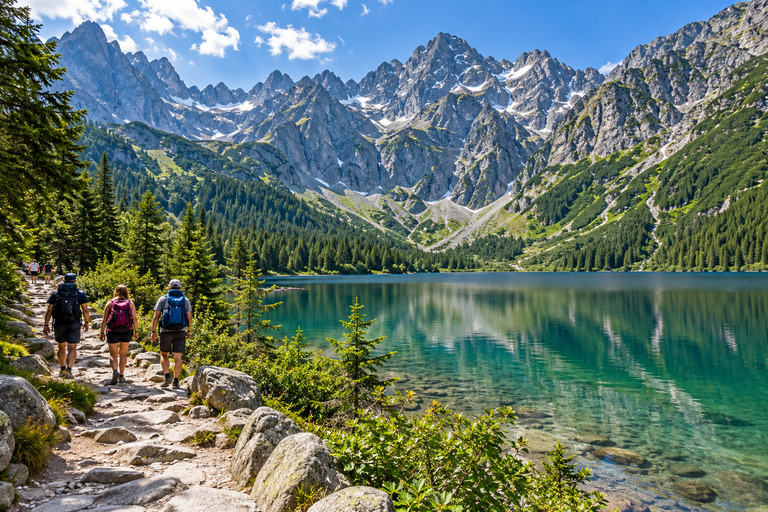
Four seasons, several possible versions of your afternoon
Poland’s weather depends on season, region, and elevation. A sunny city forecast does not promise safe mountain conditions, and a winter trip does not guarantee decorative snow rather than rain and slush.
For city sightseeing, I would pack comfortable shoes with grip, layers, a waterproof outer layer, and a compact day bag. In summer, add sun protection and water. In winter, prioritize warm footwear, gloves, and clothes you can remove inside heated buildings.
May, June, September, and early October can work well for a city-focused trip, depending on your preferences. These are choices to consider, not a weather warranty. Check the IMGW weather service close to departure.
The mountains are not an extension of the shopping street
Zakopane may be a convenient mountain base, but the Tatras require separate preparation. Check the Tatra National Park for current conditions, access rules, and trail information. Choose a route suited to your fitness, equipment, daylight, and the forecast.
Turn around when conditions require it. Your hotel reservation does not care whether you reached a viewpoint, and the mountain has absolutely no interest in your content schedule.
Keep to marked routes and respect closures. Avoid feeding wildlife or approaching animals for photographs. Carry your litter out, including tissues and food scraps.
Check the calendar as carefully as the weather
Sunday shopping restrictions mean many larger shops may be closed on some Sundays, although exceptions exist. Public holidays can also alter shopping, transport, and attraction hours. Buy essential groceries and medication in advance, then check individual opening times.
Museums do not share one universal weekly closing day. Before assigning an attraction to Monday, or any other day, read its actual calendar.
My Tip: Keep an indoor alternative for a wet afternoon. A museum, café, or long lunch is a better backup than arguing with the rain.
10. Forgetting the Boring Details That Rescue the Whole Trip
Entry rules belong before the booking celebration
Poland is in the Schengen Area. Many visa-exempt visitors are limited to 90 days in any 180-day period across the area, not a fresh allowance in each country. Requirements depend on citizenship and residence status; verify your situation through Poland’s official consular information. Gov.pl website
Check passport validity and the official EU travel portal for EES and ETIAS information. These systems are different, and implementation details can change. Use official guidance for your travel date rather than an old screenshot or an unsolicited payment link.
Get connected before you need directions
If your existing mobile plan includes suitable roaming in Poland, you may need nothing else. Otherwise, compare an eSIM on Trip.com with your operator’s roaming package.
Check device compatibility, carrier unlocking, coverage, data allowance, validity, hotspot rules, and activation timing. Some plans are data-only, so do not assume they include a local number or ordinary voice calls.
Install according to the provider’s instructions while you have reliable internet. Download maps, accommodation details, and essential tickets as a backup.
Insurance and ordinary street sense
Compare VisitorsCoverage policies for your residence, destination, age, and planned activities. Review medical limits, exclusions, deductibles, cancellation conditions, and any mountain or adventure coverage. A comparison platform offers choices; the actual policy determines protection.
Keep valuables secure on crowded transport, use licensed taxis or verified app bookings, and decline unsolicited nightlife invitations that feel pressured. Read your government’s current Poland travel advice, particularly before traveling near sensitive border areas.
The emergency number is 112. Save your insurer’s assistance number separately, along with your accommodation address. Carry essential medication in appropriate packaging and check any relevant import requirements before departure. Gov.pl website
My Tip: Keep a small offline backup of the information you would hate to lose with your phone.
The Questions That Usually Arrive While You Are Packing
Is Poland a good destination for a first solo trip?
A city-based itinerary can work well for an independent solo traveler, provided you are comfortable arranging accommodation and navigating public transportation. I would start with one well-connected base, arrive during daylight when practical, and choose lodging with reliable check-in support.
Book your first night before departure and know how you will reach it. Share your plans with someone you trust, keep a backup payment method, and make decisions about late-night transport before you are tired. Confidence grows faster when the first evening involves dinner rather than an address mystery.
Can you travel in Poland without speaking Polish?
You can manage many common tourist situations in English in major cities, but availability varies by person and setting. Smaller towns, local businesses, and rural transport may require more patience or translation assistance.
Keep addresses written in Polish, download a translation app’s language pack, and show your destination when necessary. Speak clearly rather than loudly. Increasing the volume does not install a language update in the listener.
A greeting and a thank-you make interactions warmer. I would learn those before memorizing an elaborate sentence about a restaurant reservation you will probably make online anyway.
Should you book guided tours or explore independently?
Mix the two according to what you need. Independent wandering works well for parks, neighborhood walks, and meals. A knowledgeable guide becomes more valuable when the subject is complex, the route is difficult, or your time is limited.
Before reserving, ask what the tour adds: expert interpretation, access, transportation, or a useful introduction? Also check how much time is actually spent at the attraction. A long advertised duration can include substantial driving and waiting.
For a short trip, one excellent guided experience may offer more value than several rushed excursions. Leave yourself time to follow up on what interested you.
What should you reserve first?
I would begin with entry eligibility and transport feasibility, then choose accommodation with suitable cancellation terms. Next, book the attraction or experience you would be most disappointed to miss. Arrange your remaining days around those fixed points.
Avoid buying several nonrefundable components before confirming they fit together. Check the airport, station, date, local time, and meeting point every time. Familiar names and similar-looking calendar squares have ruined perfectly competent people’s afternoons.
Finally, save the confirmations somewhere accessible. Knowing you booked a ticket is less helpful than being able to produce it.
How do you avoid spending your whole trip in tourist crowds?
Change your timing and widen your walking radius. Visit popular outdoor areas earlier, eat away from the most obvious frontage when a menu appeals, and spend time in neighborhoods beyond the landmark circuit.
Do not assume quieter automatically means better, or that a busy place cannot serve a good meal. Look at prices, ingredients, recent feedback, and whether you actually want to be there.
I would also resist turning every recommendation into an obligation. If the café you planned to visit has a long line, there may be another pleasant table nearby. Your holiday is not an audition for loyalty to an internet list.
Leave Room for the Poland You Did Not Schedule
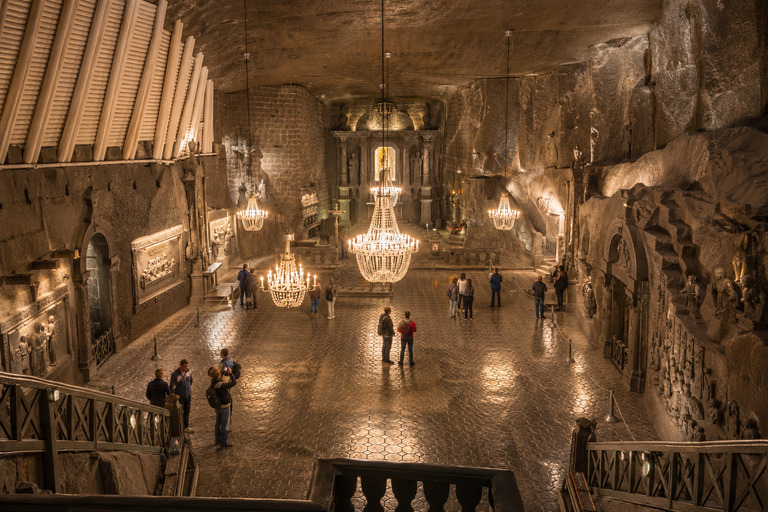
The easiest way to improve a first trip to Poland is to remove a little friction before you arrive. Choose a sensible route. Book a place where you can sleep. Understand your tickets. Keep enough money available for a change of plan without treating every modest purchase as a personal accounting failure.
Then give the place some attention. Sit through the meal. Read the museum label. Walk beyond the first row of restaurants. Let Kraków, Warsaw, or Gdańsk be a real city with residents, workdays, and ordinary inconveniences, rather than a checklist assembled for your camera.
Travel more lightly, in practical ways
Sustainable tourism in Poland starts with decisions you can actually keep. Take trains between suitable city pairs, use trams locally, and stay longer in fewer places. Carry a reusable bottle; ask your accommodation about local tap water and any building-specific concerns before refilling.
Support locally run restaurants, guides, and shops when they suit your needs. Buy something made nearby that you genuinely want. Decline unnecessary room cleaning, sort waste according to local instructions, and avoid leaving rubbish beside overflowing bins.
Respect apartment-building quiet hours and keep luggage, conversations, and late arrivals considerate. Residents do not become extras in your vacation because you booked their neighborhood.
Make the next few decisions now
Start with Booking.com to shortlist a useful base, then compare your transport options on Trip.com. Reserve the experiences that need advance planning, arrange airport transport if it solves a real problem, and check your payment cards, connectivity, and insurance. You do not need to buy everything mentioned here. You need the pieces that fit your trip.
Subscribe to A Tiny Traveler for more practical travel guides, honest planning advice, and food worth making room for. Follow A Tiny Traveler on Pinterest and save this guide to your Poland travel board so the ticket advice is still there when the packing begins.
And tell me which mistake almost caught you: the wrong airport, the impossible itinerary, or the hotel staircase nobody photographed? Your answer might save another reader an awkward arrival.
Leave one evening unclaimed. A table, something warm to eat, and the sound of a tram passing outside are perfectly respectable plans.
Frank


