

Discover the 10 best things to do in Monaco, with honest tips on Monte Carlo, palace tickets, beaches, food, transport, costs, and itineraries.
Monaco Arrives Wearing Polished Shoes
My first mistake in Monaco happened before I had technically seen it. I left Monaco–Monte-Carlo Station through the wrong tunnel, marched confidently downhill, changed my mind, entered another elevator, and reappeared several levels above the street I wanted. A man carrying a baguette passed me twice. On the second occasion, he gave me the sympathetic nod reserved for tourists losing arguments with geography.
That is Monaco in miniature: tiny on a map, vertical in real life, and stranger than the shorthand of casinos, yachts, and sports cars. The country stacks itself between mountain and sea like an architectural layer cake. You can visit a palace, eat a fried ravioli, inspect a Formula One hairpin, swim, and accidentally ride three elevators before lunch.
The money is real. At Place du Casino, chauffeurs idle beside cars whose doors open theatrically. Yet many of the best things to do in Monaco are free: gardens, harbor walks, the cathedral, the beach, and the guard ceremony. The trick is knowing when to pay and when to let a municipal elevator save your knees.
This guide covers the 10 best things to do in Monaco, a realistic Monaco itinerary, daily costs, accommodations, transport from Nice, and the attractions worth your euros. It is for curious independent travelers: budget-aware, culturally nosy, and willing to dress neatly without pretending to own a yacht.
Monaco Trip Planning Without the Diamond-Encrusted Nonsense
| Quick question | My honest answer |
|---|---|
| How long do you need? | One full day covers the headline sights; two nights lets you enjoy the beach, museums, and evening atmosphere without sprinting. |
| Best base | Stay in Monaco for convenience or in Beausoleil, Cap-d’Ail, Menton, or Nice for more choice and usually lower prices. |
| Best months | April–June and September–October for mild weather, long days, and fewer peak-summer crowds. |
| Currency | The euro (€). Cards are widely accepted, but small cash is useful at markets and bakeries. |
| Local transport | Walk, use free public elevators, or take CAM buses. Contactless rides cost €1.50, capped at €5.50 per day. |
| Typical daily budget | About €90–€150 excluding accommodation; €240–€450 with a midrange room; luxury has no meaningful ceiling. |
| Main airport | Nice Côte d’Azur Airport, around 25 kilometers away by road. |
| Do you need a car? | No. For central Monaco, a car is more of a burden than a solution. Rent one only for a wider French Riviera road trip. |
Hotel inventory is limited. During the Monaco Grand Prix, Monaco Yacht Show, and major conferences, ordinary rooms acquire the confidence of royal suites. Compare taxes, cancellation terms, breakfast, and walking elevation—not merely map distance.
COMPARE MONACO HOTELS ON BOOKING.COM
The 10 Best Things to Do in Monaco
1. Climb to the Prince’s Palace Before the Day-Trippers Do
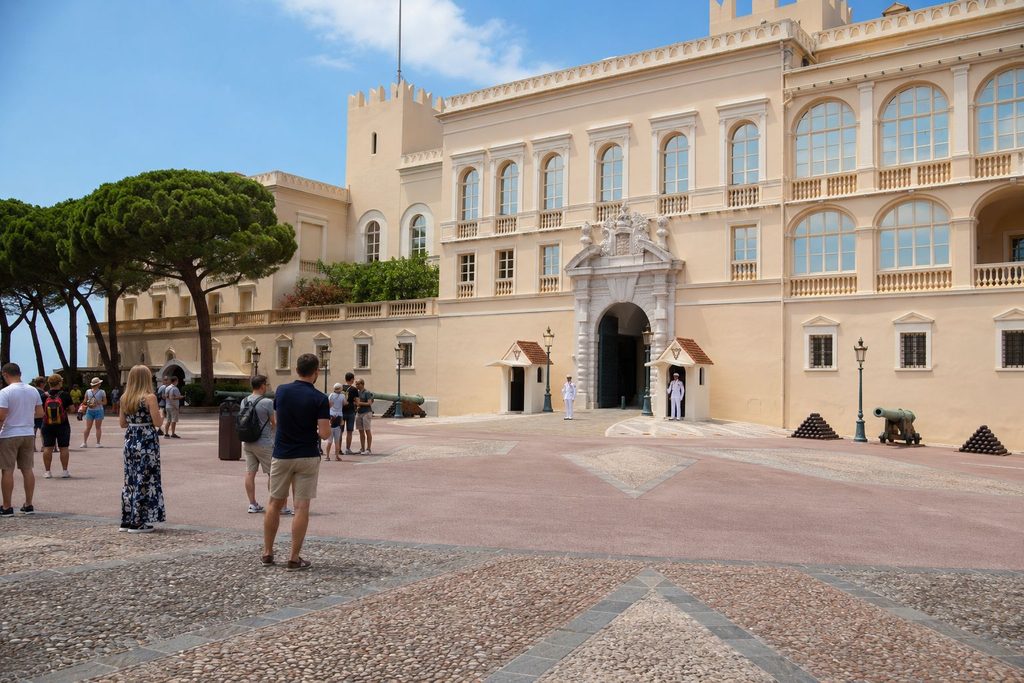
Start on Le Rocher, the headland occupied by Monaco-Ville, because the principality makes more sense from above. The Prince’s Palace of Monaco grew from a Genoese fortress founded in 1191 and remains the sovereign’s residence. Those guards are not lawn ornaments.
Walk up the steep but short Rampe Major from Place d’Armes before 10:00 a.m. If hills and heat are poor companions, take CAM bus 1 or 2 to Place de la Visitation; the lanes from there are almost level.
The square is free. Arrive by 11:35 a.m. for the daily Changing of the Guard at 11:55 a.m. It is a crisp ceremony, not a royal pageant with cavalry and interpretive dance.
The paid State Apartments contain Renaissance frescoes, ceremonial rooms, chandeliers, family portraits, and the Throne Room. Use the audio guide; it explains who commissioned the gilding and why half of Europe wanted this rock.
For 2026, visits run from March 30 to October 15, with closures on specific dates and during the Formula One Grand Prix weekend. Official pages displayed conflicting adult prices during research, so check the live Prince’s Palace visitor information. A palace-and-museum combination ticket may save money.
My Tip: Visit the apartments when they open, leave before the midday crush, then return to the square for the guard ceremony. Keep shoulders and behavior respectable; this is a working sovereign residence.
Allow: 60–90 minutes for the palace interior, plus the square and ceremony.
2. Wander Monaco-Ville, Then Sit Quietly in the Cathedral
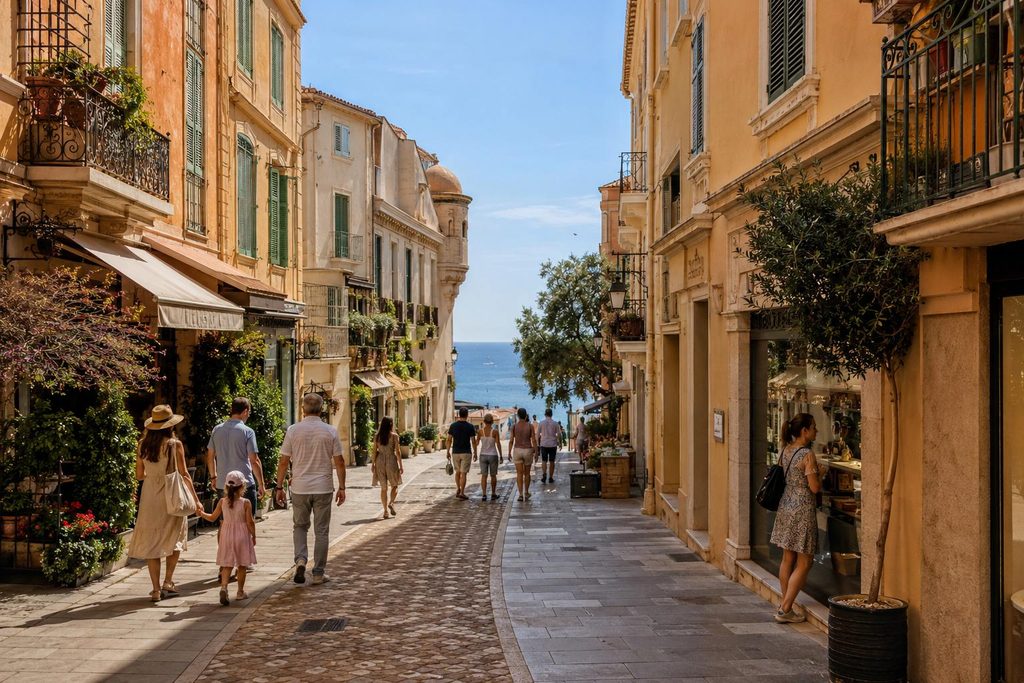
Many visitors cross Monaco-Ville like airport security between palace and museum. Slow down. Its passages hold pastel facades, government offices, restaurants, and residents attempting errands while strangers photograph their doors.
Follow Rue Basse and Rue Comte Félix Gastaldi, but turn without a plan. Look for plaques, vaulted passages, and sea between buildings. Compare lunch prices before sitting; a chalkboard and tablecloth do not constitute financial regulation.
At the southern edge, free Monaco Cathedral holds Grimaldi family tombs, including Princess Grace and Prince Rainier III. Their pale-stone graves often carry a few flowers. Treat this as a church and burial place, not a celebrity exhibit.
Access pauses during services. Check the official Monaco Cathedral listing, cover shoulders, remove hats, silence phones, and never push around worshippers. Sunday morning is for Mass, not content production.
Behind the cathedral, Saint-Martin Gardens carries the smell of salt, warm stone, and pine. Benches face the Mediterranean. Use one. A schedule too tight for ten minutes sitting is merely office work in better weather.
My Tip: For a good lunch, inspect daily specials around Place de la Mairie or descend later to La Condamine Market. The old town is most atmospheric before 10:00 a.m. and after late-afternoon tour groups leave.
Allow: 60–90 minutes, longer with lunch.
3. Give the Oceanographic Museum More Than a Quick Aquarium Lap
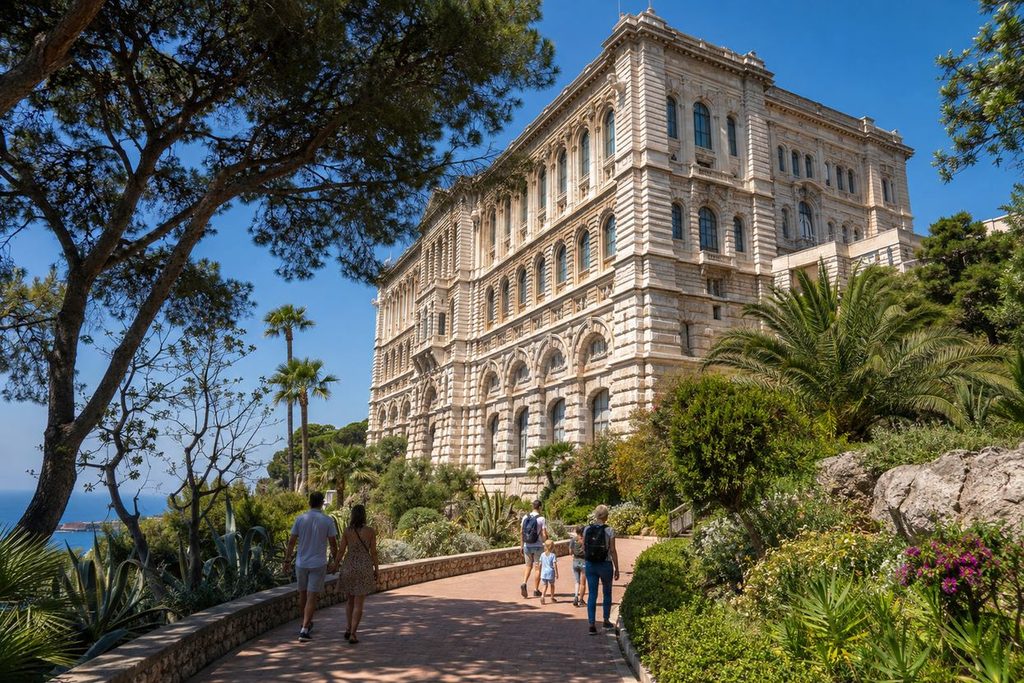
The Oceanographic Museum of Monaco rises from the cliff as if it negotiated private terms with gravity. Inaugurated in 1910 under oceanographer-sovereign Prince Albert I, and later directed by Jacques Cousteau, it is more than an aquarium with a grand staircase.
Begin downstairs among tropical fish, sharks, and sea turtles, then enter the natural-history galleries. Older displays show how science cataloged the ocean; newer exhibitions examine warming, pollution, and overfishing. Good museums should leave a pebble in your shoe.
Do not miss the rooftop terrace across Monaco-Ville and the coast. Midday sun is fierce, so take water and sunscreen. Families need extra time; children who call museums boring often reconsider when a shark passes overhead.
Adult admission is €22.50; combination tickets may reduce costs. Hours change seasonally, and the museum closes on December 25 and during the Formula One Grand Prix weekend. Check official hours and prices. Allow two hours, or three if you read rather than speed-walk.
My Tip: Arrive at opening or after 4:30 p.m. in summer. Buy directly from the official ticket office unless a guided product adds something you genuinely want.
Allow: Two to three hours.
FIND MONACO WALKING TOURS AND TICKETS ON GETYOURGUIDE
4. Meet Monte Carlo’s Most Famous Square Without Losing Your Shirt
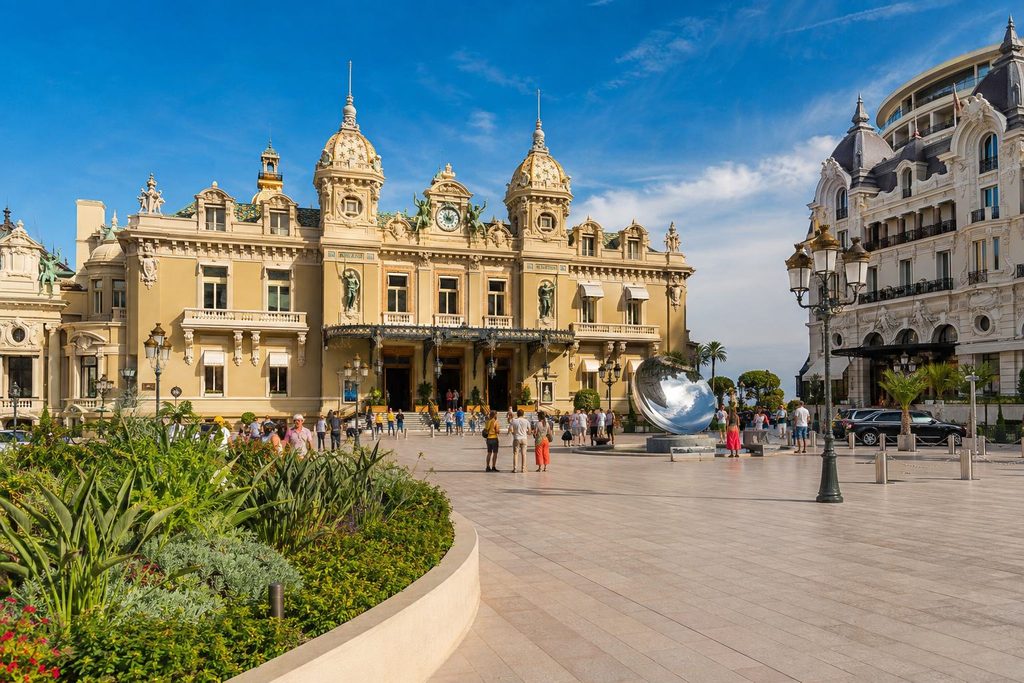
Visit Place du Casino, but do not feel obliged to gamble or order champagne. The square is theater: hotel guests, security staff, photographers, polished cars, and someone posing so long that everyone worries about circulation.
Study the Casino de Monte-Carlo, Hôtel de Paris, and Opéra de Monte-Carlo. Charles Garnier designed the casino and opera, and restraint was not his hobby. Inspect the public atrium before deciding whether the gaming rooms interest you.
Gaming rooms require age 18+, original valid ID, and €20 admission, currently including a €10 credit toward selected spending. Dress neatly; beachwear, flip-flops, sportswear, and distressed clothes are poor bets. Confirm current casino entry conditions.
If gambling is not your thing, return after dark. The casino glows, and the cars become more absurd. Photography is restricted in gaming spaces; do not photograph players. People losing money rarely request a commemorative portrait.
For a free elevated view, walk behind the casino toward terraces overlooking the sea and Fairmont Hairpin.
My Tip: Visit the square once in daylight and once after sunset. If you enter the gaming rooms, set a fixed entertainment limit before arriving and regard it as spent. Chasing losses is not a cultural activity.
Allow: 45 minutes outside; 90 minutes or more with the casino interior.
5. Trace the Monaco Grand Prix Circuit at Human Speed
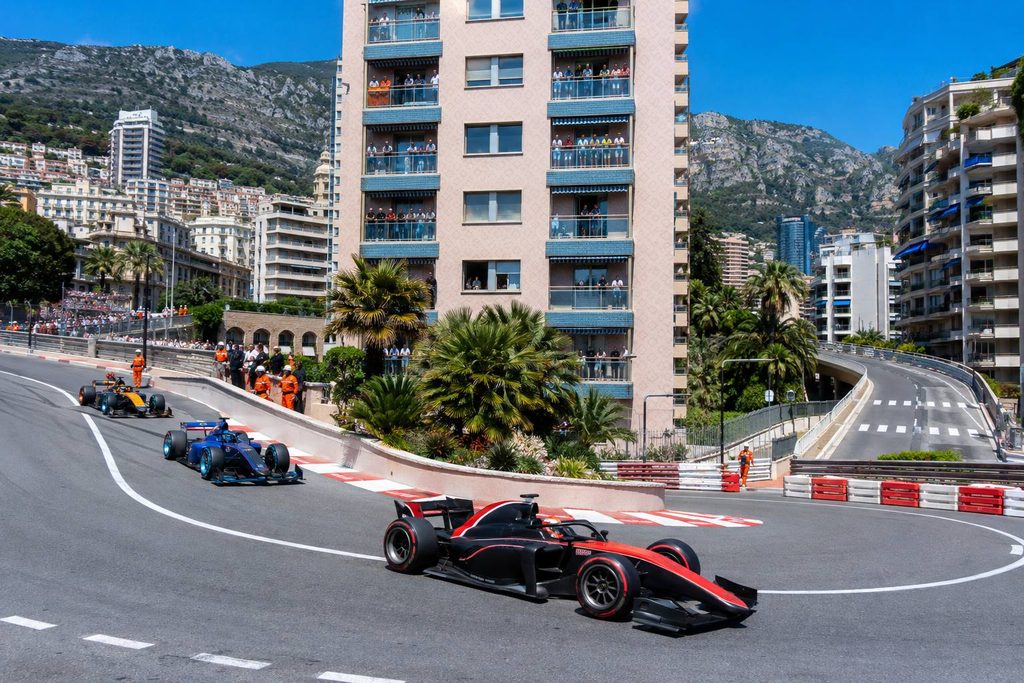
For most of the year, the Monaco Grand Prix circuit is ordinary street. I crossed it holding a squashed pastry. That setting makes a lap interesting: Formula One threads through a city never designed for aerodynamic monsters.
Start near Sainte-Dévote Chapel, climb toward Casino Square, descend past Mirabeau and the Fairmont Hairpin, pass through the tunnel, then follow the harbor to La Rascasse and Boulevard Albert I. The 3.3-kilometer circuit takes about two hours on foot.
Never enter traffic for a photograph. Guided walks help because almost nothing is labeled; a good guide explains braking points, accidents, strategy, and why drivers find the circuit unforgiving.
Beside Port Hercule, the Prince’s Car Collection displays roughly one hundred vehicles, from an early De Dion-Bouton to rally cars, Formula One machines, limousines, and the Lexus used for the 2011 royal wedding. Steering wheels eventually acquire enough buttons to launch a satellite.
Adult admission is €15. Hours are generally 10:00 a.m.–6:00 p.m., one hour later in July and August. Grand Prix weeks bring closures. Verify official car collection information.
My Tip: On a one-day visit, choose either the full circuit walk or the car collection. Doing both plus every major museum turns your holiday into an endurance event.
Allow: Two hours for the circuit; 60–90 minutes for the collection.
BOOK A MONACO FORMULA ONE WALKING TOUR
6. Eat Barbajuan at La Condamine Market, Preferably Over a Plate
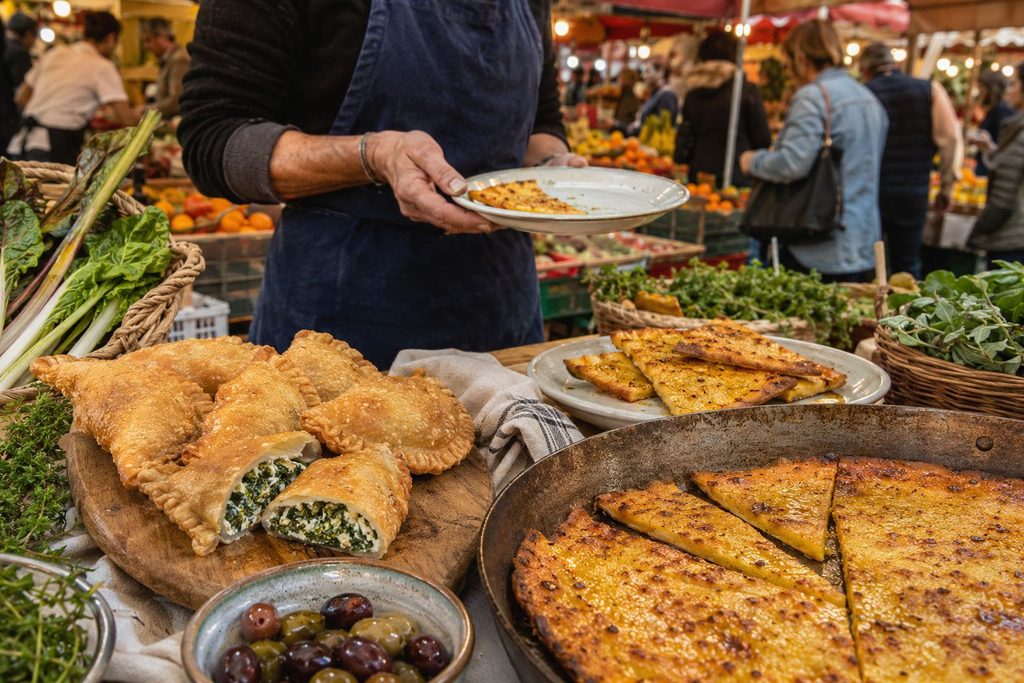
Monaco can make lunch look like a conversation with your banker. La Condamine Market corrects that impression. Its food hall and Place d’Armes serve residents, workers, schoolchildren, and travelers tired of staring at yachts.
Try barbajuan, a fried pastry traditionally filled with Swiss chard, ricotta, herbs, and sometimes rice. A good one is blistered and crisp, with a soft green center and salty edge. Eat first; litigate etymology later.
Also try socca, a thin chickpea pancake; pissaladière with onions, anchovies, and olives; and daily plates. Choose busy counters with posted prices. Lunch costs roughly €12–€25, depending on dessert discipline.
Come during the morning or lunch; some stalls close early. Sit among clattering plates, vendors greeting regulars, and coffee cups knocking against saucers.
Choose regional dishes, refuse unnecessary packaging, and carry a reusable bottle. Sustainability occasionally tastes like fried pastry. I can live with that.
My Tip: Order a few specialties to share, then buy fruit for later. Avoid calling barbajuan “Monaco’s samosa” within earshot of anyone who loves it.
Allow: One hour; longer if lunch becomes lunch.
7. Cross Port Hercule and Ride the Tiny Bateau Bus
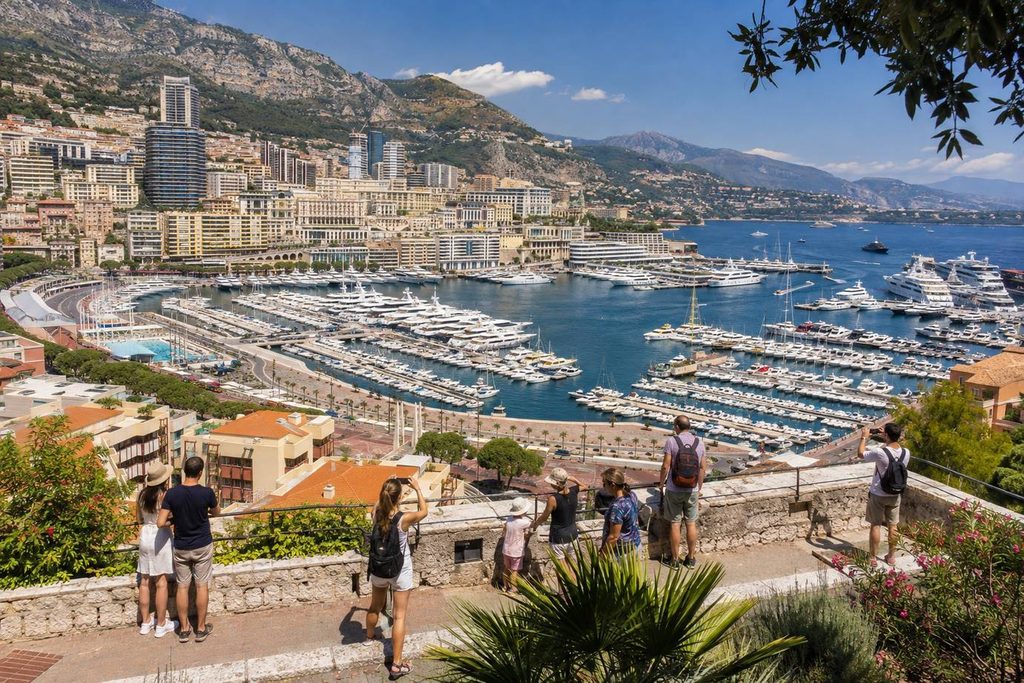
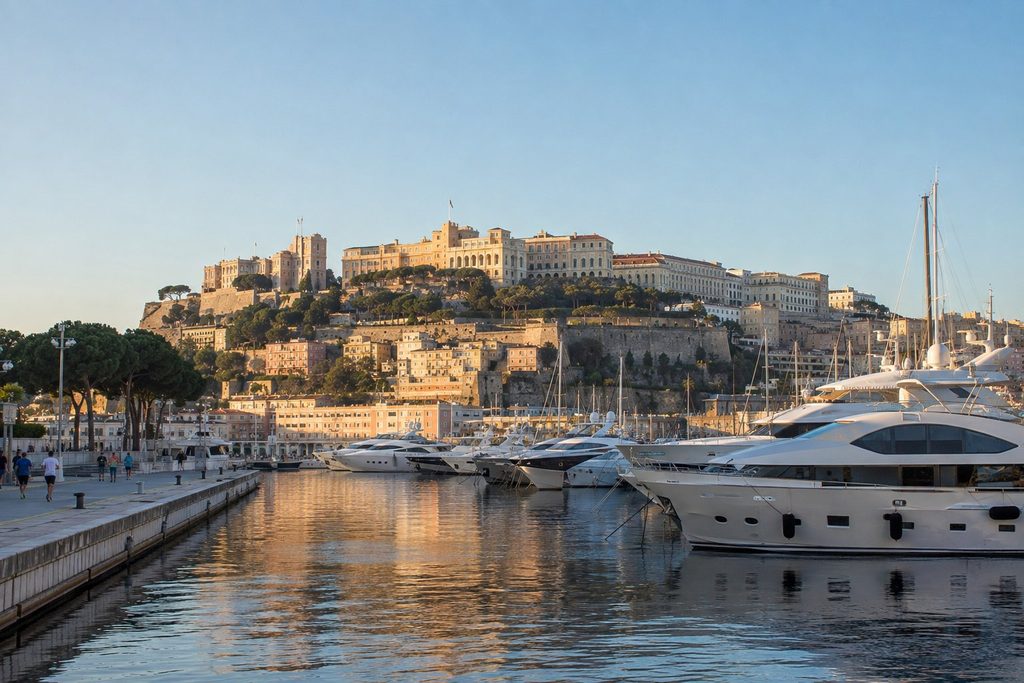
At Port Hercule, masts cross apartment blocks, ropes groan, and diesel mixes with salt air. Look beyond the largest yachts: fishing boats and practical tenders complete the harbor story.
Walk both quays, passing the Yacht Club de Monaco, swimming stadium, and any race grandstands. Come early during deliveries or at blue hour, when mast lights shake on the water.
The Bateau Bus, part of CAM, crosses the harbor. The ride is brief enough to make a goldfish question the itinerary, but provides a low view of Monaco-Ville and saves a long walk. Check CAM service; weather and events alter operations.
For a longer cruise, confirm departure point, accessibility, shade, group size, and cancellation terms. Some “Monaco cruises” leave Nice or Villefranche-sur-Mer. Geography has small print.
My Tip: Do the harbor walk after La Condamine Market, then cross by boat if service is running. During the Monaco Yacht Show or race setup, expect security barriers and rerouted paths.
Allow: 60–90 minutes.
COMPARE MONACO BOAT TOURS AND COASTAL CRUISES
8. Swim at Larvotto, Then Decompress in the Japanese Garden
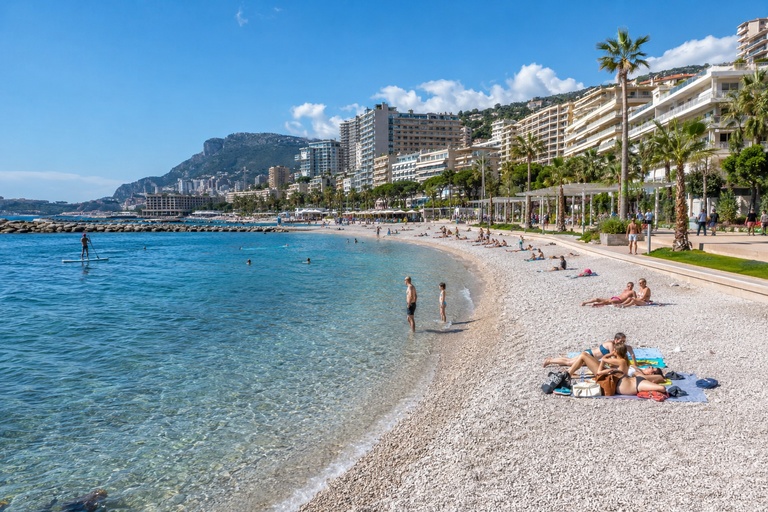
Larvotto Beach is where Monaco removes its jacket. Public sections are free, small fish patrol clear shallows, and the bay faces apartment towers. Pebbles make water shoes useful.
Arrive early in summer, when free space disappears quickly. Bring a towel, bottle, reef-conscious sunscreen, water shoes, and few valuables. Swim inside marked zones and follow lifeguard flags.
Afterward, enter the free Japanese Garden beside Avenue Princesse Grace. Architect Yasuo Beppu adapted Japanese principles to Mediterranean conditions. Water moves over stone, bamboo knocks softly, and clipped pines frame bridges.
Walk slowly, stay on paths, and avoid wandering into every photograph. Entry is free; check the official Japanese Garden page.
Larvotto brings sun, salt, chatter, and bare feet; the garden adds shade and composure. Together, they make an excellent free half-day.
My Tip: Swim before noon or late afternoon, never leave litter between pebbles, and use the bus if the return climb feels punishing. Heatstroke is not proof that you traveled deeply.
Allow: Two to four hours.
9. Inspect Cacti and Contemporary Art Above the Principality
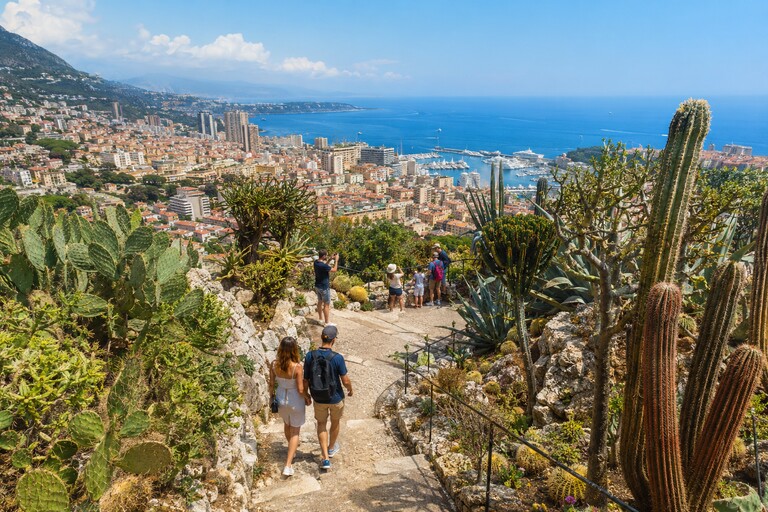
Above the port, the Exotic Garden of Monaco turns drought survival into sculpture. Succulents twist and swell along the cliff; some resemble chandeliers designed by a troubled botanist. The garden reopened in 2026, although old guides still call it closed.
Steep paths mean every downhill step must be repaid. Wear proper shoes, carry water, and ask about Observatory Cave access; it involves many steps and may use scheduled departures. Check accessible garden sections directly.
The Oceanographic Museum advertises a €33 adult combination ticket with the garden, but confirm validity. Use the official Exotic Garden website, not an old post preserved like a mosquito in amber.
Nearby Villa Paloma, part of NMNM, hosts changing art exhibitions in a Belle Époque villa. Admission is €6, Sundays are free, and Villa Sauber is closed for renovation. Check official NMNM details.
Together, plants and contemporary art reveal more than dynastic history and luxury retail.
My Tip: Take a bus uphill, then walk down. Gravity is free, reliable, and not subject to surge pricing.
Allow: Two to three hours for the garden; one hour for Villa Paloma.
10. End Among Roses, Sea Walls, and the Quieter Side of Fontvieille
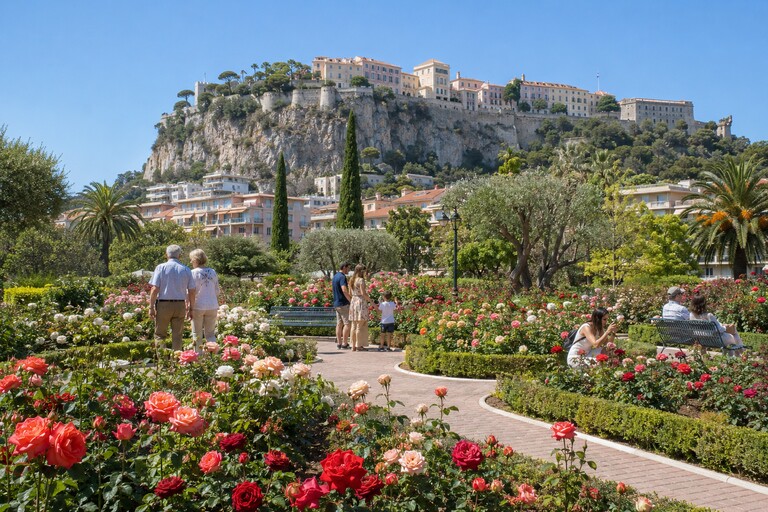
Built on reclaimed land, Fontvieille feels different from ornate Monte Carlo: broader streets, a smaller harbor, office workers on benches, and dogs confident in their postal codes.
The Princess Grace Rose Garden contains thousands of bushes and over four hundred varieties. Peak flowering comes in late spring, but access is free around the clock. Some roses smell peppery or citrusy; others signed non-disclosure agreements.
Continue through Fontvieille Park toward the harbor and Stade Louis II. Combine the area with the Prince’s Car Collection or walk beneath Le Rocher, especially late in the day.
After gold ceilings and supercars, a bench among roses restores human proportions. Read official garden information before visiting during maintenance or events.
My Tip: Bring a market snack, keep food away from planted beds, and leave enough time to sit. The final hour of a good itinerary should not resemble boarding at a budget airline gate.
Allow: One to two hours.
How Much Does a Trip to Monaco Cost?
Monaco is expensive, but visiting does not have to be. These daily planning ranges assume shared accommodation where relevant. Event dates can multiply hotel rates, so price your actual dates.
| Expense | Budget-minded | Comfortable | Luxury |
|---|---|---|---|
| Accommodation share | €70–€140 outside Monaco | €150–€300 | €450+ |
| Food and coffee | €35–€55 | €70–€130 | €200+ |
| Local transport | €0–€5.50 | €5.50–€25 | €60+ |
| Attractions | €0–€30 | €35–€70 | €100+ |
| Estimated total | €105–€230 | €260–€525 | €810+ |
Essential prices to expect include €1.50 for a contactless bus ride, €5.50 for the daily bus cap, roughly €2–€4 for an espresso, €2–€5 for a bakery item, €12–€25 for a market lunch, €25–€50 for a casual restaurant meal, and considerably more at celebrated dining rooms. Tap water is safe to drink; ask for une carafe d’eau in restaurants when you want table water rather than a paid bottle.
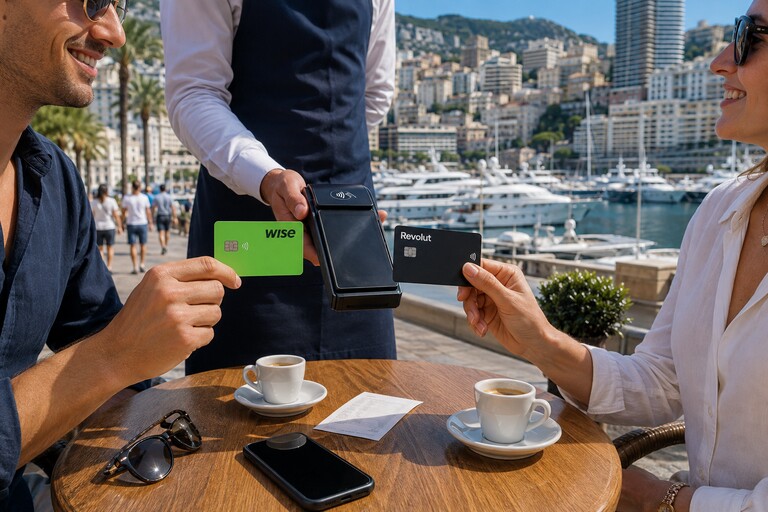
Use Wise or Revolut to review exchange rates and card terms. Compare weekend markups, ATM limits, plans, and your bank’s foreign-transaction fee. Choose euro billing when offered; dynamic currency conversion often hides an unattractive rate behind helpful language.
CHECK WISE FOR INTERNATIONAL TRAVEL SPENDING
EXPLORE REVOLUT TRAVEL FEATURES
Getting to Monaco Without Arriving by Superyacht
From Nice Airport
Nice Côte d’Azur Airport is the main gateway. Direct Xpress line 80 is luggage-friendly, but traffic can lengthen the ride. Check Nice Airport transport or Nice Airport Xpress.
For rail, connect to Nice Saint-Augustin Station, then take a regional train to Monaco–Monte-Carlo. From Nice-Ville, trains usually take 20–25 minutes. Search fares on SNCF Connect and check disruptions.
A private transfer costs more but can be sensible after a late flight, with children, or with several suitcases. Confirm the total price, flight monitoring, waiting time, vehicle size, child seats, and exact hotel entrance before payment.
By Train From the Riviera
Regional trains connect Monaco with Nice, Menton, Cannes, and Italian border towns. They are usually the best combination of speed, price, and lower environmental impact. The station is tunneled into the rock and has several exits. Read the signs before committing. Parvis Sainte-Dévote suits the harbor; Monaco-Ville/Le Rocher helps with the old town; other exits serve upper Monte Carlo.
This is where I met the baguette man twice. Learn from my scenic incompetence.
By Car
Driving is useful only if Monaco forms part of a longer itinerary through Èze, La Turbie, Menton, or inland villages. Roads are narrow, garages are layered underground, and event closures are common. Compare the full rental price, deposit, mileage, cross-border rules, fuel policy, insurance excess, and parking.
My Tip: Do not rent a car solely for Monaco. Arrive by train, use your feet, buses, and elevators, then collect a rental when leaving for places poorly served by transit.
Getting Around Monaco: The Elevator Is Public Transport
Distances are short; gradients are not. Monaco lists 79 public elevators, 35 escalators, and 8 moving walkways, often hidden in garages or tunnels. Save the official pedestrian mobility information. Mapping apps choose stairs with the indifference of software possessing no knees.
Local CAM buses cover the principality. A contactless bank-card tap or Monapass ticket costs €1.50, transfers are permitted within the stated window, and contactless spending is capped at €5.50 per operating day. A paper ticket bought onboard costs €2. Verify current fares and service changes on the official CAM fare page, especially during races and street closures.
Accessibility varies. Modern buses, the train station, many public lifts, the Oceanographic Museum, and broad promenades offer step-free routes. Historic Monaco-Ville includes cobbles and inclines, while the Prince’s Palace State Apartments are not wheelchair accessible because of stairs. Contact attractions directly rather than assuming a map’s short route is an easy one.
Where to Stay in Monaco and Nearby
Stay in Monte Carlo if you want the casino, shopping, and evening polish outside your door. Choose La Condamine for the market, port, transport, and a more practical rhythm. Larvotto suits beach time, while Fontvieille is quieter and convenient for the western attractions.
If prices cause involuntary laughter, look across the border. Beausoleil begins uphill from Monte Carlo, sometimes one serious staircase away. Cap-d’Ail suits coastal walks, Menton slower evenings, and Nice offers the most rooms and trains.
Before booking, inspect elevation and recent reviews for noise, air-conditioning, elevators, and check-in. Choose refundable terms early for events. Saving €20 on a cliffside room can mean spending €35 daily on taxis.
FIND YOUR MONACO OR FRENCH RIVIERA STAY ON BOOKING.COM
A Monaco Itinerary That Respects the Human Body
Monaco in One Day
- 8:30 a.m.: Arrive and climb to Monaco-Ville before tour groups.
- 9:00 a.m.: Explore old-town lanes, the cathedral, and Saint-Martin Gardens.
- 10:00 a.m.: Tour the Prince’s Palace State Apartments when open.
- 11:35 a.m.: Take a place for the 11:55 a.m. Changing of the Guard.
- 12:20 p.m.: Descend to La Condamine Market for lunch.
- 1:45 p.m.: Walk Port Hercule or ride the Bateau Bus.
- 3:00 p.m.: Follow part of the Grand Prix circuit toward Casino Square.
- 4:30 p.m.: Visit the casino public areas and surrounding terraces.
- 6:00 p.m.: Continue to the Japanese Garden and Larvotto.
- 7:30 p.m.: Eat somewhere you chose deliberately, not merely because exhaustion found a chair.
If the Oceanographic Museum is your priority, visit at opening, move to the palace exterior afterward, and skip the circuit or beach. You cannot properly see every major attraction in one day.
Two Days in Monaco
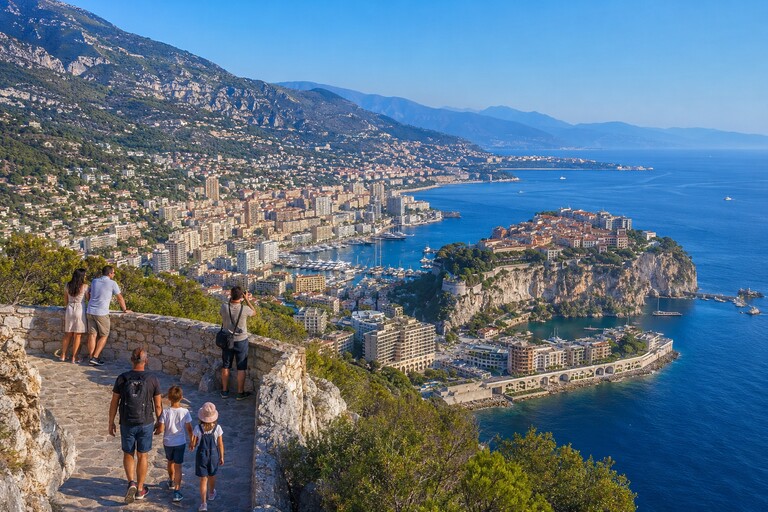
On Day One, concentrate on Le Rocher, the palace, cathedral, gardens, museum, and La Condamine. On Day Two, visit Villa Paloma or the Exotic Garden, then explore Port Hercule, the car collection, casino district, Japanese Garden, and Larvotto. Finish in Fontvieille if your energy remains friendly.
A guided tour can add historical and racing context, particularly on a short visit. Compare route length, entrance inclusions, group size, language, and cancellation conditions. “See the palace” may mean seeing its facade; verbs in tour listings deserve cross-examination.
COMPARE THE BEST MONACO TOURS ON GETYOURGUIDE
Best Time to Visit Monaco
April through June offers warm days, blooming gardens, and seasonal palace access. September and October bring comfortable temperatures and warm sea, although the Monaco Yacht Show raises demand in late September. July and August are hot, crowded, and expensive, but swimming and long evenings are excellent. Winter is mild and calmer; however, the palace interior is closed, and some businesses reduce hours.
The Monaco Grand Prix changes everything. Roads close, grandstands block views, pedestrian routes shift, attractions may close, and accommodation prices perform acts normally associated with rockets. Go then because you love Formula One, not because you unknowingly selected the wrong weekend. The historic race and electric race can also disrupt access.
Check Monaco’s official events calendar before booking. Conference dates at the Grimaldi Forum, tennis events, festivals, and yacht gatherings can affect availability even when no race car is present.
Sustainable Monaco Travel That Goes Beyond Reusing a Towel
The principality’s density makes lower-impact choices unusually practical. Arrive by train instead of driving, use CAM buses, cross the harbor by Bateau Bus, and take public elevators rather than a taxi for every hill. Carry a refillable bottle and refuse daily hotel linen changes when unnecessary.
At the beach, use reef-conscious sunscreen, keep distance from marine life, and take every scrap of waste away. Do not feed fish. At gardens, remain on paths; cactus collections do not need initials scratched into them. At churches and memorial sites, quiet behavior is part of cultural sustainability because residents are not scenery.
Spend with smaller bakeries, market counters, and independent restaurants as well as headline institutions. Travel outside peak event periods, stay longer than a few hours, and distribute visits across Fontvieille, La Condamine, and upper districts. Crowding is not only an environmental problem; it reduces Monaco to a narrow corridor between palace and casino.
Frequently Asked Questions About Visiting Monaco
Is Monaco a city or a country?
Monaco is an independent city-state bordered by France. Monte Carlo is one district, not the capital. Calling the whole country Monte Carlo erases its other neighborhoods.
Can you visit Monaco on a budget?
Yes. Arrive by regional train, walk and use public elevators, eat at La Condamine Market, swim at Larvotto, and prioritize free gardens, the cathedral, harbor, and palace square. A rewarding day can exclude casino gaming and luxury dining entirely.
Is one day enough for Monaco?
One day covers the palace area, old town, port, casino square, and one major museum or beach stop. Two days is better if you want both cultural attractions and unhurried meals. Monaco in one day is feasible; Monaco in six frantic hours is mostly a collection of timestamps.
Do I need my passport to visit Monaco?
Border controls are generally integrated with surrounding France, but carry valid identification and check entry rules for your nationality. The Casino de Monte-Carlo requires original valid identification for gaming-room entry. A phone photograph may not satisfy staff.
Is Monaco suitable for families?
Yes. The Oceanographic Museum, beach, gardens, boats, and car collection work well for families. Hills, heat, crowds, and formal spaces require planning. Use buses and elevators, add snack stops, and avoid expecting children to appreciate three consecutive gilded ceilings.
Can you enter the Monte Carlo Casino without gambling?
You can access public areas without placing a bet, while the gaming rooms require adult admission, valid ID, an entry fee, and suitable clothing. Rules can change, so check the casino’s official entry page on the day.
What should I wear in Monaco?
Comfortable walking shoes and weather-appropriate clothes work for daytime. Carry a layer for evenings and something that covers shoulders for churches. For casino gaming rooms and upscale restaurants, choose neat attire and verify the venue’s dress code. You do not need to dress like inherited wealth; clean shoes perform miracles.
Is Monaco walkable?
Distances are short, but slopes are real. Free elevators, escalators, moving walkways, and buses make the country manageable. Plan routes by elevation and accessible connections, not merely kilometers.
What food should I try in Monaco?
Begin with barbajuan, then look for socca, pissaladière, seafood, Provençal vegetables, and Italian-influenced pasta. The local table reflects a borderland where Ligurian and southern French flavors have been borrowing from each other for centuries.
The Part Where Monaco Stops Showing Off
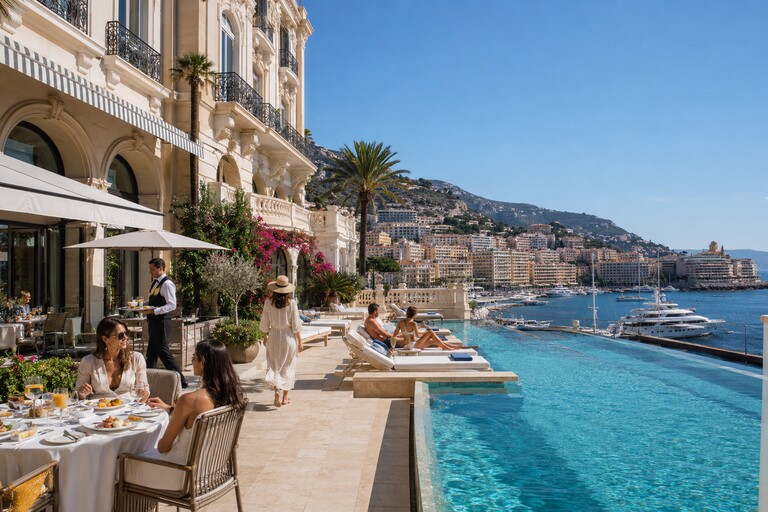
Monaco’s reputation arrives before you do. It says casino, tax haven, royal family, Grand Prix, yacht. All true, or true enough. Yet those labels explain the place as poorly as a hotel bill explains a holiday. The country becomes interesting in the seams: market traders feeding office workers, gardeners clipping pines beside traffic, commuters disappearing into elevators, swimmers rinsing salt from their hair beneath apartment towers, and palace guards stepping into formation at precisely 11:55.
My best advice is to stay long enough for the performance to loosen. See the Prince’s Palace, certainly, and walk through Casino Square after dark. Then eat a blistered barbajuan over a plate, ride the absurdly short harbor boat, sit in the Saint-Martin Gardens, and let one expensive car pass without photographing it. Choose one paid attraction you genuinely care about and give it time. A full calendar is not proof of a well-planned trip.
Book early for major events, verify every tour inclusion, and arrange airport transport before arrival. Those small decisions protect both your budget and the unhurried Monaco experience this guide is designed to create.
If this guide helped you plan the best things to do in Monaco, save it for your trip and share it with the person most likely to lead you into the wrong station elevator. Then subscribe to A Tiny Traveler for more honest city guides, realistic budgets, useful mistakes, and itineraries built for people who occasionally need lunch. Follow A Tiny Traveler on Pinterest for upcoming travel ideas, planning tips, and visual guides you can keep on your boards.
Monaco will still be polishing the marble when you return. With luck, I will be downstairs, following the baguette.
Frank


