

Discover the 10 best day trips from Tokyo, with 2026 train fares, realistic budgets, exact itineraries, food tips and honest advice for choosing the right escape.
At 6:41 a.m., a ticket gate in Shinjuku Station rejected my phone with the sharp electronic scold normally reserved for minor criminals. My train was leaving in four minutes. A queue formed behind me. Somewhere beyond the barriers, Hakone waited with sulfurous steam, black eggs and a lake that looked suspiciously calm for a place reached through the largest railway station on Earth. I did what any experienced traveler would do: moved aside, pretended this had been my plan, and asked for help.
That tiny humiliation taught me the central rule of taking day trips from Tokyo: the destination is rarely difficult; the launch is. Tokyo connects to temple towns, volcanic valleys, beaches, mountain trails, port cities and hot springs with almost indecent efficiency. Yet the system offers so many railways, passes and reserved-seat options that a simple outing can begin to resemble tax preparation. Choose the right station and ticket, though, and breakfast in Shinjuku can become lunch beside Lake Ashi or under the carved gates of Nikko.
I have written this guide for independent travelers, couples, families and solo visitors who want more than a list of attractive place names. You will find realistic 2026 costs, door-to-door travel logic, food worth seeking, routes that fit into daylight and honest warnings about days that are technically possible but emotionally ridiculous. My key highlight is Kamakura and Enoshima: history, sea air and enough good snacks to turn careful budgeting into folklore.
You do not need to leave Tokyo every second morning. The city deserves time. But one or two well-chosen escapes change the shape of a trip, giving you cedar forests, temple bells, fishing boats and the slightly smug pleasure of returning to the capital after rush hour. Let us pick the right one before another ticket gate starts shouting.
The Fast Answer: Which Tokyo Day Trip Fits You?

Prices below are typical adult costs checked in August 2026, including return transport, a modest lunch and the main paid sights. Shopping and premium meals are extra.
| Day trip | Best for | Travel time each way | Typical day budget | Effort |
|---|---|---|---|---|
| Kamakura and Enoshima | First-time visitors, temples and coast | 60-75 minutes | ¥4,000-¥8,000 | Easy |
| Hakone | Hot springs, art and mountain transport | 85-110 minutes | ¥9,000-¥15,000 | Moderate |
| Nikko | Major shrines and cedar forest | About 2 hours | ¥7,000-¥13,000 | Long day |
| Lake Kawaguchiko | Mount Fuji views and photography | About 2 hours | ¥8,000-¥14,000 | Weather-dependent |
| Yokohama | Food, waterfront and an easy late start | 25-40 minutes | ¥3,500-¥8,000 | Very easy |
| Kawagoe | Edo-period streets and snacks | 30-60 minutes | ¥3,000-¥6,000 | Easy |
| Mount Takao | Hiking without complicated logistics | About 50 minutes | ¥3,000-¥6,000 | Active |
| Chichibu and Nagatoro | River scenery and rural rail travel | 80-110 minutes | ¥6,000-¥11,000 | Moderate |
| Sawara | Canals, old merchant houses and fewer crowds | 85-120 minutes | ¥5,000-¥9,000 | Easy but slower |
| Atami | Hot springs, sea and art | 35-110 minutes | ¥7,000-¥16,000 | Easy, variable cost |
If you have only one spare day, start with three questions: Is the sky clear? Do you want history, nature or food? How early will you honestly leave? Clear skies favor Kawaguchiko; uncertain weather favors Kamakura, Yokohama or Atami. History points toward Nikko, Kamakura or Kawagoe. Active travelers should choose Takao or Chichibu. Travelers who dislike transfers should pick Yokohama. This small filter is more useful than copying another person’s ranking, because the finest itinerary is the one that survives your forecast, pace and appetite.
My Tip: Choose by weather and energy, not ranking. On a clear winter morning, go to Lake Kawaguchiko. In rain, choose Yokohama or Atami. After three 20,000-step days in Tokyo, nobody needs a heroic hike.
Before You Run for the Train: Costs, Tickets and a Sensible Tokyo Base
What does a Tokyo day trip really cost?
A budget traveler can spend ¥4,000-¥7,000 on an easy outing such as Kawagoe, Yokohama or Mount Takao, including transport and simple food. A mid-range day in Kamakura, Nikko or Chichibu usually lands around ¥7,000-¥12,000. Hakone, Lake Kawaguchiko and Atami can reach ¥12,000-¥18,000 once you add reserved trains, multiple attractions, hot springs or a guided tour.
Useful price anchors include:
- Convenience-store breakfast and drink: ¥550-¥1,100
- Ramen, soba or curry lunch: ¥900-¥1,800
- Set lunch in a tourist area: ¥1,500-¥3,000
- Temple or museum admission: usually ¥300-¥2,000
- Local bus ride: commonly ¥200-¥500
For a full Tokyo daily budget, allow ¥10,000-¥17,000 per person with a hostel, ¥20,000-¥35,000 with a comfortable hotel, and ¥40,000 or more upscale. Cherry blossom season, autumn weekends, and Japanese holidays cost more.
FIND A WELL-CONNECTED TOKYO HOTEL ON BOOKING.COM →
Search near Shinjuku for western trips, Asakusa for Nikko, or Tokyo Station for southern and eastern routes. A hotel adding 50 minutes every morning is not truly cheaper.
The ticket rule that prevents platform panic
Use Suica or PASMO for ordinary trains, buses and small purchases. A standard Suica starts at ¥1,000, including a ¥500 deposit and usable balance; eligible iPhone users can use Welcome Suica Mobile. IC cards do not include reserved-seat or limited-express surcharges.
Reserve the Fuji Excursion, Romancecar, SPACIA X and Laview once your date is firm, especially on weekends. For ordinary suburban routes, tap in and go.
COMPARE JAPAN TRAINS, HOTELS AND DAY TOURS ON TRIP.COM →
Compare times before leaving home. A base fare and a limited-express seat can be separate products.
Connectivity, cash and the unromantic essentials
Download offline maps, save your return train and carry ¥5,000-¥10,000 in cash. Rural buses, temples and family shops may not take cards. When offered conversion, pay in Japanese yen.
GET A JAPAN eSIM THROUGH TRIP.COM →
Activate it before your first day trip for live platform changes, schedules and translation.
Compare current exchange and ATM limits. Keep another card plus cash separately; one wallet should not control the holiday.
1. Kamakura and Enoshima: My Best All-Round Day Trip from Tokyo

Best for: first-time visitors, solo travelers, couples, temple lovers and people who believe lunch tastes better near salt water.
Allow: 10-12 hours.
Budget: ¥4,000-¥8,000.
If you take only one trip, make it Kamakura and Enoshima. Kamakura was Japan’s political center under the samurai government, yet wooden houses, bamboo paths and the garden-skimming Enoden keep history agreeably alive.
From Shinjuku, the Enoshima-Kamakura Freepass costs ¥1,640 and includes a return trip to Fujisawa plus unlimited rides on the Enoden and the relevant local Odakyu section. From Tokyo Station, the direct JR Yokosuka Line is faster for central Kamakura, but separate fares may suit your plan better.
Start at Kita-Kamakura around 8:00 a.m. Visit Engaku-ji and Tsurugaoka Hachimangu before Komachi-dori fills. After lunch, ride to Hase. Hasedera costs ¥400; the Great Buddha at Kotoku-in costs ¥300, plus ¥50 to enter the hollow figure.
Continue to Enoshima for late afternoon. Cross the bridge, climb past seafood grills and visit the shrines. On clear days, Mount Fuji appears offshore. I once bought a warm octopus cracker larger than my head; one bite distributed it across my shirt, the pavement and several opportunistic pigeons. Dignity is temporary.
Eat shirasu-don, curry bread or purple sweet-potato soft serve. Fresh whitebait is seasonal; accept the cooked version when the sea has other plans.
My Tip: Do the route north to south and finish by the coast. Reversing it puts you in Kamakura’s busiest streets at their busiest hour.
BOOK A KAMAKURA AND ENOSHIMA TOUR WITH GETYOURGUIDE
A small-group guide is useful if you want the history behind the gates rather than ten more photos of gates whose names you forgot.
2. Hakone: The Day Trip That Uses Nearly Every Form of Transport

Best for: hot-spring seekers, art lovers, couples and families who enjoy trains as part of the attraction.
Allow: 11-13 hours.
Budget: ¥9,000-¥15,000.
Hakone is a mountain circuit of trains, switchback railway, cable car, ropeway, bus and pirate-style boat. It sounds ridiculous until you cross Lake Ashi beneath the steam of Owakudani.
The two-day Hakone Freepass from Shinjuku costs ¥7,100, covering the return base fare and eight local transport systems. The reserved Romancecar adds ¥1,200 each way to Hakone-Yumoto and is not included.
Catch an early train and run the classic loop clockwise: Hakone-Yumoto, Gora, Sounzan, Owakudani, Togendai, Lake Ashi, Hakone-machi and bus back to Hakone-Yumoto. At Owakudani, buy a black egg boiled in sulfurous spring water. It tastes like an egg. This is not criticism; it is a useful intervention against a very excitable marketing department.
Choose one major extra. The Hakone Open-Air Museum opens 9:00 a.m.-5:00 p.m. and costs ¥2,000, or ¥1,900 with the pass. Allow 90 minutes. Alternatively, visit Hakone Shrine and a day-use onsen. Doing everything creates a day measured in closing doors.
My Tip: Check the official Hakone Navi status page before departure. Wind, volcanic conditions, maintenance or heavy rain can stop the ropeway or boats. The area remains visitable, but your loop becomes a creative writing exercise.
COMPARE HAKONE DAY TOURS ON GETYOURGUIDE
Choose a tour if you prefer hotel pickup or want to combine Hakone with Mount Fuji without negotiating six connections. Read the itinerary carefully; many combination tours spend limited time in each place.
3. Nikko: Gold, Cedar and a Very Early Alarm

Best for: shrine architecture, history, forest walks and travelers willing to exchange sleep for substance.
Allow: 12-14 hours.
Budget: ¥7,000-¥13,000.
Nikko holds the mausoleum of Tokugawa Ieyasu, founder of the Tokugawa shogunate. Toshogu Shrine is carved, lacquered and gilded as though minimalism was asked to wait outside; enormous cedars restore the balance.
From Asakusa, the foreign-visitor Nikko Pass World Heritage Area costs ¥3,000 and is valid for two days. It covers the base return journey on Tobu Railway and local transport in the heritage area, but not the limited-express surcharge. Add a reserved SPACIA X or Revaty seat for a quicker, calmer ride. The broader Nikko Pass All Area costs ¥8,000 and makes more sense for an overnight trip including Lake Chuzenji and Kegon Falls.
Arrive by 9:00 a.m., see Shinkyo Bridge, then Rinno-ji, Toshogu Shrine and Futarasan Shrine. Toshogu costs ¥1,600; Sanbutsudo costs ¥500. The famous sleeping cat is tiny, while meeting the original three monkeys feels like seeing old friends who became merchandise.
Eat yuba, the delicate skin lifted from heated soy milk. In Nikko, it appears in soups, rice dishes, dumplings and desserts. Its gentle flavor suits the cold mountain air, particularly after the return train has turned your breakfast into ancient history.
Adding Kegon Falls can hollow out the heritage visit through bus time and traffic. Attempt it only with an early limited express and precise timetable; better still, stay overnight.
My Tip: Nikko is several degrees cooler than Tokyo. Bring a layer, and wear shoes that tolerate wet stone. Cedar shade keeps paths damp long after rain.
SEE NIKKO GUIDED DAY TRIPS ON GETYOURGUIDE
A guide adds real value here: religious symbols, shogunate politics and tiny carvings are easy to miss when you are merely following the next umbrella.
4. Lake Kawaguchiko: A Mount Fuji Day Trip with a Weather Clause

Best for: photographers, couples and first-time visitors whose main goal is a close view of Mount Fuji.
Allow: 11-13 hours.
Budget: ¥8,000-¥14,000.
The mountain decides whether this day works. Mount Fuji can hide for hours while every postcard insists it is there. Choose the clearest forecast, preferably in cooler months, and arrive early.
The reserved Fuji Excursion from Shinjuku takes about two hours and costs ¥4,200 one way. Seats sell out. Buses are cheaper but vulnerable to traffic. Alternatively, take JR to Otsuki and change to Fujikyu Railway.
Ride the Mount Fuji Panoramic Ropeway before queues swell, then reach the north shore and Oishi Park. If time permits, visit Kubota Itchiku Art Museum or cycle the lakeshore instead of collecting rushed bus stops.
Do not make both Chureito Pagoda and the full lake circuit compulsory. Chureito requires a Shimoyoshida stop and hundreds of steps; attempt both only if trains align and your calves agree.
Lunch can be hoto, thick wheat noodles simmered with pumpkin and vegetables in miso broth. The noodles have a satisfying chew; the soup arrives hot enough to fog glasses and repair morale in winter.
My Tip: Check a live Mount Fuji webcam before boarding. A prepaid tour cannot negotiate with the cloud. If the forecast is poor, swap this day with Yokohama or Kawagoe.
BOOK A MOUNT FUJI DAY TOUR WITH GETYOURGUIDE
Tours simplify the transport and often combine Oishi Park, Oshino Hakkai and a viewpoint. Choose a refundable option when possible, and check whether the itinerary substitutes stops in bad weather.
5. Yokohama: The Best Day Trip When You Want to Leave Tokyo Gently

Best for: families, food lovers, rainy days, and anyone who started the morning late.
Allow: 7-10 hours.
Budget: ¥3,500-¥8,000.
Only 25-40 minutes away, Yokohama has a working port, broad promenades, brick warehouses and Japan’s largest Chinatown. It feels as if somebody finally found the horizontal setting.
Start at Motomachi-Chukagai Station. Walk through Yamashita Park, inspect the ocean liner Hikawa Maru, then enter Yokohama Chinatown before lunch queues reach full opera. Order several small things: crisp-bottomed shengjianbao, pork buns, sesame dumplings and a bowl of noodles. Follow the waterfront past Osanbashi Pier to the Red Brick Warehouse and Minato Mirai.
Families should reserve a Cup Noodles Museum workshop; timed activities fill. Adults may prefer Sankeien Garden or the waterfront after dark.
The Yokohama-Minatomirai Pass costs ¥560 and covers unlimited rides in the specified JR and Minatomirai area. It helps only if you plan several hops; walking is half the pleasure.
My Tip: Stay through blue hour. Yokohama after dark looks expensive even when your day was not.
6. Kawagoe: Old Warehouses, Sweet Potatoes and a Clock That Rarely Performs on Demand

Best for: budget travelers, street photography, history and an easy half or full day.
Allow: 6-9 hours.
Budget: ¥3,000-¥6,000.
Kawagoe is marketed as Little Edo, a phrase supported by black-plastered warehouses along Kurazukuri Street, surviving temple rooms and neighborhood shops.
The fastest Tobu Tojo Line trains reach Kawagoe Station from Ikebukuro in about 30 minutes. The Kawagoe Discount Pass Premium costs ¥1,200 after the April 2026 revision and includes the discounted return plus specified local bus travel. Walk if the weather is kind; the main sights are spread just enough to justify every sweet snack.
Begin at Kitain Temple, where ¥400 admits you to surviving rooms transferred from Edo Castle and the wonderfully varied 500 Rakan statues. Continue to Kawagoe Hikawa Shrine, then follow the old streets toward Toki no Kane, the wooden bell tower. Finish in Kashiya Yokocho, the candy alley.
Sweet potato appears as chips, cakes, buns, beer, and soft serve. Some suggest a committee lost the ability to say no. Try the warm pie first.
My Tip: Visit on a weekday morning. On weekends, the warehouse street can feel like Tokyo followed you there.
7. Mount Takao: A Proper Hike Reached by Commuter Train
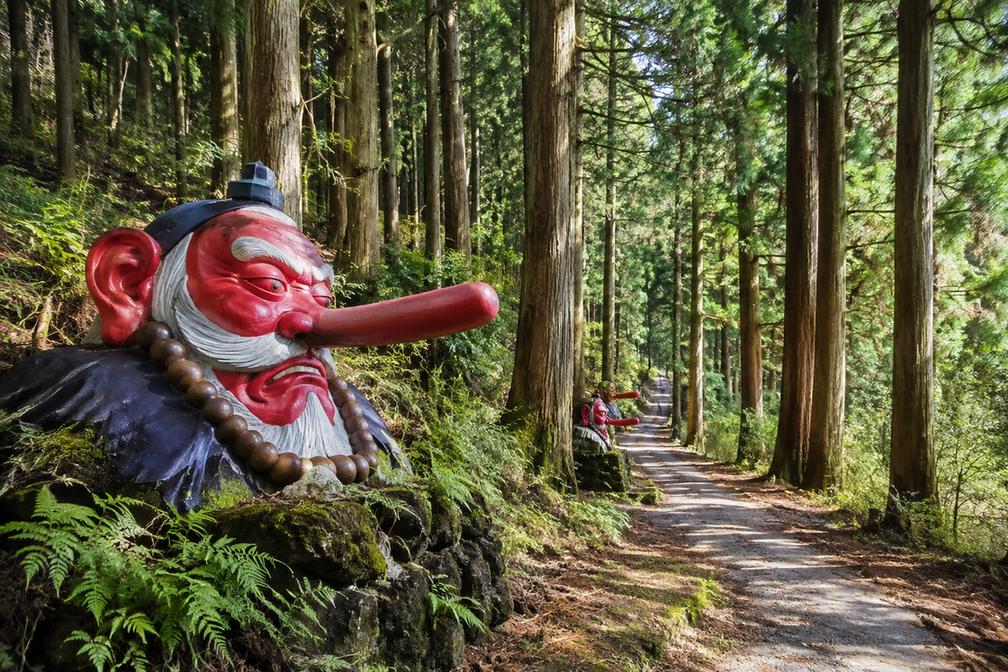
Best for: hikers, active families, solo travelers and autumn color.
Allow: 6-9 hours.
Budget: ¥3,000-¥6,000.
Mount Takao lies within metropolitan Tokyo, though cedar roots and damp leaves disagree. The Keio Line reaches Takaosanguchi from Shinjuku in about 50 minutes, commuters gradually replaced by people wearing better socks.
Choose honestly. Trail 1 is paved, steep and passes Yakuo-in Temple. Streamside Trail 6 is muddier. The six-minute cable car costs ¥490 one way or ¥950 return in early 2026. The similarly priced chairlift provides weather and no seat belt.
From the upper station, allow at least an hour to reach the summit via the temple. Eat tororo soba, noodles topped with grated mountain yam. The texture is slippery and faintly strange; that is part of the contract. Back at the base, TAKAO 599 Museum is free and useful before or after the walk.
My Tip: Avoid peak autumn weekends unless you enjoy hiking in a polite queue. Carry water, bring a light layer and leave the trail before dark.
8. Chichibu and Nagatoro: Rural Japan Without Renting a Car
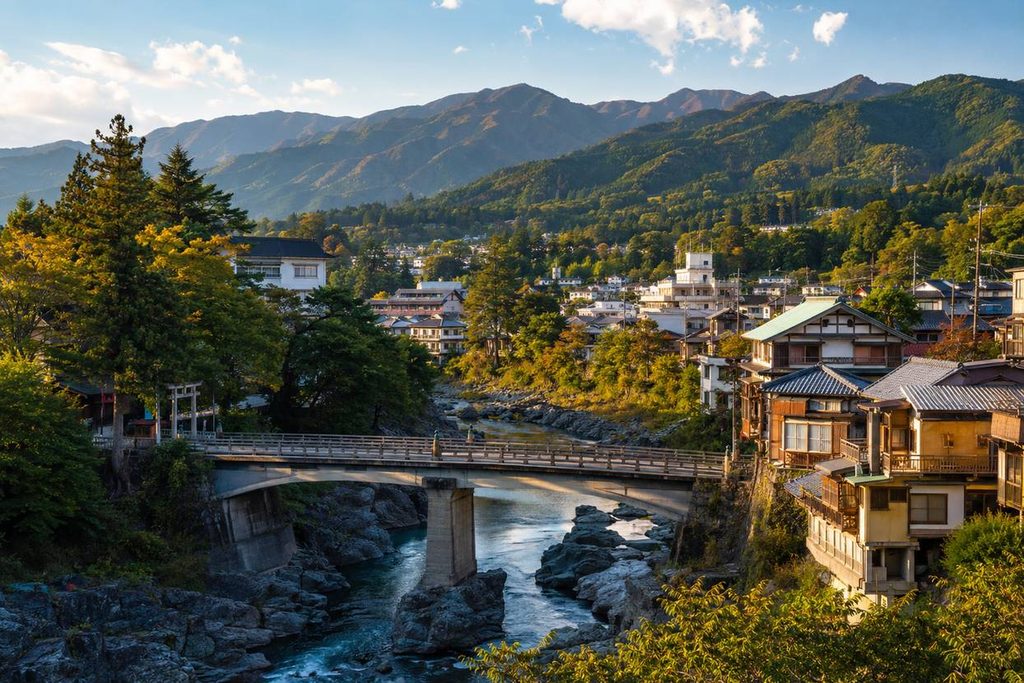
Best for: river landscapes, seasonal flowers, rail enthusiasts and repeat visitors.
Allow: 11-13 hours.
Budget: ¥6,000-¥11,000.
Western Saitama turns mountainous around Chichibu, where shrines, sake and the Arakawa River replace concrete. The reserved Laview takes about 80 minutes from Ikebukuro; its 2026 surcharge is ¥900 one way, plus base fare or pass.
Do not combine Mitsumine Shrine, central Chichibu and Nagatoro by public transport. Choose Nagatoro: walk the Iwadatami terraces and, conditions allowing, boat down the Arakawa. Typical 2026 adult fares are about ¥2,000, slightly more at peaks. Weather and river levels can cancel service.
Add Hodosan Shrine, or return to Chichibu Shrine and the station bath. Hitsujiyama Park draws spring crowds; December’s Chichibu Night Festival fills trains. Reserve early.
Eat waraji katsudon, two pork cutlets laid over rice like straw sandals. The sauce soaks into the crust while the edges stay crisp. It is not delicate, and after a river walk it should not be.
My Tip: Download timetables before leaving. Rural trains are reliable, not frequent. Those are different qualities.
A car gives you control for Mitsumine Shrine and remote valleys. Confirm that your license and International Driving Permit are valid in Japan, avoid festival traffic, and never rent simply because a map makes distance look small.
9. Sawara: The Canal Town Most Tokyo Day-Trip Lists Forget

Best for: photographers, slower travel, merchant history and second-time visitors to Japan.
Allow: 8-10 hours.
Budget: ¥5,000-¥9,000.
Sawara, in Chiba Prefecture, grew rich through waterways. Its commercial district follows the Ono River, lined with timber shopfronts, stone warehouses and willows. Locals live here; it is simply quieter than headline destinations.
Direct highway buses from Tokyo Station take about 85-90 minutes and cost around ¥1,900 one way on the documented festival route. The JR Narita Line works too but involves fewer departures and often a change. Save the exact return time before you begin wandering.
Walk to the old district, then take the 30-minute Ono River boat ride. It costs ¥1,300 for adults, with shorter winter hours. From the water level, notice loading edges, bridge mechanisms, and ducks conducting private negotiations.
Visit the Inoh Tadataka Museum and his former residence. Eat grilled eel if budget allows, or try local soy-sauce sweets.
My Tip: Many small businesses close on irregular weekdays, especially Monday or Wednesday. Check your priority shop and museum before committing.
10. Atami: Hot Spring Steam, Modern Art and the Sea

Best for: couples, rainy weather, art lovers and travelers whose feet have filed a formal complaint.
Allow: 8-11 hours.
Budget: ¥7,000-¥16,000.
Atami is an onsen resort on Sagami Bay, with hot water, steep streets and retro swagger. The Tokaido Shinkansen takes 35-50 minutes from Tokyo; conventional JR trains take 100-120 minutes and cost about half. The JR Tokyo Wide Pass does not cover this Shinkansen.
Take the bus to the MOA Museum of Art. Adult admission is ¥2,000; hours are 9:30 a.m.-4:30 p.m., closing most Thursdays. See the extravagant escalator tunnel, galleries and bay terrace, then descend for lunch and Sun Beach.
Finish in a day-use onsen. Wash before entering, wear no swimsuit and keep towels out of the bath. Check tattoo rules before paying. Enter slowly; discomfort is not cultural immersion.
Try local dried fish, sashimi or a custard pudding sold with the cheerful intensity of a mascot-led campaign. If an evening fireworks event is scheduled, stay for it but reserve the return train; Atami’s amphitheater-like bay amplifies the sound.
My Tip: If you want both museum and bath, take the fast train in one direction. Saving two hours can be worth more than saving a few thousand yen.
TURN ATAMI INTO AN OVERNIGHT ONSEN STAY WITH BOOKING.COM
A ryokan night adds dinner, an unhurried bath and a morning without checking the last train. Filter for private baths if communal bathing is not for you.
Should You Take a Tour, Train or Rental Car?
Choose the train for Kamakura, Yokohama, Kawagoe, Mount Takao, central Nikko and Atami. It reaches the sights, avoids parking and permits a return nap.
Choose a guided tour for Mount Fuji, Fuji-Hakone, historical interpretation or tiring transfers. Compare group size, time at stops, cancellation rules and return location. A twelve-hour tour with six bus hours is transport-weary.
Choose a rental car for remote Chichibu, several Fuji Five Lakes or families with luggage. Avoid driving to places with direct trains. Tolls, parking, left-side traffic and a zero-alcohol limit matter.
A prebooked transfer can make sense after a long flight, especially for families or late arrivals. Start the trip at your hotel, not in a station corridor conducting luggage experiments.
Book the Things That Can Actually Sell Out
Reserve your Tokyo hotel, then limited-express seats and refundable tours. Book the Fuji Excursion, Romancecar, SPACIA X and Laview when sales open. Reserve timed workshops, festivals and private baths too.
Do not prebook ordinary trains. Keep interchangeable outdoor and weatherproof days for rain or a missing Mount Fuji.
PROTECT YOUR JAPAN TRIP WITH VISITORSCOVERAGE
Compare medical, delay, interruption and natural-disaster cover. Buy before a storm becomes a known event, and read the exclusions.
Sustainable Day Trips That Help More Than They Advertise
Sustainable travel is not a bamboo toothbrush placed heroically beside a boarding pass. It is a sequence of less glamorous decisions:
- Travel by rail where practical. Every destination in this guide is reachable without a private car.
- Carry a refillable bottle, but use signed potable-water points; summer humidity is no place for symbolic dehydration.
- Eat local specialties at independent shops rather than treating each town as a photo set with a convenience-store lunch.
- Visit early and on weekdays to reduce pressure on residents, lanes and buses.
- Stay on marked trails at Mount Takao, Hakone and Chichibu. Shortcut erosion remains erosion even when the photograph is excellent.
- Take rubbish with you. Public bins are limited, and leaving a cup beside a full vending-machine bin does not turn it into municipal policy.
- Observe shrine and temple rules: quiet voices, no photography where prohibited, and no blocking entrances for portraits.
- Buy fewer, better souvenirs made in the region. A useful ceramic cup beats twelve plastic key rings with uncertain emotional futures.
My Tip: If a day feels rushed, stay overnight. Local accommodation spreads spending beyond transport corridors and lets you visit before coaches arrive.
What to Pack for a Day Outside Tokyo
Carry less than you fear and more than the weather forecast suggests:
- Comfortable shoes with grip
- Small umbrella or light rain shell
- Portable battery and charging cable
- Reusable water bottle
- Cash, IC card and a backup payment card
- Light layer, even when Tokyo feels warm
- Sun protection in every season
- Small rubbish bag
- Downloaded maps and return timetable
- Passport, when a foreign-visitor pass requires it
In summer, add electrolytes and schedule indoor breaks. In winter, mountain towns cool quickly after sunset. During heavy rain, typhoons, earthquakes or volcanic alerts, follow official operator notices and the Japan Safety Tips guidance. The right travel decision is sometimes an undramatic lunch near your hotel.
Frequently Asked Questions About Day Trips from Tokyo
What is the best day trip from Tokyo for a first-time visitor?
Kamakura and Enoshima offer the best balance of history, food, simple transport and coastal scenery. The route works independently, costs less than mountain trips and remains enjoyable if Mount Fuji refuses to appear.
Can I visit Mount Fuji on a day trip from Tokyo?
Yes. Visit Lake Kawaguchiko for classic views or take a guided trip around the Fuji Five Lakes. The summit is not a normal day trip; climbing is seasonal, physically demanding and governed by current access rules. For sightseeing, prioritize clear weather over a fixed date.
Is Hakone or Lake Kawaguchiko better?
Choose Hakone for hot springs, art, varied transport and a full experience even when the mountain is cloudy. Choose Lake Kawaguchiko when seeing and photographing Mount Fuji is the main objective. Combining both in one independent day is possible but thin; you will spend more time transferring than looking.
Can I use the Japan Rail Pass for these trips?
It covers eligible JR sections, but not every private railway, bus or limited-express supplement. Odakyu, Tobu, Keio, Seibu, Enoden and parts of the Fujikyu Railway have separate rules. The national pass also does not cover the Tokaido Shinkansen Nozomi, and regional passes differ. Check your exact train, not merely the destination.
Which Tokyo day trip is cheapest?
Kawagoe, Yokohama and Mount Takao can each fit a ¥3,000-¥6,000 budget. Kawagoe is strongest for history and snacks, Yokohama for food and waterfront walking, and Mount Takao for exercise.
Which day trip is best with children?
Choose Yokohama for short travel, wide paths and the Cup Noodles Museum. Kamakura and Enoshima suit older children who tolerate walking, while Hakone’s trains, ropeway and boat are entertaining but make a long day. Keep one major attraction optional.
Where should I stay in Tokyo for day trips?
Stay near Shinjuku for western routes, Asakusa for Nikko, or Tokyo Station for southern and eastern routes. More important than the district is a short, simple walk to the station. At 6:30 a.m., a direct entrance is a luxury product.
What time should I leave Tokyo?
Leave between 6:30 and 7:30 a.m. for Nikko, Hakone, Kawaguchiko and Chichibu. Depart around 8:00 a.m. for Kamakura, Sawara or Atami. Yokohama and Kawagoe forgive a later start, although popular streets are better before lunch.
Is it worth staying overnight?
Yes for Hakone, Nikko, Atami and Kawaguchiko. An overnight stay turns the last-train deadline into dinner, lets you use an onsen slowly and gives you early-morning streets or better odds of a clear Mount Fuji view.
The Tiny Planning Mistakes That Eat an Entire Morning

Screenshot your first train, final return, and hotel address in Japanese. Check which Tokyo station entrance you need before leaving the room; Shinjuku is several stations negotiating a border dispute. Keep reserved tickets separate from your IC card, because tapping through a gate does not always cover the limited-express seat. Finally, put tomorrow’s clothes, cash, charger, and breakfast plan together at night. Saving ten minutes before sunrise feels luxurious. It also gives you time to recover when the coffee shop you trusted opens at eight, which is exactly when your train departs.
The Last Train Back, and the Reason to Leave Again
The best day trip has a shape: an early train, one or two places given attention, something hot or crunchy at the right moment, and margin to notice where you are. I would send a first-timer to Kamakura, tired couples to Atami, photographers to Kawaguchiko, and repeat visitors to Sawara.
Choose around the forecast, your hotel, and the self who will answer the alarm. Reserve scarce seats. Keep an indoor alternative. Carry cash. Then stop optimizing. Japan’s trains run precisely, but good memories stay untidy: cracker crumbs, wet cedar, sulfur, or a boatman laughing at a joke you missed.
Join the email list for honest city guides, practical budgets, routes that work and the occasional warning delivered before a ticket machine delivers it for me.
FOLLOW A TINY TRAVELER ON PINTEREST
Save this guide, share it with your travel partner and follow for upcoming Japan itineraries, day-trip maps and useful travel ideas designed for real holidays rather than imaginary 36-hour days.
Buy a station snack for the ride home; practical research sometimes comes wrapped in sweet bean paste.
The train doors close. Tokyo begins sliding back into view, all concrete, signals and lit windows. In your bag there is probably a sweet-potato snack you did not need. Keep it. Tomorrow’s breakfast has already become a story.
Frank


