

Planning a trip to Saigon? Discover the ten best things to do in Ho Chi Minh City, plus honest 2026 prices, food, transport, neighborhoods, itineraries, and practical travel tips.
Ho Chi Minh City Does Not Wait for You to Catch Up
The first sound I remember from Ho Chi Minh City was not a temple bell or a street musician. It was forty motorbike horns, each with a separate opinion. I stood beside a crossing in District 1, trying to identify the polite moment when traffic would stop. It did not. A tiny Vietnamese grandmother stepped off the curb, walked at the pace of someone browsing a supermarket aisle, and somehow parted six lanes of scooters. I followed her like a nervous duckling. That was lesson one: move steadily, stay visible, and never mistake noise for anger.
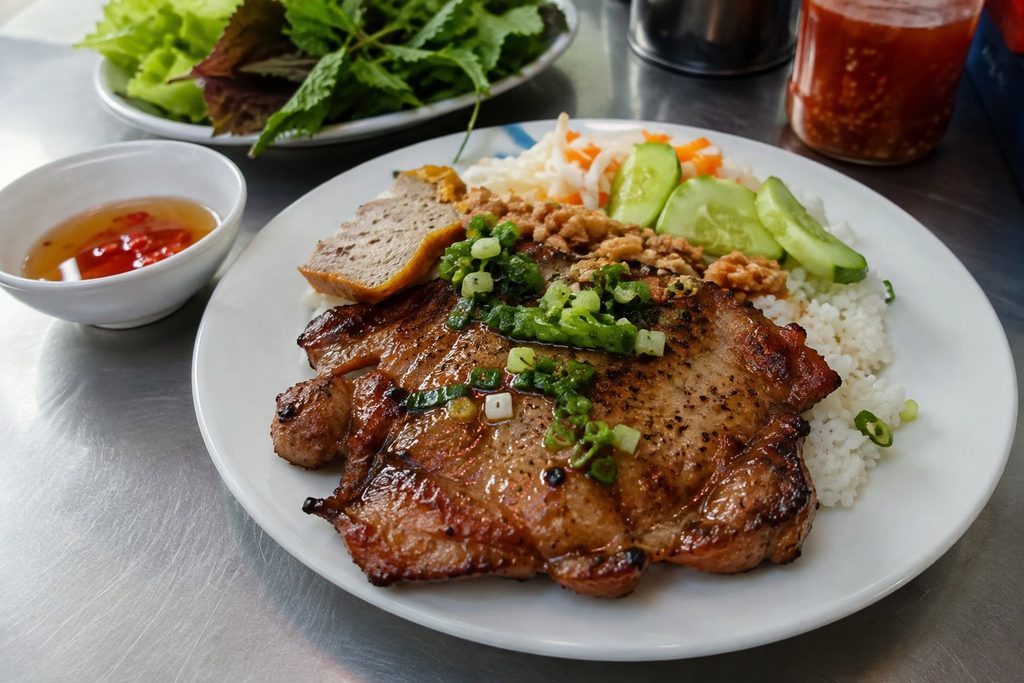
By breakfast, the city had changed its argument. Charcoal smoke curled around a cơm tấm stall; a cleaver struck wood; sweet fish sauce seeped into the fractured rice beneath a black-edged pork chop. The plastic stool was approximately the height of a confident shoe. I sat anyway. The woman serving me watched me ration my pickles, shook her head, and added another spoonful. A firm correction from someone who knew I was doing breakfast badly.
That is why a list of the best things to do in Ho Chi Minh City cannot be merely a procession of monuments. The former Saigon is rewarding because history, commerce, grief, appetite, faith, and absurdly serious coffee occupy the same block. You can spend the morning inside a presidential bunker, lunch beside an office worker on a metal stool, drift down the Saigon River at sunset, and finish in a bar accessed through what appears to be a residential laundry problem.
This guide is for first-time visitors, solo travelers, couples, and food obsessives who want more than ten map pins. I will show you what deserves time, what it costs, where to sleep, and when a tour improves the experience. Bring curiosity, breathable clothing, and a willingness to eat before knowing precisely what you ordered.
The Quick Answer: What Should You Not Miss in Ho Chi Minh City?

If you have only two days, prioritize the War Remnants Museum, Independence Palace, the Central Post Office area, a proper street-food tour, and one evening beside the Saigon River. With three or four days, add Chợ Lớn, deeper café exploration, local markets, and the Củ Chi Tunnels.
My personal highlight is not a single building. It is an evening food tour through residential districts, where each stop reveals another layer of southern Vietnamese cooking. Still, the War Remnants Museum is the place I would call essential. It gives the rest of the city historical weight and asks more of you than simply taking photographs.
Best length of stay: Three full days for the city; four if visiting Củ Chi.
Best area for a first visit: District 1 for convenience or District 3 for a more residential feel.
Best months: December to February for lower humidity and less rain, though prices rise.
Typical daily budget: About 650,000–1,050,000 VND for backpackers, 1,550,000–2,350,000 VND for mid-range travelers, and 3,900,000 VND upward for a comfort-focused trip, excluding international flights.
FIND YOUR HO CHI MINH CITY HOTEL ON BOOKING.COM
Before You Book: The Useful Stuff Nobody Wants to Research at Midnight
Ho Chi Minh City or Saigon—which name should you use?
The official name is Ho Chi Minh City, shortened to HCMC. Many residents still use Saigon, especially for the center, culture, or food. You will hear both. Neither requires a nervous historical lecture; follow the speaker’s lead.
When is the best time to visit Ho Chi Minh City?
The city stays hot, normally around 30°C. The drier stretch runs from December through April; March and April can feel like a warm, damp towel. The rainy season usually lasts from May to November, bringing forceful afternoon downpours rather than endless grey days. See Vietnam’s official seasonal overview.
I like January and February for walking. In wet months, carry a raincoat and dry bag; umbrellas struggle when rain arrives sideways.
Tết, the Vietnamese Lunar New Year, is fascinating but complicated. Decorations fill the center, yet family-run businesses may close and transport demand climbs. Book accommodation and onward travel early.
How many days do you need?
Allow three full days for the center. Four lets you include Củ Chi without sacrificing half the food. Five suits slow travelers or a separate Mekong Delta trip.
Where should you stay?
District 1 puts you near major sights, nightlife, and tour pickups. The trade-off is tourist pricing and hearing dance music through a wall you believed was structural.
District 3 is my favorite compromise: side streets, excellent food, old villas, and easy central access. Chợ Lớn suits market lovers; Thảo Điền offers longer-stay comforts but feels detached from the historical core.
Tip: Check the most recent reviews for construction noise, windowless rooms, and nightclub proximity. In central Saigon, “city view” can mean a close relationship with a concrete wall.
Arriving from Tan Son Nhat International Airport
Tân Sơn Nhất International Airport is close to the center, yet traffic stretches the ride from 25 minutes to over an hour. Confirm the app pickup zone and license plate. Ignore anyone claiming your app is broken while steering you elsewhere.
For a late arrival, a family, heavy luggage, or a traveler who has already spent fourteen hours negotiating airplane armrests, a prebooked transfer is money well spent.
Getting around without becoming part of the traffic

Walking works within small clusters, though pavements double as parking, kitchens, and workshops. Grab offers cars and motorbike taxis. Fasten the helmet, secure bags, and keep your phone away from traffic.
Metro Line 1 links Bến Thành with eastern neighborhoods and Suối Tiên. Fares run around 7,000–20,000 VND. It helps with Thảo Điền connections but does not replace buses and ride-hailing.
The Saigon Waterbus costs about 15,000 VND per one-way journey. Schedules change, and sunset seats can sell out, so check the official timetable shortly before traveling. Public transport is not merely cheaper; it also reduces the number of private vehicles squeezing through already crowded streets.
Renting a self-drive car inside the center is unnecessary for most visitors. If you need a vehicle for an onward road trip, confirm that your license is legally recognized in Vietnam, check insurance exclusions, and collect the car only when leaving the city.
Money, cards, mobile data, and visas
The currency is the Vietnamese đồng. In August 2026, US$1 is roughly 26,000 VND. Cash suits stalls and markets; cards work at hotels and modern restaurants. Withdraw fewer, larger amounts, cover the keypad, and refuse dynamic currency conversion. Let your provider convert the charge in VND.
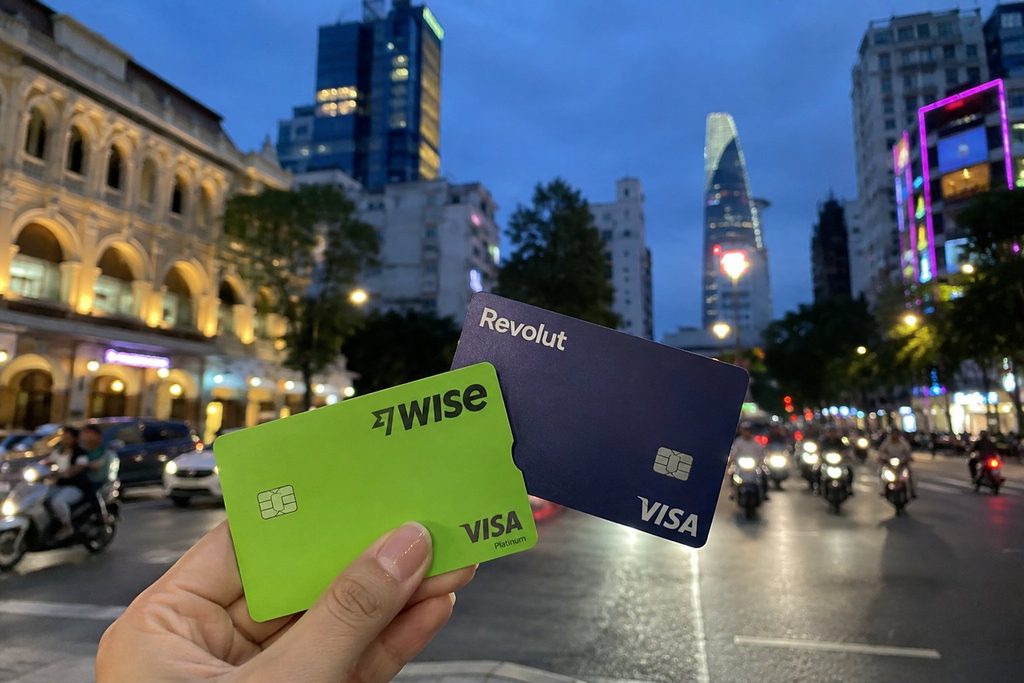
Wise and Revolut can reduce the sting of poor exchange rates, depending on your plan, country, and withdrawal limits. Neither eliminates local ATM fees, so read the machine’s final screen before accepting.
GET WISE FOR SPENDING AND WITHDRAWALS IN VIETNAM
CHECK REVOLUT’S TRAVEL MONEY FEATURES
Mobile data makes maps and rides easier. Install your eSIM before departure and keep offline copies of vital documents.
Visa rules depend on nationality. Use only the official Vietnam e-visa portal for government applications; it currently states that e-visas can be valid for up to 90 days, single or multiple entry. Check your own eligibility and entry dates rather than trusting a social-media comment written by a man named BackpackKing87.
Is Ho Chi Minh City safe?
The main everyday risk is opportunistic theft, especially phone snatching from motorbikes. Step from the curb before checking maps, wear bags away from traffic, and never leave phones loose on outdoor tables. Use reputable transport and watch drinks.
Cross roads at a steady, predictable pace. Do not sprint, retreat randomly, or assume a green pedestrian light creates a force field. For medical problems, theft, delays, or trip cancellation, suitable travel insurance is a sensible part of the budget, not a ceremonial checkbox.
COMPARE TRAVEL MEDICAL COVER WITH VISITORSCOVERAGE
What Does Ho Chi Minh City Cost in 2026?
Prices vary wildly between an alley stall and a rooftop restaurant. These planning ranges are per person and exclude international flights:
| Travel style | Daily estimate | What it realistically covers |
|---|---|---|
| Backpacker | 650,000–1,050,000 VND | Dorm bed, street meals, public transport, a few app rides, inexpensive sights |
| Mid-range | 1,550,000–2,350,000 VND | Private three-star room, mixed dining, Grab cars, museums, occasional tour |
| Comfort | 3,900,000–6,500,000+ VND | Upscale hotel, private transfers, guided experiences, cocktails, polished restaurants |
Useful everyday prices include 25,000–70,000 VND for a street meal, 20,000–65,000 VND for coffee, 15,000 VND for the waterbus, 7,000–20,000 VND for metro travel, and roughly 35,000–100,000 VND for a short app-based ride depending on vehicle, distance, rain, and demand. A mid-range double room often starts near 800,000 VND but can rise sharply on holidays.
Budget tip: Build a 15 percent buffer. You may not need it for museums; you will need it after discovering salted cream coffee, tailored clothing, and the dangerous phrase “one more small plate.”
1. Eat the City Before You Attempt to Understand It
Ho Chi Minh City makes more sense from a plastic stool. Its food reflects migration, Chinese-Vietnamese traditions, Cambodian influence, colonial history, and southern produce. It is often sweeter and more herb-heavy than northern cooking, though calling it “sweet food” is like describing jazz as organized noise.
Start with cơm tấm sườn nướng: broken rice, charcoal-blistered pork, pickles, scallion oil, and fish sauce dangerous to a white shirt. Try bánh xèo, a crisp rice-flour pancake around pork, shrimp, and sprouts. Wrap pieces with leaves and herbs; do not attack it whole with a fork as I did, under severe observation.
Add hủ tiếu Nam Vang, bánh mì, grilled seafood, tamarind snails, and chè. Favor crowded stalls with fast turnover, protected ingredients, clean utensils, and food cooked hot.
A guided motorbike food tour is worthwhile. A local handles traffic, ordering, and unfamiliar bowls. Choose a small group, disclose allergies, and verify helmet quality and insurance.
Allow: Three to four hours.
Budget: 300,000–1,700,000 VND, depending on self-guided eating or tour style.
Tip: Arrive hungry, but not heroically hungry. Eight tastings become a competitive sport surprisingly quickly.
BOOK A HO CHI MINH CITY STREET-FOOD TOUR ON GETYOURGUIDE
2. Give the War Remnants Museum the Time It Demands

The War Remnants Museum is not a cheerful stop to squeeze between lunch and shopping. Photographs, military equipment, prison displays, and civilian accounts document the wars fought in Vietnam, particularly the American War.
Some exhibits are graphic. Galleries on war photography and Agent Orange are emotionally exhausting. Read slowly, notice the framing, and leave space afterward. Historical interpretation has a viewpoint; engage critically rather than staying comfortably uninformed.
The museum’s official visitor information lists daily hours of 7:30 a.m. to 5:30 p.m., with the ticket counter closing at 5:00 p.m. Admission is 40,000 VND for adults. Arrive near opening or after the midday groups, and allow at least two hours.
I would not pair this immediately with a party bus or a gleeful tasting crawl. Walk afterward through quieter District 3, sit with a coffee, or continue to Independence Palace only if you still have the attention it deserves.
Allow: Two to three hours.
Budget: 40,000 VND admission, plus transport.
Tip: Start on the upper floor and work downward if the entrance level is packed. Bring water, but respect signs restricting drinks inside.
FIND A SMALL-GROUP HISTORY TOUR ON GETYOURGUIDE
3. Walk Through the Frozen Rooms of Independence Palace
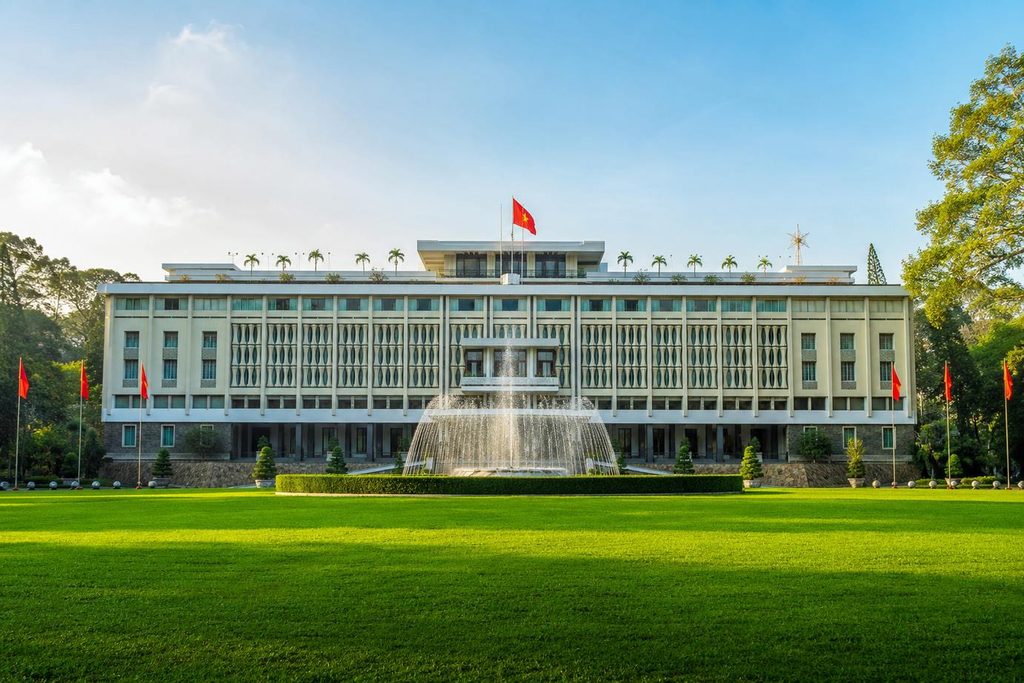
Independence Palace, also called Reunification Palace, resembles a stylish 1960s corporate headquarters. Architect Ngô Viết Thụ combined modernist lines with symbolic references, placing airy ceremonial rooms above a basement of maps, radios, and command equipment.
The palace was the seat of the South Vietnamese government. On 30 April 1975, a tank entered its gates, marking the fall of Saigon and the war’s end. The building now feels uncannily paused: conference tables wait for officials, telephones wait to ring, and the rooftop helipad seems prepared for history to resume after lunch.
Do not rush to the bunker. Diplomatic rooms, living quarters, lacquer work, geometric screens, and rooftop views reveal architecture as political theater. A guide adds context missing from labels.
As of 1 May 2026, the official palace site lists daily visiting hours from 7:00 a.m. to 6:00 p.m. Palace-only adult admission is 40,000 VND; the combined palace-and-exhibition ticket is 80,000 VND. Special closures remain possible, so check before visiting.
Allow: Ninety minutes to two hours.
Budget: 40,000–80,000 VND.
Tip: Come early for cooler gardens and clearer photographs. The basement becomes muggy when several tour groups arrive together.
4. Take the Architecture Walk—Scaffolding and All
Central District 1 offers a loop through Saigon Central Post Office, Notre-Dame Cathedral, Book Street, Đồng Khởi, the Municipal Theatre, and Nguyễn Huệ. Watch each era elbow the next for pavement.
Inside the yellow Central Post Office, study tiled floors, ironwork, painted maps, and wooden counters. Send a postcard if you remember anyone’s address. Entry is free.
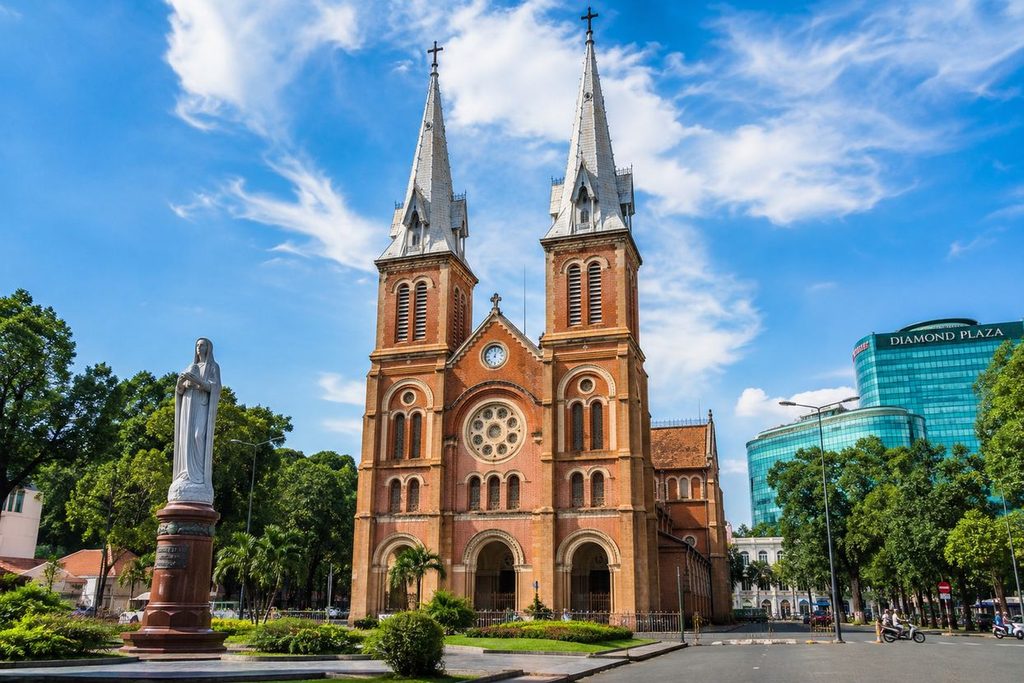
Across the road, the red-brick Notre-Dame Cathedral remains under long-running restoration expected to continue through 2027. Access can be restricted, and scaffolding may dominate the view. This disappoints travelers who believe old buildings should schedule maintenance around their vacation, but the exterior remains worth seeing. Next door, shaded Book Street offers publishers, cafés, and relief from traffic.
Continue down Đồng Khởi, once Rue Catinat, to the ornate Municipal Theatre. Then walk to Nguyễn Huệ in late afternoon, when families, students, photographers, costumed mascots, and teenagers filming dance clips take over the broad promenade. Look back toward the old City Hall façade, which is best viewed from outside.
Allow: Two to three hours with coffee.
Budget: Free, unless postcards and caffeine stage an intervention.
Tip: Begin before 9:00 a.m. for easier photographs, then return to Nguyễn Huệ after dark when the street becomes social rather than ceremonial.
5. Cross into Chợ Lớn and Let the Incense Lead
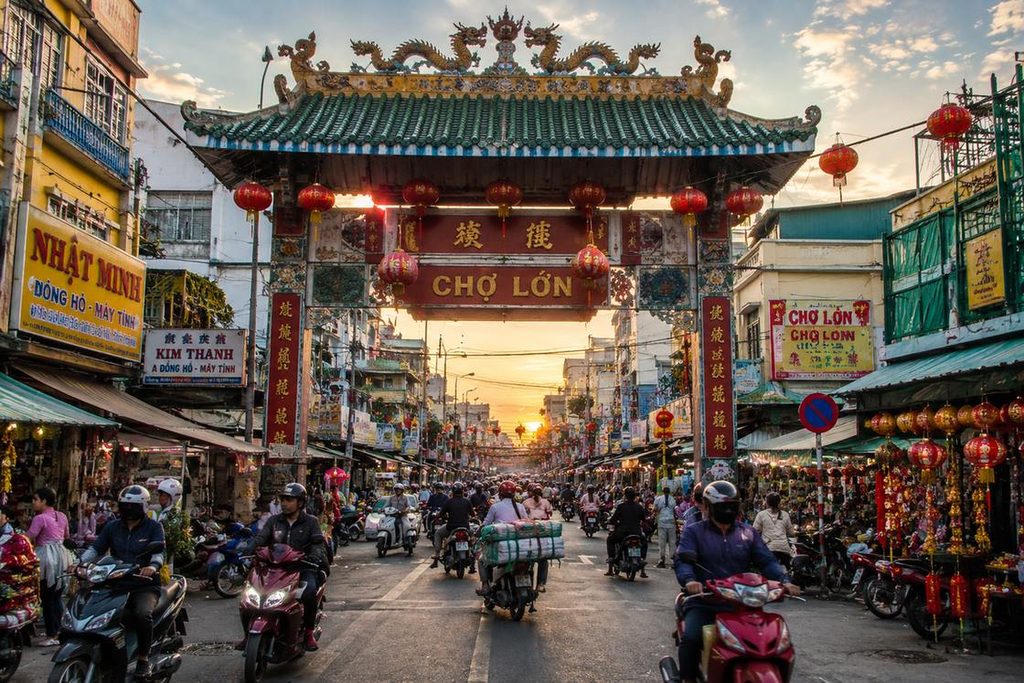
Chợ Lớn, historically Saigon’s Chinatown, spreads across western districts. It is a working commercial and spiritual center shaped by Chinese migration. Come for context, not an “exotic” backdrop.
Start at Thiên Hậu Temple, dedicated to the sea goddess Mazu. Coils of incense hang from the ceiling like slow-burning question marks. Sunbeams catch the smoke; carved roof figures crowd above the courtyard; worshippers bring fruit, flowers, and prayers while visitors instinctively lower their voices. Entry is generally free, though donations support the temple.
Continue to Bình Tây Market, where sacks move, carts scrape, and traders calculate. Do not block aisles; ask before portraits and cover shoulders and knees at temples.
This neighborhood becomes far more meaningful with a guide who can explain guild halls, migration, religious practice, medicinal shops, and what you are eating. Without context, beautiful details remain merely beautiful details.
Allow: Half a day.
Budget: Free to 700,000 VND, depending on transport, food, and guiding.
Tip: Go in the morning. Temples are active, markets are fully awake, and the heat has not yet begun behaving personally.
BOOK A CHỢ LỚN CULTURE OR FOOD TOUR ON GETYOURGUIDE
6. Drink Vietnamese Coffee Slowly—It Is Stronger Than Your Schedule

Coffee in Ho Chi Minh City is air-conditioning, gossip, office space, and occasionally dessert with caffeine. Traditional cà phê sữa đá drips dark coffee over condensed milk and ice: bitter, caramel-sweet, then suddenly your afternoon is reorganized.
Try black cà phê đen đá, milky bạc xỉu, coconut coffee, and salted cream. Visit a pavement café, old-school shop, and specialty roaster; that tells a better story than chasing one viral address.
The so-called Café Apartments at 42 Nguyễn Huệ contain small cafés and boutiques in a weathered residential block. Explore respectfully: people work there, stairways are narrow, and the lift may charge a small fee often reimbursed by participating businesses. Check each café’s current hours rather than assuming every door opens early.
My favorite coffee moment is the ten-minute wait while the metal phin filter drips. The city continues honking below, but your cup refuses urgency. A useful disagreement.
Allow: One unhurried hour, preferably daily.
Budget: 20,000–100,000 VND per drink.
Tip: Ask for ít ngọt if you prefer less sweetness. One condensed-milk coffee can contain enough optimism for an entire committee.
7. Use the Markets Properly: Look, Eat, Then Bargain Politely
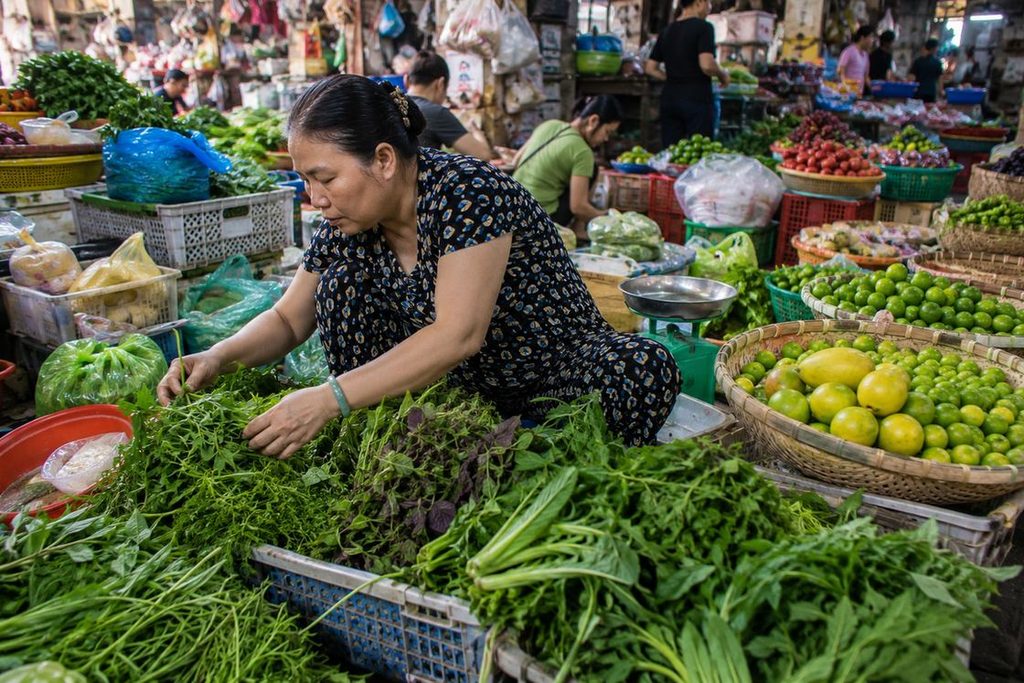
Bến Thành Market is central and tourist-oriented. Visit for architecture, snacks, textiles, and commercial theater, but compare prices and quality before large purchases. Bargain with humor; insulting a vendor over two dollars is not cultural immersion.
For a more local morning, try Tân Định Market in District 1’s Tân Định area. Meat cleavers thud, herbs spill from baskets, and the wet floor reminds sandals why they were invented. Eat nearby, keep your bag closed, and avoid touching produce without permission.
For souvenirs, consider sealed coffee, tea, pepper, cashews, or sweets. Check customs rules before buying produce or mystery jars. Avoid wildlife products, coral, and questionable “antiques.”
For clothing, ask about fabric, stitching, alterations, and timing before paying. “Silk” is used flexibly. Fixed prices can beat bargains that disintegrate immediately.
Allow: One to two hours per market.
Budget: Free to enter; purchases depend on your negotiating stamina.
Tip: Carry small notes. Expecting change for 500,000 VND at a tiny stall is a fine way to turn breakfast into accounting.
8. Ride the Saigon River for the Price of a Coffee
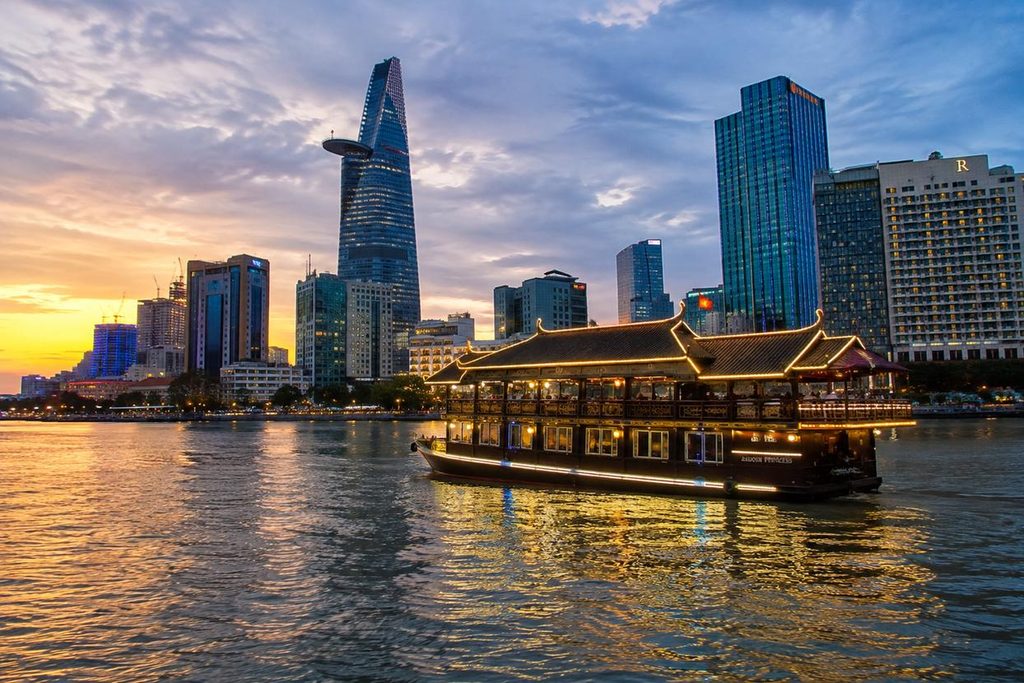
The Saigon River explains city geography better than traffic. Cranes, towers, warehouses, bridges, and riverside homes share one frame. The inexpensive Saigon Waterbus is excellent value.
Board at Bạch Đằng Station and travel toward Bình An for views of Landmark 81 and the eastern bank. A standard ticket is around 15,000 VND each way. Buy sunset departures early, particularly on weekends, and confirm the return schedule before leaving the central pier. The boat is public transport, so commuters deserve seats and personal space too.
Combine the ride with the riverfront or Thủ Thiêm. Dinner-cruise quality varies; read recent reviews because “international buffet” has carried many burdens.
I prefer the public boat just before dusk. Heat lifts from the deck, office lights begin switching on, and the traffic becomes a distant visual problem. For half an hour, Saigon appears almost quiet. Almost.
Allow: One to two hours for a round trip and waiting.
Budget: 30,000 VND round trip on the public service; more for cruises.
Tip: Sit on the side facing the skyline on the return toward Bạch Đằng, and protect your phone near open railings.
COMPARE SAIGON RIVER CRUISES ON GETYOURGUIDE
9. Stay Out After Dark, but Choose Your Version of Nightlife

Night need not mean Bùi Viện Walking Street. Visit once if curiosity insists. Expect dueling subwoofers, touts, fire performers, tiny chairs, and cheap beer. Watch your phone, agree prices, and leave when novelty becomes endurance.
For conversation, try a taproom, cocktail bar, or live music in District 1 or District 3. Rooftop menus target expense accounts; check dress codes and happy hours.
An evening walk along Nguyễn Huệ is free and more revealing. Families linger, children chase illuminated toys, friends share snacks, and wedding photographers negotiate every available staircase. This is public life, not nightlife packaged for outsiders.
Solo travelers should use registered rides home, share trip details, and avoid accepting transport from strangers outside bars. Drink-spiking risk exists anywhere; keep your glass in sight.
Allow: Two hours or until your ears file a complaint.
Budget: Free to 800,000 VND or more.
Tip: Rooftop dress codes and rain policies change. Reserve only when necessary and keep a ground-level backup.
10. Go Underground at the Củ Chi Tunnels—With Context

The Củ Chi Tunnels lie outside the center within the wider municipality. This network supported Viet Cong operations through living areas, routes, storage, hospitals, and defenses. Presentations can simplify a brutal war, so a thoughtful guide matters.
Most tours visit closer, busier Bến Đình. Bến Dược takes longer but feels less compressed. Visitor tunnels remain hot and restrictive. Entering is optional; travelers with claustrophobia, mobility, respiratory, or back problems can remain above ground.
I am uneasy with shooting-range add-ons near a place interpreting mass violence. You may feel differently, but do not confuse firing a weapon with understanding history. Spend attention on the exhibits, landscape, tunnel construction, and the guide’s explanation instead.
Published hours are generally 7:00 a.m. to 5:00 p.m. Pricing changes; tours may bundle admission, transport, and guiding, so read inclusions. Morning trips avoid peak heat.
Allow: Five to seven hours, including transport.
Budget: Roughly 500,000–2,100,000 VND for group to private options.
Tip: Bring water, insect repellent, closed shoes, and clothes you do not mind getting introduced to red soil.
BOOK A WELL-REVIEWED CỦ CHI TUNNELS TOUR ON GETYOURGUIDE
A Realistic Three-Day Ho Chi Minh City Itinerary
Day One: History before cocktails
Begin at the War Remnants Museum, then eat lunch in District 3. Continue to Independence Palace and complete the central architecture walk past the Post Office, Book Street, and Đồng Khởi. Rest before an evening street-food tour. This is a full day; your feet will become politically active by dinner.
Day Two: Markets, temples, and river air
Visit Chợ Lớn early, pairing Thiên Hậu Temple with Bình Tây Market. Return for a slow coffee and a late lunch. Ride the Saigon Waterbus near sunset, walk along Nguyễn Huệ, then choose a cocktail bar or live music instead of defaulting automatically to Bùi Viện.
Day Three: Underground or deeper in town
Take a morning Củ Chi Tunnels tour. Back in the center, book a quiet dinner and keep the evening loose because traffic makes exact return times fictional. If tunnels do not suit you, replace them with Tân Định Market, a cooking class, the Museum of Traditional Vietnamese Medicine, and specialty coffee in District 3.
BROWSE FLEXIBLE HO CHI MINH CITY ACTIVITIES ON GETYOURGUIDE
Sustainable Travel That Works Beyond the Hashtag
Responsible travel here is mostly ordinary behavior repeated consistently. Use the metro, buses, and waterbus when practical. Walk in compact clusters rather than ordering six separate cars. Refill a sturdy bottle at filtered-water stations in your accommodation; tap water is not generally recommended for drinking.
Choose small-group tours employing local guides, family-run food businesses, and locally owned hotels. Ask permission before photographing vendors, worshippers, or children. At temples, dress respectfully, keep voices low, and never rearrange offerings for a cleaner picture.
Refuse wildlife products and avoid entertainment involving captive animals. Bring a tote and reusable utensils if you frequently buy takeaway food, but do not scold a vendor for using the packaging available to them. Sustainability performed as superiority helps nobody.
Waste bins can be scarce, so carry small litter until you find one. During heavy rain, never leave rubbish near drains; plastic contributes to street flooding. At Củ Chi, remain on marked routes and do not remove soil, plants, or fragments as souvenirs.
Most importantly, spend money with people, not only platforms. Affiliate bookings can simplify major reservations, while cash purchases from a fruit seller, café owner, bookshop, or family kitchen keep more value in the neighborhood.
The Part Where Saigon Keeps Moving

Ho Chi Minh City resists a verdict. Incense drifts from temple doors while a delivery rider checks three phones. A train glides above roads where soup has simmered since sunrise. Behind towers, someone repairs a fan on the pavement, cigarette tucked behind one ear.
Give the difficult places your attention. Eat beyond the famous sandwich. Ride public transport simply to see where it goes. Sit long enough over coffee for the ice to disappear. And when that first road crossing looks impossible, remember the grandmother: steady pace, clear direction, no melodrama.
If this guide helped you plan with fewer tabs and better meals, subscribe to A Tiny Traveler. I share honest city guides, practical budgets, hotel advice, food worth crossing roads for, and the mistakes that save you from making your own expensive versions.
Follow A Tiny Traveler on Pinterest too, where upcoming Vietnam itineraries, Southeast Asia travel guides, neighborhood maps, packing ideas, and trip-planning tips are saved in a form you can find when your browser has forty-seven tabs open, and none of them answer the question you actually asked.
Long after you leave, you may remember the museum galleries or the palace bunker. I remember that breakfast stool, the charcoal catching under the pork, and the woman silently adding more pickles because she had correctly diagnosed my problem. Outside, the horns continued their negotiations. Then she pointed at my plate. Eat. The city could wait exactly that long.
Frank


