

Lisbon makes an excellent argument for having dessert before you have a plan. Start with a custard tart: brittle pastry, a dark freckle of caramelized sugar, a middle that threatens your shirt if you bite too confidently. Outside, a tram bell interrupts the conversation. Somewhere ahead, the street tilts upward. Breakfast was the easy part.
I have one objection to the usual Lisbon travel itinerary: it often reads like a fitness challenge disguised as a vacation. Climb here. Queue there. Sprint across town. By sunset, you have photographed six viewpoints and developed a personal grievance against stairs. I would rather help you build a trip you actually enjoy inhabiting.
The best things to do in Lisbon, Portugal, combine neighborhood walks, riverside history, good meals, and time to listen. Alfama deserves an unhurried morning. Jerónimos Monastery rewards attention. Fado needs your silence. And the Tagus River provides a useful reminder that sitting down counts as traveling, too.
This guide is for first-time visitors, curious couples, independent travelers, and food-minded explorers who want substance without spending recklessly. I’ll cover ten worthwhile experiences, where to stay, daily costs, transport, sensible bookings, and the mistakes that consume perfectly good afternoons. Bring shoes with grip. Leave room between appointments. We have pastry crumbs to acquire.
Before the Hills: Your Lisbon Trip at a Glance
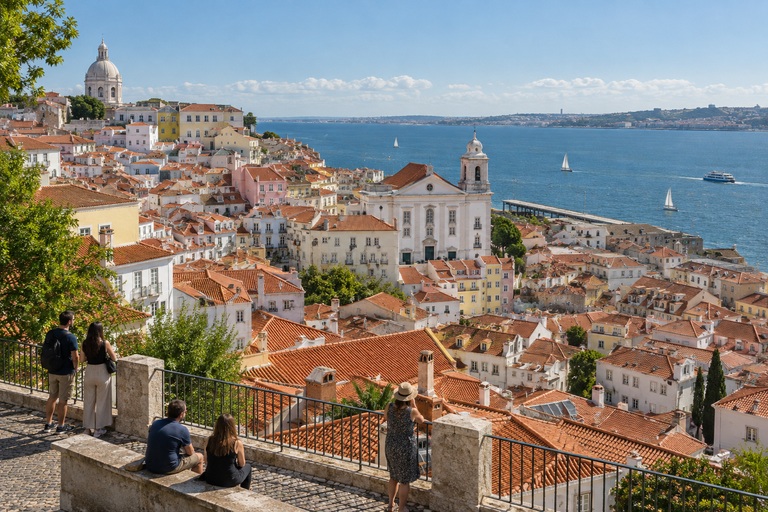
Allow three full days for a satisfying first visit, or four to five if you want slower mornings and an excursion. Two days can cover the essentials, but you will need to choose rather than collect.
My preferred approach: group nearby sights, book one major activity each day, and let food fill the gaps. Belém belongs in its own half day. Alfama, the castle, and eastern viewpoints fit together. Baixa, Chiado, and Carmo make another sensible cluster.
Information checked in September 2026: transport fares below come from published operator information. Food, hotel, tour, and transfer prices are planning estimates, not live quotes. Monument access can change during restoration, and old articles often outlive the opening hours they confidently announce.
1. Walk Through Alfama Without Turning It Into a Scavenger Hunt
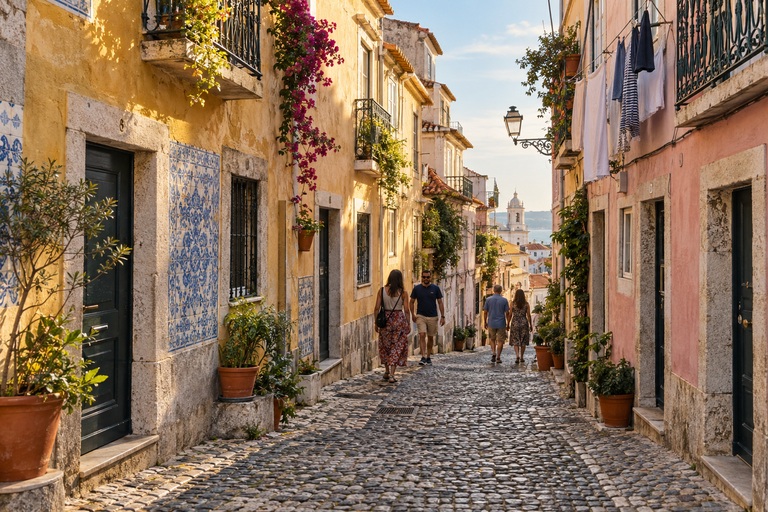
Alfama is where I would begin understanding Lisbon at walking speed. Streets narrow, staircases interrupt the route, and tiled walls catch light unevenly. A delivery has to get through. Somebody needs their doorway back. The neighborhood is residential, however frequently it appears on postcards.
Start near Largo das Portas do Sol, look across the roofs, then work downhill toward Largo do Chafariz de Dentro. Treat your map as a suggestion between these anchors.
The nearby Miradouro de Santa Luzia adds decorative tiles and a terrace above the district. The official Alfama neighborhood guide and Santa Luzia visitor page help connect these stops.
Give the Neighborhood Some Breathing Room
Allow two hours, longer with coffee or a museum. Walking itself is free. Go earlier for softer light and more space, but remember that an early start does not make apartment windows public exhibits.
My Tip: arrive near the upper part of your route by suitable transport, then walk down. Descents still involve slippery paving and steps, so this is energy management, not an accessibility guarantee.
A small walking tour can add historical context that a map cannot. On GetYourGuide, compare group size, walking distance, language, and recent reviews. Choose a guide who explains the neighborhood beyond its photogenic corners.
Explore Small-Group Lisbon Walking Tours
2. Visit São Jorge Castle for the City Beneath It

The reward at Castelo de São Jorge is perspective. Roofs overlap, the river widens, and the streets you just negotiated become lines in a much larger picture. Suddenly, the hill has a defense.
Come for fortifications, archaeological context, and the relationship between the castle and the city. Expect an outdoor historic site rather than furnished royal apartments.
I would give it ninety minutes to two hours, including time to stop at the viewpoints.
Buy the Visit You Actually Want
Use the castle’s official ticket information and opening schedule for current prices, eligibility, and closing arrangements. Budget roughly €15–€20 per adult, then verify the actual ticket for your date.
My Tip: choose an earlier visit in hot weather. Exposed walls, bright stone, and limited shade can make an afternoon climb harder than expected. Bring water, and supervise children closely around steps and elevated areas.
If you are considering a guided visit through GetYourGuide, check whether admission is included. An audio guide, a walking tour passing outside, and a ticket into the castle are three different purchases.
Compare São Jorge Castle Tickets and Guided Visits
3. Give Jerónimos Monastery More Than a Quick Photograph
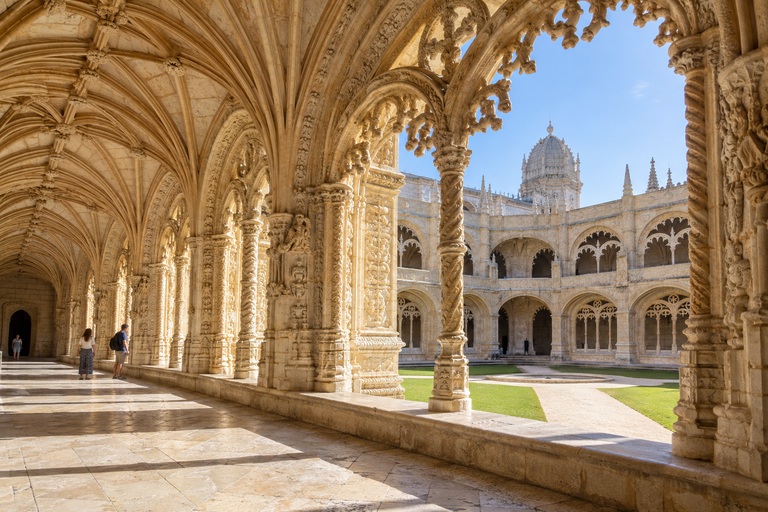
At Jerónimos Monastery, stone seems to have acquired the patience of embroidery. Arches, carved details, and repeated patterns make the cloister worth examining slowly. Step back first. Then move closer. The building works at both distances.
This is the major paid sight I would anchor a Belém itinerary around if architecture interests you. Allow one to two hours inside, plus whatever time the entrance process requires. Pair it with lunch and the waterfront rather than scheduling a timed booking immediately afterward.
The monastery also raises questions about the wealth behind monumental buildings. Portugal’s maritime expansion involved navigation and trade, but also conquest, exploitation, and slavery. I would want a historical tour to address that wider story rather than treat every carved rope as evidence of uncomplicated glory.
Know Which Entrance You Have Bought
The church and cloister may have different access arrangements. Check the official Jerónimos visitor website before choosing a date; Monday closures and religious or restoration restrictions can affect plans.
Budget around €18–€25 for standard adult admission, pending the current official offer. Guided products cost more.
My Tip: read the entry instructions immediately after booking. Discovering a required reservation while standing in the sun is an avoidable form of character development.
Find Jerónimos Monastery Tickets and History Tours
4. Make a Proper Half Day of Belém’s Waterfront and Pastries
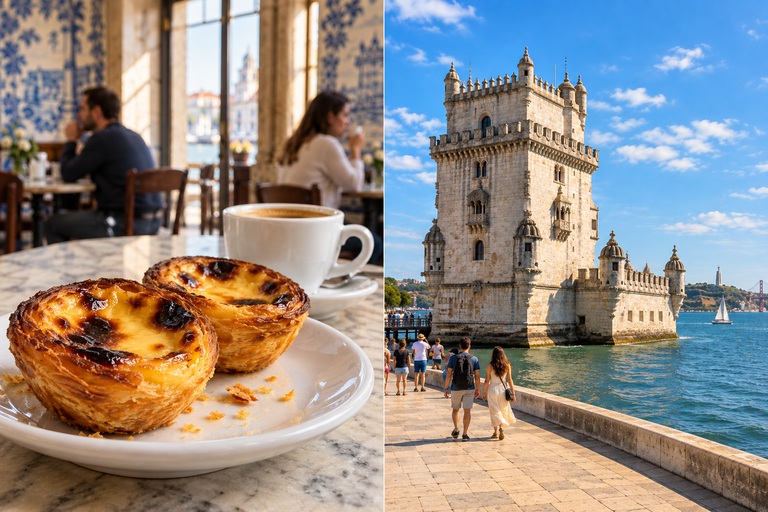
After the monastery, let Belém change your pace. The streets open up, the river takes over the view, and the wind can reorganize your hair without consultation.
The obvious pastry stop is Pastéis de Belém, whose own bakery history dates production to 1837. Order a tart and coffee. Notice the pastry before adding cinnamon: thin layers should break rather than bend, with custard underneath that makes eating an optimistic ambition neatly.
Allow roughly €4–€7 for a tart and coffee, depending on your order. Check the arrangements for table service and takeaway instead of assuming every person outside is waiting for the same thing.
Treat the Tower as a Conditional Interior Visit
Continue toward the Padrão dos Descobrimentos and Belém Tower, using marked crossings where roads and railway infrastructure interrupt the route. The waterfront walk is worthwhile without purchasing every available admission.
Belém Tower access needs checking: restoration notices and older closure reports remain online, while current official listings show visiting information. Confirm dated availability through the official tower visitor page before counting on entry. Exterior visibility can also change with works.
My Tip: plan this section around the riverside walk, with the tower interior as an optional addition. That makes the afternoon resilient to queues, wind, and maintenance.
Set aside two hours after the monastery, longer with lunch. A full return walk to central Lisbon is a substantial undertaking; use public transport when your feet have already contributed enough.
5. Eat Lisbon Through a Tasca, a Bakery, and One Good Detour
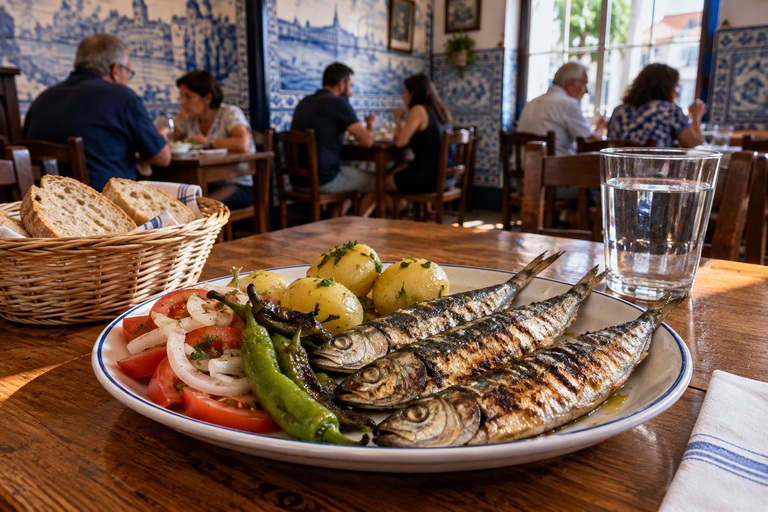
A tasca is the kind of modest eating place I would investigate before committing to a restaurant selected entirely for its hanging plants. Look for clear prices, a manageable menu, and food that suits the kitchen rather than a laminated encyclopedia.
Start with bacalhau à Brás: salt cod, onion, fine potato strips, and eggs brought together into something soft, salty, and substantial. A bifana puts pork inside a bread roll, with sauce doing important structural work. Caldo verde offers shredded greens and potato, often with sausage, so vegetarians should ask questions.
In the right season, grilled sardines bring charred skin, rich flesh, and the smell of smoke. They have bones.
Read the Menu Before the Bread Basket Wins
Plan €12–€18 for a simple lunch and €20–€35 for a casual dinner, with substantial variation by location and drinks. Ask what a daily special includes. Bread, olives, and cheese brought to the table may be charged if consumed; clarify before starting.
My Tip: split your food spending between everyday meals and one guided experience. You do not need every lunch to become an event with a deposit.
A GetYourGuide food tour can suit your first evening if it includes neighborhood context, several tastings, and enough food for the price. Check dietary accommodations directly; “vegetarian options” does not guarantee every stop works for you.
Compare Lisbon Food Tours and Included Tastings
6. Hear Fado Somewhere You Can Actually Listen
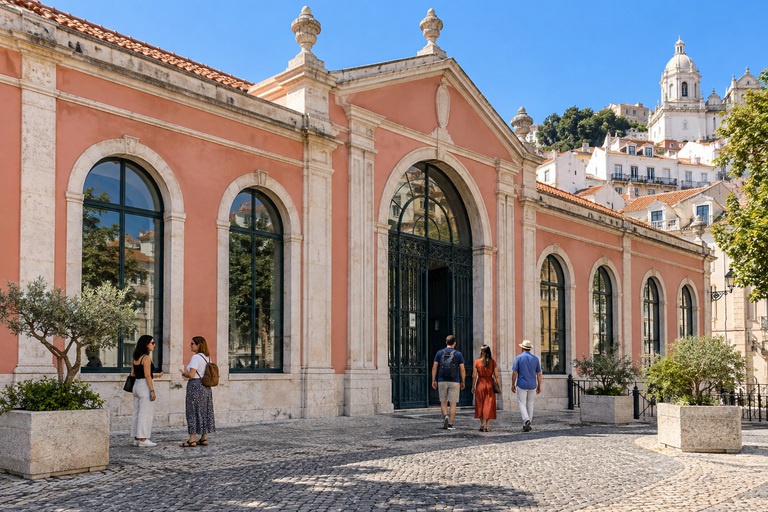
Fado deserves an evening without another reservation immediately afterward. A voice, guitar strings, a held note, and the hush around them can do more than a long explanation of what you are supposed to feel.
You do not need to understand every word of Portuguese. It helps to know that the songs can explore longing, love, loss, and everyday life; it helps even more to stop checking your phone. The Museu do Fado offers background and programming if you want context before a performance.
I would choose between a short concert and a dinner with fado based on attention span and budget. Neither format automatically guarantees quality. A restaurant with live music is still a restaurant, and you should inspect the menu as carefully as the performance description.
Spend on the Music, Not a Vague Promise
Estimate €20–€35 for a concert or €45–€80 and upward for dinner with a performance. Confirm drinks, minimum spending, seating, and whether the music happens in several sets.
My Tip: arrive before the set begins, silence your phone, and keep conversation for the breaks. Ask before filming. Nobody bought a ticket to hear the zipper on your backpack.
On GetYourGuide, compare performance duration, venue details, and recent comments about sound and seating. For a special evening, clarity beats a dramatic photograph of an empty room.
7. Walk Baixa and Chiado, Then Look Up at Carmo
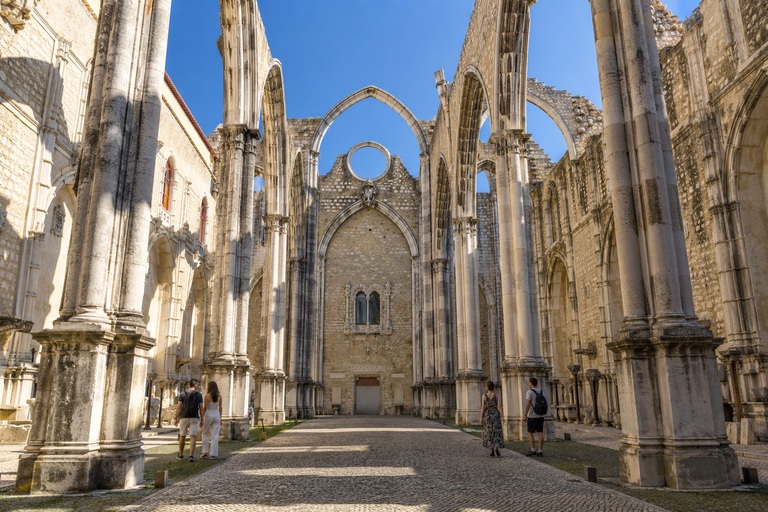
Begin at Praça do Comércio, where the open square and the Tagus give you room to reset. From there, walk through Baixa, then climb toward Chiado and Largo do Carmo. Allow time for browsing rather than treating the connecting streets as loading screens.
The sequence matters. You move from the broad downtown grid into steeper streets, then arrive at the roofless church of Carmo. Its surviving arches frame the sky, making absence the most noticeable architectural feature.
The ruins are tied to the 1755 earthquake, a disaster that reshaped the city. The Carmo Archaeological Museum provides official visitor information and context for the site and collection.
Skip a Queue When the Walk Is the Point
Allow two to three hours for the whole route, including forty-five minutes to an hour at Carmo. Set aside about €7–€10 for admission, verifying the current price and hours before going.
You can reach Largo do Carmo on foot without riding the Santa Justa Lift. If the lift has a long queue, ask whether the ride itself matters enough to you. Access to its upper viewing areas is a separate question and may involve restrictions or charges.
My Tip: pause for coffee in Chiado, then enter Carmo when you have the attention to read and look. Ruins become less interesting when your only remaining thought is lunch.
8. Choose One Viewpoint and Stay Until You Notice Something
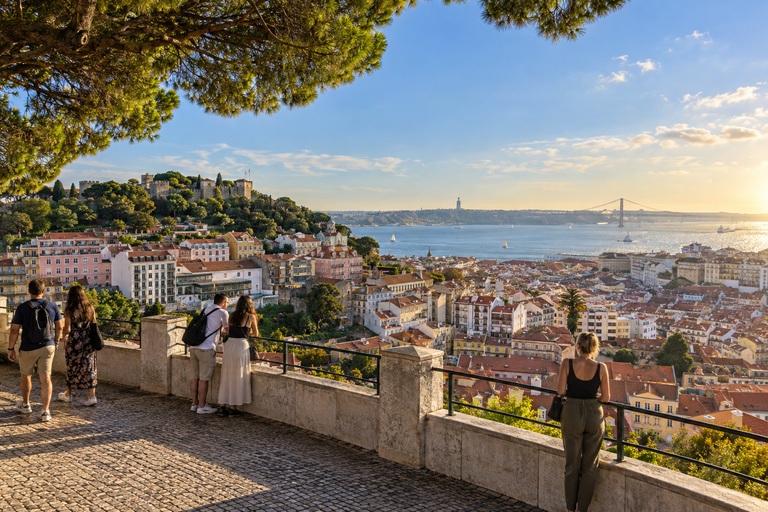
There are many Lisbon viewpoints, or miradouros, and you do not need to inspect them all.
For a first visit, choose Miradouro da Graça or Miradouro da Senhora do Monte on the eastern hills. On the other side of the center, Miradouro de São Pedro de Alcântara offers a different angle across the city toward the castle. Consult the official Senhora do Monte guide when planning your route.
I would give a viewpoint forty-five minutes, not four. Watch shadows move across façades. Find a street you recognize. Let your breathing return to its usual relationship with your lungs.
Sunset Is Optional; Sitting Down Is Sensible
Sunset attracts people for understandable reasons, but it also brings crowded terraces and competition for railings. Morning light or a late afternoon stop can be just as satisfying.
The public viewpoints are generally free; café tables come with purchases. Bring water and a light layer if you intend to linger.
My Tip: choose the viewpoint closest to the day’s other plans. Crossing town for a marginally different roof arrangement rarely improves dinner.
For couples visiting Lisbon, this is a good place to stop planning aloud. For solo travelers, it is an easy break without committing to a restaurant table. Either way, keep bags close and leave the railing available to others.
9. Browse LX Factory Without Mistaking Shopping for a Requirement
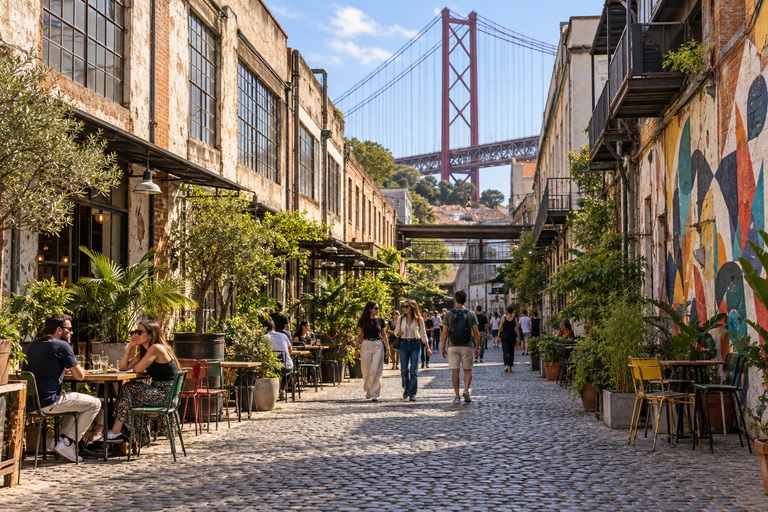
LX Factory, in Alcântara, offers a change from monasteries and medieval lanes. Former industrial buildings house shops, food venues, and creative businesses; the appeal is partly the contrast between practical old structures and their current uses.
This stop suits travelers interested in design, browsing, and a less monument-heavy afternoon. I would place it around lunch or on the way back from Belém, using transport between districts rather than assuming everything west of the center is next door.
Allow ninety minutes to two hours. Wander first, then decide whether a shop or café deserves more time. Some visits end with a purchase; others end with a coffee and an opinion about prices.
Look at What Is Made, Not Just What Is Displayed
Check the LX Factory website for current businesses and events. Individual opening hours differ, and market schedules should be confirmed rather than inherited from an old weekend itinerary.
Entry to browse the complex is generally free, while events and individual activities may charge. Budget €12–€20 for a casual meal, depending on where you stop.
My Tip: ask where products are made if buying a souvenir matters to you. A locally designed object, a book, or a print can carry more of the place home than an anonymous item wearing its name.
This is also a sensible experience to drop if your schedule is tight. If you came primarily for history or have only two days, prioritize the castle, Alfama, Belém, and one good evening.
10. Cross the Tagus to See Lisbon From the Other Side
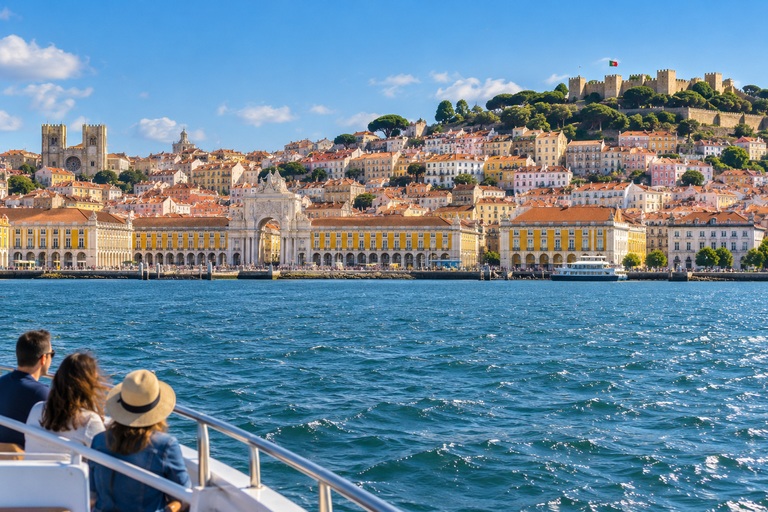
Take the public ferry from Cais do Sodré to Cacilhas, in Almada, and the city becomes a skyline instead of an uphill assignment. The crossing is transport first, which is part of its appeal: ordinary journeys can provide excellent views.
Check Transtejo Soflusa’s official timetables for departures, disruptions, and the last return. Allow two to three hours for a relaxed excursion with a meal or drink. Budget approximately €4–€6 for return ferry fares, subject to your ticket product.
You can stay near Cacilhas, explore available waterfront stretches, or continue farther only after checking routes and access. Industrial edges and walking paths are not uniformly maintained sightseeing promenades. Respect barriers and turn back if conditions look unsuitable.
Ferry or Cruise? Choose the Experience
The ferry is my budget choice for getting onto the water. A Tagus sailing trip suits you better if you want more time afloat, a smaller group, and a leisure itinerary.
Estimate €30–€60 per person for a shared cruise, more for premium or private options. On GetYourGuide, inspect the departure marina, actual boat type, passenger count, weather policy, and included refreshments.
Compare Tagus River Cruises and Sailing Trips
My Tip: bring a layer even when the afternoon feels warm.
Where to Stay in Lisbon: Buy Sleep and a Useful Location
I would choose accommodation by walking access, nighttime noise, and transport connections before décor. A balcony is lovely. A balcony over shouting until three in the morning is a specific lifestyle choice.
Match Your Neighborhood to Your Trip
- Baixa: convenient for a first visit, with flatter downtown streets and straightforward sightseeing access. Check street noise and building access.
- Chiado: useful for restaurants, shopping, and exploring on foot, although slopes and room prices vary considerably.
- Avenida da Liberdade and nearby streets: worth comparing for hotels, metro access, and a base outside the densest sightseeing lanes.
- Alfama: appealing for atmosphere, but ask about stairs, luggage access, and the exact route from your drop-off point.
- Bairro Alto and Cais do Sodré: practical for nightlife enthusiasts; light sleepers should inspect recent reviews closely.
My Tip: search reviews for “noise,” “stairs,” “elevator,” and “air conditioning.” Then check whether the room you are booking matches the room being praised.
On Booking.com, compare the total stay price, cancellation deadline, breakfast, taxes, and bed configuration. Save several options before buying flights if your dates are flexible; a small calendar adjustment can change the whole trip budget.
Compare Lisbon Hotels on Booking.com
What Lisbon Costs: A Budget With Room for Lunch
Lisbon is not reliably a bargain destination anymore, particularly for accommodation. You can still eat sensibly and enjoy free sights, but an old article promising a comfortable private room for pocket change will not pay your hotel bill.
Daily Budgets Per Person
These are planning ranges, including accommodation, meals, local transport, sightseeing allowances, and applicable city tax. They exclude international travel, insurance, major shopping, and expensive excursions.
| Travel style | Daily estimate | What it assumes |
|---|---|---|
| Budget traveler | €80–€120 | Hostel bed, simple meals, public transport, mostly free sights |
| Comfortable midrange | €150–€230 | Two sharing a private room, restaurant meals, paid attractions |
| More indulgent | €280–€450+ | Higher-category hotel shared by two, upgraded dining, selected tours |
Solo travelers using private rooms should add more, because the room cost is not divided. Peak dates and major events can push prices beyond these ranges.
Essential Prices to Keep Handy
| Item | Planning estimate |
|---|---|
| Espresso at a neighborhood café | €1.20–€2 |
| Custard tart | €1.50–€3 |
| Simple breakfast | €5–€9 |
| Sandwich or bifana | €4–€7 |
| Casual lunch | €12–€18 |
| Casual dinner | €20–€35 |
| Small beer or glass of house wine | €3–€6 |
| Supermarket water bottle | €0.50–€1.50 |
| Hostel dorm bed | €30–€55 |
| Midrange double room, per room | €120–€200 |
Add €4 per eligible guest per night for Lisbon’s tourist tax, up to seven nights per stay; exemptions apply. Check the municipal tourist-tax information and your accommodation’s final breakdown.
My Tip: keep a 10–15% buffer. An extra taxi, a museum you actually want to enter, or a second pastry should not require an emergency spreadsheet meeting.
Arriving and Getting Around Without Paying the Confusion Tax
Airport Transfers and Flight Bookings
Humberto Delgado Airport, also called Lisbon Airport, is served by the Metro’s Red Line. Many central destinations require a change, so check the route and operating hours against your arrival time on the official Metro website.
For a straightforward daytime arrival with manageable luggage, public transport is a sensible starting point. After a late flight, with children, or when carrying several bags, a prebooked transfer may be worth the extra expense.
Compare Welcome Pickups for your exact address, passenger count, and luggage. Check the meeting instructions, waiting allowance, child-seat requirements, and whether the vehicle can reach your accommodation. Estimate €30–€55 for a private airport transfer, but rely on the actual quote.
For flights, use Trip.com to compare dates and routes, then inspect baggage, connection time, and change conditions. A cheap fare that requires another hotel night may lose its appeal after arithmetic.
Compare Flights to Lisbon on Trip.com
Metro, Buses, and the Famous Tram
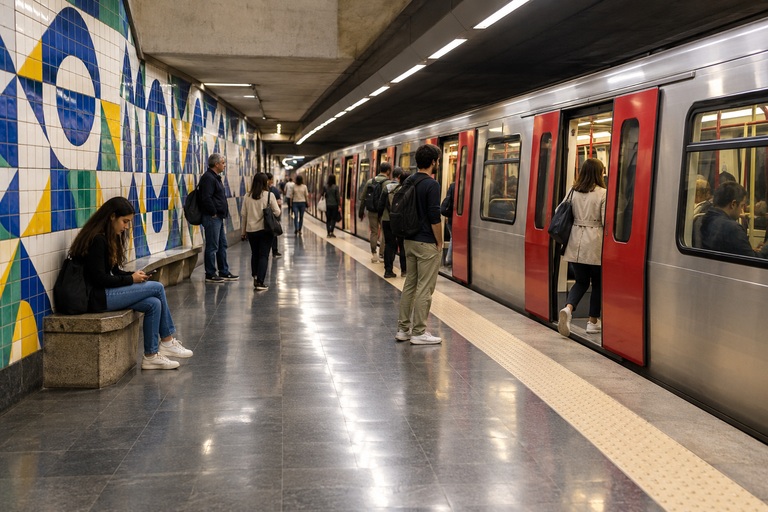
Published Metro ticket prices list the Carris/Metro ticket at €1.90 and the 24-hour Carris/Metro ticket at €7.25. The first has transfer restrictions; the second runs from validation rather than simply until midnight. A reusable occasional card may cost extra.
Tram 28E can be enjoyable, but queues and crowding can erase the pleasure. Check Carris routes and service notices before relying on it. Give residents space, keep valuables secure, and never stand on tracks for a photograph.
My Tip: Use a tram when it helps your route. Walking beside one does not make your vacation less legitimate.
Compare the Lisboa Card through the official tourism shop only after listing your attractions. Check current inclusions, closures, reservation requirements, and transport coverage. A pass saves money through use, not ownership.
Leave the Rental Car for the Road Trip
I would collect one when leaving for places poorly served by public transport.
For that onward leg, compare GetRentacar offers for your dates. Check the deposit, insurance excess, mileage, fuel policy, toll arrangements, pickup location, and accepted payment card before paying.
Money, Mobile Data, and the Boring Things That Save the Day
Wise and Revolut: Compare the Actual Cost
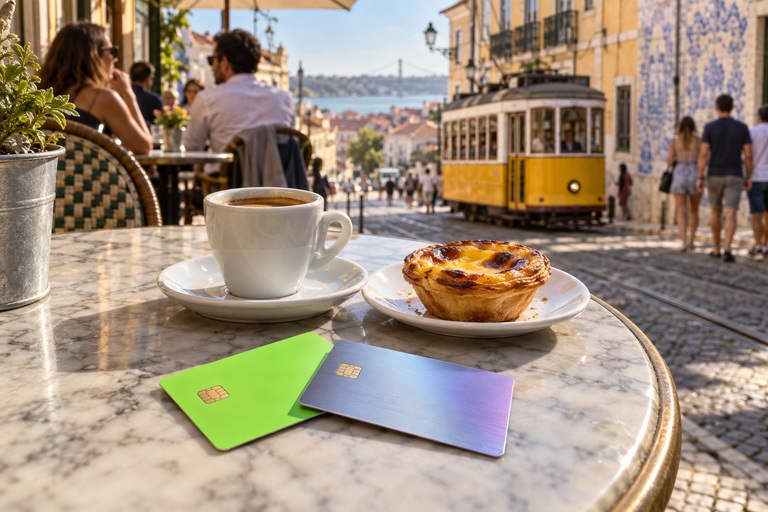
Portugal uses the euro. Carry a little cash alongside cards, and keep a backup payment method separate from your main wallet.
Wise may suit travelers who want to hold and convert multiple currencies; inspect its current pricing for your country. Revolut is another option for travel spending, but exchange and withdrawal costs depend on your plan and market. Read the applicable Revolut fee schedule.
My Tip: compare both with the card you already own. When a terminal offers conversion into your home currency, check the terms; paying in euros generally avoids the merchant’s conversion markup. ATM operators can impose separate fees.
Check Wise Availability and Travel Fees →
Compare Revolut Plans for Your Trip →
Set Up Data Before the First Wrong Turn
Check whether your existing plan covers Portugal before buying more data. Otherwise, compare a Portugal eSIM on Trip.com, matching the allowance and validity to your stay.
Confirm that your phone is unlocked and compatible. Read activation rules, hotspot limits, supported networks, and whether the package includes calls or data only. Follow the product’s instructions rather than assuming all eSIMs activate identically; the Trip.com eSIM guide explains the basic setup.
My Tip: download an offline map and save your accommodation address. A functioning phone is useful; a plan that survives a dead battery is better.
Buy Insurance for Your Circumstances
Use VisitorsCoverage to compare policies available for your residency, destination, dates, and activities. Examine medical limits, evacuation, deductibles, cancellations, and exclusions. Pre-existing conditions are not automatically covered, and different policies handle them differently; review the VisitorsCoverage policy information.
Choose for the risks and costs you need covered, rather than buying whichever result appears first.
Put the Days Together Without Wearing Yourself Out
Three Days in Lisbon
Day one: start with the castle, continue downhill through Alfama, and pause at Santa Luzia. Have an uncomplicated lunch, rest, then attend fado or a food tour. Pick one evening activity.
Day two: devote the morning to Jerónimos Monastery, followed by Pastéis de Belém and the waterfront. Add LX Factory if you still have interest and energy. Leave dinner flexible.
Day three: explore Praça do Comércio, Baixa, Chiado, and Carmo. Cross to Cacilhas later if ferry schedules and weather cooperate. A viewpoint can replace the crossing when you prefer to stay on land.
My Tip: switch the days around monument closures and your reserved tickets. Geography is useful; opening hours get the final vote.
More Time, Rain, and Realistic Alternatives
With a fourth day, consider Sintra for palaces or Cascais for a coastal outing. These are separate excursions, not attractions inside central Lisbon. Check CP train information and, for palace bookings, Parques de Sintra.
If rain arrives, shift time toward a museum, a longer lunch, or a performance. Avoid building a wet-weather itinerary around exposed castle walls or Carmo’s open nave. Check museum restoration notices before traveling across town.
For travelers with limited mobility, Baixa and parts of the waterfront can be easier starting points than Alfama, but gradients, uneven surfaces, and access interruptions still matter. Ask hotels and attractions specific questions about steps, elevators, bathrooms, and drop-off distances.
Visit Lisbon Without Making Life Harder for Lisbon
Sustainable tourism starts with ordinary choices that affect the people around you. Stay longer when you can, group activities geographically, and use public transport where practical. Fewer cross-city car trips also mean less vacation spent watching traffic.
Support independent businesses by buying meals, guiding, and useful souvenirs from people who work locally. Ask before photographing shopkeepers. Respect closing time.
Treat residential streets as residential streets. Keep voices down at night, avoid blocking entrances, and do not photograph through windows. Choose properly registered accommodation and consider established hotels or guesthouses when comparing options in pressured neighborhoods.
Carry a refillable bottle, reduce disposable packaging, and order realistic portions. Ask restaurants about seasonal ingredients rather than assuming every seafood dish is a responsible choice.
Never remove tiles or buy suspicious architectural fragments. Choose newly made ceramics from a seller who can explain their origin. The city’s walls should still be attached when you leave.
My Tip: a smaller itinerary can be the more generous one. Spend time and money thoughtfully in fewer places instead of treating neighborhoods as backgrounds between bookings.
The Lisbon Questions Worth Asking Before You Pack
When Is the Best Time to Visit Lisbon?
I would start by comparing April–May and September–October for walking-focused trips, while allowing for heat or rain. Summer brings longer days and more pressure on popular sights. Winter can offer quieter periods, but pack for wet weather and shorter daylight; consult Lisbon’s climate information.
Is Lisbon Safe for Solo Travelers?
Many people explore independently, but use normal city precautions: protect valuables on crowded transport, avoid leaving phones on tables, and arrange a sensible late-night return. Check your government’s Portugal travel advice before departure. The emergency number is 112.
Before booking: check passport validity and entry requirements for your nationality through Portugal’s official visa portal. Rules depend on citizenship and residence, so a friend’s experience is not a substitute. Leave enough time for any required application before committing to nonrefundable reservations.
What Should You Pack?
Bring grippy walking shoes, layers, sun protection, a compact rain jacket, and any necessary plug adapter. Portugal uses Type C and F outlets at 230 volts; check device compatibility. Keep medication and essential documents accessible, with digital backups stored securely.
Do You Need to Speak Portuguese?
You can manage many visitor situations in English, but bom dia means good morning and por favor means please. Start politely, ask whether someone speaks English, and avoid assuming everyone should. Patience travels better than volume.
The Part Where You Leave Tomorrow Slightly Empty
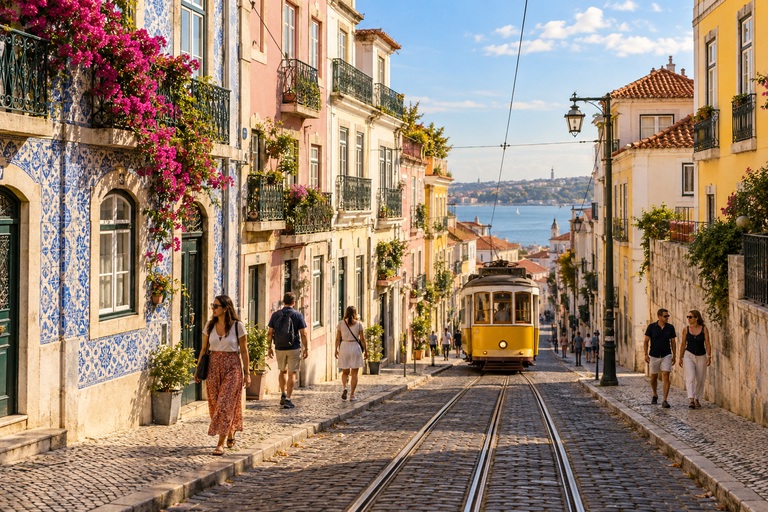
The temptation with Lisbon is to keep adding. Another viewpoint. Another church. Another restaurant saved by somebody whose appetite and budget may have very little to do with yours. Before long, the trip becomes a list you are failing instead of a place you are getting to know.
I would protect the essentials: a well-located room, a realistic arrival plan, the sights you truly care about, and enough money to eat properly. Reserve Jerónimos if it matters to you. Choose a fado evening with care. Give Alfama time. Then leave a section of the afternoon deliberately unemployed.
That space is useful. It lets you return to a bakery, sit longer beside the river, or abandon a queue without feeling that the day has collapsed. You do not owe your itinerary obedience. You owe yourself a trip you will remember as something more pleasant than a sequence of ticket confirmations.
For more practical guides with actual opinions, subscribe to A Tiny Traveler. I’ll help you sort worthwhile experiences from expensive distractions, plan routes that respect lunchtime, and make better use of the days you worked hard to take off.
Follow A Tiny Traveler on Pinterest, too, and save this article to your Portugal travel board. Share it with the person who keeps sending you photographs of yellow trams. Then ask them which three experiences they really want. That conversation is more useful than adding thirty more pins.
Leave the final morning light on commitments. One coffee, one warm tart, perhaps the same table as yesterday. Outside, a bell rings. This time, you do not have to chase it.
Frank


