

The first thing I would put in your Sapa itinerary is a blank afternoon. Scandalous, I know. You have crossed half the planet, negotiated baggage allowances, and developed strong opinions about bus seats. Surely every available hour deserves an attraction. Then the mountains disappear behind a sheet of white, and your meticulously organized spreadsheet becomes a work of speculative fiction.
That is the useful thing to understand about Sapa, Vietnam, before you book anything. The rice terraces are working fields. The mountain weather has its own commitments. The town has hotels, traffic, construction, and people getting on with Tuesday. Come expecting an untouched village suspended outside modern life, and you will spend your holiday arguing with reality.
I would come for something more interesting: a proper walk with someone who knows the paths, the smell of garlic hitting a hot pan, a conversation about how a piece of cloth was made. And, yes, the long folds of the Muong Hoa Valley, when the clouds decide you have waited long enough.
This complete Sapa travel guide is for curious first-timers, independent travelers, couples, and anyone who wants mountains without turning the trip into an endurance audition. I’ll help you choose your dates, reach the highlands, find the right base, budget honestly, and decide which experiences deserve your money. Bring curiosity. Bring shoes with actual grip.
Sapa at a Glance: Start With the Decisions That Matter
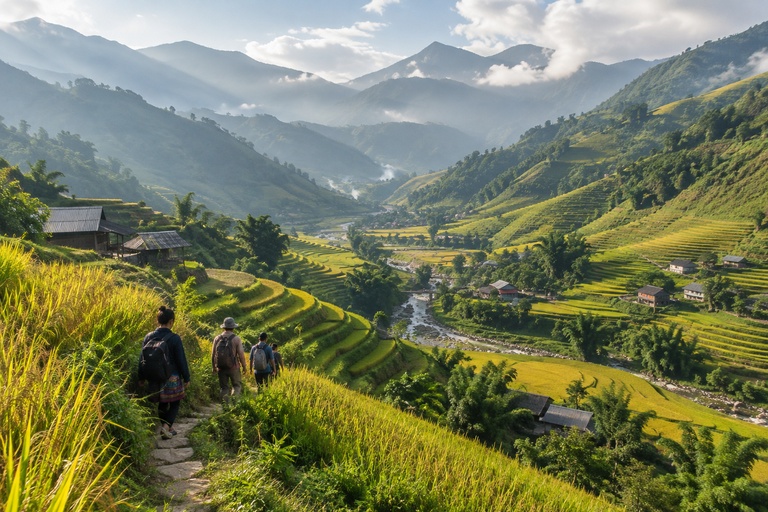
Sapa, also written Sa Pa, is a mountain destination in northern Vietnam. Most international visitors approach through Hanoi, then continue by road or take a train to Lao Cai and finish by road. There is no train station in Sapa town. The official Vietnam Tourism overview explains the basic geography and transport options.
My starting recommendation is three nights, giving you two full days and some breathing room around arrival and departure. Two nights works if you accept a narrower itinerary. One rushed overnight mostly proves you can sit in vehicles.
Make these choices first:
- Your priority: rice terraces, walking, cultural experiences, or a comfortable mountain escape.
- Your base: central Sapa for convenience, or a valley stay for slower evenings.
- Your transport: daytime bus for simplicity, overnight train for the rail experience.
- Your flexibility: keep one outdoor day movable when possible.
My Tip: choose your accommodation after choosing your trip style. A remote lodge is wonderful until you discover that every dinner plan involves another paid transfer.
Best Time to Visit Sapa: The Rice Does Not Follow Your Vacation Request
Choose Your Weather Compromise
For a walking-focused trip, I would start by comparing April–May and September–October. These are useful planning windows, not weather guarantees. Vietnam Tourism highlights both periods in its Sapa weather guidance.
Summer can bring green hillsides, heat, humidity, and heavy rain. Winter can feel properly cold, especially inside accommodation with weak heating. A photograph of somebody wearing shorts elsewhere in Vietnam is not a mountain packing strategy.
The decision is personal. If you hate damp trails, prioritize walking conditions over the fullest fields. If photography is your main interest, allow extra days and accept that the image you want may never happen.
Ask About the Fields Before Booking
Rice changes from reflective water and young shoots to dense green growth, ripening grain, and cut stalks. Timing varies between villages, elevations, and years. Do not assume every September visit means golden terraces, or that October fields remain unharvested.
Message a prospective host with your dates and ask what the fields near that property usually look like then. Better still, request a recent photograph. A listing’s cover image might represent one exceptional morning from several seasons ago.
My Tip: book for an experience you would enjoy under gray skies. A good guide, an interesting workshop, and a welcoming place to sleep make a stronger plan than a single promised view.
Getting From Hanoi to Sapa Without Losing a Day to Confusion
The Daytime Bus: My Practical Default
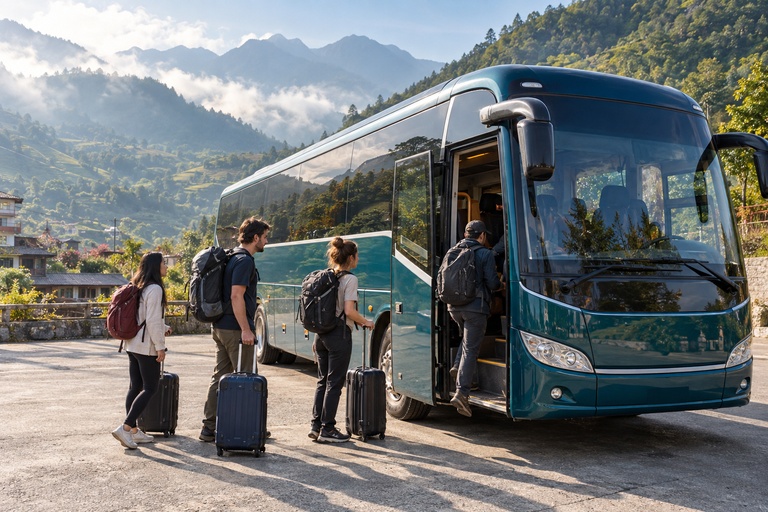
A direct Hanoi to Sapa bus avoids the train-to-road transfer. Allow approximately six hours, plus collection time and delays. At the time checked, Sapa Express advertised selected one-way services at US$16–$24, with published journeys around six hours. These are examples, not fares guaranteed for your dates.
I would choose a daytime service when possible. You arrive with enough daylight to locate your hotel, eat, and sort tomorrow’s plans. A cheaper overnight departure becomes less impressive if it deposits you outside a closed reception before dawn.
Before paying, confirm:
- The exact pickup point, rather than “somewhere in the old quarter.”
- Arrival time and drop-off address, including onward travel to a village.
- Seat or berth dimensions, particularly if you are tall.
- Luggage allowance and cancellation terms.
A “VIP” label tells you less than a current photograph of the vehicle. Compare recent comments about driving, cleanliness, and punctuality before being seduced by gold lettering.
The Overnight Train: Pleasant If You Price the Whole Journey
The Hanoi–Lao Cai railway can suit travelers who prefer a berth to a reclining bus seat. Allow roughly eight hours on the train, then about an hour or more uphill by road, depending on arrangements and conditions. The official tourism transport guide outlines this connection.
Use Vietnam Railways to check the route and current availability. Tourist sleeper carriages and standard railway products can have different booking arrangements, facilities, and prices.
For planning, allow VND 700,000–1,600,000 per person each way for a sleeper berth, with premium products potentially higher. Budget separately for the Lao Cai–Sapa transfer unless expressly included. Ask whether the quoted price buys one berth or an entire compartment.
My Tip: reserve your transfer before arriving tired. Save the driver’s meeting instructions offline, and keep your passport and valuables beside you overnight.
Flights and Airport Transfers: Solve Hanoi First
For most international itineraries, start by comparing flights into Hanoi’s Noi Bai International Airport on Trip.com. Check baggage, connection protection, arrival time, and the final fare before deciding which option is cheapest.
Compare Hanoi Flights on Trip.com
After a long flight, I would usually sleep in Hanoi before continuing north. You will make better decisions after a shower than after negotiating your third connection on airplane coffee.
Welcome Pickups advertises Hanoi transfer services. Request a quote for your actual airport-to-hotel journey, passenger count, and luggage. Check waiting time, child seats, and late-arrival arrangements. Do not assume a Hanoi airport booking includes the long journey to Sapa.
Where to Stay in Sapa: A Balcony Is Not a Location
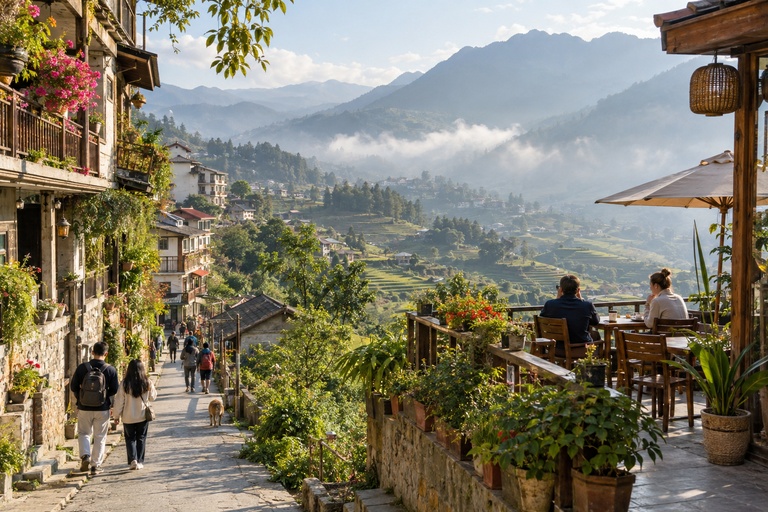
Central Sapa for Easy Logistics
Choose Sapa town if you want restaurants, tour offices, transport connections, and easier access to supplies. It is my practical suggestion for short visits or travelers who prefer making dinner decisions after seeing how hungry they are.
The compromise is noise and development. Read recent reviews for construction, traffic, heating, dampness, and hot water. Check whether a “mountain-view room” actually names the room category you are buying.
My Tip: ask about the final approach. A short distance on a map can still mean stairs, a steep lane, or luggage being carried from a roadside drop-off.
Ta Van and the Valley for Slower Evenings
Consider Ta Van or nearby valley accommodation when walking and staying put matter more than nightlife. Some properties offer family meals and help arrange local guides; others operate much like ordinary guesthouses. The word “homestay” does not guarantee that you will share daily life with a family.
Ask who owns and runs the property, whether hosts live there, what meals cost, and how you reach it after dark. If you want cultural exchange, describe that interest before booking rather than expecting hosts to provide spontaneous entertainment.
A valley room can be cheaper than a town hotel but more expensive once you add repeated taxis. I would plan dinners near the property and avoid commuting into town out of habit.
Lodges for a Trip Built Around the Stay
A remote lodge makes sense for couples or travelers who want a comfortable room, meals on site, and fewer decisions. Compare Topas Ecolodge as one established option mentioned by Vietnam Tourism, then verify its current inclusions directly.
Look at the complete stay cost: transfers, meals, taxes, activity prices, and the room’s cancellation policy. A discounted room is less useful if its location makes every other part of the trip expensive.
On Booking.com, shortlist three properties in your preferred area. Compare the same dates, occupancy, breakfast, and cancellation terms. Search reviews for the practical details above, then send your two most important questions before paying.
Find Your Sapa Hotel or Valley Homestay on Booking.com
Trekking in Sapa: Buy a Good Guide, Not Just a Long Walk
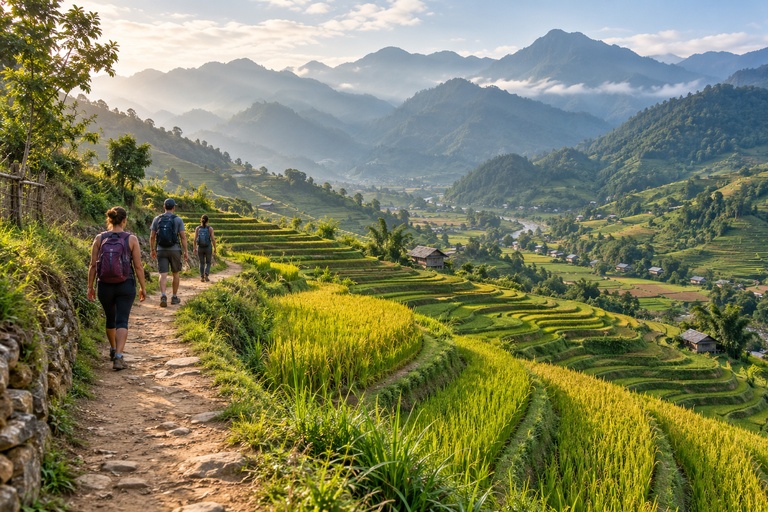
Make the Muong Hoa Valley Your Main Event
If I could organize only one substantial experience, I would choose a guided walk through the Muong Hoa Valley, with the route adjusted to conditions and your ability. Popular itineraries involve Lao Chai and Ta Van, but the exact path matters more than collecting village names.
For a first outing, ask for four to six hours including breaks, with a clear explanation of walking distance, elevation change, and road sections. Your guide should know whether yesterday’s rain has turned a comfortable track into something resembling chocolate pudding with consequences.
The most useful questions happen before departure:
- How much walking is on muddy or narrow paths?
- Can the route be shortened if conditions change?
- Are lunch, village fees, and return transport included?
- Who leads the walk, and what is the group size?
Do not judge a trek entirely by distance. Repeated slippery descents can exhaust you more than a longer walk on a firm surface. Tell the operator about knee problems, balance concerns, or your actual fitness level.
Who Should You Book With?
Sapa Sisters describes itself as a local Hmong, women-owned guiding business and offers tailored trekking experiences. ETHOS offers small-group walks and cultural experiences with local Hmong and Dao guides. Both are useful starting points for questions about community involvement and route flexibility.
You can also compare Sapa trekking tours on GetYourGuide. Look beyond star ratings: read reviews mentioning the guide, walking pace, sales stops, meals, and wet-weather changes. Find out which local company actually operates the experience.
For planning, allow approximately VND 600,000–1,200,000 per person for a guided day, depending on group size and inclusions. Treat this as a budgeting range; obtain a quote for your route.
Compare Sapa Treks and Local Guides on GetYourGuide
My Tip: pay for a route that fits you. The cheapest group is poor value if you spend the day either waiting or apologizing.
Overnight Treks Need Better Questions
An overnight trek gives you more time outside town, but ask exactly where you sleep. Confirm shared or private rooms, bedding, toilets, showers, heating, dietary needs, and luggage storage.
Check whether the second day follows a different route or largely retraces the first. Ask what happens during severe weather and whether the operator can arrange an early return.
Do not enter rice fields or walk along fragile terrace edges for photographs. These are agricultural structures, not conveniently landscaped viewing platforms. Follow your guide on permitted paths and give working people room.
Fansipan: Read the Ticket Before You Chase the Summit
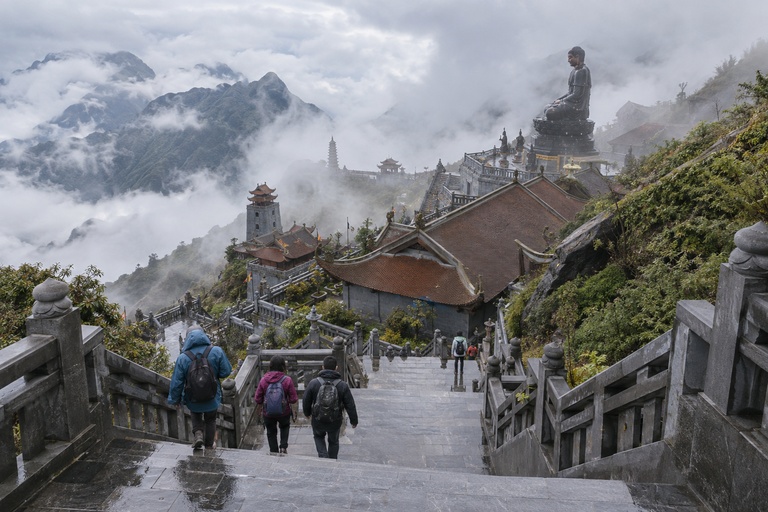
Fansipan rises to approximately 3,143 meters, and the cable car makes a high-mountain visit possible without a demanding summit trek. Check the Sun World Fansipan website for current operations, tickets, and access arrangements.
I would reserve half a day, with additional time during busy periods. The experience includes more than the ride: transfers, queues, walking, stairs, and the summit complex can all affect your day.
The Package Details That Change the Price
Compare these items separately:
- Transport from your accommodation to the departure point.
- The Muong Hoa mountain train, if included in your chosen approach.
- The cable car ticket.
- Any summit funicular journeys, including their direction.
- Meals and guided services.
For budgeting, set aside VND 1,000,000–1,500,000 per adult for the attraction and possible add-ons, then check live prices for your date. This is a planning allowance, not an official ticket quotation.
A low headline price may describe one component rather than the full journey. Compare GetYourGuide listings with the official offer, checking ticket eligibility, redemption instructions, refund rules, and transport.
Check Fansipan Tickets and Tour Inclusions
Clouds Are Not a Refund Policy
Check conditions near departure, but recognize that mountain weather can change quickly. A town forecast does not guarantee summit visibility. If distant views are your only reason to go, flexibility matters more than booking weeks ahead.
Bring a warm layer and rain protection. Ask about step-free access if necessary; a cable car does not make every part of the visit accessible. Travelers with relevant medical concerns should seek advice before a rapid ascent to this altitude.
My Tip: keep the following evening easy. You do not need to reward a day of queues and stairs with another timed activity.
Beyond the Headliners: Choose One Detour You Actually Want
Ta Phin for Textiles and an Herbal Bath
Ta Phin is an option for a village visit built around textile traditions or a Red Dao herbal bath. Confirm appointments, transport, and the host business before going. A vague instruction to “visit the village” leaves too much to chance.
I would combine one planned experience with lunch instead of stacking several rushed stops. For an herbal bath, ask about ingredients, water temperature, hygiene, privacy, and duration. Treat it as a cultural and relaxation experience, not a medical treatment.
A Textile Workshop Makes an Excellent Rain Plan
Consider Hmong batik or embroidery when the weather makes walking unattractive. The Vietnam Tourism interview with local guide Ly Thy Ker offers useful background on textile work and the time involved in making clothing.
Book a session with a named maker or community organization. Ask what you will learn, which materials are supplied, and whether your piece needs drying time. Collecting something you helped make has more appeal than panic-buying souvenirs beside a departing bus.
Bac Ha Market Is a Separate Excursion
Bac Ha’s Sunday market requires a substantial road outing from Sapa. Do not treat it as a quick breakfast detour. Vietnam Tourism describes the journey as about three hours each way, so assess the full day before committing.
Go if markets and regional trade genuinely interest you, allowing time to browse and eat without blocking sellers. Skip it if your short trip would lose its only valley walking day. Check timing and current road conditions with your operator.
My Tip: one carefully chosen detour usually adds more than three attractions visited because they appeared beside each other in a booking menu.
What to Eat in Sapa: Follow the Garlic and the Charcoal
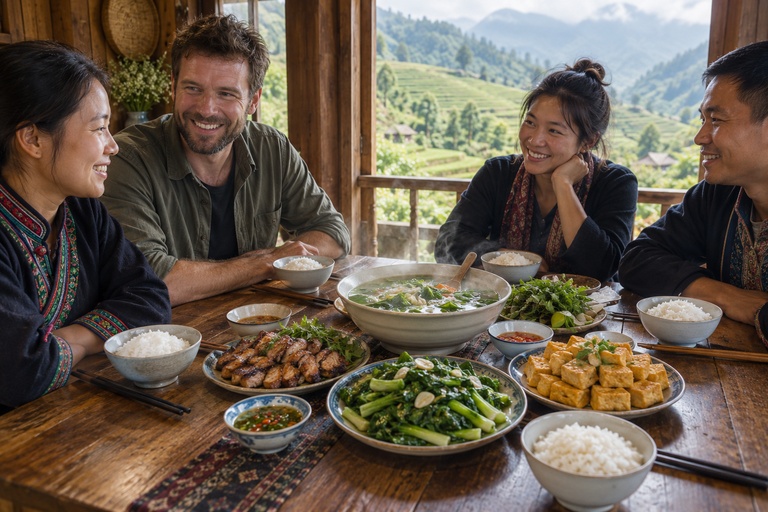
Start With a Proper Shared Meal
After a damp walk, I would aim for hot food and a chair with a back. Consider grilled dishes, rice, tofu, and greens rather than ordering solely for novelty. The pleasure can be very straightforward: crisp edges, soft rice, garlic oil, and something sharp on the side.
Chayote shoots, often called rau su su, are worth looking for. Vietnam Tourism’s food guidance highlights local tofu, greens, and trout among the area’s options. Ask what is available that day rather than expecting every kitchen to produce the same menu.
For a shared hotpot, establish the total price, number of diners served, and included vegetables and noodles. A price per pot is very different from a price per person. Hunger is an unreliable accountant.
Breakfast, Coffee, and Dietary Reality
A bowl of pho, bread with eggs, or whatever your accommodation cooks can be a practical start. Before a trek, eat enough and carry a snack rather than assuming lunch happens at the precise moment your stomach requests it.
Vietnamese coffee can be strong; condensed milk makes it sweeter, not weaker. Ask for less sweetness if preferred. A café with a valley view is a perfectly reasonable afternoon expense, especially when you intend to occupy the chair for a while.
Vegetarian travelers should ask about fish sauce, meat stock, and shared cooking surfaces. For serious allergies, carry a written translation and discuss ingredients directly. Do not rely on an English menu category to answer every question.
My Tip: agree meal prices at a homestay in advance, including drinks. Family-style dining is easier when nobody has to decode the bill afterward.
Sapa Travel Costs: Leave Room for the Expensive Day
All figures below are planning estimates, not guaranteed September 2026 quotes. Prices depend on season, room category, group size, and inclusions. VND means Vietnamese dong. Use a live exchange rate when converting; I would budget locally in VND.
Daily Budgets Per Person
| Travel style | Daily allowance | Assumptions |
|---|---|---|
| Budget | VND 650,000–1,000,000 | Dorm or basic shared room, simple meals, modest local transport, mostly inexpensive activities |
| Comfortable midrange | VND 1,300,000–2,200,000 | Two sharing a private room, varied meals, some transfers and sightseeing |
| Lodge or upscale stay | VND 3,000,000–5,500,000+ | Two sharing higher-category accommodation, on-site dining, selected activities |
These ranges exclude international flights, visas, insurance, Hanoi transfers, intercity travel, and major activity splurges. Budget Fansipan or a substantial private tour separately. Solo travelers booking private rooms should expect a higher accommodation cost per person.
Everyday Prices Worth Saving
| Item | Planning range |
|---|---|
| Simple breakfast or noodle bowl | VND 40,000–80,000 |
| Local coffee | VND 25,000–60,000 |
| View-café drink | VND 50,000–100,000 |
| Simple lunch | VND 60,000–120,000 |
| Restaurant dinner per person | VND 120,000–250,000 |
| Shared hotpot, per pot | VND 350,000–700,000+ |
| Small bottled water | VND 10,000–20,000 |
| Dorm bed | VND 150,000–300,000 |
| Basic private room, per room | VND 350,000–700,000 |
| Midrange double room, per room | VND 800,000–1,600,000 |
| Laundry, per kilogram | VND 30,000–60,000 |
Village transfers vary too much with distance, road access, vehicle size, and waiting time for one useful universal fare. Ask your host for a written quote. Include the return journey if needed.
My Tip: add a 15% contingency after pricing the big items. Weather changes, an extra transfer, and wet-shoe laundry are more plausible than a perfectly obedient budget.
Money, Data, and Transport: The Small Decisions That Follow You Around
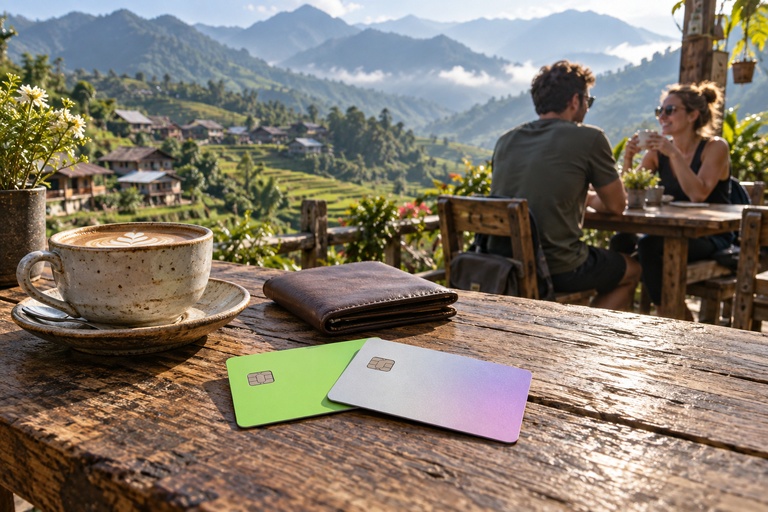
Wise and Revolut: Compare What You Actually Pay
Carry cash for small purchases and village businesses, alongside a backup card. Withdraw before heading to a remote stay, and avoid keeping all your money in one pocket.
Wise and Revolut can be useful travel payment options where their accounts and cards are available to you. Compare exchange charges, withdrawal allowances, delivery time, and your existing bank’s fees. Check Wise pricing and the Revolut fee schedule, selecting your own country and plan.
At a terminal or ATM, inspect any currency-conversion offer. Choosing VND generally avoids the operator’s conversion markup, although your card provider may still charge fees. ATM owners can impose separate charges.
Check Wise Travel Card Availability and Fees →
Compare Revolut Plans for Your Vietnam Trip →
Set Up Your Trip.com eSIM Before the Mountain Road
Compare a Vietnam eSIM on Trip.com if your existing plan is unsuitable. Check phone compatibility, network coverage, data allowance, validity, hotspot rules, and activation timing. Some packages provide data without ordinary calls or texts; confirm what you need before buying.
The Trip.com eSIM guide explains installation basics. Follow the instructions for your specific product, and download offline maps, tickets, and accommodation details before leaving reliable internet.
My Tip: signal is not a rescue plan. Give someone your walking itinerary and carry enough battery to navigate home.
Taxis, Drivers, and the Rental-Car Question
For local outings, ask your accommodation to arrange a reputable driver and confirm the fare, waiting time, and return pickup. A map’s suggested walking route may follow an unpleasant road without a safe shoulder.
I would not make Sapa a first experiment in overseas driving. If you already have the appropriate experience and want a vehicle for a broader itinerary, check GetRentacar for actual availability. Do not assume local inventory exists or that a rental includes a driver.
Review the deposit, insurance excess, cancellation terms, pickup location, permitted routes, and licensing requirements before paying. A booking platform accepting payment does not establish your legal right to drive. Consult current Vietnam road-travel advice.
A Three-Day Sapa Itinerary With a Weather Escape Hatch
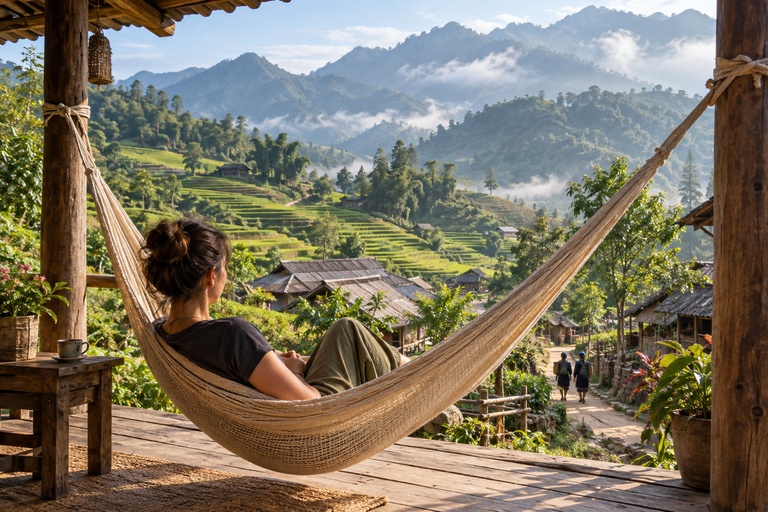
Day One: Arrive, Eat, and Understand Your Base
Take a morning bus if it fits your wider schedule. After check-in, have lunch and keep the afternoon gentle: a short orientation walk, groceries, and a conversation with your host about tomorrow’s conditions.
If you are staying in the valley, travel there directly rather than unpacking twice. Confirm dinner and your guide’s meeting point. The first evening is for settling in, not proving that transport fatigue cannot defeat you.
Day Two: Give the Valley Your Best Energy
Make this your main Sapa trekking day. Start after breakfast, walk at an agreed pace, and leave enough time for lunch and conversation. Return with time to shower and dry clothing before dinner.
A shorter walk is a successful day if it suits the weather and your body. You are not collecting steps for a committee. An overnight trek can replace this day and part of the next, provided your departure arrangements allow it.
Day Three: Fansipan or a Cultural Day
Choose Fansipan if conditions and your interests align. Otherwise, arrange a textile workshop or a planned Ta Phin visit. You can swap this day with the trekking day if your bookings allow changes.
For three nights, depart the following morning without racing a mountain attraction against a bus. With two nights, shorten the final day and confirm your luggage and transfer logistics carefully.
My Tip: return to Hanoi with a generous buffer before an international flight. I would usually plan a final night there rather than trusting a long mountain-road connection on departure day.
The Booking Message That Prevents Most Surprises
Before confirming a stay, I would send one short message containing your arrival time, transport method, room requirements, and planned activities. Ask the property to confirm the full price and explain the last part of the journey from the bus stop. Save the response with your reservation.
For a rural stay, add three questions: Can a car reach the door? Is dinner available on arrival? What happens if road conditions interrupt access? These answers tell you more about whether a property suits your trip than another photograph of a bathtub facing a mountain.
If you arrive early, arrange early check-in or luggage storage explicitly. An overnight bus ticket does not include a hotel room before the booked check-in time. Paying for the previous night can be sensible when sleep matters more than squeezing the budget.
A Little Language Goes Further Than Louder English
Learn xin chào for hello and cảm ơn for thank you. Keep your accommodation name and address saved in Vietnamese, preferably alongside the host’s phone number. Showing a written address is often easier than trying to pronounce it beside a running engine.
Download a translation app’s offline language pack before traveling. Use short sentences, show translated allergy information, and confirm numbers on a calculator when discussing prices. Translation software can misunderstand context, so ask again when the answer matters.
My Tip: when someone approaches offering guiding or goods, be clear and courteous about whether you are interested. Agree any paid service before accepting it, including informal assistance on a trail. A friendly conversation and a commercial offer can coexist; clarity helps both people avoid an awkward ending. Keep your tone warm even when your answer remains no.
Safety and Entry: Read This Before Booking the Nonrefundable Bits
Check Your Passport, Visa, and Travel Advice
Entry rules depend on nationality and circumstances. Use the official Vietnam visa information and the government e-visa portal to establish what applies to you. Check passport validity, entry points, permitted dates, and the number of entries before paying for fixed arrangements.
Monitor your government’s travel advice and local conditions. Heavy rain can affect roads and paths; do not pressure drivers or guides to continue because an activity is prepaid.
Buy Insurance for the Activities You Will Actually Do
Use VisitorsCoverage to compare eligible policies for your residence, destination, dates, and planned activities. Its travel-insurance information distinguishes different coverage types; the policy wording controls what you receive.
Ask about trekking altitude limits, medical evacuation, search and rescue, pre-existing conditions, trip interruption, and motorbike exclusions. Do not assume a general policy covers a summit trek or riding a scooter. Availability and benefits vary.
Carry the insurer’s assistance number offline. Consult a travel-health professional about your own needs and review current Vietnam health advice before departure.
Pack for Damp Feet and Changing Temperatures
Bring grippy walking shoes, spare socks, a rain shell, warm layers, sun protection, insect repellent, essential medication, and a small daypack. Add a waterproof pouch for documents and electronics.
For accommodation, ask about sockets and bring a suitable adapter; check voltage compatibility on your devices. Carry tissues and hand sanitizer for travel stops. Keep footwear you can use while muddy shoes dry.
My Tip: test your shoes before the trip. A mountain path is an unnecessarily dramatic place to discover a blister problem.
Sustainable Tourism in Sapa: Spend Like the Place Has Residents
Choose locally owned guiding and accommodation where practical. Ask who benefits from the booking and how guides are paid. Specific answers mean more than a green leaf logo.
Buy fewer, better souvenirs. Ask who made a textile, which techniques were used, and how long it took. Pay fairly for skilled work; the goal is not to win a negotiation against someone with fewer options.
Ask before photographing people, especially children. Accept a refusal without bargaining. Avoid handing out sweets, cash, or school supplies in the street; ask a reputable community organization about useful support instead.
Stay on permitted paths and protect water sources. Refill from a verified safe supply when available, carry your rubbish out, and avoid disposable items you do not need. Never assume a clear mountain stream is safe to drink.
Respect homes as homes. Wait for invitations, ask about shoes and seating, and avoid photographing interiors without permission. Nobody owes you access because your tour description used the word “authentic.”
My Tip: staying another night can be more rewarding than adding another destination. It gives your transport effort more purpose and your spending more time to reach local businesses.
The Sapa Questions People Ask After Booking
Is Sapa Worth Visiting Without Trekking?
Yes, if you want mountain accommodation, food, workshops, and selected outings. Check access carefully and build a trip around those interests. You do not need to hike to justify being here.
Can You Visit Sapa Independently?
Yes. You can book transport and accommodation separately, then hire a guide for specific walks. Independence does not require navigating every rural path alone or refusing useful local knowledge.
Is Sapa Suitable for Families or Limited Mobility?
It depends on the specific route and property. Ask about steps, gradients, vehicle access, bathroom facilities, and walking surfaces. Request photographs where useful. Adapt activities to the least comfortable traveler rather than the most enthusiastic itinerary planner.
What If It Rains Throughout the Trip?
Use shorter safe walks, workshops, meals, and time at your accommodation. During dangerous conditions, cancel outdoor plans. A quiet afternoon is disappointing only until you compare it with an avoidable accident.
Leave One Afternoon Unclaimed
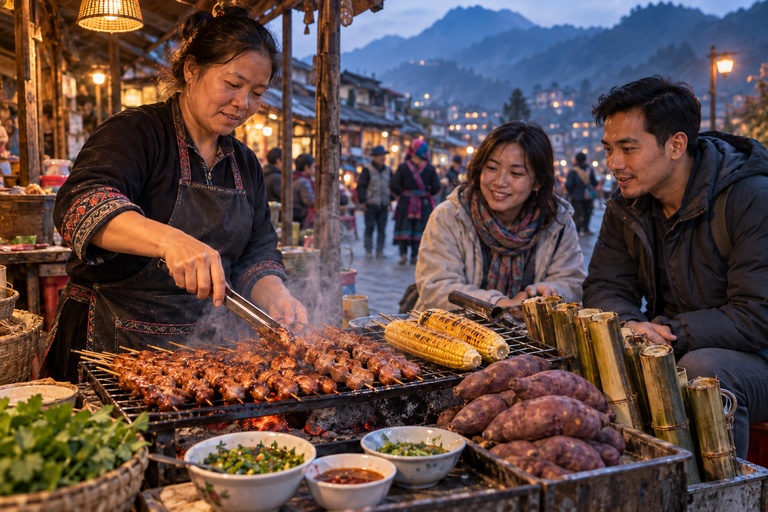
The Sapa trip I would build has a few firm foundations: a comfortable place to sleep, sensible transport, one well-chosen guide, and enough money to change plans. Everything else gets a little room to move. That is how you make space for a place whose weather will never read your confirmation emails.
Give the Muong Hoa Valley your attention rather than just your camera. Ask how the fields work. Ask about the cloth you are considering buying. Eat something hot after walking, and let dinner take longer than expected. There is no prize for returning home with the largest number of ticket stubs.
Save this guide for your Vietnam planning, and send it to the person traveling with you. Agree on your three priorities before either of you books six. A shared idea of a good day is worth more than a shared folder containing hundreds of aspirational photographs.
For more practical travel stories, honest planning advice, and routes that leave time to eat, subscribe to A Tiny Traveler. I’ll help you decide what deserves your time and what can wait, with useful details and an occasional opinion your spreadsheet neglected to include.
Follow A Tiny Traveler on Pinterest, too. Save this guide to your Vietnam travel board, explore ideas for the next leg of your trip, and come back as new destination guides arrive. Your next holiday can begin with curiosity instead of twenty open tabs.
Leave that final afternoon open. A cup on the table. Shoes drying by the door. Somewhere beyond the cloud, the fields are still there.
Frank


