

Discover the 10 best day trips from Paris, including Versailles, Giverny, Champagne, Loire Valley and Mont-Saint-Michel, with trains, costs and practical tips.
There comes a point during almost every trip to Paris when you realize something slightly inconvenient: France has put an unreasonable amount of interesting stuff just outside the city.
You could spend another morning politely wrestling with the crowds around the Louvre, of course. Or you could get on a train with a coffee and a croissant, watch the apartment blocks thin into fields, and forty-something minutes later be walking through a royal palace, drinking Champagne underground, wandering through Monet’s garden, or standing beneath a Gothic cathedral that makes your neck hurt from looking upward.
That is the great thing about taking day trips from Paris. You do not have to abandon Paris. You simply cheat on it for a day.
And France makes this remarkably easy. Some of the best places to visit near Paris are less than an hour away by train. Others require an early alarm and a little determination. One involves several hours on a coach to reach a medieval abbey sitting above tidal flats like somebody designed the entire thing for the cover of a historical novel. I would not attempt all ten on the same trip unless you are running from the authorities, but choosing two or three can completely change the character of your Paris holiday.
This guide covers my picks for the 10 best day trips from Paris, including exactly how to get there, what to see, realistic 2026 costs, how much time you need, who each trip suits, when to book a tour instead of going independently, and the small mistakes that can turn an elegant French excursion into eight hours of staring at railway departure boards.
Before You Escape Paris: The Quick Version
If you are already scrolling while standing on a platform at Gare du Nord, here is the abbreviated version.
| Day trip | Travel time from Paris | Best for | Approx. day budget |
|---|---|---|---|
| Versailles | 35–50 min | Palaces, history, gardens | €45–90 |
| Giverny | 45–60 min + transfer | Art, gardens, photography | €45–85 |
| Reims & Champagne | About 45 min by TGV | Champagne, food, couples | €80–200+ |
| Fontainebleau | About 40 min + local bus | Castles, forests, fewer crowds | €35–75 |
| Rouen | About 1 hr 20 min | History, architecture, food | €45–90 |
| Provins | About 1 hr 20 min | Medieval France, families | €30–65 |
| Chartres | About 1 hr | Cathedrals, easy independent trips | €35–70 |
| Disneyland Paris | About 40 min | Families, Disney fans | €90–180+ |
| Loire Valley | 2+ hrs depending on route | Castles, wine, photography | €90–220 |
| Mont-Saint-Michel | Around 4 hrs each way | Bucket-list scenery, history | €100–220 |
Prices are approximate per person and depend heavily on how early you book trains, whether you join a tour, and how seriously you approach lunch.
And in France, lunch can become a financial event.
How Much Should You Budget for a Day Trip from Paris?
For most independent travelers, I would set aside €50–100 per person for a normal day trip and considerably more for Champagne, the Loire Valley, Disneyland Paris, or Mont-Saint-Michel.
Useful everyday prices to keep in mind:
- Coffee: roughly €2–5
- Croissant or pastry: €1.50–4
- Bakery breakfast: around €5–10
- Casual lunch: €15–25
- Restaurant lunch: around €25–45
- Bottle of water: €1–3
- Metro–Train–RER ticket within Île-de-France: €2.55
- Navigo Day Pass, all zones: €12.30
- Regional/TGV trains beyond Île-de-France: often €15–50+ each way
- Organized day tours: generally €60–200+
Important tip: Do not assume an organized tour is automatically a rip-off. For places such as the Loire Valley and Mont-Saint-Michel, transportation logistics eat so much of your day that paying for a coach tour can buy you something more valuable than money: time.
CHECK PARIS DAY TRIPS ON GETYOURGUIDE →
1. Versailles — The Obvious One Is Obvious for a Reason
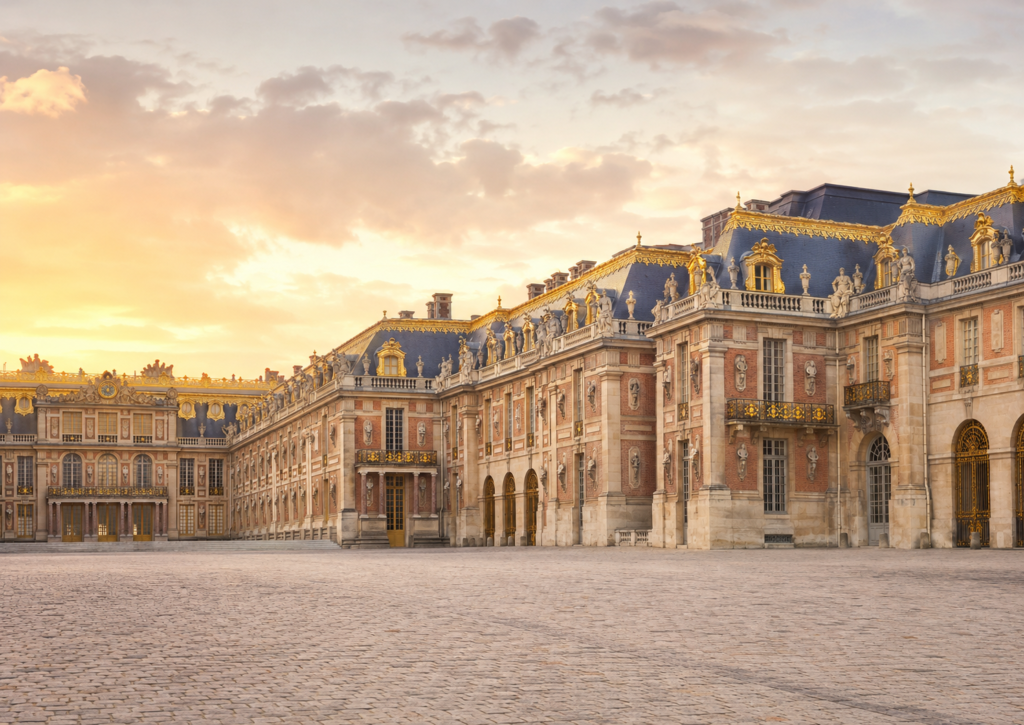
Yes, Versailles is crowded.
Yes, you will encounter tour groups moving through the Hall of Mirrors with the coordination of shopping carts in a supermarket aisle.
Go anyway.
The Palace of Versailles is one of those places where the scale only makes sense once you are physically standing there. Photographs show gold, chandeliers, and painted ceilings. What photographs struggle to communicate is the sheer excess of it all.
Louis XIV did not understand the concept of understated décor.
The centerpiece is the Hall of Mirrors, but limiting your visit to the palace would be a mistake. The estate is enormous, and some of my favorite parts are outside the main building.
Walk through the Gardens of Versailles, continue to the Grand Trianon and Petit Trianon, then find the Queen’s Hamlet, where Marie Antoinette escaped court life in an absurdly picturesque collection of rustic cottages.
It is essentially royal escapism with very expensive landscaping.
How to Get from Paris to Versailles
The easiest option for most travelers is the RER C to Versailles Château–Rive Gauche.
From the station, the palace is roughly a 10-minute walk.
Other railway routes reach Versailles-Chantiers or Versailles-Rive Droite, but if this is your first visit, I would choose the simplest connection rather than creating an unnecessary French railway puzzle before breakfast.
Because Versailles remains inside the Île-de-France transport system, traveling there is surprisingly inexpensive under the 2026 fare structure.
Versailles Tickets in 2026
The most useful ticket for a proper visit is the Passport, which covers the palace and wider estate.
Expect approximately:
- Low season: €25
- High season: €35
- Reduced prices are available for eligible EEA residents/nationals
- Some visitors qualify for free admission, although a reserved time slot may still be necessary
Book your Palace entry before you arrive. Turning up at 11:30 on a summer Saturday and hoping France has somehow forgotten that Versailles is famous is not a strategy.
My Ideal Versailles Day
Book the earliest practical palace slot, see the interiors first, and then escape into the gardens before your tolerance for gilded ceilings collapses.
Have lunch near the estate or bring something simple, then devote the afternoon to Trianon and the Queen’s Hamlet.
Wear comfortable shoes.
Not stylish shoes.
Comfortable shoes.
The estate is huge.
Best for: First-time visitors, history lovers, couples, architecture fans
Skip it if: You actively hate palaces or only have four hours available.
BOOK A VERSAILLES TOUR & SKIP THE TRANSPORT GUESSWORK →
2. Giverny — Where Monet Basically Landscaped His Paintings
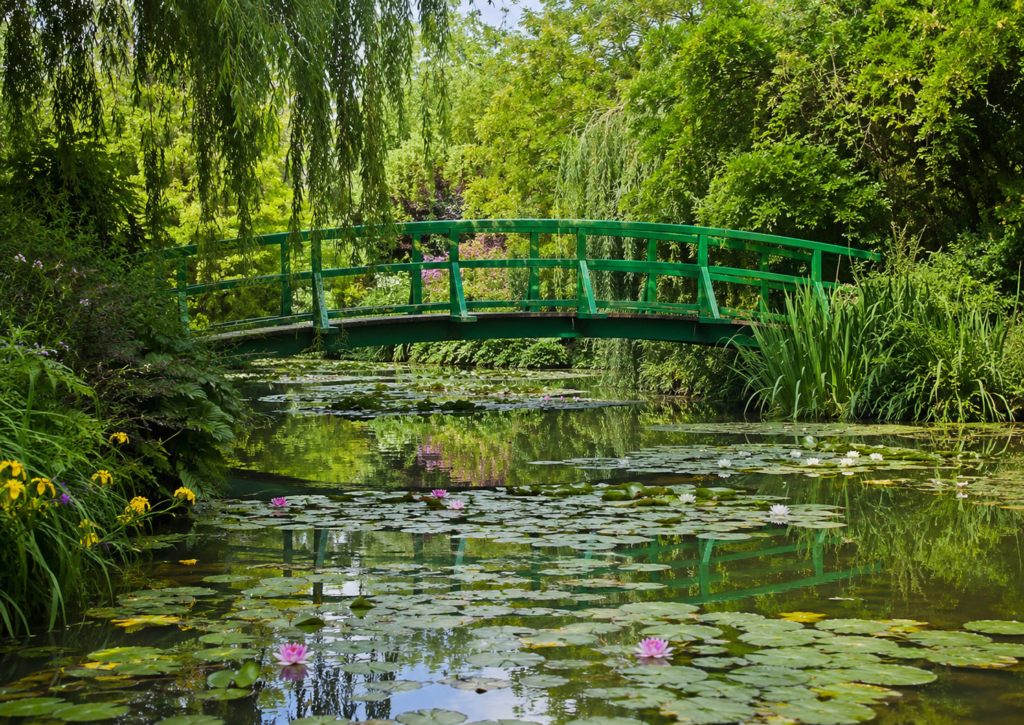
If Versailles feels like France shouting, Giverny is France speaking quietly over the sound of bees.
Claude Monet lived here from 1883 until 1926, creating the gardens that later appeared again and again in his work.
And yes, the famous pond really exists.
The Japanese Bridge really is green.
The water lilies are there.
What surprised me most about Giverny, though, is how deliberate the garden feels. It looks loose and romantic, but this was not a piece of countryside Monet simply stumbled across. He planned it obsessively.
The Clos Normand garden outside the house is packed with flowers arranged along pathways leading toward Monet’s pink house with its green shutters. Across the road is the Water Garden, where willow branches hang toward the pond and reflections change every few seconds with the light.
You begin understanding why the man painted the same pond over and over.
When Is Giverny Open?
In 2026, Monet’s House and Gardens are open from April 1 to November 1, generally from 10:00 to 18:00, with last admission at 17:30.
Adult admission is €13.
I strongly recommend booking online because queues can become unpleasant during peak spring and summer days.
How to Get to Giverny from Paris
Take a train from Paris Saint-Lazare to Vernon-Giverny.
The train itself usually takes around 45–55 minutes.
From Vernon, you still need to reach Giverny, around 7 km away. Seasonal shuttle buses operate, and depending on availability you can also use taxis or rent a bicycle.
The bicycle option is particularly nice in decent weather.
Less nice in sideways rain.
Best Time to Visit Giverny
I would choose late April through June or September.
Different flowers bloom throughout the season, so there is no single perfect week. Early summer gives you a particularly rich garden, but also plenty of people attempting to photograph the same bridge.
Go early.
And if you are really interested in Impressionism, add the nearby Musée des Impressionnismes Giverny rather than racing straight back to Paris.
Best for: Art lovers, photographers, couples, garden addicts
Avoid: Winter—Monet’s House and Gardens are seasonal.
BOOK A GIVERNY OR MONET & VERSAILLES DAY TOUR →
3. Reims — Go Underground and Drink the Local Product
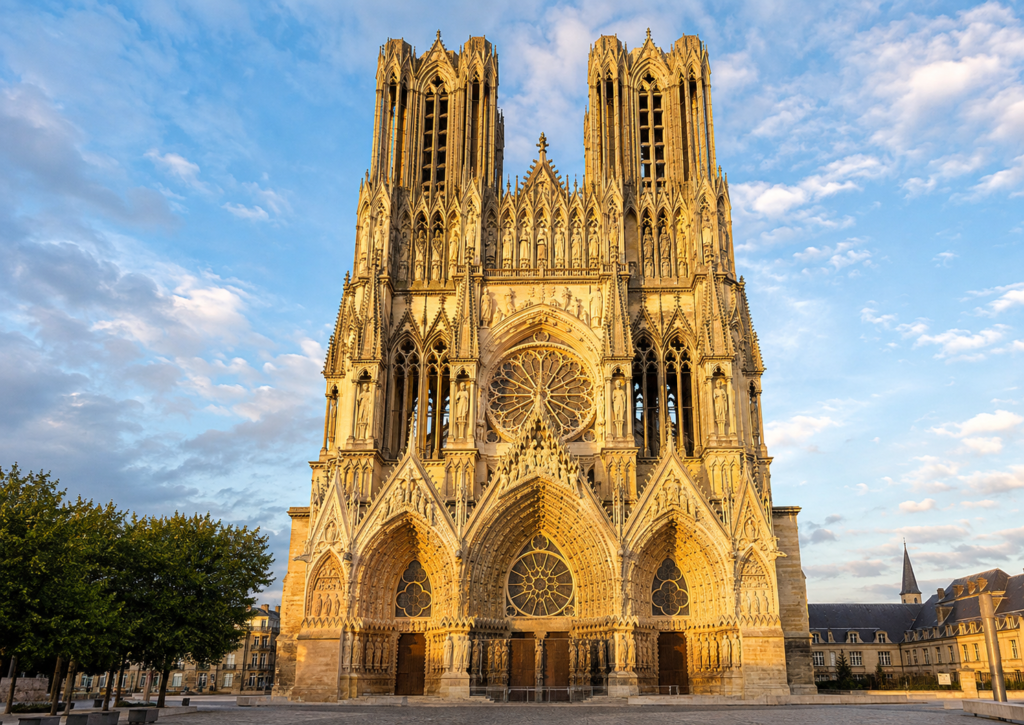
Calling Reims a Champagne destination is technically correct but slightly unfair.
There is a magnificent cathedral here, Roman history, handsome streets and some genuinely good food.
But yes.
We are mainly here because of the Champagne.
The marvelous thing about Reims is that the journey from Paris Gare de l’Est by TGV can take roughly 45 minutes.
That means you can leave Paris after breakfast and be touring an underground Champagne cellar before lunch.
Civilization has achieved some worthwhile things.
What to See in Reims
Start at Notre-Dame de Reims Cathedral, where French kings were crowned for centuries.
The building is huge, intricate and worth visiting even if bubbles are not your thing.
Then choose one or two Champagne houses rather than trying to drink your way through the entire appellation before the return train.
Famous producers in and around Reims include Veuve Clicquot, Taittinger, Pommery, Ruinart and others.
Many tours lead underground into chalk cellars, some excavated from ancient Roman quarries. Down there, temperatures drop, rows of bottles disappear into dim corridors, and suddenly the drink in your glass has much more context.
Book Champagne Tastings Ahead
This is one day trip where spontaneity can work against you.
Cellar tours often have fixed departure times and limited capacity, particularly for English-language visits.
Book your chosen houses before buying a train that leaves you twelve minutes to cross town.
If you want to visit vineyards outside Reims, especially around Épernay or smaller producers, an organized tour becomes much more useful.
You can drink without debating who has to drive.
Everyone wins.
Reims Day Trip Budget
A reasonable budget is €80–150 per person, while a day involving premium tastings or private tours can easily pass €200.
Budget roughly for:
- TGV: highly variable; book early
- Lunch: €20–45
- Champagne cellar tour: often €25–60+
- Premium tastings: potentially much more
Best for: Couples, food travelers, wine lovers, weekend visitors
COMPARE CHAMPAGNE TOURS FROM PARIS →
A Small but Important Money Tip
You will be paying in euros, but overseas card conversion fees can quietly add themselves to hotel bills, train tickets and restaurant payments.
I travel with fee-friendly cards rather than exchanging piles of cash at airport counters.
GET REVOLUT FOR YOUR FRANCE TRIP →
CHECK WISE FOR LOW-COST FOREIGN CURRENCY SPENDING →
4. Fontainebleau — Versailles’ Less Exhausting Royal Cousin
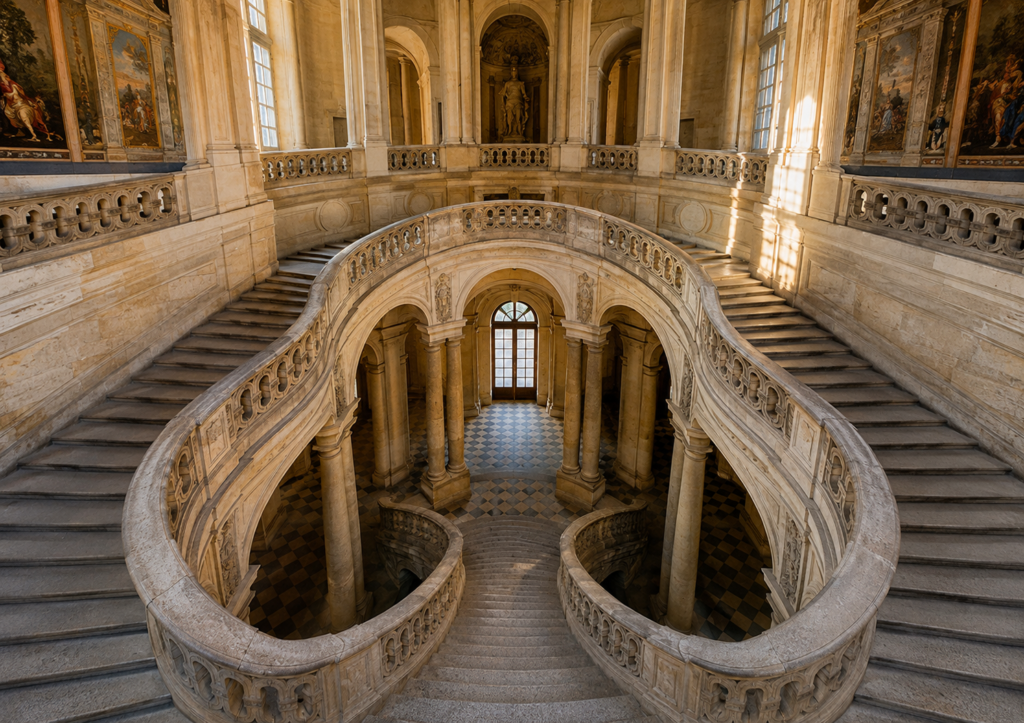
If you want a French palace but the words “Versailles crowds” make your left eye twitch, look at Fontainebleau.
The Château de Fontainebleau served French rulers for centuries, including Napoleon I, and contains more than 1,500 rooms.
You are not expected to inspect all of them.
Good news for your feet.
The interiors range from Renaissance galleries to imperial apartments, but what makes this day trip particularly appealing is the combination of palace and nature.
Right beside town sits the vast Forest of Fontainebleau, famous for hiking, sandstone boulders and climbing.
So you can spend the morning examining royal furniture and the afternoon walking beneath oak trees.
A surprisingly healthy monarchy-themed day.
Getting to Fontainebleau
Take a train from Paris Gare de Lyon toward Fontainebleau-Avon, usually around 40 minutes.
From the railway station, local buses connect with the town and château.
Because Fontainebleau remains within the Île-de-France network, transport can be remarkably inexpensive.
What Should You See?
Inside the château, look for the Gallery of Francis I, the Throne Room, the Napoleon I Museum and the horseshoe-shaped staircase outside.
Then give yourself time for the gardens.
If weather allows, consider extending your day into the Forest of Fontainebleau.
Tip: Do not attempt an ambitious forest hike without checking your return transport and daylight. “We accidentally spent the night in a French royal forest” sounds charming only after everybody has been found.
Fontainebleau Budget
You can do this comfortably for around €35–75 per person, depending on lunch and additional activities.
That makes Fontainebleau one of my favorite budget day trips from Paris.
Best for: History, hiking, repeat Paris visitors, travelers avoiding huge crowds
5. Rouen — Medieval Streets, Joan of Arc and an Extremely Photogenic Clock
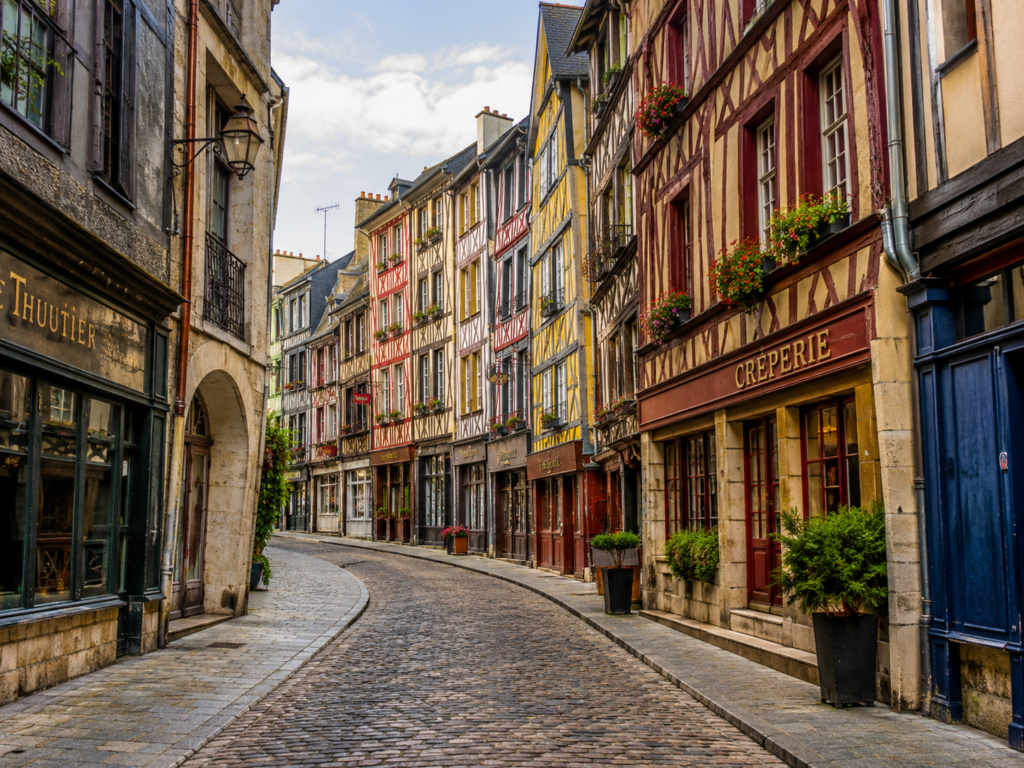
Rouen feels like a proper change of scenery.
You arrive from Paris Saint-Lazare, walk toward the old center, and suddenly half-timbered buildings begin appearing beside cafés and narrow streets.
The city is the historic capital of Normandy, and its layers of history are not subtle.
This is where Joan of Arc was tried and executed in 1431.
It is also home to Rouen Cathedral, famously painted repeatedly by Claude Monet, who became fascinated by the way the façade changed under different light.
Apparently Monet had hobbies. His hobby was light.
The Places I Would Prioritize
Begin around Rouen Cathedral, then walk to the Gros-Horloge, the elaborate astronomical clock spanning the street.
Continue toward the Place du Vieux-Marché, where Joan of Arc was executed.
The modern Church of Saint Joan of Arc is deliberately unlike the Gothic architecture dominating much of the city.
Then wander.
This is one destination where walking without a rigid checklist works well because the historic core itself is part of the experience.
What to Eat in Rouen
You are in Normandy, so calories become dairy-based.
Look for Camembert, cream-heavy sauces, apple desserts, and Norman cider.
A good lunch here is worth budgeting for.
You can buy another sandwich in Paris tomorrow.
How Long Do You Need?
A full day is comfortable.
Trains from Paris Saint-Lazare generally take around 1 hour 20 minutes to 1 hour 40 minutes, depending on the service.
Leave reasonably early, and you can explore without turning every church into a seven-minute appointment.
Expect roughly €45–90 for the day, including train tickets and food.
Best for: Medieval architecture, history lovers, food, photography
6. Provins — Medieval France Without Going Very Far at All
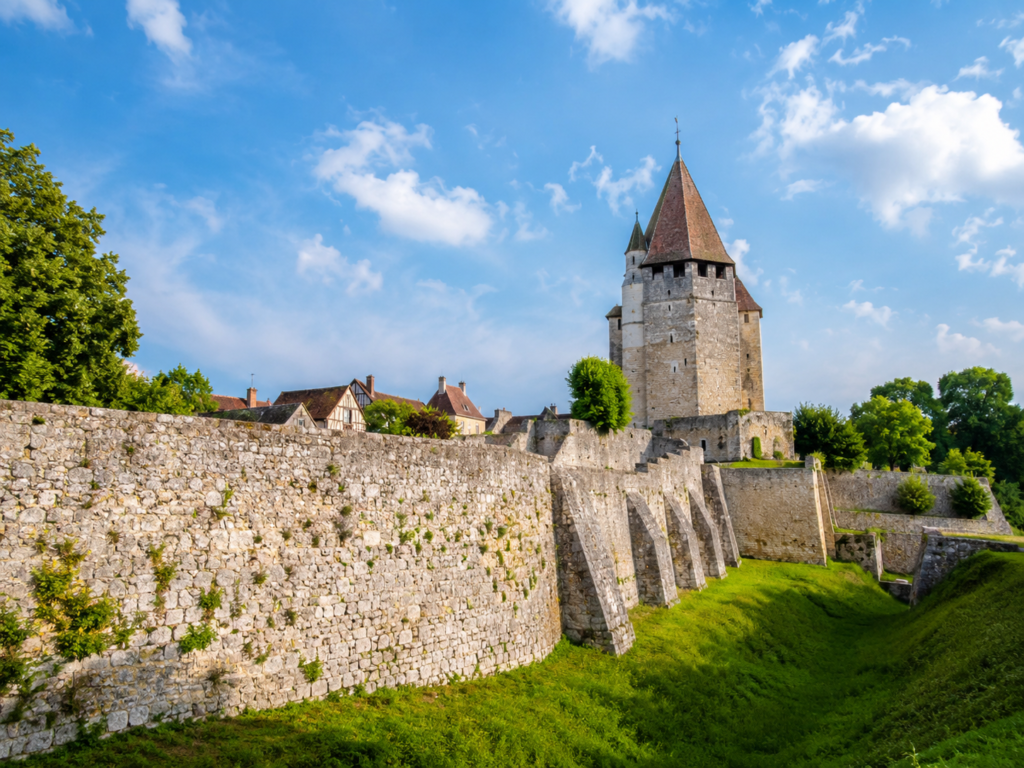
There is something wonderfully strange about boarding a suburban train in Paris and emerging beside a UNESCO-listed medieval town.
That is basically Provins.
Once a major trading center during the great medieval fairs of Champagne, the town still has walls, towers, underground passages and enough stone architecture to make you begin wondering whether you should have packed chainmail.
Why Choose Provins?
Because it is easy.
There are more spectacular destinations in France, certainly, but few give you this much atmosphere with such little logistical pain.
You can travel from Paris Gare de l’Est on the Transilien P line, with journeys taking around 1 hour 20 minutes.
And because Provins is within Île-de-France, it remains particularly friendly to budget travelers.
What to Do in Provins
Climb the César Tower for views over the rooftops.
Walk along sections of the medieval ramparts.
Visit the Tithe Barn and explore the town’s underground galleries, which may have served several purposes over the centuries.
Then stop scheduling yourself and simply walk.
The upper town is full of stone buildings, narrow lanes and quiet corners that feel much farther from Paris than they actually are.
During warmer months, Provins also runs medieval-themed performances and events.
Yes, there may be falcons.
Possibly horses.
Occasionally people wearing much more wool than the weather justifies.
Who Should Visit?
Families often enjoy Provins because there is enough storytelling and spectacle to prevent history from becoming one continuous parade of oil paintings.
It is also excellent for budget travelers who want an easy day trip from Paris by train without buying expensive high-speed tickets.
Budget approximately €30–65 per person.
Best for: Families, medieval history, budget travelers, easy train trips
7. Chartres — Come for the Cathedral, Stay Because the Town Deserves More Than an Hour
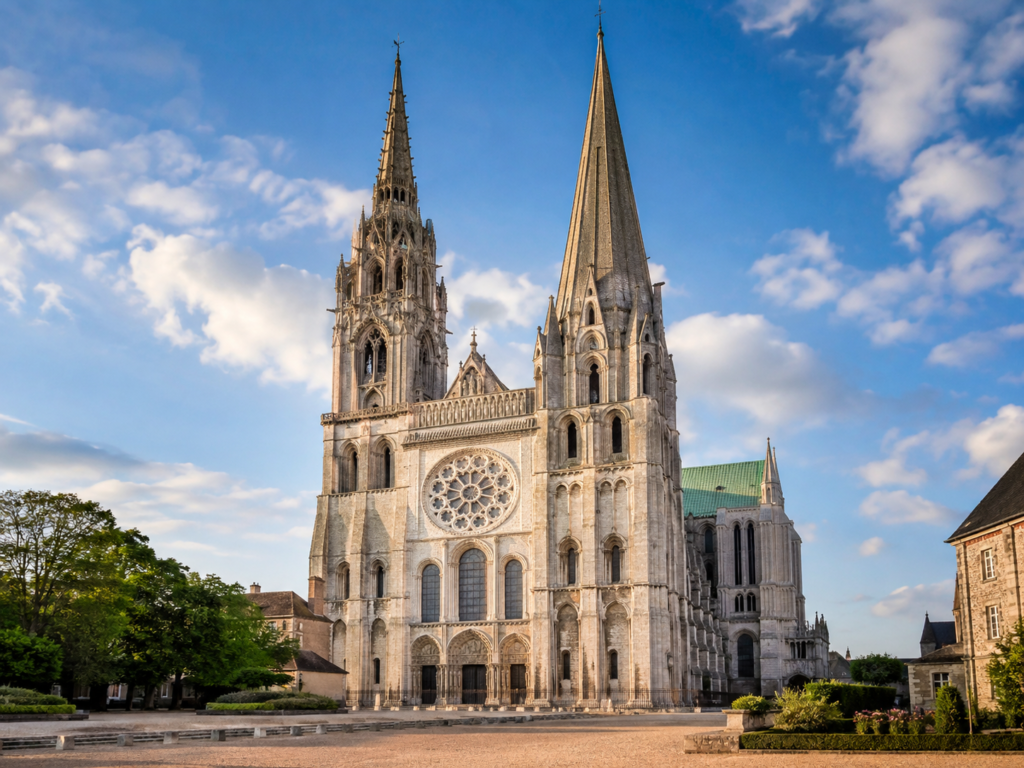
The first mistake people make with Chartres is treating it as one building with a railway station attached.
Yes, the Cathedral of Notre-Dame de Chartres is the star.
It deserves the attention.
Its stained glass is among the great surviving collections of medieval glass in Europe, and its two mismatched spires make the exterior immediately recognizable.
But the town around it is also worth several hours.
Walk downhill toward the Eure River, where old houses, bridges and gardens soften the severe grandeur of the cathedral above.
Then climb back up.
France did not design medieval towns for people concerned about their daily step count.
Getting to Chartres
Regional trains run from Paris Montparnasse, with many journeys taking around one hour.
That makes Chartres one of the simplest day trips from Paris by train outside the immediate capital region.
You do not need a tour.
You do not need a car.
You need a train ticket and ideally shoes with traction.
When Should You Go?
Spring through early autumn is particularly pleasant.
If your dates coincide with the annual Chartres en Lumières illumination program, consider staying into the evening.
The city’s monuments become enormous projected canvases after dark.
In that situation, missing the last train would be an expensive way to make the experience more memorable, so check schedules carefully.
Budget
Expect approximately €35–70 per person, largely depending on your train fare and lunch.
The cathedral itself makes this particularly good value.
Best for: Architecture lovers, photographers, solo travelers, easy independent travel
8. Disneyland Paris — Yes, It Counts
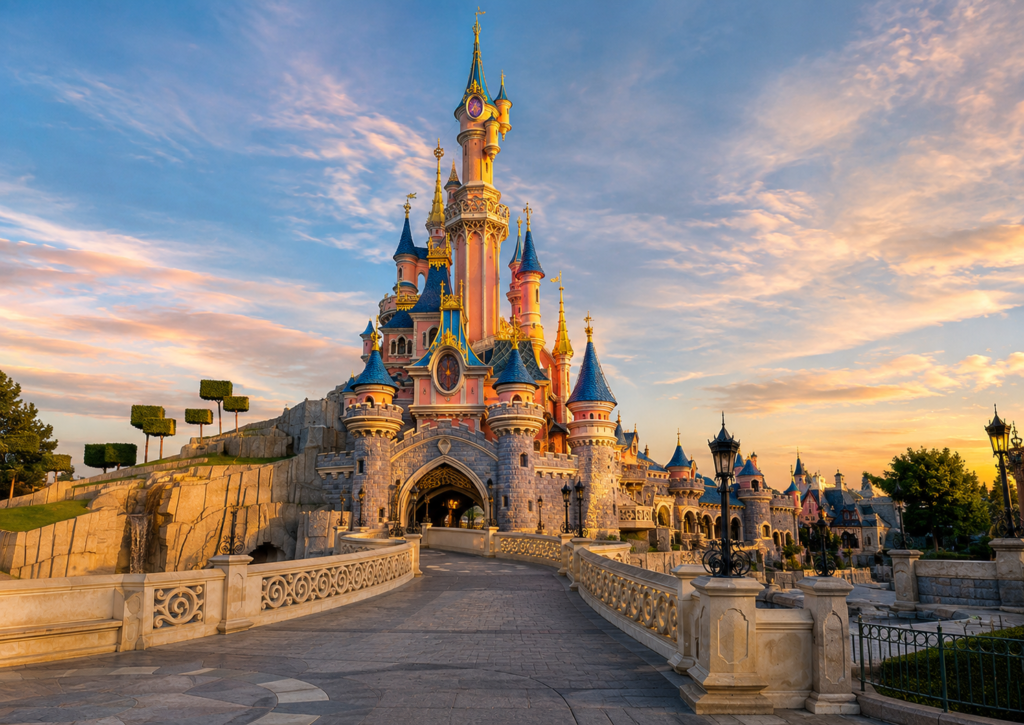
Some people will object to putting Disneyland Paris beside Gothic cathedrals and medieval market towns.
Those people may continue objecting while somebody else rides Big Thunder Mountain.
I have no philosophical problem with including it.
A good trip does not have to involve pretending to understand Renaissance tapestries every day.
How to Get There
Take the RER A to Marne-la-Vallée–Chessy.
The station sits essentially at the entrance to the resort, and the ride from central Paris generally takes around 40 minutes.
Under the 2026 regional fare structure, reaching Disneyland Paris by public transport is inexpensive compared with transport to many major theme parks elsewhere.
Admission, naturally, is another story.
Disneyland Park or Walt Disney Studios?
If you only have one day and this is your first visit, prioritize Disneyland Park.
This is where you find Sleeping Beauty Castle, Pirates of the Caribbean, Phantom Manor, Big Thunder Mountain and many of the classic Disney experiences.
The neighboring second park—being redeveloped and expanded as Disney Adventure World—can make sense with a multi-park ticket, particularly if specific attractions matter to you.
My Main Advice
Buy dated tickets in advance.
Then arrive before opening.
Theme parks reward people who are willing to behave irrationally early in the morning.
Eat breakfast before you arrive, install the official app, and decide which two or three attractions matter most.
Do not attempt to “complete” Disney.
Disney is larger than your available daylight and has accountants.
Budget
This is easily one of the more expensive Paris day trips.
Allow roughly €90–180+ per adult, depending on ticket date, food, park access and whatever happens when you enter a gift shop containing ears.
Best for: Families, Disney fans, couples who secretly like Disney but pretend the trip is for somebody else
9. Loire Valley — Castles, Castles and Then Another Castle
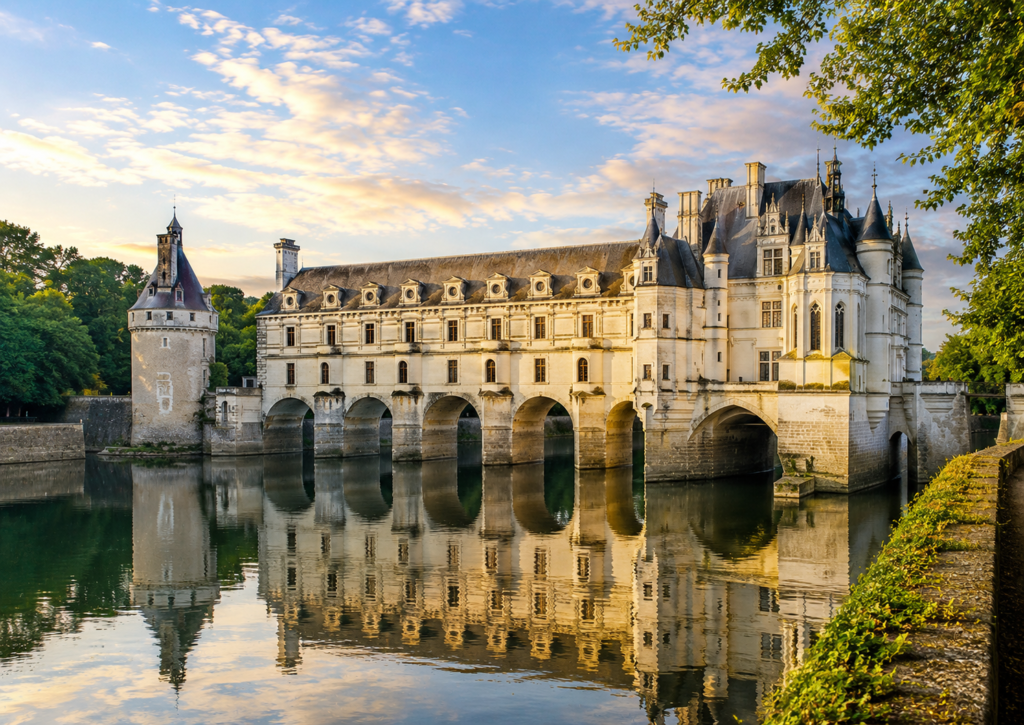
The Loire Valley is magnificent.
It is also where the phrase “day trip from Paris” begins stretching its legs.
You can absolutely visit in one day, but you need to plan properly.
The region contains dozens of châteaux, and trying to see too many turns the day into a competitive sport.
For a first trip, I would focus on two or three.
Which Loire Valley Castles Should You Visit?
My favorite combination for first-timers would include Château de Chambord and Château de Chenonceau.
Chambord is enormous and theatrical, with towers, chimneys, and its famous double-helix staircase.
Current 2026 admission to the château and formal gardens is around €21 for adult EEA visitors, with different pricing applying to some non-EEA visitors.
Chenonceau could hardly feel more different.
The château stretches across the River Cher, its galleries reflected in the water below. It is graceful where Chambord is monumental.
Add Amboise if logistics permit.
But please resist castle greed.
After three major châteaux, rooms start blending together. You will look at a priceless 16th-century cabinet and think, Yes, another old cupboard.
That is your brain asking for wine.
Train, Car or Tour?
This is where I think an organized Loire Valley day tour from Paris earns its money.
Public trains can get you to cities such as Tours, Blois or Amboise, but the châteaux are geographically spread out.
A rental car gives you freedom, particularly for couples or small groups.
A guided coach tour removes the transportation problem completely.
For one day only, I would usually choose the tour.
For two or three days, rent a car and slow down.
COMPARE LOIRE VALLEY CASTLE TOURS FROM PARIS →
Budget roughly €90–220 per person for a day trip depending on transportation, admissions and food.
Best for: Couples, castle enthusiasts, photographers, wine travelers
10. Mont-Saint-Michel — Ridiculous for One Day, Yet Somehow Worth Considering
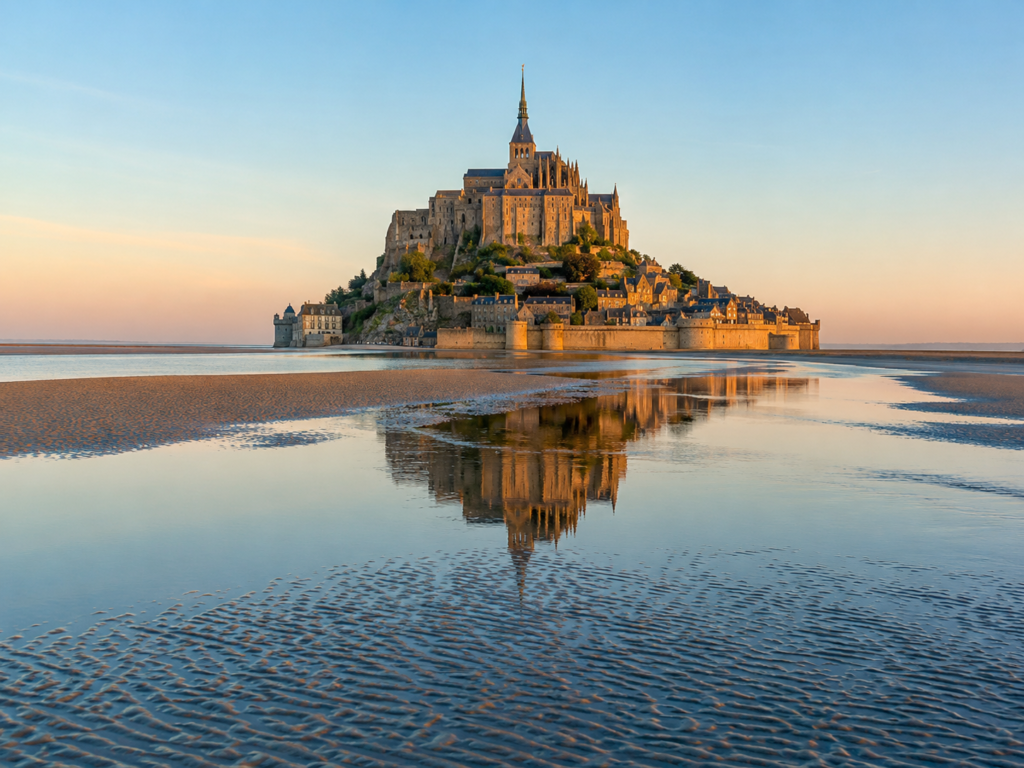
Let me be clear.
Mont-Saint-Michel is not close to Paris.
It sits in Normandy, roughly 360 kilometers away, and attempting it as a day trip means accepting an early start and a late return.
So why include it?
Because look at the thing.
A medieval village rises from tidal flats toward an abbey perched at the top, stone buildings stacked upward until the spire seems to finish the job.
It looks fictional.
What You Actually Do There
Once you reach Mont-Saint-Michel, walk across the causeway toward the island rather than immediately taking the shuttle if conditions and mobility allow.
That approach is part of the experience.
Inside the walls, Grande Rue climbs steeply between restaurants, shops and old stone buildings.
Keep going upward toward Mont-Saint-Michel Abbey.
Current adult admission is roughly €11.50–13 depending on season, with various exemptions and reduced admission rules.
The abbey is the reason to climb.
Its cloister, church and stone chambers seem to hang above the bay.
Should You Take a Tour?
From Paris?
Yes, probably.
It is possible to build a public-transport itinerary using trains and regional connections, but for a single day, the timing can become awkward.
An organized coach tour lets you sleep, read or stare blankly out the window while somebody else deals with the motorway.
You are trading money for simplicity.
I consider that a fair transaction here.
If you can spare the time, however, spend one night nearby instead.
The island changes character after many day visitors leave, and you avoid spending almost as much time traveling as exploring.
CHECK MONT-SAINT-MICHEL DAY TOURS FROM PARIS →
FIND HOTELS NEAR MONT-SAINT-MICHEL ON BOOKING.COM →
Budget approximately €100–220 per person as a day trip.
Best for: History lovers, photographers, travelers determined to see it despite limited time
Skip it as a day trip if: You have more than one night available. Stay over instead.
Which Paris Day Trip Should You Choose?
If you only have time for one, choose according to what you actually enjoy rather than what somebody says you are supposed to see.
For a first trip to Paris, I would choose Versailles.
For art and gardens, choose Giverny.
For food, Champagne and a romantic day, take the TGV to Reims.
For an easy, inexpensive train trip, choose Fontainebleau, Provins or Chartres.
For medieval streets and Normandy food, choose Rouen.
For families, consider Disneyland Paris or Provins.
For the biggest visual payoff, choose the Loire Valley.
And if you are willing to endure a very long day for one extraordinary place, choose Mont-Saint-Michel.
Where Should You Stay in Paris for Easy Day Trips
If you plan several excursions, your hotel location matters more than people realize.
Paris is not enormous geographically, but crossing it at 07:00 with luggage, a coffee, and a train leaving in fourteen minutes can reveal previously unknown dimensions of stress.
Useful areas depend on your itinerary.
Stay near Gare de Lyon for easier departures toward Fontainebleau.
Stay near Gare Saint-Lazare for Giverny and Rouen.
Stay near Gare de l’Est for Reims and Provins.
Montparnasse is useful for Chartres.
You do not need to sleep directly opposite a station, but being on a convenient Metro line can save considerable time.
Getting from the Airport Without Starting Your Holiday Angry
After a long flight, deciphering train machines while protecting your suitcase from your own sleep deprivation is not always how you want to introduce yourself to France.
Public transport from Charles de Gaulle and Orly is perfectly workable, but travelers arriving with children, several bags or late at night may prefer a pre-booked transfer.
I particularly like having transportation organized when my itinerary involves an early day trip the following morning.
PRE-BOOK A PARIS AIRPORT TRANSFER WITH WELCOME PICKUPS →
For public transport, remember that the standard 2026 Paris Region airport ticket costs €14, while ordinary Metro–Train–RER journeys within the region cost much less.
Do You Need Travel Insurance for France?
France is easy to travel around, but missed connections, illness, delayed luggage and cancelled plans remain impressively indifferent to how carefully you organized your spreadsheet.
If you are traveling internationally, particularly from outside Europe, check that your policy covers medical treatment, cancellations, delays and your planned activities.
Do not buy insurance because a travel blogger tells you to.
Read the policy.
Yes, the boring document.
Especially the exclusions.
How to Make Your Paris Day Trips More Sustainable
Sustainable travel does not require spending the afternoon congratulating yourself for owning a reusable bottle.
Small choices add up.
Use trains whenever practical. France has an excellent rail network, and Versailles, Fontainebleau, Reims, Rouen, Chartres, Provins and Giverny are all realistic without renting a car.
Stay longer when distance demands it. Turning Mont-Saint-Michel into an overnight trip reduces the frantic “arrive, photograph, leave” style of tourism and lets you spend more money locally.
Eat locally. Independent bakeries, cafés, markets and restaurants keep more tourism spending in the destination.
Carry a refillable bottle and avoid buying another disposable plastic bottle at every railway station.
Respect gardens and historic sites. The perfect photograph is not worth stepping into flower beds at Giverny or climbing somewhere clearly marked off-limits.
And perhaps most importantly, travel slower when you can.
You do not win France by collecting the highest number of castles.
Common Mistakes People Make on Day Trips from Paris
The biggest mistake is overplanning.
A spreadsheet saying 09:12 cathedral, 10:04 coffee, 10:31 museum looks excellent until your train arrives nine minutes late and the museum has a queue.
Give yourself breathing room.
The second mistake is buying major attraction tickets on arrival. For Versailles, Giverny, major Champagne houses and popular tours, advance booking is usually smarter.
Third: forgetting the last train.
That one is particularly effective at destroying a budget.
Fourth: wearing brand-new shoes.
Cobblestones are not impressed by fashion.
And finally, travelers often underestimate how tiring day trips can be. Three consecutive 06:30 alarms may technically maximize your itinerary while substantially reducing your desire to be alive during it.
Alternate heavy sightseeing days with slower Paris days.
Your feet will send thank-you cards.
The Part Where Paris Has to Share You
The strange thing about taking day trips from Paris is that they often make you appreciate Paris more.
You leave behind the Metro tunnels and café terraces for a few hours. You see wheat fields from a train window. You walk through a town where half the buildings seem older than several countries. Maybe you drink Champagne at eleven thirty in the morning because somebody has explained that technically this is educational.
Then you return.
The train slides back through the suburbs, platforms become busier, and suddenly you are walking out into Paris again with another completely different piece of France in your head.
That is why I would not treat these trips as filler for people who have “finished” Paris.
You never finish Paris.
Take a day trip anyway.
If you have three days in Paris, stay focused on the city unless there is somewhere outside it you desperately want to see. With four or five days, add Versailles or Giverny. With a week, I would choose two day trips. If you have longer, add somewhere like Reims, Rouen or Fontainebleau, then seriously consider spending a night in the Loire Valley or near Mont-Saint-Michel rather than endlessly boomeranging back to Paris.
And do not choose purely according to fame.
If you have dreamed about Monet for years, choose Giverny over Versailles.
If medieval towns make you happier than royal palaces, go to Provins.
If you believe vacations should contain both Gothic architecture and alcohol produced through secondary fermentation in a bottle, Reims has been waiting for you.
Travel works better when your itinerary resembles you, not a checklist somebody uploaded to the internet.
Before booking, compare your train, entrance and tour costs. Sometimes independent travel is dramatically cheaper. Sometimes the guided tour is only slightly more expensive and saves three transport connections plus a morning of muttering at Google Maps.
Book the things that genuinely sell out.
Leave some space for everything else.
And when possible, take the train.
Watching France pass the window while tearing apart a still-warm croissant is not merely transportation. It is half the point.
If this guide helped you plan your trip, subscribe to A Tiny Traveler so you do not miss the next one. I am constantly working on practical guides that tell you what a destination actually costs, which places deserve your limited holiday time, how to get around without losing half a day, and which supposedly essential attractions you can safely skip.
And follow A Tiny Traveler on Pinterest too. That is where you can save upcoming France itineraries, Paris travel tips, European city guides, day-trip ideas, budget breakdowns, hotel recommendations, and painfully useful travel mistakes to avoid for later.
Because there will always be another train leaving Paris.
The difficult part is deciding which one to get on.
Frank


