

Istanbul Keeps Trying to Cancel Your Day Trip
Istanbul has a clever way of making departure feel like a bad decision. You head toward the ferry, and the city throws warm simit, a row of tea glasses, and three continents’ worth of history across your path. A gull begins negotiating for your breakfast. Somewhere behind you, a shoe-shine brush hits the pavement with suspicious theatrical timing. Leaving—even for a day—can feel faintly disloyal.
Go anyway. The best day trips from Istanbul explain the city better than another afternoon in a museum queue. Cross the Sea of Marmara, and you meet old wooden island houses, olive groves, tiled mosques, thermal baths, and towns where the Ottoman Empire was still learning how to become an empire. Turn west and the mood changes: sunflower fields, solemn battlefields, and the long, low horizon of Thrace. Head toward the Black Sea, and concrete gives way to forests and beaches where the wind has no indoor voice.
This guide is for travelers who want an honest answer to the question, “Can I really do that from Istanbul in one day?” Sometimes the answer is yes, easily. Sometimes it is yes, but only if you accept a 5:30 a.m. alarm and the emotional consequences of eating breakfast on a moving bus. I have ranked these trips by the quality of the experience, not by the number of attractions somebody managed to stuff into a tour description.
The practical details follow. Prices in Türkiye change quickly, so treat every amount as a planning range and check the linked operator before booking. Ferry timetables also shift with weather and season. The sea, unlike a spreadsheet, does not care about your color-coded itinerary.
Which Istanbul Day Trip Fits Your Day?
| Day trip | Best for | Typical one-way time | Best transport | Planning budget per person |
|---|---|---|---|---|
| Princes’ Islands | Easy scenery, walking, cycling | 1–1.75 hours | Public ferry | ₺1,200–₺2,300 |
| Bursa | Ottoman history and food | 2.5–3 hours | Ferry plus bus or tour | ₺2,500–₺5,500 |
| Edirne | Mosques, markets, architecture | 2.5–3 hours | Intercity bus or tour | ₺2,200–₺5,000 |
| Sapanca and Maşukiye | Lake time and families | 1.5–2.5 hours | Car or tour | ₺2,500–₺5,500 |
| Şile and Ağva | Black Sea coast and rivers | 1.5–3 hours | Car or tour | ₺2,300–₺5,500 |
| Gallipoli Peninsula | First World War history | 4–5 hours | Guided tour | ₺4,500–₺8,000 |
| Troy | Archaeology and epic literature | 5–6 hours | Guided tour | ₺5,000–₺9,000 |
| İznik | Byzantine history and ceramics | 2–3 hours | Car or bus | ₺2,200–₺5,000 |
| Yalova and Termal | Thermal baths and slow travel | 1.5–2 hours | Ferry plus minibus | ₺2,000–₺4,500 |
| Anadolu Kavağı | Bosphorus views and seafood | 1.5–2 hours | Public ferry | ₺1,100–₺2,500 |
My Tip: If this is your first visit and you have only one spare day, choose the Princes’ Islands in good weather, Bursa for culture, or Edirne if you have already seen Istanbul’s major Ottoman monuments. Save Troy for an overnight trip unless ancient history is the reason you came.
Before You Escape: The Practical Bits

Where to stay for an early start
For ferries, the most useful bases are Sirkeci, Eminönü, Karaköy, Kabataş, and Kadıköy. For intercity buses from Esenler Otogar, staying near the M1 metro line saves an expensive dawn taxi. A cheap hotel on the wrong side of the city can become remarkably expensive at 5:00 a.m.
CHECK ISTANBUL HOTELS ON BOOKING.COM
Compare the map, not merely the room rate. On Booking.com, filter for free cancellation, then check the walking time to the actual pier or station named in your itinerary. “Near public transportation” is a flexible phrase. So is “sea view,” apparently.
If you land late or have a pre-dawn departure, a prebooked Welcome Pickups transfer removes the first negotiation of the trip. The driver meets you at the airport, and you know the price before exhaustion gets involved.
A realistic daily budget for Istanbul and its day trips
For a normal day in Istanbul, budget about ₺1,500–₺2,500 per person on a careful plan, ₺3,000–₺5,500 for a comfortable day, and more if you add alcohol, private transfers, or major ticketed sights. Accommodation is separate because the range is enormous.
Useful 2026 planning figures:
- A standard full-fare metro ride with an anonymous İstanbulkart is currently ₺46.20; verify it on the official Metro Istanbul fares page.
- A full-fare municipal ferry ride to the Princes’ Islands is listed at up to ₺151.23, depending on route and fare rules; check Şehir Hatları tariffs.
- A bakery breakfast of tea, simit, cheese, and pastry may cost ₺180–₺350.
- A casual lunch commonly lands around ₺400–₺800, while a fish restaurant with appetizers can climb past ₺1,200.
- Keep ₺300–₺700 for local minibuses, snacks, water, and the small costs that accumulate when nobody is watching.
- Guided long-distance tours generally begin around ₺3,000 and can exceed ₺8,000, depending on transport, entrance fees, lunch, and group size.
Inflation makes old blog prices age like milk. Check fares again within a week of travel and keep a 15–20% buffer.
Public transportation, tours, or a rental car?
Use public ferries for the Princes’ Islands, Yalova, and Anadolu Kavağı. A rental car is useful for Şile, Ağva, Sapanca, and İznik, especially for two to four people. It is a nuisance on the islands, unnecessary in central Edirne, and a poor companion in Istanbul traffic.
For Gallipoli and Troy, a guided tour is the sensible choice. The sites are spread out, historical context matters, and driving ten hours in one day turns archaeology into an endurance sport.
COMPARE ISTANBUL DAY TOURS ON GETYOURGUIDE
Read the inclusions carefully. “Bursa tour” may include a shopping stop, lunch, ferry tickets, and a cable-car ticket—or only some of those. Check group size, pickup district, return time, entrance fees, and whether the guide accompanies you inside the main sites.
For independent road trips, compare the total cost on GetRentacar, including mileage, deposit, insurance excess, tolls, fuel policy, and permission to use ferries. Photograph the car before departure and again at return.
Tickets, mobile data, money, and insurance
Use Şehir Hatları for municipal ferry schedules, BUDO for Bursa ferries, İDO for Yalova services, TCDD for rail information, and IETT for Istanbul buses. Recheck the night before. Screenshots are useful when reception vanishes or your browser decides this is the moment to forget you.
You can compare selected transport and accommodation options through Trip.com, particularly when assembling flights, hotels, and rail segments in one account.
COMPARE TURKEY TRANSPORT AND HOTELS ON TRIP.COM
An eSIM is worth installing before arrival. You will need data for ferry changes, map pins, translation, and the message from your guide explaining that the pickup van is the white one—an observation of limited value in Istanbul.
GET A TURKEY eSIM THROUGH TRIP.COM
For spending, I use a travel-friendly card and still carry some Turkish lira. Small cafés, minibuses, and market stalls may prefer cash. Wise is useful for transparent currency conversion; Revolut is handy for app-based spending controls and virtual cards. Check your own plan’s weekend markup, ATM allowance, and withdrawal fees.

OPEN OR CHECK WISE FOR YOUR TRIP
EXPLORE REVOLUT TRAVEL FEATURES
Travel insurance matters most on the long driving days and active trips. Compare medical coverage, delays, cancellation, adventure exclusions, and preexisting-condition rules—not just the cheapest premium.
1. Princes’ Islands: The Day Istanbul Turns Down Its Volume

The Princes’ Islands, or Adalar, are my first choice because the journey is part of the day. Board at Kabataş, Kadıköy, Beşiktaş, or Bostancı, claim an outside seat, and watch apartment blocks loosen into water and sky. The engine thrums under your feet. Teaspoons knock against glass. Gulls hover beside the rail with the concentration of tax inspectors.
Most first-time visitors choose Büyükada, the largest island. Walk from the pier past ice-cream counters and old timber mansions toward Çankaya Street. Continue uphill to Aya Yorgi Church if your knees are agreeable; the final slope is short but rude. The reward is open sea, pine resin, and rooftops slipping down the hill.
Heybeliada is quieter and, to my taste, better for walking. The route around the island passes pine woods, small coves, and the hilltop Halki Seminary, though access to the seminary itself can be restricted. Do not try to “complete” four islands in a day. That produces an excellent collection of ferry seats and very little sense of place.
How to do it
- Travel time: Roughly 75–105 minutes from central piers, depending on stops.
- Ideal plan: Early ferry, one island, a long walk, lunch, and a return before the last convenient sailing.
- Food: Order grilled fish, calamari, seasonal meze, or a simple balık ekmek. Confirm fish price by weight before ordering.
- Best season: April–June and September–October. Summer weekends can feel like the whole city had the same thought.
- Official information: Check the live Princes’ Islands ferry timetable.
My Tip: Skip the crowded electric shuttle immediately after arrival. Walk fifteen minutes first; the streets become calmer, lunch prices soften, and you start hearing birds instead of menu pitches.
Sustainable choice: Use the public ferry, refill your bottle, avoid feeding gulls, and stay on marked paths. The islands have limited waste capacity and serious summer fire risk. Cigarette ends and dry pine needles are a dreadful pairing.
BOOK A PRINCES’ ISLANDS TOUR ON GETYOURGUIDE
2. Bursa: Where the Ottoman Story Was Still Young

Bursa is not a small outing. It is a full day with sharp elbows, but it earns the early alarm. Before Constantinople became the imperial prize, Bursa served as the first major capital of the Ottoman state. The city feels less like an appendix to Istanbul and more like the earlier chapter somebody forgot to hand you.
Begin at Ulu Cami, built between 1396 and 1400, where twenty domes sit above thick piers and calligraphy covers the walls. It is a working mosque, so dress modestly, remove your shoes, and avoid prayer times. Walk next to Koza Han, the old silk market. Tea arrives on a metal tray; spoons click; merchants fold scarves with the grave precision of diplomats.
Continue to the Green Mosque and Green Tomb, then choose between Cumalıkızık village and the Bursa City Museum. Trying both plus Uludağ in one day is how tours turn into windshield documentaries. Cumalıkızık, about ten kilometers east, preserves an early Ottoman village plan and forms part of the UNESCO-listed Bursa and Cumalıkızık property.
Lunch should involve İskender kebab: thin lamb, browned butter, tomato sauce, yogurt, and bread absorbing everything underneath. The first bite is smoky and tart; the last piece of bread has quietly become the main event.
How to do it
- Travel time: Fast ferry to Mudanya is about 1 hour 45 minutes to 2 hours, followed by local transport to central Bursa.
- Independent route: Book BUDO from Kabataş to Mudanya, then use bus and metro connections. Confirm both the outgoing and return sailing before paying.
- Simpler route: Take a guided tour if you want to visit Cumalıkızık or Uludağ without solving several transfers.
- Budget: ₺2,500–₺5,500 per person; more with the cable car or a small-group tour.
- Useful links: BUDO schedules and the official Bursa sights guide.
My Tip: Choose one outer attraction: Cumalıkızık for heritage or Uludağ for mountain air. Central Bursa already fills several hours.
COMPARE BURSA DAY TRIPS ON GETYOURGUIDE
3. Edirne: Sinan, Soap Fruit, and Serious Liver

Edirne makes sense for travelers who enjoyed Istanbul’s mosques but want room to look at one without being carried forward by a tour-group tide. The former Ottoman capital sits near the borders with Greece and Bulgaria, and its center is compact enough to explore on foot.
The reason to come is Selimiye Mosque, designed by Mimar Sinan and built from 1568 to 1575. Sinan called it his masterwork. Stand beneath the central dome and notice how the structure directs your eyes upward without making the lower space feel crushed. Restoration work can affect access, so confirm locally before making this your sole reason for traveling.
Walk through Selimiye Arasta, then visit the darker, heavily lettered Old Mosque and the inventive Üç Şerefeli Mosque. At the Complex of Sultan Bayezid II Health Museum, exhibits explain Ottoman medical practice, including treatments using music and water. It is thoughtful, occasionally strange, and far more memorable than another room of unlabeled pottery.
Eat tava ciğeri, wafer-thin fried liver with crisp dried peppers. Even liver skeptics should try a small portion: the edges crackle, the center stays tender, and the pepper heat waits a second before climbing into your nose. For a less anatomical snack, buy almond paste. Those colorful “fruit” soaps in shop windows are decorative, not dessert. This warning sounds unnecessary until it isn’t.
How to do it
- Travel time: Around 2.5–3 hours each way by road in normal conditions.
- Best route: Intercity bus from Esenler Otogar, rental car, or an organized day tour.
- On arrival: The bus station is outside the historic center; use a local bus or taxi.
- Budget: ₺2,200–₺5,000 per person.
- Planning link: Use the official Edirne walking routes.
My Tip: Start with Selimiye Mosque early, then walk downhill through the center. Save the health museum for early afternoon and confirm its closing time on the day.
4. Sapanca and Maşukiye: A Lake, a Forest, and Too Many Optional Activities

At Sapanca Lake, the visual grammar is simple: water, wooded hills, a path, and breakfast tables that seem designed for extended family negotiations. Nearby Maşukiye adds streams, forest restaurants, and access toward Kartepe. It is an easy change of texture after several days of stone courtyards and tram bells.
Start with a lakeside walk in Sapanca before tour buses arrive. Then continue to Maşukiye for lunch beside running water. Trout is common; so are mixed grills and enormous village breakfasts. In winter, Kartepe may add snow, but road and ski conditions need checking. In warmer months, short forest walks beat the loud collection of zip lines, ATVs, swings, and photo platforms sold as compulsory fun.
How to do it
- Travel time: Approximately 1.5–2.5 hours each way, depending on your departure point and traffic.
- Best transport: Rental car for flexibility; guided tour for door-to-door convenience. Rail can work via Gebze, but schedules and connections may make a one-day visit clumsy.
- Budget: ₺2,500–₺5,500 per person.
- Good for: Families, couples, and travelers who want a softer day.
- Background: See the official Marmara nature guide.
My Tip: Ask any tour for its shopping-stop policy. A cheap itinerary can lose two hours to outlets you never wanted to visit.
Sustainable choice: Decline single-use breakfast portions when possible, keep noise low near the lake, and choose walking over fuel-heavy recreational rides. “Nature tourism” is not automatically gentle on nature.
FIND SAPANCA AND MAŞUKİYE TOURS
5. Şile and Ağva: The Black Sea Refuses to Behave
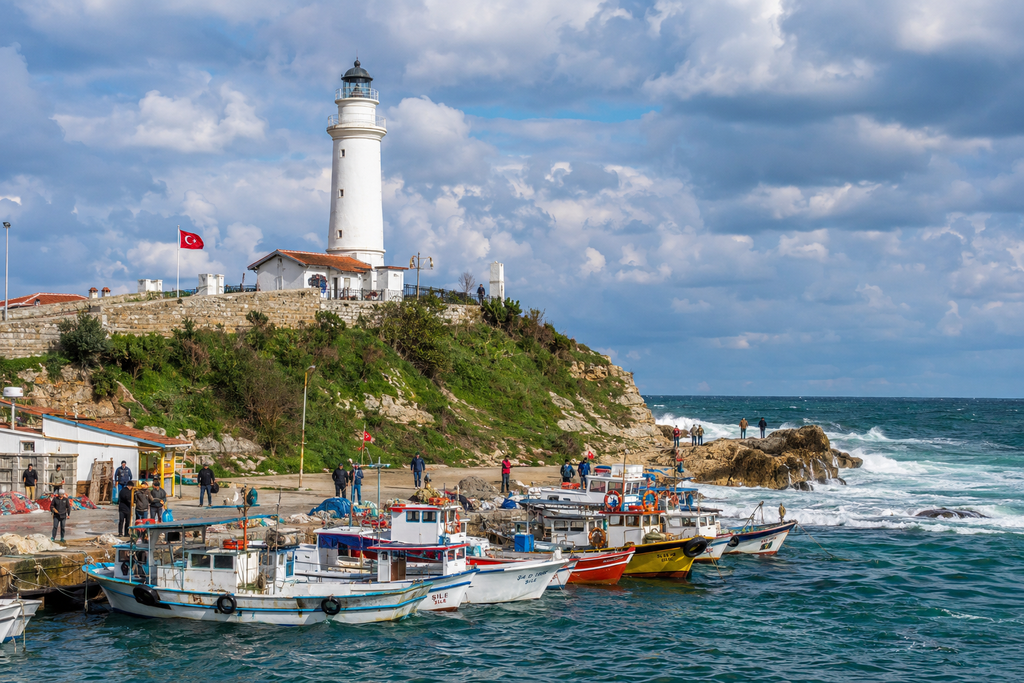
The Black Sea coast is not the Mediterranean with a darker wardrobe. Waves hit harder, currents deserve respect, and weather changes quickly. That rough edge is precisely why Şile and Ağva work as a day trip: they replace Istanbul’s polished waterfront with cliffs, fishing boats, river reeds, and air that smells of salt rather than traffic.
Begin in Şile at the harbor and striped Şile Lighthouse, then walk the coast near Şile Castle. The town is known for Şile bezi, a lightweight cotton fabric; buy from a workshop or established shop if you want the local product rather than an imported souvenir wearing a convincing label.
Continue about an hour east to Ağva, set between the Göksu and Yeşilçay Rivers. Riverboat trips are calm, but a walk along the bank costs less and lets you stop when kingfishers or tea require it. If the weather is warm, use designated swimming beaches, obey lifeguards, and never assume calm-looking water means safe water.
How to do it
- Travel time: About 1.5 hours to Şile and 2.5–3 hours to Ağva from central Istanbul, traffic permitting.
- Public option: The 139A IETT bus connects Üsküdar and Şile, but the official route lists a very long end-to-end time. It is poor for combining both towns.
- Best option: Rental car or organized tour.
- Budget: ₺2,300–₺5,500 per person.
- Bus details: Check the current 139A route and departures.
My Tip: If you dislike long vehicle days, visit Şile only. Two relaxed stops beat five hurried ones and a roadside shop selling honey you did not request.
6. Gallipoli Peninsula: A Day That Requires Quiet

The Gallipoli Peninsula is not a sightseeing checklist. In 1915, Ottoman and Allied forces fought a campaign here that killed tens of thousands and shaped the national stories of Türkiye, Australia, and New Zealand. Come prepared to listen, read, and leave the jokey travel persona in the vehicle for a while.
Most English-language tours focus on the northern battlefields: Brighton Beach, ANZAC Cove, Lone Pine Cemetery, Johnston’s Jolly, The Nek, and Chunuk Bair. Turkish-focused routes may continue toward Çanakkale Martyrs’ Memorial and the southern peninsula. Distances between sites are too large for a useful visit without a vehicle, and a qualified guide helps explain the terrain. A ridge that looks insignificant from the road can be the key to the entire account.
Wear shoes with grip, carry water, and expect exposed sun, wind, or rain. Cemeteries are places of remembrance: keep voices low, do not climb memorials, and avoid treating grave markers as photography props. If you have a family connection, research the name and unit before arrival.
How to do it
- Travel time: Around 4–5 hours each way by road; organized departures often last 15–18 hours.
- Best option: A guided tour from Istanbul, or one night in Çanakkale for a humane pace.
- Budget: ₺4,500–₺8,000 per person on a guided day trip.
- Official planning: Use the Gallipoli Historical Site Directorate for routes and visitor points.
My Tip: Ask whether your tour visits the ANZAC sector, the Turkish memorials, or both. “Gallipoli tour” can describe quite different routes.
7. Troy: Nine Cities, One Wooden Horse, and a Very Long Bus Ride

Troy is famous for a war that may be part history, part memory, and several layers of excellent storytelling. The archaeological site is more demanding than the legend. Do not expect intact marble streets like Ephesus. Expect walls, ramps, foundations, and nine major settlement layers spanning more than three thousand years. A guide or good audio guide turns “pile of stones” into evidence.
Walk the marked circuit past the defensive walls, the ramp associated with Troy II, sanctuary areas, and the Roman odeon. The replica wooden horse at the entrance is fun, but it is not ancient. The nearby Troy Museum is essential, not an optional add-on: artifacts, models, and clear displays explain what the weathered site cannot.
This is the hardest day trip on the list. The road time is brutal, and many tours combine coach travel with a ferry crossing at the Dardanelles. If you can spare a night, sleep in Çanakkale and pair Troy with Gallipoli on separate days. Your back, brain, and appreciation of the Bronze Age will all improve.
How to do it
- Travel time: Roughly 5–6 hours each way, depending on traffic and ferry routing.
- Best option: Guided tour with admission and lunch clearly specified.
- Budget: ₺5,000–₺9,000 per person.
- Opening information: The official Troy archaeological site page lists daily hours; seasonal closing times can change.
- Do not miss: The official Troy Museum page.
My Tip: Download context before leaving Istanbul. Mobile coverage and tour audio vary, while the distinction between Troy VI and Troy VIIa is not something most people can improvise after lunch.
CHECK TROY DAY TRIPS FROM ISTANBUL
8. İznik: A Small Town with an Immodest Amount of History
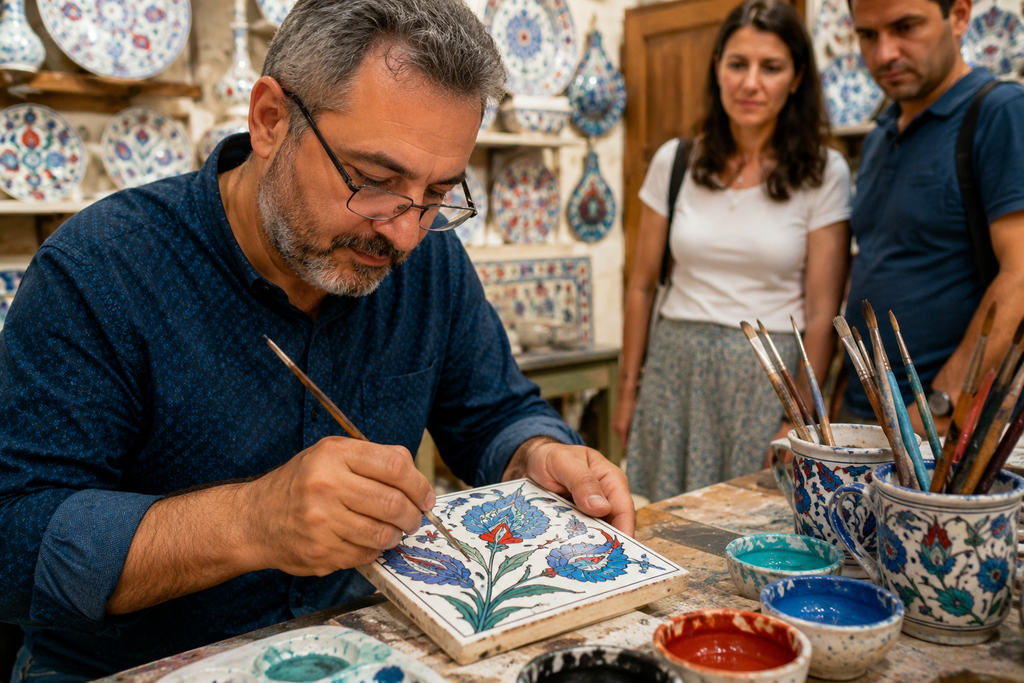
Modern İznik occupies ancient Nicaea, where the First Council of Nicaea met in 325 and the Seventh Ecumenical Council in 787. It later became a major center of Ottoman ceramic production. Today, Roman walls, religious history, tile workshops, olive trees, and a broad lake share a town small enough to cross without strategic planning.
Enter through one of the old gates, then visit Hagia Sophia of İznik, known in Turkish as Ayasofya Orhan Mosque. Continue to the İznik Museum, the Green Mosque, and ceramic workshops where you can see hand-painted motifs before buying. Genuine handwork costs more than factory print, as it should.
End beside Lake İznik. At sunset, the water takes on a dull copper color, fishing lines cut small arcs through the air, and café chairs face west as if the municipality planned a meeting. Beneath the lake near shore lie remains of an early Christian basilica; visibility and access vary, so do not expect an underwater spectacle from the promenade.
How to do it
- Travel time: Around 2–3 hours each way by road.
- Best option: Rental car; direct coaches may work, but schedules can limit your day.
- Budget: ₺2,200–₺5,000 per person.
- Context: Read the official İznik sustainable destination guide.
My Tip: Buy ceramics from a studio where staff can explain the clay, painting, glazing, and firing. A conversation is part of the souvenir; bubble wrap is the other essential part.
Sustainable choice: Spend with local workshops and family restaurants, refill water, and do not remove fragments from archaeological ground. Old pottery is evidence, not a free coaster.
9. Yalova and Termal: Steam Instead of Sightseeing Olympics

Choose Yalova when your legs have filed a complaint. Fast ferries cross from Yenikapı or Pendik, and minibuses continue to Termal, a spa district with wooded paths and hot springs used across Roman, Byzantine, and Ottoman periods.
The pleasure here is not accumulating monuments. Book a thermal pool or hammam session, walk beneath plane trees, and visit the Atatürk Mansion if opening hours align. Bath facilities vary from public pools to hotel spas. Confirm whether towels, lockers, caps, slippers, and gender-separated sessions are included. Shower before entering, follow posted health rules, and speak with a clinician before using hot pools if you have cardiovascular issues, are pregnant, or have another relevant condition.
Back in Yalova, the Walking Mansion tells an unusually charming story: Mustafa Kemal Atatürk reportedly had the building shifted on rails rather than cut down a plane-tree branch. It is the sort of civic anecdote that deserves more fame than another giant statue.
How to do it
- Travel time: The Yenikapı–Yalova ferry takes about 85 minutes on many sailings; allow another 25–40 minutes to Termal.
- Best option: İDO ferry plus minibus or taxi.
- Budget: ₺2,000–₺4,500 per person, depending on spa choice.
- Schedule: Check live İDO sailings before booking anything nonrefundable.
- Background: See the official Yalova visitor guide.
My Tip: Reserve your bath before buying the ferry. A thermal day without thermal access is just a complicated lunch in Yalova.
10. Anadolu Kavağı: The Bosphorus Becomes the Day Trip

Anadolu Kavağı sits near the northern end of the Bosphorus, still within greater Istanbul but psychologically several tram stops beyond it. Take the municipal Long Bosphorus Tour, and palaces, forts, mansions, bridges, fishing villages, and cargo ships pass in a slow geography lesson.
At the village, walk uphill to Yoros Castle. The surviving walls are rough, and access can be restricted, but the view explains the strategic importance of the strait: the Black Sea opens beyond, while the Bosphorus narrows south toward the city. Wear proper shoes. The path is steep enough to expose anyone who selected footwear for photographs rather than friction.
Return for lunch around the harbor. Restaurants display fish aggressively; compare menus, ask whether prices are per portion or by weight, and confirm extras before they land on the table. A modest plate of fish, salad, and tea can be excellent. A surprise bill is less nourishing.
How to do it
- Travel time: Around 1.5–2 hours each way on the scenic ferry, depending on the seasonal schedule.
- Best option: The municipal Long Bosphorus Tour from Eminönü.
- Budget: ₺1,100–₺2,500 per person.
- Current fare: The official page lists a 2026 foreign-passenger round trip at ₺640, but verify before travel.
- Official details: Check Bosphorus tour fares and Şehir Hatları timetables.
My Tip: Treat the ferry as the main attraction. Bring a wind layer even in warm weather, sit outside for at least one direction, and carry cash for lunch.
How to Travel Better Without Becoming a Lecture
Sustainable travel around Istanbul is mostly a series of ordinary decisions. Take ferries and buses when they make sense. Carry a bottle and small tote. Stay longer in one place instead of racing through three. Buy food from a bakery, ceramics from the person painting them, and textiles from shops that can explain where they were made.
On beaches and forest paths, take every scrap back out. During high fire risk, obey closures and never smoke near dry vegetation. At mosques, cemeteries, and battlefields, dress and behave for the place rather than the photograph. Wildlife does not need your snack, drone, or soundtrack.
The most useful rule is economic: let some of your money remain where you visit. A locally owned lunch and a small workshop purchase usually do more for a town than a coach package that imports its guide, meal, and souvenir stop from elsewhere.
The Ferry Back, When Everyone Gets Quiet

The return to Istanbul is my favorite part of a day trip. Not because the trip is over, but because the city reappears in pieces. First a faint line. Then towers, cranes, minarets, apartment blocks, bridges, and ferries crossing in front of ferries. People who spent the morning wrestling bags and timetables sit quietly now. Somebody unwraps the last pastry. Tea appears again.
If you want the simplest great day, go to the Princes’ Islands. For food and early Ottoman history, choose Bursa. For architecture, make it Edirne. Pick Sapanca or Şile when you need trees and water; Yalova when you need steam and slower breathing. Choose Gallipoli with respect, and Troy with full knowledge of the road ahead. İznik rewards curious travelers who like history without crowds. Anadolu Kavağı proves that sometimes transportation itself is the attraction.
Do not choose by social-media fame. Choose by weather, energy, and the amount of sitting your spine will tolerate. One place seen properly stays with you longer than four places collected in a hurry. Leave room for the ferry cancellation, the second tea, the workshop conversation, and the lunch that runs forty minutes late because the fish has only just arrived.
Before you go, save this guide, replace the affiliate placeholders with the tracked links you trust, and reserve the pieces most likely to sell out. Then subscribe to A Tiny Traveler for practical city guides, candid budgets, and itineraries built for humans rather than algorithms. Follow A Tiny Traveler on Pinterest for upcoming Türkiye travel guides, day-trip maps, packing ideas, and travel-planning tips you can return to when twelve browser tabs have stopped being helpful.
Book the trip that fits your day. Set the alarm. Buy the simit. And when Istanbul tries to persuade you not to leave, tell it you will be back by dinner.
Frank


