

There is a point in almost every New York trip when your brain quietly files a complaint. Maybe it happens while you are wedged between three backpacks on the subway. Maybe it is when a taxi leans on its horn for reasons known only to the taxi and God. Or maybe you have simply eaten one too many excellent bagels and need to see a tree that was not planted in a sidewalk square.
That is when a day trip from New York City starts to make perfect sense. Within roughly one to two hours of Manhattan, you can be staring at large-scale art in an old factory, walking beside the Hudson River, eating roast pork in Philadelphia, wandering an Ivy League campus, climbing a ridge, or lying on a beach while the city continues shouting at itself somewhere behind you.
Before You Escape New York: The 60-Second Day-Trip Planner
| Day trip | Best for | Typical travel time from Manhattan | Car needed? | Realistic day budget |
|---|---|---|---|---|
| Beacon, NY | Modern art, cafés, river views | 1 hr 20–35 min | No | $75–$140 |
| Cold Spring, NY | Hiking, antiques, small-town wandering | 1 hr 15–30 min | No | $55–$120 |
| Sleepy Hollow & Tarrytown, NY | History, autumn, literary atmosphere | 40–55 min | No | $50–$120 |
| Storm King Art Center, NY | Outdoor art, photography, couples | 1.5–2 hrs | Helpful, not essential | $80–$170 |
| Philadelphia, PA | Food, U.S. history, museums | 1 hr 15–1 hr 40 min | No | $90–$220 |
| Princeton, NJ | Architecture, campus walks, art | 1 hr 15–1 hr 35 min | No | $60–$130 |
| New Haven, CT | Yale, pizza, art | 1 hr 45–2 hrs | No | $75–$150 |
| Fire Island, NY | Beaches, dunes, summer | 2–2.5 hrs with ferry | No | $85–$170 |
| Bear Mountain, NY | Hiking, families, fall foliage | About 1–1.5 hrs | Helpful | $55–$140 |
| Asbury Park, NJ | Beach, boardwalk, music culture | 1 hr 40–2 hrs | No | $70–$150 |
Important: Train fares, ferry timetables, museum hours, and seasonal services change. Check schedules the night before and again before leaving. MTA TrainTime, NJ TRANSIT, Amtrak, and individual attraction websites are far more useful than discovering at 9:47 a.m. that your carefully planned museum is closed on Tuesdays.
A few useful trip costs before we start
For 2026, the standard New York City subway/local bus fare is $3, and the rolling seven-day OMNY cap is $35. Metro-North’s new day-pass structure is particularly useful for day trippers: weekend passes equal two off-peak one-way fares, while weekday passes discount the equivalent peak return journey.
If you are visiting the U.S. from abroad, sort your basics before the first train ride. A working phone makes rail changes, ferry times, maps, digital tickets, and emergency information dramatically easier.
1. Beacon, New York: Art Big Enough to Make You Whisper
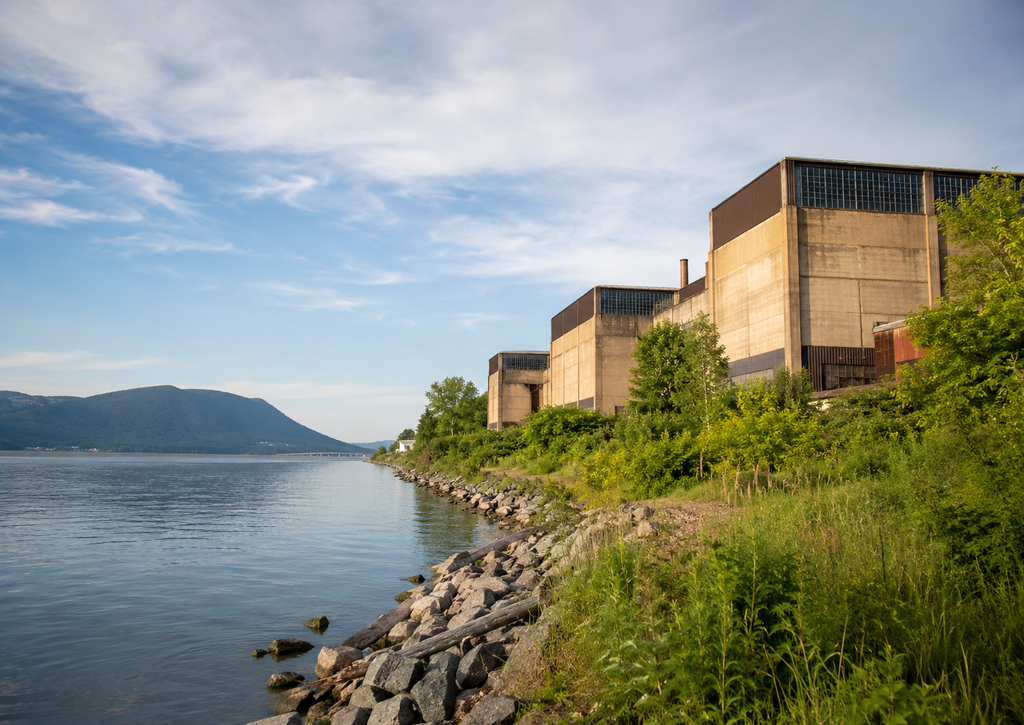
If you only take one easy train day trip from New York City, I would put Beacon near the top. The obvious anchor is Dia Beacon, housed inside a former Nabisco box-printing factory near the train station. Dia Beacon is currently open Friday through Monday, 10 a.m.–5 p.m., with general admission $25; weekend public tours are included with admission. (Dia Art Foundation)
Do not make the common mistake of visiting the museum and immediately returning to New York. Walk uphill toward Main Street. A good one-day rhythm is simple:
- Arrive around 9:30–10:00 a.m.
- Spend 2–3 hours at Dia Beacon
- Walk to Main Street for lunch
- Browse shops slowly instead of performing competitive tourism
- Detour toward Fishkill Creek or the waterfront
- Have coffee before the train home
For 2026, Beacon is Metro-North Zone 8. From Grand Central, the one-way adult fare is $25 peak / $18.50 off-peak, while the weekend day pass is $37. Best for: couples, solo travelers, art lovers, first-time Hudson Valley visitors, car-free travelers.
Tip: Sit on the left side going north when practical for frequent Hudson River views. Then put your phone down occasionally. A train window is allowed to be entertainment.
If you fall for the Hudson Valley and decide a day is too short, this is one of the places where an overnight stay makes sense.
FIND BEACON HOTELS ON BOOKING.COM
2. Cold Spring, New York: The Day Trip That Starts Cute and Can Become a Workout

Cold Spring is what happens when a very pretty Hudson River village happens to sit beside terrain that wants to test your quadriceps. The Metro-North Hudson Line drops you practically into the village. The headline hike is Breakneck Ridge, famous for steep rock scrambling and broad river views. It is not a casual “we wore sneakers because TikTok said nature” walk. If you are not comfortable using hands as well as feet, choose an easier trail in the Hudson Highlands or keep the day village-focused. Metro-North serves Breakneck Ridge and Cold Spring, both in Zone 7; the 2026 weekend day pass between Zone 1 and Zone 7 is $32. (MTA)
For a gentler day, wander Main Street, browse antiques, walk toward the riverfront, sit in Dockside Park, and eat something that requires no nutritional justification. My ideal schedule would be:
- Early train from Grand Central
- Morning hike if weather is dry
- Late lunch in Cold Spring
- Slow walk through town
- Riverfront pause before the return train
Best for: active couples, solo hikers, photographers, autumn trips, budget travelers.
Tip: Check weather, sunset time, trail notices, and your actual fitness level—not the one you possessed in 2019. Bring shoes with grip, water, and a small trash bag. Pack out everything you bring in.
3. Sleepy Hollow & Tarrytown: History With a Slightly Crooked Smile
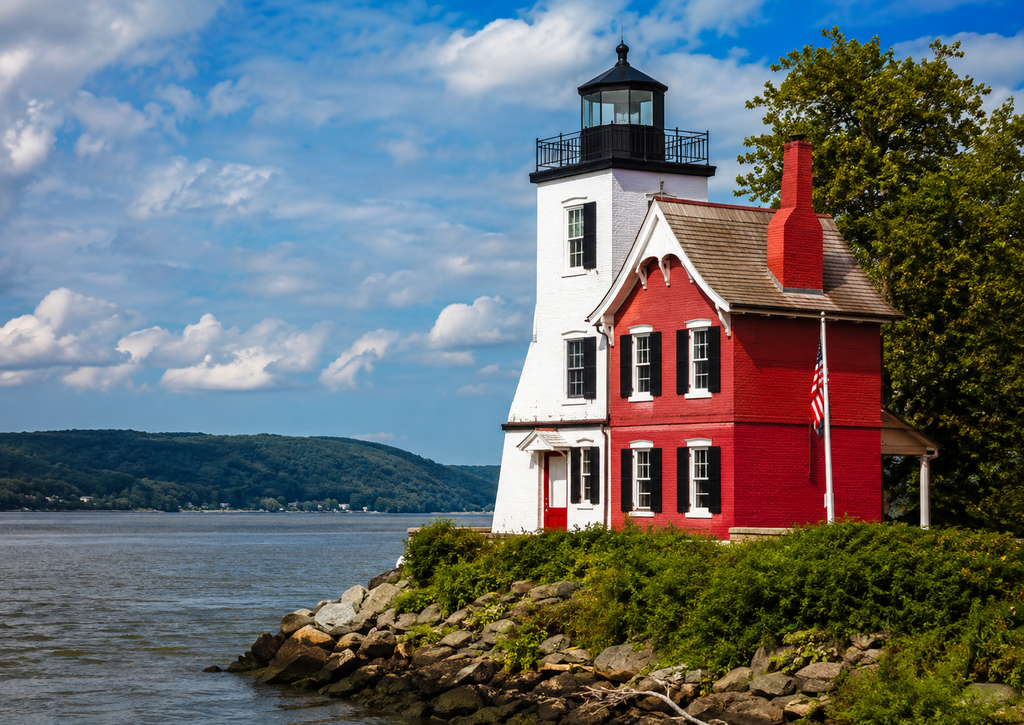
Sleepy Hollow is easiest to sell in October, when every pumpkin within commuting distance seems to have a publicist. But I like this stretch of Westchester County beyond Halloween. Take the Metro-North Hudson Line to Tarrytown, then explore on foot and by local bus or rideshare. Tarrytown is in Zone 5; in 2026 the off-peak one-way fare from Grand Central is $11.75, and the weekend day pass is $23.50.
The key historical stop is Philipsburg Manor, where interpretation addresses the lives of the enslaved community who lived and worked on this colonial provisioning plantation. In 2026, tours run seasonally, generally May through November, and visits last around 1.5–2 hours depending on the format. (hudsonvalley.org) Then walk toward the Old Dutch Church, Sleepy Hollow Cemetery, and the river. Down by the Hudson, the restored Sleepy Hollow Lighthouse can be viewed from the Westchester RiverWalk; interior tours have remained paused, so plan on the exterior view rather than assuming access. (visitsleepyhollow.com)
One important 2026 update: Kykuit, the Rockefeller estate, is not offering tours in 2026; tours are expected to resume under the Rockefeller Brothers Fund in 2027. (hudsonvalley.org) Budget: roughly $50–$120 depending on paid historic sites and rideshares.
Best for: history lovers, autumn travelers, literary travelers, couples, easy day-trip seekers.
Tip: October weekends can be intensely popular. If you want atmosphere without crowds performing atmosphere, go on a weekday or visit in late September/early November.
4. Storm King Art Center: A Museum Where the Ceiling Is Weather

Storm King Art Center is the day trip I recommend to people who say, “I don’t really like museums,” because it barely behaves like one. In 2026, Storm King is generally open Wednesday through Monday, 10 a.m.–6 p.m., with summer Saturdays extending to 8 p.m. Adult admission is $25, while peak autumn weekends cost more; advance tickets are recommended, especially in fall. (Storm King Art Center)
Getting there without a car is possible but takes planning. Coach USA offers a package from Port Authority Bus Terminal that combines round-trip transportation and admission. You can also take Metro-North to Beacon and then use a taxi/rideshare for the roughly 30-minute drive, or NJ TRANSIT toward Salisbury Mills-Cornwall, which is around ten minutes away by car. (Storm King Art Center)
Once inside, do not try to “collect” artworks. Wear walking shoes. Bring sun protection. In warm weather, bring more water than seems emotionally necessary.
A comfortable visit takes 3–5 hours. Budget $80–$170 from NYC depending on transport and lunch.
Best for: couples, photographers, design lovers, repeat NYC visitors, travelers who want open space.
Sustainable choice: If the bus schedule works, take the Coach USA service instead of renting a car for one person. When you do drive, combine nearby stops rather than making separate Hudson Valley trips.
5. Philadelphia, Pennsylvania: The Best “Wait, We’re in Another City?” Day Trip

Philadelphia is the most ambitious trip on this list that still feels genuinely reasonable. Take an early Amtrak Northeast Regional from New York Penn Station, and roughly an hour and a half later you are in another major American city wondering why you did not bring looser trousers.
For a first visit, I would start in Old City with Independence Hall and the Liberty Bell, then walk through the old street grid before eating lunch at Reading Terminal Market. In 2026, most Independence National Historical Park sites are free. Independence Hall guided tours can require timed reservations; the ticket itself is free with a $1 reservation fee, and most tickets can be booked up to 30 days ahead. The Liberty Bell Center does not require a ticket. (National Park Service)
If history is not your obsession, build the afternoon around the Philadelphia Museum of Art, Barnes Foundation, street murals, or food.
BROWSE PHILADELPHIA TOURS ON GETYOURGUIDE
Best for: food lovers, history travelers, museum people, first-time U.S. visitors, travelers who enjoy cities but want a different rhythm from NYC.
If you decide one day is too rushed—and it often is—stay overnight rather than catching the final train while digesting a heroic quantity of roast pork.
6. Princeton, New Jersey: Gothic Arches, Free Art, and a Five-Minute Train Called the Dinky
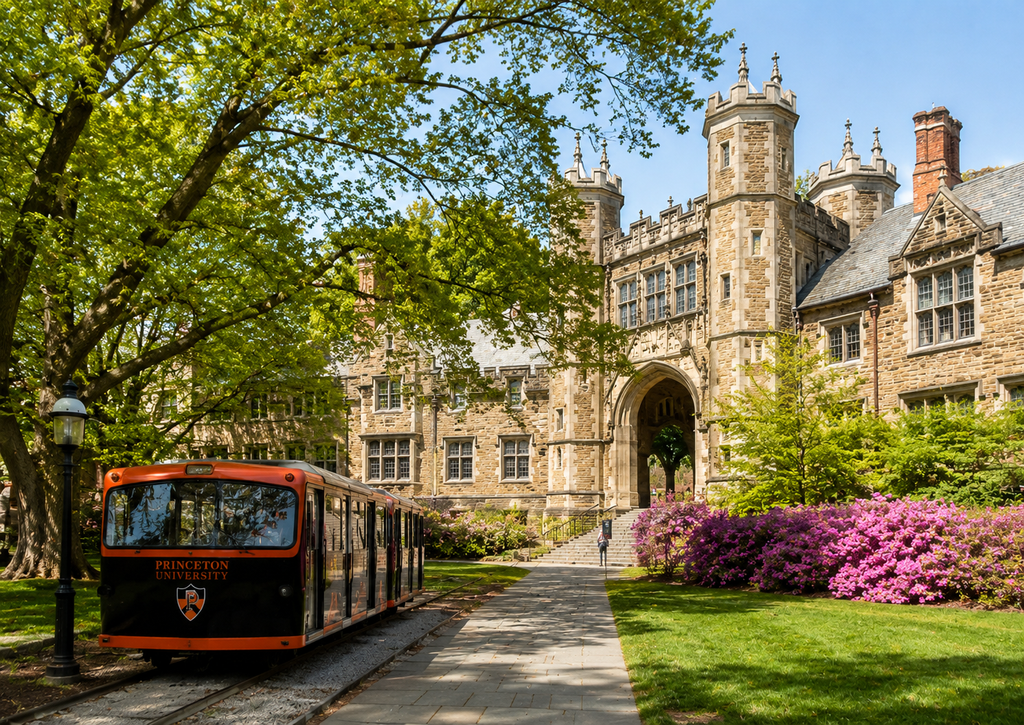
From New York Penn Station, take NJ TRANSIT’s Northeast Corridor Line to Princeton Junction, then transfer to the little Princeton Shuttle, affectionately known as the Dinky. The shuttle takes around five minutes and runs seven days a week. (NJ Transit) Current 2026 NJ TRANSIT fare materials list a one-way trip between New York Penn and Princeton at about $21. (NJT-Warehouse)
Start at Princeton University. Nassau Hall, built in 1756, served as the meeting place of the Continental Congress in 1783, when Princeton briefly functioned as the nation’s capital. (Princetoniana)
The real 2026 reason to prioritize Princeton is the Princeton University Art Museum, now open in its new building and free to all. Standard hours run through most of the week, with later evenings on Thursday and Friday. (Princeton University Art Museum) Budget $60–$130, mainly transport plus food.
Best for: architecture fans, students, families with teenagers, museum lovers, rainy-day travelers.
Tip: Do not treat the university as a movie set. It is a working campus. Keep entrances clear, respect restricted buildings, and do not photograph strangers as if they are decorative academia.
7. New Haven, Connecticut: Come for Yale, Stay Because Pizza Became a Competitive Sport

New Haven is farther than Beacon or Princeton, but it earns the extra train time. Take the Metro-North New Haven Line from Grand Central Terminal to New Haven. After Connecticut’s July 2026 fare adjustment, the Grand Central–New Haven adult fare is $24.25 peak / $18 off-peak, with a weekend day pass of $36. (Connecticut Government Portal)
Begin around Yale’s Old Campus and the central university blocks. Then go to the Yale University Art Gallery. Its collection runs from ancient material to modern art, with thousands of objects on display, and its public programs are free. (catalog.yale.edu)
Then: pizza. New Haven apizza is typically thin, charred, chewy, and unapologetically dark around the edges. A relaxed itinerary:
- Morning Metro-North
- Walk Yale
- Yale University Art Gallery
- Late pizza lunch
- Coffee and downtown walk
- Optional climb/walk around East Rock if daylight allows
Budget $75–$150.
Best for: food travelers, art lovers, architecture fans, solo travelers, university-town people.
Tip: New Haven is better when you stop comparing every street to Manhattan. It has its own scale, its own rough edges, and its own rhythm. Give it a day rather than grading it like an urban planning exam.
8. Fire Island, New York: The Car-Free Beach Day NYC Does Not Look Like It Should Have
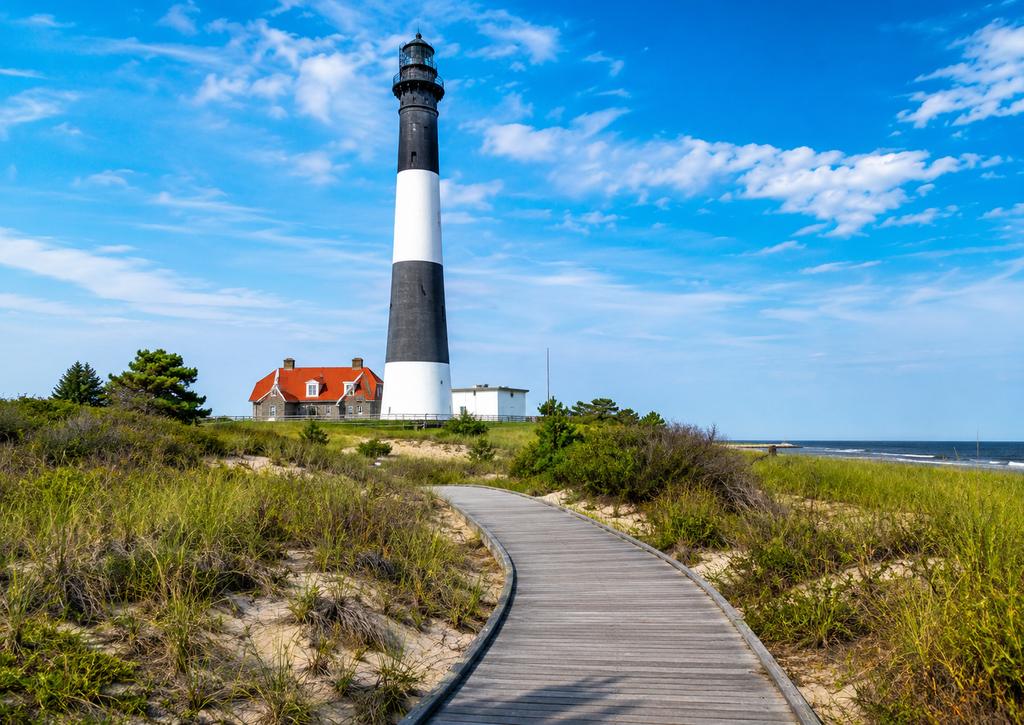
Different ferries serve different communities and National Park Service areas, so choose your destination before leaving Manhattan. For a nature-focused day, I like Sailors Haven or Watch Hill. The National Park Service notes that both are accessed by passenger ferry or private boat and operate seasonally, generally from late May into autumn; lifeguarded swimming is primarily a summer feature. (National Park Service)
For Watch Hill, travel from NYC toward Patchogue and connect with the seasonal ferry. For western communities such as Ocean Beach or Kismet, routes commonly use Bay Shore and the appropriate ferry service. The LIRR’s 2026 Zone 10 fare from New York is $21.50 peak / $16 off-peak, with a $32 weekend day pass; ferry tickets are additional.
Bring less than you think you need, but do bring:
- Reef-safe sunscreen
- Refillable water bottle
- Hat
- Light layer for the ferry back
- Small bag for your rubbish
- Offline screenshot of ferry times
On Fire Island, dune systems are not shortcuts. Stay on boardwalks and marked paths. For a day including train, ferry, food, and beach spending, budget roughly $85–$170.
Best for: summer travelers, couples, beach lovers, photographers, anyone suffering from acute Manhattan pavement exposure.
Travel insurance note: If your U.S. trip includes hiking, ferries, beaches, rental cars, or several prepaid bookings, travel medical coverage is worth considering—especially for international visitors facing U.S. healthcare costs.
9. Bear Mountain State Park: When Your Day Trip Needs Actual Trees
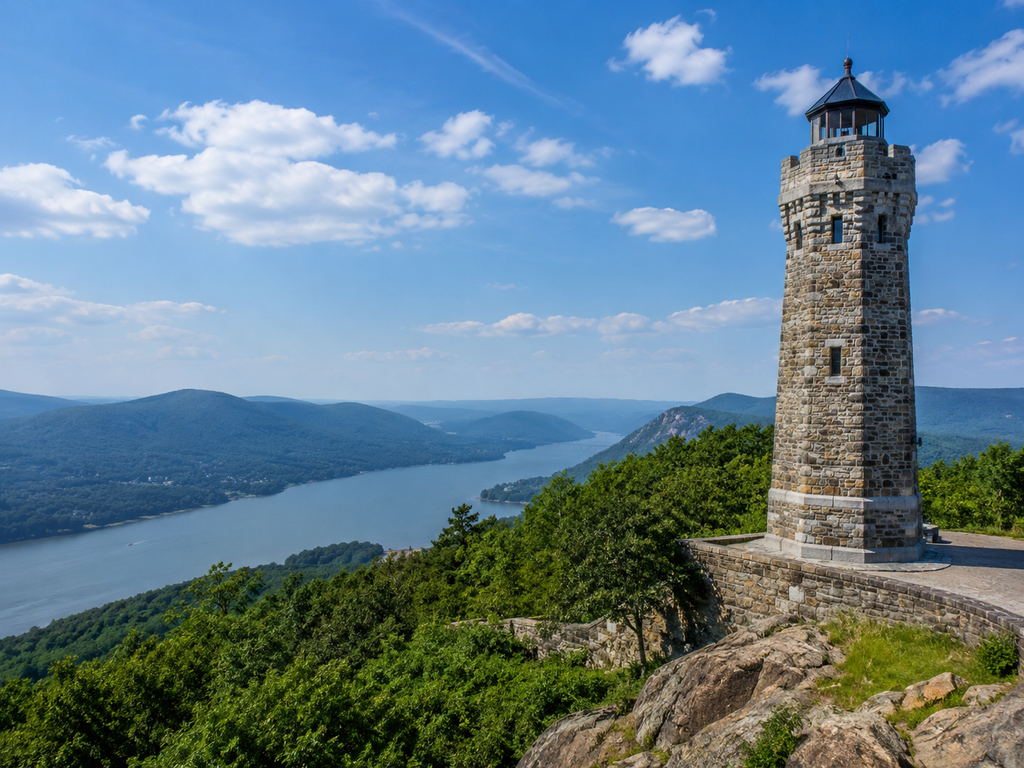
Bear Mountain State Park sits roughly an hour north of New York City by road. It is open year-round from dawn to dusk, with hiking, picnic areas, Hessian Lake, the Trailside Museums and Zoo, seasonal swimming, and access toward Perkins Memorial Tower. The tower road is generally open April through November, weather permitting. (parks.ny.gov)
The Appalachian Trail passes through the park. For families or gentler days, the Trailside Museums and Zoo is an easy add-on; admission is free with a suggested $1 donation, and its animals are native species that cannot be released to the wild. (parks.ny.gov)
Public transport is possible on selected days. Coach USA/ShortLine currently sells a weekend Bear Mountain State Park day trip from Port Authority, with online adult pricing around $28.70. (web.coachusa.com) If schedules do not fit, this is one of the few trips on the list where I would seriously consider a rental car, particularly for two to four travelers.
Best for: hikers, families, autumn foliage trips, active couples, travelers tired of indoor attractions.
Tip: Fall weekends can be packed. Leave early. Better yet, go on a weekday and enjoy the revolutionary concept of hearing leaves instead of somebody’s portable speaker.
Sustainable tourism tip: Stay on marked trails, never feed wildlife, carry out rubbish, and use existing picnic areas. Trail erosion begins with thousands of individuals each thinking one shortcut cannot possibly matter.
10. Asbury Park, New Jersey: Beach Day With Better Music Taste
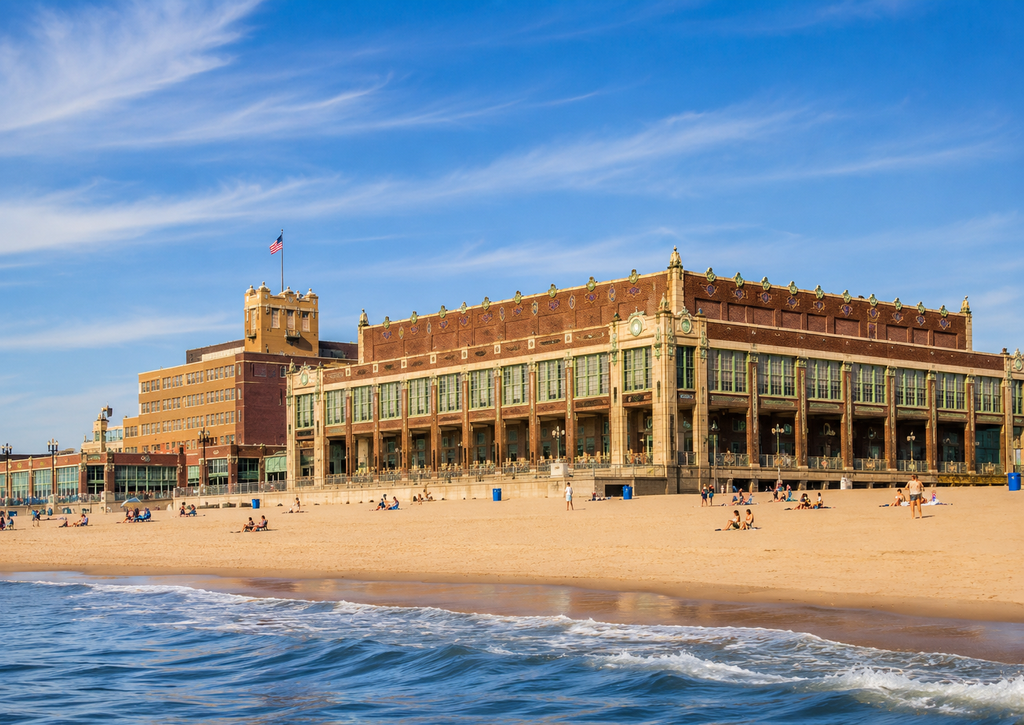
Take NJ TRANSIT’s North Jersey Coast Line from New York Penn Station—some journeys require a transfer—and you arrive within walking distance or a short rideshare of the beach.
Walk the boardwalk, look around Convention Hall, get sand between everything you own, then eat somewhere casual before heading home smelling faintly of sunscreen.
For the 2026 beach season, passes are required from Memorial Day weekend through Labor Day weekend. Daily admission is $7 on weekdays and $10 on weekends/holidays; children 12 and under enter free with an adult. Lifeguard hours are 9 a.m.–5 p.m. weekdays and 9 a.m.–6 p.m. weekends/holidays during the staffed season. (cityofasburypark.com)
My ideal day:
- Morning train from Penn Station
- Walk through town toward the ocean
- Beach for a few hours
- Boardwalk lunch
- Coffee or drink before sunset
- Train back after dinner if schedules cooperate
Best for: friends, couples, solo beach travelers, music fans, summer weekends.
Tip: The boardwalk is fully accessible, and beach-access improvements include ramps and mobile beach mats at entrances. (cityofasburypark.com) For quieter sand, arrive early. By noon on a hot Saturday, every person in New Jersey appears to have independently reached the same excellent idea.
Which NYC Day Trip Should You Choose?
If you are staring at ten options and have somehow become less decisive, use this shortcut.
Choose Beacon if you want art + town + easy train. Choose Cold Spring for hiking + a compact river village. Pick Sleepy Hollow for history and autumn atmosphere, and Storm King for outdoor art and open landscapes. Go to Philadelphia when you want the biggest change of scene and the best food-focused urban day. Pick Princeton for architecture and free art, or New Haven for Yale plus pizza. Choose Fire Island for the most convincing summer escape, Bear Mountain when your legs need a job, and Asbury Park for a simple beach-and-boardwalk day.
If you have six or more days, one escape works beautifully.
What a NYC Day Trip Really Costs in 2026
For a budget day, expect roughly $55–$90: commuter rail or bus, a casual lunch, coffee, and mostly free attractions. Cold Spring, Sleepy Hollow, Princeton, and Bear Mountain can fit here if you keep paid extras limited.
A comfortable day runs around $90–$150: better lunch, museum admission, rideshare or ferry, snacks, perhaps dinner before returning. Beacon, New Haven, Fire Island, and Asbury Park commonly fall into this range.
A splurge day can hit $150–$220+, particularly with last-minute Amtrak, rental cars, guided tours, several paid attractions, or a good dinner. Philadelphia and Storm King are the most likely suspects.
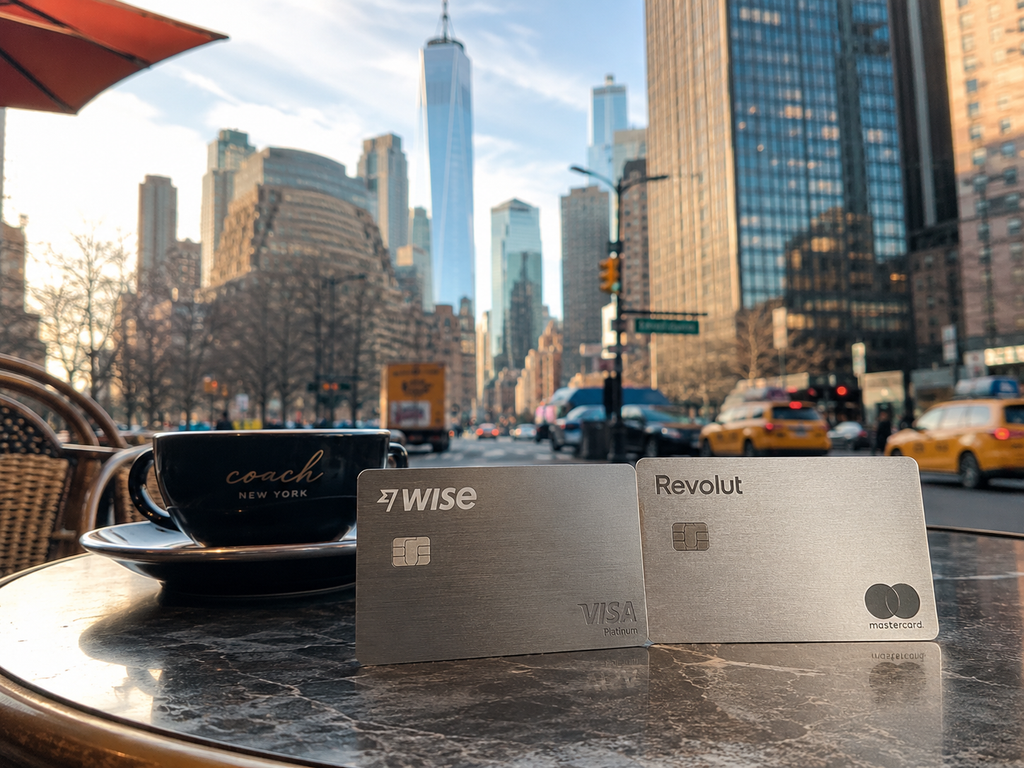
If you plan to use overseas cards, check foreign transaction fees before leaving home. Wise and Revolut can be useful for travelers who want clearer exchange rates and app-based spending controls, but compare the account terms available in your country before signing up.
CHECK WISE FOR YOUR TRIP
CHECK REVOLUT TRAVEL FEATURES
Should You Rent a Car for Day Trips from New York City?
Usually, no. That is one of the joys of this list.
Beacon, Cold Spring, Sleepy Hollow, Philadelphia, Princeton, New Haven, Fire Island, and Asbury Park all work well without a private car. Trains remove parking fees, traffic stress, tolls, and the small spiritual crisis of returning a rental vehicle in Manhattan.
A car makes the most sense for Storm King, Bear Mountain, or a multi-stop Hudson Valley road trip. It can also be economical for a group splitting the cost.
If you have just landed after a long international flight, I would not pick up a car in central Manhattan unless you enjoy starting holidays with paperwork and horns. Get into the city first, sleep, then collect a car on the morning you actually need it.
For airport-to-hotel transfers when you want someone waiting rather than negotiating luggage on public transport, Welcome Pickups can be a useful pre-booked option.
Sustainable Day Trips from NYC Without Becoming the Person Who Lectures Everyone at Lunch
Take trains and scheduled buses when they work. Eight of these ten trips are naturally suited to public transportation. Bring a refillable bottle and a small tote. Eat at locally owned cafés, bakeries, markets, and restaurants rather than carrying your New York chain habits everywhere. On beaches and hiking trails, follow marked routes and pack out rubbish. Do not pocket shells, plants, stones, or “just one little thing” from protected landscapes.
On Fire Island, protect dunes by staying on boardwalks. At Bear Mountain and Breakneck Ridge, do not widen trails by stepping around mud; that creates more erosion. At historical places such as Philipsburg Manor, engage with the full history rather than reducing the site to a photo backdrop. In university towns, remember people study and work there. Travel is more interesting when a destination remains a place rather than becoming your temporary set.
If Beacon, Philadelphia, or New Haven grabs you, spend the night, eat locally, and see the place after the day-trippers leave.
FIND A ONE-NIGHT ESCAPE ON BOOKING.COM
Best Time of Year for These New York City Day Trips
Season matters more here than most people expect. A destination that feels effortless in May can become a logistics puzzle in January, while an ordinary river town can turn into peak-weekend chaos once the leaves change.
Spring is my favorite all-round season for Beacon, Cold Spring, Princeton, New Haven, and Philadelphia. April can still be damp and moody, but by May you usually get comfortable walking weather without full summer humidity. Pack a light rain layer. Hudson Valley trails can stay muddy longer than city sidewalks suggest, so do not assume a dry morning in Manhattan means dry rock at Breakneck Ridge.
Summer belongs to Fire Island and Asbury Park. This is when ferries, lifeguards, beach services, and long daylight hours make the coast easiest. It is also when you need to leave earlier than feels civilized. Hot Saturdays create queues for trains, ferries, beaches, and lunch. Bring sunscreen, water, and patience. Storm King also works well in summer, especially on longer Saturday hours, but the open fields offer far less shade than your optimistic weather app may imply.
Autumn is prime time for Sleepy Hollow, Bear Mountain, Cold Spring, and Storm King. It is also the season most likely to punish spontaneous weekend planning. October trains north can fill, parking can become annoying, and Sleepy Hollow events sell out. Book timed attractions early and consider weekdays. For hiking, start early enough that a slow lunch does not turn your return into a twilight scramble.
Winter is underrated for Philadelphia, Princeton, New Haven, and Beacon on museum-open days. Crowds are thinner, restaurants feel cozier, and you can build the day around indoor attractions. The trade-off is short daylight and the possibility of weather-related rail disruption. Bear Mountain can also be appealing in winter for experienced cold-weather visitors, but icy trails are not the place to improvise footwear.
If your dates are flexible, I would choose late May, early June, September, or early October for the broadest range of options. You still get long enough days for hiking and outdoor art, while usually avoiding the worst summer heat. Beach water may be cooler at the edges of that window, but city walking becomes far more pleasant.
One final seasonal rule: always check sunset time. It sounds absurdly obvious until you are halfway through a trail at 4:15 p.m. in November because summer trained your brain to expect another four hours of daylight. Nature does not care that your dinner reservation is at seven.
For photography, mornings generally give you quieter streets and cleaner light, especially in Princeton, Beacon, and Asbury Park. Late afternoon suits the Hudson destinations, but do not build transport around sunset alone. Trains do not care about your golden-hour masterpiece, and missing the convenient return can turn a relaxed day into ninety minutes of platform philosophy. Seriously.
A Few Mistakes I Would Avoid
Do not buy every ticket at the last minute. Amtrak and popular seasonal attractions can punish procrastination financially.
Do not trust an old blog post over today’s operating schedule. In 2026, for example, Kykuit tours are paused, and seasonal ferries and museum hours vary. Official sites win.
Do not attempt two full destinations in one day. Yes, Beacon + Cold Spring can technically be combined. No, that does not mean they should be if you actually want to enjoy either.
Do not underestimate return logistics. Screenshot your final practical train or ferry home. Battery percentage becomes philosophical once the last connection is involved.
Do not leave travel insurance until after something happens. International visitors in particular should understand what medical coverage they have in the U.S. before hiking, swimming, renting cars, or simply existing near American healthcare pricing.
And if you need tickets, tours, day activities, or experiences once your dates are fixed, browse options in advance rather than buying whatever happens to be waved at you outside an attraction.
FIND DAY TOURS & EXPERIENCES ON GETYOURGUIDE
The Part Where Manhattan Starts Looking Good Again
The funny thing about leaving New York City for a day is that the return becomes part of the trip. You step back into Grand Central or Penn Station carrying sand in your shoes, museum postcards in your bag, or the dull satisfaction of legs that have climbed something real. The city has not become quieter while you were gone. Of course it has not. But you hear it differently.
That is why I think the best day trips from New York City are not consolation prizes for people who have “finished” Manhattan. Beacon gives art room to breathe. Cold Spring puts rock under your hands. Sleepy Hollow complicates familiar American stories. Storm King turns distance into part of the museum. Philadelphia lets you eat lunch in another state and be home before midnight. Princeton and New Haven wrap art and architecture around working university towns. Fire Island replaces traffic with ferries and dunes. Bear Mountain gives you dirt under your shoes. Asbury Park lets the Atlantic knock the schedule out of you for a few hours.
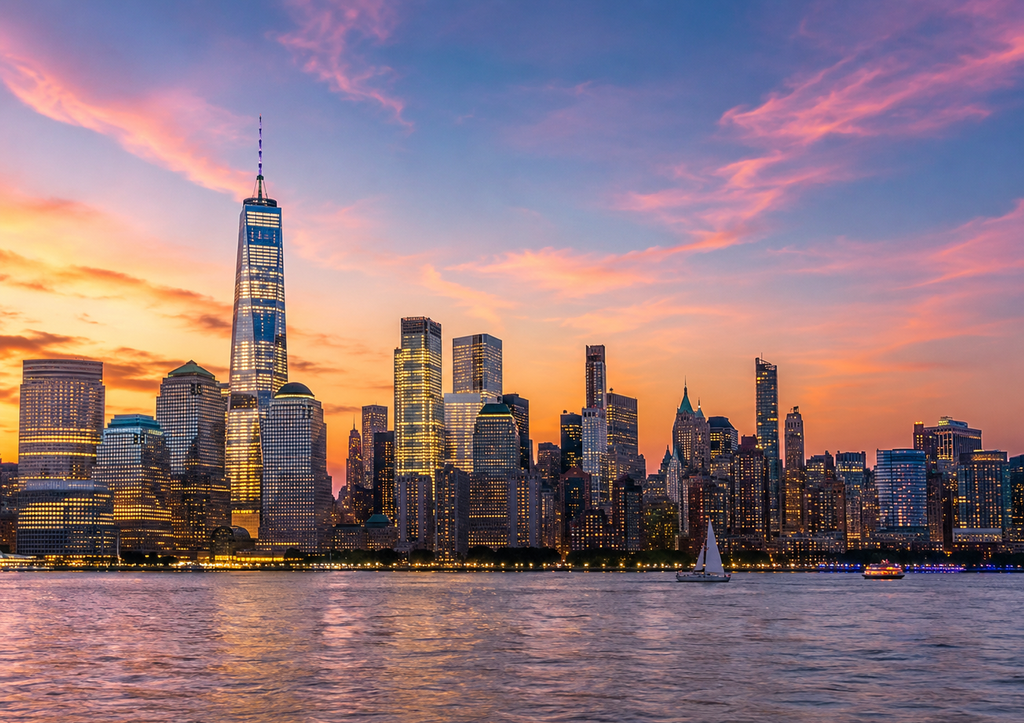
If this is your first NYC trip, choose the destination that contrasts most with what you are already doing. After four days of museums and skyscrapers, go to the beach or hike. After several days of parks and neighborhood wandering, take the train to Philadelphia and eat your way through a market. If rain ruins your hiking plan, pivot to Princeton, Beacon, or New Haven.
If you enjoyed this guide, subscribe to A Tiny Traveler so I can send you more practical city guides, honest destination advice, day-trip ideas, budgets, transport tips, and the occasional travel mistake I would prefer you make only after being properly warned.
And follow A Tiny Traveler on Pinterest for new travel guides, trip-planning ideas, destination inspiration, and saveable itineraries you can pull up when the group chat finally progresses from “we should go somewhere” to “fine, who is actually booking it?”
Do not judge a day trip by how many attractions you can squeeze into it. The good ones leave room for accidental discoveries—a bakery you did not research, a bench with a river view, a second coffee, a bookstore detour, or twenty quiet minutes before the train. That breathing space is not wasted time. It is the trip.
See you on the next train.
Frank


