

My first hour in Zurich went wrong in a very Swiss way: quietly, efficiently, and with no lasting damage. I left Zurich Main Station, turned toward the Old Town, and became so confident in the internal compass that I walked in the opposite direction. An older man carrying tulips noticed me rotating a paper map like a confused weather vane. “The lake is downhill,” he said, pointing with the flowers. Then he continued on, having repaired both my route and my dignity in six words.
That detour showed me the Zurich that disappears behind jokes about bankers and frightening lunch bills. Trams chimed past people swimming home in the river. The air near Confiserie Sprüngli smelled of butter and toasted hazelnuts; beside the Limmat, it smelled of wet stone, clean water, and somebody’s cigarette.
Zurich does not perform for visitors. You have to meet it halfway: climb the church tower, take the suburban train up a wooded hill, sit beside the lake long enough for the mountains to emerge from the haze. Then Switzerland’s largest city feels less like a financial headquarters with swans and more like a place that has learned how to live beside water.
This guide covers the 10 best things to do in Zurich, plus realistic costs, the Zürich Card, hotels, official links, neighborhood advice, sustainable choices, and an itinerary that leaves room for getting lost. Just keep walking downhill when you need the lake—without any needless logistical panic.
Zurich at a Glance, for People Who Already Have Too Many Tabs Open

- Best for: Couples, solo travelers, culture lovers, food-minded city breakers, and travelers continuing into the Swiss Alps.
- Ideal stay: Two full days; three if you want museums, chocolate, swimming, or a slower pace.
- Best months: May, June, September, and early October for comfortable walking and fewer peak-summer crowds.
- Nearest airport: Zurich Airport, around 10–15 minutes from Zurich HB by train.
- Language: Swiss German locally; standard German in writing. English is widely understood in visitor-facing places.
- Currency: Swiss franc (CHF). Cards are common, but keep a little cash for small stalls or backup.
- Daily budget: About CHF 120–185 for a careful traveler, CHF 260–430 for a comfortable solo trip, or CHF 550+ for luxury.
- Do not miss: Old Town, Lindenhof, a Lake Zurich cruise, and Uetliberg on a clear day.
- Best free pleasure: Filling your bottle at one of Zurich’s 1,200-plus drinking fountains.
Why Zurich Is More Than Banks and Watches
The Romans established the customs post of Turicum here in 57/58 BC, where lake traffic met an overland route. Later came a royal palace at Lindenhof, powerful abbesses at Fraumünster, medieval guilds, and the Reformation led by Huldrych Zwingli at Grossmünster. Industrial wealth eventually moved west; old factory districts became music venues, studios, restaurants, and design shops.
That history explains the city’s odd chemistry. A lane can contain a Roman wall below ground, a sixteenth-century church at street level, and a Dadaist bar around the corner. Alternate the formal and informal: museum, swim, church, sausage, mountain, wine. If you only walk Bahnhofstrasse and photograph watches you cannot afford, you have met Zurich’s jacket but not the person wearing it.
The Best Things to Do in Zurich
1. Walk Old Town Until the Map Becomes Decorative

If you do only one thing, walk Zurich’s Old Town on both sides of the Limmat. Begin at Zurich HB, cross toward Bahnhofstrasse, and climb through Rennweg to Lindenhof. The square sits above the river where a Roman fort once stood, and a ninth-century royal palace followed. Today, chess pieces knock against outdoor boards while the twin towers of Grossmünster hold the opposite skyline together.
From Lindenhof, descend into Schipfe, the sliver of lanes pressed between the hill and water. Continue across Rathausbrücke to Niederdorf, called Dörfli by locals. Look above the shop windows: painted signs, bay windows, pulley hooks, and crooked rooflines tell a better story than souvenir displays at eye level.
Allow two to three hours. Morning is quieter; evening brings restaurant tables and bar traffic. Walking costs nothing, though a guided tour adds context about Romans, guilds, religious conflict, and the ways prosperous cities edit their biographies.
My Tip: Download an offline map, then deliberately ignore it for twenty minutes around Augustinergasse, Brunngasse, and Spiegelgasse. Zurich is small enough to forgive curiosity.
BOOK A ZURICH OLD TOWN TOUR WITH GETYOURGUIDE
2. Climb Grossmünster, Then Cross to Fraumünster
The churches facing each other across the river provide Zurich’s best short history lesson. Grossmünster became a center of the Swiss Reformation under Huldrych Zwingli. Its disciplined interior makes the color in Augusto Giacometti’s windows register strongly.
Then climb 187 steps inside the Karlsturm tower. The staircase tightens, strangers negotiate passing rights, and your thighs begin drafting a complaint. At the top, windows frame the Old Town, river, lake, and rooftops. Admission is CHF 5 for adults, and the Zürich Card includes it. Check seasonal hours on the official Grossmünster visitor page.
Cross Münsterbrücke to Fraumünster, founded as a women’s abbey in 853. Its five stained-glass windows by Marc Chagall are the headline, but do not rush past the crypt museum and Augusto Giacometti window. Tourist admission is CHF 5, sold on-site, and includes the church app; students and visitors under 17 enter free.
Add St. Peter if time allows. Its clock face, one of Europe’s largest on a church tower, is easier to appreciate from across the river than directly below it.
My Tip: Visit churches outside services, speak quietly, remove hats where requested, and treat worshippers as people rather than atmospheric props.
3. Take a Lake Zurich Cruise—and Sit Outside
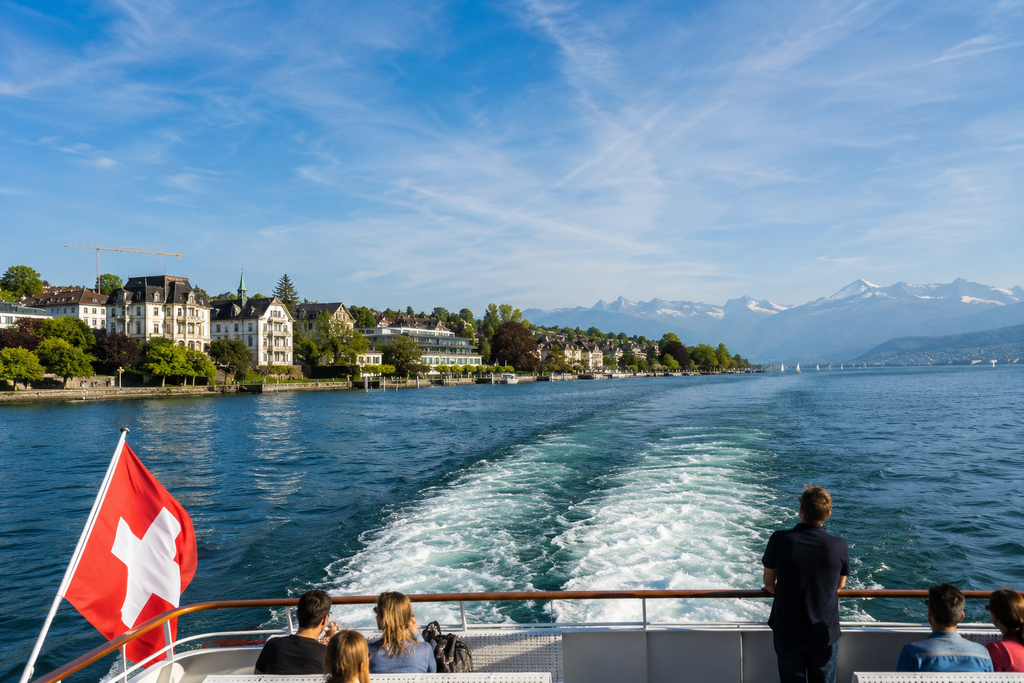
Zurich makes full sense from the water. Board at Bürkliplatz, watch the city loosen into parks and villas, and notice how quickly office blocks give way to wooded slopes. On clear days, the Alps appear beyond the lake like a pencil line somebody gradually darkens.
The Lake Zurich Navigation Company, or ZSG, operates several scheduled options. A mini lake cruise takes about an hour and costs CHF 7.20 in second class; a short cruise is around 1.5 hours and costs CHF 9.40. Longer trips reach farther down the lake. Confirm seasonal departures and fares on the official ZSG timetable.
The Zürich Card covers mini and short lake cruises plus the seasonal Limmat River Cruise. Arrive early on sunny weekends for an outdoor seat; the rear deck is often calmer.
Bring a light layer even in summer; lake wind can turn a confident T-shirt into a poor decision. Take the mountain picture, then put the phone down and listen to water slap the hull.
My Tip: Pair a morning cruise with lunch from the market at Bürkliplatz, or use the boat to reach Kilchberg for the chocolate museum.
4. Ride Up Uetliberg and Walk the Planet Trail

At 871 meters, Uetliberg is Zurich’s home mountain: not an Alpine expedition, but high enough to rearrange your understanding of the city. Take the S10 from Zurich HB to Uetliberg. From the station, the main viewpoint is roughly a ten-minute uphill walk. The route is easy but not flat; shoes with grip beat polished city soles.
Go when visibility is good. Below you, the lake narrows southeast, neighborhoods spread around the Limmat, and the Alps occupy the horizon when cloud permits. The trip is included in the Zürich Card. Otherwise, use the SBB timetable or ZVV app to price the zones for your journey.
For more than a viewpoint, follow the Planet Trail toward Felsenegg. The ridge walk takes roughly two hours one way. Descend by cable car and return by train; check its schedule before committing.
In winter, ice and packed snow require care.
My Tip: Bring a picnic from Coop or Migros. The view does not improve because your lunch arrived on porcelain.
FIND UETLIBERG AND SWISS ALPS TOURS ON GETYOURGUIDE
5. Give Kunsthaus Zürich More Than an Obligatory Hour

Kunsthaus Zürich is for travelers who claim they are “not really museum people” and then lose forty minutes in front of one painting. The collection moves from medieval work through Swiss artists and European modernism to contemporary installations. Names include Alberto Giacometti, Ferdinand Hodler, Monet, Van Gogh, Picasso, and Warhol, but the quieter rooms often hold the better surprises.
The older Moser building and newer David Chipperfield extension connect underground. Decide what matters before entering; consuming everything produces cultural indigestion.
Regular admission for exhibitions including the collection is CHF 31. The Zürich Card includes the permanent collection, while special exhibitions may require an extra payment. Hours are generally 10:00 a.m.–6:00 p.m. Tuesday, Wednesday, and Friday through Sunday, with Thursday until 8:00 p.m.; Monday is closed. Confirm tickets and closures on the official Kunsthaus visit page.
Allow two to three hours. Thursday evening works well when daytime weather is clear and you would rather spend it outside.
My Tip: Choose ten works to examine properly instead of photographing one hundred labels. Your feet and memory will both thank you.
6. Understand the Country at the National Museum Zurich

Beside Zurich HB, the National Museum Zurich looks like a castle that wandered into the railway district. Inside, exhibitions cover Swiss archaeology, politics, craft, clothing, religious change, migration, and the invention of national identity. It gives necessary context to the tidy surfaces outside.
Start with the permanent history galleries, then choose one temporary exhibition. Notice the tension between Switzerland’s pastoral self-image and evidence of trade, industry, conflict, and movement across borders.
Adult admission is CHF 13; visitors under 17 enter free. The Simply Zurich exhibition is free, and the Zürich Card includes general admission. Standard hours are 10:00 a.m.–5:00 p.m. Tuesday, Wednesday, and Friday through Sunday, with Thursday until 7:00 p.m.; Monday is normally closed. Verify on the official National Museum ticket page.
Allow two hours, more if a temporary show matches your interests.
My Tip: Use the lockers. Carrying a backpack through a long museum turns education into resistance training.
7. Go to the Lindt Home of Chocolate Before It Sells Out
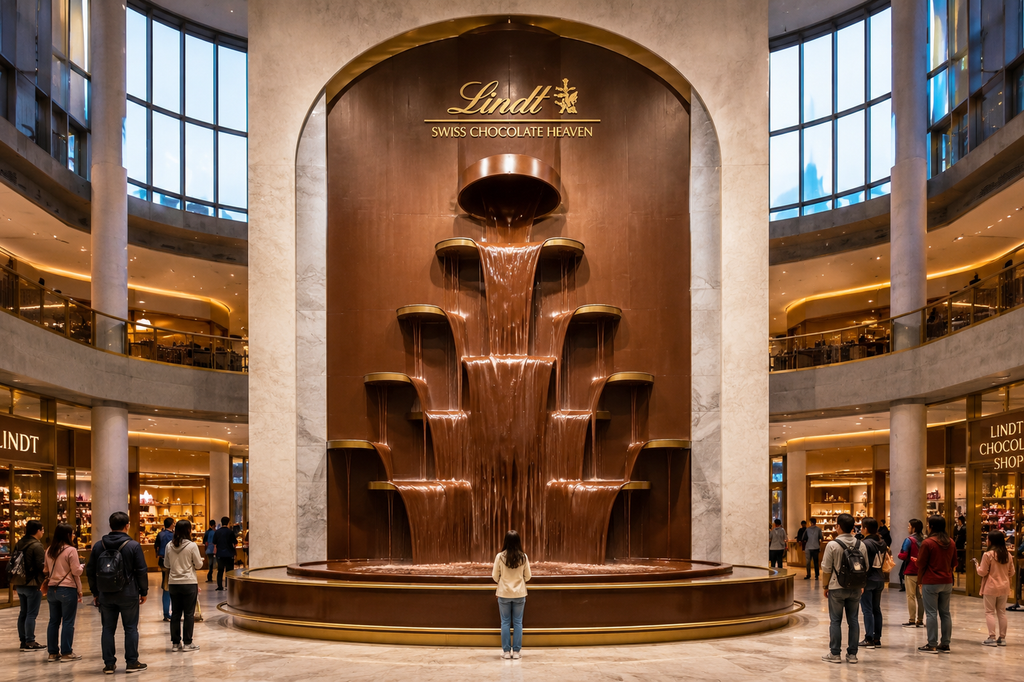
The Lindt Home of Chocolate in Kilchberg is commercial, polished, and fun. A 9.3-meter chocolate fountain dominates the entrance; the audio guide follows cacao cultivation, chocolate history, Swiss manufacturing, and production. At tasting stations, adult self-control meets a paper spoon and loses.
Adult admission is CHF 17, students and eligible concessions pay CHF 15, children aged 8–15 pay CHF 10, and younger children enter free. The Zürich Card provides a 20% discount. The museum opens daily from 10:00 a.m.–7:00 p.m., with last entry an hour before closing, but popular dates sell out. Book directly through the official Lindt ticket page.
From Bürkliplatz, take electric Bus 165, a boat to Kilchberg ZH plus a ten-minute walk, or the S8/S24 train and walk. Kilchberg lies outside central Zone 110, so ensure your ticket covers Zone 150 unless your pass includes it.
Allow 90 minutes to two hours, plus shopping time.
My Tip: Reserve the earliest convenient slot, especially on weekends and wet-weather days. “We will buy tickets there” is optimism wearing a cheap disguise.
8. See What Zurich Did With Its Industrial West
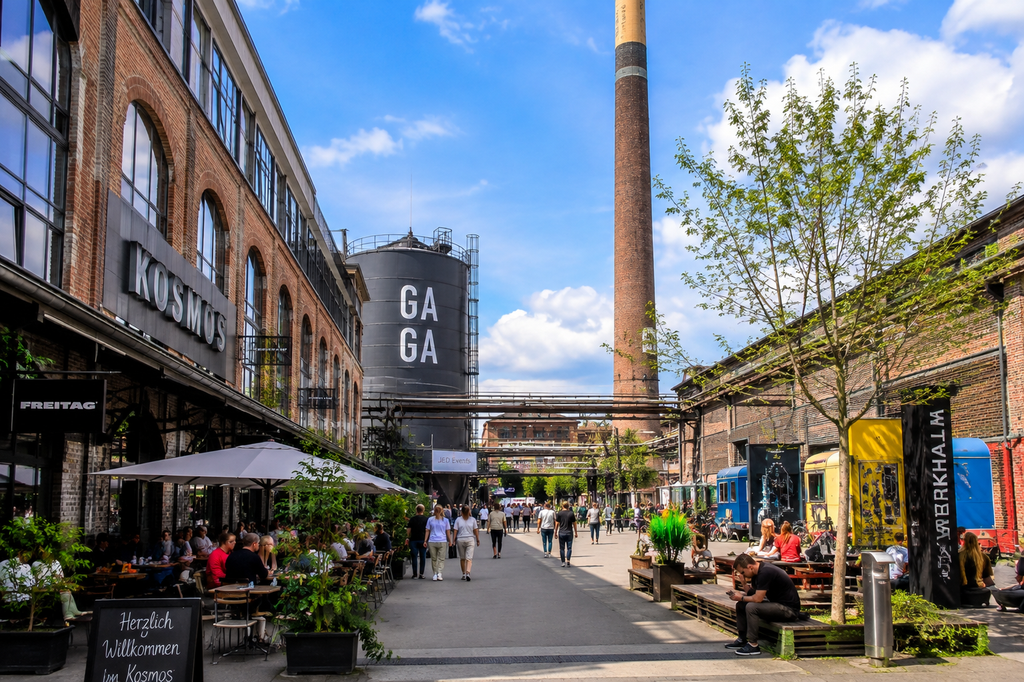
Zürich-West is the corrective to any claim that the city is only churches, banks, and obedient swans. Factories and railway infrastructure still shape the district, but their newer tenants include restaurants, clubs, galleries, start-ups, and shops selling objects so well designed you briefly consider needing them.
Begin at the Viadukt Arches, a 550-yard run of shops and food businesses built into a railway viaduct from 1894. The Markthalle gathers regional produce and takeaway counters beneath the tracks. Continue to Josefwiese, then toward Frau Gerolds Garten and the Freitag Flagship Store, constructed from stacked shipping containers.
Give the district two to four hours, preferably from late afternoon into dinner. Browse small businesses, have an apéro, and listen to trains grind overhead. Walking is free.
Use Hardbrücke station or trams serving Escher-Wyss-Platz and Schiffbau. Check shop hours because Sunday closure is common. The market hall generally operates Monday through Saturday, but individual businesses keep their own schedules.
My Tip: Do not arrive only to photograph the container tower and leave. The district’s point is reuse, not one Instagram angle.
9. Swim Like a Local—or Use the Lake Without Swimming
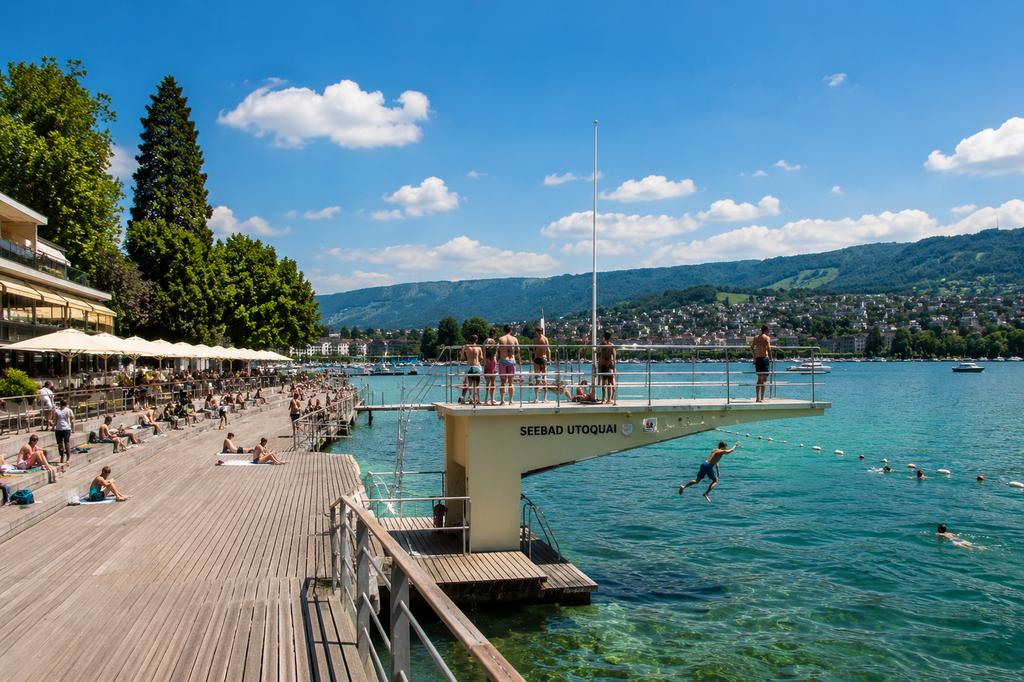
In summer, Zurich’s most persuasive luxury is not a watch. It is leaving work, putting your clothes in a locker, and entering clean urban water. The city’s Badis, public bathing facilities, turn the lake and river into social space.
For the lake, try Seebad Utoquai, Strandbad Mythenquai, or Strandbad Tiefenbrunnen. Standard adult entry at these facilities is currently CHF 8, with lower youth and child rates. Flussbad Oberer Letten offers river swimming closer to Zürich-West. Currents matter: use official entry points, obey signs, and never enter moving water if you are an uncertain swimmer.
At a Badi, bring swimwear, a towel, sandals, and payment for lockers. Shower first. Respect gender-specific areas and photography restrictions; people came to swim, not become your background.
If the weather is cool, walk the lakeside promenade from Bellevue toward Zürichhorn, rent a pedal boat, or sit at Chinagarten. In winter, Seebad Enge operates a sauna program, offering the pleasing Swiss sequence of intense heat followed by questioning your choices near cold water.
My Tip: Check water conditions and current opening hours on official facility pages. River swimming is not the place to improvise because locals make it look easy.
10. Eat Zurich: Rösti Edges, Hot Mustard, and Serious Chocolate

Zurich’s food is better when you stop expecting every meal to be fondue. Try Zürcher Geschnetzeltes, strips of veal in a cream and mushroom sauce, usually served with rösti. Good rösti has a deeply browned, crisp shell and a soft potato center that catches the sauce.
For a quicker meal, order a grilled St. Galler bratwurst at Sternen Grill near Bellevue. The mustard hits the back of the throat with comic speed. Vegetarians should visit Hiltl, which traces its history to 1898 and serves a broad buffet priced by weight.
Try fondue in cool weather, when melted cheese feels like shelter. At Confiserie Sprüngli on Paradeplatz, order Luxemburgerli, small macarons whose shells crack before the filling dissolves. Compare them with an independent chocolatier.
Budget CHF 25–38 for a casual main and CHF 45–75 for a traditional dinner with a drink. Service is included; round up for good service rather than importing a large American percentage automatically.
My Tip: Reserve famous dining rooms, but leave one meal unscheduled. Bakeries, market counters, and neighborhood taverns often provide the meal you talk about later.
BOOK A ZURICH FOOD OR CHOCOLATE TOUR
What Zurich Actually Costs Per Day
Zurich is expensive. There. The question is where spending improves the trip, not the decorative chair.
These are practical per-person planning ranges in Swiss francs, not promises.
Careful Budget: CHF 120–185 Daily
Dorm bed or basic room share, supermarket breakfast and lunch, one casual meal, walking, a city ticket, and mostly free sights.
Comfortable Solo Trip: CHF 260–430 Daily
Midrange hotel, bakery breakfast, restaurant lunch and dinner, local transit, and one paid attraction.
Comfortable Couple: CHF 390–650 Total Daily
Shared double room, two restaurant meals, drinks, transit, and admission or a tour.
Luxury: CHF 550+ per Person
Central upscale hotel, taxis or transfers, cocktails, fine dining, private tours, and the dangerous belief that watch shopping counts as cultural research.
Typical Essential Prices
- Coffee: CHF 5–7
- Bakery breakfast: CHF 8–15
- Supermarket lunch: CHF 10–18
- Casual restaurant main: CHF 25–38
- Traditional dinner with a drink: CHF 45–75
- Beer: CHF 7–10
- Cocktail: CHF 18–24
- Museum admission: roughly CHF 13–31
- City 24-hour transport ticket: CHF 9.40 for one to two counted zones
- Airport-to-center train: CHF 7 one way
To save, use Coop, Migros, bakeries, lunch specials, and takeaway counters. Carry a bottle: water from most public fountains is potable unless marked otherwise. Spend on one memorable meal, then let a lakeside bench handle dessert.
For cards and currency conversion, I use app notifications to catch unexpected exchange-rate choices. Always pay in CHF, not your home currency, when a terminal offers the choice.

GET REVOLUT FOR YOUR ZURICH TRIP
Where to Stay Without Sabotaging the Trip
Old Town and City Center: Walk Everywhere, Pay Accordingly
Stay in District 1 for first visits, short trips, and easy walks. You will pay for the address, and weekend street noise can travel upward through historic windows. Look near Lindenhof for romance, near Zurich HB for transport, or around Bellevue for lake access.
Enge and Wollishofen: Lake Access and Quieter Evenings
These neighborhoods work well for the lake, quieter evenings, and quick connections to Kilchberg. They feel residential but remain close to the center.
Zürich-West: Industrial Architecture and Late Nights
Choose District 5 for modern hotels, nightlife, the Viadukt Arches, and former industrial architecture. Trams make the center easy to reach, while dinner choices feel less trapped in postcard Zurich.
Wiedikon: Neighborhood Rhythm Without Exile
District 3 is a sensible option for cafés, neighborhood restaurants, and access toward Uetliberg. It is my pick for travelers who want local rhythm without being exiled to the suburbs.
Book refundable accommodation early for summer, December weekends, and large events. Compare the total after city tax and breakfast.
FIND THE BEST ZURICH STAYS ON BOOKING.COM
Getting to Zurich and Moving Around Without Drama
The ride from Zurich Airport to Zurich HB takes around 10–15 minutes and costs CHF 7 for an adult single ticket; a relevant 24-hour pass costs CHF 14. Tram 10 takes roughly 35 minutes, useful if your lodging lies along its route.
If you land late, carry several bags, or travel with children after a long flight, a prearranged transfer removes the platform mathematics. It costs more, but convenience is a legitimate category of value when everybody is tired.
Moving Around Zurich

Within the city, walk and use ZVV trams, buses, trains, boats, and funiculars. A CHF 9.40 24-hour ticket covers one to two counted zones; note that central Zone 110 counts as two because of network density. The Zürich Card costs CHF 29 for 24 hours or CHF 56 for 72 hours and includes designated local transport, the airport transfer, Uetliberg, selected cruises, many museums, and discounts.
The card pays best when you combine transport with two or more included attractions. If you plan to walk, picnic, and visit one church, buy ordinary tickets instead. Compare inclusions on the official Zürich Card page.
Important: You do not need a rental car in Zurich. Consider one only for a later rural itinerary where trains do not serve your stops conveniently.
A Three-Day Zurich Itinerary That Leaves Room to Breathe
One Day in Zurich
Start at Lindenhof, wander Schipfe and Niederdorf, then visit Grossmünster and Fraumünster. Eat lunch near Bellevue, take a short Lake Zurich cruise, and finish with rösti or sausage. If art matters more than the boat, substitute two hours at Kunsthaus Zürich.
Two Days in Zurich
Follow the first-day plan at a slower pace. On day two, take the S10 to Uetliberg in the morning, visit the National Museum after lunch, then explore the Viadukt Arches and eat in Zürich-West.
Three Days in Zurich
Book an early Lindt Home of Chocolate slot, returning by boat if schedules align. Spend the afternoon swimming at a Badi in summer or exploring Kunsthaus Zürich in colder weather. Keep the final evening open for the lake, an apéro, and whatever you noticed but could not fit earlier.
FIND FLEXIBLE ZURICH ACTIVITIES ON GETYOURGUIDE
When to Visit Zurich Without Arguing With the Weather
May and June: Long Evenings Without Peak-Summer Heat
Late spring, especially May and June, is my favorite compromise. Parks turn green, café terraces reopen, and the daylight stretches well into the evening. Rain remains possible, so pack a light waterproof layer rather than trusting a cheerful forecast icon.
July and August: Swim, Then Complain About Your Hotel Fan
July and August bring lake swimming, river baths, outdoor movies, and the fullest version of Zurich’s water culture. They also bring higher room rates and hot afternoons. Book a hotel with air-conditioning if you sleep badly in heat; not every older property has it.
September and Early October: Clearer Views and Better Walking
September and early October suit long walks and clearer mountain views.
November to February: Museums, Markets, and Gray Skies
November can feel gray, although museum lovers may consider that permission. Christmas markets, lights, and fondue make December sociable. January and February are colder, but hotel deals can improve outside event dates.
My Tip: Check the official Zurich seasons guide and a short-range weather forecast before choosing between Uetliberg and a museum. Save the hill for the clearest window; clouds have no respect for your itinerary.
How Many Days Do You Need in Zurich?
- One day: Explore Old Town, climb Karlsturm, eat something Swiss, and take a short lake cruise.
- Two days: Add Uetliberg and either Kunsthaus Zürich or the National Museum Zurich.
- Three days: Visit the Lindt Home of Chocolate, wander Zürich-West, and swim or linger beside the water.
Zurich for Solo Travelers, Couples, Families, and Travelers with Mobility Needs
Solo travelers can use late public transportation, join a tour, and choose central lodging. Share ridge-walking plans and avoid fast-moving water after drinking.
Couples should resist synchronized sightseeing. A lake cruise, long lunch, and one excellent museum beat twelve rushed stops and a ticket-machine argument.
Families benefit from lake boats, short activities, parks, and the chocolate museum. Confirm family rooms, child fares, life jackets, and stroller rules.
Travelers with limited mobility will find low-floor trams and accessible museums, but cobbles, towers, hills, and older buildings create barriers. Ask about step-free entrances, elevators, bathrooms, and rooms. “Accessible” is too vague.
Safety, Scams, and Etiquette
Zurich is generally easy to navigate, but ordinary city awareness still applies. Watch belongings at Zurich HB, on packed trams, and in nightlife areas. The emergency number 112 works for general emergencies; 117 reaches police, 118 fire services, and 144 medical emergencies.
Close bags in crowds, use licensed rides, check restaurant bills calmly, and decline unsolicited ticket-machine help. Serious tourist scams are uncommon, not impossible.
Keep quiet in residential lanes and churches. Ask before photographing people; never photograph swimmers without permission. Stand aside before checking your map and let faster passengers pass.
What to Pack for Zurich
- Comfortable walking shoes with wet-surface grip
- Light waterproof jacket and compact umbrella
- Reusable bottle for public drinking fountains
- Swimwear and quick-dry towel in summer
- Warm layer for lake boats and Uetliberg
- Power bank for tickets, maps, and eSIM access
- European plug adapter if your devices require one
- Small day bag that closes securely
My Tip: Pack for temperature changes. Lake wind, shaded lanes, museum air-conditioning, and a sunny hillside can occupy the same afternoon.
Small Decisions That Make the Trip Greener and Kinder
- Arrive by train when practical. Zurich HB connects efficiently with Swiss and neighboring European cities.
- Use trams, trains, boats, and your feet. A rental car adds parking cost and urban emissions without improving a central stay.
- Refill your bottle. More than 1,200 fountains provide drinking water; avoid the rare fountain marked as non-potable.
- Swim only at managed access points. Respect currents, wildlife, shoreline vegetation, and facility rules.
- Buy local and seasonal food. The Viadukt Markthalle and weekly markets make that easy.
- Stay longer. Two or three nights distribute the impact of your journey and support more local businesses than a hurried airport stop.
- Do not feed swans or ducks. Human food changes behavior and harms water quality, however persuasive the swan’s legal argument appears.
- Treat residential lanes as neighborhoods. Keep voices down at night and never aim cameras through windows.
Frequently Asked Questions About Visiting Zurich
Is Zurich worth visiting?
Yes, especially if you like walkable cities, art, architecture, swimming, good public transportation, and day-trip access to the Alps. Travelers seeking cheap nightlife or nonstop spectacle may prefer another base. Zurich’s appeal is cumulative rather than theatrical.
Is Zurich expensive for tourists?
Yes, but controllable. Lodging and restaurants create the largest costs. Supermarkets, fountains, free viewpoints, walking, and careful pass choices can hold a budget around CHF 120–185 daily, including dorm or basic shared lodging.
Is the Zürich Card worth it?
It often is if you will use the airport transfer, local transport, Uetliberg, a covered cruise, and included museums within 24 or 72 hours. At CHF 29 and CHF 56, calculate your actual plan. A mostly walking day with free sights does not require it.
Can I see Zurich in one day?
You can see the core in one well-planned day: Old Town, the main churches, lunch, and the lake. You cannot experience the city’s museums, mountain, chocolate attraction, neighborhoods, and water culture properly in the same day.
What is the best area for first-time visitors?
District 1, including Old Town, Zurich HB, and the lake end of the center, is easiest. Enge offers quieter lake access; Zürich-West suits nightlife and contemporary design; Wiedikon gives better neighborhood value.
Do I need cash in Zurich?
Cards work in most hotels, restaurants, shops, and machines. Carry perhaps CHF 50–100 in small notes for backup, markets, or cash-preferring businesses. When offered currency conversion, choose payment in CHF.
Do people speak English in Zurich?
English is widely used in hotels, major attractions, and central restaurants. Learning Grüezi for hello, merci for thanks, and adieu for goodbye is a small courtesy. Do not worry about reproducing the local dialect perfectly.
Is Zurich safe for solo travelers?
Zurich is generally straightforward for solo visitors, including on public transportation. Use normal city precautions, avoid walking beside unfamiliar fast-moving water after drinking, and share hiking plans if continuing beyond easy urban routes.
Can you drink tap water in Zurich?
Yes. Tap water is safe, and water from most public fountains is drinkable unless a sign says otherwise. A reusable bottle saves money surprisingly quickly in a city where restaurant drinks can bully the budget.
The Part Where Zurich Finally Loosens Its Tie

Zurich did not win me over with a single monument. It happened in pieces: the scrape of chess pieces at Lindenhof, cold spray off the lake, the first violent dab of mustard at Sternen Grill, and the moment the Alps appeared behind ordinary apartment roofs as if they had been there listening all along.
Book what needs booking: your room, a timed chocolate ticket, a meaningful tour, perhaps an airport transfer after a difficult flight. Then leave gaps. Zurich is best when a tram bell, side street, or sunny patch beside the river can alter the plan.
Use the links below to build your trip. Compare cancellation terms and total prices, pay in CHF, insure risks you cannot absorb, and save a rental car for journeys beyond the city.
If this guide replaced confusion with a plan, subscribe to A Tiny Traveler for practical city guides, honest budgets, route ideas, worthwhile food, and mistakes you can avoid.
Follow A Tiny Traveler on Pinterest and save this post to your Switzerland travel board. Coming guides cover Zurich day trips, Swiss trains, and affordable travel through a country that charges seven francs for coffee without blinking.
One final instruction: when you leave Zurich HB, do not panic if the streets stop making sense. The lake is downhill. Somewhere nearby, a man with tulips probably already knows.
Frank


